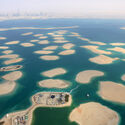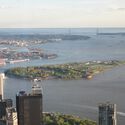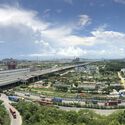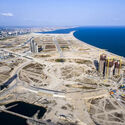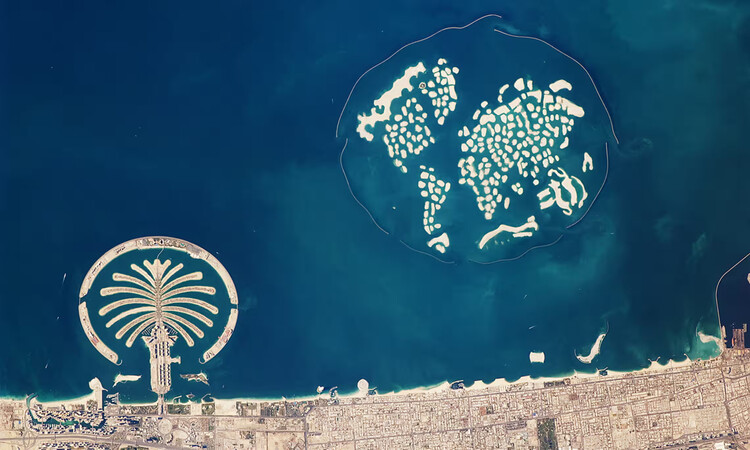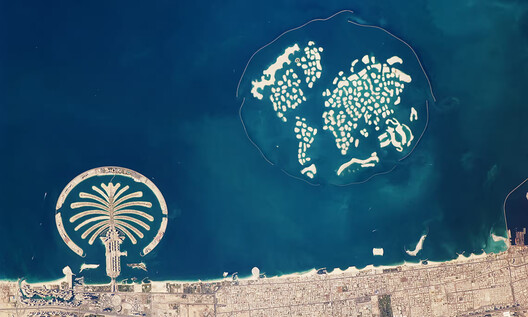
Reclaimed land is often presented as new ground: flat, available, and ready for architecture. It promises cities more space where space is scarce, allowing them to extend waterfronts and build cultural districts. Sometimes, these newly claimed lands may also develop into financial centers, create parks, and imagine futures beyond the limits of existing land. Yet reclaimed land is never simply land. It is an engineered surface, produced through fill, seawalls, drainage, and soil stabilization — a long-term negotiation with the water it claims to have displaced.
This makes reclamation one of architecture's most powerful and ambiguous spatial fantasies. On one hand, it offers freedom: a tabula rasa where streets and buildings can be planned almost from scratch. On the other, this apparent freedom conceals dependency. Made land must constantly prove itself as ground. It has to resist flooding, support foundations, grow trees, and hold public life above a terrain that did not previously exist.