1. ArchDaily
  2. Land reclamation

Land reclamation: The Latest Architecture and News

Unearthing the Ground: Architecture and the Politics of Soil

Subscriber Access | 

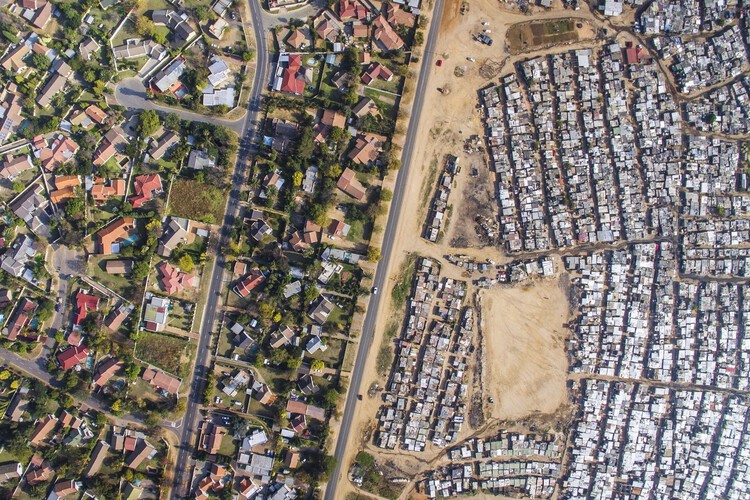
What architecture leaves in the ground outlasts what it puts in the air. A demolished building disappears from the skyline in a matter of days, but its foundations remain embedded in the soil for generations. The contamination caused by an industrial complex does not clear when the complex is torn down. The legal boundaries inscribed across colonial territory do not dissolve when the colonial administration ends. The ground holds what architecture quickly forgets.

This is what makes soil so uncomfortable as a subject. The discipline tends to orient itself upward, toward the form, the façade, the spatial experience of inhabitation. The ground is where architecture begins and, in a certain sense, where it ends: the point at which building becomes geology, legal title becomes territorial claim, and construction becomes extraction. Treating soil as a medium rather than a datum means acknowledging that the acts of building carry consequences that run deeper than the visible object above grade.

Unearthing the Ground: Architecture and the Politics of Soil - Imagen 1 de 4Unearthing the Ground: Architecture and the Politics of Soil - Imagen 2 de 4Unearthing the Ground: Architecture and the Politics of Soil - Imagen 3 de 4Unearthing the Ground: Architecture and the Politics of Soil - Imagen 4 de 4Unearthing the Ground: Architecture and the Politics of Soil - More Images+ 20

Turning Water into Land: Major Landfill Projects Around the World

Subscriber Access | 

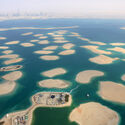
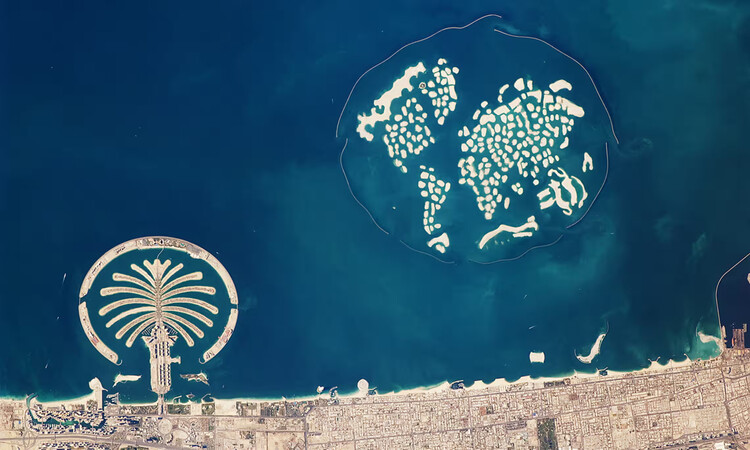
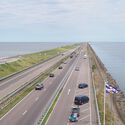
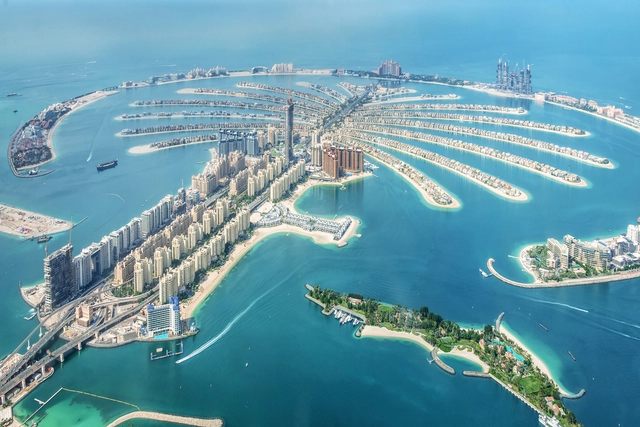
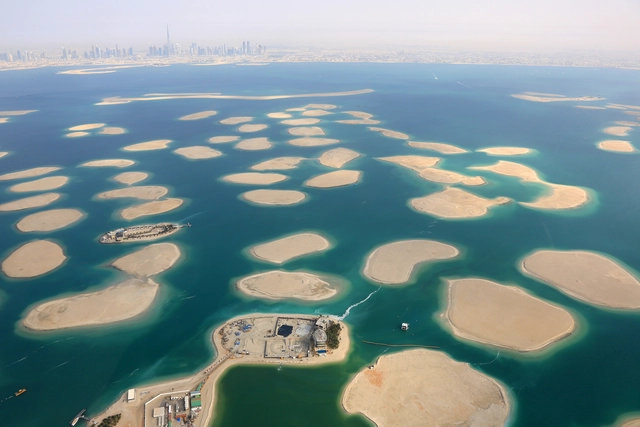
The idea of transforming water into land has captivated humanity for centuries. The Netherlands, for example, is a pioneering nation in this field, where approximately 20% of the territory has been reclaimed from the sea or lakes using dikes to control water flow and dry the surfaces. As technology has advanced, this practice has become more widespread. Today, China leads the way, joined by urban centers in the global south, such as cities in West Africa, East Asia, and the Middle East.

These megalomaniacal land reclamations are primarily undertaken in areas with extensive coastlines but insufficient landmass to meet their needs. In this regard, the newly reclaimed areas serve many purposes, ranging from the development of luxury residential complexes to an entertainment archipelago featuring hotels, restaurants, theaters, and shops.

Turning Water into Land: Major Landfill Projects Around the World - Image 1 of 4Turning Water into Land: Major Landfill Projects Around the World - Image 2 of 4Turning Water into Land: Major Landfill Projects Around the World - Image 3 of 4Turning Water into Land: Major Landfill Projects Around the World - Image 4 of 4Turning Water into Land: Major Landfill Projects Around the World - More Images+ 6

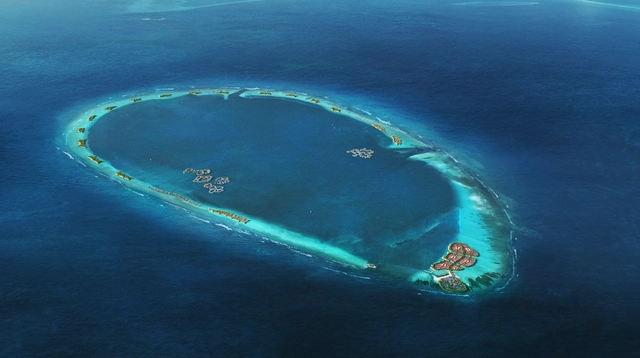
Foster + Partners Unveils Climate-Resilient Masterplan for Gaafaru Island, Maldives

Foster + Partners, in collaboration with the Maldives Fund Management Corporation (MFMC), has unveiled the masterplan for Gaafaru, an inhabited island in the Kaafu Atoll of the Maldives. This project is designed to ensure a sustainable and resilient future for the island by addressing the critical challenges posed by climate change, rising sea levels, and social inequalities. At the heart of this plan are six guiding principles that aim to balance environmental protection with community prosperity, creating a model of future-proof island development.

Unpacking the History of Artificial Islands: The True Cost on the Built Environment

Subscriber Access | 

Contrary to common belief, artificial islands have a lengthy historical background in many regions worldwide. This heritage dates back to the reclaimed islands in Ancient Egypt, the hundreds of Stilt crannogs found in Scottish and Irish lakes and waterways, and the ceremonial islands constructed during the Aztec Empire. By definition, an artificial island is an island that has been constructed by humans rather than formed through natural processes. Artificial islands can be built for many different reasons, and these reasons are only increasing as the world faces the looming issue of space scarcity.

In the past, these islands were intended for ceremonial or agricultural purposes, often verging on solutions for urban space. More recently, the islands have been built to mitigate overcrowding, reclaim land, provide new urban expansions, and meet infrastructure and industrial needs. Artificial islands also have certain strategic advantages and economic gains and can lead to geopolitical benefits. However, these types of projects come at a significant cost to our ecosystem, harming the environment in severe and vast ways.

Unpacking the History of Artificial Islands: The True Cost on the Built Environment - Image 1 of 4Unpacking the History of Artificial Islands: The True Cost on the Built Environment - Image 2 of 4Unpacking the History of Artificial Islands: The True Cost on the Built Environment - Image 3 of 4Unpacking the History of Artificial Islands: The True Cost on the Built Environment - Image 4 of 4Unpacking the History of Artificial Islands: The True Cost on the Built Environment - More Images+ 3

How Water Responds to Land Reclamation in Coastal Cities

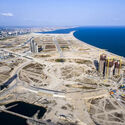
Land reclamation from the sea has become a popular phenomenon in coastal development. It is the most preferred solution to the need for land in coastal areas and has been implemented for various use cases, including flood control and agriculture. Nowadays, it has become a famous urban response to the rapid increase in coastal urbanization, economic activity, and global population. Countries like China and the Netherlands lead the chart on the amount of land area reclaimed. However, most reclamation projects today take place within urban centers in the global south. Cities in West Africa, East Asia, and the Middle East produce these new lands as economic forerunners for their commercial industry and as platforms to house luxury residences.

But the relationship between the design and production of reclaimed lands and the response of water in ocean environments is complex. It requires a symbiotic relationship with water bodies for stability but can provoke natural forces when negligently imposed on the sea. Ocean water behaviors, including tidal accumulation, sea level rise, connection to wetlands, and aquatic biodiversity, can question the success or failure of land reclamation projects in different contexts.

How Water Responds to Land Reclamation in Coastal Cities - Image 1 of 4How Water Responds to Land Reclamation in Coastal Cities - Image 2 of 4How Water Responds to Land Reclamation in Coastal Cities - Image 3 of 4How Water Responds to Land Reclamation in Coastal Cities - Image 4 of 4How Water Responds to Land Reclamation in Coastal Cities - More Images+ 1