![Bois de Cergy Leisure Centre / PLURIEL[LES] ARCHITECTES](https://images.adsttc.com/media/images/6ad0/fe03/c720/ac12/b4d4/1444/newsletter/bois-de-cergy-leisure-centre-pluriel-les-architectes_2.jpg?1792081424)
Featured Aalok Farmhouse / Nodecraft Studio
Editor's Choice “Architecture Must Return to Its Essence”: Wang Shu and Lu Wenyu on the 2027 Venice Architecture Biennale
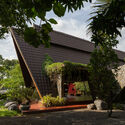
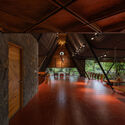
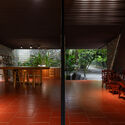
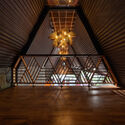
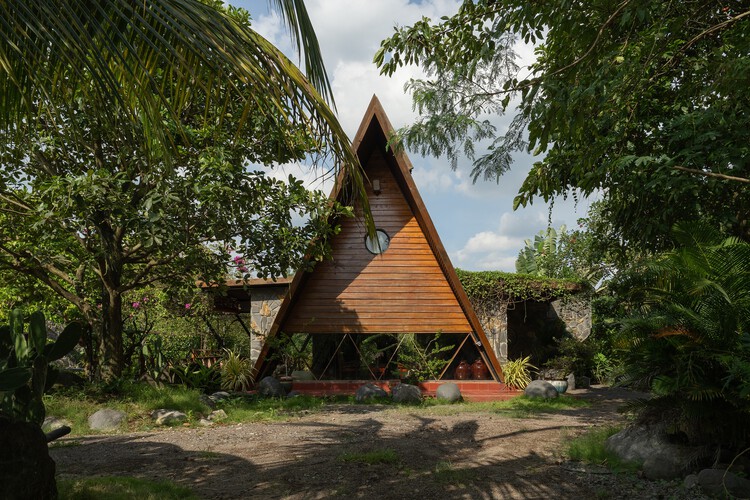
Village de Ananti / SKM Architects
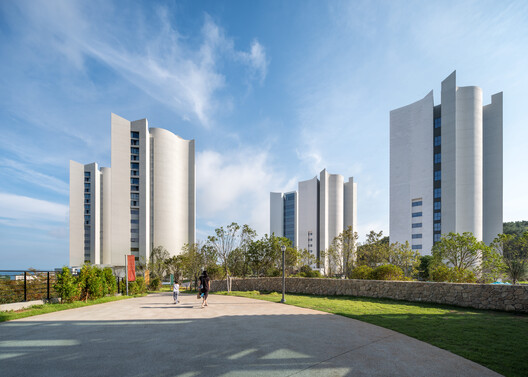
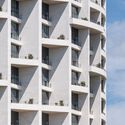
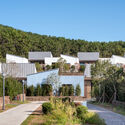
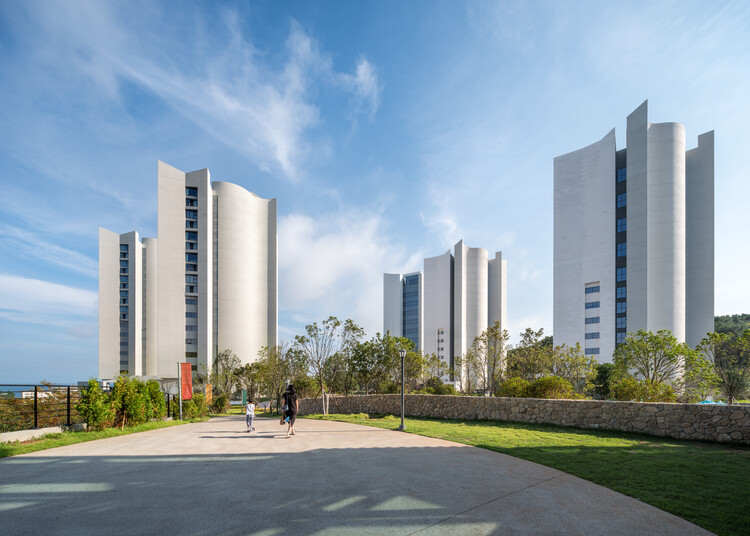
-
Architects: SKM Architects
- Area: 162000 m²
- Year: 2023
https://www.archdaily.com/1187384/village-de-ananti-skm-architectsPratik Mour
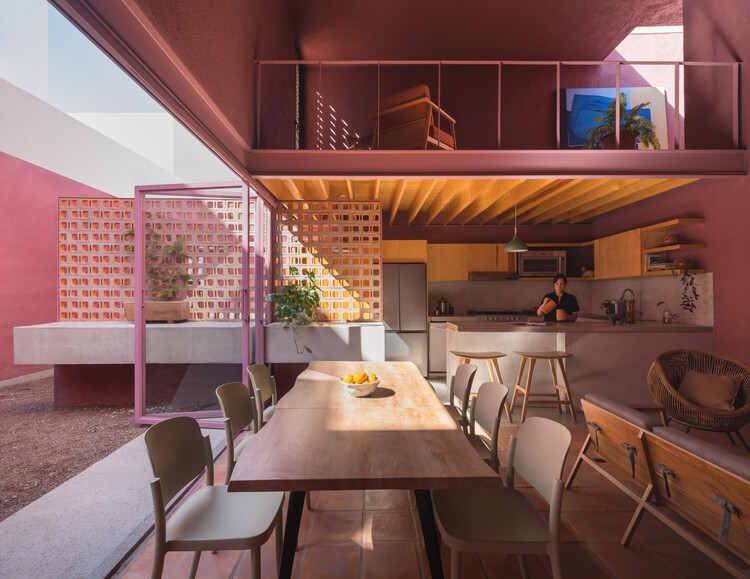
Casa Cardona / Sensacional Dinámica Mexicana
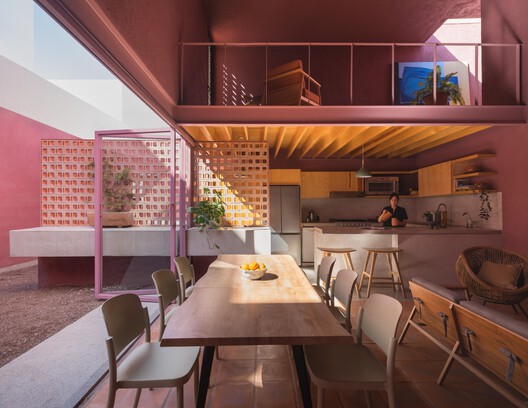
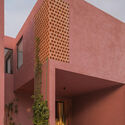
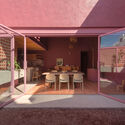
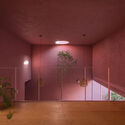
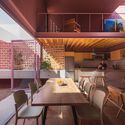
-
Architects: Sensacional Dinámica Mexicana
- Area: 165 m²
- Year: 2026
https://www.archdaily.com/1187539/casa-cardona-sensacional-dinamica-mexicanaValentina Díaz
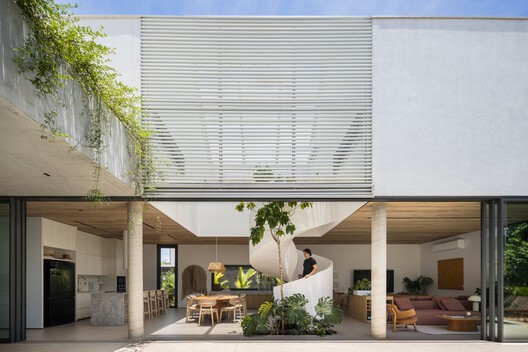
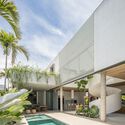
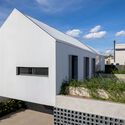
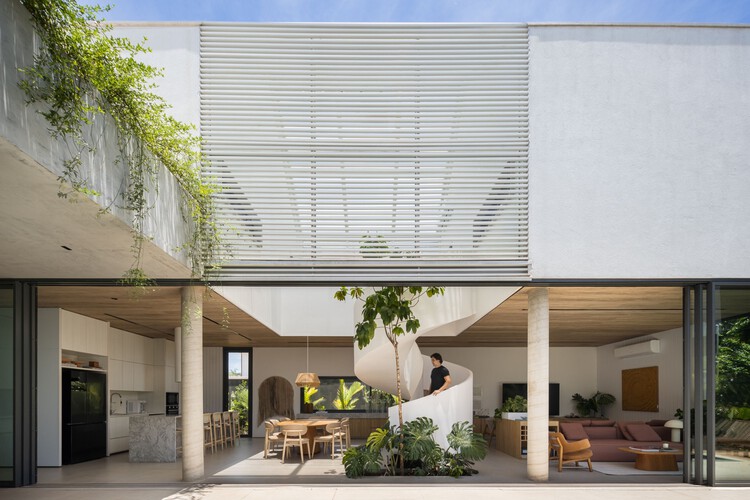
Project MMR / David Ito Arquitetura
-
Architects: David Ito Arquitetura
- Area: 319 m²
- Year: 2024
-
Manufacturers: Rafaela Novaes
https://www.archdaily.com/1187456/project-mmr-david-ito-arquiteturaNana Dokua
Santa Rosa Social Housing / FAR frohn&rojas

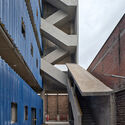
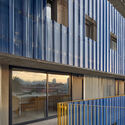
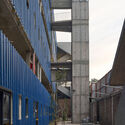
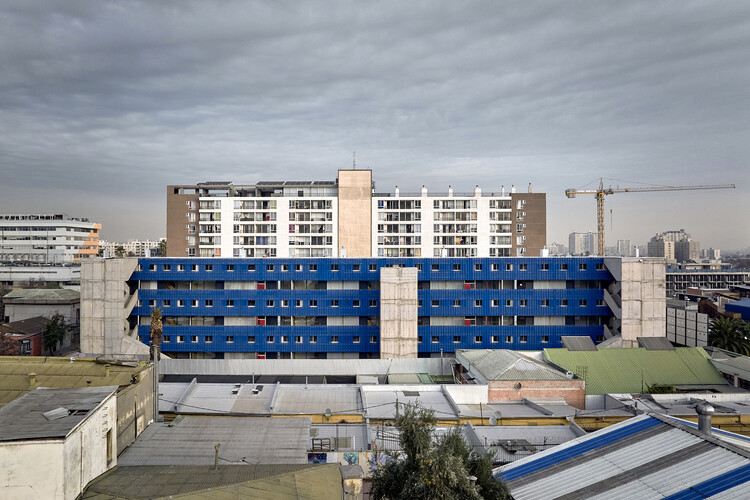
-
Architects: FAR frohn&rojas
- Area: 2337 m²
- Year: 2026
https://www.archdaily.com/1187477/santa-rosa-social-housing-far-frohn-and-rojasCristina Popescu
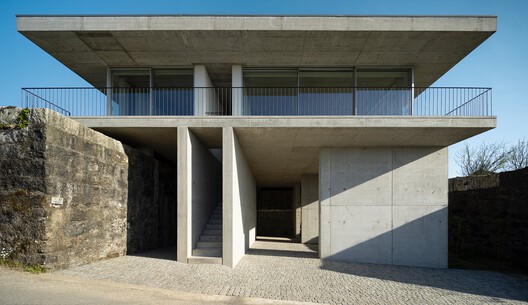
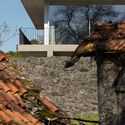
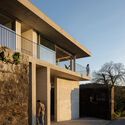
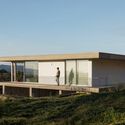
Coqueira House / Tiago Sousa Arquitecto
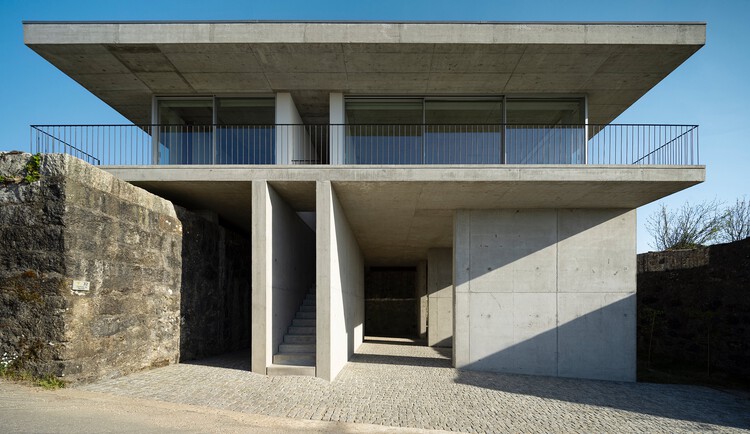
-
Architects: Tiago Sousa Arquitecto
- Area: 140 m²
- Year: 2025
https://www.archdaily.com/1187520/coqueira-house-tiago-sousa-arquitectoNana Dokua
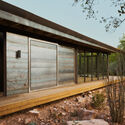
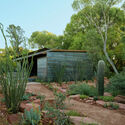
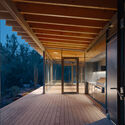
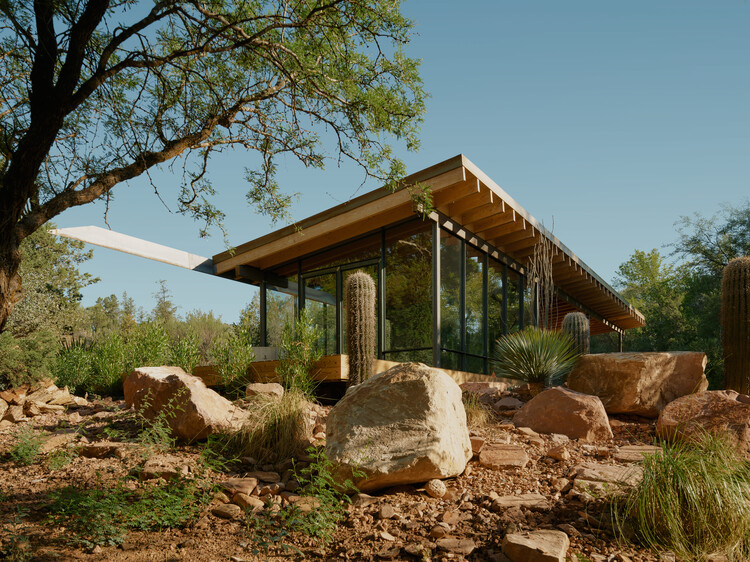
Ironwood Retreat / The Ranch Mine
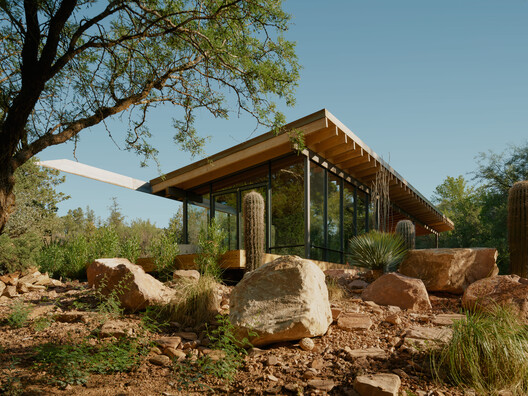
-
Architects: The Ranch Mine
- Area: 705 ft²
- Year: 2026
-
Manufacturers: Alfresco Grills, Delta Millworks, Perlick Appliance
https://www.archdaily.com/1187398/ironwood-the-ranch-mineNana Dokua
Dondoh Restaurant / Costa + Herrera Arquitectos


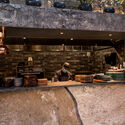
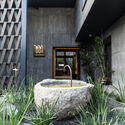
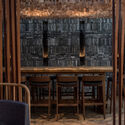

-
Architects: Costa + Herrera Arquitectos
- Year: 2020
-
Manufacturers: Topwood
https://www.archdaily.com/1177056/dondoh-restaurant-costa-plus-herrera-arquitectosAndreas Luco
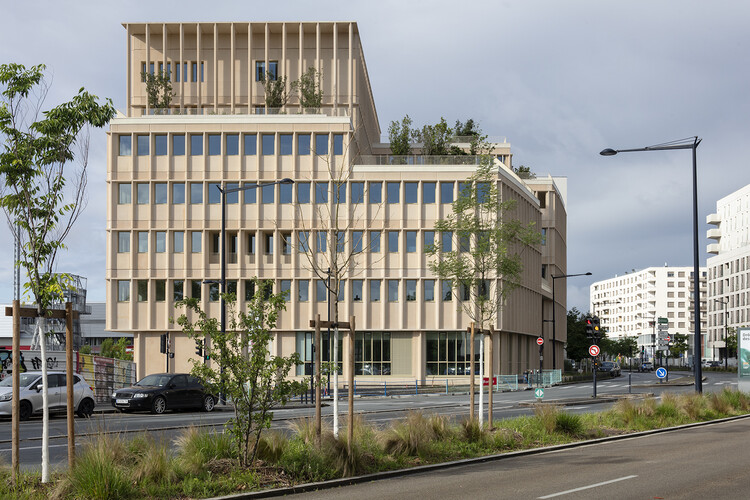
MOKUZAI / IT'S Studio
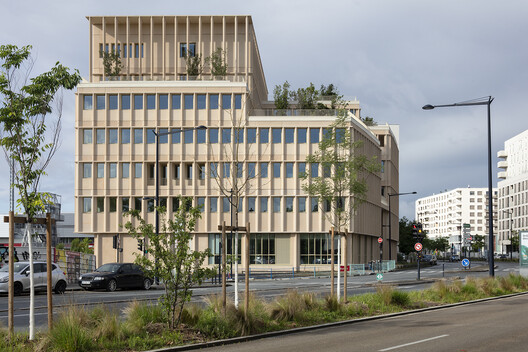
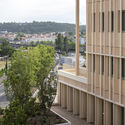
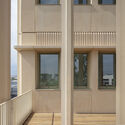
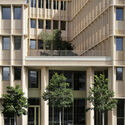
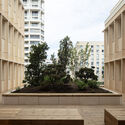
-
Architects: IT'S Studio
- Area: 7500 m²
- Year: 2026
-
Manufacturers: CIR PREFA
https://www.archdaily.com/1186694/mokuzai-its-studioCristina Popescu
Planned Overflow: How Singapore Balances Floods, Canals, and Public Space
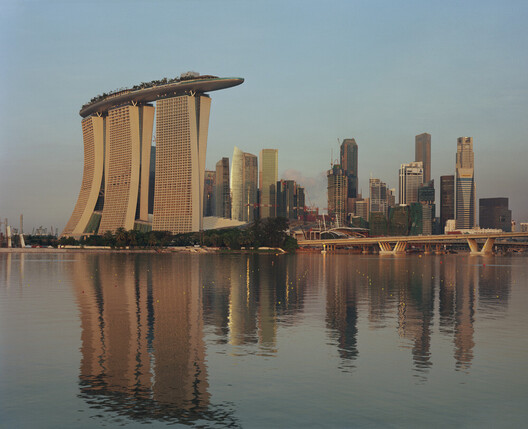
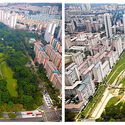
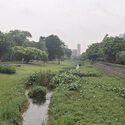
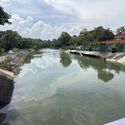
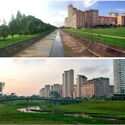
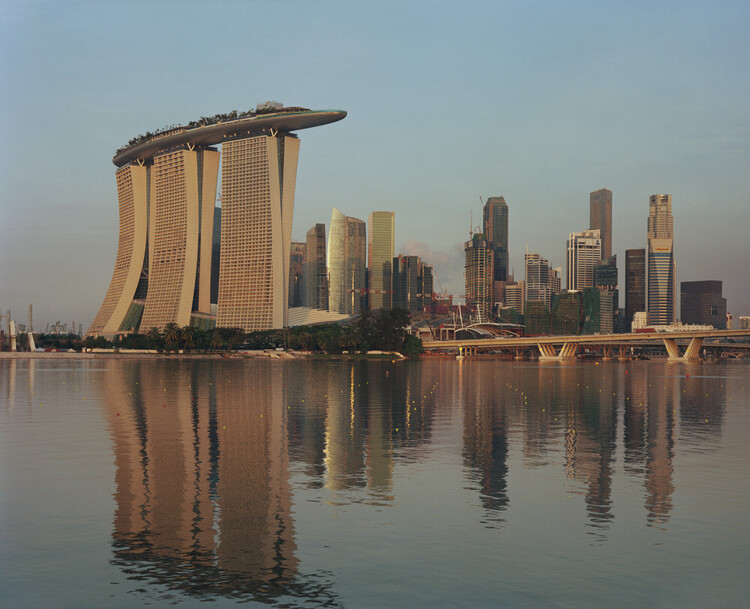
At Bishan–Ang Mo Kio Park in Singapore, a river does not occupy a fixed boundary. Under ordinary conditions, water moves through a naturalized channel bordered by grass, planting, and paths that bring visitors close to the river. During heavy rainfall, water spreads into the surrounding park, which is designed to accommodate flows beyond the capacity of the narrower channel. What appears to be a public landscape is also working infrastructure. Singapore's approach retains drainage engineering while assigning a wider role to the land around it.
For decades, Singapore's network of concrete canals has been central to managing stormwater in a densely developed city exposed to intense tropical rainfall. Their hard surfaces and defined channels were designed to convey water efficiently. These channels moved stormwater efficiently, but offered limited space for public access, planting, or other uses along the water's edge. Through its Active, Beautiful, Clean Waters (ABC Waters) Programme, launched in 2006, Singapore began integrating waterways with parks, ecological systems, and public spaces. The programme links stormwater management with the design of parks, waterways, and public spaces.
https://www.archdaily.com/1186715/planned-overflow-how-singapore-balances-floods-canals-and-public-spaceAnanya Nayak
Muammer Karaca Theatre Refurbishment / Novos Studio

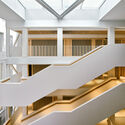
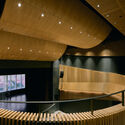
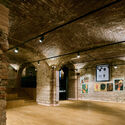
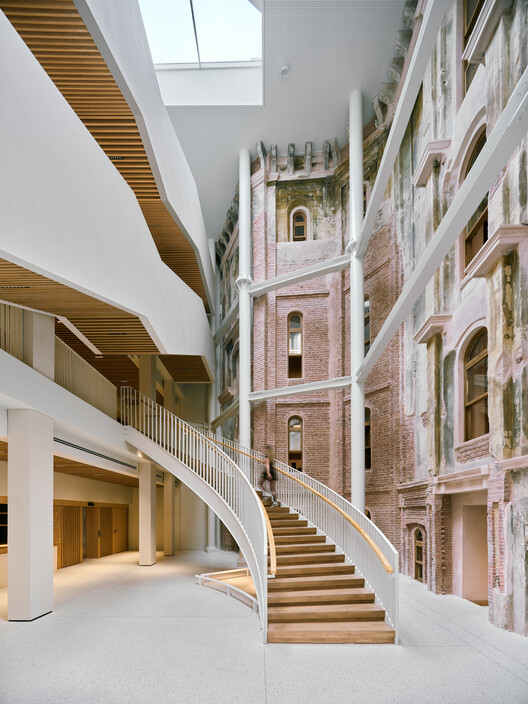
-
Architects: Novos Studio
- Area: 3000 m²
- Year: 2026
https://www.archdaily.com/1187304/muammer-karaca-theatre-refurbishment-novos-studioPratik Mour
Politecnica, Park Associati, and AMDL CIRCLE Win Competition for Cultural Hub in Italy’s UNESCO-Listed Valle Camonica

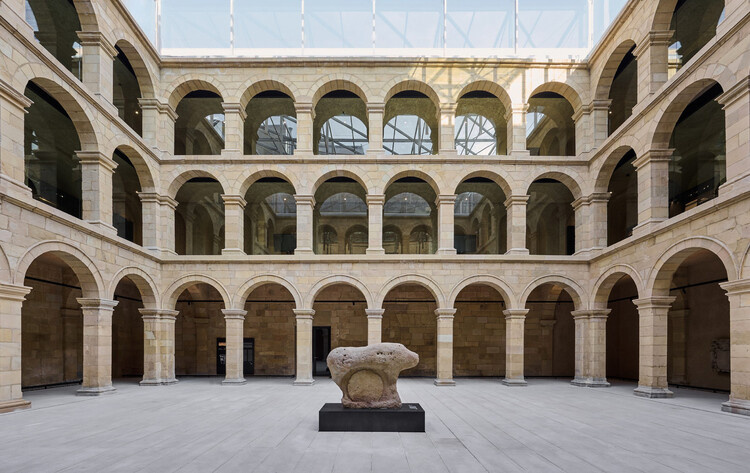
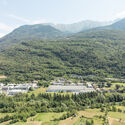
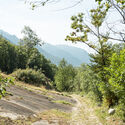
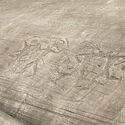
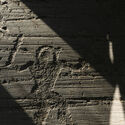
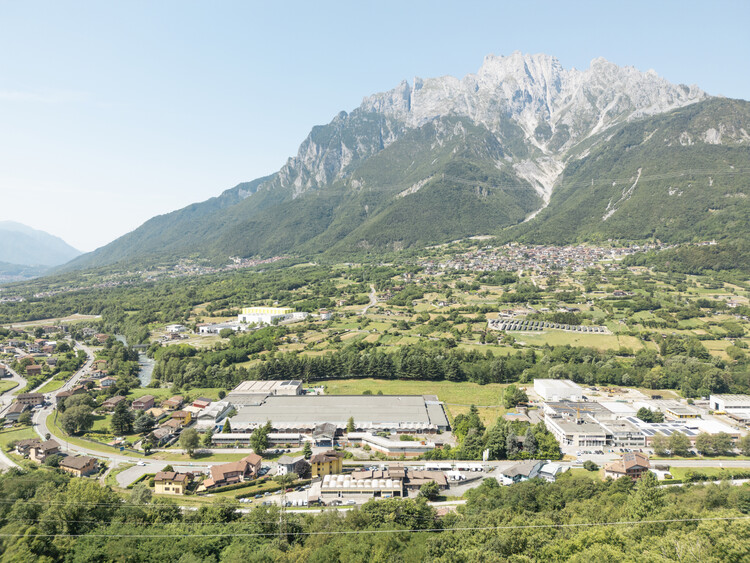
A team led by Politecnica Building for Humans, with Park Associati and AMDL CIRCLE as architectural co-leads and Studio Mattioli responsible for geology and archaeology, has won the competition for a new cultural hub in Ceto, Italy. The project will transform the former Società Filati Niggeler & Kupfer textile mill into a facility comprising exhibition spaces, research facilities, an auditorium, and visitor services. Located in Valle Camonica, an area known for its prehistoric rock engravings, the proposal approaches the site through the relationship between industrial heritage, archaeology, and the surrounding landscape.
https://www.archdaily.com/1187494/politecnica-park-associati-and-amdl-circle-win-competition-for-cultural-hub-in-italys-unesco-listed-valle-camonicaReyyan Dogan
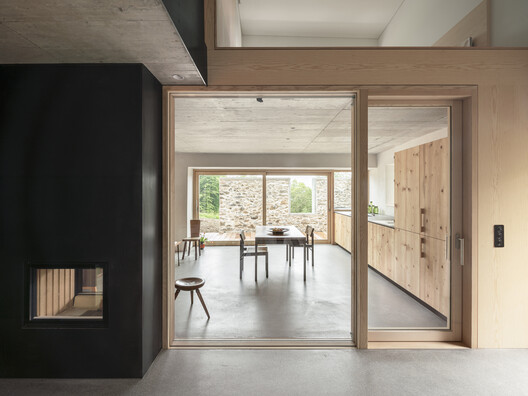
HOUSE JCM / Ralph Germann architectes
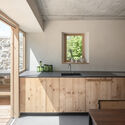
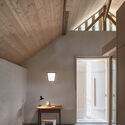
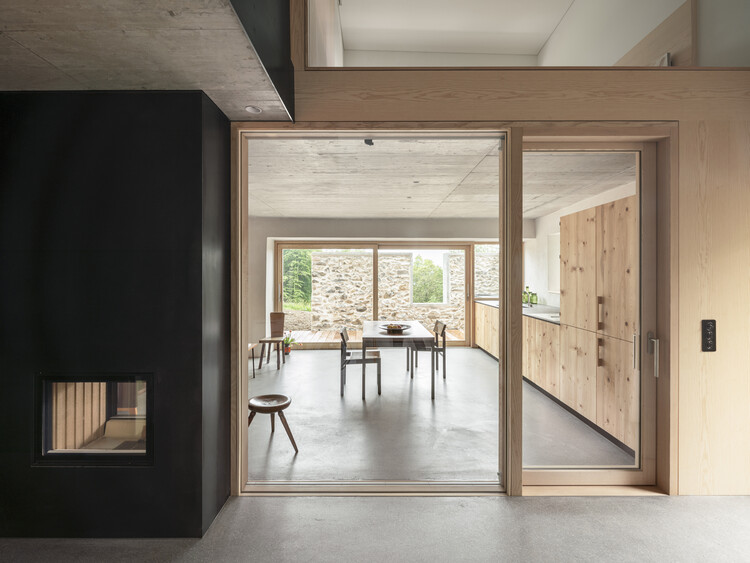
-
Architects: Ralph Germann architectes
- Area: 96 m²
- Year: 2025
https://www.archdaily.com/1186101/house-jcm-ralph-germann-architectesNina Vuga
Stefano Boeri Architetti Selected to Transform Former Locomotive Factory into Green Neighbourhood in Tbilisi

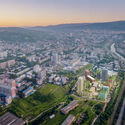
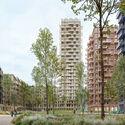
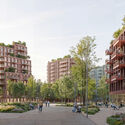
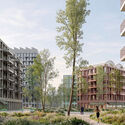
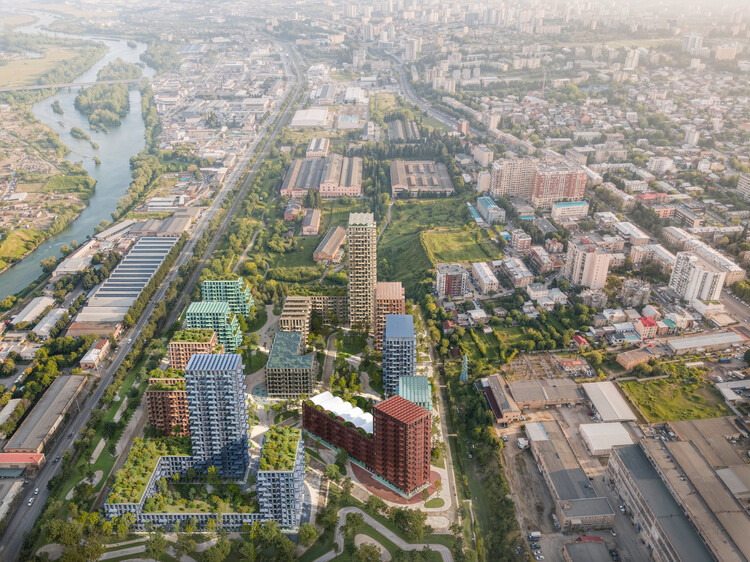
The LOCO Alliance architectural competition in Tbilisi, Georgia, was organized to transform a 73,600 m² brownfield site, the former Soviet-era Tbilisi Electric Locomotive Manufacturing Plant in the "Temka" residential area, into a new green neighborhood and cultural destination called Loco Park. On October 18, 2026, LOCO Alliance officially announced Stefano Boeri Architetti's design as the selected project for the site's transformation, with the official masterplan images unveiled on October 23. The selected masterplan is designed to integrate the industrial heritage of the factory with contemporary architecture, dense green public spaces and community recreation hubs. The site is already hosting large-scale cultural events, organized in parallel with the formal masterplan competition.
https://www.archdaily.com/1187468/stefano-boeri-architetti-selected-to-transform-former-locomotive-factory-into-green-neighbourhood-in-tbilisiAntonia Piñeiro
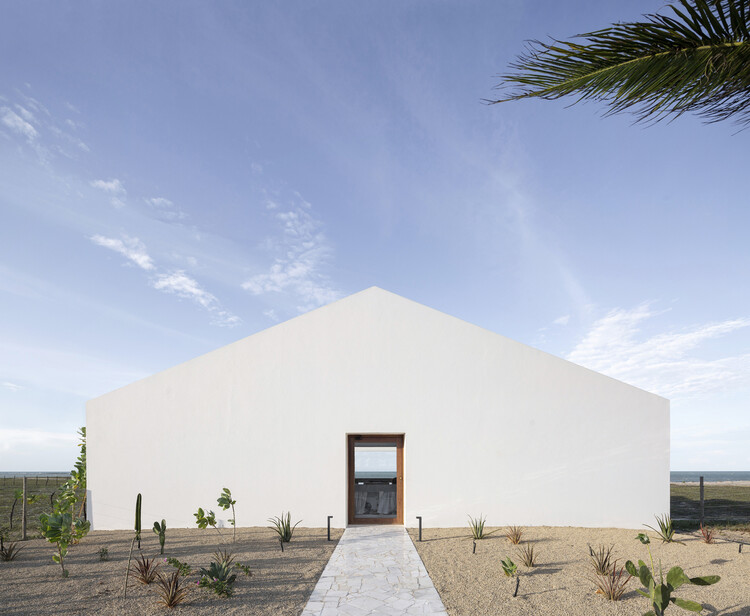
Building the View: 4 Brazilian Houses Framing the Sea

Throughout history, people have sought ways to see the world. In Renaissance painting, linear perspective made this impulse explicit by transforming the canvas into a window, organizing depth from a fixed viewpoint. In his treatise De Pictura (1435), Leon Battista Alberti described painting as a window onto what one wishes to represent. Landscape, in this sense, ceased to be simply what lay before the eyes and became a visual construction, a reality selected and organized by the gaze.
Architecture operates in much the same way. A window determines what can be seen, from where it is seen, and, consequently, what becomes part of everyday experience. This question was central to modern architecture and found one of its most emblematic debates in the 1920s.
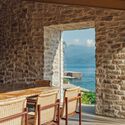
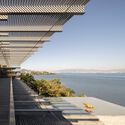
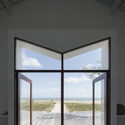
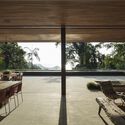
https://www.archdaily.com/1186608/building-the-view-4-brazilian-houses-framing-the-seaCamilla Ghisleni
Mornington House / Foomann Architects

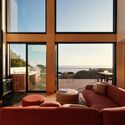
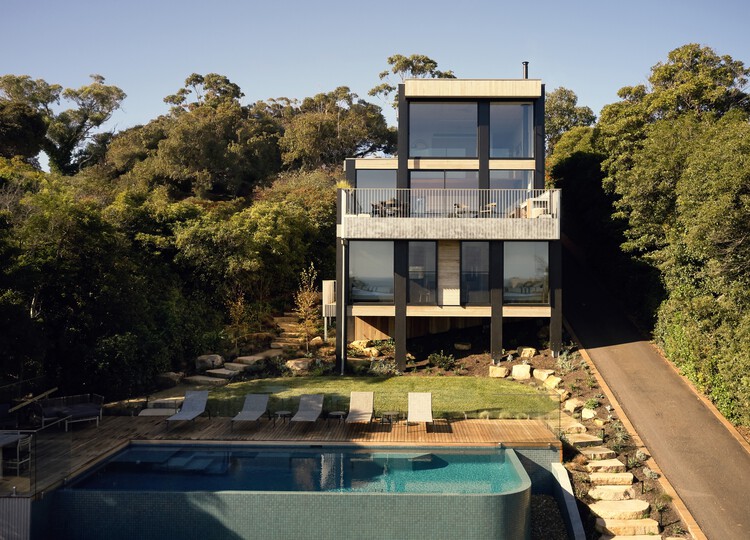
-
Architects: Foomann Architects
- Area: 165 m²
- Year: 2024
https://www.archdaily.com/1187389/mornington-house-foomann-architectsPratik Mour
House in Mibu / Tato Architects

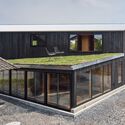
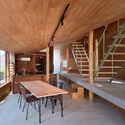
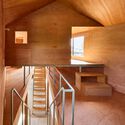
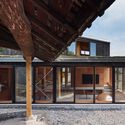
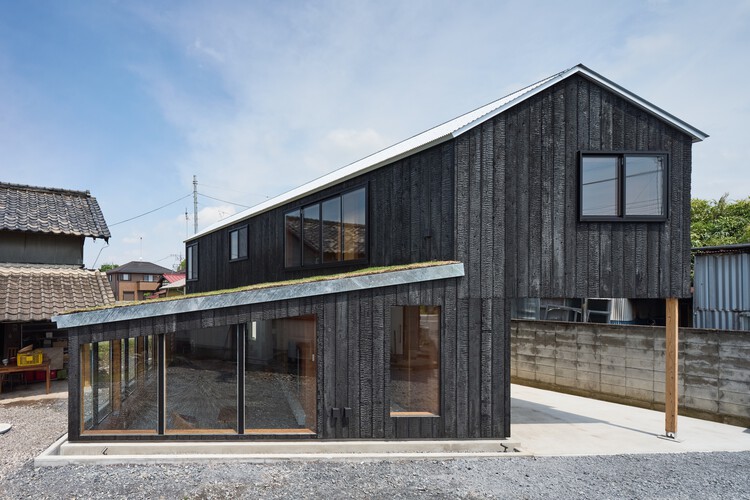
-
Architects: Tato Architects
- Area: 109 m²
- Year: 2026
-
Manufacturers: Kimikolor, Miratap
https://www.archdaily.com/1186430/house-in-mibu-tato-architectsNana Dokua
How Material Choices Shape Contemporary Additions to Historic Buildings
| In Collaboration

Adding new floors on top of a historic building presents a challenge beyond accommodating additional space: how can a contemporary intervention respond to the character of an existing structure? Material selection plays an important role in establishing a relationship between different construction periods, whether the aim is to complement the existing building or create a more distinct architectural expression. The LH Residence in Varna, Bulgaria, designed by STARH, offers an example of how fiber cement can help relate a contemporary addition to a historic building.
https://www.archdaily.com/1187153/how-material-choices-shape-contemporary-additions-to-historic-buildingsKiana Buchberger