1. ArchDaily
  2. Ocean

Ocean: The Latest Architecture and News

Between Sea and City: Contemporary Fish Market Architecture

Subscriber Access | 

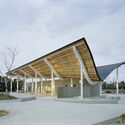
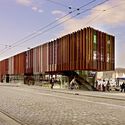
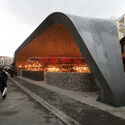
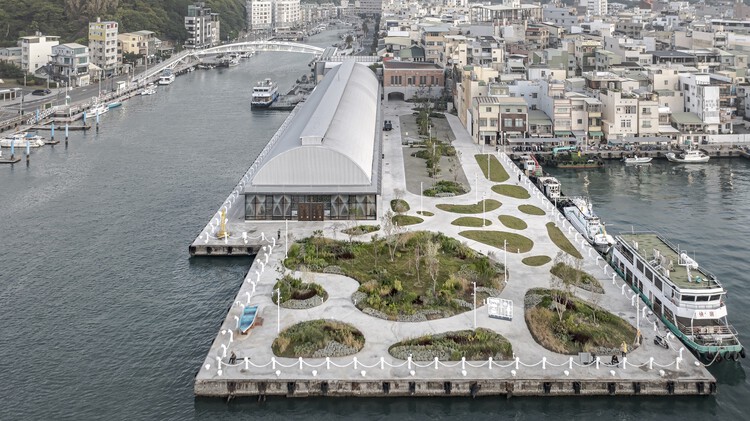
Throughout history, fish markets have played a singular role in mediating the relationship between city and sea. From the port agoras of antiquity, through medieval markets established along docks and estuaries, to the large covered structures of the 19th century, these spaces have been instrumental in shaping coastal cities. More than simple infrastructures for food supply, fish markets express cultural practices and modes of occupation rooted in proximity to water, consolidating themselves as intense and highly social public spaces. Within them, architecture, landscape, and social dynamics intertwine directly, revealing how the built environment can translate maritime traditions and reinforce the identity of coastal and port communities.

Between Sea and City: Contemporary Fish Market Architecture - Image 1 of 4Between Sea and City: Contemporary Fish Market Architecture - Image 2 of 4Between Sea and City: Contemporary Fish Market Architecture - Image 3 of 4Between Sea and City: Contemporary Fish Market Architecture - Image 4 of 4Between Sea and City: Contemporary Fish Market Architecture - More Images+ 11

Zaha Hadid Architects Develop 3D-Printed Habitats to Support Marine Ecosystem Restoration

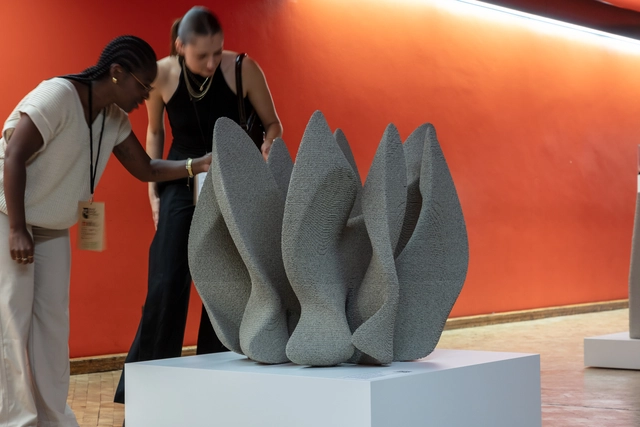
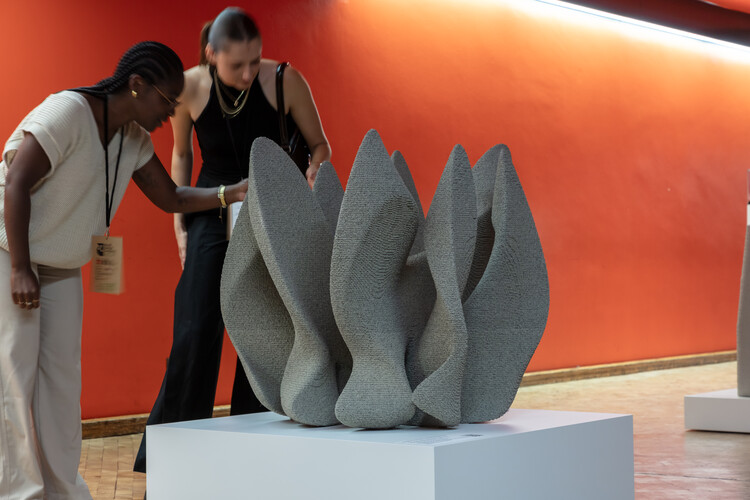
Zaha Hadid Architects' design for a digitally fabricated marine habitat in the North Lantau Marine Park conservation zone in Hong Kong was recently presented at the World Design Congress exhibition in London. The event took place at the Barbican Centre between September 9 and 10, one of the world's most recognized examples of Brutalist architecture. Its theme, "Design for Planet," called on designers and commissioners of design to take on their most critical brief to date: to design a regenerative future in the face of climate change and to examine design's role as a tool for environmental action. In this context, Zaha Hadid Architects presented Nereid, a digitally fabricated habitat developed with advanced 3D printing technologies by D-Shape, aimed at supporting the natural regeneration of marine ecosystems.

Zaha Hadid Architects Develop 3D-Printed Habitats to Support Marine Ecosystem Restoration - Image 1 of 4Zaha Hadid Architects Develop 3D-Printed Habitats to Support Marine Ecosystem Restoration - Image 2 of 4Zaha Hadid Architects Develop 3D-Printed Habitats to Support Marine Ecosystem Restoration - Image 3 of 4Zaha Hadid Architects Develop 3D-Printed Habitats to Support Marine Ecosystem Restoration - Image 4 of 4Zaha Hadid Architects Develop 3D-Printed Habitats to Support Marine Ecosystem Restoration - More Images+ 5

From Symbols to Architecture: In Conversation with EXTUDIO, ENORME Studio, and Smart and Green Design, Authors of the Spanish Pavilion at Expo Osaka 2025

Subscriber Access | 

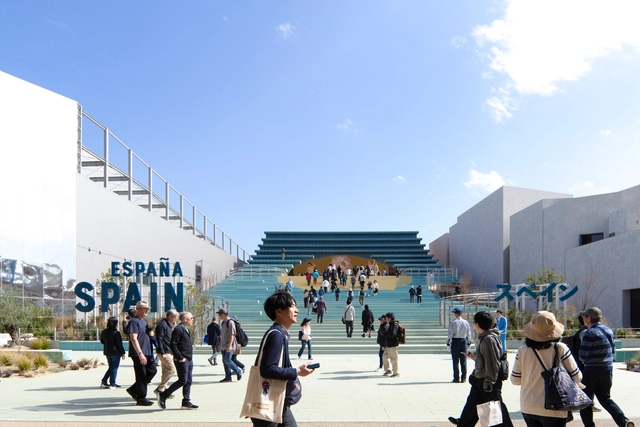
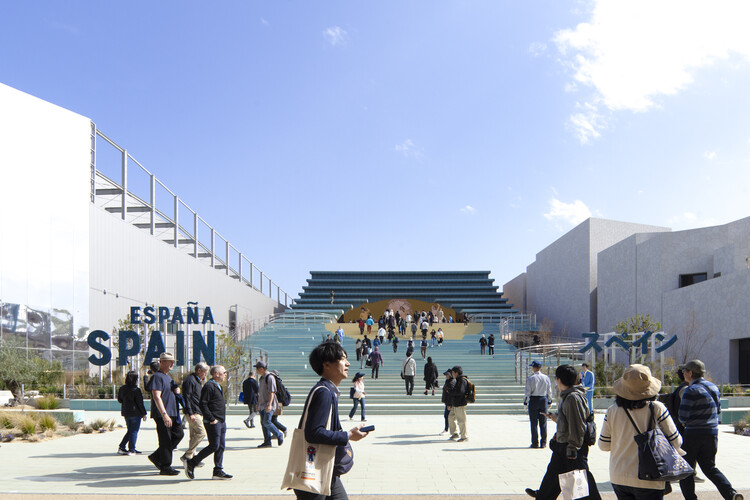
Since its opening in April, Expo Osaka has welcomed millions of visitors from around the world, standing as a true showcase of innovation, architecture, and design. Among its highlights is the Grand Ring, designed by Japanese architect Sou Fujimoto, considered the largest timber architectural structure in the world. Under the theme of Expo 2025 — “Designing Future Society for Our Lives”, along with Saving Lives, Empowering Lives, and Connecting Lives — more than 150 countries have used their pavilions to address key topics in contemporary architecture, such as circular construction, cultural memory, and innovation and technology aimed at shaping a sustainable built environment for the future.

From Symbols to Architecture: In Conversation with EXTUDIO, ENORME Studio, and Smart and Green Design, Authors of the Spanish Pavilion at Expo Osaka 2025 - Image 1 of 4From Symbols to Architecture: In Conversation with EXTUDIO, ENORME Studio, and Smart and Green Design, Authors of the Spanish Pavilion at Expo Osaka 2025 - Image 2 of 4From Symbols to Architecture: In Conversation with EXTUDIO, ENORME Studio, and Smart and Green Design, Authors of the Spanish Pavilion at Expo Osaka 2025 - Image 3 of 4From Symbols to Architecture: In Conversation with EXTUDIO, ENORME Studio, and Smart and Green Design, Authors of the Spanish Pavilion at Expo Osaka 2025 - Image 4 of 4From Symbols to Architecture: In Conversation with EXTUDIO, ENORME Studio, and Smart and Green Design, Authors of the Spanish Pavilion at Expo Osaka 2025 - More Images+ 26

Kengo Kuma’s Portugal Pavilion for Expo 2025 Osaka Opens as a Tribute to the Ocean

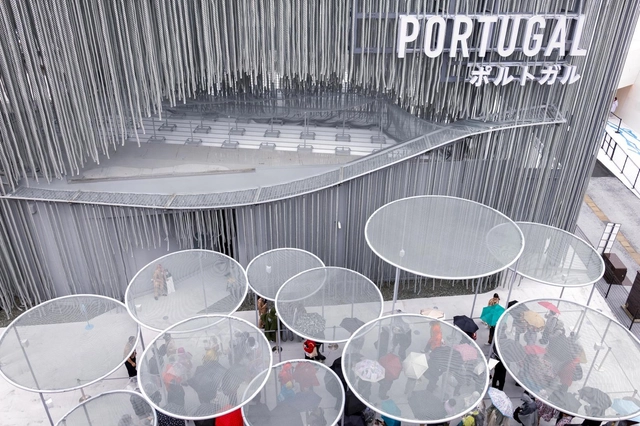
The Portugal Pavilion at Expo 2025 in Osaka embraces the theme "Ocean, The Blue Dialogue", offering visitors an immersive exploration of the ocean as a life-giving resource and a cornerstone of sustainability. Designed by Japanese architect Kengo Kuma, the Pavilion aims to reflect Portugal's deep historical, cultural, and economic connections to the sea, creating an architectural and narrative journey that bridges past, present, and future. The pavilion has recently been inaugurated in the in the "Empowering Lives" zone, next to the Bahrain Pavilion, designed by Lina Ghotmeh Architecture and the Austrian Pavilion by BWM Architects.

Kengo Kuma’s Portugal Pavilion for Expo 2025 Osaka Opens as a Tribute to the Ocean - Image 1 of 4Kengo Kuma’s Portugal Pavilion for Expo 2025 Osaka Opens as a Tribute to the Ocean - Image 2 of 4Kengo Kuma’s Portugal Pavilion for Expo 2025 Osaka Opens as a Tribute to the Ocean - Image 3 of 4Kengo Kuma’s Portugal Pavilion for Expo 2025 Osaka Opens as a Tribute to the Ocean - Image 4 of 4Kengo Kuma’s Portugal Pavilion for Expo 2025 Osaka Opens as a Tribute to the Ocean - More Images+ 14

Plug-In Architecture for Social Engagement: In Conversation with Holcim Award Winner DeRoché Strohmayer

At the initiative of the Surf Ghana Collective, architects Glenn DeRoché and Jurgen Strohmayer, the co-founders of DeRoché Strohmayer, set out to transform a small waterfront plot in Busua, a surfing hotspot on Ghana’s western coast. The result is a dynamic community hub, complete with amenities for local surfers, but also providing spaces for the entire community to gather in and off-season. The project has been recognized as the winner of the Gold Prize of Holcim Awards 2023 for the Middle East and Africa commended for the profound local impact and the resourceful approach to construction techniques. In a video interview for ArchDaily, architects Glenn DeRoché and Jurgen Strohmayer discuss the development of this initiative and the innovations that shaped it.

Plug-In Architecture for Social Engagement: In Conversation with Holcim Award Winner DeRoché Strohmayer  - Image 1 of 4Plug-In Architecture for Social Engagement: In Conversation with Holcim Award Winner DeRoché Strohmayer  - Image 2 of 4Plug-In Architecture for Social Engagement: In Conversation with Holcim Award Winner DeRoché Strohmayer  - Image 3 of 4Plug-In Architecture for Social Engagement: In Conversation with Holcim Award Winner DeRoché Strohmayer  - Image 4 of 4Plug-In Architecture for Social Engagement: In Conversation with Holcim Award Winner DeRoché Strohmayer  - More Images+ 3

How Water Responds to Land Reclamation in Coastal Cities

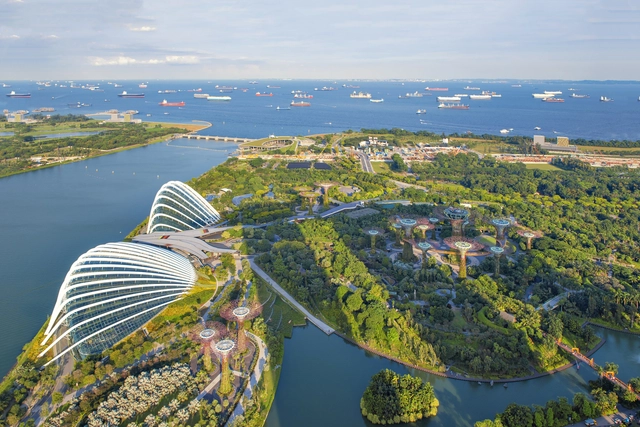
Land reclamation from the sea has become a popular phenomenon in coastal development. It is the most preferred solution to the need for land in coastal areas and has been implemented for various use cases, including flood control and agriculture. Nowadays, it has become a famous urban response to the rapid increase in coastal urbanization, economic activity, and global population. Countries like China and the Netherlands lead the chart on the amount of land area reclaimed. However, most reclamation projects today take place within urban centers in the global south. Cities in West Africa, East Asia, and the Middle East produce these new lands as economic forerunners for their commercial industry and as platforms to house luxury residences.

But the relationship between the design and production of reclaimed lands and the response of water in ocean environments is complex. It requires a symbiotic relationship with water bodies for stability but can provoke natural forces when negligently imposed on the sea. Ocean water behaviors, including tidal accumulation, sea level rise, connection to wetlands, and aquatic biodiversity, can question the success or failure of land reclamation projects in different contexts.

How Water Responds to Land Reclamation in Coastal Cities - Image 1 of 4How Water Responds to Land Reclamation in Coastal Cities - Image 2 of 4How Water Responds to Land Reclamation in Coastal Cities - Image 3 of 4How Water Responds to Land Reclamation in Coastal Cities - Image 4 of 4How Water Responds to Land Reclamation in Coastal Cities - More Images+ 1