1. ArchDaily
  2. Coastal Cities

Coastal Cities: The Latest Architecture and News

7 Unbuilt Masterplans Reimagining Urban Futures Through Ecology and Collective Space

Subscriber Access | 

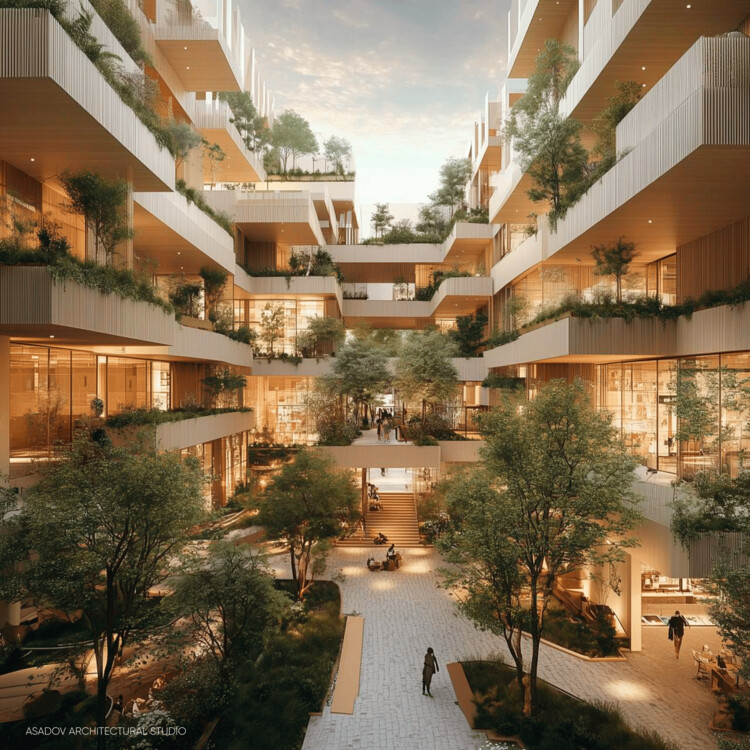
Urban masterplans remain an exploratory ground for unbuilt speculation, offering insight into how cities might recalibrate mobility, ecology, and collective life in response to accelerating environmental and social pressures. In this Unbuilt edition, submitted by the ArchDaily community, the selected projects bring together a range of large-scale proposals that examine urban centers, waterfront districts, infrastructural corridors, and cultural landscapes as spatial frameworks for reconnection and resilience. Rather than treating the masterplan as a rigid blueprint, these projects approach urbanism as an adaptive system shaped by climate, topography, infrastructure, and public space.

Across varied geographies, from Northern European town centers and Mediterranean coastal districts to Central Asian polycentric hubs and Gulf megacities, the proposals explore diverse architectural and urban strategies. They range from park-led civic transformations built over highway tunnels to elevated pedestrian networks above active transport systems, mixed-use blocks structured by historic planning logics, marina developments integrating environmental stewardship, and research-driven models for equitable landscape urbanization.

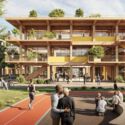
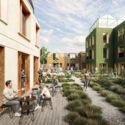
7 Unbuilt Masterplans Reimagining Urban Futures Through Ecology and Collective Space - Image 22 of 47 Unbuilt Masterplans Reimagining Urban Futures Through Ecology and Collective Space - Image 24 of 47 Unbuilt Masterplans Reimagining Urban Futures Through Ecology and Collective Space - Image 28 of 47 Unbuilt Masterplans Reimagining Urban Futures Through Ecology and Collective Space - Image 12 of 47 Unbuilt Masterplans Reimagining Urban Futures Through Ecology and Collective Space - More Images+ 37

Building at the Edge: New York and Hong Kong’s Competing Waterfront Logics

Subscriber Access | 

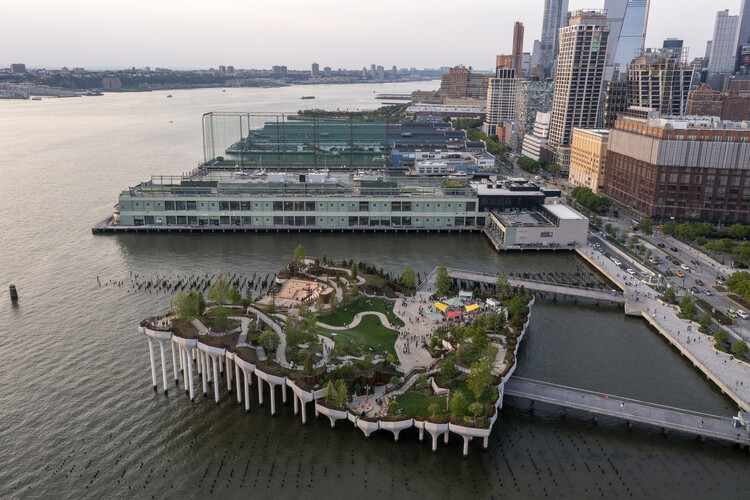
Coastal development in major cities has long been a terrain of opportunity and contention—shaped at once by the pursuit of capital (premium views, scarce land, and the promise of reclamation), by civic demands for public access and collective waterfront life, and by contemporary aspirations for sustainability and place-defining urban identity. Precisely because these agendas rarely align, extracting the full potential of waterfront sites is never straightforward.

Yet in New York City and Hong Kong, we can trace each city's ambitions—despite differing strategies, priorities, and political logics—through a set of keystone projects that anchor their coastlines. Read together, these projects reveal not only what each city chooses to value, but also what it is willing to trade off in order to build at the edge.

Building at the Edge: New York and Hong Kong’s Competing Waterfront Logics - Image 1 of 4Building at the Edge: New York and Hong Kong’s Competing Waterfront Logics - Image 2 of 4Building at the Edge: New York and Hong Kong’s Competing Waterfront Logics - Image 3 of 4Building at the Edge: New York and Hong Kong’s Competing Waterfront Logics - Image 4 of 4Building at the Edge: New York and Hong Kong’s Competing Waterfront Logics - More Images+ 15

Why Sit by the Dock of the Bay? Designing Thresholds to the Water

Subscriber Access | 

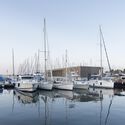
Boat docks and harbors are liminal spaces where the shore marks the meeting of land and water, and serve as a space for the convergence of culture, industry, and community. For those who work at sea, from commercial fishers to marine freight operators, the dock is a threshold between labor and rest, between oceanic uncertainty and terrestrial stability. For others, the dock serves as a gateway to recreation, sport, and adventure, accommodating everything from rowing clubs to family sailing trips. And for many who never board a vessel, the dock offers a powerful connection to the marine environment where one can pause, observe, and engage with the rhythmic tides.

Why Sit by the Dock of the Bay? Designing Thresholds to the Water - Image 1 of 4Why Sit by the Dock of the Bay? Designing Thresholds to the Water - Image 2 of 4Why Sit by the Dock of the Bay? Designing Thresholds to the Water - Image 3 of 4Why Sit by the Dock of the Bay? Designing Thresholds to the Water - Image 4 of 4Why Sit by the Dock of the Bay? Designing Thresholds to the Water - More Images+ 48

The Italian Pavilion at the Venice Architecture Biennale Urges a Rethink of the Relationship Between Land and Sea

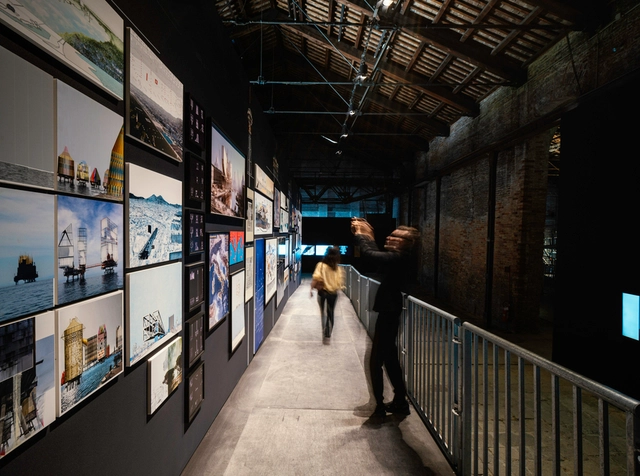
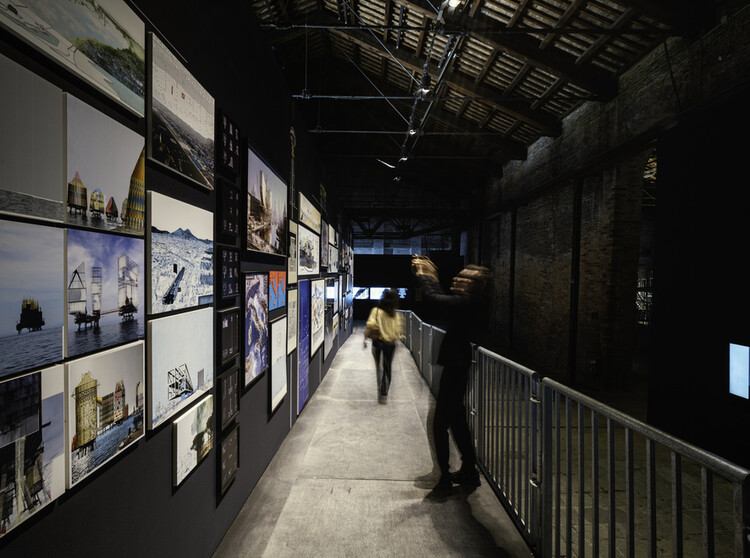
The Italian Pavilion at the 19th International Architecture Exhibition – La Biennale di Venezia is situated in the Tese delle Vergini of the Arsenale and is promoted by the Directorate-General for Contemporary Creativity of the Italian Ministry of Culture. This year, the Pavilion hosts architectural, scientific, and cultural reflections on the Mediterranean Sea and its neighboring oceans, in an exhibition titled "Terrae Aquae. Italy and the Intelligence of the Sea", curated by Architect and Professor Guendalina Salimei. The exhibition brings together projects from diverse actors in Italian society through an open call, whose objective was to rethink the boundary between land and water as an integrated system of architecture, infrastructure, and landscape. In response to the Biennale's central theme, the exhibition aims to stimulate the awakening of a collective intelligence capable of triggering a renewal in that relationship, starting from the Italian coast and expanding globally.

The Italian Pavilion at the Venice Architecture Biennale Urges a Rethink of the Relationship Between Land and Sea - Featured ImageThe Italian Pavilion at the Venice Architecture Biennale Urges a Rethink of the Relationship Between Land and Sea - Image 1 of 4The Italian Pavilion at the Venice Architecture Biennale Urges a Rethink of the Relationship Between Land and Sea - Image 2 of 4The Italian Pavilion at the Venice Architecture Biennale Urges a Rethink of the Relationship Between Land and Sea - Image 3 of 4The Italian Pavilion at the Venice Architecture Biennale Urges a Rethink of the Relationship Between Land and Sea - More Images+ 45

Longevity Through Renewal: The Enduring Wisdom of Hong Kong's Water Villages

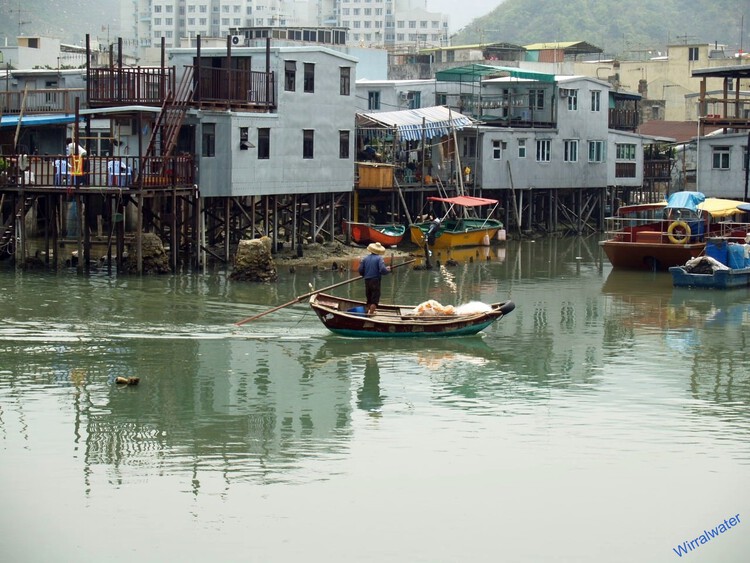
While Hong Kong is widely celebrated for its iconic harbor view, glittering skyline, and fast-paced urban lifestyle, its origins tell a different story—one deeply rooted in its relationship with water. Before transforming into a dense, vertical metropolis, Hong Kong's architectural identity was closely tied to its maritime context. Today, the city is often associated with slender, glass-clad towers that symbolize modernity. While visually striking in their pursuit of height and form, many of these buildings appear disconnected from their immediate environment, often overlooking natural site conditions, ecological responsiveness, and contextual sensitivity.

Historically, however, this was not the case. Hong Kong's earliest built environments—rural fishing villages in areas like Tai O, Aberdeen, and Shau Kei Wan—emerged through organic, community-driven spatial practices that engaged closely with their surroundings. These coastal and riverside settlements developed architectural systems tailored to the marine environment and to the rhythms of fishing life. Villages were sited around water, and construction strategies were adapted to fluctuating tides, terrain, and social use.

Longevity Through Renewal: The Enduring Wisdom of Hong Kong's Water Villages - Image 1 of 4Longevity Through Renewal: The Enduring Wisdom of Hong Kong's Water Villages - Image 2 of 4Longevity Through Renewal: The Enduring Wisdom of Hong Kong's Water Villages - Image 3 of 4Longevity Through Renewal: The Enduring Wisdom of Hong Kong's Water Villages - Image 4 of 4Longevity Through Renewal: The Enduring Wisdom of Hong Kong's Water Villages - More Images+ 13

Swimmable Cities International Movement Advocates for the Right to Swim in Urban Waterways

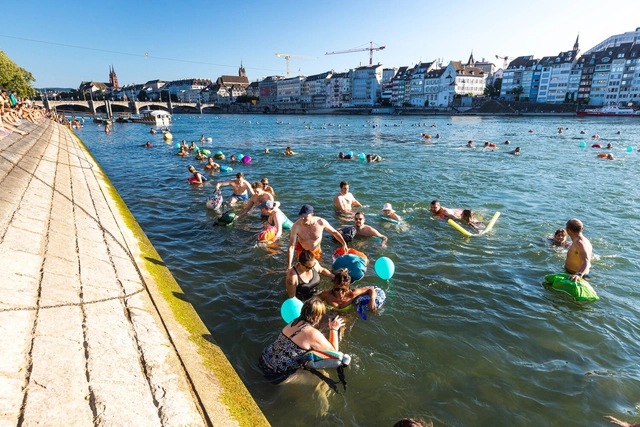
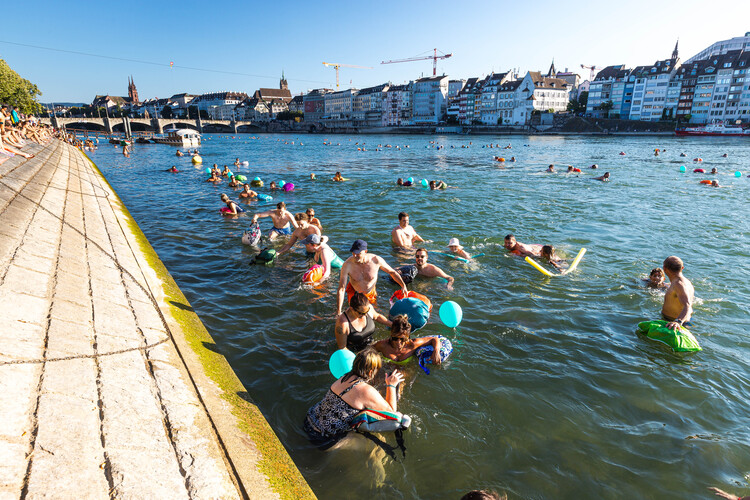
Swimmable Cities is an alliance of 153 signatory organizations across 59 cities in 22 countries, supporting the global movement for swimmable urban waterways. In the context of increasing urbanization, climate change, and biodiversity loss, the initiative aims to reclaim rivers and harbors as public spaces for communities to enjoy and benefit from bathing. It advocates for urban waterways to be made safe, healthy, and accessible for both swimmers and wildlife, calling for cross-border collaboration to develop improvement strategies and collect data to evaluate "swimmability." This call becomes especially relevant amid rising global temperatures and growing inequalities in access to public infrastructure in major cities. The movement's 10-point charter begins with the affirmation of "the right to swim," celebrating urban swimming culture and recognizing the historical significance of water.

Swimmable Cities International Movement Advocates for the Right to Swim in Urban Waterways - Image 4 of 4Swimmable Cities International Movement Advocates for the Right to Swim in Urban Waterways - Featured ImageSwimmable Cities International Movement Advocates for the Right to Swim in Urban Waterways - Image 2 of 4Swimmable Cities International Movement Advocates for the Right to Swim in Urban Waterways - Image 5 of 4Swimmable Cities International Movement Advocates for the Right to Swim in Urban Waterways - More Images+ 4

Turning Water into Land: Major Landfill Projects Around the World

Subscriber Access | 

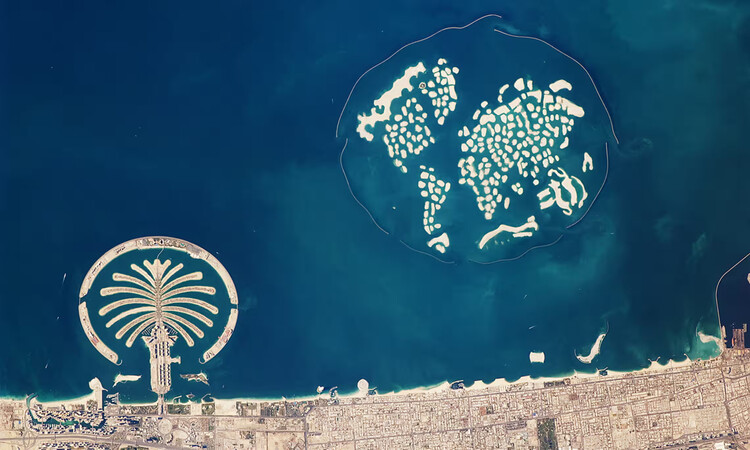
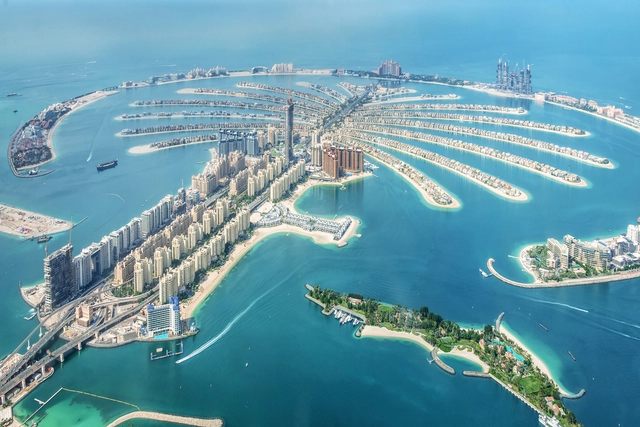
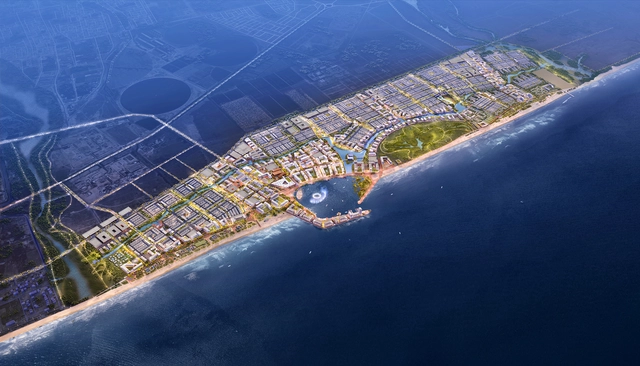
The idea of transforming water into land has captivated humanity for centuries. The Netherlands, for example, is a pioneering nation in this field, where approximately 20% of the territory has been reclaimed from the sea or lakes using dikes to control water flow and dry the surfaces. As technology has advanced, this practice has become more widespread. Today, China leads the way, joined by urban centers in the global south, such as cities in West Africa, East Asia, and the Middle East.

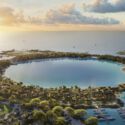
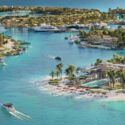
These megalomaniacal land reclamations are primarily undertaken in areas with extensive coastlines but insufficient landmass to meet their needs. In this regard, the newly reclaimed areas serve many purposes, ranging from the development of luxury residential complexes to an entertainment archipelago featuring hotels, restaurants, theaters, and shops.

Turning Water into Land: Major Landfill Projects Around the World - Image 1 of 4Turning Water into Land: Major Landfill Projects Around the World - Image 2 of 4Turning Water into Land: Major Landfill Projects Around the World - Image 3 of 4Turning Water into Land: Major Landfill Projects Around the World - Image 4 of 4Turning Water into Land: Major Landfill Projects Around the World - More Images+ 6

TAC! 2025 Urban Architecture Festival: Winning Pavilions Celebrate Local Materials and Coastal Culture in Spain

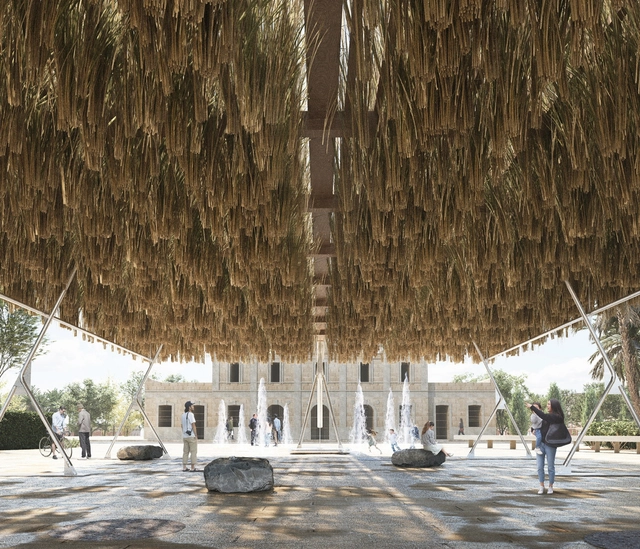
The TAC! Urban Architecture Festival is held annually in Spain with the aim of bringing contemporary architecture closer to the public through installations in various cities, including Granada, San Sebastián, Valencia, Vigo, and San Fernando. Organized by the Ministry of Housing and Urban Agenda in collaboration with Fundación Arquia, the festival seeks to promote experimentation in architecture by constructing temporary pavilions for cultural events and gatherings. The 2025 edition of the festival will take place in two locations: Casa Mediterráneo in Alicante and Plaza Stagno in Las Palmas de Gran Canaria. The pavilions are selected each year through an open call for young architects up to 45 years old. This year's winners have already been announced: the ESPARTAL project by ELE Arkitektura, GA Estudio, Florencia Galecio, and Juan Gubbins; and DE ROCA MADRE by Alejandro Carrasco Hidalgo, Eduardo Cilleruelo Terán, Alberto Martínez García, and Andrea Molina Cuadro.

TAC! 2025 Urban Architecture Festival: Winning Pavilions Celebrate Local Materials and Coastal Culture in Spain - Image 1 of 4TAC! 2025 Urban Architecture Festival: Winning Pavilions Celebrate Local Materials and Coastal Culture in Spain - Image 2 of 4TAC! 2025 Urban Architecture Festival: Winning Pavilions Celebrate Local Materials and Coastal Culture in Spain - Image 3 of 4TAC! 2025 Urban Architecture Festival: Winning Pavilions Celebrate Local Materials and Coastal Culture in Spain - Image 4 of 4TAC! 2025 Urban Architecture Festival: Winning Pavilions Celebrate Local Materials and Coastal Culture in Spain - More Images+ 14

Architecture Now: Recent Proposals by BIG, Foster + Partners, and More Shape the Future of Urban Living

In recent weeks, a number of architecture firms have unveiled new projects that reflect an ongoing shift toward integrated, environmentally responsive urban planning. From Europe to the Middle East and North America, these proposals balance spatial innovation with long-term sustainability, whether through car-free living, passive performance strategies, or adaptive modular construction. While some projects reimagine infrastructure and public institutions, others explore how urban density can coexist with natural ecosystems. This edition of Architecture Now highlights a selection of recently announced masterplans, cultural buildings, and residential communities that offer new models for ecological and social resilience in the built environment.

Architecture Now: Recent Proposals by BIG, Foster + Partners, and More Shape the Future of Urban Living - Image 1 of 4Architecture Now: Recent Proposals by BIG, Foster + Partners, and More Shape the Future of Urban Living - Image 2 of 4Architecture Now: Recent Proposals by BIG, Foster + Partners, and More Shape the Future of Urban Living - Image 3 of 4Architecture Now: Recent Proposals by BIG, Foster + Partners, and More Shape the Future of Urban Living - Image 4 of 4Architecture Now: Recent Proposals by BIG, Foster + Partners, and More Shape the Future of Urban Living - More Images+ 9

Sasaki Reimagines Oman’s Second-Largest City with a New Waterfront Masterplan

Salalah is Oman's largest logistics port and its second-largest city. Located within a two-hour flight from Dubai and a 90-minute flight from Muscat, the city attracted over one million tourists in 2024. As part of the Oman Vision 2040 investment plan, Oman's Ministry of Housing and Urban Planning has commissioned Sasaki to develop a master plan for redesigning the city's waterfront. The plan includes renovating the city's coastal public spaces and constructing new housing and infrastructure to accommodate projected growth. The project is part of a broader initiative to double tourism's contribution to the nation's GDP by 2030, with on-site construction set to begin later this year, in 2025.

Sasaki Reimagines Oman’s Second-Largest City with a New Waterfront Masterplan - Image 1 of 4Sasaki Reimagines Oman’s Second-Largest City with a New Waterfront Masterplan - Image 2 of 4Sasaki Reimagines Oman’s Second-Largest City with a New Waterfront Masterplan - Image 3 of 4Sasaki Reimagines Oman’s Second-Largest City with a New Waterfront Masterplan - Image 4 of 4Sasaki Reimagines Oman’s Second-Largest City with a New Waterfront Masterplan - More Images+ 7

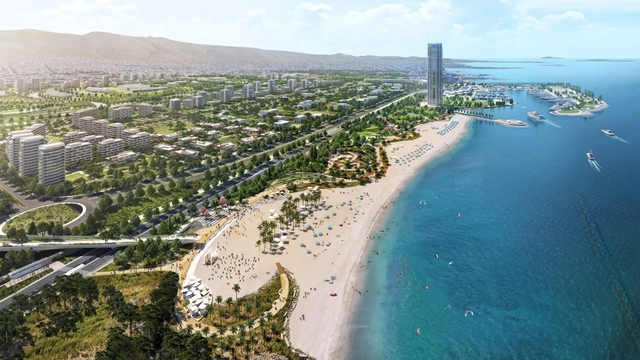
Athens’ Urban Regeneration: The Ellinikon Development Takes Shape in Greece

As Athens hosts The Architect Show (TAS) 2024, the event brings together global and local voices to highlight the latest innovations in architecture and design. Against this backdrop, the city's evolving urban narrative is exemplified by The Ellinikon, Europe's largest urban regeneration project. Encompassing 6.2 million square meters, this €8 billion development has already attracted globally renowned architects such as Bjarke Ingels Group (BIG), Kengo Kuma, Foster + Partners, and Aedas. Together, they are shaping the smart city that integrates sustainability, connectivity, and community-focused design into the heart of Athens.

Athens’ Urban Regeneration: The Ellinikon Development Takes Shape in Greece - Image 1 of 4Athens’ Urban Regeneration: The Ellinikon Development Takes Shape in Greece - Image 2 of 4Athens’ Urban Regeneration: The Ellinikon Development Takes Shape in Greece - Image 3 of 4Athens’ Urban Regeneration: The Ellinikon Development Takes Shape in Greece - Image 4 of 4Athens’ Urban Regeneration: The Ellinikon Development Takes Shape in Greece - More Images+ 4

The European Prize for Urban Public Space 2024 Reveals 10 Finalists

The Centre de Cultura Contemporània de Barcelona (CCCB) has announced the finalists for the European Prize for Urban Public Space 2024. Selected from a total of 297 projects corresponding to 35 European countries, the 2024 edition nominates 5 finalists in the General category, promoting quality public spaces throughout the European territory, and 5 in the Seafronts category, addressing coastal cities' climate vulnerabilities. The European Prize for Urban Public Space is an honorary biennial competition aiming to highlight best practices and innovations in the creation, transformation, and recovery of public spaces in European cities.

As the first edition to include a dedicated category for Seafronts, this year’s awards recognize the importance and particular challenges faced by coastal cities. This is aligned with the Cultural Regatta, a schedule of activities running parallel to the America's Cup sailing competition in Barcelona. For this edition, the International Jury was presided over by the urbanist architect, landscape, and industrial designer Beth Galí, and made up of Sonia Curnier, Fabrizio Gallanti, Žaklina Gligorijević, Beate Hølmebakk, Manon Mollard, Francesco Musco, and Lluís Ortega. The winners of the 12th European Prize for Urban Public Space will be announced during a ceremony at CCCB on October 29, 2024.

The European Prize for Urban Public Space 2024 Reveals 10 Finalists - Image 1 of 4The European Prize for Urban Public Space 2024 Reveals 10 Finalists - Image 2 of 4The European Prize for Urban Public Space 2024 Reveals 10 Finalists - Image 3 of 4The European Prize for Urban Public Space 2024 Reveals 10 Finalists - Image 4 of 4The European Prize for Urban Public Space 2024 Reveals 10 Finalists - More Images+ 31

MVRDV, Adrian Lahoud and HCH Develop Tools and Strategies to Show Adaptations to Climate-Induced Threats

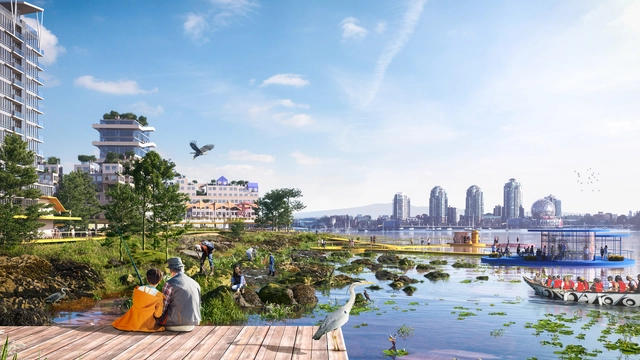
Architects, urban planners, and researchers from around the world are working on solutions to address the rising threat of climate change and climate-induced rise in sea levels and storm surges. Among them, MVRDV, as part of the North Creek Collective, has released a series of proposals for the city of Vancouver, mapping out possible adaptations of waterfront buildings, landscape, and infrastructure. On a similar note, a group of researchers led by Adrian Lahoud has developed the Second Sea Calculator, a digital tool that estimates the financial damages owned to coastal cities by different nations, while Human Climate Horizons has developed a platform for visualizing how different levels of global heating will affect people’s lives.

MVRDV, Adrian Lahoud and HCH Develop Tools and Strategies to Show Adaptations to Climate-Induced Threats - Image 1 of 4MVRDV, Adrian Lahoud and HCH Develop Tools and Strategies to Show Adaptations to Climate-Induced Threats - Image 2 of 4MVRDV, Adrian Lahoud and HCH Develop Tools and Strategies to Show Adaptations to Climate-Induced Threats - Image 3 of 4MVRDV, Adrian Lahoud and HCH Develop Tools and Strategies to Show Adaptations to Climate-Induced Threats - Image 4 of 4MVRDV, Adrian Lahoud and HCH Develop Tools and Strategies to Show Adaptations to Climate-Induced Threats - More Images+ 5

How Water Responds to Land Reclamation in Coastal Cities

Land reclamation from the sea has become a popular phenomenon in coastal development. It is the most preferred solution to the need for land in coastal areas and has been implemented for various use cases, including flood control and agriculture. Nowadays, it has become a famous urban response to the rapid increase in coastal urbanization, economic activity, and global population. Countries like China and the Netherlands lead the chart on the amount of land area reclaimed. However, most reclamation projects today take place within urban centers in the global south. Cities in West Africa, East Asia, and the Middle East produce these new lands as economic forerunners for their commercial industry and as platforms to house luxury residences.

But the relationship between the design and production of reclaimed lands and the response of water in ocean environments is complex. It requires a symbiotic relationship with water bodies for stability but can provoke natural forces when negligently imposed on the sea. Ocean water behaviors, including tidal accumulation, sea level rise, connection to wetlands, and aquatic biodiversity, can question the success or failure of land reclamation projects in different contexts.

How Water Responds to Land Reclamation in Coastal Cities - Image 1 of 4How Water Responds to Land Reclamation in Coastal Cities - Image 2 of 4How Water Responds to Land Reclamation in Coastal Cities - Image 3 of 4How Water Responds to Land Reclamation in Coastal Cities - Image 4 of 4How Water Responds to Land Reclamation in Coastal Cities - More Images+ 1