1. ArchDaily
  2. Southeast Asia

Southeast Asia: The Latest Architecture and News

Brasília and Chandigarh: Two Modernist Utopias an Ocean Apart

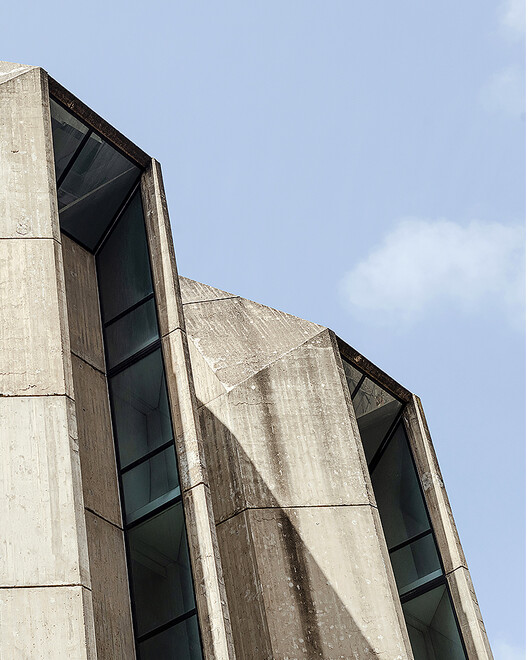
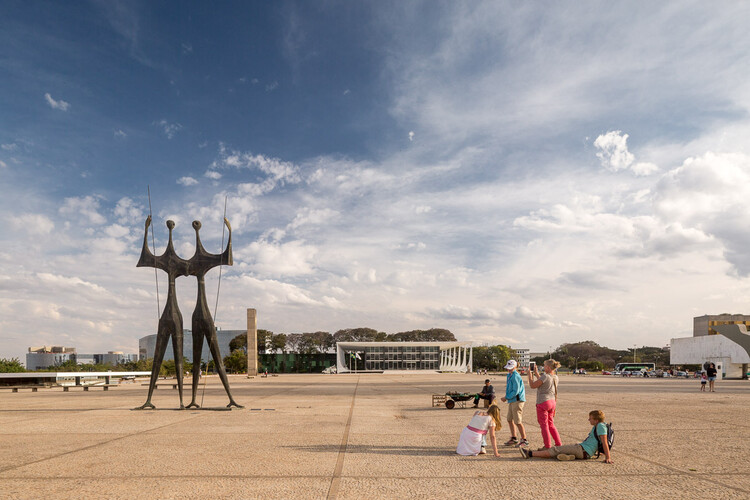
Between the 1950s and 1960s, two cities were built that would leave a lasting mark on the history of architecture and urbanism. Born from a shared vision yet separated by more than 14,000 kilometers, Brasília in Brazil and Chandigarh in India were both planned and constructed from scratch, deeply shaped by modernist principles.

Emerging during a period of profound political and social transformation, when many nations sought to redefine their capitals as symbols of progress, both cities assumed a strategic role. Through their architectural language, they reinforced ideological and national narratives closely tied to state power.

These were cities conceived in the abstract, guided by a utopian vision. They were intended to be avant-garde urban centers, free from the deficiencies that plagued mid-twentieth-century cities, embodying aesthetic principles aligned with progressive political ideals and embracing new technologies—most notably the automobile.

Yet this promise of the future also generated significant challenges. While these difficulties undoubtedly reflect the social and economic realities of their respective countries, they were also shaped by a modernist vision that is increasingly being reassessed today.

Brasília and Chandigarh: Two Modernist Utopias an Ocean Apart - Image 1 of 4Brasília and Chandigarh: Two Modernist Utopias an Ocean Apart - Image 2 of 4Brasília and Chandigarh: Two Modernist Utopias an Ocean Apart - Image 3 of 4Brasília and Chandigarh: Two Modernist Utopias an Ocean Apart - Image 4 of 4Brasília and Chandigarh: Two Modernist Utopias an Ocean Apart - More Images+ 19

After Le Corbusier: How Southeast Asia Turned the Satellite City Into a Transit Megaproject

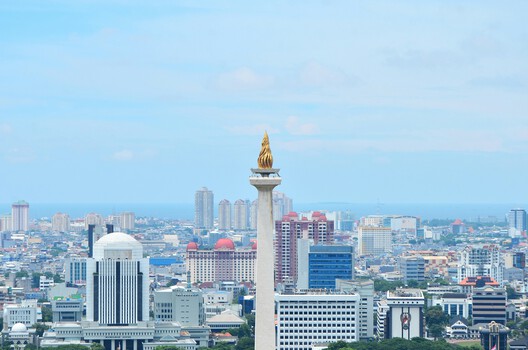
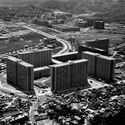
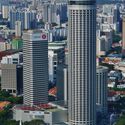
Southeast Asia is often narrated as a kind of architectural playground—an arena where modern and contemporary ideals have been tested at full scale through singular, iconic buildings. One can trace an easy lineage through names that have helped shape the region's skyline imagination: Paul Rudolph's Lippo Centre in Hong Kong and The Concourse in Singapore, I.M. Pei's OCBC Centre and Hong Kong's Bank of China Tower, Norman Foster's Supreme Court of Singapore and the HSBC Main Building in Hong Kong, Ron Phillips' Hong Kong City Hall, Moshe Safdie's Marina Bay Sands. Yet this familiar history—told through objects, colonialism, authorship, and signature forms—risks missing a deeper, more consequential layer of influence: the planning logics and infrastructural frameworks that have quietly structured how these cities expand, densify, and distribute everyday life.

After Le Corbusier: How Southeast Asia Turned the Satellite City Into a Transit Megaproject - Image 1 of 4After Le Corbusier: How Southeast Asia Turned the Satellite City Into a Transit Megaproject - Image 2 of 4After Le Corbusier: How Southeast Asia Turned the Satellite City Into a Transit Megaproject - Image 3 of 4After Le Corbusier: How Southeast Asia Turned the Satellite City Into a Transit Megaproject - Image 4 of 4After Le Corbusier: How Southeast Asia Turned the Satellite City Into a Transit Megaproject - More Images+ 12

Podium–Tower Urbanism in Southeast Asia: Density, Management, and the Disappearing Street

Subscriber Access | 

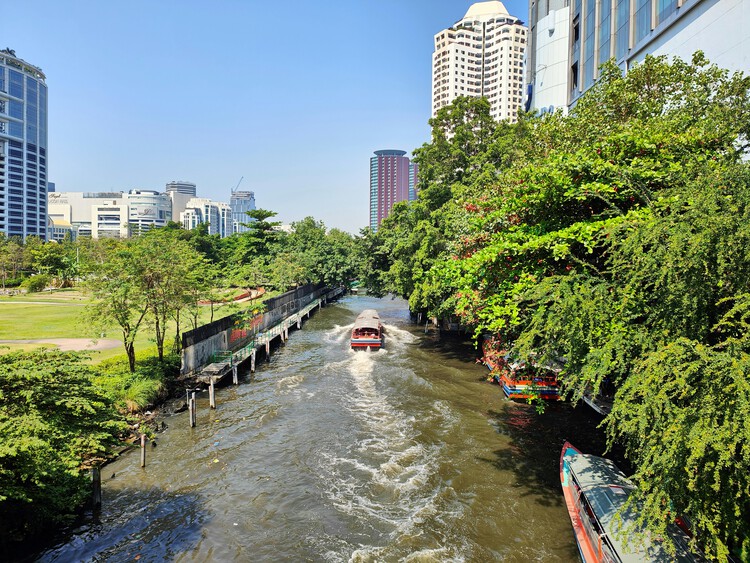
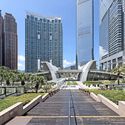
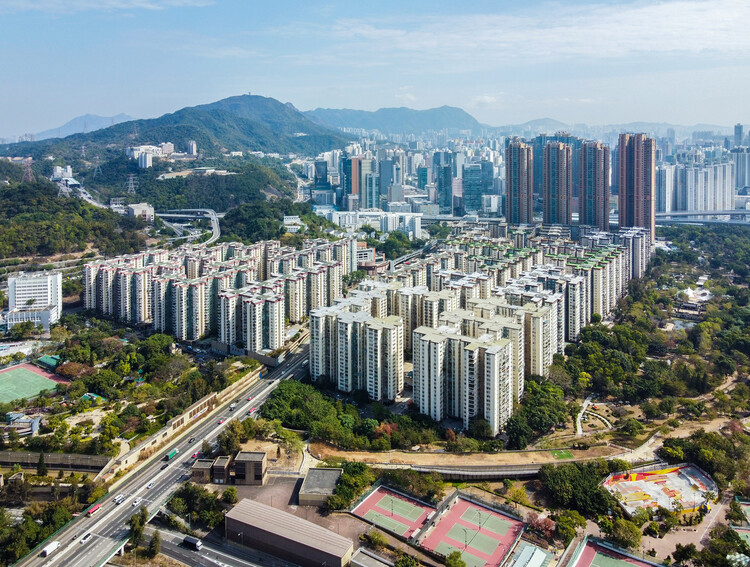
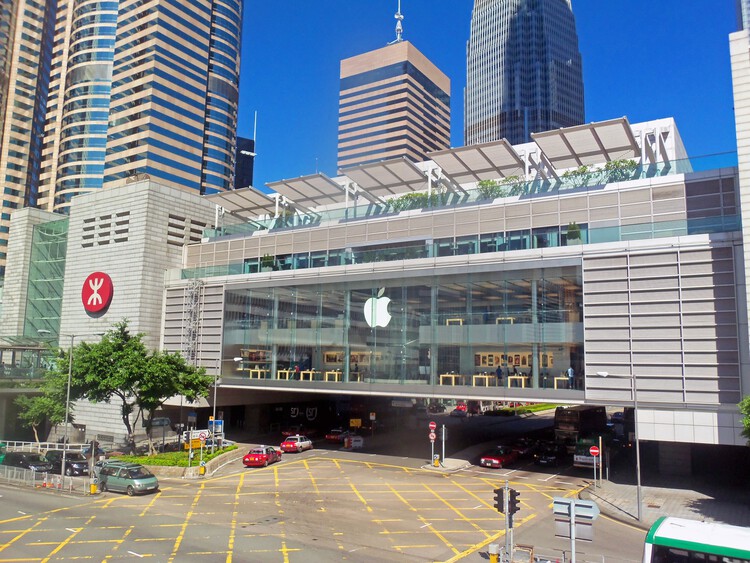
If elevated networks reveal a city that increasingly walks above the street, the podium–tower is the typology that often makes that condition feel inevitable. Across Southeast Asia, podium–tower projects have become one of the dominant languages of metropolitan growth: a system that concentrates housing, jobs, retail, and transit connections into highly legible and managed parcels. From an urban planning perspective, the model can be remarkably effective—absorbing congestion, formalizing circulation, and delivering density quickly. Yet as it spreads, the typology also raises a quieter question: what does it optimize for, and what does it erode—especially at the level of the street, where urban life is meant to be negotiated rather than curated?

At its simplest, the podium–tower is a hybrid structure consisting of a high-coverage, low-rise podium supporting one or more slender vertical towers. The podium typically carries the logistical and commercial weight of the development—retail, parking, loading, drop-offs, back-of-house services, and often amenity decks—while the tower stacks private programs above, whether residential, office, hotel, or mixed use. The promise is twofold: maximize urban density while maintaining a "human-scaled" street wall, and separate the messy logistics of city life from the quieter domain of living and work.

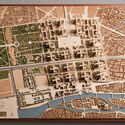
Podium–Tower Urbanism in Southeast Asia: Density, Management, and the Disappearing Street - Image 1 of 4Podium–Tower Urbanism in Southeast Asia: Density, Management, and the Disappearing Street - Image 2 of 4Podium–Tower Urbanism in Southeast Asia: Density, Management, and the Disappearing Street - Image 3 of 4Podium–Tower Urbanism in Southeast Asia: Density, Management, and the Disappearing Street - Image 4 of 4Podium–Tower Urbanism in Southeast Asia: Density, Management, and the Disappearing Street - More Images+ 14

Design Ethos of Subtraction and Addition: 10 Adaptive Reuse Projects for Commercial and Social Spaces in Asia

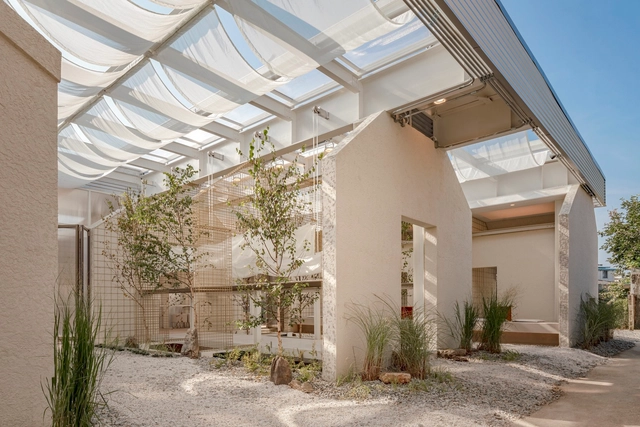
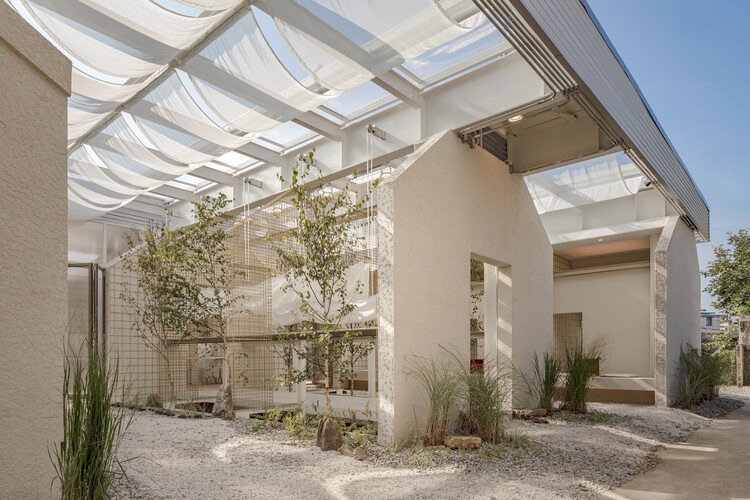
While adaptive reuse has been increasingly acknowledged as a vital architectural strategy worldwide, its discourse and implementation in Asia are still expanding—driven by growing ecological awareness and a shifting understanding of architectural knowledge. Rather than accelerating a developmentalist model centered on demolition and new construction, architects today are confronted with a different approach to the built environment: treating the existing structure as a resource—an archive of materials, spatial organizations, and informal histories.

Adaptive reuse is often associated with the preservation of historic buildings and culturally significant heritage. Yet the vast field of seemingly 'less-valued' structures—abandoned houses, standard yet old dwellings, non-conforming office buildings, and overlooked urban voids—has become ground for experimentation. These sites challenge architects and designers to reconsider prevailing standards of efficiency and market-driven development, and to imagine spatial and ecological practices that avoid the continual loss of embodied material and cultural knowledge inherent in constant rebuilding.

Design Ethos of Subtraction and Addition: 10 Adaptive Reuse Projects for Commercial and Social Spaces in Asia - SustainabilityDesign Ethos of Subtraction and Addition: 10 Adaptive Reuse Projects for Commercial and Social Spaces in Asia - SustainabilityDesign Ethos of Subtraction and Addition: 10 Adaptive Reuse Projects for Commercial and Social Spaces in Asia - SustainabilityDesign Ethos of Subtraction and Addition: 10 Adaptive Reuse Projects for Commercial and Social Spaces in Asia - SustainabilityDesign Ethos of Subtraction and Addition: 10 Adaptive Reuse Projects for Commercial and Social Spaces in Asia - More Images+ 29

Ammodo Architecture Awards 2025 Announces 26 Recipients for Socially and Ecologically Responsible Design

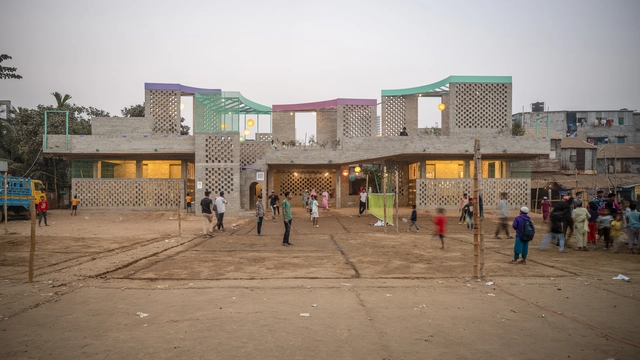
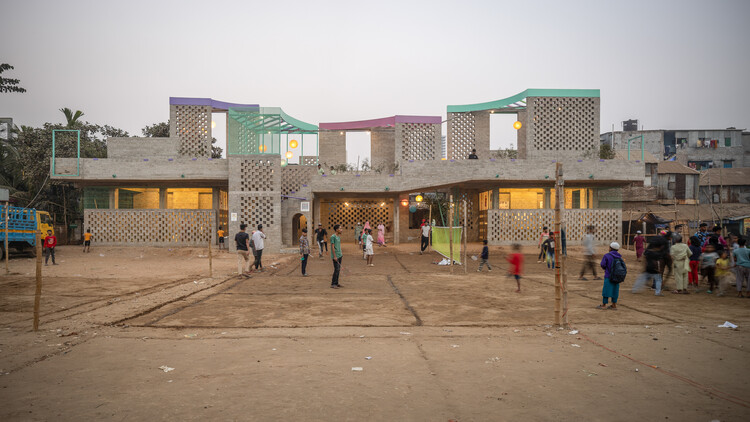
The second edition of the Ammodo Architecture Award has recognized 26 recipients for their contributions to socially and ecologically responsible design. Selected from 168 submissions spanning over 60 countries, the laureates represent a wide range of practices, from established offices to emerging collectives and community-led initiatives. Each recipient receives a grant ranging from €10,000 to €150,000 to support the continued development of their projects. Beyond recognition and financial support, the Ammodo Architecture initiative also functions as a knowledge platform, connecting awardees across regions and facilitating the exchange of ideas on key themes identified by the advisory committee.

Ammodo Architecture Awards 2025 Announces 26 Recipients for Socially and Ecologically Responsible Design  - Image 1 of 4Ammodo Architecture Awards 2025 Announces 26 Recipients for Socially and Ecologically Responsible Design  - Image 2 of 4Ammodo Architecture Awards 2025 Announces 26 Recipients for Socially and Ecologically Responsible Design  - Image 3 of 4Ammodo Architecture Awards 2025 Announces 26 Recipients for Socially and Ecologically Responsible Design  - Image 4 of 4Ammodo Architecture Awards 2025 Announces 26 Recipients for Socially and Ecologically Responsible Design  - More Images+ 21

Snøhetta Unveils Jesselton Docklands Master Plan in Kota Kinabalu, Malaysia

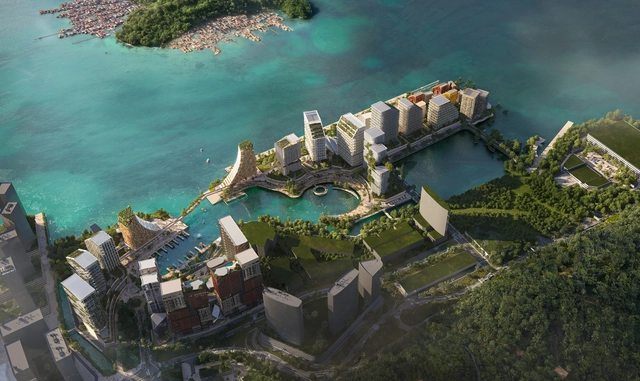
Snøhetta has unveiled plans for Jesselton Docklands, a tropical waterfront master plan in Kota Kinabalu, Malaysia, on the island of Borneo. The development reimagines the city's former port as a civic and cultural hub, strengthening its connection to the waterfront and positioning it as a new gateway to Sabah and the wider Southeast Asian region. Situated near Kota Kinabalu International Airport, the development includes a new ferry and cruise terminal, integrating infrastructure with the island's ecological and cultural context to position the city as a key point of connection within the region.

Snøhetta Unveils Jesselton Docklands Master Plan in Kota Kinabalu, Malaysia - Image 1 of 4Snøhetta Unveils Jesselton Docklands Master Plan in Kota Kinabalu, Malaysia - Image 2 of 4Snøhetta Unveils Jesselton Docklands Master Plan in Kota Kinabalu, Malaysia - Image 3 of 4Snøhetta Unveils Jesselton Docklands Master Plan in Kota Kinabalu, Malaysia - Image 4 of 4Snøhetta Unveils Jesselton Docklands Master Plan in Kota Kinabalu, Malaysia - More Images+ 4

The Korean Hanok: Exploring Traditional Architecture's Environmental Principles

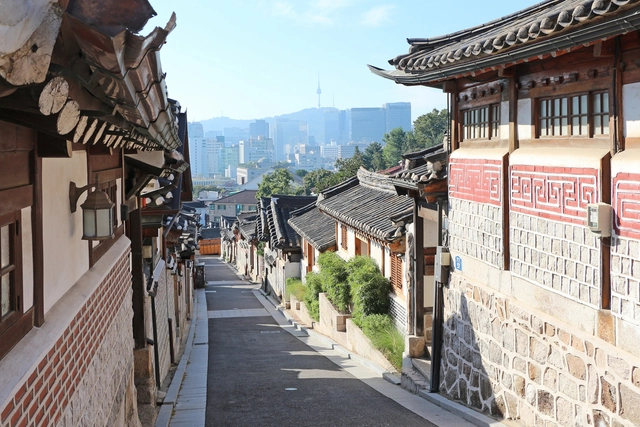
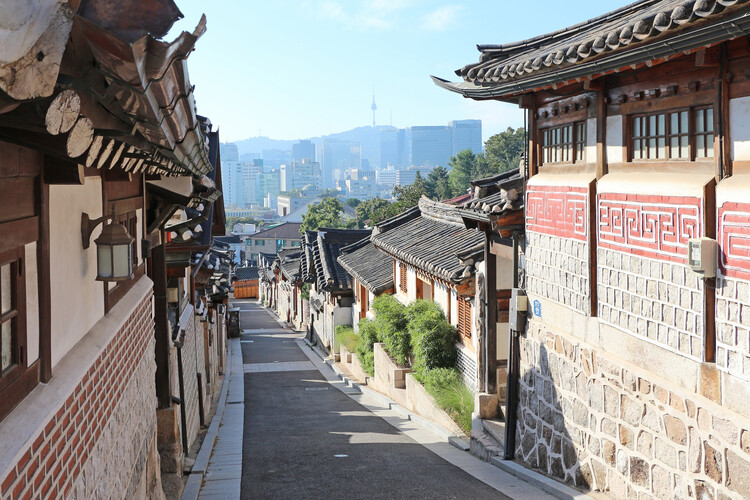
Vernacular architecture often utilizes locally sourced materials and construction practices honed over centuries. This approach raises questions about its potential relevance for contemporary design challenges. The prevalence of high-rise developments globally, often relying on sealed envelopes and mechanical climate control, contrasts with historical architectural practices. Traditionally, regional architectures emerged from local communities, fostering distinct cultural identities and integrating passive systems for ventilation, cooling, and heating, often utilizing natural elements. The Hanok, traditional Korean houses, serve as a case study. Beyond their current role in tourism, they are also an example of how vernacular knowledge can provide passive climate-response strategies that align with the current principles of creating environmentally friendly buildings.

The Korean Hanok: Exploring Traditional Architecture's Environmental Principles - Image 1 of 4The Korean Hanok: Exploring Traditional Architecture's Environmental Principles - Image 2 of 4The Korean Hanok: Exploring Traditional Architecture's Environmental Principles - Image 3 of 4The Korean Hanok: Exploring Traditional Architecture's Environmental Principles - Image 4 of 4The Korean Hanok: Exploring Traditional Architecture's Environmental Principles - More Images+ 4

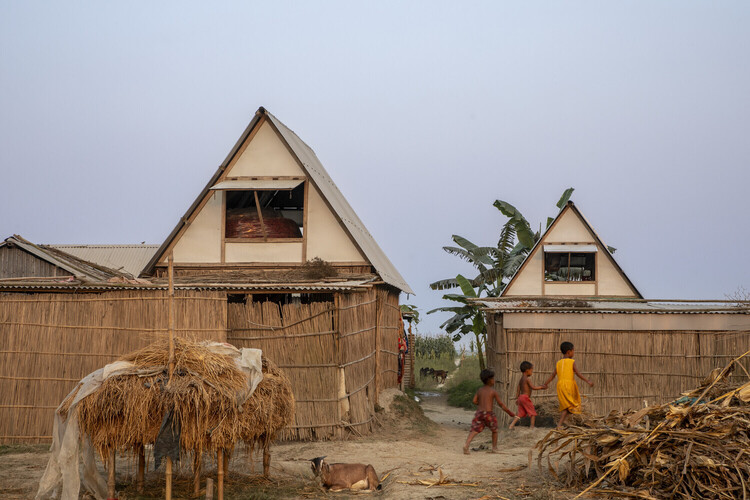
Crossing Hemispheres: Thatched Roofs from America to Asia

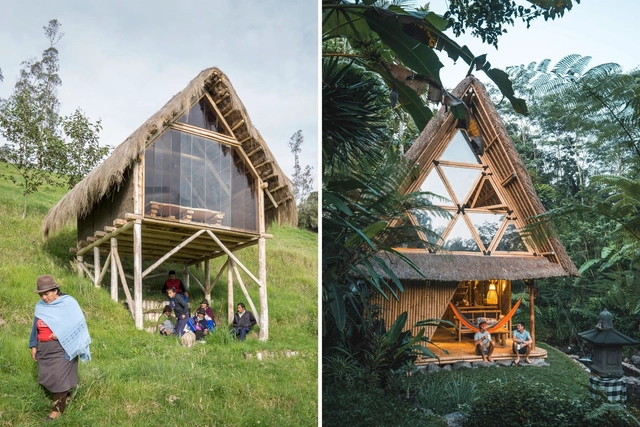
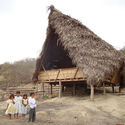
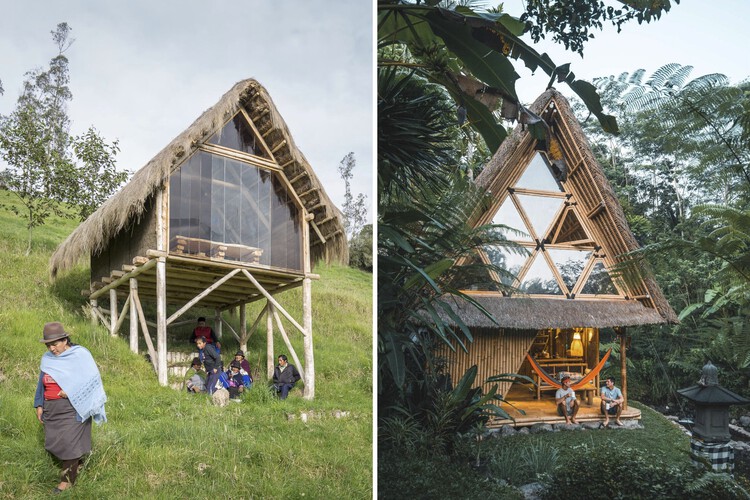
Thatching is a traditional building technique that has been reinterpreted in different ways in contemporary projects, allowing its value to continue to endure over time. As well as being a culturally and historically valuable technique, given its presence in humanity for centuries, it also has a number of other constructive advantages, such as its great environmental value, as it is an accessible renewable material.

The technique consists of grouping, intertwining, and overlapping dry vegetation, creating light surfaces with excellent thermal and sound insulation and which are cheap and relatively simple to build. In addition, flexibility is one of the technique's most prominent features, and it is particularly popular in roofing applications. 

Crossing Hemispheres: Thatched Roofs from America to Asia - Image 1 of 4Crossing Hemispheres: Thatched Roofs from America to Asia - Image 2 of 4Crossing Hemispheres: Thatched Roofs from America to Asia - Image 3 of 4Crossing Hemispheres: Thatched Roofs from America to Asia - Image 4 of 4Crossing Hemispheres: Thatched Roofs from America to Asia - More Images+ 16

The Evolution of Modernism in Asian Architecture: Key Figures and Landmark Projects

Modernism in architecture emerged at the beginning of the twentieth century, fueled by advancements in science and engineering and a deliberate departure from historical styles. It championed a focus on social equity, urban development, efficiency, and functional design, marking a significant shift in architectural philosophy. Originating primarily in Europe and the United States, modernism captivated the global imagination with its innovative redefinition of space and architecture. Its spread to Asia was facilitated by cross-cultural exchanges—East Asian architects who studied under prominent modernists and European architects working in East Asia through international collaborations or colonial-era influences.

The Evolution of Modernism in Asian Architecture: Key Figures and Landmark Projects - Image 1 of 4The Evolution of Modernism in Asian Architecture: Key Figures and Landmark Projects - Image 2 of 4The Evolution of Modernism in Asian Architecture: Key Figures and Landmark Projects - Image 3 of 4The Evolution of Modernism in Asian Architecture: Key Figures and Landmark Projects - Image 4 of 4The Evolution of Modernism in Asian Architecture: Key Figures and Landmark Projects - More Images+ 34

The Bioclimatic Skyscraper: Kenneth Yeang's Eco-Design Strategies

Subscriber Access | 

Rising over global cities, the modern skyscraper has long been a symbol of economic growth and environmental decline. For years, they have been reviled by environmentalists for being uncontrolled energy consumers. Malaysian architect Kenneth Yeang acknowledged the skyscraper as a necessity in modern cities and adopted a pragmatic approach to greening the otherwise unsustainable building typology. Yeang’s bioclimatic skyscrapers blend the economics of space with sustainability and improved living standards.

The Bioclimatic Skyscraper: Kenneth Yeang's Eco-Design Strategies  - Image 1 of 4The Bioclimatic Skyscraper: Kenneth Yeang's Eco-Design Strategies  - Image 2 of 4The Bioclimatic Skyscraper: Kenneth Yeang's Eco-Design Strategies  - Image 3 of 4The Bioclimatic Skyscraper: Kenneth Yeang's Eco-Design Strategies  - Image 4 of 4The Bioclimatic Skyscraper: Kenneth Yeang's Eco-Design Strategies  - More Images+ 2

The Use of Indigenous and Locally Sourced Materials in Philippines Architecture

The Philippines' history and cultural background are continually reflected in the architectural landscape throughout the country, with its structures and dwellings harboring a handful of influences from the nations that once purveyed the island.

When we talk about the topic of Filipino architecture and dwellings, more often than not, we may think of the first known Filipino home: Bahay Kubo. The Bahay Kubo is a small hut comprising nipa, bamboo, and other indigenous materials. It is often times that many citizens still choose to adopt this style of habitation, however, over time, the concept of the nipa hut has evolved into a more modern structure.

The Use of Indigenous and Locally Sourced Materials in Philippines Architecture - Image 1 of 4The Use of Indigenous and Locally Sourced Materials in Philippines Architecture - Image 2 of 4The Use of Indigenous and Locally Sourced Materials in Philippines Architecture - Image 3 of 4The Use of Indigenous and Locally Sourced Materials in Philippines Architecture - Image 4 of 4The Use of Indigenous and Locally Sourced Materials in Philippines Architecture - More Images+ 8

Why Bamboo is the Future of Asian Construction

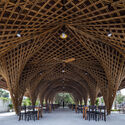
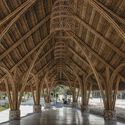
The Filipinos believe that man and woman first emerged from the nodes of a bamboo stalk. The Chinese view the cane as a symbol of their culture and values, reciting “there is no place to live without bamboo”. The plant is a symbol of prosperity in Japan and friendship in India. Along with myths and stories, strong structures made of bamboo flourished in pre-modern Asia. Built forms varied across the changing landscapes of Eastern countries, all sharing one aspect in common - a respect for natural ecosystems.

Why Bamboo is the Future of Asian Construction - Image 1 of 4Why Bamboo is the Future of Asian Construction - Image 2 of 4Why Bamboo is the Future of Asian Construction - Image 3 of 4Why Bamboo is the Future of Asian Construction - Image 4 of 4Why Bamboo is the Future of Asian Construction - More Images+ 3

The Evolution of Residential Dwellings in the Philippines Through the Years

Subscriber Access | 

The history and culture of the Philippines are reflected in its architectural heritage, with numerous influences from other nations paving the way for the contemporary designs we see today, a mixité of cultural influences amongst Western-style buildings. Philippine architecture has grown along with the progress of the nation and its people, but memories of a glorious past are still embedded within the nation’s history.

The current Philippine architecture is an outcome of authentic growth that has enriched the reception of its influences. Its architectural landscape is a contrast between small traditional huts; towering Spanish colonial fortifications; American Commonwealth architecture; and today’s contemporary, concrete structures of the cities. As a result, the Philippines has become an architectural melting pot. This article will explore the ways in which residential architecture and dwellings in the Philippines have since evolved from its initial, humble designs, to the towering structures we see today.
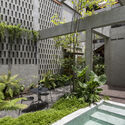
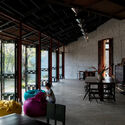
The Evolution of Residential Dwellings in the Philippines Through the Years - Image 1 of 4The Evolution of Residential Dwellings in the Philippines Through the Years - Image 2 of 4The Evolution of Residential Dwellings in the Philippines Through the Years - Image 3 of 4The Evolution of Residential Dwellings in the Philippines Through the Years - Image 4 of 4The Evolution of Residential Dwellings in the Philippines Through the Years - More Images+ 14