1. ArchDaily
  2. Middle East

Middle East: The Latest Architecture and News

Diriyah Biennale Foundation Announces Four Studios Shortlisted for the 2027 AlMusalla Prize

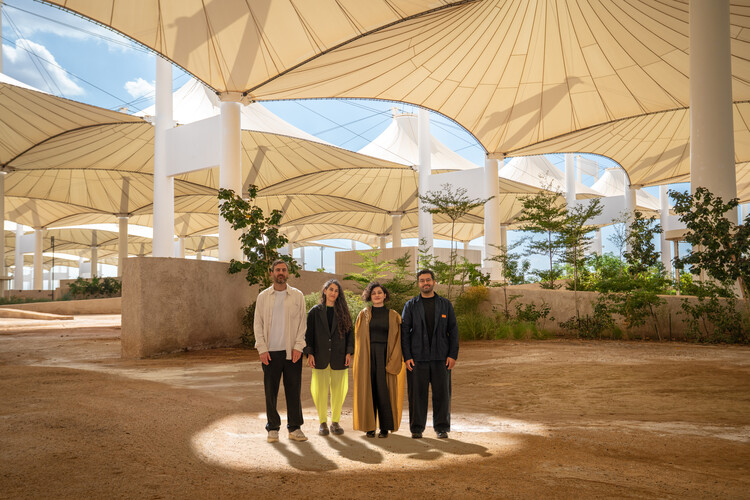
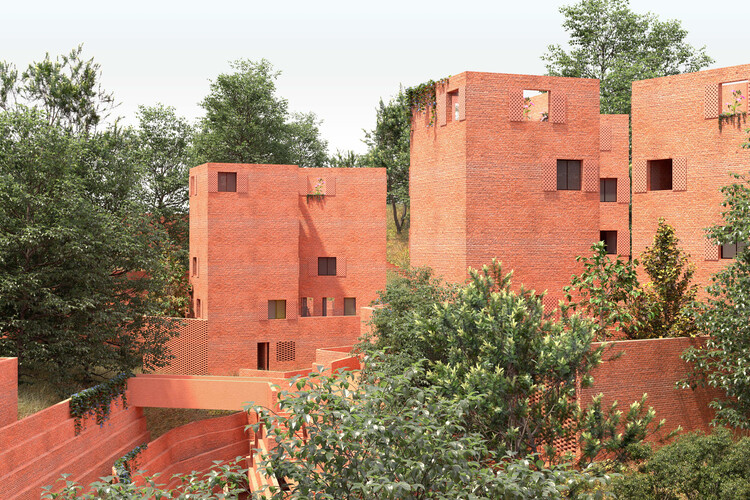
The Diriyah Biennale Foundation has revealed the four architecture studios shortlisted for the 2027 AlMusalla Prize, an international competition that commissions the design of a musalla, a space for prayer and contemplation, for the third edition of the Islamic Arts Biennale. Opening on November 1, 2027, at the Western Hajj Terminal in Jeddah, Saudi Arabia, the Biennale will feature a new prayer structure designed by one of the shortlisted teams: Al-Jawad Pike (United Kingdom), Civil Architecture (Bahrain/Kuwait), MILLIØNS (United States), or NEW SOUTH (France). The winning proposal will be announced in March 2027 and realized as part of the exhibition before being permanently relocated to JAX District in Diriyah.

Diriyah Biennale Foundation Announces Four Studios Shortlisted for the 2027 AlMusalla Prize - Image 1 of 4Diriyah Biennale Foundation Announces Four Studios Shortlisted for the 2027 AlMusalla Prize - Image 2 of 4Diriyah Biennale Foundation Announces Four Studios Shortlisted for the 2027 AlMusalla Prize - Image 3 of 4Diriyah Biennale Foundation Announces Four Studios Shortlisted for the 2027 AlMusalla Prize - Image 4 of 4Diriyah Biennale Foundation Announces Four Studios Shortlisted for the 2027 AlMusalla Prize - More Images+ 7

Oil, Glass, and Identity: Gulf Modernism Between Global Image and Local Climate

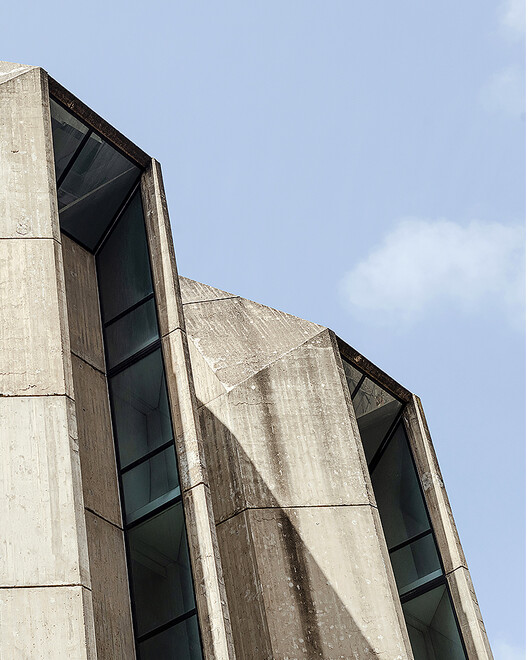
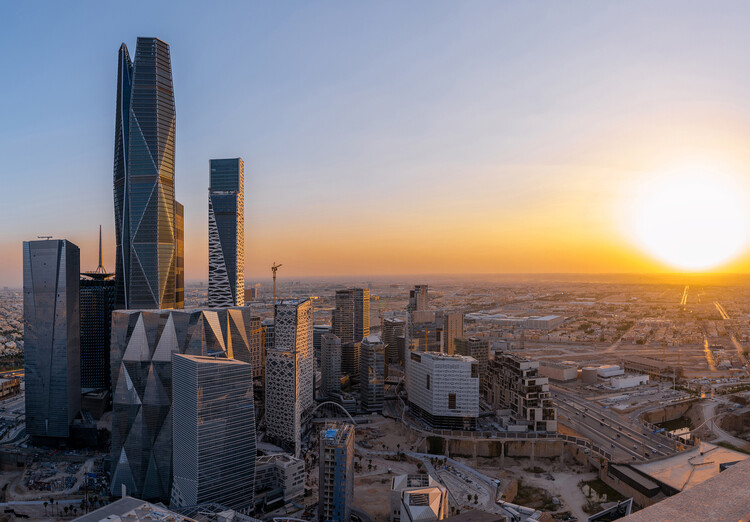
Step from the heat of Dubai into the lobby of a glass tower, and the desert seems to disappear. Outside, temperatures climb past 45 degrees Celsius; inside, the air is cold, sealed, and perfectly controlled. For decades, this contrast became the defining image of Gulf modernity. Architecture became less a negotiation with climate, and more a demonstration that climate could be overcome. Towers of reflective glass rose from the desert as symbols of arrival, projecting financial power, technological confidence, and global ambition. Beneath this urban image sat an infrastructure built on oil, cheap energy, and the continuous mechanical suppression of heat.

Oil, Glass, and Identity: Gulf Modernism Between Global Image and Local Climate - Image 1 of 4Oil, Glass, and Identity: Gulf Modernism Between Global Image and Local Climate - Image 2 of 4Oil, Glass, and Identity: Gulf Modernism Between Global Image and Local Climate - Image 3 of 4Oil, Glass, and Identity: Gulf Modernism Between Global Image and Local Climate - Image 4 of 4Oil, Glass, and Identity: Gulf Modernism Between Global Image and Local Climate - More Images+ 8

The Earthen Towers of Shibam: A Vertical City in the Yemeni Desert

Subscriber Access | 

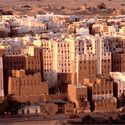
Symbols of technological development and urban density, tall buildings as we know them today emerged in the late nineteenth century, particularly in the United States, as a response to the rapid expansion of urban commerce and the need to grow cities without occupying additional land. The term skyscraper, for instance, was coined in the 1880s and originally referred to buildings with around 10 to 20 stories—an impressive height for the time.

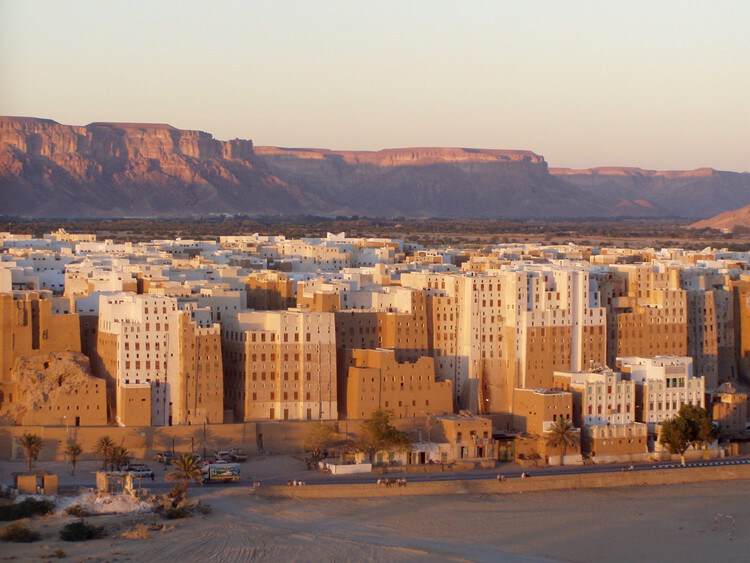
However, the idea of building vertically is much older than the steel-and-glass skyscrapers of modern cities might suggest. Long before the Industrial Revolution, some societies were already experimenting with forms of vertical urbanization as a response to limited space, territorial defense, or environmental adaptation.
The Earthen Towers of Shibam: A Vertical City in the Yemeni Desert - Image 1 of 4The Earthen Towers of Shibam: A Vertical City in the Yemeni Desert - Image 2 of 4The Earthen Towers of Shibam: A Vertical City in the Yemeni Desert - Image 3 of 4The Earthen Towers of Shibam: A Vertical City in the Yemeni Desert - Image 4 of 4The Earthen Towers of Shibam: A Vertical City in the Yemeni Desert - More Images+ 7

Designing With, Not For: CatalyticAction’s Participatory Practice

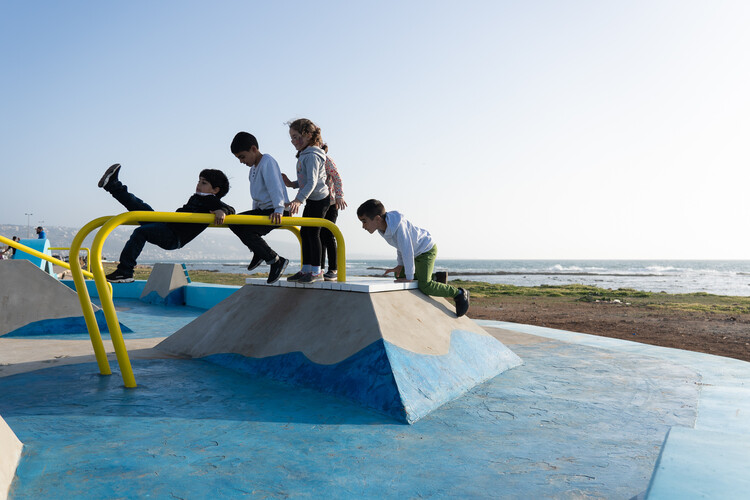
Architecture is often evaluated through finished forms, yet some practices operate in a different register, one where design unfolds through relationships, time, and use rather than through a single outcome. For CatalyticAction, participation is not a parallel social activity, but the means through which spaces are conceived, constructed, and sustained over time.

Based between Beirut and London, the practice has worked across the Middle East and Europe, developing public spaces, schools, playgrounds, and everyday urban infrastructures through long-term collaboration with local communities. Grounded in participatory research and collective decision-making, this approach was recognized through ArchDaily's 2025 Next Practices Awards, highlighting a mode of practice where architecture is understood as a shared, evolving process rather than a fixed object. In this context, architectural value is measured through continuity, use, and collective ownership, rather than through form alone.
Designing With, Not For: CatalyticAction’s Participatory Practice - Image 1 of 4Designing With, Not For: CatalyticAction’s Participatory Practice - Image 2 of 4Designing With, Not For: CatalyticAction’s Participatory Practice - Image 3 of 4Designing With, Not For: CatalyticAction’s Participatory Practice - Image 4 of 4Designing With, Not For: CatalyticAction’s Participatory Practice - More Images+ 21

Riyadh Architecture City Guide: 16 Projects from Heritage to Urban Expansion

Subscriber Access | 

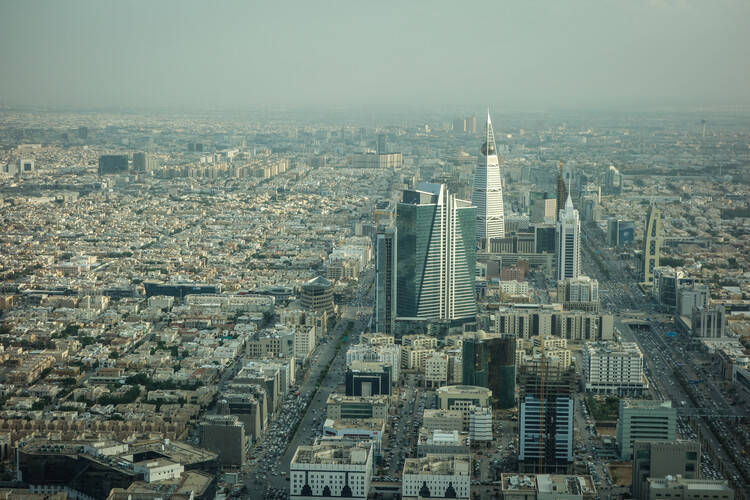
Once a Najdi settlement defined by mudbrick walls and courtyard houses, Riyadh has undergone one of the most radical urban transformations of the 20th and 21st centuries. The discovery of oil reserves, the consolidation of political power, and the rapid expansion of infrastructure reshaped the city from a regional capital into a sprawling metropolis almost within a single generation. As a result, Riyadh's urban fabric is marked by discontinuities, fragments of vernacular architecture coexist with mid-century institutional modernism, and a rapidly evolving contemporary skyline.

In recent decades, this layered condition has been further intensified by large-scale development strategies and cultural investment programs that position architecture as a tool for redefining national identity. International practices have played a decisive role in shaping key institutions, infrastructures, and landmarks, while local studios increasingly contribute projects that reinterpret climate, materiality, and social space within a contemporary framework.

Riyadh Architecture City Guide: 16 Projects from Heritage to Urban Expansion - Image 1 of 4Riyadh Architecture City Guide: 16 Projects from Heritage to Urban Expansion - Image 2 of 4Riyadh Architecture City Guide: 16 Projects from Heritage to Urban Expansion - Image 3 of 4Riyadh Architecture City Guide: 16 Projects from Heritage to Urban Expansion - Image 4 of 4Riyadh Architecture City Guide: 16 Projects from Heritage to Urban Expansion - More Images+ 17

"Full of People and Alive Once Again": In Conversation With Holcim Award Grand Prize Winner RIWAQ – Centre for Architectural Conservation

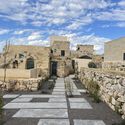
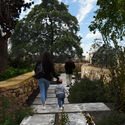
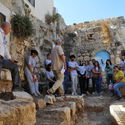
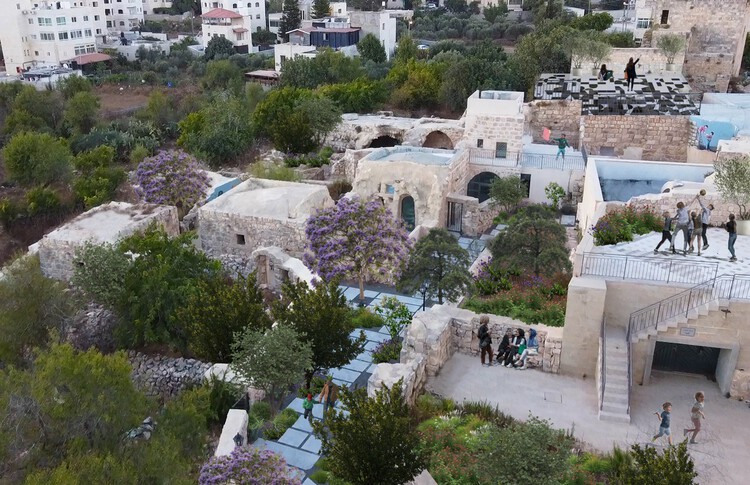
Qalandiya: the Green Historic Maze, developed by RIWAQ – Centre for Architectural Conservation, has been awarded the Grand Prize at the Holcim Foundation Awards 2025, recognizing its sensitive and deeply contextual approach to heritage conservation in Palestine, selected among the 20 winners of this year's edition. Located in Qalandiya, north of Jerusalem, the project reactivates a historic village center long affected by political fragmentation, neglect, and spatial disconnection. Through an incremental rehabilitation strategy, the project restores deteriorated structures using traditional knowledge, local stone masonry, and native materials, transforming abandoned fabric into active public spaces while reinforcing environmental resilience through passive climate strategies and landscape-based infrastructure.

"Full of People and Alive Once Again": In Conversation With Holcim Award Grand Prize Winner RIWAQ – Centre for Architectural Conservation - Image 1 of 4"Full of People and Alive Once Again": In Conversation With Holcim Award Grand Prize Winner RIWAQ – Centre for Architectural Conservation - Image 2 of 4"Full of People and Alive Once Again": In Conversation With Holcim Award Grand Prize Winner RIWAQ – Centre for Architectural Conservation - Image 3 of 4"Full of People and Alive Once Again": In Conversation With Holcim Award Grand Prize Winner RIWAQ – Centre for Architectural Conservation - Image 4 of 4Full of People and Alive Once Again: In Conversation With Holcim Award Grand Prize Winner RIWAQ – Centre for Architectural Conservation - More Images+ 5

The 20 Most Anticipated Projects of 2026

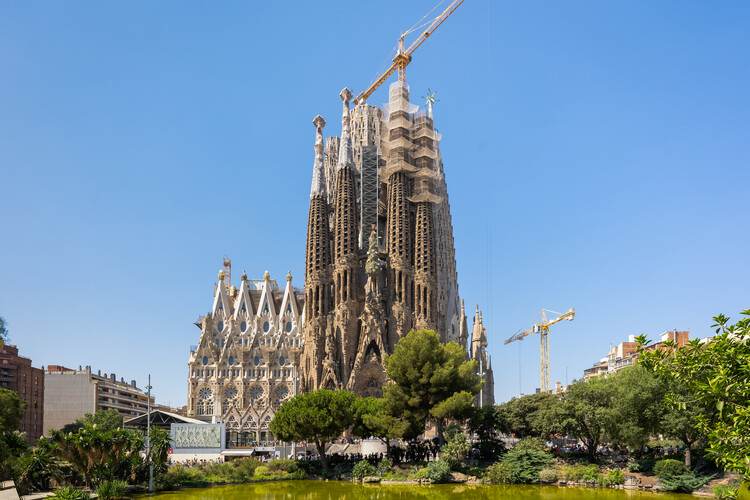
As 2025 concludes, we look ahead to 2026, a year scheduled to deliver a diverse range of significant architectural projects across the world. The year is particularly notable for the completion of new infrastructure and cultural buildings, including long-term projects. Europe will be in the spotlight of the new year with the Milano Cortina 2026 Winter Olympics. This event will feature projects such as the Olympic Village by SOM and the Winter Olympics Arena by David Chipperfield Architects. Also in Milan, BIG is set to complete construction of the City Wave project as part of a new business district in the city. At the same time, after more than 140 years of its establishment, the architects around the world will also be watching for the long-awaited completion of Antoni Gaudí's La Sagrada Familia in Barcelona, announced for 2026.

The 20 Most Anticipated Projects of 2026 - Image 2 of 4The 20 Most Anticipated Projects of 2026 - Image 8 of 4The 20 Most Anticipated Projects of 2026 - Image 10 of 4The 20 Most Anticipated Projects of 2026 - Image 11 of 4The 20 Most Anticipated Projects of 2026 - More Images+ 18

Grand Prize Winners Announced for the 2025 Holcim Foundation Awards

The Holcim Foundation for Sustainable Construction has announced the Grand Prize Winners of the 2025 Holcim Awards, selecting one project from each global region to represent the most impactful approaches to sustainable design in this cycle. This edition marks the introduction of the Grand Prize format, replacing the previous tiered distinctions to better acknowledge diverse regional contexts and avoid hierarchical rankings. Evaluated by juries chaired by Sou Fujimoto (Asia Pacific), Kjetil Trædal Thorsen (Europe), Sandra Barclay (Latin America), Lina Ghotmeh (Middle East and Africa), and Jeanne Gang (North America), the winning projects reflect the Foundation's principles of holistic, transformational, and transferable design.

Grand Prize Winners Announced for the 2025 Holcim Foundation Awards - Image 1 of 4Grand Prize Winners Announced for the 2025 Holcim Foundation Awards - Image 2 of 4Grand Prize Winners Announced for the 2025 Holcim Foundation Awards - Image 4 of 4Grand Prize Winners Announced for the 2025 Holcim Foundation Awards - Image 3 of 4Grand Prize Winners Announced for the 2025 Holcim Foundation Awards - More Images+ 10

Watch Live the 2025 Holcim Foundation Awards Ceremony and Discover the 5 Grand Prize Winners

Watch live the Holcim Foundation Awards 2025 Ceremony on November 20, broadcast from Venice, Italy, during the closing week of the 19th International Architecture Exhibition, to discover the regional Grand Prize winners. The Holcim Foundation for Sustainable Construction has announced the 20 winning projects of this cycle, selected across five regions: Asia Pacific, Europe, Latin America, the Middle East and Africa, and North America. This edition introduces a new Grand Prize format, replacing the Gold, Silver, and Bronze distinctions to highlight excellence without comparison and reflect the varied contexts in which sustainable design operates.

Holcim Foundation for Sustainable Construction Reveals 20 Winning Projects of the 2025 Holcim Awards

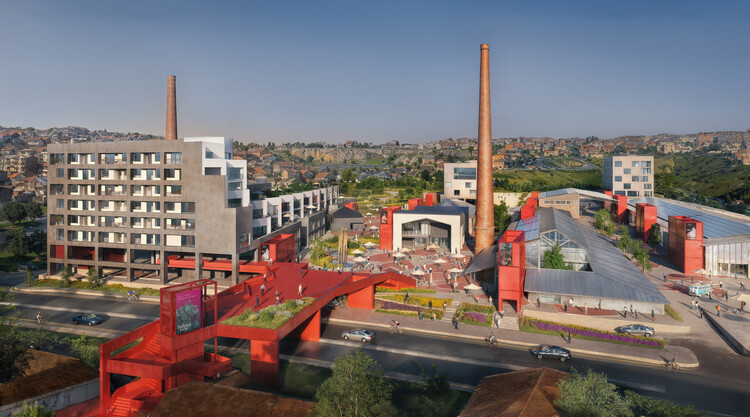
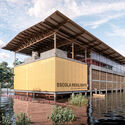
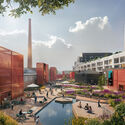
The Holcim Foundation for Sustainable Construction has announced the 20 winning projects of the 2025 Holcim Foundation Awards, recognizing contributions to sustainable design and construction across five regions: Asia Pacific, Europe, Latin America, the Middle East and Africa, and North America. This year's selection spans a broad range of scales, from a 200-square-meter semi-permanent school in a Kenyan forest to major urban regeneration initiatives in Madrid, Dhaka, and Shenzhen, reflecting the diversity and reach of sustainable architecture today. This year introduces a new Grand Prize format, replacing the traditional Gold, Silver, and Bronze rankings. Each region will now honor one Grand Prize winner, emphasizing excellence without comparison and acknowledging the diverse approaches to sustainability.

Holcim Foundation for Sustainable Construction Reveals 20 Winning Projects of the 2025 Holcim Awards - Image 1 of 4Holcim Foundation for Sustainable Construction Reveals 20 Winning Projects of the 2025 Holcim Awards - Image 2 of 4Holcim Foundation for Sustainable Construction Reveals 20 Winning Projects of the 2025 Holcim Awards - Image 3 of 4Holcim Foundation for Sustainable Construction Reveals 20 Winning Projects of the 2025 Holcim Awards - Image 4 of 4Holcim Foundation for Sustainable Construction Reveals 20 Winning Projects of the 2025 Holcim Awards - More Images+ 17

Beyond Disaster Relief: The Evolution of Super-Adobe Into Permanent Structures in Hormuz, Iran

Subscriber Access | 

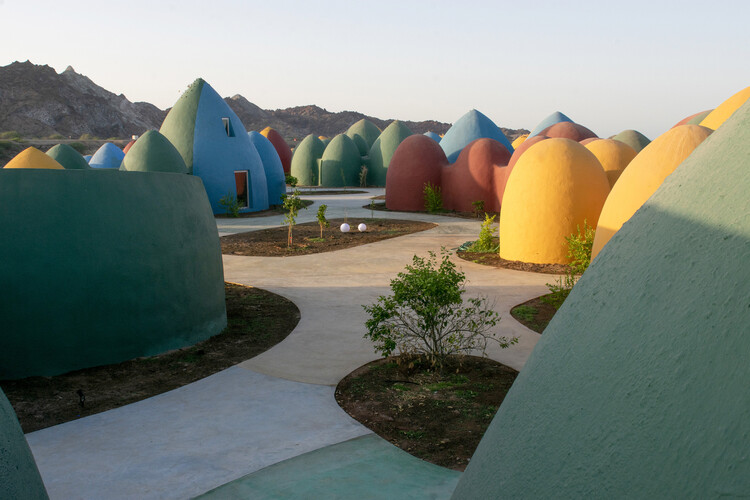
Hormuz Island, located in Iran, was a strategically significant port in the Persian Gulf, characterized by its landscape of colorful mountains. Despite its tourist appeal, the island faces significant socio-economic problems, with the local population having historically faced economic hardship. In response, the Majara Complex by ZAV Architects was conceived not merely as a building but as a deliberate architectural intervention designed to give control, opportunity, and economic benefit directly to the local community. To do this, the project channeled investment into local human resources and prioritized accessible construction techniques, creating a pathway for localized wealth creation. This allowed the Majara Complex to be one of the recipients of the Aga Khan Award for Architecture in 2025.

Beyond Disaster Relief: The Evolution of Super-Adobe Into Permanent Structures in Hormuz, Iran - Image 1 of 4Beyond Disaster Relief: The Evolution of Super-Adobe Into Permanent Structures in Hormuz, Iran - Image 2 of 4Beyond Disaster Relief: The Evolution of Super-Adobe Into Permanent Structures in Hormuz, Iran - Image 3 of 4Beyond Disaster Relief: The Evolution of Super-Adobe Into Permanent Structures in Hormuz, Iran - Image 4 of 4Beyond Disaster Relief: The Evolution of Super-Adobe Into Permanent Structures in Hormuz, Iran - More Images+ 4

How Will BIM 2.0, AI Assistance, and Integrated Workflows Shape the Architect’s Design Experience?

 | Sponsored Content

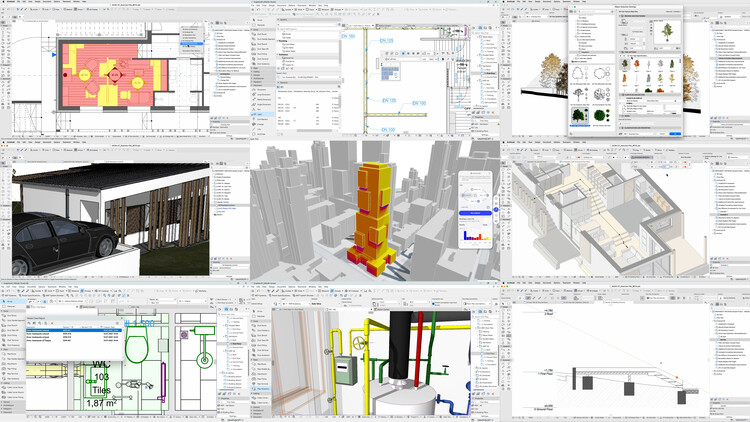
When architects are still students, a moment often marks a turning point: their first encounter with software. It's not just about learning a tool but discovering a space where ideas transcend physical models, taking shape in a digital environment and beginning a relationship many will carry throughout their careers. What happens next? Software keeps evolving, and with it, the design experience. In recent years, this evolution has accelerated—machine learning, AI, prompts, and integrated workflows have moved from the periphery to the core of design practice, becoming part of the shared language between software and users. As these tools take hold, a key question emerges: How will this reshape our experience of designing architecture in the future?

How Will BIM 2.0, AI Assistance, and Integrated Workflows Shape the Architect’s Design Experience? - Image 1 of 4How Will BIM 2.0, AI Assistance, and Integrated Workflows Shape the Architect’s Design Experience? - Image 2 of 4How Will BIM 2.0, AI Assistance, and Integrated Workflows Shape the Architect’s Design Experience? - Image 3 of 4How Will BIM 2.0, AI Assistance, and Integrated Workflows Shape the Architect’s Design Experience? - Image 4 of 4How Will BIM 2.0, AI Assistance, and Integrated Workflows Shape the Architect’s Design Experience? - More Images+ 13

Turning Water into Land: Major Landfill Projects Around the World

Subscriber Access | 

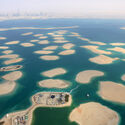
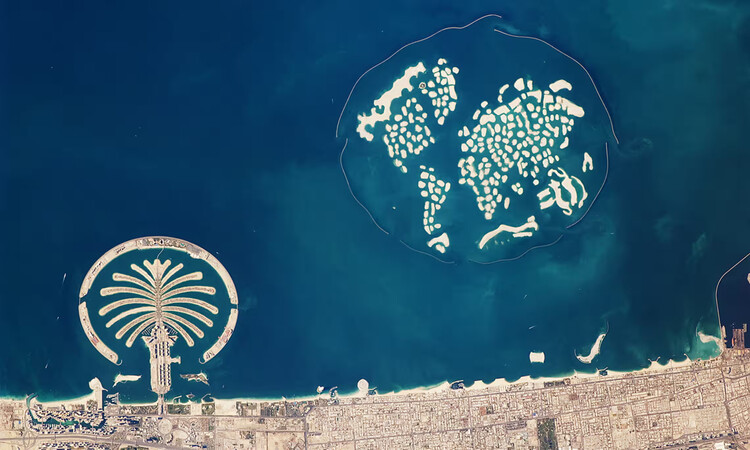
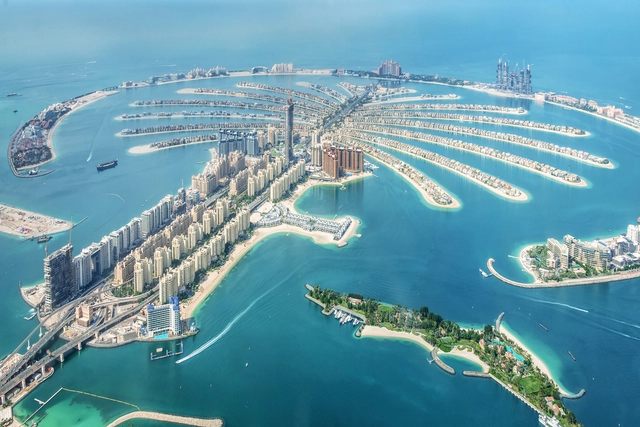
The idea of transforming water into land has captivated humanity for centuries. The Netherlands, for example, is a pioneering nation in this field, where approximately 20% of the territory has been reclaimed from the sea or lakes using dikes to control water flow and dry the surfaces. As technology has advanced, this practice has become more widespread. Today, China leads the way, joined by urban centers in the global south, such as cities in West Africa, East Asia, and the Middle East.

These megalomaniacal land reclamations are primarily undertaken in areas with extensive coastlines but insufficient landmass to meet their needs. In this regard, the newly reclaimed areas serve many purposes, ranging from the development of luxury residential complexes to an entertainment archipelago featuring hotels, restaurants, theaters, and shops.

Turning Water into Land: Major Landfill Projects Around the World - Image 1 of 4Turning Water into Land: Major Landfill Projects Around the World - Image 2 of 4Turning Water into Land: Major Landfill Projects Around the World - Image 3 of 4Turning Water into Land: Major Landfill Projects Around the World - Image 4 of 4Turning Water into Land: Major Landfill Projects Around the World - More Images+ 6

Architecture Now: C.F. Møller, Sasaki, 10 Design, and Others Unveil Projects Across Middle East, Asia, and the U.S.

Subscriber Access | 

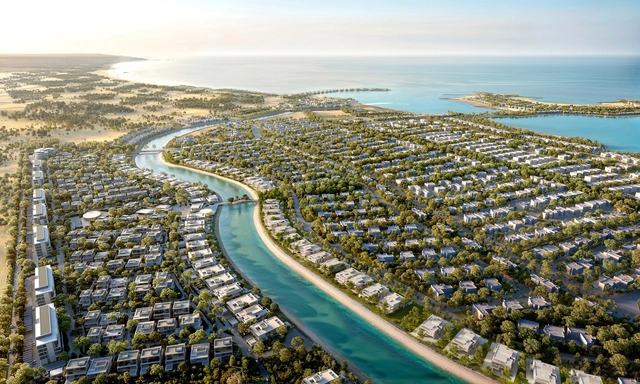
A series of recently announced projects across Europe, Asia, the Middle East, and North America reflects an ongoing shift in architectural thinking toward approaches that integrate buildings with their landscapes, programs with public life, and design with long-term environmental goals. In Nantes, France, a healthcare campus redefines medical education through climate-conscious planning, while in San Antonio, Texas, a new arboretum transforms a former golf course into a research-driven public landscape. Residential towers are rising beside Bangkok's Lumphini Park, a new coastal community is underway in the UAE, and an expansion to the Nelson-Atkins Museum in Kansas City reconsiders how cultural institutions connect with their surroundings. Together, these announcements point to a growing interest in projects that embed architecture within broader ecological and civic systems, proposing new models of spatial integration, accessibility, and resilience.

Architecture Now: C.F. Møller, Sasaki, 10 Design, and Others Unveil Projects Across Middle East, Asia, and the U.S. - Image 1 of 4Architecture Now: C.F. Møller, Sasaki, 10 Design, and Others Unveil Projects Across Middle East, Asia, and the U.S. - Image 2 of 4Architecture Now: C.F. Møller, Sasaki, 10 Design, and Others Unveil Projects Across Middle East, Asia, and the U.S. - Image 3 of 4Architecture Now: C.F. Møller, Sasaki, 10 Design, and Others Unveil Projects Across Middle East, Asia, and the U.S. - Image 4 of 4Architecture Now: C.F. Møller, Sasaki, 10 Design, and Others Unveil Projects Across Middle East, Asia, and the U.S. - More Images+ 9

Zaha Hadid Architects Breaks Ground on Asaan Museum in Diriyah, Saudi Arabia

Designed by Zaha Hadid Architects, construction works for the Asaan Museum have recently begun. Located in the historic At-Turaif district of Diriyah, Saudi Arabia, the Asaan Museum aims to be a new cultural institution designed to preserve and celebrate the nation's heritage. Deriving its name from the Arabic word meaning "inheritance passed down through generations," Asaan underscores its role in connecting past and present. Situated within a site renowned for its mud-brick architecture and centuries-old urban fabric, the museum draws inspiration from traditional Najdi building techniques. Planned to be constructed using locally sourced clay mud-bricks, Asaan Museum will mark Zaha Hadid Architects' first project to employ adobe construction.

Zaha Hadid Architects Breaks Ground on Asaan Museum in Diriyah, Saudi Arabia - Image 1 of 4Zaha Hadid Architects Breaks Ground on Asaan Museum in Diriyah, Saudi Arabia - Image 2 of 4Zaha Hadid Architects Breaks Ground on Asaan Museum in Diriyah, Saudi Arabia - Image 3 of 4Zaha Hadid Architects Breaks Ground on Asaan Museum in Diriyah, Saudi Arabia - Image 4 of 4Zaha Hadid Architects Breaks Ground on Asaan Museum in Diriyah, Saudi Arabia - More Images+ 1

First Look at Lina Ghotmeh's Design for Qatar’s First Permanent National Pavilion at Venice Biennale’s Giardini

Qatar has announced that architect Lina Ghotmeh, founder and principal of the Paris-based studio Lina Ghotmeh — Architecture, has been selected to design its permanent national pavilion in the Giardini della Biennale, the historic venue of La Biennale di Venezia since 1895. The new building will be on a site adjacent to the Book Pavilion and commissioned by H.E. Sheikha Al Mayassa on behalf of the State of Qatar. With this addition, Qatar becomes one of only 31 countries with a permanent pavilion in the Giardini, joining a select group of nations with dedicated exhibition spaces. Only two new national pavilions have been inaugurated there in the past 50 years: Australia in 1988 and the Republic of Korea in 1996. Lina Ghotmeh's new Qatar Pavilion will serve as a lasting platform for showcasing the country's artistic and architectural contributions, with rotating exhibitions presented during each edition of the Biennale.

First Look at Lina Ghotmeh's Design for Qatar’s First Permanent National Pavilion at Venice Biennale’s Giardini - Image 1 of 4First Look at Lina Ghotmeh's Design for Qatar’s First Permanent National Pavilion at Venice Biennale’s Giardini - Image 2 of 4First Look at Lina Ghotmeh's Design for Qatar’s First Permanent National Pavilion at Venice Biennale’s Giardini - Image 7 of 4First Look at Lina Ghotmeh's Design for Qatar’s First Permanent National Pavilion at Venice Biennale’s Giardini - Image 5 of 4First Look at Lina Ghotmeh's Design for Qatar’s First Permanent National Pavilion at Venice Biennale’s Giardini - More Images+ 4

Insights from Saudi Arabia’s Architecture and Design Commission and the Designathon Initiative

 | Sponsored Content

For centuries, the heart of the Arabian Peninsula was a land of vast deserts and settlements shaped by their environment. This relationship with the landscape, materiality, and knowledge of the place has not only endured but now translates into a landscape gaining recognition on the global creative scene. From projects that emerge with a profound sensitivity to context to global exhibitions and awards that drive its evolution, the region is consolidating its architectural language—rooted in its history while oriented toward new explorations. Far from halting, this momentum continues to chart the path for its development, establishing the region as a platform in contemporary architectural discourse.

From AI to Artisans: How MEAN* Merges Computational Design with Middle Eastern Craftsmanship

Named one of ArchDaily's Best New Practices in 2024, MEAN* (Middle East Architecture Network) is redefining the architectural landscape of the region by merging computational design, digital fabrication, and material research with local heritage. Founded in 2016, the studio takes a forward-thinking approach, developing site-specific architectural solutions that balance technological innovation with cultural continuity. Their work spans projects of various scales, from experimental furniture like the Mawj Chair to urban-scale interventions such as The Adaptive Majlis, a digitally fabricated reinterpretation of traditional cooling and social spaces. By integrating advanced tools like parametric design, AI, and 3D printing with local materials, MEAN* is crafting a new architectural language that reflects both the aspirations of the future and the depth of the past.

From AI to Artisans: How MEAN* Merges Computational Design with Middle Eastern Craftsmanship - Image 1 of 4From AI to Artisans: How MEAN* Merges Computational Design with Middle Eastern Craftsmanship - Image 2 of 4From AI to Artisans: How MEAN* Merges Computational Design with Middle Eastern Craftsmanship - Image 3 of 4From AI to Artisans: How MEAN* Merges Computational Design with Middle Eastern Craftsmanship - Image 4 of 4From AI to Artisans: How MEAN* Merges Computational Design with Middle Eastern Craftsmanship - More Images+ 5