1. ArchDaily
  2. Dubai

Dubai: The Latest Architecture and News

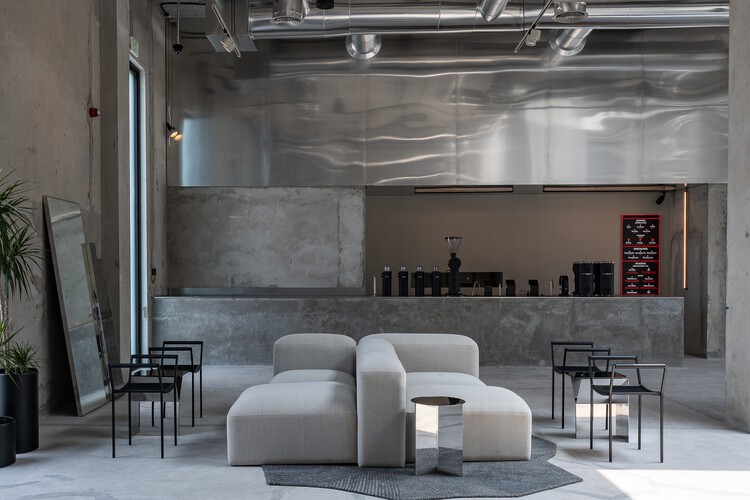
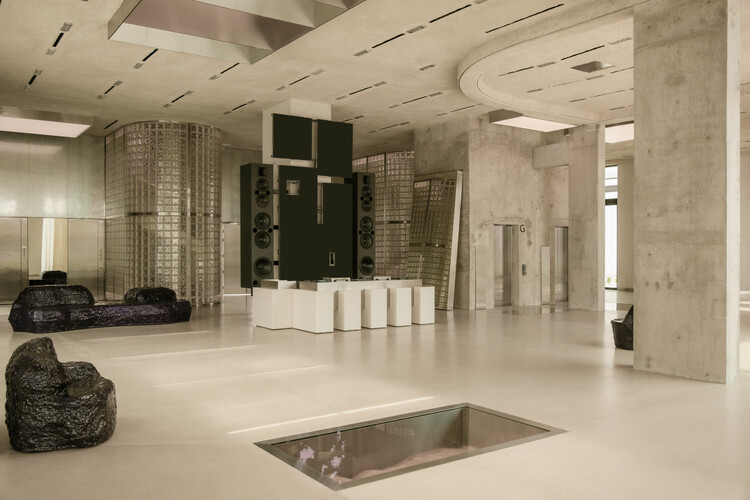
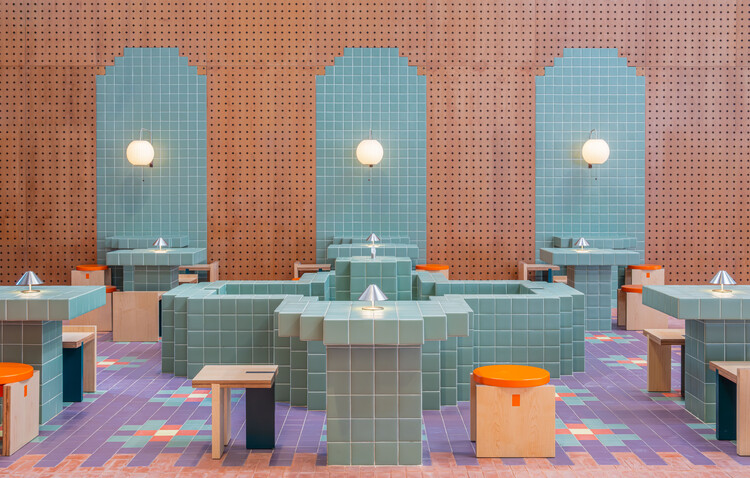
OUNASS Stage Dubai / VAUST Studio

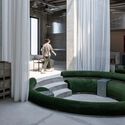
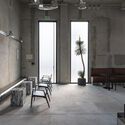
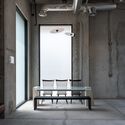
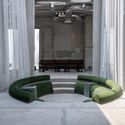
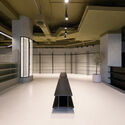
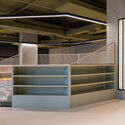
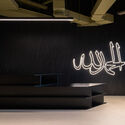
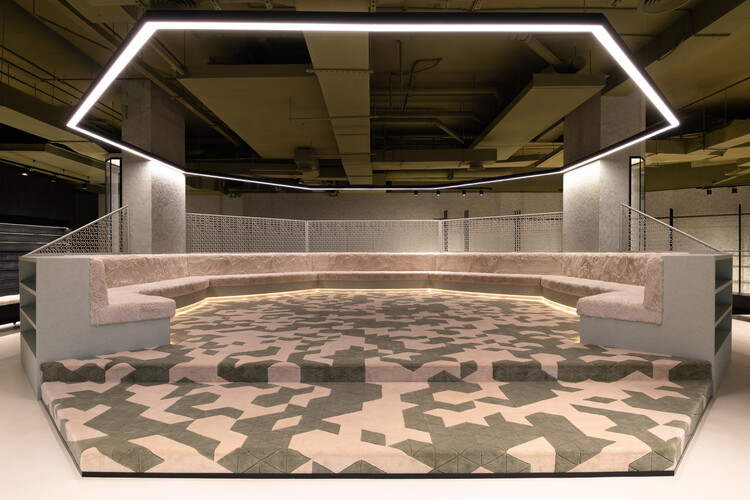
OUNASS Stage Dubai / VAUST Studio - Interior Photography, Retail Interiors, Kitchen, LightingOUNASS Stage Dubai / VAUST Studio - Interior Photography, Retail Interiors, LightingOUNASS Stage Dubai / VAUST Studio - Retail InteriorsOUNASS Stage Dubai / VAUST Studio - Retail InteriorsOUNASS Stage Dubai / VAUST Studio - More Images+ 12

  • Architects: VAUST Studio
  • Area Area of this architecture project Area:  700
  • Year Completion year of this architecture project Year:  2026
  • Manufacturers Brands with products used in this architecture project
    Manufacturers:  Balzer, Balzer

Oil, Glass, and Identity: Gulf Modernism Between Global Image and Local Climate

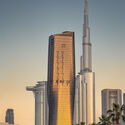
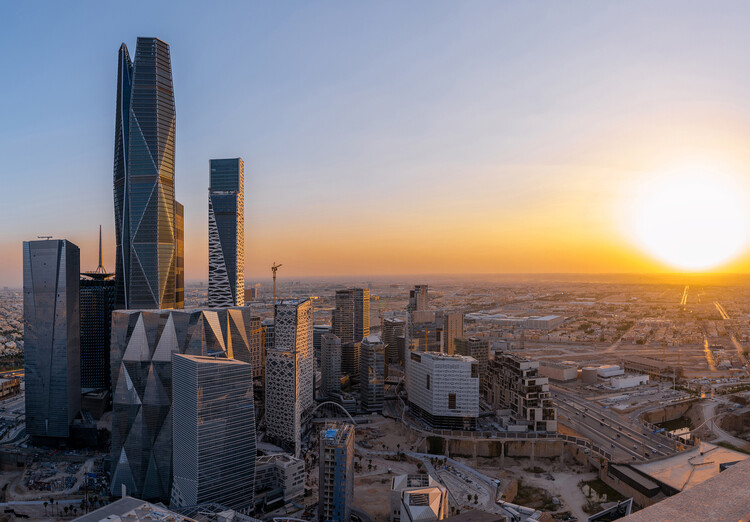
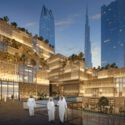
Step from the heat of Dubai into the lobby of a glass tower, and the desert seems to disappear. Outside, temperatures climb past 45 degrees Celsius; inside, the air is cold, sealed, and perfectly controlled. For decades, this contrast became the defining image of Gulf modernity. Architecture became less a negotiation with climate, and more a demonstration that climate could be overcome. Towers of reflective glass rose from the desert as symbols of arrival, projecting financial power, technological confidence, and global ambition. Beneath this urban image sat an infrastructure built on oil, cheap energy, and the continuous mechanical suppression of heat.
Oil, Glass, and Identity: Gulf Modernism Between Global Image and Local Climate - Image 1 of 4Oil, Glass, and Identity: Gulf Modernism Between Global Image and Local Climate - Image 2 of 4Oil, Glass, and Identity: Gulf Modernism Between Global Image and Local Climate - Image 3 of 4Oil, Glass, and Identity: Gulf Modernism Between Global Image and Local Climate - Image 4 of 4Oil, Glass, and Identity: Gulf Modernism Between Global Image and Local Climate - More Images+ 8

Rethinking the High-Rise: 5 Unbuilt Towers from the ArchDaily Community

Subscriber Access | 

High-rise architecture continues to serve as a primary tool for accommodating density in rapidly evolving urban environments. Traditionally defined by efficiency and repetition, the tower is increasingly being reexamined as a more complex spatial and organizational system. Across different geographies, architects are testing how vertical structures can move beyond singular functions to incorporate layered programs, environmental strategies, and new forms of occupation.
The following selection brings together unbuilt projects submitted by the ArchDaily community, highlighting a range of approaches to the contemporary tower. From mixed-use developments and residential high-rises to speculative ecological proposals, these works reflect an ongoing shift in how vertical architecture is conceived. These towers engage with broader questions of privacy, coexistence, adaptability, and urban integration.

Rethinking the High-Rise: 5 Unbuilt Towers from the ArchDaily Community - Image 9 of 4Rethinking the High-Rise: 5 Unbuilt Towers from the ArchDaily Community - Image 17 of 4Rethinking the High-Rise: 5 Unbuilt Towers from the ArchDaily Community - Image 28 of 4Rethinking the High-Rise: 5 Unbuilt Towers from the ArchDaily Community - Image 7 of 4Rethinking the High-Rise: 5 Unbuilt Towers from the ArchDaily Community - More Images+ 27

Milan Design Week 2026 Selection and Wasl Tower in Dubai: This Week’s Review

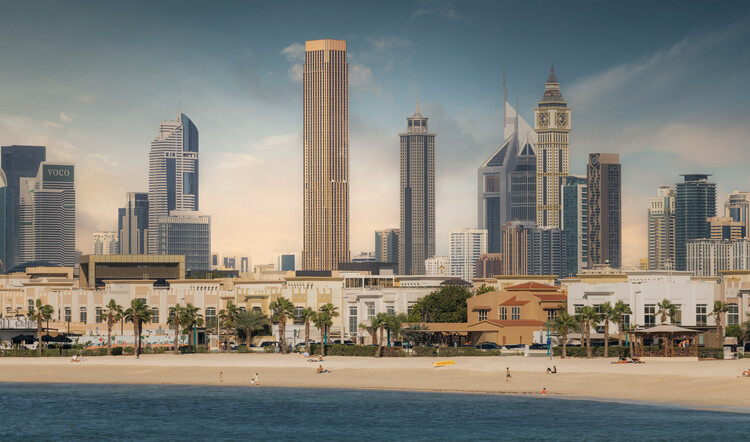
Across cultural platforms, heritage sites, and institutional developments, this week's news reflects how the built environment is reshaped through processes of transformation, reinterpretation, and public engagement. From archaeological reactivations and adaptive reuse strategies to museum expansions and large-scale international gatherings, architecture operates across multiple temporalities, balancing preservation with contemporary use and spatial continuity with evolving cultural programs. Within this context, ArchDaily's selection of installations and exhibitions from Milan Design Week 2026 highlights how design weeks increasingly function as curatorial frameworks for experimentation, while global events and institutional projects continue to expand the formats through which architecture is produced, shared, and debated.

Milan Design Week 2026 Selection and Wasl Tower in Dubai: This Week’s Review - Image 1 of 4Milan Design Week 2026 Selection and Wasl Tower in Dubai: This Week’s Review - Image 2 of 4Milan Design Week 2026 Selection and Wasl Tower in Dubai: This Week’s Review - Image 3 of 4Milan Design Week 2026 Selection and Wasl Tower in Dubai: This Week’s Review - Image 4 of 4Milan Design Week 2026 Selection and Wasl Tower in Dubai: This Week’s Review - More Images+ 6

Gooder Store / studio pheasant

Gooder Store / studio pheasant - Retail InteriorsGooder Store / studio pheasant - Retail InteriorsGooder Store / studio pheasant - Interior Photography, Retail InteriorsGooder Store / studio pheasant - Interior Photography, Retail Interiors, Table, ChairGooder Store / studio pheasant - More Images+ 26

  • Architects: studio pheasant
  • Area Area of this architecture project Area:  1500
  • Year Completion year of this architecture project Year:  2026
  • Manufacturers Brands with products used in this architecture project
    Manufacturers:  Ferm Living, 41 zero 42, Audo, HAY, Herman Miller

7 Unbuilt Masterplans Reimagining Urban Futures Through Ecology and Collective Space

Subscriber Access | 

Urban masterplans remain an exploratory ground for unbuilt speculation, offering insight into how cities might recalibrate mobility, ecology, and collective life in response to accelerating environmental and social pressures. In this Unbuilt edition, submitted by the ArchDaily community, the selected projects bring together a range of large-scale proposals that examine urban centers, waterfront districts, infrastructural corridors, and cultural landscapes as spatial frameworks for reconnection and resilience. Rather than treating the masterplan as a rigid blueprint, these projects approach urbanism as an adaptive system shaped by climate, topography, infrastructure, and public space.

Across varied geographies, from Northern European town centers and Mediterranean coastal districts to Central Asian polycentric hubs and Gulf megacities, the proposals explore diverse architectural and urban strategies. They range from park-led civic transformations built over highway tunnels to elevated pedestrian networks above active transport systems, mixed-use blocks structured by historic planning logics, marina developments integrating environmental stewardship, and research-driven models for equitable landscape urbanization.

7 Unbuilt Masterplans Reimagining Urban Futures Through Ecology and Collective Space - Image 22 of 47 Unbuilt Masterplans Reimagining Urban Futures Through Ecology and Collective Space - Image 24 of 47 Unbuilt Masterplans Reimagining Urban Futures Through Ecology and Collective Space - Image 28 of 47 Unbuilt Masterplans Reimagining Urban Futures Through Ecology and Collective Space - Image 12 of 47 Unbuilt Masterplans Reimagining Urban Futures Through Ecology and Collective Space - More Images+ 37

Send Location Flagship Store / MEAN* (Middle East Architecture Network)

Send Location Flagship Store / MEAN* (Middle East Architecture Network) - Retail InteriorsSend Location Flagship Store / MEAN* (Middle East Architecture Network) - Retail InteriorsSend Location Flagship Store / MEAN* (Middle East Architecture Network) - Retail InteriorsSend Location Flagship Store / MEAN* (Middle East Architecture Network) - Retail InteriorsSend Location Flagship Store / MEAN* (Middle East Architecture Network) - More Images+ 19

Buildner and Dubai’s RTA Award €500K for Climate-Responsive Urban Design

 | Sponsored Content

Buildner has announced the results of the Dubai Urban Elements Challenge, a landmark international design competition organized in strategic collaboration with Dubai's Roads and Transport Authority (RTA). With a total prize fund of 2,000,000 AED (approximately €500,000), the initiative represents one of the most significant publicly funded global design competitions focused on urban transformation.

The competition was conceived as a forward-looking procurement and innovation platform for one of the world's fastest-evolving metropolitan environments. Participants were invited to propose modular, climate-responsive urban elements—seating systems, shading devices, lighting infrastructure, wayfinding components, rest areas, and micro-retail structures—designed to enhance pedestrian life and strengthen Dubai's public realm identity.

How 2025 Turned Architectural Visuals Into Disputed Media

For much of modern architectural history, images have functioned as interpretive tools rather than literal records. Renderings, drawings, and competition visuals were traditionally understood as speculative instruments, offering atmospheres, intentions, and possible futures rather than fixed realities. This ambiguity allowed architects to communicate ideas that were still in formation, and it shaped a visual culture in which representation was valued as much for its suggestive quality as for its precision.

In recent years, this long-standing relationship began to shift. Architectural images did not simply become more refined or technologically advanced; they took on new social and institutional significance. As images moved beyond professional contexts and entered wider public circulation, their role expanded. They were no longer only methods of communication within the discipline, but also objects of public interpretation, discussion, and, at times, dispute. This marked a subtle but important change in how architectural visuals were understood and used.

How 2025 Turned Architectural Visuals Into Disputed Media - Image 1 of 4How 2025 Turned Architectural Visuals Into Disputed Media - Image 2 of 4How 2025 Turned Architectural Visuals Into Disputed Media - Image 3 of 4How 2025 Turned Architectural Visuals Into Disputed Media - Image 4 of 4How 2025 Turned Architectural Visuals Into Disputed Media - More Images+ 3

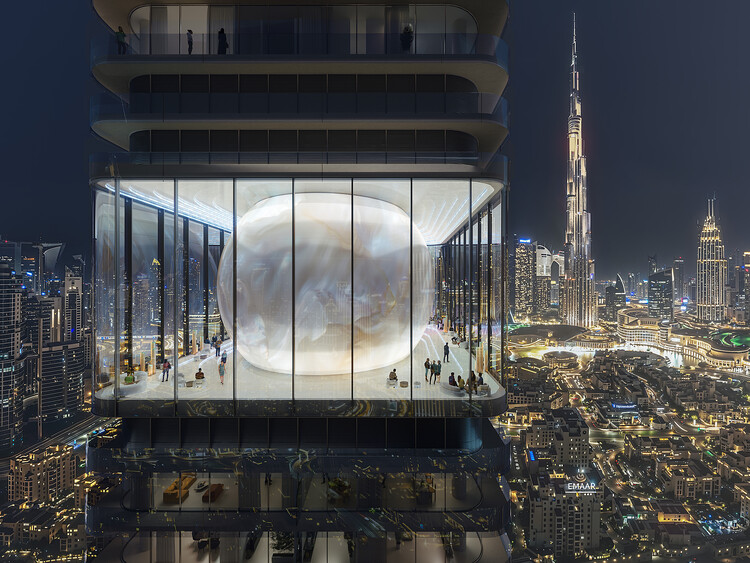
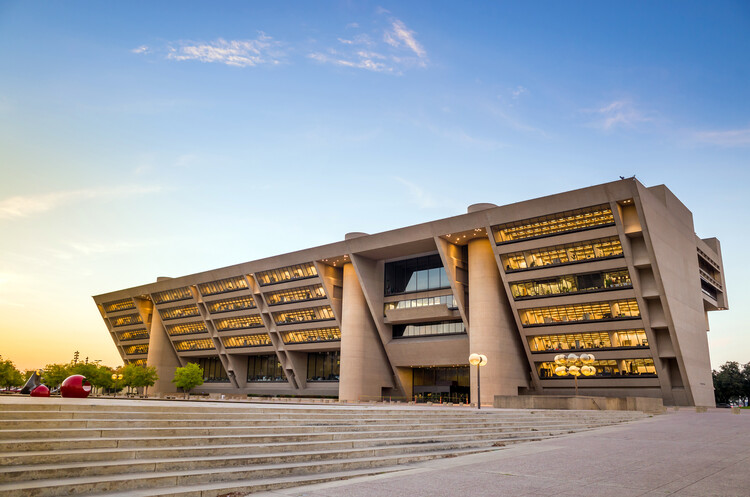
Dallas City Hall Debate and ZHA’s Symphony Tower in Dubai: This Week’s Review

Across cultural districts and civic centers, this week's architectural developments highlight how institutions and city governments are reshaping their futures amid shifting environmental, social, and economic pressures. New museum and opera projects signal ongoing commitments to expanding public cultural infrastructure, while the debate surrounding Dallas' modernist City Hall illustrates the tensions that arise when questions of heritage meet rising maintenance demands and redevelopment pressures. At the same time, municipalities are advancing new regulatory tools to confront climate challenges, from electrification standards in Sydney and Boston to mobility restrictions and emerging forms of urban diplomacy. These developments reflect an increasingly complex landscape in which architectural environments evolve through a combination of cultural ambition, environmental targets, and shifting models of public decision-making.

Dallas City Hall Debate and ZHA’s Symphony Tower in Dubai: This Week’s Review - Image 1 of 4Dallas City Hall Debate and ZHA’s Symphony Tower in Dubai: This Week’s Review - Image 2 of 4Dallas City Hall Debate and ZHA’s Symphony Tower in Dubai: This Week’s Review - Image 3 of 4Dallas City Hall Debate and ZHA’s Symphony Tower in Dubai: This Week’s Review - Image 4 of 4Dallas City Hall Debate and ZHA’s Symphony Tower in Dubai: This Week’s Review - More Images+ 3

Orijins Coffee Shop / VSHD Design

Orijins Coffee Shop / VSHD Design - Coffee Shop InteriorsOrijins Coffee Shop / VSHD Design - Coffee Shop InteriorsOrijins Coffee Shop / VSHD Design - Coffee Shop InteriorsOrijins Coffee Shop / VSHD Design - Coffee Shop InteriorsOrijins Coffee Shop / VSHD Design - More Images+ 15

  • Architects: VSHD Design
  • Area Area of this architecture project Area:  105
  • Year Completion year of this architecture project Year:  2021

Expo Gold for Bahrain and Dubai's Gateway Metro: This Week's Review

This week in architecture, global recognitions and new unveilings underscored the field's growing commitment to climate awareness, cultural continuity, and adaptive reuse. From Expo 2025 Osaka's closing ceremonies to international award announcements, the focus turned to architects and designers redefining the relationship between place, material, and community. Alongside these recognitions, major new projects, from Dubai to California, illustrated how design continues to evolve across scales: shaping cities, preserving heritage, and addressing urgent global challenges through context-driven architecture.

Expo Gold for Bahrain and Dubai's Gateway Metro: This Week's Review - Image 1 of 4Expo Gold for Bahrain and Dubai's Gateway Metro: This Week's Review - Image 2 of 4Expo Gold for Bahrain and Dubai's Gateway Metro: This Week's Review - Image 3 of 4Expo Gold for Bahrain and Dubai's Gateway Metro: This Week's Review - Image 4 of 4Expo Gold for Bahrain and Dubai's Gateway Metro: This Week's Review - More Images+ 15

From Iran to Argentina: 9 Unbuilt Contemporary Residences Exploring Form, Context, and Identity

Subscriber Access | 

Across geographies and generations, architects are rethinking the idea of home, balancing personal expression, contextual sensitivity, and material clarity. These contemporary residential proposals, submitted by the ArchDaily community, reveal how the house continues to evolve as both an architectural statement and an intimate landscape for living. From the sculptural and futuristic to the grounded and vernacular, they explore how built form balances between identity, environment, and lifestyle in an increasingly complex world.

From Iran to Argentina: 9 Unbuilt Contemporary Residences Exploring Form, Context, and Identity - Image 7 of 4From Iran to Argentina: 9 Unbuilt Contemporary Residences Exploring Form, Context, and Identity - Image 15 of 4From Iran to Argentina: 9 Unbuilt Contemporary Residences Exploring Form, Context, and Identity - Image 28 of 4From Iran to Argentina: 9 Unbuilt Contemporary Residences Exploring Form, Context, and Identity - Image 38 of 4From Iran to Argentina: 9 Unbuilt Contemporary Residences Exploring Form, Context, and Identity - More Images+ 47

Major Architecture Events and Heritage Initiatives Announced Worldwide: The Week’s Review

September marks a shift in seasonality worldwide, bringing with it a renewed focus on cultural and architectural events that encourage reflection on contemporary global challenges. This week's major news highlighted international exhibitions and design initiatives addressing questions of resilience, urban transformation, and collective futures, alongside new projects dedicated to preserving both cultural and natural heritage. Across continents, biennales, urban developments, and restoration efforts are shaping a broader conversation on how architecture and design can foster adaptation, memory, and coexistence in rapidly changing environments.

Major Architecture Events and Heritage Initiatives Announced Worldwide: The Week’s Review - Image 1 of 4Major Architecture Events and Heritage Initiatives Announced Worldwide: The Week’s Review - Image 2 of 4Major Architecture Events and Heritage Initiatives Announced Worldwide: The Week’s Review - Image 3 of 4Major Architecture Events and Heritage Initiatives Announced Worldwide: The Week’s Review - Image 4 of 4Major Architecture Events and Heritage Initiatives Announced Worldwide: The Week’s Review - More Images+ 15

From India to Brazil: 6 Unbuilt Sports and Wellness Spaces Connecting Community and Well-Being

Subscriber Access | 

As cities and landscapes evolve, architecture is increasingly asked to support well-being, performance, and collective experience. From stadiums that honor deep cultural memory to intimate wellness spaces that foster restoration and connection, sports and wellness typologies are expanding beyond mere functionality. They create environments where movement and health intersect with design quality, sustainability, and social meaning. Today, these spaces range from elite training grounds and recreational clubs to contemplative retreats and inclusive public amenities, shaping how communities gather, heal, and celebrate shared identity.

This selection of unbuilt proposals submitted by the ArchDaily community illustrates that diversity. In São Paulo, Luiz Volpato Arquitetura reinvents the historic Santos Futebol Clube stadium with a geometry that preserves fans' memory while introducing new commercial and social uses. In Hanoi, Van Aelst I Nguyen and Partners bring filtered light and fresh air to a dense urban sports complex. In Dubai, RSP proposes Haven, a residential development anchored in holistic wellness and nature-driven experiences, while India's Tropic Responses imagines Aira Club as a climate-conscious leisure hub. High in the Himalayas, Gadasu + Partners carve a meditative spa into mountain stone, and in Isfahan, Arsh4d Studio rethinks segregated women's parks to create inclusive, future-oriented civic space.

From India to Brazil: 6 Unbuilt Sports and Wellness Spaces Connecting Community and Well-Being - Image 14 of 4From India to Brazil: 6 Unbuilt Sports and Wellness Spaces Connecting Community and Well-Being - Image 15 of 4From India to Brazil: 6 Unbuilt Sports and Wellness Spaces Connecting Community and Well-Being - Image 35 of 4From India to Brazil: 6 Unbuilt Sports and Wellness Spaces Connecting Community and Well-Being - Image 27 of 4From India to Brazil: 6 Unbuilt Sports and Wellness Spaces Connecting Community and Well-Being - More Images+ 34

Ghaf Woods Experience Center / AOE + STUDIOI

Ghaf Woods Experience Center / AOE + STUDIOI - Exterior Photography, Cultural Architecture, CityscapeGhaf Woods Experience Center / AOE + STUDIOI - Interior Photography, Cultural ArchitectureGhaf Woods Experience Center / AOE + STUDIOI - Cultural ArchitectureGhaf Woods Experience Center / AOE + STUDIOI - Cultural ArchitectureGhaf Woods Experience Center / AOE + STUDIOI - More Images+ 19

  • Architects: AOE, STUDIOI
  • Area Area of this architecture project Area:  450
  • Year Completion year of this architecture project Year:  2025

From Japan to Saudi Arabia: 8 Unbuilt Hospitality Projects Redefining the Future of Hotels and Resorts

Subscriber Access | 

In contemporary architecture, hotel design is no longer defined solely by luxury and accommodation. Instead, it is becoming a platform to explore questions of identity, ecology, and cultural meaning. Beyond providing rooms and amenities, hotels today aim to create immersive experiences that connect travelers to local traditions, landscapes, and communities. In this curated selection of unbuilt hospitality projects, submitted by the ArchDaily community, speculative and competition-winning proposals offer a glimpse into the future of hospitality, where sustainability and storytelling are as central as comfort and style.

From Japan to Saudi Arabia: 8 Unbuilt Hospitality Projects Redefining the Future of Hotels and Resorts - Image 12 of 4From Japan to Saudi Arabia: 8 Unbuilt Hospitality Projects Redefining the Future of Hotels and Resorts - Image 16 of 4From Japan to Saudi Arabia: 8 Unbuilt Hospitality Projects Redefining the Future of Hotels and Resorts - Image 21 of 4From Japan to Saudi Arabia: 8 Unbuilt Hospitality Projects Redefining the Future of Hotels and Resorts - Image 9 of 4From Japan to Saudi Arabia: 8 Unbuilt Hospitality Projects Redefining the Future of Hotels and Resorts - More Images+ 48

Al Fanar School / EMKAAN

Al Fanar School / EMKAAN - Interior Photography, Kindergarten, Arch, Lighting, ChairAl Fanar School / EMKAAN - KindergartenAl Fanar School / EMKAAN - KindergartenAl Fanar School / EMKAAN - KindergartenAl Fanar School / EMKAAN - More Images+ 28

  • Architects: EMKAAN
  • Area Area of this architecture project Area:  30573 ft²
  • Year Completion year of this architecture project Year:  2024