1. ArchDaily
  2. Coastal Design

Coastal Design: The Latest Architecture and News

Bofill Taller de Arquitectura Unveils Landscape-Inspired Resort in Dhërmi, Albania

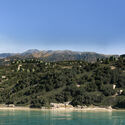
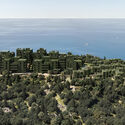
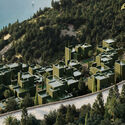
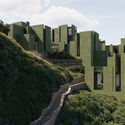
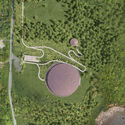
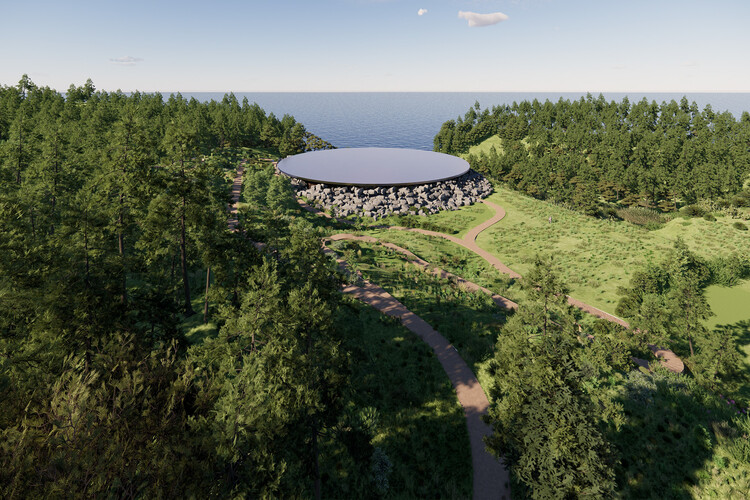
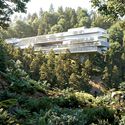
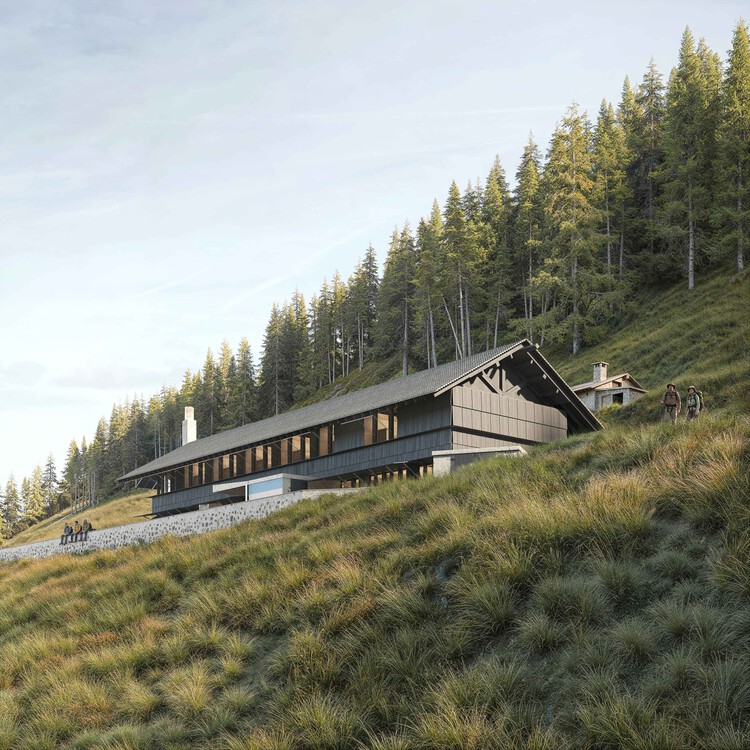
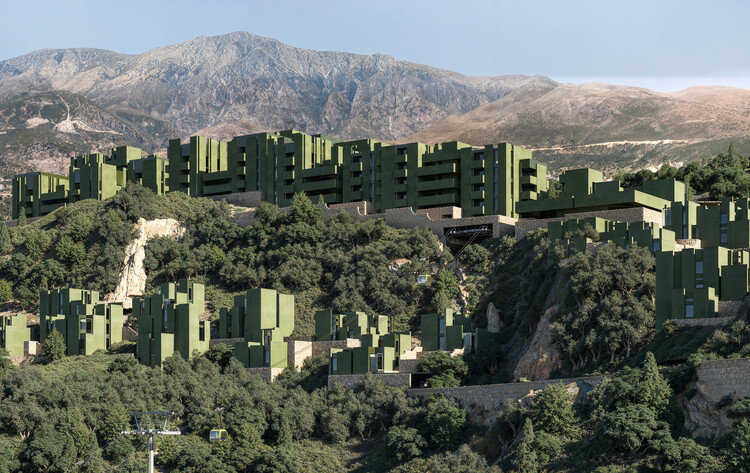
Bofill Taller de Arquitectura has revealed the final images of a new resort in Dhërmi, Albania, currently under construction. The project was first announced in 2024, in the context of the numerous developments proposed across the country over the past decade. This time, the project is neither a skyscraper nor an institutional building in Tirana, but a resort set along the mountainous coastline in the south of the country. The design responds to the existing landscape conditions, a coastal, mountainous area surrounded by forests that cover a significant portion of Albania's land surface. The project aims to preserve the character of the forest while engaging with the rugged terrain, jagged rocks, steep mountainsides, and dense pine and cypress forests.

Bofill Taller de Arquitectura Unveils Landscape-Inspired Resort in Dhërmi, Albania - Image 1 of 4Bofill Taller de Arquitectura Unveils Landscape-Inspired Resort in Dhërmi, Albania - Image 2 of 4Bofill Taller de Arquitectura Unveils Landscape-Inspired Resort in Dhërmi, Albania - Image 3 of 4Bofill Taller de Arquitectura Unveils Landscape-Inspired Resort in Dhërmi, Albania - Image 4 of 4Bofill Taller de Arquitectura Unveils Landscape-Inspired Resort in Dhërmi, Albania - More Images+ 20

Atelier Tsuyoshi Tane Architects Designs Sea of Time – TOHOKU in Fukushima, Japan

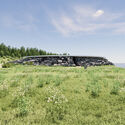
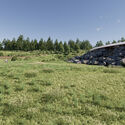
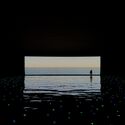
Located in Tomioka, Fukushima Prefecture, Sea of Time – TOHOKU is both an artwork by Tatsuo Miyajima and an architectural project commissioned by the artist. Designed by Japanese architect Tsuyoshi Tane of Atelier Tsuyoshi Tane Architects (ATTA), the project envisions a permanent museum to house Miyajima's artwork. Currently under development from 2024 to 2027, with an anticipated opening in spring 2028. Positioned on a cliff overlooking the Pacific Ocean, the proposal brings together architecture and installation within a site shaped by the memory of the 2011 Tōhoku earthquake and tsunami, framing both the landscape and its historical context as integral components of the design.

Atelier Tsuyoshi Tane Architects Designs Sea of Time – TOHOKU in Fukushima, Japan - Image 1 of 4Atelier Tsuyoshi Tane Architects Designs Sea of Time – TOHOKU in Fukushima, Japan - Image 2 of 4Atelier Tsuyoshi Tane Architects Designs Sea of Time – TOHOKU in Fukushima, Japan - Image 3 of 4Atelier Tsuyoshi Tane Architects Designs Sea of Time – TOHOKU in Fukushima, Japan - Image 4 of 4Atelier Tsuyoshi Tane Architects Designs Sea of Time – TOHOKU in Fukushima, Japan - More Images+ 2

Transforming a Concrete Shell into a Wooden Interior Shaped by the Sea

 | In Collaboration

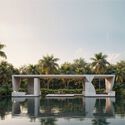
Set along the outer breakwater of Port de Cap-d'Ail, located next to Monaco, the Beach House occupies a threshold between land and sea. Surrounded by water and docked boats, the building sits in close dialogue with the harbor, exposed to the shifting light, reflections, and atmosphere of the Mediterranean. Within this setting, the house reads almost like another vessel moored along the harbor wall.

When architect Dave Rowles began work on the project, however, the residence offered little of this character internally. The former private home had been stripped back almost entirely, leaving a raw concrete shell. The renovation, therefore, began with a fundamental question: how can an interior capture the qualities of its surroundings? Rather than competing with the powerful maritime context, the design focused on creating a calm, material-driven interior that frames and amplifies the beauty and experience of the surrounding landscape crafted from oak, cedar, marble, and stainless steel details. In collaboration with barth, a company specializing in interior craftsmanship, Rowles transformed the concrete structure into a cohesive interior, where natural materials, light, and refined detailing define both the interior and exterior spaces.
From Cloud to Coast: The Physical Cost of AI in Hong Kong’s Borderlands

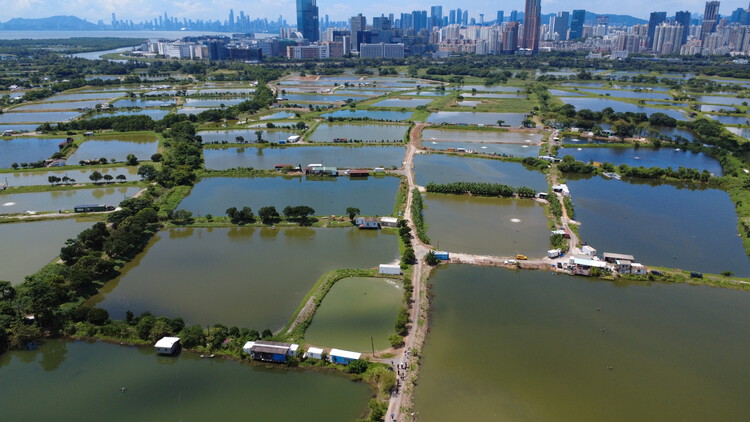
Amid the rapid build-out of data centres and AI economies across the Greater Bay Area—and alongside the celebration of AI as a tool and "author," as featured in 2025 Hong Kong–Shenzhen Bi-City Biennale of Urbanism\Architecture (Hong Kong)—a parallel question becomes unavoidable: how do the planning and construction of AI infrastructure actually begin to shape everyday life? Many of the facilities already built remain intentionally distant from daily experience. The "cloud" may be marketed as immaterial, but its architecture is profoundly physical: high-power, high-heat, service-heavy environments that are often sited in remote or low-density areas to take advantage of lower land costs and to minimize friction with nearby communities. Security and risk management further reinforce this logic. Data centres hold sensitive, privileged information—corporate assets, legal records, government and institutional data—and remoteness becomes part of their operating model, keeping the infrastructures of AI both spatially and socially out of sight.

From Cloud to Coast: The Physical Cost of AI in Hong Kong’s Borderlands - Image 2 of 4From Cloud to Coast: The Physical Cost of AI in Hong Kong’s Borderlands - Image 6 of 4From Cloud to Coast: The Physical Cost of AI in Hong Kong’s Borderlands - Image 3 of 4From Cloud to Coast: The Physical Cost of AI in Hong Kong’s Borderlands - Image 4 of 4From Cloud to Coast: The Physical Cost of AI in Hong Kong’s Borderlands - More Images+ 7

6 Unbuilt Retreats Exploring Hospitality Through Landscape and Refuge

Subscriber Access | 

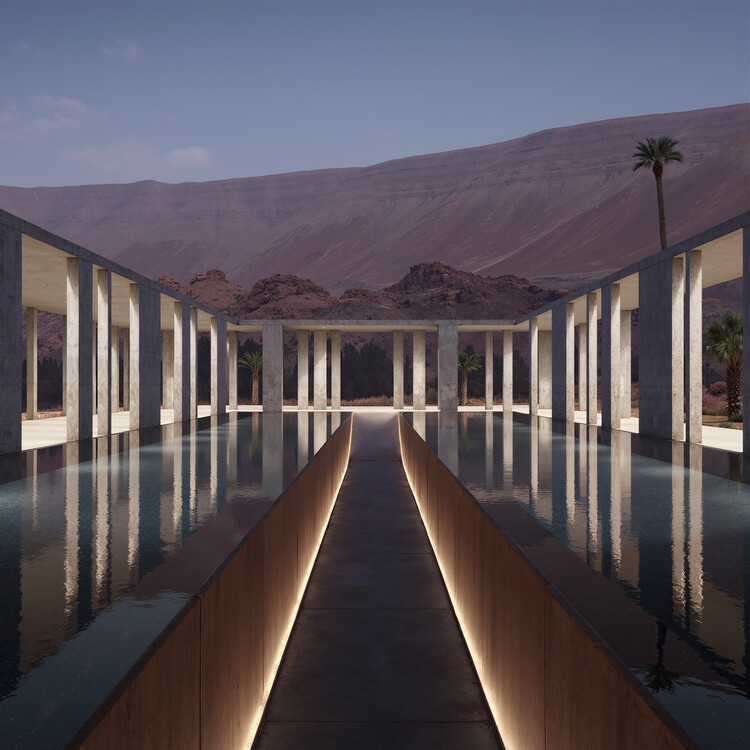
Spaces of retreat continue to offer fertile ground for unbuilt exploration, revealing how architecture can support rest, reflection, and immersion in nature amid shifting environmental and cultural conditions. In this Unbuilt edition, submitted by the ArchDaily community, the selected projects assemble a diverse range of proposals that reconsider hospitality through the lens of refuge. These works position accommodation not as spectacle or excess, but as spatial frameworks shaped by landscape, climate, material restraint, and shared experience.

Across distinct geographies, from Southeast Asian hillsides and Indonesian coastlines to African wilderness, Alpine terrain, Middle Eastern landscapes, and North American forests, the proposals demonstrate varied architectural responses to sensitive sites. They include elevated structures that hover lightly above steep ground, temporary lodge systems embedded in remote ecologies, reconstructed mountain shelters grounded in memory and reuse, courtyard-centered communal stays shaped by lifestyle cultures, contemplative desert retreats, and inclusive woodland camps designed for accessibility and environmental balance.

6 Unbuilt Retreats Exploring Hospitality Through Landscape and Refuge - Image 5 of 46 Unbuilt Retreats Exploring Hospitality Through Landscape and Refuge - Image 31 of 46 Unbuilt Retreats Exploring Hospitality Through Landscape and Refuge - Image 10 of 46 Unbuilt Retreats Exploring Hospitality Through Landscape and Refuge - Image 14 of 46 Unbuilt Retreats Exploring Hospitality Through Landscape and Refuge - More Images+ 35

Druzhba Sanatorium: A Soviet Monument Suspended Between Earth and Sea

Subscriber Access | 

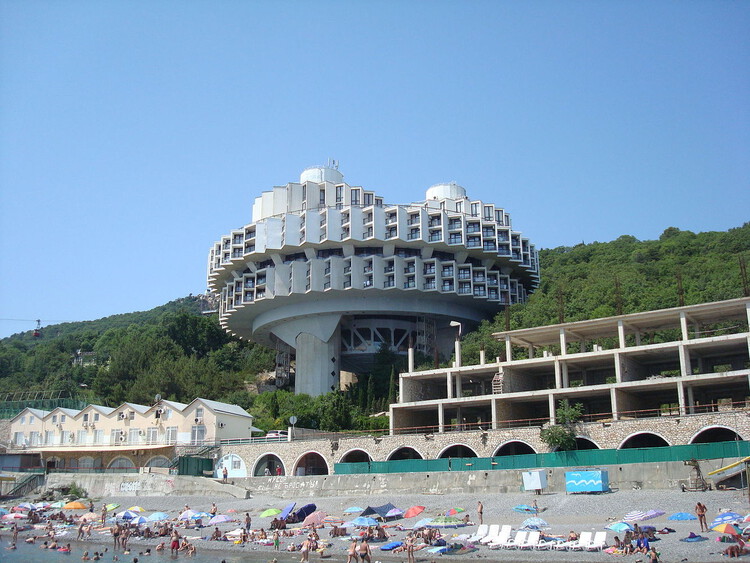
Perched above the cliffs of Crimea, the Druzhba Thermal Sanatorium appears less as a building than as a landed spacecraft. Its circular forms, suspended decks, and spiraling ramps evoke a scene from Andrei Tarkovsky's Solaris (1972), where architecture and psychology merge into a single landscape. Built between 1978 and 1985 by Igor Vasilevsky, the complex was conceived as a thermal resort for workers of the oil industry, part of the Soviet Union's extensive network of sanatoria dedicated to health and recreation.

Beyond its function as a place of recovery, Druzhba, meaning "friendship", embodied a broader political and aesthetic ambition. It sought to merge technological prowess with the restorative ideals of socialist modernity, translating collective well-being into concrete form. Rising from a steep coastal slope overlooking the Black Sea, its massive structure defies gravity, supported by a central concrete core from which radial wings extend like the blades of an enormous gear. Seen from a distance, it feels simultaneously mechanical and organic, a hybrid of infrastructure and landscape.

Druzhba Sanatorium: A Soviet Monument Suspended Between Earth and Sea - Image 1 of 4Druzhba Sanatorium: A Soviet Monument Suspended Between Earth and Sea - Image 2 of 4Druzhba Sanatorium: A Soviet Monument Suspended Between Earth and Sea - Image 3 of 4Druzhba Sanatorium: A Soviet Monument Suspended Between Earth and Sea - Image 4 of 4Druzhba Sanatorium: A Soviet Monument Suspended Between Earth and Sea - More Images+ 16

Building at the Edge: New York and Hong Kong’s Competing Waterfront Logics

Subscriber Access | 

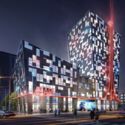
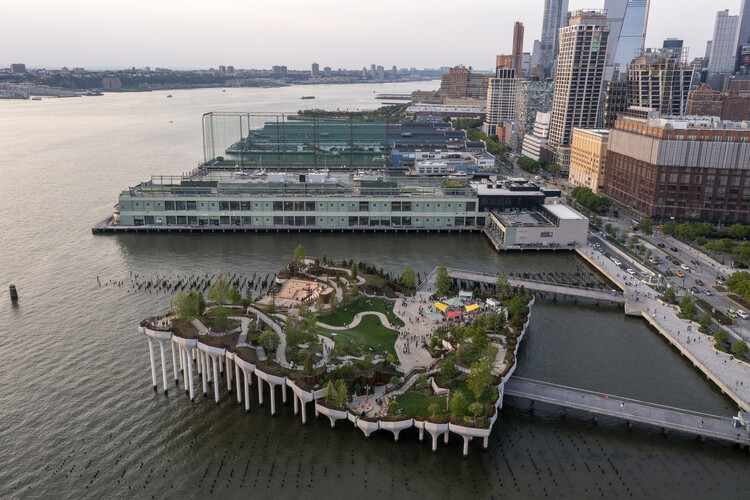
Coastal development in major cities has long been a terrain of opportunity and contention—shaped at once by the pursuit of capital (premium views, scarce land, and the promise of reclamation), by civic demands for public access and collective waterfront life, and by contemporary aspirations for sustainability and place-defining urban identity. Precisely because these agendas rarely align, extracting the full potential of waterfront sites is never straightforward.

Yet in New York City and Hong Kong, we can trace each city's ambitions—despite differing strategies, priorities, and political logics—through a set of keystone projects that anchor their coastlines. Read together, these projects reveal not only what each city chooses to value, but also what it is willing to trade off in order to build at the edge.

Building at the Edge: New York and Hong Kong’s Competing Waterfront Logics - Image 1 of 4Building at the Edge: New York and Hong Kong’s Competing Waterfront Logics - Image 2 of 4Building at the Edge: New York and Hong Kong’s Competing Waterfront Logics - Image 3 of 4Building at the Edge: New York and Hong Kong’s Competing Waterfront Logics - Image 4 of 4Building at the Edge: New York and Hong Kong’s Competing Waterfront Logics - More Images+ 15

From Desert to Forest: 8 Unbuilt Houses Designed as Contemporary Retreats

Subscriber Access | 

Residential architecture remains one of the most active fields for unbuilt architectural exploration, offering a lens through which architects rethink how domestic space can respond to landscape, climate, and contemporary patterns of living. In this Unbuilt edition, submitted by the ArchDaily community, the selected proposals bring together a range of residential projects that engage with houses, villas, and retreats as sites of withdrawal, mediation, and everyday inhabitation. Rather than treating the home as a fixed or isolated object, these projects approach it as a spatial framework that negotiates exposure, privacy, and connection to place.

From Desert to Forest: 8 Unbuilt Houses Designed as Contemporary Retreats - Image 24 of 4From Desert to Forest: 8 Unbuilt Houses Designed as Contemporary Retreats - Image 36 of 4From Desert to Forest: 8 Unbuilt Houses Designed as Contemporary Retreats - Image 47 of 4From Desert to Forest: 8 Unbuilt Houses Designed as Contemporary Retreats - Image 23 of 4From Desert to Forest: 8 Unbuilt Houses Designed as Contemporary Retreats - More Images+ 44

Gonio Yachts & Marina Masterplan by Spectrum Architecture to Transform Georgia’s Black Sea Coast

 | Sponsored Content

Spectrum Architecture, in collaboration with SOG and F&M, introduces the masterplan for Gonio Yachts and Marina—a significant waterfront development on the Black Sea coast designed to provide high-end residential and hospitality infrastructure for over 30,000 people.

The project is part of EMAAR's substantial investment in Georgian real estate under the Eagle Hills brand, which plans to develop two megaprojects in Tbilisi and Batumi. The total investment exceeds $6.5 billion and aims to attract $10 billion in foreign direct investment, generate 30,000 jobs across multiple sectors, and host 350,000 visitors annually.

Elemental Shores in the Asia-Pacific: Concrete Recasts the Beach House

Subscriber Access | 

Living by the beach has long been a defining aspiration—drawn by the promise of tempered nature, privacy, and immediate access to the water. Historically, beach houses tended to be rustic and pared back: partly because servicing remote sites and delivering materials was difficult, and partly because their charm lay in being closer to the elements—simpler, rougher, more direct.

Accordingly, many early beach houses were built in timber. Wood offered clear advantages: it was lightweight, adaptable, quick to work with, and could be erected with minimal heavy machinery. While timber weathers and fares poorly in salt-laden humidity, exterior-grade lumber carries a raw, natural character that reinforced the appeal of the beach-house ideal.

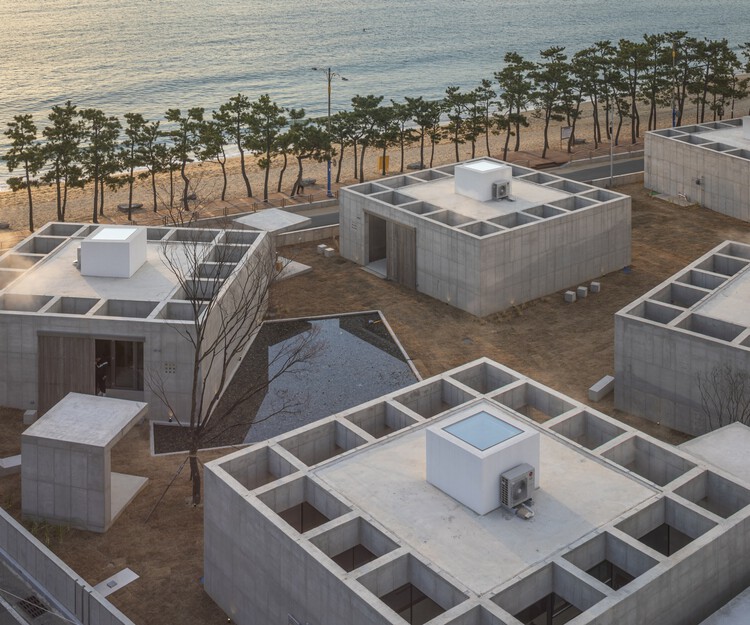
Elemental Shores in the Asia-Pacific: Concrete Recasts the Beach House - Image 1 of 4Elemental Shores in the Asia-Pacific: Concrete Recasts the Beach House - Image 2 of 4Elemental Shores in the Asia-Pacific: Concrete Recasts the Beach House - Image 3 of 4Elemental Shores in the Asia-Pacific: Concrete Recasts the Beach House - Image 4 of 4Elemental Shores in the Asia-Pacific: Concrete Recasts the Beach House - More Images+ 32

From Iran to Argentina: 9 Unbuilt Contemporary Residences Exploring Form, Context, and Identity

Subscriber Access | 

Across geographies and generations, architects are rethinking the idea of home, balancing personal expression, contextual sensitivity, and material clarity. These contemporary residential proposals, submitted by the ArchDaily community, reveal how the house continues to evolve as both an architectural statement and an intimate landscape for living. From the sculptural and futuristic to the grounded and vernacular, they explore how built form balances between identity, environment, and lifestyle in an increasingly complex world.

From Iran to Argentina: 9 Unbuilt Contemporary Residences Exploring Form, Context, and Identity - Image 7 of 4From Iran to Argentina: 9 Unbuilt Contemporary Residences Exploring Form, Context, and Identity - Image 15 of 4From Iran to Argentina: 9 Unbuilt Contemporary Residences Exploring Form, Context, and Identity - Image 28 of 4From Iran to Argentina: 9 Unbuilt Contemporary Residences Exploring Form, Context, and Identity - Image 38 of 4From Iran to Argentina: 9 Unbuilt Contemporary Residences Exploring Form, Context, and Identity - More Images+ 47

Team SLA to Design New 30-hectare Coastal Nature Park in Copenhagen, Denmark

The City of Copenhagen has announced Team SLA as the winner of a design competition to create a new, large-scale urban park in Nordhavn. The project, titled "Nordør – New Park", was designed by Team SLA and By & Havn, and envisions a 30-hectare (75-acre) coastal nature park. Led by the design studio SLA, Team SLA includes VITA Engineers, Urban Agency, Aaen Engineering, Pihlmann Architects, Buro Happold, Kerstin Bergendal, Holdbart, and Aiming Spaces.

A "nature park" is a protected area where conservation is balanced with sustainable development and human use. It often encompasses human-shaped cultural landscapes and integrates strategies for regional development, supporting local communities and promoting the conscious use of the land. This framework allows the proposal to be understood as a platform for recreation, eco-tourism, environmental education, research, and regional growth.

Team SLA to Design New 30-hectare Coastal Nature Park in Copenhagen, Denmark - Image 1 of 4Team SLA to Design New 30-hectare Coastal Nature Park in Copenhagen, Denmark - Image 2 of 4Team SLA to Design New 30-hectare Coastal Nature Park in Copenhagen, Denmark - Image 3 of 4Team SLA to Design New 30-hectare Coastal Nature Park in Copenhagen, Denmark - Image 4 of 4Team SLA to Design New 30-hectare Coastal Nature Park in Copenhagen, Denmark - More Images+ 3

Why Sit by the Dock of the Bay? Designing Thresholds to the Water

Subscriber Access | 

Boat docks and harbors are liminal spaces where the shore marks the meeting of land and water, and serve as a space for the convergence of culture, industry, and community. For those who work at sea, from commercial fishers to marine freight operators, the dock is a threshold between labor and rest, between oceanic uncertainty and terrestrial stability. For others, the dock serves as a gateway to recreation, sport, and adventure, accommodating everything from rowing clubs to family sailing trips. And for many who never board a vessel, the dock offers a powerful connection to the marine environment where one can pause, observe, and engage with the rhythmic tides.

Why Sit by the Dock of the Bay? Designing Thresholds to the Water - Image 1 of 4Why Sit by the Dock of the Bay? Designing Thresholds to the Water - Image 2 of 4Why Sit by the Dock of the Bay? Designing Thresholds to the Water - Image 3 of 4Why Sit by the Dock of the Bay? Designing Thresholds to the Water - Image 4 of 4Why Sit by the Dock of the Bay? Designing Thresholds to the Water - More Images+ 48

The Italian Pavilion at the Venice Architecture Biennale Urges a Rethink of the Relationship Between Land and Sea

The Italian Pavilion at the 19th International Architecture Exhibition – La Biennale di Venezia is situated in the Tese delle Vergini of the Arsenale and is promoted by the Directorate-General for Contemporary Creativity of the Italian Ministry of Culture. This year, the Pavilion hosts architectural, scientific, and cultural reflections on the Mediterranean Sea and its neighboring oceans, in an exhibition titled "Terrae Aquae. Italy and the Intelligence of the Sea", curated by Architect and Professor Guendalina Salimei. The exhibition brings together projects from diverse actors in Italian society through an open call, whose objective was to rethink the boundary between land and water as an integrated system of architecture, infrastructure, and landscape. In response to the Biennale's central theme, the exhibition aims to stimulate the awakening of a collective intelligence capable of triggering a renewal in that relationship, starting from the Italian coast and expanding globally.

The Italian Pavilion at the Venice Architecture Biennale Urges a Rethink of the Relationship Between Land and Sea - Featured ImageThe Italian Pavilion at the Venice Architecture Biennale Urges a Rethink of the Relationship Between Land and Sea - Image 1 of 4The Italian Pavilion at the Venice Architecture Biennale Urges a Rethink of the Relationship Between Land and Sea - Image 2 of 4The Italian Pavilion at the Venice Architecture Biennale Urges a Rethink of the Relationship Between Land and Sea - Image 3 of 4The Italian Pavilion at the Venice Architecture Biennale Urges a Rethink of the Relationship Between Land and Sea - More Images+ 45

MVRDV Designs Masterplan with Rock-Inspired Tourist Facilities for Jialeshui, Taiwan

MVRDV revealed the design of rock-like tourist facilities and infrastructure for the Taiwanese coastal area of Jialeshui, a scenic destination in the southernmost part of Taiwan. The Pingtung County Government recently selected the design proposal submitted by MVRDV in collaboration with HWC Architects for the transformation of an area known for its rock formations shaped by wind and water, including a series of structures inspired by these natural forms. The project, a masterplan titled Nature Rocks, introduces a network of new pathways and public spaces and adds small-scale buildings, including a central visitor centre and three lookout points, within the existing built footprint.

MVRDV Designs Masterplan with Rock-Inspired Tourist Facilities for Jialeshui, Taiwan - Image 1 of 4MVRDV Designs Masterplan with Rock-Inspired Tourist Facilities for Jialeshui, Taiwan - Image 2 of 4MVRDV Designs Masterplan with Rock-Inspired Tourist Facilities for Jialeshui, Taiwan - Image 3 of 4MVRDV Designs Masterplan with Rock-Inspired Tourist Facilities for Jialeshui, Taiwan - Image 4 of 4MVRDV Designs Masterplan with Rock-Inspired Tourist Facilities for Jialeshui, Taiwan - More Images+ 16

From Vietnam to Poland: 6 Unbuilt Residences Immersed in Nature

Subscriber Access | 

Across diverse climates and landscapes, architects are reimagining the home as a place deeply rooted in its surroundings, where architecture and environment work together to nurture well-being. This curated selection of unbuilt residences, submitted by the ArchDaily community, are conceived as sanctuaries, offering respite from the pace of urban life and drawing on the restorative qualities of greenery, water, and open air. Nature is utilized as an active presence, shaping courtyards, guiding circulation, and influencing the choice of materials and colors.

From Vietnam to Poland: 6 Unbuilt Residences Immersed in Nature - Image 14 of 4From Vietnam to Poland: 6 Unbuilt Residences Immersed in Nature - Image 23 of 4From Vietnam to Poland: 6 Unbuilt Residences Immersed in Nature - Image 26 of 4From Vietnam to Poland: 6 Unbuilt Residences Immersed in Nature - Image 5 of 4From Vietnam to Poland: 6 Unbuilt Residences Immersed in Nature - More Images+ 30

Longevity Through Renewal: The Enduring Wisdom of Hong Kong's Water Villages

While Hong Kong is widely celebrated for its iconic harbor view, glittering skyline, and fast-paced urban lifestyle, its origins tell a different story—one deeply rooted in its relationship with water. Before transforming into a dense, vertical metropolis, Hong Kong's architectural identity was closely tied to its maritime context. Today, the city is often associated with slender, glass-clad towers that symbolize modernity. While visually striking in their pursuit of height and form, many of these buildings appear disconnected from their immediate environment, often overlooking natural site conditions, ecological responsiveness, and contextual sensitivity.

Historically, however, this was not the case. Hong Kong's earliest built environments—rural fishing villages in areas like Tai O, Aberdeen, and Shau Kei Wan—emerged through organic, community-driven spatial practices that engaged closely with their surroundings. These coastal and riverside settlements developed architectural systems tailored to the marine environment and to the rhythms of fishing life. Villages were sited around water, and construction strategies were adapted to fluctuating tides, terrain, and social use.

Longevity Through Renewal: The Enduring Wisdom of Hong Kong's Water Villages - Image 1 of 4Longevity Through Renewal: The Enduring Wisdom of Hong Kong's Water Villages - Image 2 of 4Longevity Through Renewal: The Enduring Wisdom of Hong Kong's Water Villages - Image 3 of 4Longevity Through Renewal: The Enduring Wisdom of Hong Kong's Water Villages - Image 4 of 4Longevity Through Renewal: The Enduring Wisdom of Hong Kong's Water Villages - More Images+ 13

Swimmable Cities International Movement Advocates for the Right to Swim in Urban Waterways

Swimmable Cities is an alliance of 153 signatory organizations across 59 cities in 22 countries, supporting the global movement for swimmable urban waterways. In the context of increasing urbanization, climate change, and biodiversity loss, the initiative aims to reclaim rivers and harbors as public spaces for communities to enjoy and benefit from bathing. It advocates for urban waterways to be made safe, healthy, and accessible for both swimmers and wildlife, calling for cross-border collaboration to develop improvement strategies and collect data to evaluate "swimmability." This call becomes especially relevant amid rising global temperatures and growing inequalities in access to public infrastructure in major cities. The movement's 10-point charter begins with the affirmation of "the right to swim," celebrating urban swimming culture and recognizing the historical significance of water.

Swimmable Cities International Movement Advocates for the Right to Swim in Urban Waterways - Image 4 of 4Swimmable Cities International Movement Advocates for the Right to Swim in Urban Waterways - Featured ImageSwimmable Cities International Movement Advocates for the Right to Swim in Urban Waterways - Image 2 of 4Swimmable Cities International Movement Advocates for the Right to Swim in Urban Waterways - Image 5 of 4Swimmable Cities International Movement Advocates for the Right to Swim in Urban Waterways - More Images+ 4