1. ArchDaily
  2. Water

Water: The Latest Architecture and News

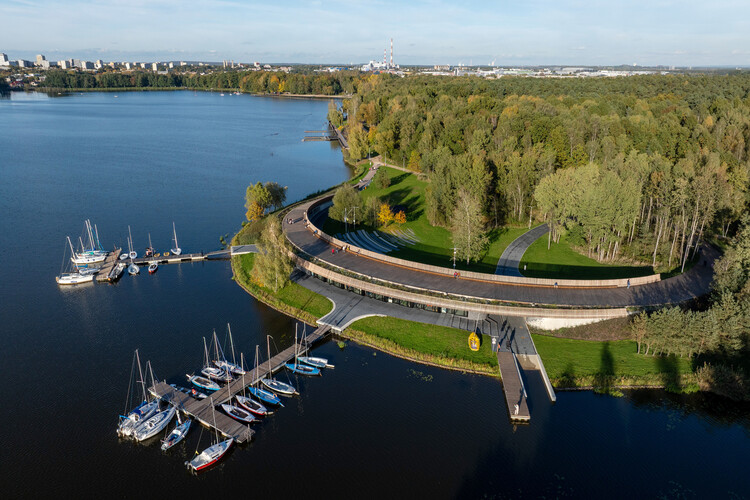
Ecologies of Repair: Reconciling Our Relationship with Water

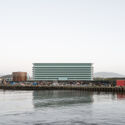
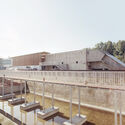
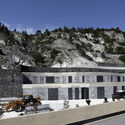
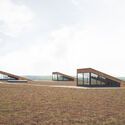
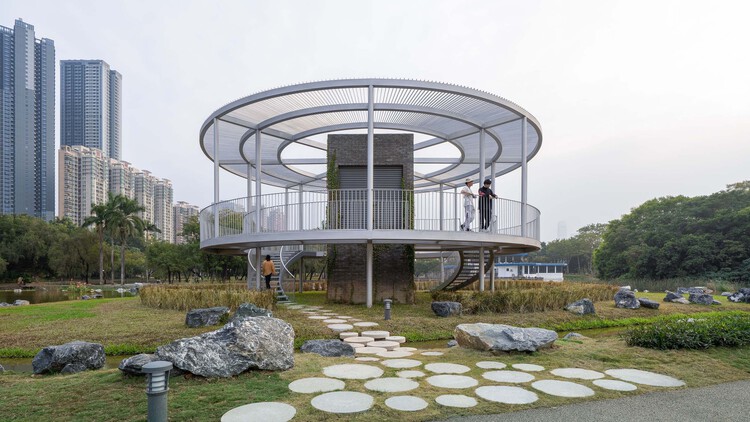
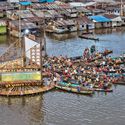
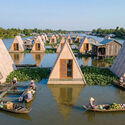
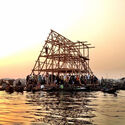
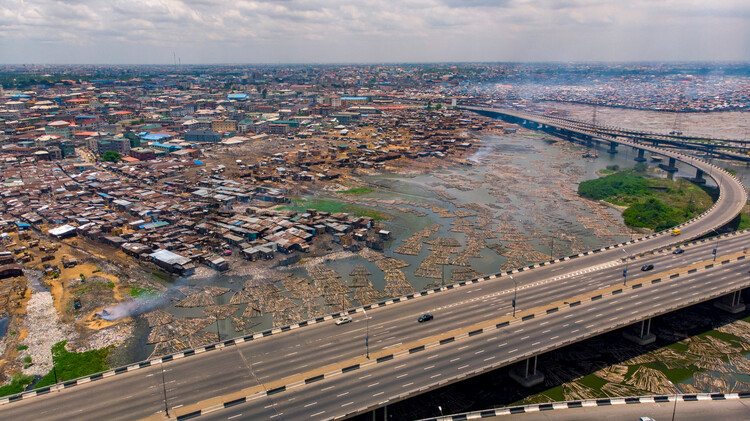
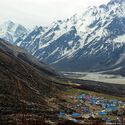
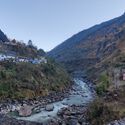
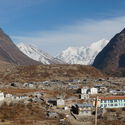
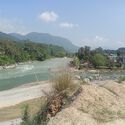
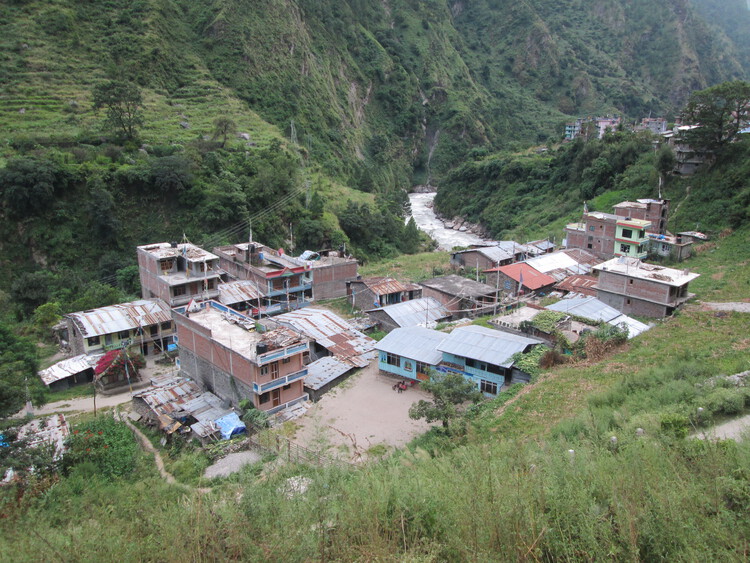
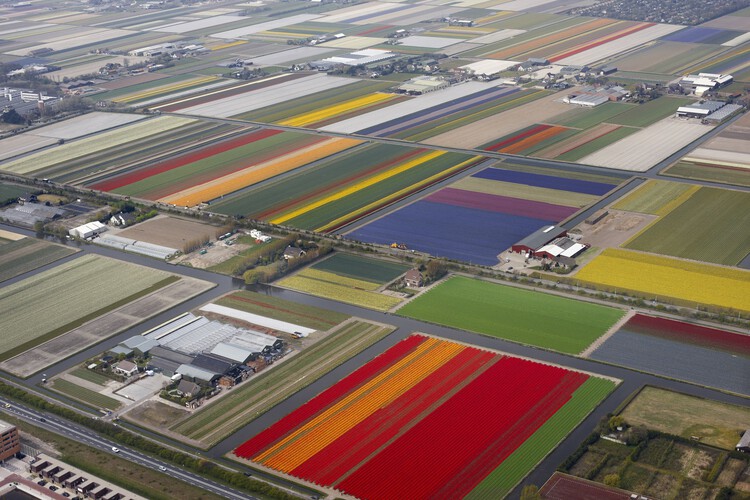
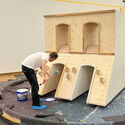
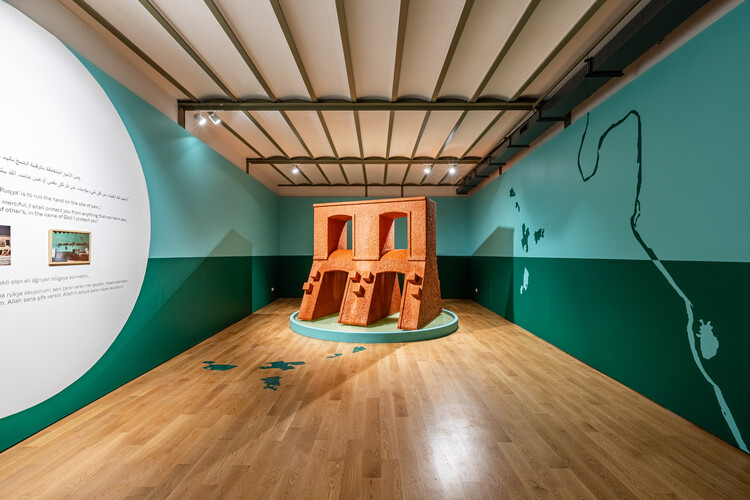
Ola Hassanain is a Sudanese architect and artist operating in the Netherlands, and will be exhibiting at the Pan-African Architecture Biennale in Nairobi, Kenya, later in 2026. All three locations tell stories of the built environment's relationship with water. These illustrate the continuous battles between the amorphous forces of nature that are the rivers and seas, and human attempts to shape and control them. In most cases, they are attempts at extraction. Catastrophes happen as a result of the overreach of these attempts or of their mismanagement, or both.

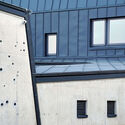
Ecologies of Repair: Reconciling Our Relationship with Water - Image 1 of 4Ecologies of Repair: Reconciling Our Relationship with Water - Image 2 of 4Ecologies of Repair: Reconciling Our Relationship with Water - Image 3 of 4Ecologies of Repair: Reconciling Our Relationship with Water - Image 4 of 4Ecologies of Repair: Reconciling Our Relationship with Water - More Images+ 10

Reading the Territory: The Landscapes of Estudio Ome

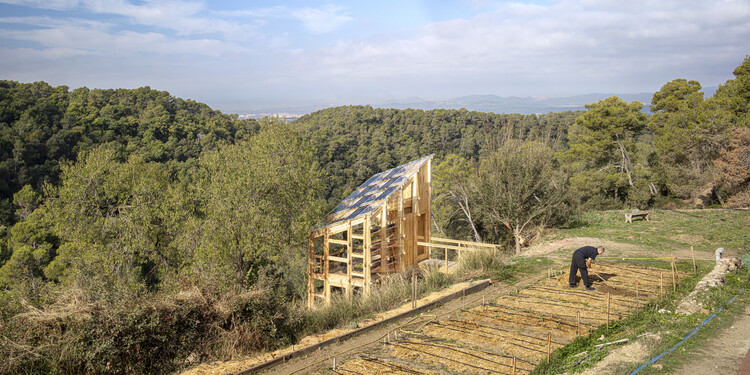
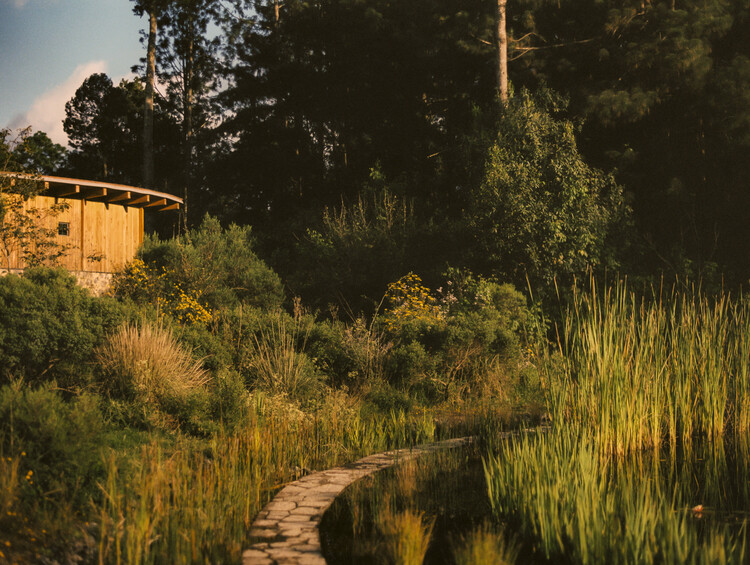
Based in Mexico City, Estudio Ome, founded by Susana Rojas Saviñón and Hortense Blanchard, is an architectural and landscape practice working across forests, volcanic terrains, urban fragments, and former industrial sites. Winner of the ArchDaily 2025 Next Practices Awards, the studio develops projects through sustained observation of ecological and territorial conditions, where design decisions arise directly from the behavior of soil, water, vegetation, and ground.

Each project begins with repeated encounters. The terrain is first approached through walking and prolonged observation, letting drainage patterns, erosion, and seasonal shifts become legible before any formal measurement occurs. These visits form the basis for interpreting both visible and subterranean layers—hydrology and historical transformations that continue to exert force on the surface.

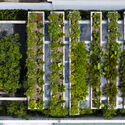
Reading the Territory: The Landscapes of Estudio Ome - Image 1 of 4Reading the Territory: The Landscapes of Estudio Ome - Image 2 of 4Reading the Territory: The Landscapes of Estudio Ome - Image 3 of 4Reading the Territory: The Landscapes of Estudio Ome - Image 4 of 4Reading the Territory: The Landscapes of Estudio Ome - More Images+ 31

How Waterways and Memory Shape Bathroom Design

 | In Collaboration

Water has always occupied a unique position in architecture: elemental yet elusive, functional yet symbolic. It is both a material and a medium that shapes cities, structures rituals, and influences how space is perceived. Across cultures, water is understood not only as a source of life but as a carrier of meaning, associated with purification, renewal, and continuity. Its presence in the built environment often extends beyond utility, becoming a device through which architecture engages the senses and constructs atmosphere.

No Solid Ground: Three Approaches to Building Below Sea Level in Rotterdam

Architects carefully calibrate their relationship to the earth, adjusting foundations to soil, groundwater, climate, risk, and culture. Driven timber piles, rammed-earth platforms, and poured concrete slabs are each a response to a specific set of ground conditions, and each shapes the architecture that rises from it. The way a building meets the earth determines its durability and its limits because foundations are among the most consequential design choices an architect makes.

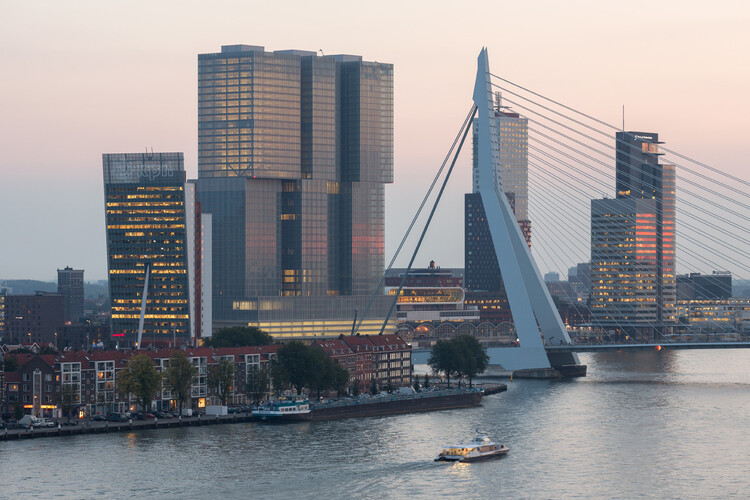
The city of Rotterdam sits approximately one meter below sea level, an organizing condition that shapes daily life in the Netherlands' second-largest city and is a growing preoccupation amid unstable coastal conditions. The city occupies the delta of the Rhine and Maas rivers, a landscape that was never naturally dry but has been kept functional through centuries of hydraulic intervention. The water boards in this region are among the oldest democratic institutions in the world, created in the thirteenth century to manage shared water drainage and still operating today as elected bodies with technical capacity. As sea levels rise and rainfall across Northern Europe grows less predictable and more extreme, Rotterdam faces a significantly increased risk of coastal storm surges and urban flooding driven by overwhelmed drainage infrastructure.

No Solid Ground: Three Approaches to Building Below Sea Level in Rotterdam - 16 的图像 4No Solid Ground: Three Approaches to Building Below Sea Level in Rotterdam - 57 的图像 4No Solid Ground: Three Approaches to Building Below Sea Level in Rotterdam - 25 的图像 4No Solid Ground: Three Approaches to Building Below Sea Level in Rotterdam - 54 的图像 4No Solid Ground: Three Approaches to Building Below Sea Level in Rotterdam - More Images+ 65

How to Design with the Rain: Architectural Strategies for Rainwater Collection across Climates

Subscriber Access | 

As climate variability intensifies, extreme storms are becoming more frequent in some regions while water scarcity deepens in others. Architects are increasingly pressed to reconsider how buildings engage with rainfall as an environmental force and a design resource. How can architecture move beyond shedding the excess water to actively collect, store, and reuse it? What would it mean to treat rainwater as a material that shapes resilient and meaningful spaces?

How to Design with the Rain: Architectural Strategies for Rainwater Collection across Climates - Image 1 of 4How to Design with the Rain: Architectural Strategies for Rainwater Collection across Climates - Image 2 of 4How to Design with the Rain: Architectural Strategies for Rainwater Collection across Climates - Image 3 of 4How to Design with the Rain: Architectural Strategies for Rainwater Collection across Climates - Image 4 of 4How to Design with the Rain: Architectural Strategies for Rainwater Collection across Climates - More Images+ 64

Designing the Future, Again: What the 55-Year Return of the World Expo to Osaka Reveals

Subscriber Access | 

The 2025 Osaka Expo has captured widespread attention—not only for its architectural ambition and spectacle, but also for breaking records and generating controversy. Its most iconic feature, a monumental timber ring designed by Sou Fujimoto, has already made headlines as a Guinness World Record-breaking wooden structure. Built on the reclaimed island of Yumeshima, the site has attracted praise and critique in equal measure. Beyond its awe-inspiring 2-kilometer circumference—parts of which extend dramatically over the water—the structure has also drawn concerns, including questions about health & safety, extreme heat, and swarms of insects that may affect the visitor experience.

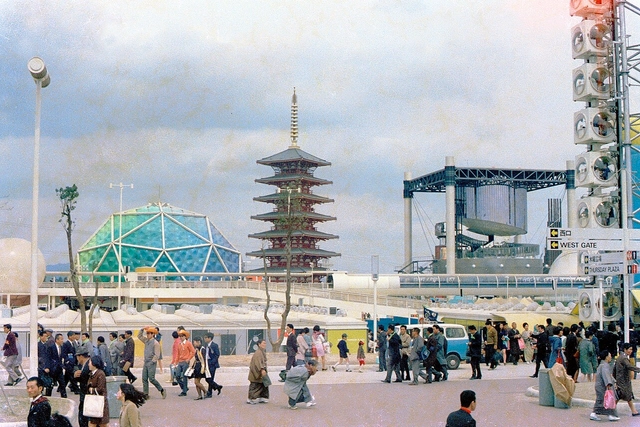
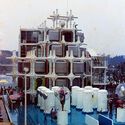
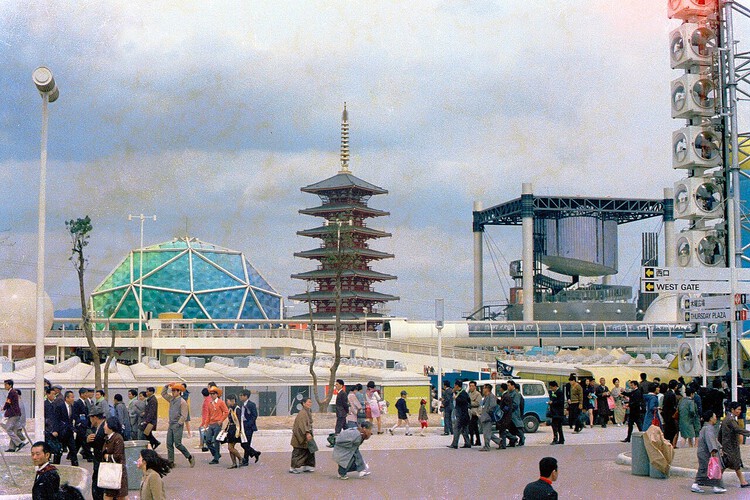
This year also marks a significant anniversary: the 55th year since the 1970 Osaka Expo, held under drastically different socio-economic conditions. Comparing these two expos—both hosted in the same city—offers a rare opportunity to reflect on how the rhetoric, curatorial themes, and architectural ambitions of world expos have evolved over time. From "Progress and Harmony for Mankind" in 1970 to "Designing Future Society for Our Lives" in 2025, the shift in thematic focus reveals changing global priorities. Meanwhile, the scale and nature of architectural involvement have also transformed, from the futuristic visions of Japanese Metabolism to a more internationally dispersed group of designers concerned with sustainability, technology, and civic engagement.

Designing the Future, Again: What the 55-Year Return of the World Expo to Osaka Reveals - Image 1 of 4Designing the Future, Again: What the 55-Year Return of the World Expo to Osaka Reveals - Image 2 of 4Designing the Future, Again: What the 55-Year Return of the World Expo to Osaka Reveals - Image 3 of 4Designing the Future, Again: What the 55-Year Return of the World Expo to Osaka Reveals - Image 4 of 4Designing the Future, Again: What the 55-Year Return of the World Expo to Osaka Reveals - More Images+ 21

The Illusion of Level: Detailing for Water in “Flat” Architecture

Subscriber Access | 

We walk on "flat" ground every day and rarely think twice—but how flat is it, really? In the city, curbs are chamfered, sidewalks pitch toward grates, and roadways are crowned to shed water into shallow gutters. In suburbs and on unpaved paths, irregular terrain is the norm. Inside buildings, by contrast, we pursue near-perfect horizontality—structural frames, slabs, and finishes are all disciplined to create level walking surfaces in the name of safety and accessibility. Yet flatness is inherently at odds with water. A closer look reveals a quiet repertoire of accommodations: slight falls at entries, thresholds raised a few millimeters, wet areas with barely perceptible pitches. The floor is read as flat, but it is in fact carefully tuned—micro-topographies masquerading as plane—to manage water without calling attention to themselves.

What are the common ways architects "keep things flat" while actually managing water—the perennial enemy of buildings? A useful way to look at it is by zooming into three recurring conditions: exterior or roof decking, bathrooms and other wet rooms, and exterior ground planes. Each relies on a slightly different toolkit—pedestal systems over sloped waterproofing, micro-gradients to floor traps, hidden perimeter drains, split slopes—to maintain the illusion of a seamless, level surface. Studying these situations side by side reveals just how much design effort goes into reconciling perceptual flatness with the messy reality.

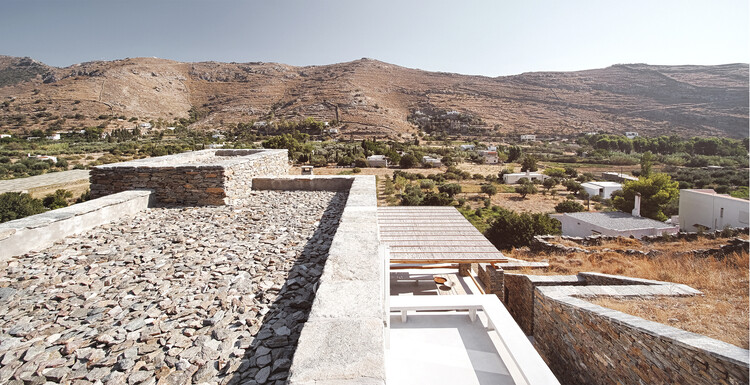
The Illusion of Level: Detailing for Water in “Flat” Architecture - Image 1 of 4The Illusion of Level: Detailing for Water in “Flat” Architecture - Image 2 of 4The Illusion of Level: Detailing for Water in “Flat” Architecture - Image 3 of 4The Illusion of Level: Detailing for Water in “Flat” Architecture - Image 4 of 4The Illusion of Level: Detailing for Water in “Flat” Architecture - More Images+ 15

Architecture on Water: Adaptive and Ecological Approaches from Venice 2025

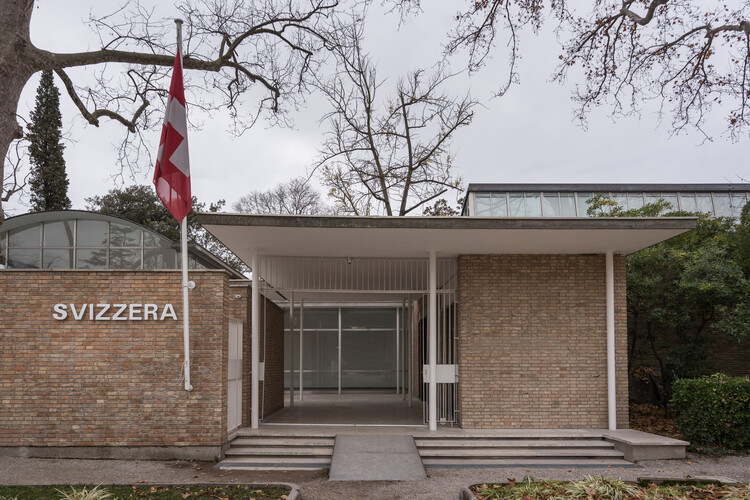
This curated selection of projects from the 2025 Venice Architecture Biennale explores how architects and designers are rethinking the relationship between the built environment and water in response to the global climate crisis. As sea levels rise and extreme weather events increase, water is no longer a distant threat but an immediate design condition. Rather than resisting it, these projects look at how architecture can coexist with, adapt to, and even regenerate through natural forces. Together, they suggest a shift toward working with the elements, acknowledging water not as a limit to construction but as an active participant in shaping future environments.

Architecture on Water: Adaptive and Ecological Approaches from Venice 2025 - Image 1 of 4Architecture on Water: Adaptive and Ecological Approaches from Venice 2025 - Image 2 of 4Architecture on Water: Adaptive and Ecological Approaches from Venice 2025 - Image 3 of 4Architecture on Water: Adaptive and Ecological Approaches from Venice 2025 - Image 4 of 4Architecture on Water: Adaptive and Ecological Approaches from Venice 2025 - More Images+ 10

Closing the Water Loop with Greywater Recycling in the Bathroom

 | Sponsored Content

Water is the foundation of life. It shapes landscapes, regulates climates, and sustains every living organism. Yet on the only known inhabited planet, this essential resource faces a growing crisis: although 70% of Earth's surface is covered by water, less than 1% is actually available for human use. Most of it is consumed by agriculture and industry, while in households, activities like bathing and flushing use vast amounts of drinking water for non-essential purposes. The bathroom, therefore, has become a key space for innovation, where technology and design can help redefine how we use and reuse this vital element.

Carlo Ratti Associati and Höweler + Yoon Launch Floating Plaza "AquaPraça" in Venice on Its Way to COP30

CRA–Carlo Ratti Associati and Höweler + Yoon designed AquaPraça, a floating gathering space for global climate dialogue set to anchor COP30 in Belém, Brazil, making its debut at the 19th International Architecture Exhibition of La Biennale di Venezia on 5 September 2025. It will then embark on a transatlantic journey to Brazil, where it will form part of the Italian Pavilion at COP30, held from November 10 to 21, 2025. Following the event, it is intended to become a permanent floating landmark in the Amazon as part of Belém's cultural infrastructure.

Carlo Ratti Associati and Höweler + Yoon Launch Floating Plaza "AquaPraça" in Venice on Its Way to COP30 - Featured ImageCarlo Ratti Associati and Höweler + Yoon Launch Floating Plaza "AquaPraça" in Venice on Its Way to COP30 - Image 1 of 4Carlo Ratti Associati and Höweler + Yoon Launch Floating Plaza "AquaPraça" in Venice on Its Way to COP30 - Image 2 of 4Carlo Ratti Associati and Höweler + Yoon Launch Floating Plaza "AquaPraça" in Venice on Its Way to COP30 - Image 3 of 4Carlo Ratti Associati and Höweler + Yoon Launch Floating Plaza AquaPraça in Venice on Its Way to COP30 - More Images+ 17

Snøhetta Unveils Jesselton Docklands Master Plan in Kota Kinabalu, Malaysia

Snøhetta has unveiled plans for Jesselton Docklands, a tropical waterfront master plan in Kota Kinabalu, Malaysia, on the island of Borneo. The development reimagines the city's former port as a civic and cultural hub, strengthening its connection to the waterfront and positioning it as a new gateway to Sabah and the wider Southeast Asian region. Situated near Kota Kinabalu International Airport, the development includes a new ferry and cruise terminal, integrating infrastructure with the island's ecological and cultural context to position the city as a key point of connection within the region.

Snøhetta Unveils Jesselton Docklands Master Plan in Kota Kinabalu, Malaysia - 1 的图像 4Snøhetta Unveils Jesselton Docklands Master Plan in Kota Kinabalu, Malaysia - 2 的图像 4Snøhetta Unveils Jesselton Docklands Master Plan in Kota Kinabalu, Malaysia - 3 的图像 4Snøhetta Unveils Jesselton Docklands Master Plan in Kota Kinabalu, Malaysia - 4 的图像 4Snøhetta Unveils Jesselton Docklands Master Plan in Kota Kinabalu, Malaysia - More Images+ 4

Pylon of Permanence Showcases Water-Filled Glass at the Venice Architecture Biennale 2025

At the 2025 Venice Architecture Biennale, the installation Pylon of Permanence presents Water-Filled Glass (WFG), a glazing system developed to address the environmental impact of glass in the built environment. Although glass is one of the most widely used construction materials, its embodied and operational carbon footprint surpasses that of concrete, steel, and brick. Water-Filled Glass proposes an alternative approach by transforming glass from a passive enclosure into an active energy regulator.
Pylon of Permanence Showcases Water-Filled Glass at the Venice Architecture Biennale 2025 - Image 1 of 4Pylon of Permanence Showcases Water-Filled Glass at the Venice Architecture Biennale 2025 - Image 2 of 4Pylon of Permanence Showcases Water-Filled Glass at the Venice Architecture Biennale 2025 - Image 3 of 4Pylon of Permanence Showcases Water-Filled Glass at the Venice Architecture Biennale 2025 - Image 4 of 4Pylon of Permanence Showcases Water-Filled Glass at the Venice Architecture Biennale 2025 - More Images+ 10

Longevity Through Renewal: The Enduring Wisdom of Hong Kong's Water Villages

While Hong Kong is widely celebrated for its iconic harbor view, glittering skyline, and fast-paced urban lifestyle, its origins tell a different story—one deeply rooted in its relationship with water. Before transforming into a dense, vertical metropolis, Hong Kong's architectural identity was closely tied to its maritime context. Today, the city is often associated with slender, glass-clad towers that symbolize modernity. While visually striking in their pursuit of height and form, many of these buildings appear disconnected from their immediate environment, often overlooking natural site conditions, ecological responsiveness, and contextual sensitivity.

Historically, however, this was not the case. Hong Kong's earliest built environments—rural fishing villages in areas like Tai O, Aberdeen, and Shau Kei Wan—emerged through organic, community-driven spatial practices that engaged closely with their surroundings. These coastal and riverside settlements developed architectural systems tailored to the marine environment and to the rhythms of fishing life. Villages were sited around water, and construction strategies were adapted to fluctuating tides, terrain, and social use.

Longevity Through Renewal: The Enduring Wisdom of Hong Kong's Water Villages - Image 1 of 4Longevity Through Renewal: The Enduring Wisdom of Hong Kong's Water Villages - Image 2 of 4Longevity Through Renewal: The Enduring Wisdom of Hong Kong's Water Villages - Image 3 of 4Longevity Through Renewal: The Enduring Wisdom of Hong Kong's Water Villages - Image 4 of 4Longevity Through Renewal: The Enduring Wisdom of Hong Kong's Water Villages - More Images+ 13

'All Architecture is Water Architecture': Eva Franch i Gilabert, Mireia Luzárraga and Alejandro Muiño on Catalonia's Pavilion in Venice

As part of the collateral events of the 2025 Venice Architecture Biennale, the Institut Ramon Llull presents the project "Water Parliaments: Projective Ecosocial Architectures", bringing together the waters of Lleida, Girona, Tarragona, Barcelona, Valencia, the Balearic Islands, and beyond to address the water crisis as an interconnected ecosocial, cultural, and political issue. Framing architecture as a tool for critical speculation and collective action, the project advocates for the imagining of future scenarios grounded in coexistence—interweaving the human and non-human, the natural and artificial, the technological and vernacular, the global and the local.

'All Architecture is Water Architecture': Eva Franch i Gilabert, Mireia Luzárraga and Alejandro Muiño on Catalonia's Pavilion in Venice - Image 1 of 4'All Architecture is Water Architecture': Eva Franch i Gilabert, Mireia Luzárraga and Alejandro Muiño on Catalonia's Pavilion in Venice - Image 2 of 4'All Architecture is Water Architecture': Eva Franch i Gilabert, Mireia Luzárraga and Alejandro Muiño on Catalonia's Pavilion in Venice - Image 3 of 4'All Architecture is Water Architecture': Eva Franch i Gilabert, Mireia Luzárraga and Alejandro Muiño on Catalonia's Pavilion in Venice - Image 4 of 4'All Architecture is Water Architecture': Eva Franch i Gilabert, Mireia Luzárraga and Alejandro Muiño on Catalonia's Pavilion in Venice - More Images+ 27

Swimmable Cities International Movement Advocates for the Right to Swim in Urban Waterways

Swimmable Cities is an alliance of 153 signatory organizations across 59 cities in 22 countries, supporting the global movement for swimmable urban waterways. In the context of increasing urbanization, climate change, and biodiversity loss, the initiative aims to reclaim rivers and harbors as public spaces for communities to enjoy and benefit from bathing. It advocates for urban waterways to be made safe, healthy, and accessible for both swimmers and wildlife, calling for cross-border collaboration to develop improvement strategies and collect data to evaluate "swimmability." This call becomes especially relevant amid rising global temperatures and growing inequalities in access to public infrastructure in major cities. The movement's 10-point charter begins with the affirmation of "the right to swim," celebrating urban swimming culture and recognizing the historical significance of water.

Swimmable Cities International Movement Advocates for the Right to Swim in Urban Waterways - Imagen 4 de 4Swimmable Cities International Movement Advocates for the Right to Swim in Urban Waterways - Featured ImageSwimmable Cities International Movement Advocates for the Right to Swim in Urban Waterways - Imagen 2 de 4Swimmable Cities International Movement Advocates for the Right to Swim in Urban Waterways - Imagen 5 de 4Swimmable Cities International Movement Advocates for the Right to Swim in Urban Waterways - More Images+ 4

Refractions in Motion as Pools Become Luminous Forms

 | Sponsored Content

The trajectory of glass in architecture reflects the technological evolution of humankind. For centuries, it was a fragile, opaque material, restricted to small openings in churches or aristocratic residences, limited in size, with uneven transparency and a largely secondary role. With the Industrial Revolution and advances in manufacturing processes, this condition changed dramatically. From artisanal and imperfect stained glass, we now have a wide range of architectural applications, from fully glazed skyscraper facades to translucent pedestrian bridges, lightweight roofs, smart partitions, and movable elements. One of the most surprising uses, once thought to be impractical, is the direct interaction of glass with large volumes of water. Today, we see pools with transparent walls or floors that project out from buildings, float above streets, or visually merge with their surroundings, creating striking sensory experiences. A remarkable feat, especially considering that for a long time, glass was considered too fragile for submerged environments.

Concéntrico 2025: The Politics of Urban Presence

Subscriber Access | 

Every June, the Spanish city of Logroño transforms into a space of architectural dialogue, opening its streets, plazas, riverbanks, and traffic islands to temporary structures that redefine how cities are inhabited. For ten editions, Concéntrico has worked not as a specialized fair or an architecture biennale, but as a portable museum — a curatorial gesture that brings a dispersed collection of contemporary architecture into public space. Set in a city suspended between arid plains and distant mountains, far from the circuits of capital cities and cultural institutions, Concéntrico presents itself as a temporary promise. It's a reminder that even cities that are often overlooked can host architecture that is current, diverse, and speculative. In this sense, the festival is less about celebration and more about activation.

But beyond its curatorial logic, Concéntrico operates as a political structure. In the ancient sense of polis, it invites citizens, architects, and institutions to reassess what public space can be. The interventions offer speculative proposals for urban life that reveal what is missing, what is possible, and what should be questioned. A temporary pool over a fountain, a bathhouse in a roundabout, or a shared meal on a major avenue are not just spatial gestures — they are political statements, asking how urban infrastructure might be redirected from control to care, from efficiency to encounter. In that way, the festival becomes not just a reflection of the city, but an instrument for its transformation.

Concéntrico 2025: The Politics of Urban Presence - Image 1 of 4Concéntrico 2025: The Politics of Urban Presence - Image 2 of 4Concéntrico 2025: The Politics of Urban Presence - Image 3 of 4Concéntrico 2025: The Politics of Urban Presence - Image 4 of 4Concéntrico 2025: The Politics of Urban Presence - More Images+ 58

NYC’s First River-Based, Water-Filtering Pool Takes Shape at Pier 35

Friends of + POOL has announced the next steps in the realization of New York City's first water-filtering floating swimming pool, to be installed at Pier 35, north of the Manhattan and Brooklyn Bridges. The project seeks to provide safe public access to swimming in the city's rivers by integrating a custom-designed filtration system into a floating pool structure. Installation at Pier 35 is scheduled for May 2026, when the pool will enter its final phase of evaluation. Public access will be contingent on the successful completion of large-scale filtration testing and the full build-out of the facility for safe public use.

NYC’s First River-Based, Water-Filtering Pool Takes Shape at Pier 35 - Image 1 of 4NYC’s First River-Based, Water-Filtering Pool Takes Shape at Pier 35 - Image 2 of 4NYC’s First River-Based, Water-Filtering Pool Takes Shape at Pier 35 - Image 3 of 4NYC’s First River-Based, Water-Filtering Pool Takes Shape at Pier 35 - Image 4 of 4NYC’s First River-Based, Water-Filtering Pool Takes Shape at Pier 35 - More Images+ 4