How to Design with the Rain: Architectural Strategies for Rainwater Collection across Climates

Subscriber Access

As climate variability intensifies, extreme storms are becoming more frequent in some regions while water scarcity deepens in others. Architects are increasingly pressed to reconsider how buildings engage with rainfall as an environmental force and a design resource. How can architecture move beyond shedding the excess water to actively collect, store, and reuse it? What would it mean to treat rainwater as a material that shapes resilient and meaningful spaces?

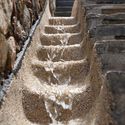
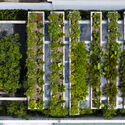
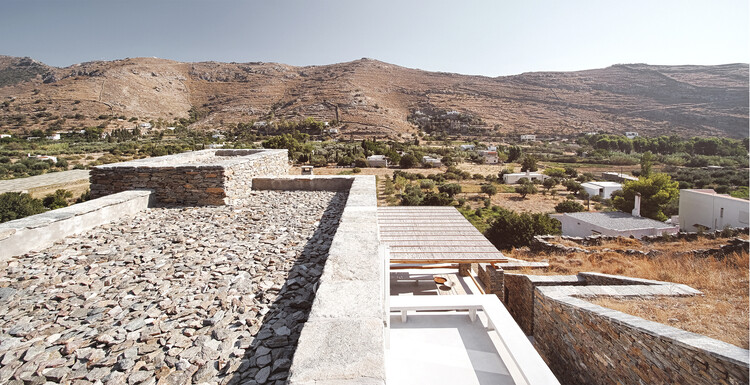
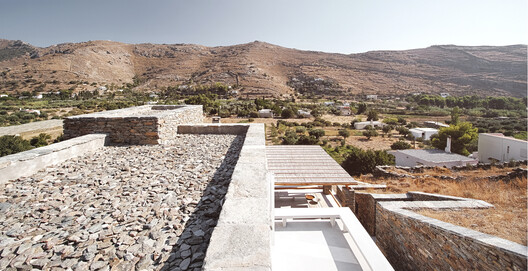
How to Design with the Rain: Architectural Strategies for Rainwater Collection across Climates - Image 2 of 69How to Design with the Rain: Architectural Strategies for Rainwater Collection across Climates - Image 3 of 69How to Design with the Rain: Architectural Strategies for Rainwater Collection across Climates - Image 4 of 69How to Design with the Rain: Architectural Strategies for Rainwater Collection across Climates - Image 5 of 69How to Design with the Rain: Architectural Strategies for Rainwater Collection across Climates - More Images+ 64

Although rainfall occurs worldwide, designing for rainwater management emphasizes climate-specific strategies, as precipitation patterns vary widely across humid tropics, temperate regions, arid landscapes, and Mediterranean climates, each imposing distinct spatial, structural, and material demands. A monsoon climate requires rapid conveyance and flood resilience, while an arid region depends on careful capture and protected storage. Recognizing these differences underscores the importance of climate-responsive design as a foundation for effective rainwater management.

Content Loader

Image gallery

See allShow less
About this author
Cite: Olivia Poston. "How to Design with the Rain: Architectural Strategies for Rainwater Collection across Climates" 26 Feb 2026. ArchDaily. Accessed . <https://www.archdaily.com/1035353/how-to-design-with-the-rain-architectural-strategies-for-rainwater-collection-across-climates> ISSN 0719-8884

You've started following your first account!

Did you know?

You'll now receive updates based on what you follow! Personalize your stream and start following your favorite authors, offices and users.