1. ArchDaily
  2. Water Infrastructure

Water Infrastructure: The Latest Architecture and News

From Hiding to Civic Presence: How Wastewater Plants Entered the City

Audio available

When London's main drainage was completed north of the Thames in 1868, the Metropolitan Board of Works marked the occasion with a banquet held inside a sewage pumping station. Abbey Mills had been built over the previous three years by the engineer Joseph Bazalgette, working with the architect Charles Driver, laid out on a cruciform plan with eight beam engines, two on each arm. Its style has been read as Byzantine, Italian Medieval, Russian, Ruskinian Gothic and Moorish, and its twin ventilation chimneys, richly ornamented, rose more than sixty meters. The builder called it an elegant structure in a swamp and thought it might pass for a mosque or a temple.

Almost everything else Bazalgette built was buried, and the exception did not last the century. Steam gave way to electric motors at Abbey Mills in 1933, and the chimneys, redundant since then, were demolished in 1941 out of fear that a bomb strike would topple them onto the station. Sanitary engineering consolidated around criteria that could be measured, among them throughput, discharge quality and hydraulic gradient, and appearance registered in none of them. Treatment moved outward to floodplains, estuaries and municipal edges where land was cheap, and gravity did useful work.
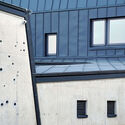
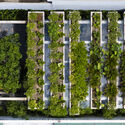
From Hiding to Civic Presence: How Wastewater Plants Entered the City - Image 5 of 4From Hiding to Civic Presence: How Wastewater Plants Entered the City - Image 6 of 4From Hiding to Civic Presence: How Wastewater Plants Entered the City - Image 7 of 4From Hiding to Civic Presence: How Wastewater Plants Entered the City - Image 3 of 4From Hiding to Civic Presence: How Wastewater Plants Entered the City - More Images+ 7

Subscriber Access

Process as Practice: Building with Reclaimed Materials on Tarkwa Bay, Lagos

Audio available

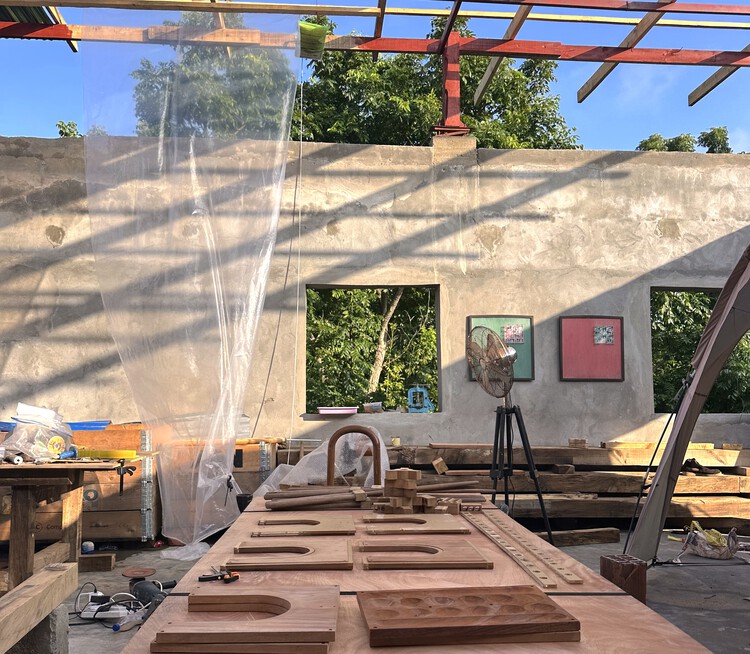
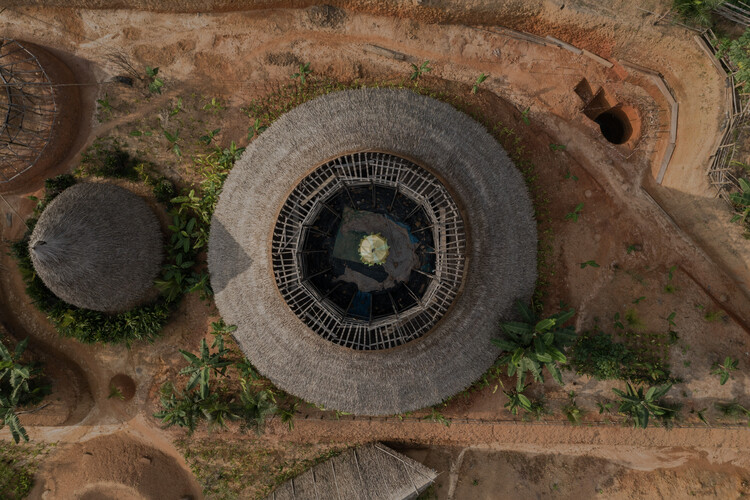
On Tarkwa Bay, off the coast of Lagos, the transformation of an abandoned building offers a way to consider how architecture might emerge from the materials, relationships and conditions already present in a place.

Architecture is often encountered at the end, when the uncertainties of making have been resolved into a building, a surface, a space. Less visible are the conditions that allow these outcomes to exist, the movement of materials, the availability of labour, the knowledge held by people and places, and the negotiations through which an idea becomes possible. On Tarkwa Bay, an island off the coast of Lagos accessible only by boat, these conditions are difficult to separate from the act of building itself.

The crossing from the Lagos mainland introduces a different relationship to access. People, tools and materials move across water; some resources are readily available, others less so. Materials move across water; reclaimed elements carry histories from elsewhere; salt and sun alter the behaviour of surfaces; and the availability of local artisans influences how work unfolds. These are not necessarily prohibitions; rather, they make visible the dependencies that building elsewhere can allow us to overlook.
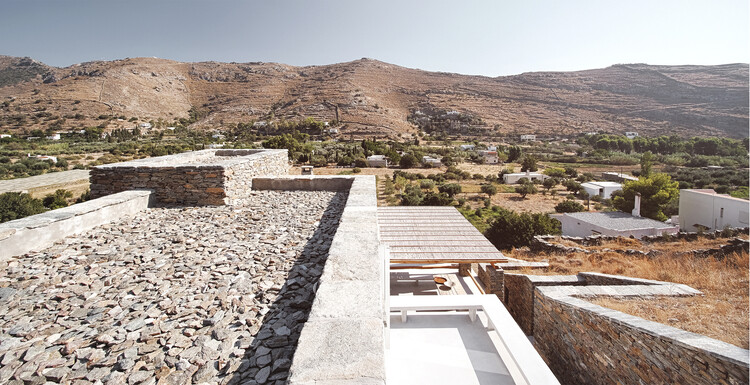
Process as Practice: Building with Reclaimed Materials on Tarkwa Bay, Lagos - 1 的图像 4Process as Practice: Building with Reclaimed Materials on Tarkwa Bay, Lagos - 2 的图像 4Process as Practice: Building with Reclaimed Materials on Tarkwa Bay, Lagos - 3 的图像 4Process as Practice: Building with Reclaimed Materials on Tarkwa Bay, Lagos - 4 的图像 4Process as Practice: Building with Reclaimed Materials on Tarkwa Bay, Lagos - More Images+ 13

Catching Fog: How Architecture Collects Water from the Air

Audio available

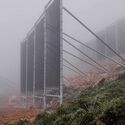
Where rivers, reservoirs, and rainfall can no longer be relied upon consistently, water is increasingly being sought in the atmosphere. Fog, atmospheric humidity, and condensation each offer different ways of collecting it. When architecture begins to collect water from the air, surfaces, structures, and open spaces become part of the water system.
According to UNICEF, Jordan's National Water Strategy estimates that each person has access to only about 61 cubic meters of renewable water per year, far below the 500 cubic meters commonly used as a threshold for absolute water scarcity. Around half of the population receives piped water only once a week, while groundwater is being extracted faster than many aquifers can naturally recharge.

Catching Fog: How Architecture Collects Water from the Air - Image 1 of 4Catching Fog: How Architecture Collects Water from the Air - Image 2 of 4Catching Fog: How Architecture Collects Water from the Air - Image 3 of 4Catching Fog: How Architecture Collects Water from the Air - Image 4 of 4Catching Fog: How Architecture Collects Water from the Air - More Images+ 6

From Relic to Infrastructure: Can India's Historic Water Systems Work Again?

Audio available

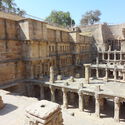
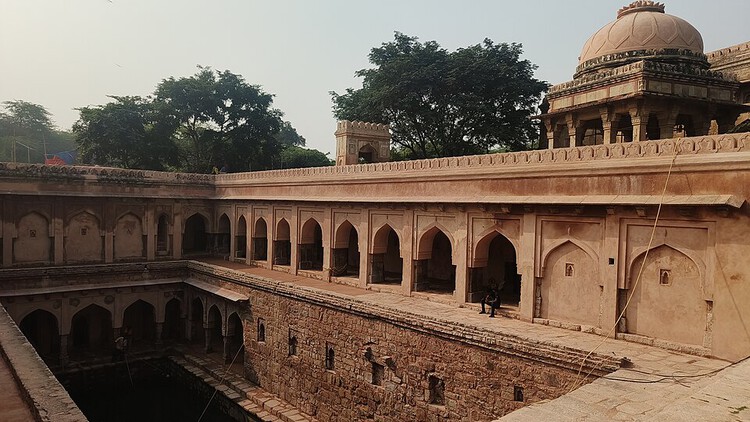
India's stepwells are usually encountered after their useful lives have ended. They are photographed, restored and interpreted as evidence of a water culture that once existed. Beneath the carved stone and descending stairs is a practical question: what happens when a structure built to manage water is put back to work? As Indian cities face water stress, seasonal rainfall and pressure on municipal systems, researchers and restoration efforts are examining whether traditional water structures can function again.

Traditional water architecture was rarely an isolated object. In Ahmedabad, water management was embedded in the organization of the city. Within the historic pols, wells, courtyards and underground Tankas formed part of a distributed system of domestic and communal water storage. A 2026 study in Built Heritage estimates that nearly 10,000 Tankas may still exist across Ahmedabad, many located beneath domestic courtyards.

From Relic to Infrastructure: Can India's Historic Water Systems Work Again? - Image 1 of 4From Relic to Infrastructure: Can India's Historic Water Systems Work Again? - Image 2 of 4From Relic to Infrastructure: Can India's Historic Water Systems Work Again? - Image 3 of 4From Relic to Infrastructure: Can India's Historic Water Systems Work Again? - Image 4 of 4From Relic to Infrastructure: Can India's Historic Water Systems Work Again? - More Images+ 7

Subscriber Access

When the Water Comes: How Lagos Negotiates with Its Returning Floods

Audio available

Lagos is a city shaped by time, human interaction, the forces of nature, and its evolving, sometimes uneasy relationship with all three. Nowhere is this more visible than when the rain comes.

Eko sits on a floodplain. Its geographical condition predates the city itself, reaching back to a time before the first road was laid, the first boundary drawn. The drainage systems, the developments that have gradually become privatised waterfronts, are all built on a landscape that has always been, at its foundation, in continuous conversation with water. The flood is not an anomaly; it is the land insisting on a dialogue that was always going to return.

When the Water Comes: How Lagos Negotiates with Its Returning Floods - Image 1 of 4When the Water Comes: How Lagos Negotiates with Its Returning Floods - Image 2 of 4When the Water Comes: How Lagos Negotiates with Its Returning Floods - Image 3 of 4When the Water Comes: How Lagos Negotiates with Its Returning Floods - Image 4 of 4When the Water Comes: How Lagos Negotiates with Its Returning Floods - More Images+ 2

Himalayan Glacier Collapse Triggers Flash Floods and Infrastructure Destruction in Nepal

Audio available

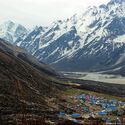
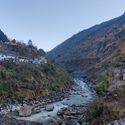
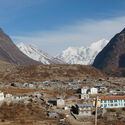
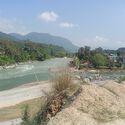
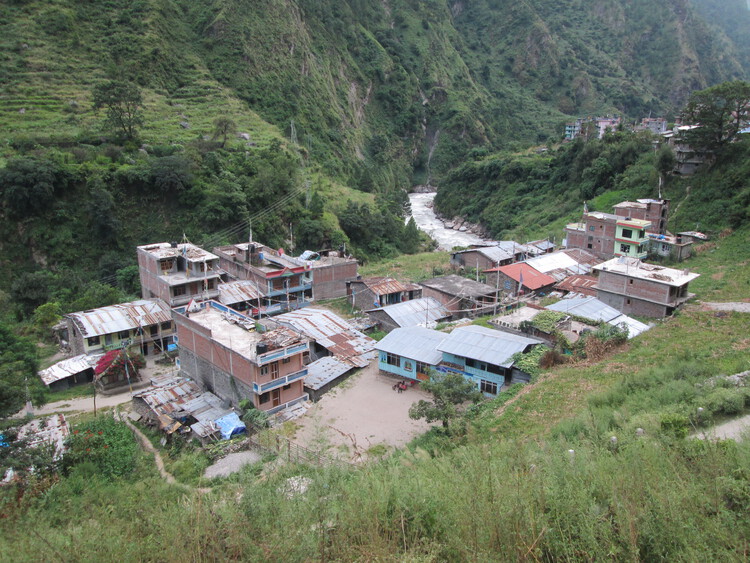
A lower section of a Himalayan glacier collapsed on Wednesday, August 26, creating an ice and rock avalanche down the Lhende River valley that triggered severe flash floods on the Nepal-Tibet border. The floods destroyed entire villages, with at least 350 confirmed dead and more than 1,300 people still missing. Characterized by their sudden and violent nature, flash floods occur within the first six hours after heavy rainfall or another floodwater source. In this case, the event has been attributed to a glacier collapse higher in the Himalayas, linked, in some scenarios, to a heat wave in the area. The speed of the movement is also distinctive of this type of flood, whose path of destruction in this case follows the Trishuli River basin in Nepal. According to the International Federation of Red Cross, the most affected areas are the Nepalese Rasuwa and Nuwakot districts. A more detailed assessment is expected in the coming days as floodwaters recede; in the meantime, it is already possible to outline some of the evidence from a territorial point of view.

Himalayan Glacier Collapse Triggers Flash Floods and Infrastructure Destruction in Nepal - Image 1 of 4Himalayan Glacier Collapse Triggers Flash Floods and Infrastructure Destruction in Nepal - Image 2 of 4Himalayan Glacier Collapse Triggers Flash Floods and Infrastructure Destruction in Nepal - Image 3 of 4Himalayan Glacier Collapse Triggers Flash Floods and Infrastructure Destruction in Nepal - Image 4 of 4Himalayan Glacier Collapse Triggers Flash Floods and Infrastructure Destruction in Nepal - More Images+ 2

Subscriber Access

What is Blue Infrastructure? Rethinking Water's Role in City Design

Audio available

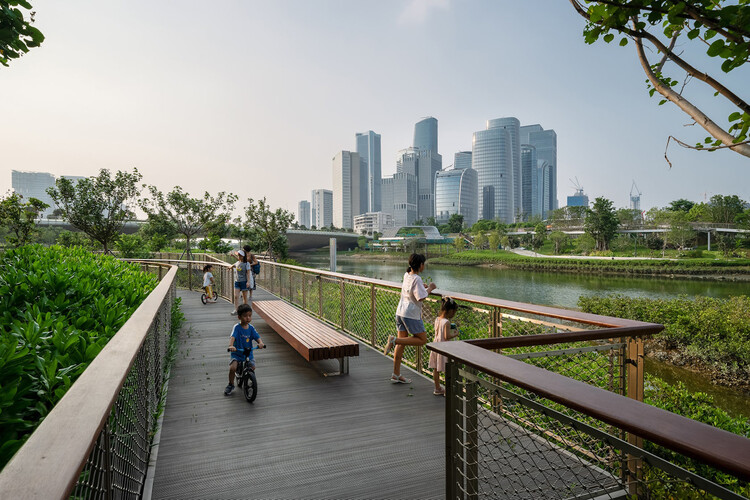
Nature-based solutions are a primary strategy for contemporary climate adaptation and urban ecological resilience, embraced by cities regardless of their geography or climate zone. Green roofs, urban forests, bioswales, expanding tree canopy, protected wetlands, and permeable landscapes are featured prominently in municipal adaptation plans. These interventions are deployed across neighborhoods, distributed through street networks, and measured by hectares restored, trees planted, stormwater retained, or temperatures reduced. This shift expands the role of ecology within cities, establishing environmental elements as infrastructure systems and providing planners with a grounded framework for integrating natural systems into urban development.

What is Blue Infrastructure? Rethinking Water's Role in City Design - Image 1 of 4What is Blue Infrastructure? Rethinking Water's Role in City Design - Image 2 of 4What is Blue Infrastructure? Rethinking Water's Role in City Design - Image 3 of 4What is Blue Infrastructure? Rethinking Water's Role in City Design - Image 4 of 4What is Blue Infrastructure? Rethinking Water's Role in City Design - More Images+ 36

Ecologies of Repair: Reconciling Our Relationship with Water

Audio available

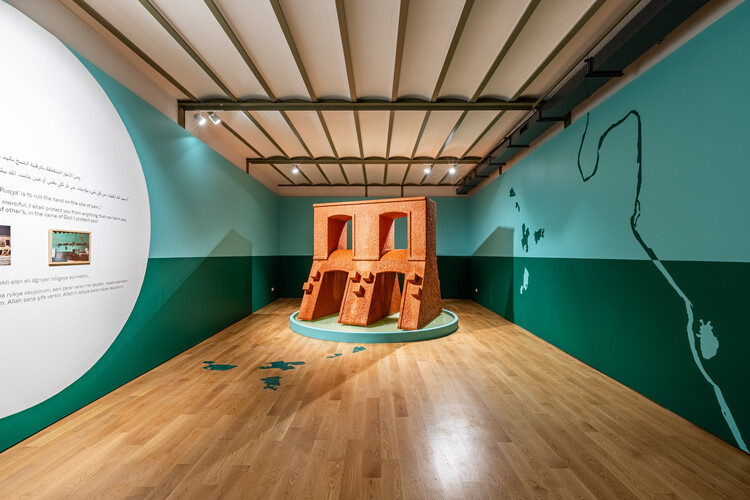
Ola Hassanain is a Sudanese architect and artist operating in the Netherlands, and will be exhibiting at the Pan-African Architecture Biennale in Nairobi, Kenya, later in 2026. All three locations tell stories of the built environment's relationship with water. These illustrate the continuous battles between the amorphous forces of nature that are the rivers and seas, and human attempts to shape and control them. In most cases, they are attempts at extraction. Catastrophes happen as a result of the overreach of these attempts or of their mismanagement, or both.

Ecologies of Repair: Reconciling Our Relationship with Water - Image 1 of 4Ecologies of Repair: Reconciling Our Relationship with Water - Image 2 of 4Ecologies of Repair: Reconciling Our Relationship with Water - Image 3 of 4Ecologies of Repair: Reconciling Our Relationship with Water - Image 4 of 4Ecologies of Repair: Reconciling Our Relationship with Water - More Images+ 10

No Solid Ground: Three Approaches to Building Below Sea Level in Rotterdam

Audio available

Architects carefully calibrate their relationship to the earth, adjusting foundations to soil, groundwater, climate, risk, and culture. Driven timber piles, rammed-earth platforms, and poured concrete slabs are each a response to a specific set of ground conditions, and each shapes the architecture that rises from it. The way a building meets the earth determines its durability and its limits because foundations are among the most consequential design choices an architect makes.

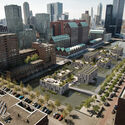
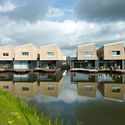
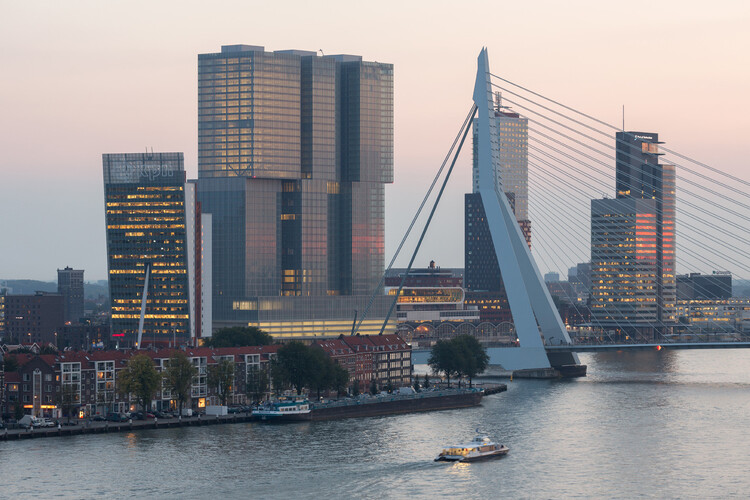
The city of Rotterdam sits approximately one meter below sea level, an organizing condition that shapes daily life in the Netherlands' second-largest city and is a growing preoccupation amid unstable coastal conditions. The city occupies the delta of the Rhine and Maas rivers, a landscape that was never naturally dry but has been kept functional through centuries of hydraulic intervention. The water boards in this region are among the oldest democratic institutions in the world, created in the thirteenth century to manage shared water drainage and still operating today as elected bodies with technical capacity. As sea levels rise and rainfall across Northern Europe grows less predictable and more extreme, Rotterdam faces a significantly increased risk of coastal storm surges and urban flooding driven by overwhelmed drainage infrastructure.

No Solid Ground: Three Approaches to Building Below Sea Level in Rotterdam - Imagen 16 de 4No Solid Ground: Three Approaches to Building Below Sea Level in Rotterdam - Imagen 57 de 4No Solid Ground: Three Approaches to Building Below Sea Level in Rotterdam - Imagen 25 de 4No Solid Ground: Three Approaches to Building Below Sea Level in Rotterdam - Imagen 54 de 4No Solid Ground: Three Approaches to Building Below Sea Level in Rotterdam - More Images+ 65

Energy Landscapes: How Infrastructure Reshapes Territory in South America

Audio available

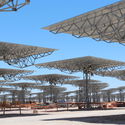
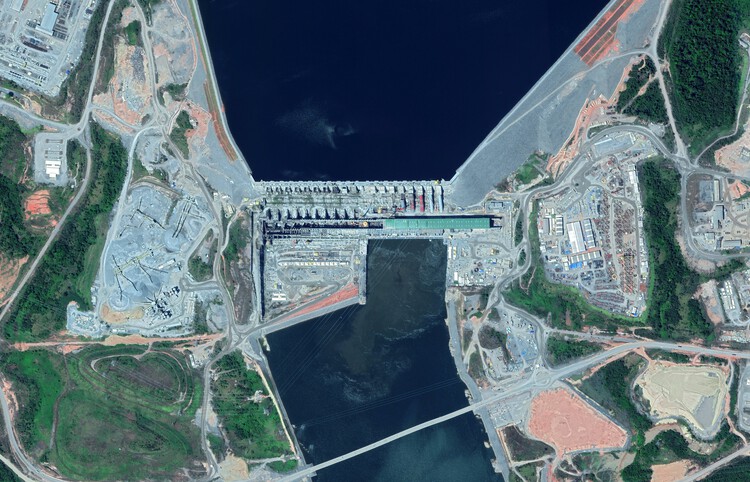
Some of the most significant transformations of South American landscapes have been produced not by cities, but by large infrastructures built to extract and distribute natural resources. Mining operations, energy systems, and transport networks have connected remote landscapes to broader economic structures while transforming rural territories and urban settlements throughout the continent. These infrastructures do not simply occupy space; they reorganize it. They have not only supported economic growth but also reconfigured territories in ways that continue to generate political, environmental, and social debate across the continent. From this perspective, territories can be understood not as fixed geographic areas but as socio-ecological systems shaped by cultural, environmental, and political relations, a point emphasized by anthropologist Arturo Escobar in his work on territorial thinking in Latin America.

Energy Landscapes: How Infrastructure Reshapes Territory in South America - Image 1 of 4Energy Landscapes: How Infrastructure Reshapes Territory in South America - Image 2 of 4Energy Landscapes: How Infrastructure Reshapes Territory in South America - Image 3 of 4Energy Landscapes: How Infrastructure Reshapes Territory in South America - Image 4 of 4Energy Landscapes: How Infrastructure Reshapes Territory in South America - More Images+ 7

Subscriber Access

How to Design with the Rain: Architectural Strategies for Rainwater Collection across Climates

As climate variability intensifies, extreme storms are becoming more frequent in some regions while water scarcity deepens in others. Architects are increasingly pressed to reconsider how buildings engage with rainfall as an environmental force and a design resource. How can architecture move beyond shedding the excess water to actively collect, store, and reuse it? What would it mean to treat rainwater as a material that shapes resilient and meaningful spaces?

How to Design with the Rain: Architectural Strategies for Rainwater Collection across Climates - 1 的图像 4How to Design with the Rain: Architectural Strategies for Rainwater Collection across Climates - 2 的图像 4How to Design with the Rain: Architectural Strategies for Rainwater Collection across Climates - 3 的图像 4How to Design with the Rain: Architectural Strategies for Rainwater Collection across Climates - 4 的图像 4How to Design with the Rain: Architectural Strategies for Rainwater Collection across Climates - More Images+ 64

Subscriber Access

From Albania to Iran: 7 Unbuilt Infrastructure Projects Reimagining Mobility, Ecology, and Connection

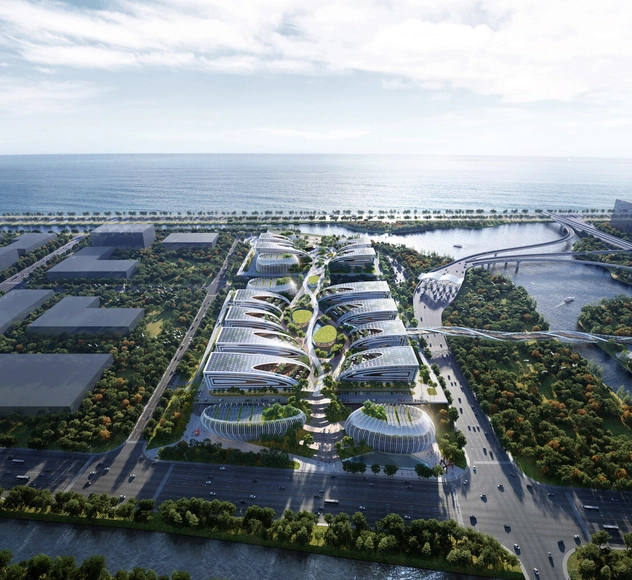
Infrastructure has long defined the backbone of cities by linking people, landscapes, and economies through systems that often go unnoticed until they fail. Today, as global challenges demand more adaptive and human-centered responses, architects are rethinking what infrastructure can be: not just a framework for movement and utility, but a catalyst for ecological restoration, cultural continuity, and civic imagination. The following unbuilt projects, submitted by the ArchDaily community, explore this expanded role of infrastructure, where airports, bridges, industrial parks, and pedestrian networks become architectural expressions of connection and care.

From Albania to Iran: 7 Unbuilt Infrastructure Projects Reimagining Mobility, Ecology, and Connection - Image 6 of 4From Albania to Iran: 7 Unbuilt Infrastructure Projects Reimagining Mobility, Ecology, and Connection - Image 10 of 4From Albania to Iran: 7 Unbuilt Infrastructure Projects Reimagining Mobility, Ecology, and Connection - Image 15 of 4From Albania to Iran: 7 Unbuilt Infrastructure Projects Reimagining Mobility, Ecology, and Connection - Image 24 of 4From Albania to Iran: 7 Unbuilt Infrastructure Projects Reimagining Mobility, Ecology, and Connection - More Images+ 36

'All Architecture is Water Architecture': Eva Franch i Gilabert, Mireia Luzárraga and Alejandro Muiño on Catalonia's Pavilion in Venice

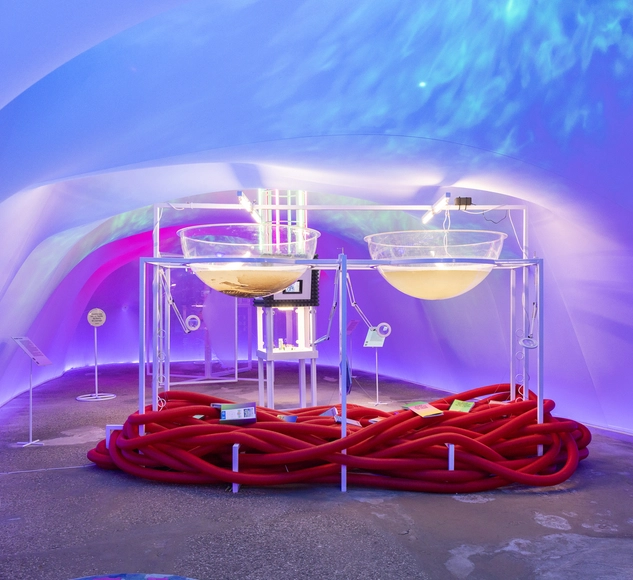
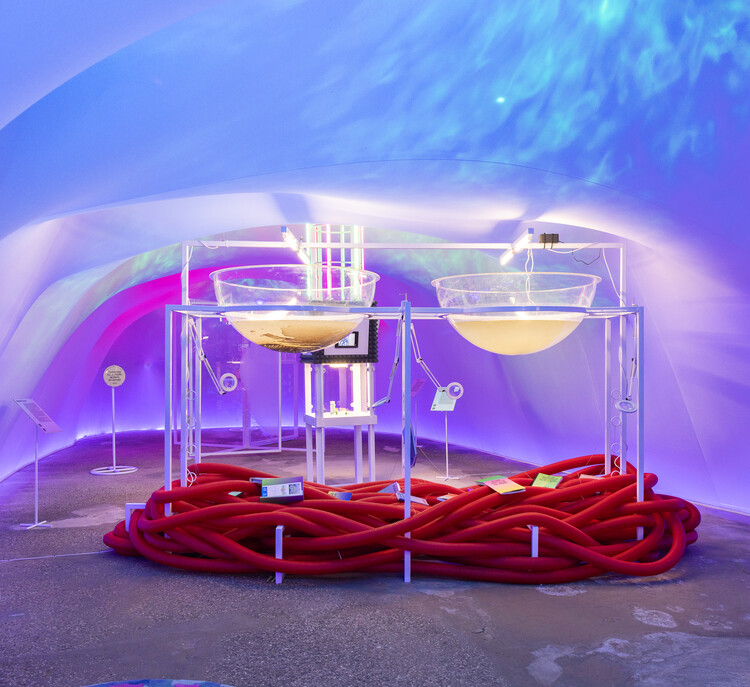
As part of the collateral events of the 2025 Venice Architecture Biennale, the Institut Ramon Llull presents the project "Water Parliaments: Projective Ecosocial Architectures", bringing together the waters of Lleida, Girona, Tarragona, Barcelona, Valencia, the Balearic Islands, and beyond to address the water crisis as an interconnected ecosocial, cultural, and political issue. Framing architecture as a tool for critical speculation and collective action, the project advocates for the imagining of future scenarios grounded in coexistence—interweaving the human and non-human, the natural and artificial, the technological and vernacular, the global and the local.

'All Architecture is Water Architecture': Eva Franch i Gilabert, Mireia Luzárraga and Alejandro Muiño on Catalonia's Pavilion in Venice - Image 1 of 4'All Architecture is Water Architecture': Eva Franch i Gilabert, Mireia Luzárraga and Alejandro Muiño on Catalonia's Pavilion in Venice - Image 2 of 4'All Architecture is Water Architecture': Eva Franch i Gilabert, Mireia Luzárraga and Alejandro Muiño on Catalonia's Pavilion in Venice - Image 3 of 4'All Architecture is Water Architecture': Eva Franch i Gilabert, Mireia Luzárraga and Alejandro Muiño on Catalonia's Pavilion in Venice - Image 4 of 4'All Architecture is Water Architecture': Eva Franch i Gilabert, Mireia Luzárraga and Alejandro Muiño on Catalonia's Pavilion in Venice - More Images+ 27

Swimmable Cities International Movement Advocates for the Right to Swim in Urban Waterways

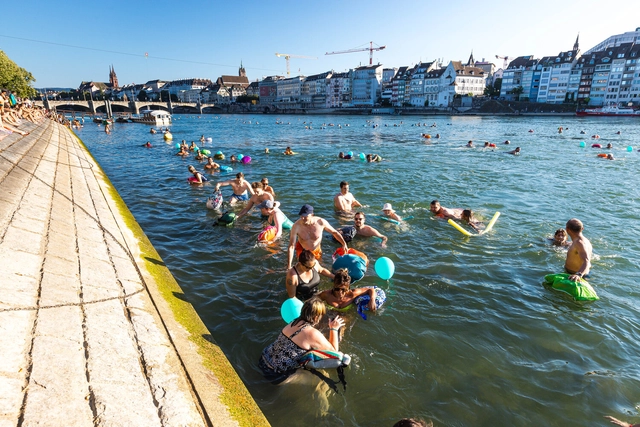
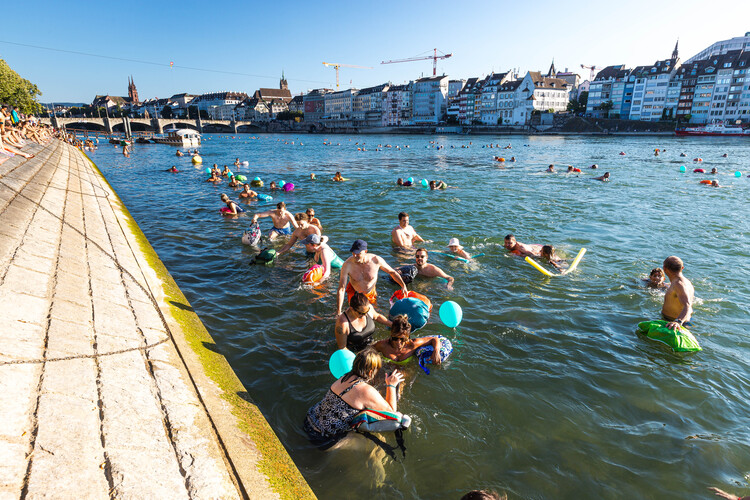
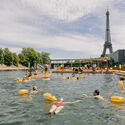
Swimmable Cities is an alliance of 153 signatory organizations across 59 cities in 22 countries, supporting the global movement for swimmable urban waterways. In the context of increasing urbanization, climate change, and biodiversity loss, the initiative aims to reclaim rivers and harbors as public spaces for communities to enjoy and benefit from bathing. It advocates for urban waterways to be made safe, healthy, and accessible for both swimmers and wildlife, calling for cross-border collaboration to develop improvement strategies and collect data to evaluate "swimmability." This call becomes especially relevant amid rising global temperatures and growing inequalities in access to public infrastructure in major cities. The movement's 10-point charter begins with the affirmation of "the right to swim," celebrating urban swimming culture and recognizing the historical significance of water.

Swimmable Cities International Movement Advocates for the Right to Swim in Urban Waterways - Image 4 of 4Swimmable Cities International Movement Advocates for the Right to Swim in Urban Waterways - Featured ImageSwimmable Cities International Movement Advocates for the Right to Swim in Urban Waterways - Image 2 of 4Swimmable Cities International Movement Advocates for the Right to Swim in Urban Waterways - Image 5 of 4Swimmable Cities International Movement Advocates for the Right to Swim in Urban Waterways - More Images+ 4

Subscriber Access

Concéntrico 2025: The Politics of Urban Presence

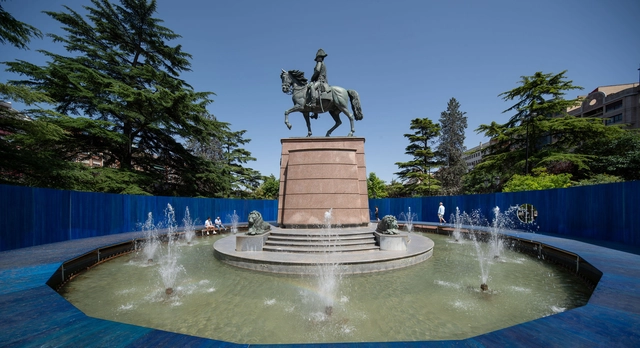
Every June, the Spanish city of Logroño transforms into a space of architectural dialogue, opening its streets, plazas, riverbanks, and traffic islands to temporary structures that redefine how cities are inhabited. For ten editions, Concéntrico has worked not as a specialized fair or an architecture biennale, but as a portable museum — a curatorial gesture that brings a dispersed collection of contemporary architecture into public space. Set in a city suspended between arid plains and distant mountains, far from the circuits of capital cities and cultural institutions, Concéntrico presents itself as a temporary promise. It's a reminder that even cities that are often overlooked can host architecture that is current, diverse, and speculative. In this sense, the festival is less about celebration and more about activation.

But beyond its curatorial logic, Concéntrico operates as a political structure. In the ancient sense of polis, it invites citizens, architects, and institutions to reassess what public space can be. The interventions offer speculative proposals for urban life that reveal what is missing, what is possible, and what should be questioned. A temporary pool over a fountain, a bathhouse in a roundabout, or a shared meal on a major avenue are not just spatial gestures — they are political statements, asking how urban infrastructure might be redirected from control to care, from efficiency to encounter. In that way, the festival becomes not just a reflection of the city, but an instrument for its transformation.

Concéntrico 2025: The Politics of Urban Presence - Image 1 of 4Concéntrico 2025: The Politics of Urban Presence - Image 2 of 4Concéntrico 2025: The Politics of Urban Presence - Image 3 of 4Concéntrico 2025: The Politics of Urban Presence - Image 4 of 4Concéntrico 2025: The Politics of Urban Presence - More Images+ 58

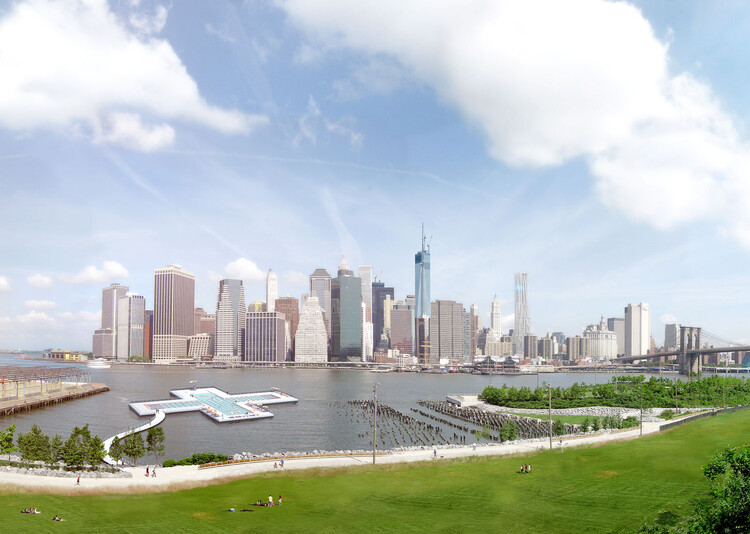
NYC’s First River-Based, Water-Filtering Pool Takes Shape at Pier 35

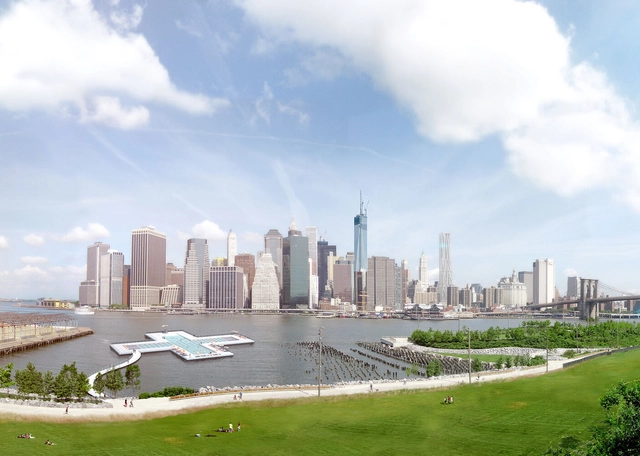
Friends of + POOL has announced the next steps in the realization of New York City's first water-filtering floating swimming pool, to be installed at Pier 35, north of the Manhattan and Brooklyn Bridges. The project seeks to provide safe public access to swimming in the city's rivers by integrating a custom-designed filtration system into a floating pool structure. Installation at Pier 35 is scheduled for May 2026, when the pool will enter its final phase of evaluation. Public access will be contingent on the successful completion of large-scale filtration testing and the full build-out of the facility for safe public use.

NYC’s First River-Based, Water-Filtering Pool Takes Shape at Pier 35 - Image 1 of 4NYC’s First River-Based, Water-Filtering Pool Takes Shape at Pier 35 - Image 2 of 4NYC’s First River-Based, Water-Filtering Pool Takes Shape at Pier 35 - Image 3 of 4NYC’s First River-Based, Water-Filtering Pool Takes Shape at Pier 35 - Image 4 of 4NYC’s First River-Based, Water-Filtering Pool Takes Shape at Pier 35 - More Images+ 4

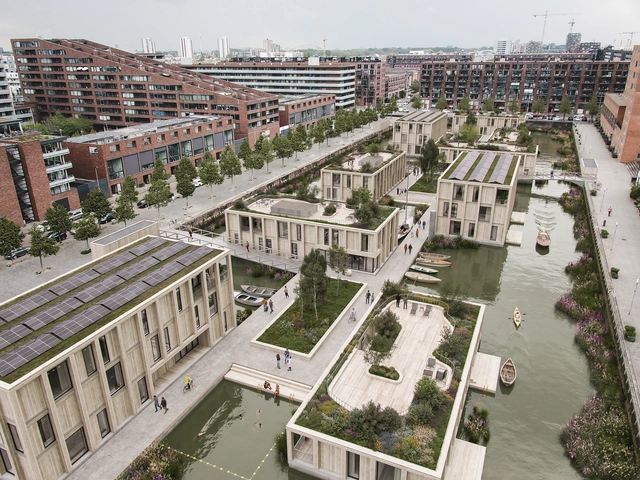
MAST Reveals Floating Neighborhood Design for Rotterdam’s Disused Spoorweghaven Dock

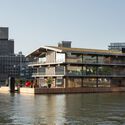
Danish maritime architecture studio MAST, in collaboration with construction company BIK Bouw, has designed a new floating community for the disused Spoorweghaven dock in Rotterdam, Netherlands. The proposed neighborhood, which has received initial support from the Municipality of Rotterdam, includes over 100 apartments, public spaces, commercial units, and a recreational harbor near the city center. Floating architecture is MAST's response to the Netherlands' housing crisis, offering a modular, adaptable solution for building a wide range of structures on water.

MAST Reveals Floating Neighborhood Design for Rotterdam’s Disused Spoorweghaven Dock - Imagen 1 de 4MAST Reveals Floating Neighborhood Design for Rotterdam’s Disused Spoorweghaven Dock - Imagen 4 de 4MAST Reveals Floating Neighborhood Design for Rotterdam’s Disused Spoorweghaven Dock - Imagen 2 de 4MAST Reveals Floating Neighborhood Design for Rotterdam’s Disused Spoorweghaven Dock - Imagen 3 de 4MAST Reveals Floating Neighborhood Design for Rotterdam’s Disused Spoorweghaven Dock - More Images+ 10

Subscriber Access

The Impact of Wildfires on Building Codes: Reflections on the Recent Los Angeles Fires

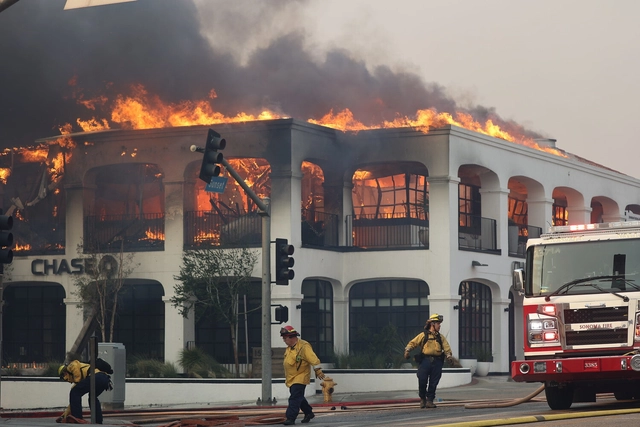
It has been nearly three weeks since one of California's most devastating wildfires began, triggering an immense effort to combat the blaze and mitigate further damage. As firefighters work to contain the remaining flames, the city braces for its first significant winter rainfall, raising concerns about flooding and landslides that may exacerbate the already extensive destruction.

Amid these challenges, the wildfire has spurred widespread reflection at local and global levels. Discussions have emerged on topics such as the insurance system, firefighting infrastructure, water resources, global warming's role in high-wind fire conditions, and the impact of landscape design, particularly the use of non-native vegetation.

The Impact of Wildfires on Building Codes: Reflections on the Recent Los Angeles Fires - Image 1 of 4The Impact of Wildfires on Building Codes: Reflections on the Recent Los Angeles Fires - Image 2 of 4The Impact of Wildfires on Building Codes: Reflections on the Recent Los Angeles Fires - Image 3 of 4The Impact of Wildfires on Building Codes: Reflections on the Recent Los Angeles Fires - Image 4 of 4The Impact of Wildfires on Building Codes: Reflections on the Recent Los Angeles Fires - More Images+ 3