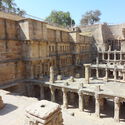
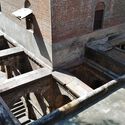
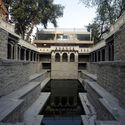
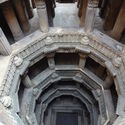
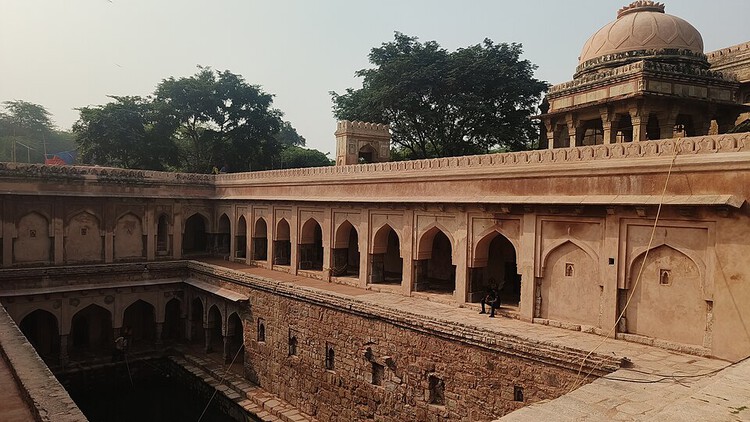
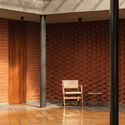
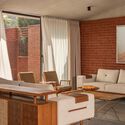
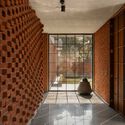
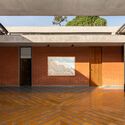
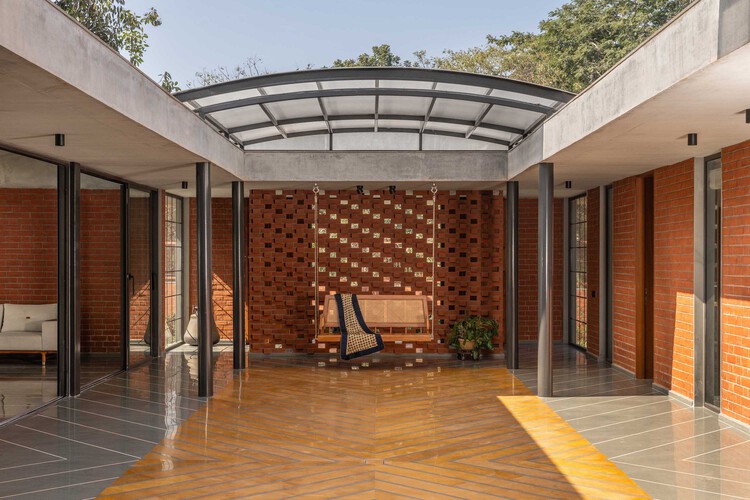
Traditional water architecture was rarely an isolated object. In Ahmedabad, water management was embedded in the organization of the city. Within the historic pols, wells, courtyards and underground Tankas formed part of a distributed system of domestic and communal water storage. A 2026 study in Built Heritage estimates that nearly 10,000 Tankas may still exist across Ahmedabad, many located beneath domestic courtyards.
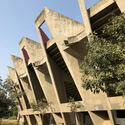
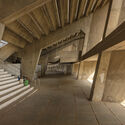
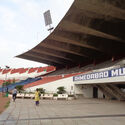
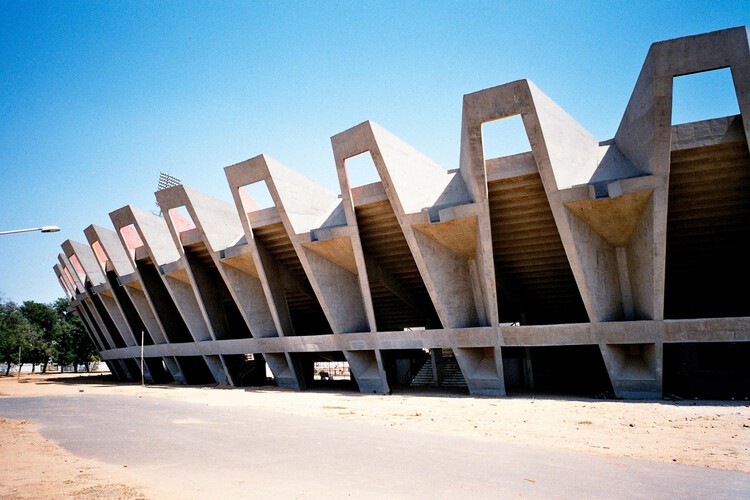
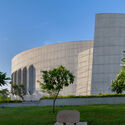
In the heart of Ahmedabad's Navrangpura district in India sits the Sardar Vallabhbhai Patel Stadium. More than just a cricket ground, the stadium stands as one of India's earliest experiments in modernist public architecture. Built in the decades following the country's independence, the structure has not only become an engineering landmark, but also a major public space within Ahmedabad's urban fabric. Despite the building's architectural and historical significance, as well as its deep involvement in daily community life, it has suffered significant physical degradation as a result of decades of poor maintenance and lack of funding. That fragility is precisely why it has drawn international attention. In 2020, the World Monuments Fund (WMF) placed the Sardar Vallabhbhai Patel Stadium on its World Monuments Watch, a global list highlighting cultural heritage sites facing urgent preservation challenges.
In the decades following independence, some of the most ambitious architectural experiments in the world did not emerge through museums, monuments, or government palaces. They emerged through universities. Across South Asia and Africa, newly formed nations turned campuses into testing grounds for entirely new ways of imagining collective life. These campuses functioned as more than educational institutions. They became territories where states tested how modernity might be organized, for citizens to gather, institutions to function, climate to shape architecture, and imported ideas to transform local realities.
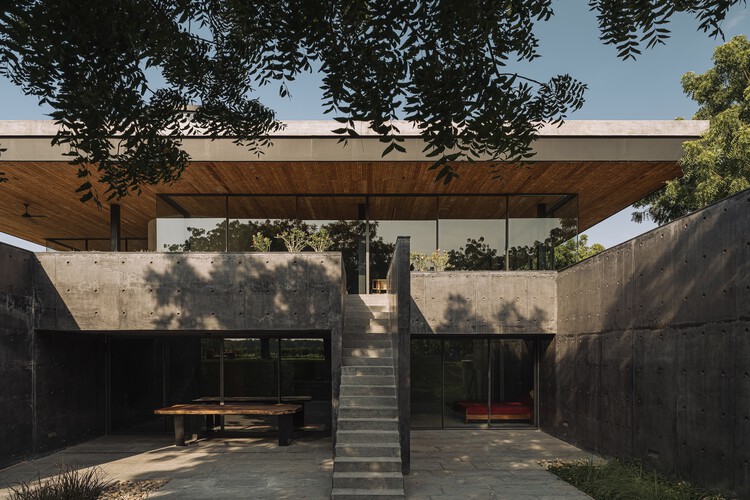
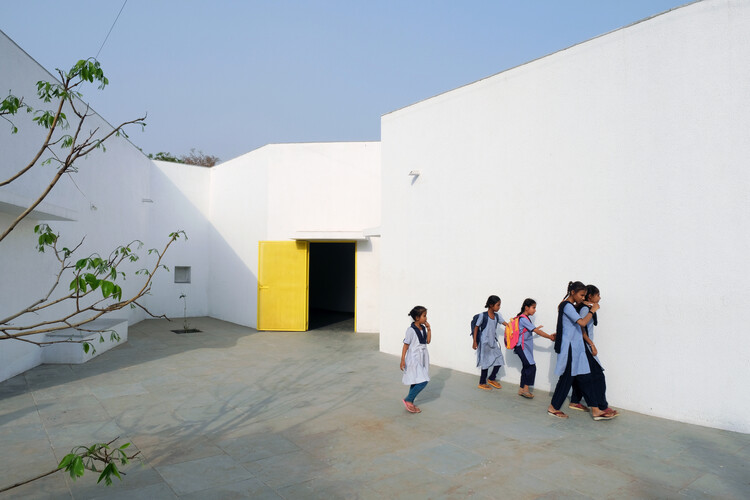
Founded in 2015 in Ahmedabad by Anand Sonecha, SEAlab is a practice shaped by a slow, contemplative engagement with place, proportion, and participation. Recognized as one of the winners of the ArchDaily 2025 Next Practices Awards, the studio builds with simple materials and local techniques, pursuing environments that are experienced as much as they are seen. This ethos became particularly tangible in Gandhinagar, where the School for Blind and Visually Impaired Children did not begin as a purpose-built institution. The school had been operating from an existing primary school building, with classrooms stacked above dormitories and twelve children sharing a single room. Space was limited, and so were growth opportunities. The new academic building was required to expand capacity, improve living conditions, and support greater student independence.
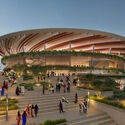
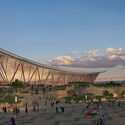
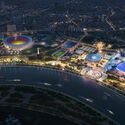
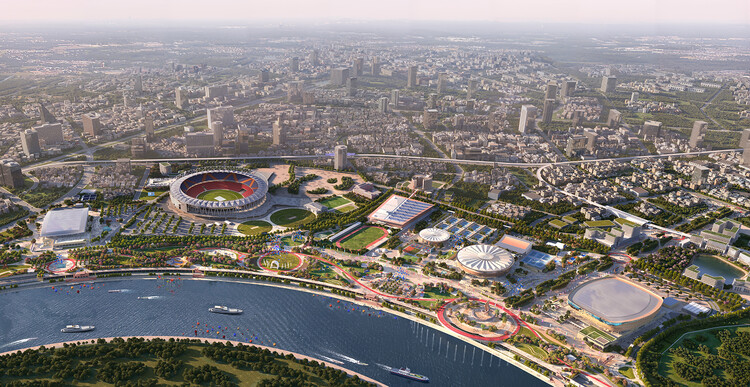
BDP, Cox Architecture, and Collage Design have unveiled the master plan for the 350-acre Sardar Vallabhbhai Patel Sports Enclave in Ahmedabad, India. Positioned on the Sabarmati Riverfront and structured around the 132,000-seat Narendra Modi Stadium, the world's largest stadium by capacity, the project proposes a large-scale sports district integrating international competition venues with public landscapes and community facilities. Conceived as both an events precinct and an urban park, the development is intended to accommodate the 2030 Commonwealth Games centenary event, following Ahmedabad's selection as host city.