
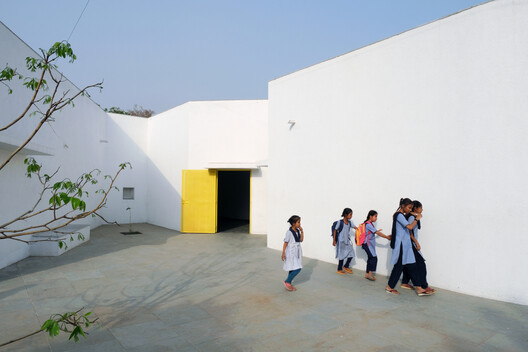
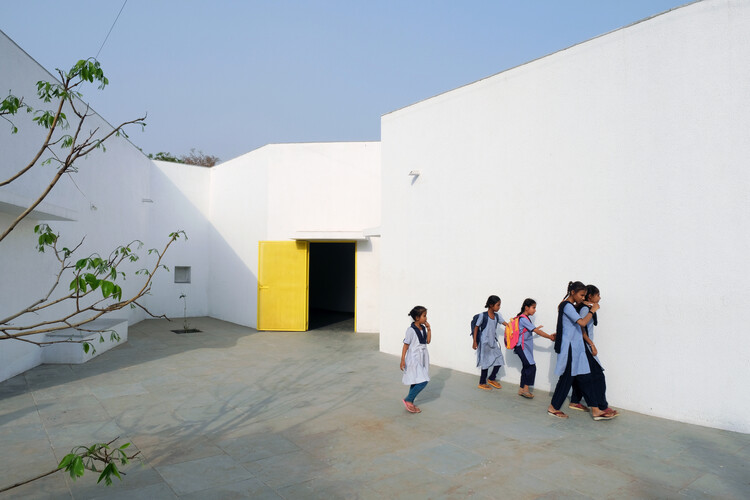
Founded in 2015 in Ahmedabad by Anand Sonecha, SEAlab is a practice shaped by a slow, contemplative engagement with place, proportion, and participation. Recognized as one of the winners of the ArchDaily 2025 Next Practices Awards, the studio builds with simple materials and local techniques, pursuing environments that are experienced as much as they are seen. This ethos became particularly tangible in Gandhinagar, where the School for Blind and Visually Impaired Children did not begin as a purpose-built institution. The school had been operating from an existing primary school building, with classrooms stacked above dormitories and twelve children sharing a single room. Space was limited, and so were growth opportunities. The new academic building was required to expand capacity, improve living conditions, and support greater student independence.
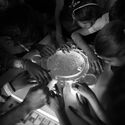
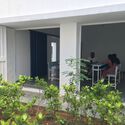
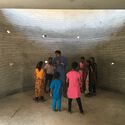
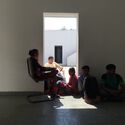
When SEAlab took on the project, it began with a question about perception: how spatial knowledge is formed when vision is partial or absent. "We were confronted with a fundamental question: How do we design a school for users who do not primarily depend on vision, and who experience the world in their own unique way?" recalls Anand Sonecha. The studio had no prior expertise in designing for visually impaired users, which meant the process began not with formal proposals, but with time spent on site, observing how students moved, paused, gathered, and navigated the existing campus.