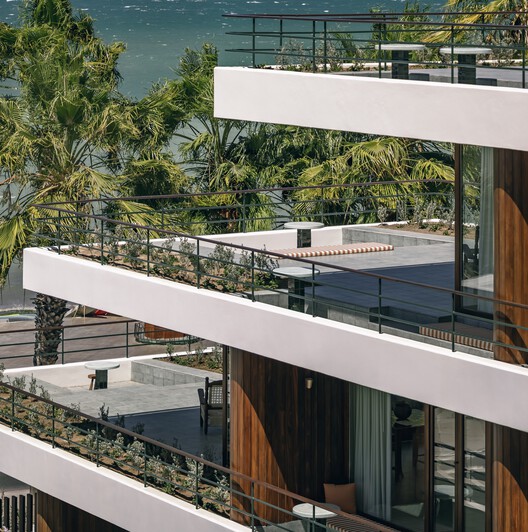
Wood and coastal architecture have always gone together. It's one of the defining materials of coastal structures. But creating that aesthetic in an environment where weather is a constant part of life demands more from the wood you choose.
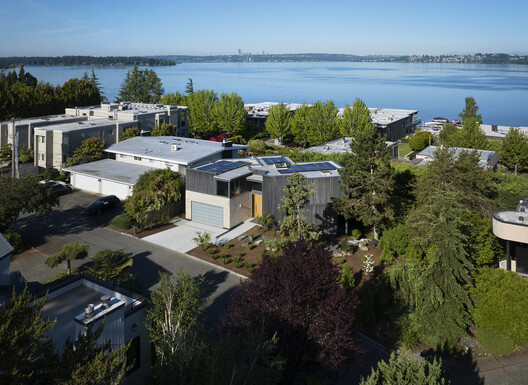
Rain isn't unique to coastal areas. What makes the coast different is the combination and frequency of exposure. Humidity, ocean winds, salt-laden air, direct sun, and frequent storms repeatedly take wood from wet to dry and back again. In many coastal regions, these aren't occasional weather events. They are simply part of the climate. That makes two characteristics especially important when selecting wood for coastal construction: durability and dimensional stability.
The Coast Demands More From Wood
Wood naturally absorbs and releases moisture as surrounding conditions change. As its moisture content increases, it swells. As it dries, it shrinks.
Repeated over time, that movement can contribute to checking, splitting, cupping, warping, and gaps between boards. It can also place stress on joints, fasteners, and finishes. Prolonged moisture exposure may also create conditions for rot and decay.
Choosing wood for the coast is therefore about more than appearance or even how long it will last. The material needs to be durable enough to withstand the demanding climate and stable enough to perform predictably within it.
Building for the Coast
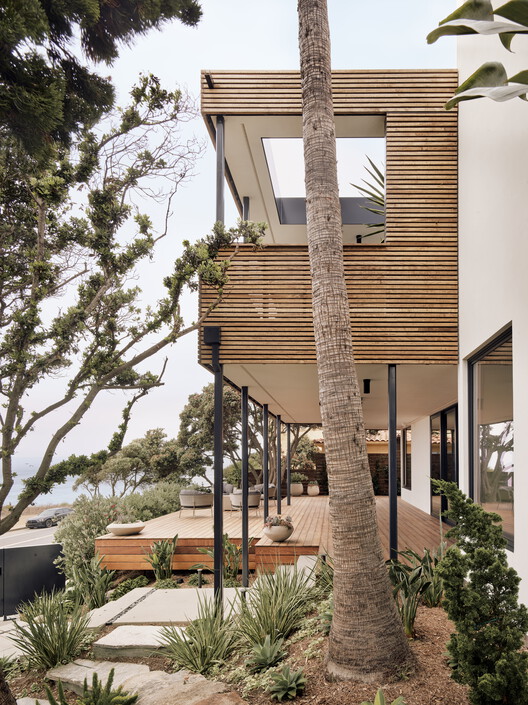
Builders have been managing these conditions for generations. Successful coastal construction uses smart design and detailing to manage water and allow wood to dry. Siding profiles and spacing can accommodate movement, while ventilation and drainage help prevent moisture from becoming trapped. Corrosion-resistant fasteners withstand salt exposure, and coatings can provide another layer of protection.
Those practices remain important regardless of the wood being used. Material selection, however, can provide another layer of resilience. Choosing wood that resists decay and moves less as moisture conditions change means the building isn't relying entirely on coatings or construction details for protection. The material itself becomes part of the strategy. That matters in an environment where exposure is inevitable.
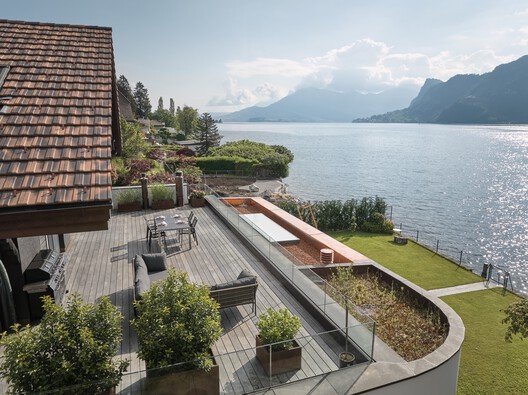
Changing How Wood Responds to the Environment
Traditionally, builders have selected naturally durable wood species and used careful detailing to manage the movement and weathering that come with wood. Advances in wood technology now provide another approach: changing how the wood itself responds to the environment.
Acetylation does this by permanently modifying wood at the cellular level, changing how it interacts with water. The wood absorbs significantly less moisture, reducing swelling and shrinking while also providing strong resistance to rot and decay.
Because the modification extends throughout the wood, its durability isn't dependent on a coating or surface treatment. The wood can be finished to achieve a particular appearance or left to weather naturally while retaining its underlying performance. For coastal construction, that creates another level of confidence. Good design and building practices still matter, but the wood itself is better prepared for the environment it will face.
Where Accoya Fits
Accoya is wood built for coastal environments, delivering long-term durability with exceptional dimensional stability. Its resistance to rot and decay is backed by a 50-year warranty above ground and a 25-year warranty in ground or in freshwater. Its dimensional stability is also covered by warranty, providing defined limits for swelling and shrinking.
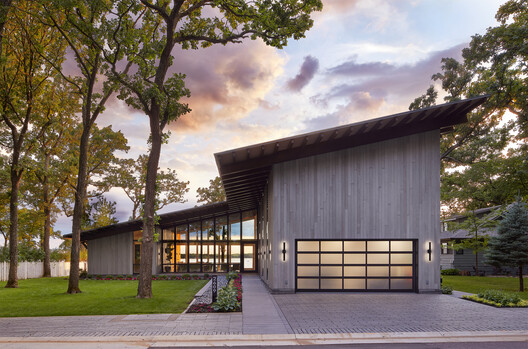
These characteristics have allowed Accoya to be used on coastal projects across siding, decking, windows, doors, and other exposed exterior applications. When a particular appearance is desired, it can be coated or left to weather naturally without sacrificing its durability.
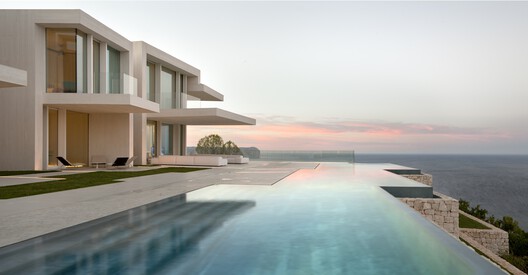
For architects, builders, and homeowners, that opens up more possibilities for using real wood in places where exposure might otherwise influence the design. Coastal construction will always demand thoughtful detailing and good building practices. The difference comes from starting with a material designed to stand up to the environment. When you have confidence in how the wood will perform, you have more freedom in how you use it.


