1. ArchDaily
  2. Resiliency

Resiliency: The Latest Architecture and News

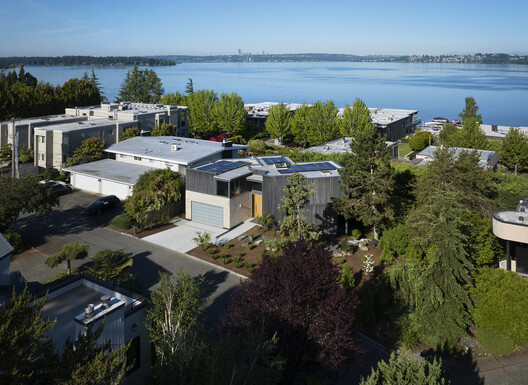
Inside Homes that Last: Rethinking Residential Design for Climate Resilience

 | Sponsored Content

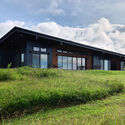
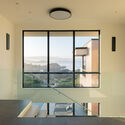
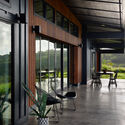
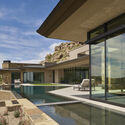
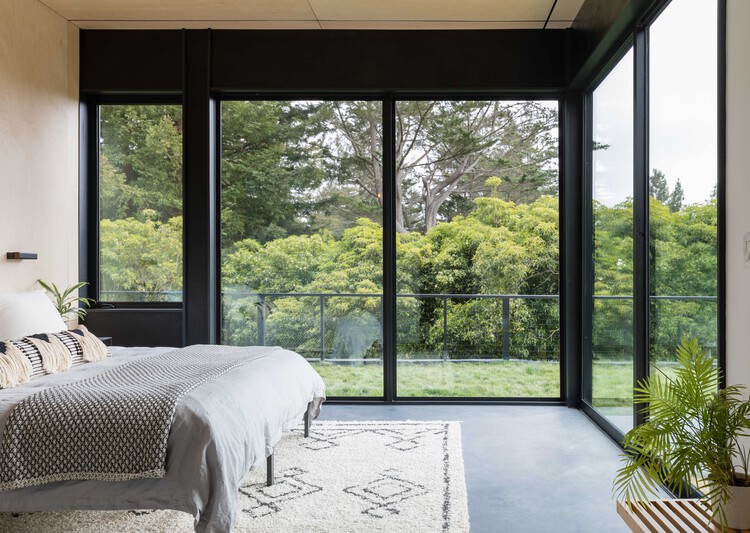
What makes a home resilient? Extreme weather events are becoming increasingly frequent around the world. From power outages, hurricanes, and earthquakes to wildfires, floods, and droughts, the world is experiencing a process of transformation and adaptation that requires collaboration among diverse disciplines. The role of architecture in the built environment reflects an opportunity to rethink how homes perform under changing environmental conditions—not only by anticipating the unexpected. Designing for resilience means thinking holistically, considering material choices, energy systems, landscaping, and construction details that anticipate disruption and help homes recover quickly. It involves creating architecture that evolves with the environment, is worth preserving, and endures for years and generations.

Inside Homes that Last: Rethinking Residential Design for Climate Resilience - 1 的图像 4Inside Homes that Last: Rethinking Residential Design for Climate Resilience - 2 的图像 4Inside Homes that Last: Rethinking Residential Design for Climate Resilience - 3 的图像 4Inside Homes that Last: Rethinking Residential Design for Climate Resilience - 4 的图像 4Inside Homes that Last: Rethinking Residential Design for Climate Resilience - More Images+ 4

One Week Until WUF13 Begins in Baku: Exploring Safe and Resilient Cities Under the Theme “Housing the World”

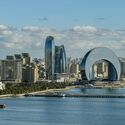
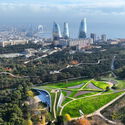
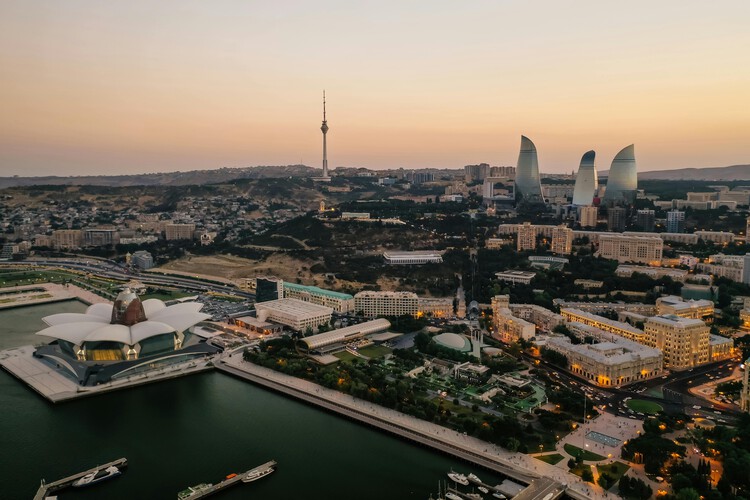
Co-organized by UN-Habitat and the Government of Azerbaijan, the thirteenth session of the World Urban Forum 13 will take place in Baku from May 17 to 22, 2026, under the theme "Housing the World: Safe and Resilient Cities and Communities." Convened every two years by UN-Habitat, the World Urban Forum is considered one of the leading international conferences dedicated to urbanization and the future of cities. Bringing together architects, planners, policymakers, researchers, local governments, and civil society organizations, the forum serves as a platform for discussing the challenges shaping contemporary urban environments and the strategies needed to address them.

One Week Until WUF13 Begins in Baku: Exploring Safe and Resilient Cities Under the Theme “Housing the World” - Image 1 of 4One Week Until WUF13 Begins in Baku: Exploring Safe and Resilient Cities Under the Theme “Housing the World” - Image 2 of 4One Week Until WUF13 Begins in Baku: Exploring Safe and Resilient Cities Under the Theme “Housing the World” - Image 3 of 4One Week Until WUF13 Begins in Baku: Exploring Safe and Resilient Cities Under the Theme “Housing the World” - Image 4 of 4One Week Until WUF13 Begins in Baku: Exploring Safe and Resilient Cities Under the Theme “Housing the World” - More Images+ 1

World Wetlands Day 2026: Integrating Traditional Knowledge for Climate Resilience

Observed annually on February 2, World Wetlands Day marks the adoption of the Ramsar Convention in 1971 and provides an international framework for recognizing the role of wetlands in environmental protection and sustainable development. The 2026 edition is held under the theme "Wetlands and traditional knowledge: Celebrating cultural heritage," drawing attention to the long-standing relationships between wetland ecosystems and the cultural practices, knowledge systems, and governance structures developed by communities over centuries. The theme highlights how inherited ecological knowledge, often embedded in rituals, seasonal calendars, land-use practices, and spatial organization, has shaped resilient interactions between human settlements and water-based landscapes.

World Wetlands Day 2026: Integrating Traditional Knowledge for Climate Resilience - Image 1 of 4World Wetlands Day 2026: Integrating Traditional Knowledge for Climate Resilience - Image 2 of 4World Wetlands Day 2026: Integrating Traditional Knowledge for Climate Resilience - Image 3 of 4World Wetlands Day 2026: Integrating Traditional Knowledge for Climate Resilience - Image 4 of 4World Wetlands Day 2026: Integrating Traditional Knowledge for Climate Resilience - More Images+ 5

Quiet Hope: Frank Gehry’s Maggie’s Centre Hong Kong

Subscriber Access | 

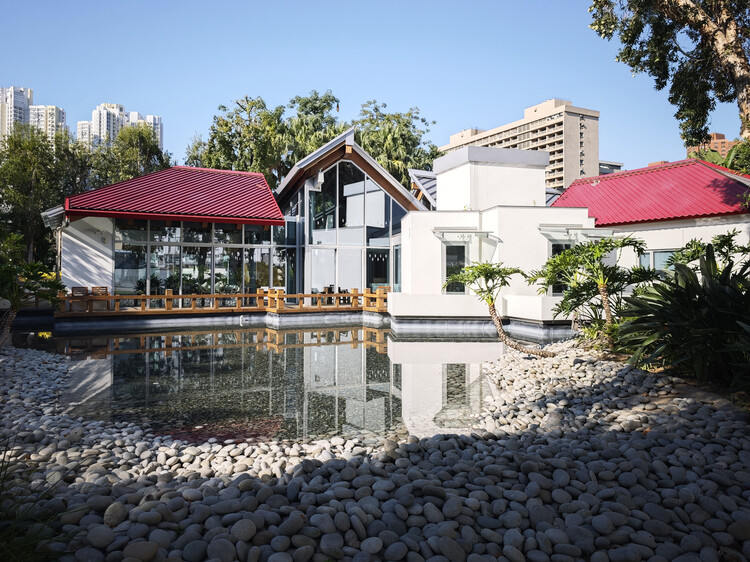
Earlier this month, news of Frank Gehry's passing prompted an outpouring of tributes to the architect behind flamboyant museums, concert halls, and sinuous residential complexes. Rather than revisit that well-charted terrain, it is worth pausing on a more contemplative work in his oeuvre: Maggie's Cancer Caring Centre in Hong Kong. Quiet, optimistic, and calibrated for everyday resilience, the building reflects multiple registers of Gehry's intent: a commitment to positivity and survival—and, more personally, an architect's own reckoning with loss and end-of-life care.

The remark reframes Maggie's Hong Kong as more than a commission; it suggests a design process shaped by grief and turned toward comfort, dignity, and the possibility of hope—an ethos that aligns closely with the organization's mission.

Quiet Hope: Frank Gehry’s Maggie’s Centre Hong Kong - Image 1 of 4Quiet Hope: Frank Gehry’s Maggie’s Centre Hong Kong - Image 2 of 4Quiet Hope: Frank Gehry’s Maggie’s Centre Hong Kong - Image 3 of 4Quiet Hope: Frank Gehry’s Maggie’s Centre Hong Kong - Image 4 of 4Quiet Hope: Frank Gehry’s Maggie’s Centre Hong Kong - More Images+ 20

COP30 Outcomes for the Built Environment: From Sustainable Cooling to Climate Adaptation Commitments

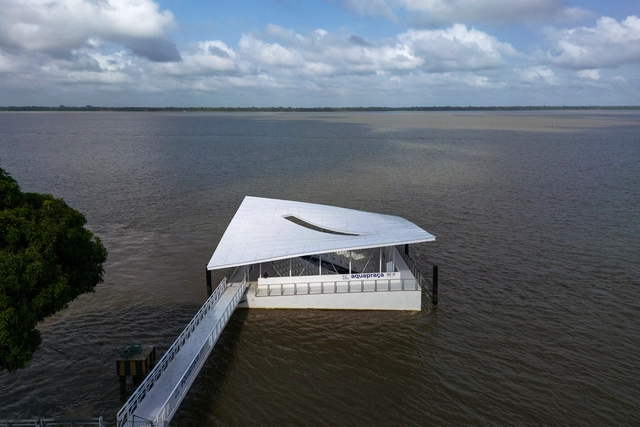
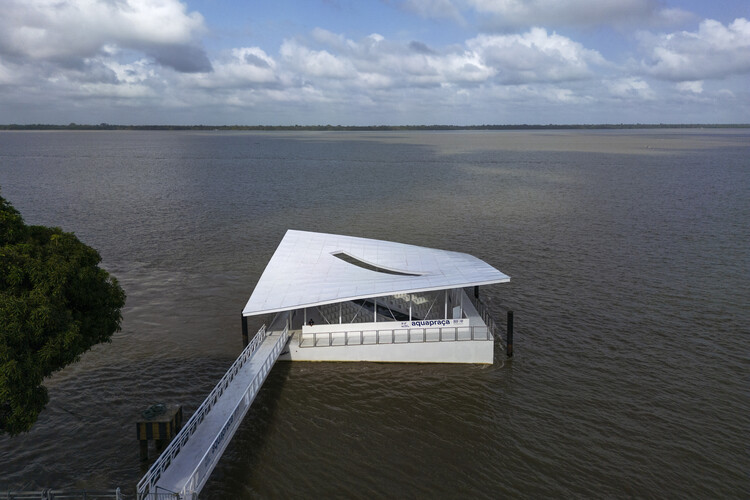
On November 21, 2025, the closing day of the 30th edition of the Conference of the Parties (COP) took place, the yearly gathering of United Nations member states to negotiate international climate agreements and assess global progress toward emissions reduction. This year, the event was held in Belém, Brazil, a port city of fewer than 1.5 million people, widely known as a gateway to Brazil's lower Amazon region. First convened in 1992, UN Climate Change Conferences (or COPs) are an international multilateral decision-making forum on climate change involving 198 "Parties" (197 countries, nearly all of them, depending on definitions of country, and the European Union). Their purpose is to assess global efforts toward the central Paris Agreement aim of limiting global warming to as close as possible to 1.5 °C above pre-industrial levels. The event brings together leaders and negotiators from member states, business figures, young people, climate scientists, Indigenous Peoples, and civil society around issues considered essential to that climate goal. This year, COP30 was marked by strong criticism of its ties to the fossil fuel industry, descriptions of agreements as fragile and insubstantial, and the struggle to move climate finance "from pledge to lifeline."

COP30 Outcomes for the Built Environment: From Sustainable Cooling to Climate Adaptation Commitments - Image 1 of 4COP30 Outcomes for the Built Environment: From Sustainable Cooling to Climate Adaptation Commitments - Image 2 of 4COP30 Outcomes for the Built Environment: From Sustainable Cooling to Climate Adaptation Commitments - Image 3 of 4COP30 Outcomes for the Built Environment: From Sustainable Cooling to Climate Adaptation Commitments - Image 4 of 4COP30 Outcomes for the Built Environment: From Sustainable Cooling to Climate Adaptation Commitments - More Images+ 12

Architecture in Motion: Framing Spaces That Live and Breathe

 | Sponsored Content

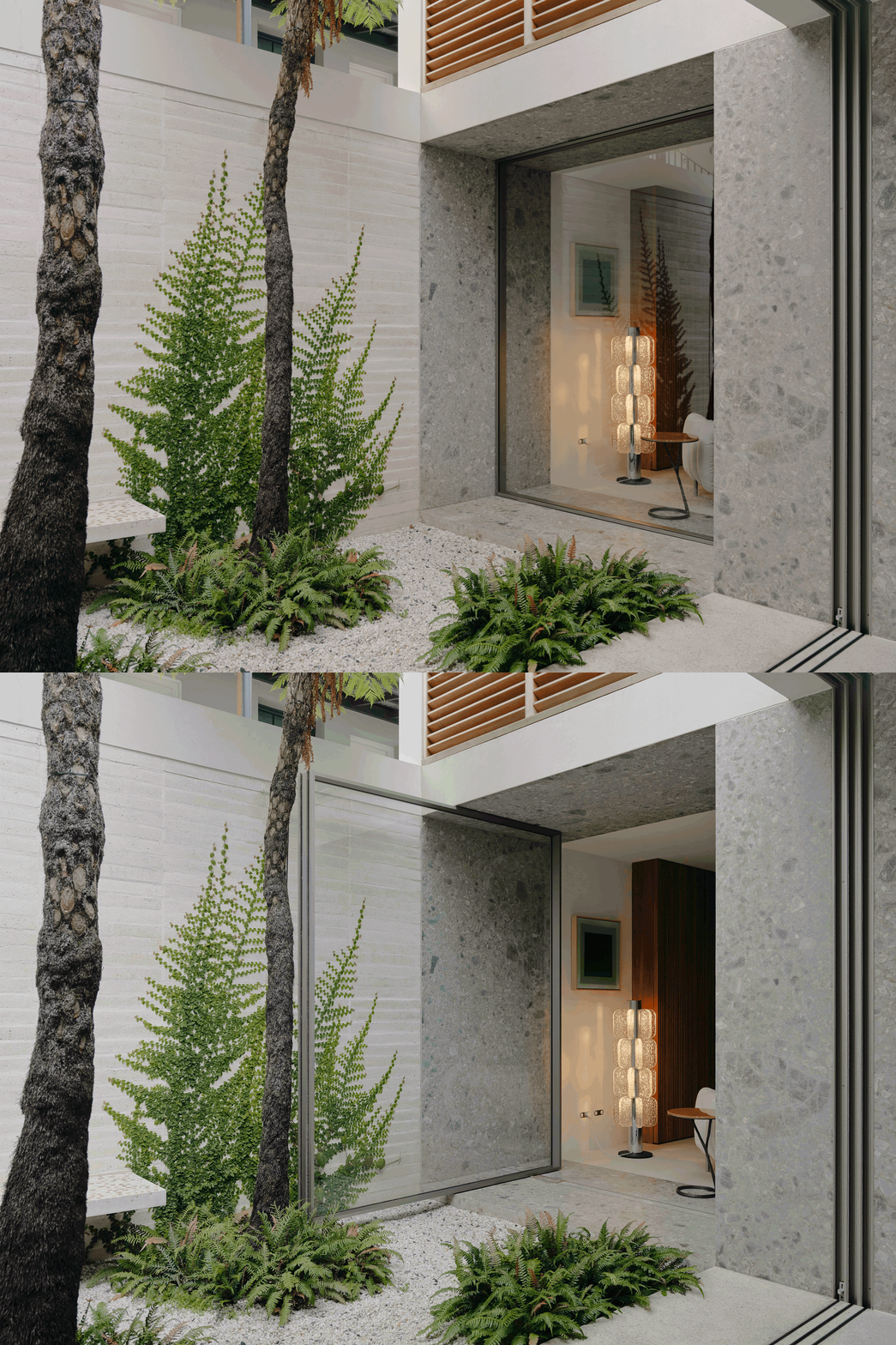
Architectural space has long been framed by permanence: rooms for fixed functions, facades that clearly define where exterior ends and interior begins. Yet contemporary life is defined by overlap and transition: between work and living, interior and exterior, privacy and community. Spatial needs evolve continually, demanding architecture that can respond, adapt, and remain relevant over time. 

In this context, adaptability has emerged not only as a design ambition but as a sustainable necessity. Buildings that adjust to shifting uses, evolving climates, or new forms of living extend their lifespan and reduce the need for demolition or extensive retrofits. Flexibility becomes a measure of resilience, allowing structures to remain vital across decades. But how can architecture respond to the evolving ways we inhabit and experience space?
The Temperature of Inequality: Rethinking Urban Surfaces for a Changing Climate

Subscriber Access | 

Cities bring together the best and worst of the human condition. They concentrate opportunities for work, social networks, and cultural production, but they also expose deep social inequalities. Among the many forms of urban exclusion are limited access to transportation, housing, leisure, or safety issues. One form that is rarely discussed is thermal inequality. In lower-income neighborhoods, where there are fewer trees, parks, and permeable surfaces, heat accumulates and thermal discomfort dominates, resulting in higher energy consumption and health risks. As concern about the climate crisis grows, this discussion becomes more urgent: extreme heat is no longer just a climatic phenomenon but also a spatial expression of inequality.
Unlocking the Untapped Potential of Our Existing Buildings for a Healthier Future

 | Sponsored Content

The VELUX Group is launching the next step in its Action Leadership agenda as an experiment to explore how existing buildings can better serve both people and planet. The experiment builds on decades of demonstration projects and research into healthy buildings, including Living Places, which achieved an ultra-low carbon footprint and first-class indoor climate in an affordable and accessible way. The next step shifts focus towards existing buildings, from new build to renovation—named Re:Living.

Re:Living is a forward-thinking experiment to reimagine renovation to be more than a technical upgrade, and instead as a holistic opportunity to improve human well-being, support biodiversity, and reduce environmental impact. It's part of VELUX's long-term commitment to lead the building industry toward healthier, more sustainable practices, driven by a belief that simply reducing harm is no longer enough.

Curb Appeal, Elevated: The Benefits of Custom Aluminum Canopies

 | Sponsored Content

Architectural professionals recognize how exterior design choices influence both perception and performance. A canopy is more than a functional overhang — it is a visual statement, a layer of environmental control, and a reflection of the project's overall design vision.

Among available materials, custom aluminum canopies have become a preferred choice in modern architecture for their resilience, adaptability, and sleek aesthetics. The following outlines their primary advantages.

Small Structures, Big Impact: 4 Rural Prototypes for a Changing Planet

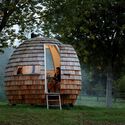
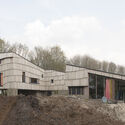
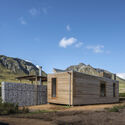
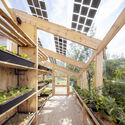
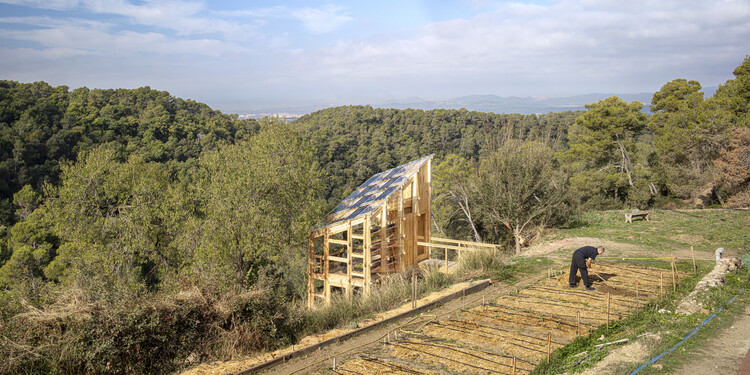
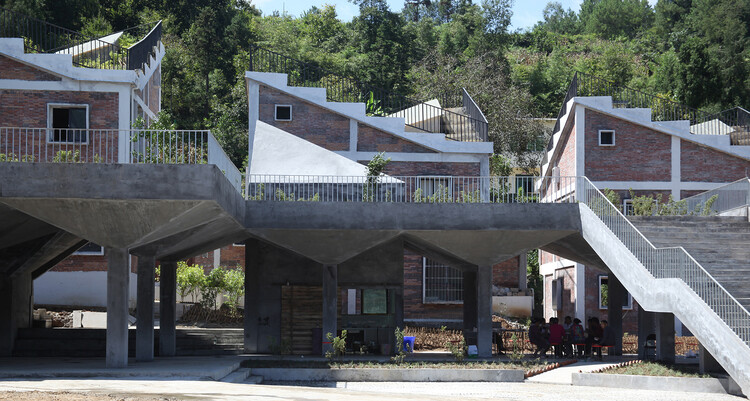
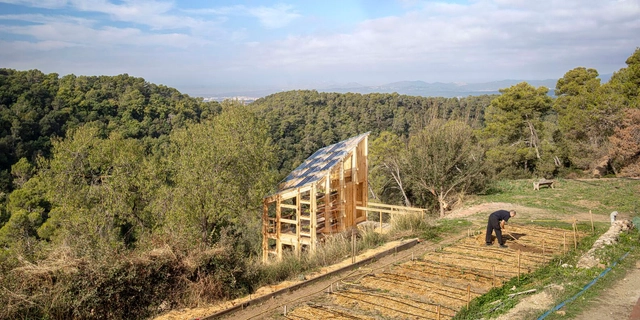
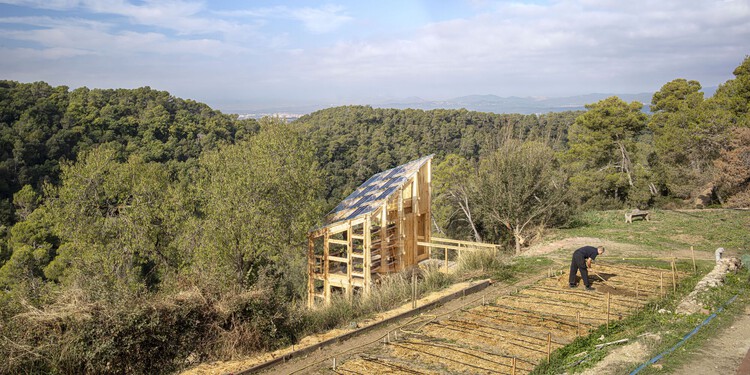
Facing an interconnected planetary climate crisis, biodiversity loss, and resource depletion, regenerative design emerges as a pathway toward building resilient and ecologically attuned rural futures. At the intersection of architecture, agriculture, and local ecosystems, new models of resilient, self-sufficient agricultural practices are emerging. These projects are not grand industrial systems but small-scale, precise, and deeply contextual architectural interventions that create spaces that foster sustainable cultivation while respecting environmental rhythms, local materials, and community knowledge.

Small Structures, Big Impact: 4 Rural Prototypes for a Changing Planet - Image 1 of 4Small Structures, Big Impact: 4 Rural Prototypes for a Changing Planet - Image 2 of 4Small Structures, Big Impact: 4 Rural Prototypes for a Changing Planet - Image 3 of 4Small Structures, Big Impact: 4 Rural Prototypes for a Changing Planet - Image 4 of 4Small Structures, Big Impact: 4 Rural Prototypes for a Changing Planet - More Images+ 4

An Ancestral Legacy with Modern Concerns: The Story Behind the Waru Waru Agricultural Fields in Peru

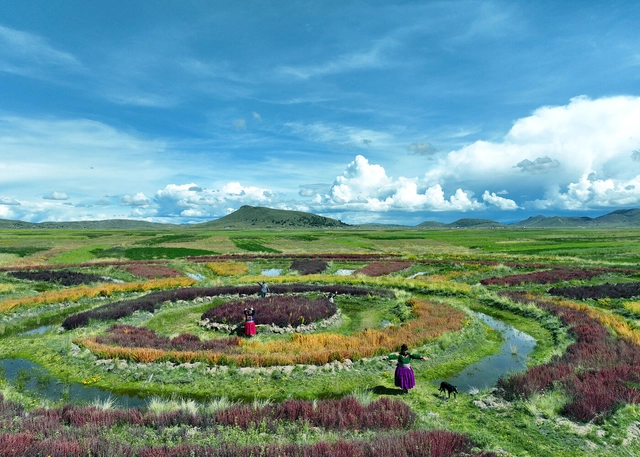
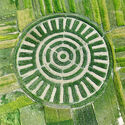
Offering a path toward resilience and food security in the alluvial plains of Lake Titicaca, the Waru Waru agricultural fields are spread across the Peruvian highlands and constitute an ancient agricultural system. Connecting an ancestral legacy with modern concerns about water and food security, climate resilience, and sustainable land management, these agricultural systems open the debate about efficient water management and the importance of agricultural biodiversity. At the same time, they are part of the sense of identity and pride of the local Aymara community, consolidating cultural knowledge that is passed down and preserved across generations.

An Ancestral Legacy with Modern Concerns: The Story Behind the Waru Waru Agricultural Fields in Peru - Image 1 of 4An Ancestral Legacy with Modern Concerns: The Story Behind the Waru Waru Agricultural Fields in Peru - Image 2 of 4An Ancestral Legacy with Modern Concerns: The Story Behind the Waru Waru Agricultural Fields in Peru - Image 3 of 4An Ancestral Legacy with Modern Concerns: The Story Behind the Waru Waru Agricultural Fields in Peru - Image 4 of 4An Ancestral Legacy with Modern Concerns: The Story Behind the Waru Waru Agricultural Fields in Peru - More Images+ 1

From Martian Hydrospheres to Forest-Like Cities: 6 Radical Urban Visions Unveiled at the Venice 2025 Architecture Biennale

Cities today are being reimagined as living, evolving organisms, combining digital intelligence, ecological systems, and new materials to shape radical futures. At Carlo Ratti's "Intelligens. Natural. Artificial. Collective." biennial, over 750 participants challenge established boundaries between architecture, landscape, and technology. Several conceptual projects showcased in the main exhibition challenge conventional boundaries between architecture, landscape, and technology. From bio-adaptive urban systems and Martian water-based settlements to immersive symphonies of satellite data, these works collectively envision new models for cohabitation, resilience, and planetary awareness.

This month's Unbuilt selection presents six speculative projects, presented as part of the 2025 Venice Architecture Biennale exhibition, as provocations for rethinking the future of cities and human settlement. While some proposals transform architecture into self-sustaining, living infrastructures, others explore how data and sensory interfaces can redefine our relationship with natural and urban environments. Together, they offer a cross-section of how architects and designers are using unbuilt work to imagine new possibilities for life on Earth and beyond.

From Martian Hydrospheres to Forest-Like Cities: 6 Radical Urban Visions Unveiled at the Venice 2025 Architecture Biennale - Image 1 of 4From Martian Hydrospheres to Forest-Like Cities: 6 Radical Urban Visions Unveiled at the Venice 2025 Architecture Biennale - Image 2 of 4From Martian Hydrospheres to Forest-Like Cities: 6 Radical Urban Visions Unveiled at the Venice 2025 Architecture Biennale - Image 3 of 4From Martian Hydrospheres to Forest-Like Cities: 6 Radical Urban Visions Unveiled at the Venice 2025 Architecture Biennale - Featured ImageFrom Martian Hydrospheres to Forest-Like Cities: 6 Radical Urban Visions Unveiled at the Venice 2025 Architecture Biennale - More Images+ 21

On Mountains: Architectural Designs Adjusted for High-Altitude Climates

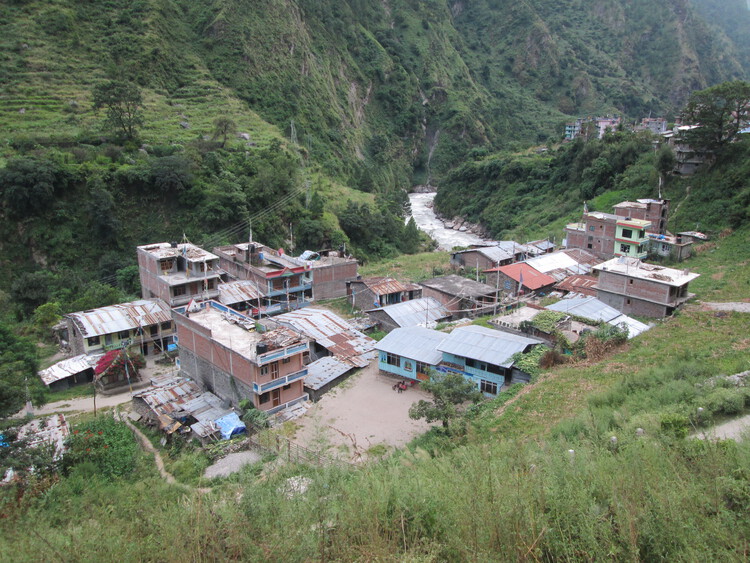
Mountainous and high-altitude regions are considered to be among the most fragile ecosystems on Earth. From melting glaciers to land erosion, these environments face mounting threats from climate change, making it imperative to reimagine how architecture and its supporting infrastructure are designed for such places.

The communities settled in mountain ecosystems are especially vulnerable to the impacts of climate change because of their proximity to early symptoms of changing environments and lack of access to adaptive resources and materials. Beyond all poetic aspirations of building and living in mountain environments, it is an urgent challenge to design solutions that properly resist hostile climatic conditions and promote sustainable and safe human settlements in mountainous regions.

On Mountains: Architectural Designs Adjusted for High-Altitude Climates - Image 1 of 4On Mountains: Architectural Designs Adjusted for High-Altitude Climates - Image 2 of 4On Mountains: Architectural Designs Adjusted for High-Altitude Climates - Image 3 of 4On Mountains: Architectural Designs Adjusted for High-Altitude Climates - Image 4 of 4On Mountains: Architectural Designs Adjusted for High-Altitude Climates - More Images+ 15

Lessons from Roberto Burle Marx: Designing Resilient and Evolving Urban Landscapes

Roberto Burle Marx is often celebrated as a pioneering figure in landscape architecture, particularly for his innovative approach to integrating nature within urban environments. His work, characterized by a deep respect for native flora and a commitment to ecological balance, offers valuable lessons for contemporary landscape architects. At a time when climate change and biodiversity loss are pressing global concerns, revisiting Burle Marx's principles provides insight into creating urban spaces that are not only functional and aesthetically pleasing but also resilient and sustainable.

From the 1930s to the 1990s, Burle Marx's work anticipated many of today's concerns about sustainability and urban well-being. Long before terms like "sustainable design" or "green infrastructure" became commonplace, Burle Marx was already advocating for the use of native plants, recognizing their role in creating self-sustaining ecosystems that required minimal intervention. His projects often transformed neglected urban areas into vibrant, ecologically balanced spaces that not only improved the environment but also enhanced the quality of life for city dwellers.

Lessons from Roberto Burle Marx: Designing Resilient and Evolving Urban Landscapes - Image 26 of 4Lessons from Roberto Burle Marx: Designing Resilient and Evolving Urban Landscapes - Image 1 of 4Lessons from Roberto Burle Marx: Designing Resilient and Evolving Urban Landscapes - Image 3 of 4Lessons from Roberto Burle Marx: Designing Resilient and Evolving Urban Landscapes - Image 7 of 4Lessons from Roberto Burle Marx: Designing Resilient and Evolving Urban Landscapes - More Images+ 23

Urban Spaces for an Overheated Planet: 12 Projects that tackle this Global Challenge

Subscriber Access | 

Due to climate change, heat waves are becoming increasingly frequent and intense, and they present a critical challenge for the design of urban spaces. Elevated temperatures exacerbate public health issues, increase energy consumption, and diminish cities' overall quality of life. Urban design must adopt strategies that promote resilience to mitigate these effects rather than merely replicating traditional formats that do not address the thermal stress experienced by many.

For quite some time, we have recognized the positive effects of urban green spaces, interaction with nature, water, and soil, and the associated health and well-being benefits for residents living next to parks. The significance of this matter has been further underscored, particularly in the aftermath of the panic induced by the Covid-19 pandemic. However, the present moment once again highlights the influence of our urban models on modern life, now grappling with unprecedented extreme temperatures.

Urban Spaces for an Overheated Planet: 12 Projects that tackle this Global Challenge - Image 1 of 4Urban Spaces for an Overheated Planet: 12 Projects that tackle this Global Challenge - Image 2 of 4Urban Spaces for an Overheated Planet: 12 Projects that tackle this Global Challenge - Image 3 of 4Urban Spaces for an Overheated Planet: 12 Projects that tackle this Global Challenge - Image 4 of 4Urban Spaces for an Overheated Planet: 12 Projects that tackle this Global Challenge - More Images+ 14

Floods in Rio Grande do Sul: The Tragedy of Non-Resilient Cities

Subscriber Access | 

The world has changed, and accepting this fact is no longer a matter of choice but survival. Our rainfall patterns, periods of drought, average temperatures, sea levels—everything is in constant flux. The denialist stance of many countries, including Brazil, has led to catastrophic situations like the one we are facing now.

The floods that devastated the southern region of the country in recent days cannot be considered isolated incidents. Due to global warming, climate events like this will become increasingly frequent. In other words, unfortunately, we cannot prevent them from happening, but we can—and must—make our cities more resilient to these situations.

Floods in Rio Grande do Sul: The Tragedy of Non-Resilient Cities - Image 1 of 4Floods in Rio Grande do Sul: The Tragedy of Non-Resilient Cities - Image 2 of 4Floods in Rio Grande do Sul: The Tragedy of Non-Resilient Cities - Image 3 of 4Floods in Rio Grande do Sul: The Tragedy of Non-Resilient Cities - Image 4 of 4Floods in Rio Grande do Sul: The Tragedy of Non-Resilient Cities - More Images+ 11

The Urban Transformation of Medellín: A Case Study

CityMakers, The Global Community of Architects Who Learn from Exemplary Cities and Their Makers, is working with Archdaily to publish a series of articles about Barcelona, Medellin, and Rotterdam. The authors are the architects, urban planners, and/or strategists behind the projects that have transformed these three cities and are studied in the "Schools of Cities" and "Documentary Courses" made by CityMakers. On this occasion, Victor Restrepo, Coordinator of CityMakers in Medellin, presents his article "Medellin: A Case Study".

Medellín stands as an inspiring example for many cities worldwide. It is a city that transitioned from deep collective fear to hopeful enthusiasm for urban and social life characterized by quality and coexistence. The city's crisis has always been associated with violence and drug trafficking. However, this crisis is more structural and profound, it responds to many more factors, some of which are associated with the accelerated growth of its population, as in many Latin American cities.

The Urban Transformation of Medellín: A Case Study - Image 1 of 4The Urban Transformation of Medellín: A Case Study - Image 2 of 4The Urban Transformation of Medellín: A Case Study - Image 3 of 4The Urban Transformation of Medellín: A Case Study - Image 4 of 4The Urban Transformation of Medellín: A Case Study - More Images+ 7

Zaha Hadid Architects Reveals Climate-Resilient Design for Al Khuwair Waterfront in Oman

Zaha Hadid Architects have unveiled a large-scale project for the redevelopment of the Al Khuwair waterfront in downtown Muscat, the capital of Oman. The $1.3bn project covers an area of 3.3 million square meters. It aims to revitalize the area through sustainability-led design principles to accommodate the expected population growth, which is expected to almost double by 2040. The plans are developed in collaboration with Buro Happold to incorporate and transform the existing buildings on site, introduce coastal and climate resilience measures, and create an efficient transit-oriented infrastructure.

Zaha Hadid Architects Reveals Climate-Resilient Design for Al Khuwair Waterfront in Oman - Image 1 of 4Zaha Hadid Architects Reveals Climate-Resilient Design for Al Khuwair Waterfront in Oman - Image 2 of 4Zaha Hadid Architects Reveals Climate-Resilient Design for Al Khuwair Waterfront in Oman - Image 3 of 4Zaha Hadid Architects Reveals Climate-Resilient Design for Al Khuwair Waterfront in Oman - Image 4 of 4Zaha Hadid Architects Reveals Climate-Resilient Design for Al Khuwair Waterfront in Oman - More Images+ 1