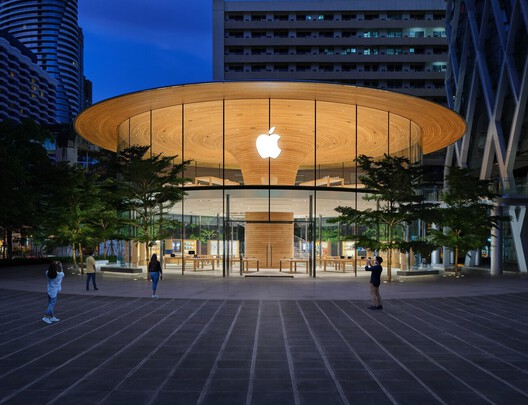
In 1972, Robert Venturi, Denise Scott Brown, and Steven Izenour published Learning from Las Vegas, challenging architects to reconsider the underappreciated, largely dismissed commercial landscape in the United States. Their storied distinction between the "duck," a building whose form communicates its meaning, and the "decorated shed," an ordinary structure whose identity is conveyed through signs and symbols, questioned a widely accepted modernist assumption that architectural expression should emerge from form and function. By examining billboards, neon lights, casinos, and the commercial strips of Las Vegas, the authors argued that architecture should study the visual languages of American consumer culture.
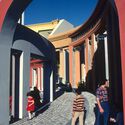
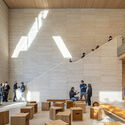
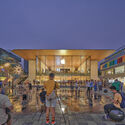

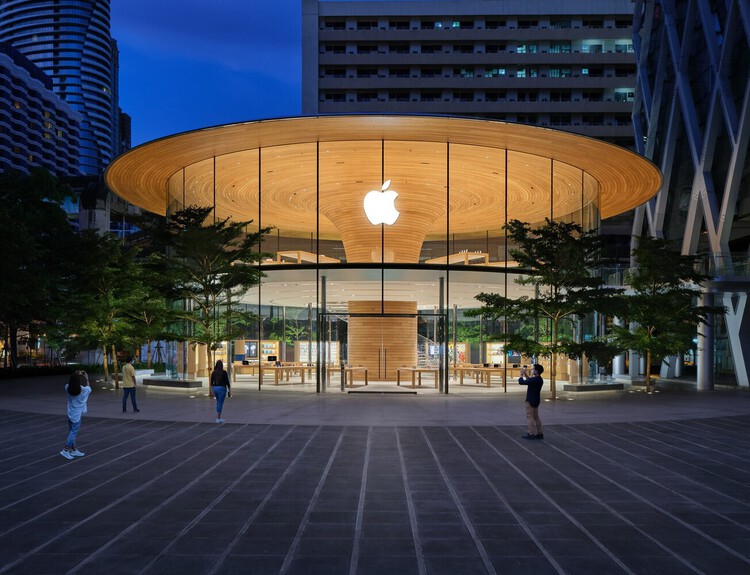
Postmodernism can be understood as a rejection of traditional modernist promises, and is often characterized by its historical quotation, ornament, irony, and embrace of popular culture. Its relationship with American capitalism, however, was more complicated than a rebellious architectural movement or a rigid response to corporate interests. Modernism provided American corporations with a powerful visual identity, associating glass towers and minimalist design with efficiency and institutional authority. What postmodernism offered to architects and clients alike was a reframing of how buildings communicate. This came at a time when corporate differentiation, consumer identity, and the symbolic value of products were central to American businesses.


