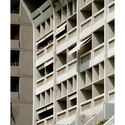
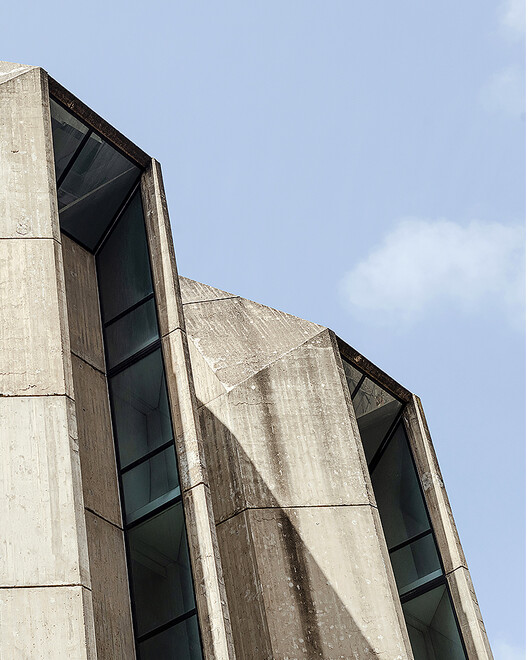
The history of Brutalism has largely been written from a Western perspective. Brutalist Asia by Blue Crow Mediaoffers a different view, examining how architects across Asia adopted, questioned, and transformed the architectural language associated with the movement in response to radically different political, climatic, and cultural conditions. Spanning 28 countries, from Japan and Southeast Asia through South and Central Asia to the Middle East, Iran, and Lebanon, the book brings together 140 buildings and more than 150 photographs, placing internationally recognized works by architects including Kenzo Tange, Paul Rudolph, Balkrishna V. Doshi, Raj Rewal, Charles Correa, Kim Swoo Geun, Leandro V. Locsin, and Le Corbusier alongside important but lesser-known works that expand our understanding of post-war architecture across the continent.
Within this broader geography, one particular history unfolds in Lebanon, where the ambitions of Modernism became inseparable from a country undergoing profound social, political, and urban transformation. Read on for an excerpt from ArchDaily Editor-in-Chief Christele Harrouk's chapter in Brutalist Asia, tracing the rise of Brutalism in Lebanon, the architects and buildings that gave it a particular local expression, and the rupture that left this Modernist project unfinished.
What happens when architecture is asked to create a room without boundaries? Convention halls, stadiums, factories, and logistics centers all begin with the same architectural challenge: creating large, uninterrupted interiors that can accommodate movement, visibility, and changing uses. The larger the span, the greater the structural demands, and the greater the architectural possibilities.
Long-span architecture is not a recent ambition. For centuries, architects have sought ways to enclose large public spaces, from the monumental dome of the Pantheon to the iron-and-glass halls of London's Crystal Palace. Each breakthrough expanded the possibilities of architecture, replacing thicker walls and denser structural systems with lighter, more efficient ways of spanning distance. Today, steel continues that evolution, making it possible to span distances that would be difficult to achieve with conventional structural systems while keeping large public spaces open, flexible, and adaptable. Steel's high strength-to-weight ratio makes longer spans possible with fewer columns and lighter structural systems, while prefabricated components simplify construction and reduce on-site work.
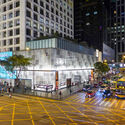
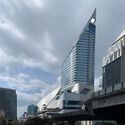
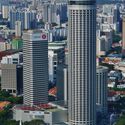
Southeast Asia is often narrated as a kind of architectural playground—an arena where modern and contemporary ideals have been tested at full scale through singular, iconic buildings. One can trace an easy lineage through names that have helped shape the region's skyline imagination: Paul Rudolph's Lippo Centre in Hong Kong and The Concourse in Singapore, I.M. Pei's OCBC Centre and Hong Kong's Bank of China Tower, Norman Foster's Supreme Court of Singapore and the HSBC Main Building in Hong Kong, Ron Phillips' Hong Kong City Hall, Moshe Safdie's Marina Bay Sands. Yet this familiar history—told through objects, colonialism, authorship, and signature forms—risks missing a deeper, more consequential layer of influence: the planning logics and infrastructural frameworks that have quietly structured how these cities expand, densify, and distribute everyday life.
Scientifically, glass is defined as an amorphous solid, meaning its atoms are not arranged in a regular crystalline structure. This is why the material is often described as a "liquid frozen in time." This structural configuration explains one of its most distinctive qualities: transparency. Without a crystalline lattice capable of scattering light, radiation passes through the material with relatively little interference. Although it often appears delicate, this same structure also allows glass to achieve significant mechanical performance. With industrial processes such as tempering, lamination, and specialized coatings, the material can reach high levels of strength, safety, and environmental performance.
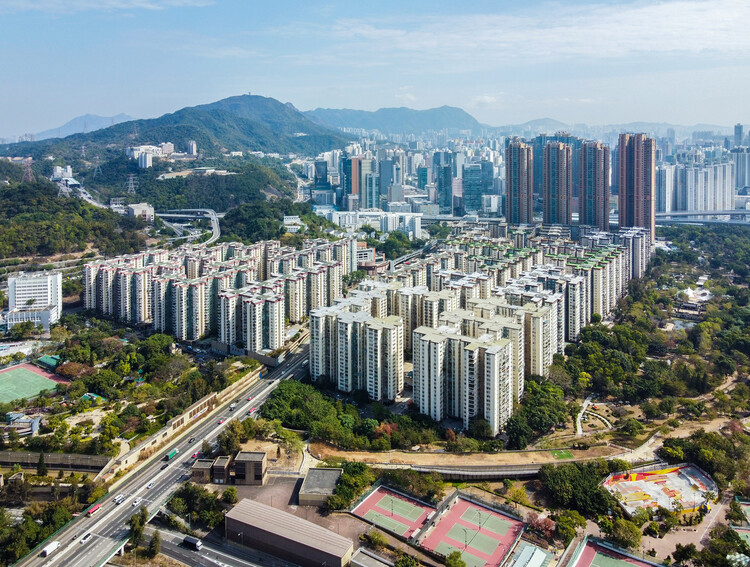
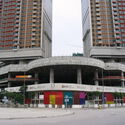
If elevated networks reveal a city that increasingly walks above the street, the podium–tower is the typology that often makes that condition feel inevitable. Across Southeast Asia, podium–tower projects have become one of the dominant languages of metropolitan growth: a system that concentrates housing, jobs, retail, and transit connections into highly legible and managed parcels. From an urban planning perspective, the model can be remarkably effective—absorbing congestion, formalizing circulation, and delivering density quickly. Yet as it spreads, the typology also raises a quieter question: what does it optimize for, and what does it erode—especially at the level of the street, where urban life is meant to be negotiated rather than curated?
At its simplest, the podium–tower is a hybrid structure consisting of a high-coverage, low-rise podium supporting one or more slender vertical towers. The podium typically carries the logistical and commercial weight of the development—retail, parking, loading, drop-offs, back-of-house services, and often amenity decks—while the tower stacks private programs above, whether residential, office, hotel, or mixed use. The promise is twofold: maximize urban density while maintaining a "human-scaled" street wall, and separate the messy logistics of city life from the quieter domain of living and work.
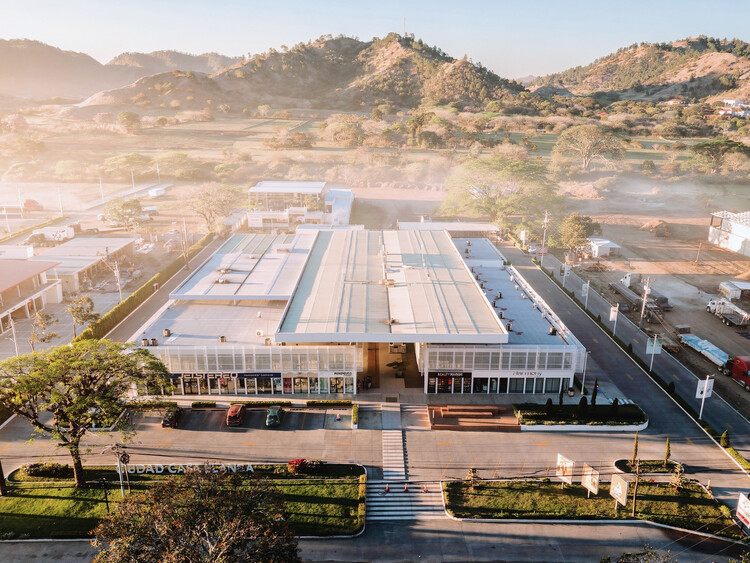
Honduras is the second-largest country in Central America, both in territory and population. Today, its urban fabric remains heavily influenced by modernist principles from the 1970s that prioritised high-speed arterial corridors and automobile-dependent "point-to-point" mobility. In addition, the country faced many challenges regarding public safety during the 2010s, which contributed to creating an urban space characterised by blind facades, high perimeter walls, and gated enclosures designed to isolate the interior from the public realm.
We had the opportunity to talk to Alejandra Ferrera, a Honduran architect raised in Danlí, a city in eastern Honduras. With over 15 years of practice across Brazil, the Netherlands, and Australia, she argues that while the security-driven design was a functional necessity of its time, it has resulted in a fragmented urban experience where the street serves only as a transit void rather than a place for social encounter. She suggests that even though this isolation was a justified safety measure, it created detachment between the inhabitants and the city. She also argues that overall, the public safety situation contributed to the creation of a wounded national identity that often looks outward for quality, dismissing the potential of its own context.
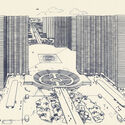
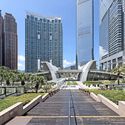
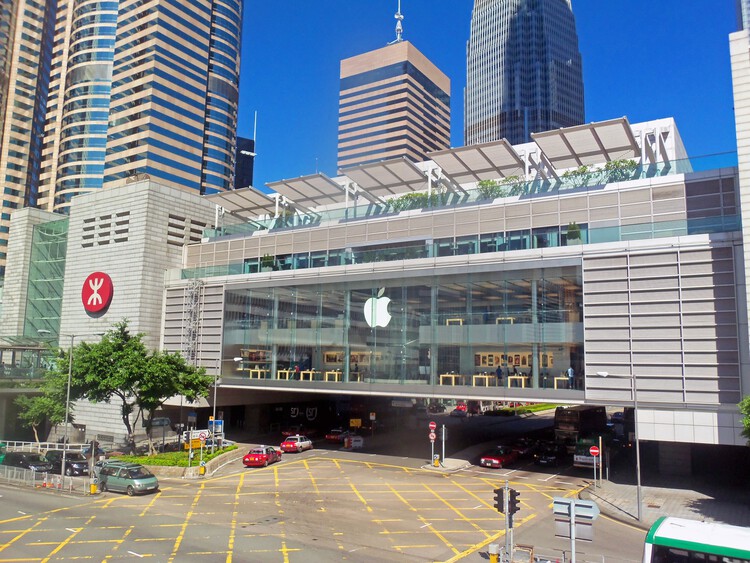
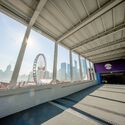
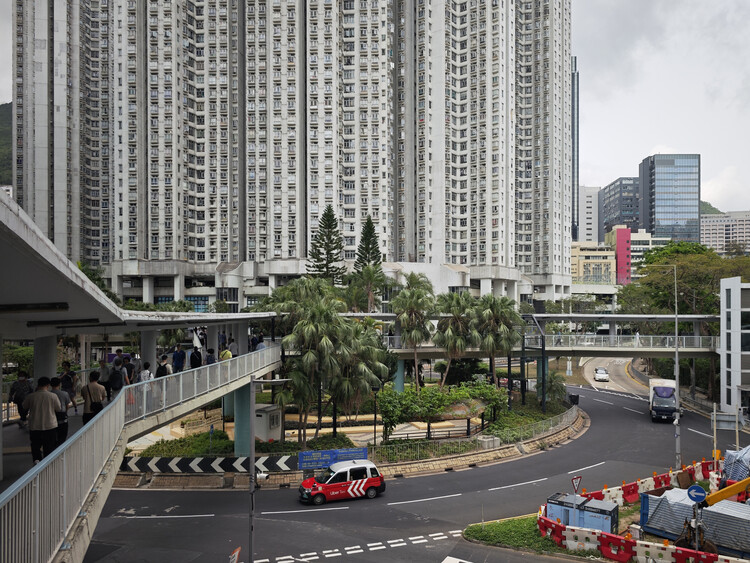
In 2012, Cities Without Ground: A Hong Kong Guidebook offered one of the clearest documentations of a condition that many residents experience intuitively but rarely name: Hong Kong's dependence on elevated, second-storey urbanism. Through drawings and careful mapping, the book captured how the city's pedestrian networks are routinely lifted above the street—separating people from traffic, extending commercial frontage beyond ground level, and negotiating a hilly topography where "flat" circulation is often an engineered achievement. Since its publication, these systems have only grown in prominence—not only for their sheer spatial complexity, but for the way they recast public space as something continuous yet selective, connective yet curated.
This fascination, however, has always carried a parallel unease. Elevated passages can be generous and effective, offering sheltered movement and reliable connectivity. Yet they also raise persistent questions: where do these routes lead, who gets to connect, and what kinds of programs are invited—or excluded—by this "privileged" level of circulation? The second-storey city does not simply bypass vehicles; it can also bypass the street as a civic stage. Over time, it risks shifting architectural attention away from ground-level public life, relieving designers from having to negotiate pedestrian scale, frontage, and the messy reciprocity of the street. In its worst moments, the result is a landscape of podium clusters and sealed megastructures—buildings that perform connectivity at Level 2 while remaining indifferent to the neighborhood at Level 0.
Aluminum Chain Facade Disney Glamour Store / SRA Architectes – Etienne Jacquin. Image Courtesy of Kriskadecor
In highly-curated environments such as Disneyland Paris, architecture operates under a different set of expectations. Buildings are not only required to perform, they must also communicate, often instantly. Within this context, the facade becomes a visual marker that can serve as a threshold, mediating light, air, and perception. One strategy that has gained traction in this setting is the use of semi-opaque envelope systems. Neither fully transparent nor entirely enclosed, these facade systems introduce depth and variability.
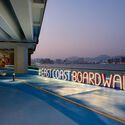
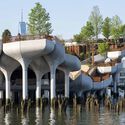
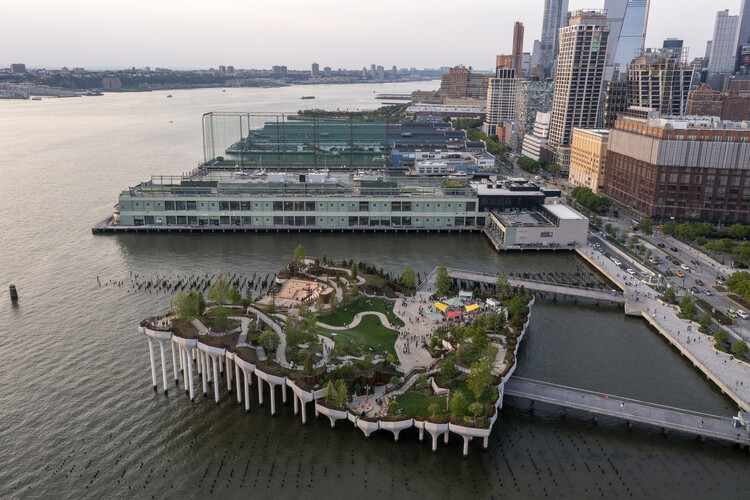
Coastal development in major cities has long been a terrain of opportunity and contention—shaped at once by the pursuit of capital (premium views, scarce land, and the promise of reclamation), by civic demands for public access and collective waterfront life, and by contemporary aspirations for sustainability and place-defining urban identity. Precisely because these agendas rarely align, extracting the full potential of waterfront sites is never straightforward.
Yet in New York City and Hong Kong, we can trace each city's ambitions—despite differing strategies, priorities, and political logics—through a set of keystone projects that anchor their coastlines. Read together, these projects reveal not only what each city chooses to value, but also what it is willing to trade off in order to build at the edge.
Selected as one of the winners of ArchDaily 2025 Next Practices Awards, NAAW represents a new generation of architectural studios reshaping contemporary practice in Central Asia. Founded in 2019 by Elvira Bakubayeva and Aisulu Uali, the studio operates at the intersection of research, interdisciplinary collaboration, and spatial experimentation, positioning architecture as a tool for reflection and an active agent in shaping contemporary Kazakhstani identity.
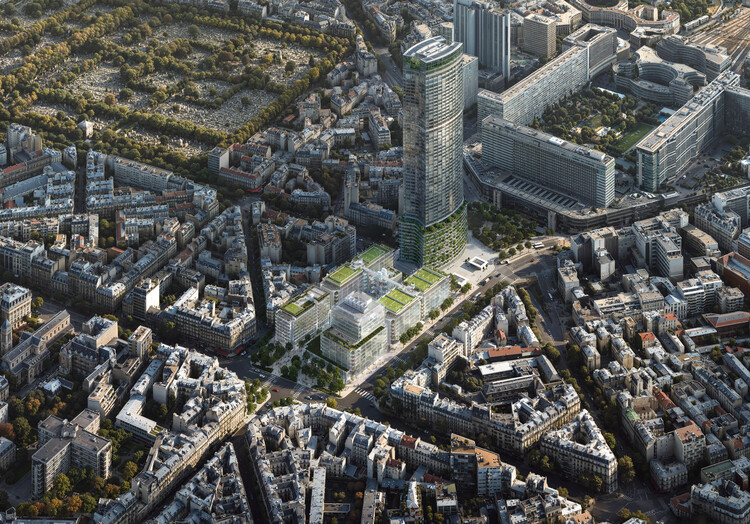
Montparnasse Commercial Centre and CIT Tower redevelopment project, 2026. Aerial view. Image Courtesy of RPBW
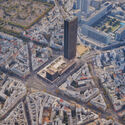
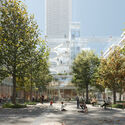
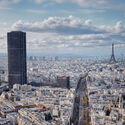
During a presentation to the press held at Paris City Hall on January 7, 2026, architect and Pritzker Prize laureate Renzo Piano released the first images of the transformation of Montparnasse's emblematic shopping center and CIT Tower into a pedestrian-focused district in Paris, France. The project, commissioned to Renzo Piano Building Workshop (RPBW) in 2022 by the co-owners of the commercial complex, proposes both a visual and functional transformation of the 1970s low-rise retail development into a more traversable space characterized by transparency and openness. The design was developed in parallel with the redevelopment of the Montparnasse Tower, led by Nouvelle AOM, to reshape the broader tertiary complex into a contemporary Parisian block oriented toward public life, environmental performance, and everyday use. The project reopens the site to the city, reconnecting streets and restoring continuity between Montparnasse and its surrounding neighborhoods through new public spaces.
How did a material conceived for bridges, factories, and large structures find its way to the living room bench, the apartment bookshelf, or the coffee table? Metal has crossed centuries associated with labor, machinery, and monumentality—from the exposed structures of the 19th-century World Expos to the production logic of modern industry. Its presence in the domestic interior is not a given, but rather a cultural achievement: the transformation of an industrial material into an element of everyday, intimate use, close to the body.
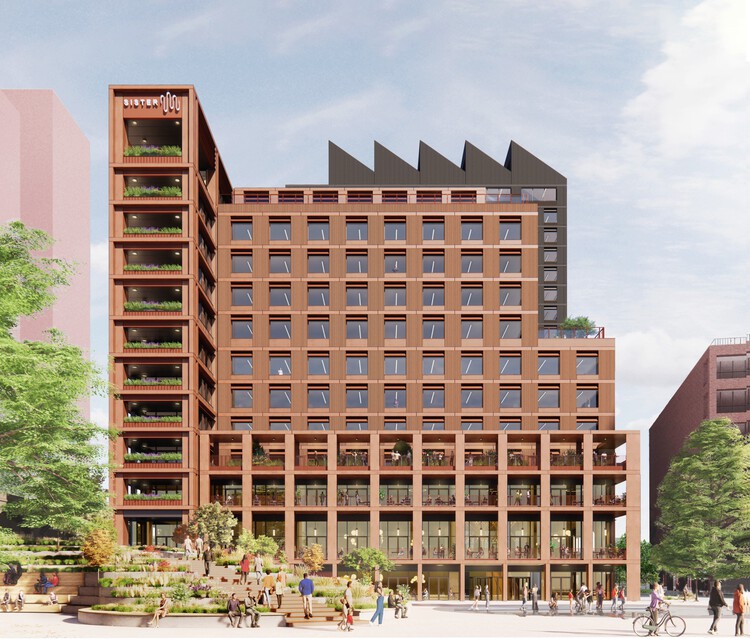
Sister Plot C, Manchester. Image Courtesy of Allies and Morrison
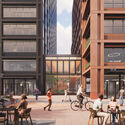
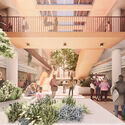
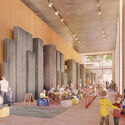
Plot C, Sister, Manchester, a pair of linked commercialbuildings located on the north-east corner of the Sister campus, has received planning approval from Manchester City Council. Designed by Allies and Morrison and SLA for client Sister, a joint venture between the University of Manchester and Bruntwood SciTech, the scheme represents the first major new-build phase of the master plan for Manchester's emerging innovation district. With a total gross external area of approximately 81,000 square metres, the development is positioned as one of the city's largest new workplace-led projects, marking a key moment in the phased transformation of the site.
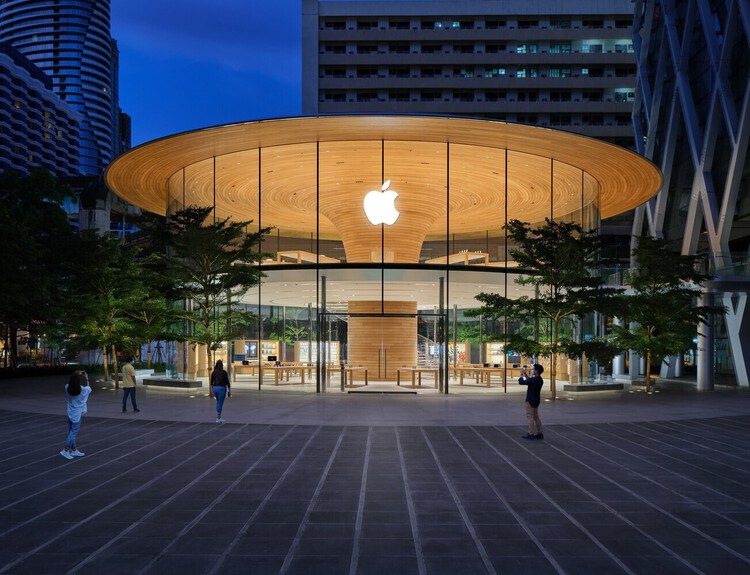
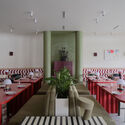
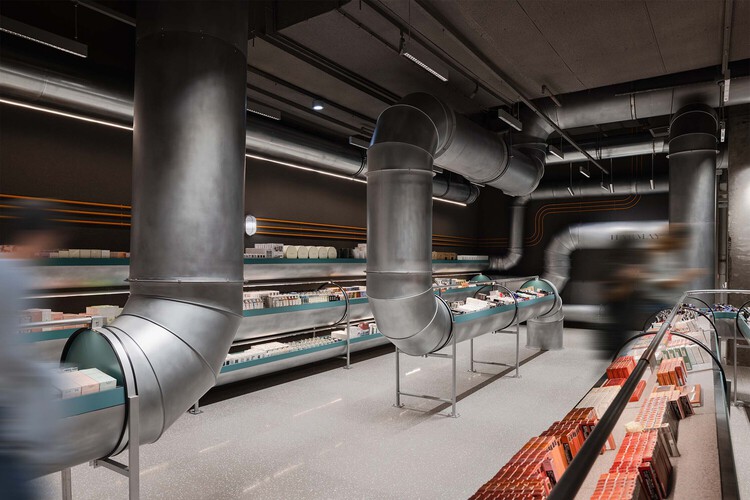
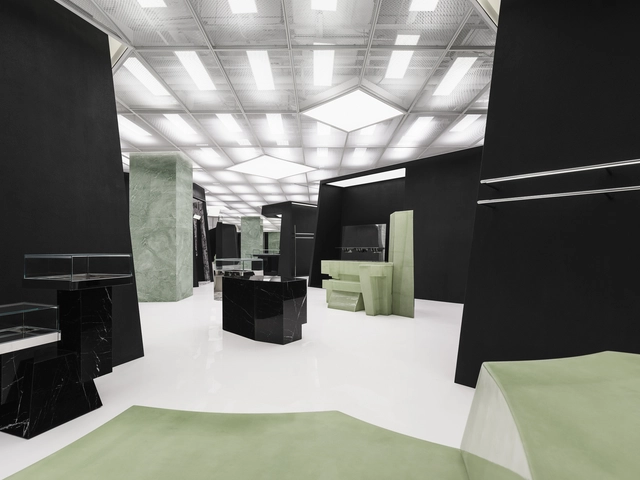
In contemporary architecture, commercial spaces have become more than points of sale; they are stages where identity, image, and experience converge. Stores, showrooms, and branded interiors often operate as laboratories where architects experiment with form, material, and light, translating corporate narratives into spatial experiences. In this context, the architect emerges as a mediator of desire, shaping atmospheres that guide perception, evoke emotion, and subtly influence behavior. This role reveals a complex intersection between design and capitalism: the creation of spaces that sell not only products, but also aspirations, lifestyles, and cultural meaning. By transforming commerce into an architectural performance, these projects invite reflection on how the discipline negotiates its agency in a world where visibility and image have become as essential as function.
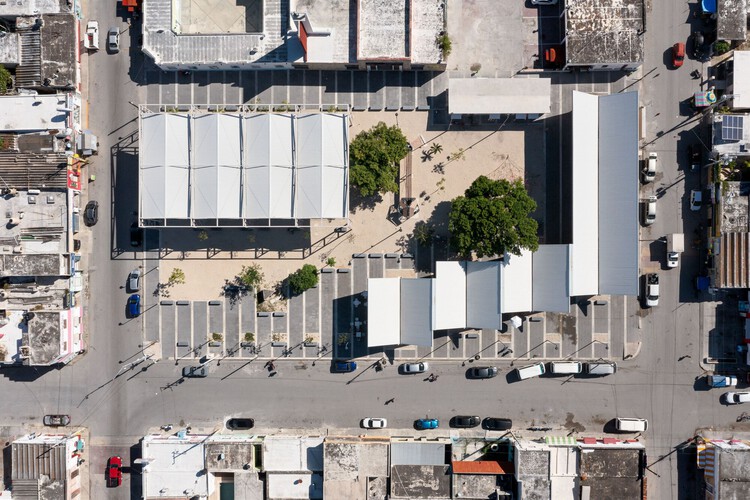
Contemporary Mexican market architecture frequently draws inspiration from its pre-Hispanic precedents. The Tlatelolco Market in ancient Tenochtitlan, for example, featured a large, stone-paved open square with designated "streets", which were divided into sections for specific goods, serving as a significant gathering point for social and economic exchange. Similarly, the tradition of the Tianguis, an ephemeral market typology within the broader Mesoamerican tradition, also arranged stalls in aisles within a public plaza, reflecting organizational principles seen in Tlatelolco. These historical models established a base for the tradition of marketplaces in Mexico and the countries in Central America, where they merge public space and structured layouts for commerce. Today, even though many of Mexico's commercial spaces, notably Mexico City's Central de Abasto and other markets such as the Jamaica, Merced, and San Juan Markets, have taken on a stationary approach to serving their communities, tianguis maintain their foothold in Mexican society.
Situated in one of the fastest-developing regions over the past decade—the southern part of China, including Hong Kong and the Greater Bay Area—urban growth has been driven by an overwhelming wave of commercial ambition. Projects here are often designed for maximum density, height, and efficiency, resulting in developments of enormous scale that can easily span several acres. Prioritizing transit-oriented development, these complexes frequently take the form of sprawling malls built directly above major transportation hubs. Designed to disorient and prolong foot traffic to encourage economic activities, these mega-structures have become commonplace in cities like Hong Kong and Shenzhen.
While this typology of megastructures offers clear advantages—economic efficiency, high development returns, and convenience for transit users—it almost invariably ignores its urban context and environment. These developments often turn a blind eye, deliberately so, to their environmental footprint and the city's walkability. At such overwhelming scales, the human walking experience is diminished, if not outright neglected. Pedestrians become interiorized—trapped within the insulated world of these complexes.