1. ArchDaily
  2. Corporate Urbanism

Corporate Urbanism: The Latest Architecture and News

Subscriber Access

Learning from Capitalism: How Postmodern Architecture Became the Language of American Business

Audio available

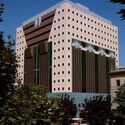
In 1972, Robert Venturi, Denise Scott Brown, and Steven Izenour published Learning from Las Vegas, challenging architects to reconsider the underappreciated, largely dismissed commercial landscape in the United States. Their storied distinction between the "duck," a building whose form communicates its meaning, and the "decorated shed," an ordinary structure whose identity is conveyed through signs and symbols, questioned a widely accepted modernist assumption that architectural expression should emerge from form and function. By examining billboards, neon lights, casinos, and the commercial strips of Las Vegas, the authors argued that architecture should study the visual languages of American consumer culture.

Learning from Capitalism: How Postmodern Architecture Became the Language of American Business - Image 1 of 4Learning from Capitalism: How Postmodern Architecture Became the Language of American Business - Image 2 of 4Learning from Capitalism: How Postmodern Architecture Became the Language of American Business - Image 4 of 4Learning from Capitalism: How Postmodern Architecture Became the Language of American Business - Image 3 of 4Learning from Capitalism: How Postmodern Architecture Became the Language of American Business - More Images+ 22

Subscriber Access

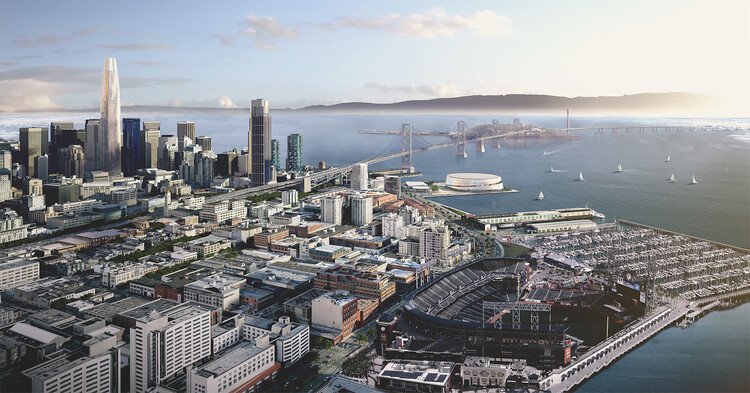
Form, Function, and Funding: The High-Tech Urbanism of San Francisco

Audio available

This article is part of "Thresholds", a special edition printed newspaper by Cobe Notes x ArchDaily.

San Francisco is a city that has always remade itself under pressure. Its Victorian streetscapes have survived seismic retrofits and glass towers, its neighborhoods defined as much by change as by its resistance to change. But no force in the city's history has reshaped the built environment as completely, or as quickly, as the technology economy. What began in the postwar sprawl of Silicon Valley migrated north and inscribed its logic onto the skyline and the lives of residents. The result of this logic is an architectural culture of considerable technical refinement and refined material palettes, yet one that remains largely indifferent to the existing population.

The cost of indifference is measurable and mounting. San Francisco must accommodate more than 82,000 additional housing units by 2031 under California's Regional Housing Needs Allocation framework, in a city where median rent already ranks among the highest of any American metropolitan area. Teachers, healthcare workers, and service employees are actively displaced by a real estate market calibrated to a single sector's income levels rather than the city's largest workforce.

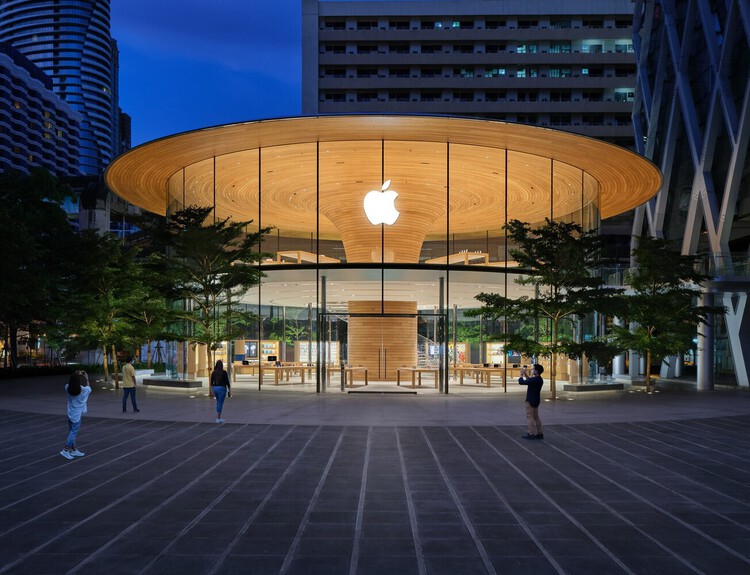
Form, Function, and Funding: The High-Tech Urbanism of San Francisco - Image 1 of 4Form, Function, and Funding: The High-Tech Urbanism of San Francisco - Image 2 of 4Form, Function, and Funding: The High-Tech Urbanism of San Francisco - Image 3 of 4Form, Function, and Funding: The High-Tech Urbanism of San Francisco - Image 4 of 4Form, Function, and Funding: The High-Tech Urbanism of San Francisco - More Images+ 25

Subscriber Access

The Corporate City: Three Models of Company Town Design

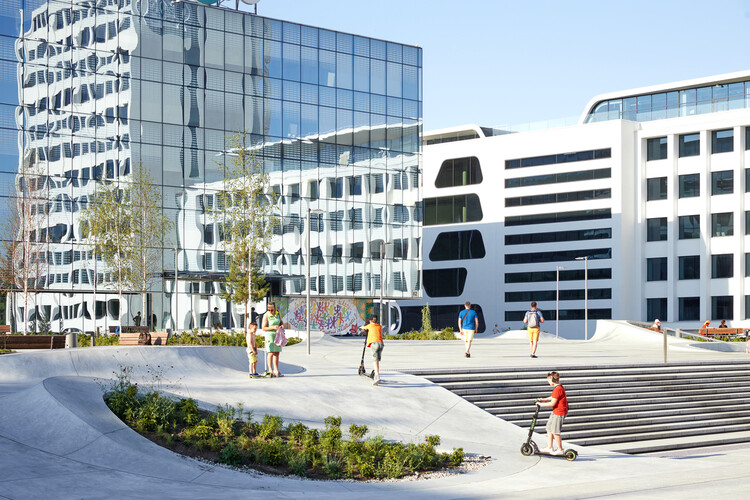
For over a century and a half, corporations have periodically taken on the role of city builders. Neighborhoods or even entire settlements that exist at the intersection of commerce and civic life, "company towns" are recurring urban types. The corporate city has long reshaped itself to match the spirit of each era, whether through the pastoral idealism of industrial England or the cinematic optimism of mid-century America. In its latest guise, the mixed-income campus district, architecture becomes a language of belonging, branding, and quiet persuasion.

The Corporate City: Three Models of Company Town Design - Image 1 of 4The Corporate City: Three Models of Company Town Design - Image 2 of 4The Corporate City: Three Models of Company Town Design - Image 3 of 4The Corporate City: Three Models of Company Town Design - Image 4 of 4The Corporate City: Three Models of Company Town Design - More Images+ 3