1. ArchDaily
  2. Apple

Apple: The Latest Architecture and News

Designing a Brand: How Apple Built an Architectural Language of Glass and Order

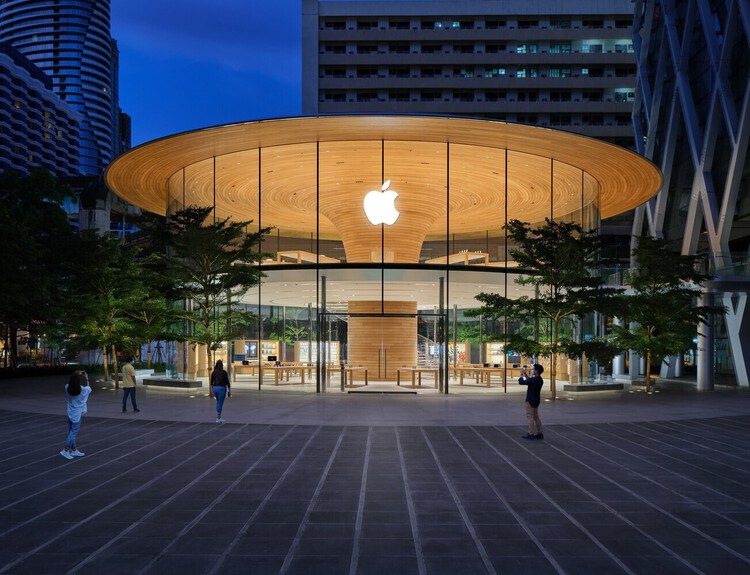
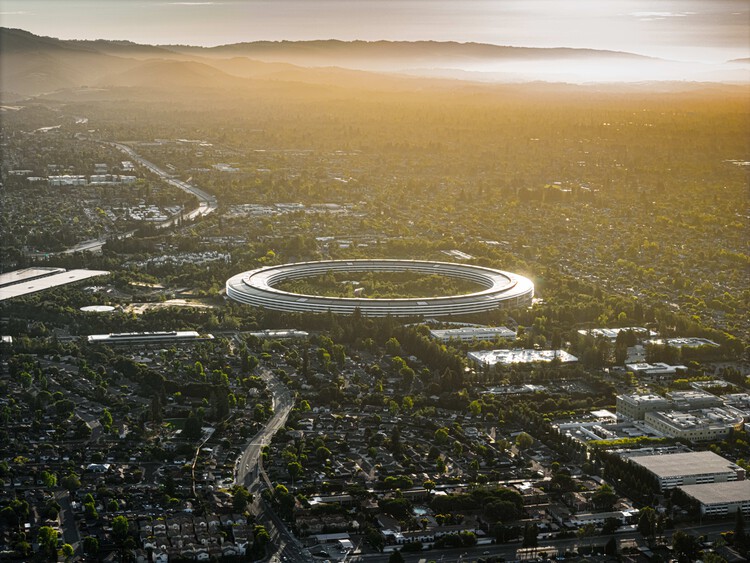
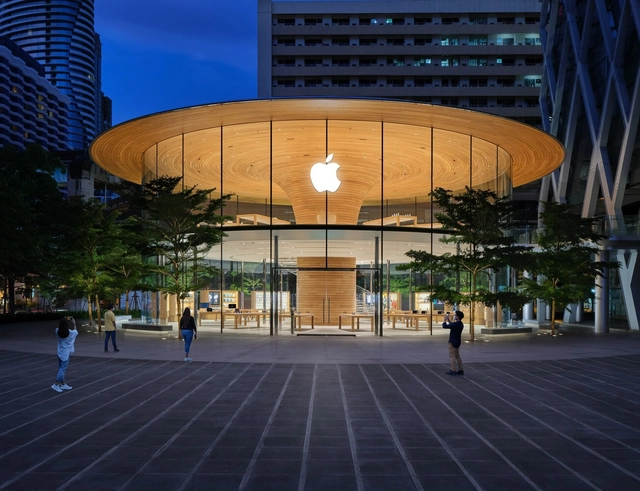
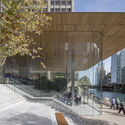
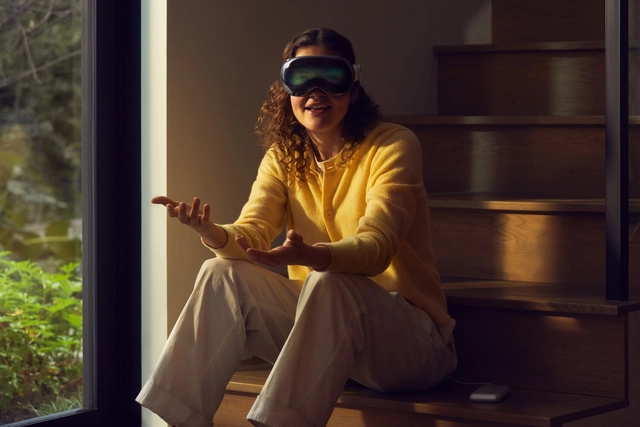
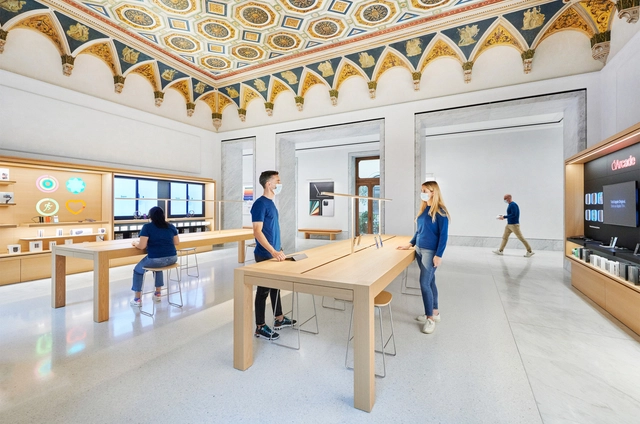
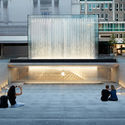
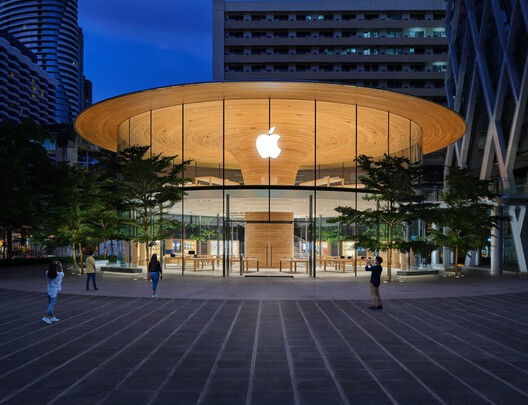
In 2026, Apple marked fifty years since its founding. Over the past two decades, Apple has developed a consistent architectural language that extends its brand into the built environment, transforming stores, workplaces, and public-facing spaces into active components of its identity. These environments guide movement, frame interaction, and condition the ways in which users encounter both products and the company itself.

From the handheld device to the urban interior, Apple has sought to maintain a high degree of control over form, material, and experience. Architecture becomes part of this system when the company begins to define how it is perceived and engaged with in physical space. Research on retail environments has shown how spatial layout, visibility, and circulation patterns can shape behavior and interaction, turning architecture into an interface between brand and user.

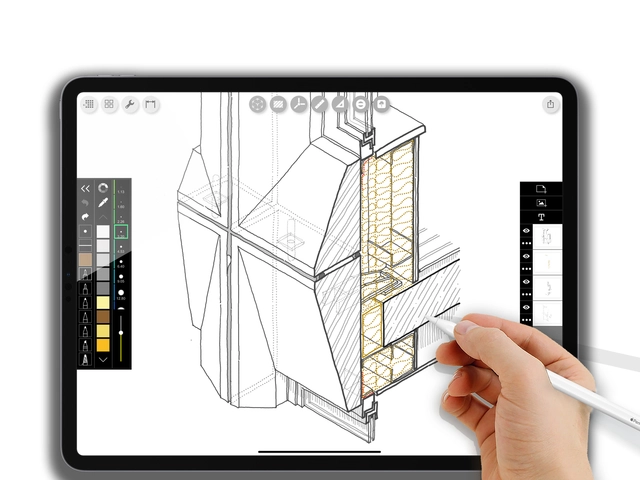
Designing a Brand: How Apple Built an Architectural Language of Glass and Order - Image 1 of 4Designing a Brand: How Apple Built an Architectural Language of Glass and Order - Image 2 of 4Designing a Brand: How Apple Built an Architectural Language of Glass and Order - Image 3 of 4Designing a Brand: How Apple Built an Architectural Language of Glass and Order - Image 4 of 4Designing a Brand: How Apple Built an Architectural Language of Glass and Order - More Images+ 10

When Architects Design Time: Tadao Ando and the Meaning of Youth

 | Sponsored Content

Tadao Ando has joined forces with Cauny to design the newest watch in The Architects of Time Series. This is a collection of watches designed by some of the greatest architects of our time—an initiative that the nearly century-old brand launched in 2019 with none other than Álvaro Siza. From then until today, the collection has proven to be a Pritzker Prize–based tour de force: Siza, Rafael Moneo, Eduardo Souto Moura, and, this year, Tadao Ando.

A Decade of Redefining Experience Retail: 15 Apple Stores Designed by Foster + Partners in City Centers

Subscriber Access | 

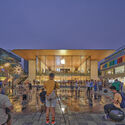
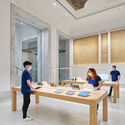
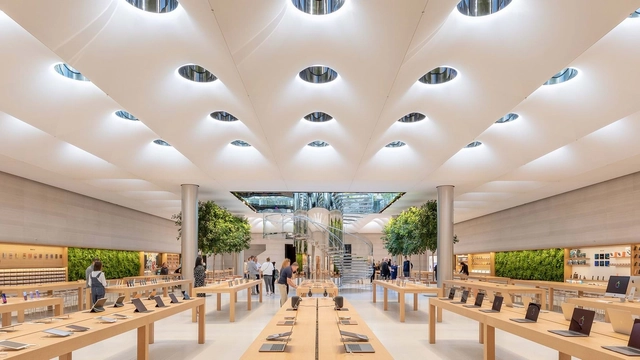
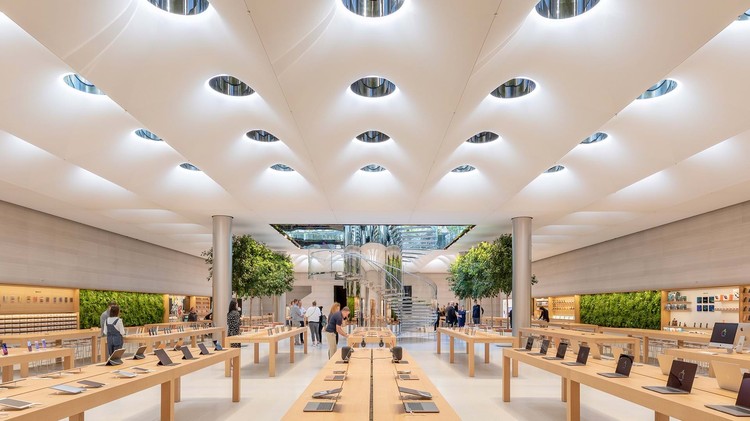
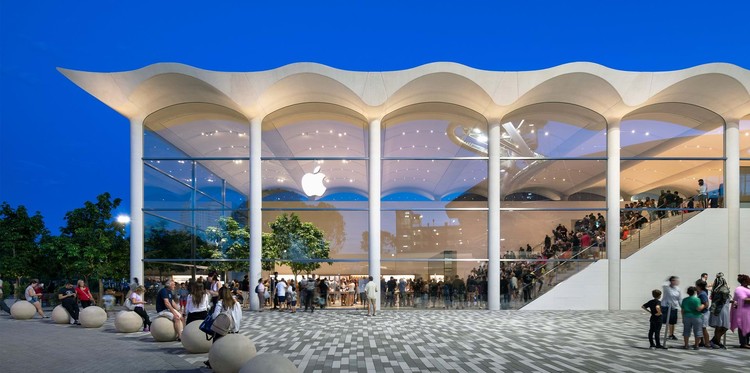
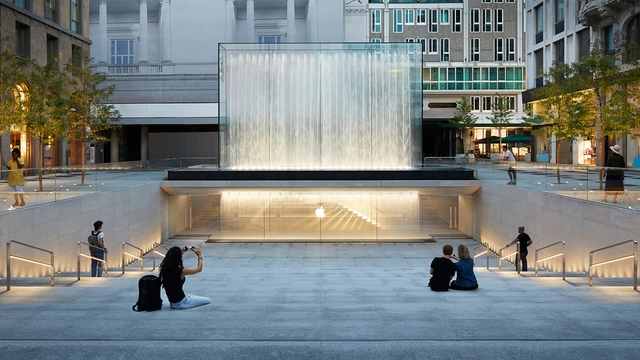
In 2001, Apple issued its Retail Store Manifesto, proclaiming its ambition to use retail to convince people that “Macintosh offers a much simpler, richer, and more human-centered computing experience” despite retail stores being unpopular among technology companies at the time. This vision has shaped Apple’s unique approach to retail, transforming its stores into environments beyond shopping. Since the inception of its first store, Apple has redefined the retail experience, emphasizing customer engagement and education and creating a community around its products. The stores “have become the embodiment of the Apple lifestyle.” This is done through products displayed on tables for easy access and mid-height furniture clusters in an open plan to foster interaction and visual orientation within the more prominent “Apple community.”

A Decade of Redefining Experience Retail: 15 Apple Stores Designed by Foster + Partners in City Centers - Image 1 of 4A Decade of Redefining Experience Retail: 15 Apple Stores Designed by Foster + Partners in City Centers - Image 2 of 4A Decade of Redefining Experience Retail: 15 Apple Stores Designed by Foster + Partners in City Centers - Image 3 of 4A Decade of Redefining Experience Retail: 15 Apple Stores Designed by Foster + Partners in City Centers - Image 4 of 4A Decade of Redefining Experience Retail: 15 Apple Stores Designed by Foster + Partners in City Centers - More Images+ 11

AutoCAD and New Macbook Pro's Retina Display

Subscriber Access | 
AutoCAD and New Macbook Pro's Retina Display - Featured Image

“If I were a drafter, I’d drop everything and buy it.”

So said Rob Maguire, the product manager for Autodesk’s AutoCAD, describing the new 3D-rendering drafting applications that will run on Apple’s latest MacBook Pro.

The new MacBook’s distinguishing feature is its souped-up Retina display - which boasts 4 times as many pixels as its predecessor, 75% less reflection, and 29% higher contrast.

The implications for architects will be practically life-changing. But there is a catch…

Get the scoop on the new AutoCAD App for Macbook, after the break.

Moleskine App for iPad: The Hand of the Architect

Subscriber Access | 
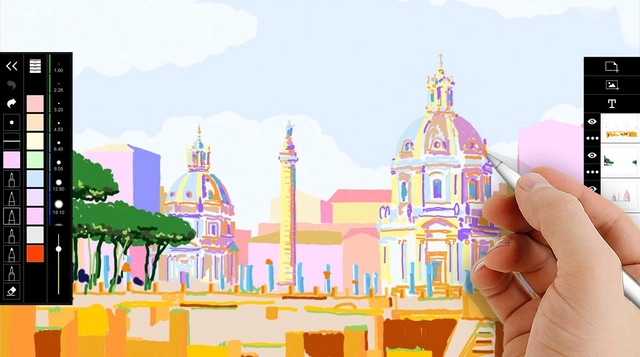
Moleskine App for iPad: The Hand of the Architect - Image 1 of 4
iPad Screenshot via iTunes

Our favorite sketchbook has gone digital! Moleskine presents The Hand of the Architect – an iPad app featuring 378 sketches and drawings from 110 internationally renowned architects, such as Assadi, Botta, Fuksas, Graves, Gregotti, Hadid, Foster and Piano, “showing that every project always begins by hand”. All the works were collected by FAI (Italian National Trust) with the aim of raising funds to restore Piero Portaluppi’s Villa Necchi, known as a 1930s masterpiece of Italian rationalism in Milan. Sketches and drawings are accompanied by essays, captions and the biographies of the architects. You can purchase the app for $18.99 here on iTunes.

In case you missed it, check out Frank Lloyd Wright’s Fallingwater iPad App and Zaha Hadid Architects iPhone & iPad App, previously featured here on ArchDaily.

Updated Plans released for Foster + Partner’s new Apple Campus in Cupertino

Subscriber Access | 
Updated Plans released for Foster + Partner’s new Apple Campus in Cupertino - Image 24 of 4
© Foster + Partners, ARUP, Kier + Wright, Apple

Apple has released updated plans revealing an ambitions solar installation for their proposed campus in Cupertino. Announced back in June, the campus will include an office, research and development building, research facilities, corporate auditorium, fitness center, a central plant and associated parking. Foster + Partners will collaborate with ARUP North America and local civil engineering firm Kier & Wright for the completion of the project.

Continue reading for more details.

Updated Plans released for Foster + Partner’s new Apple Campus in Cupertino - Image 25 of 4Updated Plans released for Foster + Partner’s new Apple Campus in Cupertino - Image 3 of 4Updated Plans released for Foster + Partner’s new Apple Campus in Cupertino - Image 17 of 4Updated Plans released for Foster + Partner’s new Apple Campus in Cupertino - Image 27 of 4Updated Plans released for Foster + Partner’s new Apple Campus in Cupertino - More Images+ 23

Update: New Apple Retail Store at the Third Street Promenade

Subscriber Access | 
Update: New Apple Retail Store at the Third Street Promenade - Featured Image

As we reported on Wednesday, rumors were circulating about a new Apple retail store at the Third Street Promenade in Santa Monica. Wednesday evening the proposal, a transparent glass ceiling commercial building by an unnamed retailer, went before the Santa Monica Planning Commission. Peggy Clifford of the Santa Monica Dispatch reported that the ‘Apple Glass House’ was approved without even a second thought.

The Apple Campus in Cupertino

Subscriber Access | 
The Apple Campus in Cupertino - Featured Image
Apple Campus in Cupertino

Last week the Internet and architecture blogs went crazy after Steve Jobs presented the new Apple Campus to the city of Cupertino, California.

Rumors about Foster + Partners (an office with a high expertise on work environments) working with Apple on this new campus appeared on December last year on a Spanish newspaper, but there was never an official confirmation (or denial). But given that the actual project fits with the information we received from an anonymous tipster last December, it seems it could be right:

“I recently got a tour of Norman Foster’s office in London and saw some images of the Apple Campus design. I believe the main building will be a large donut shaped building with all the offices and labs surrounding a large garden. It was a very pure form which connects to some of the recent Apple stores, but I was surprised that it didn’t really scream Apple to me. Of course it could have been a very preliminary design that wasn’t fully resolved yet. Anyway, I just thought I would pass on some info.”

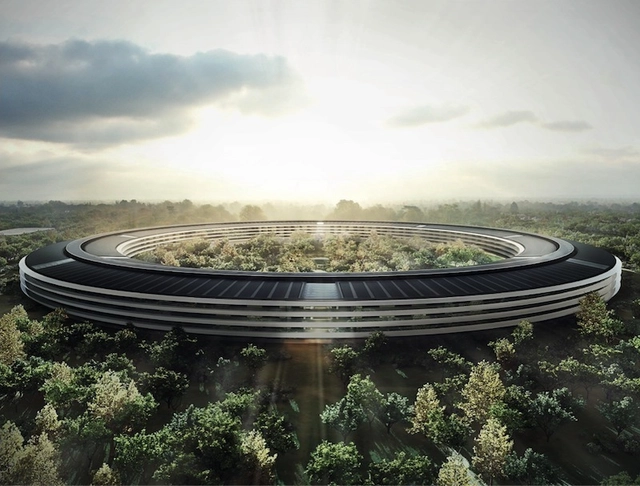
During Steve Job’s presentation to the city of Cupertino we could see this round building, and Jobs outlined several facts on how this new campus for 12,000 people will improve the 98-acre site, such as taking parking underground to reduce the footprint, increasing landscaping from 20% to 80%, and planting more trees (3,700 now, 6,000 in the future). It even includes its own natural gas based energy generation plant (as seen on the drawings) with the electrical grid as backup.

The Apple Campus in Cupertino - Image 9 of 4
Apple Campus in Cupertino

As for the 4-story round building, Jobs said:

“It’s a pretty amazing building. It’s a little like a spaceship landed. It’s got this gorgeous courtyard in the middle… It’s a circle. It’s curved all the way around. If you build things, this is not the cheapest way to build something. There is not a straight piece of glass in this building. It’s all curved. We’ve used our experience making retail buildings all over the world now, and we know how to make the biggest pieces of glass in the world for architectural use. And, we want to make the glass specifically for this building here. We can make it curve all the way around the building… It’s pretty cool.”
We reached Steve Jobs over the past weekend to get more details about the project and he said that he wasn´t interested in presenting the project on ArchDaily at this time, possibly because the project still needs to be approved by the city. We hope to bring you more details later on, so you can have an informed opinion.

More images from the presentation after the break.