1. ArchDaily
  2. Uber

Uber: The Latest Architecture and News

Tourism Gentrification in the United States: How Short Term Rentals Impact American Cities

Subscriber Access | 

Airbnb has undoubtedly disrupted the hospitality industry, inspiring an ecosystem of companies leveraging the sharing economy such as co-living startups. While these companies have achieved impressive financial success, they have been purported to produce problematic effects at the scale of the city. Airbnb, in particular, is alleged to have driven an increase in rental prices in cities already grappling with housing affordability challenges. Much like the case of Uber's impact on urban mobility, Airbnb's rapid growth has caused significant challenges for local governments, demanding comprehensive regulation and a re-evaluation of its functioning at the city scale.

Tourism Gentrification in the United States: How Short Term Rentals Impact American Cities  - Image 1 of 4Tourism Gentrification in the United States: How Short Term Rentals Impact American Cities  - Image 2 of 4Tourism Gentrification in the United States: How Short Term Rentals Impact American Cities  - Image 3 of 4Tourism Gentrification in the United States: How Short Term Rentals Impact American Cities  - Image 4 of 4Tourism Gentrification in the United States: How Short Term Rentals Impact American Cities  - More Images

Urban Mobility in the United States: How Ridesharing Services Impact American Cities

Subscriber Access | 

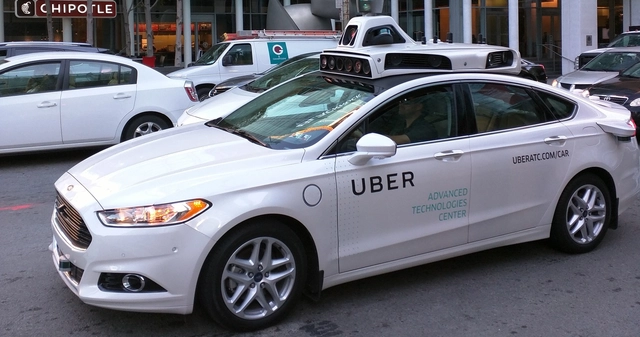
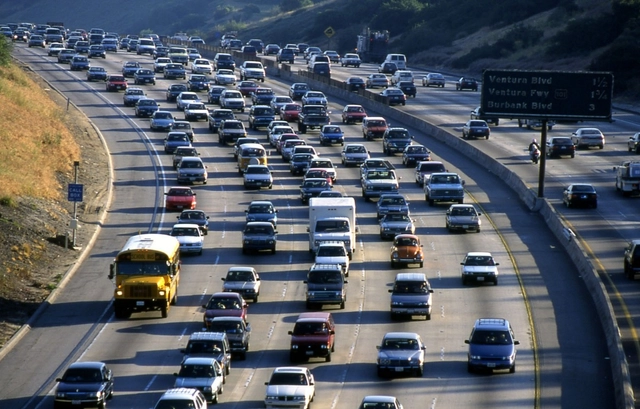
Urban mobility in the United States has seen a radical transformation with the introduction of ridesharing services in the late 2000s. The widespread adoption of services such as Uber and Lyft has altered the way citizens move around cities, offering convenience, flexibility, and accessibility like never before. The innovative business model that excels at designing for individual users failed to foresee larger implications at the scale of the city - congestion, public transit systems, and car ownership. While European countries such as Brussels have pledged to encourage public transportation to curb traffic congestion issues, American cities hunt for solutions of their own.

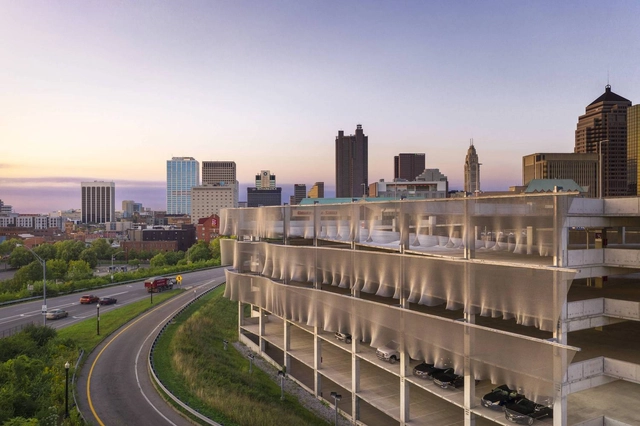
Urban Mobility in the United States: How Ridesharing Services Impact American Cities - Image 1 of 4Urban Mobility in the United States: How Ridesharing Services Impact American Cities - Image 2 of 4Urban Mobility in the United States: How Ridesharing Services Impact American Cities - Image 3 of 4Urban Mobility in the United States: How Ridesharing Services Impact American Cities - Image 4 of 4Urban Mobility in the United States: How Ridesharing Services Impact American Cities - More Images+ 3

The Future of the Sharing Economy in the COVID-19 Aftermath

The sharing economy, an economic system that involves individuals renting out or sharing their personal property including their homes and cars, has been severely impacted as the wave of COVID-19 ebbs and flows across the world. Popular companies like Uber, Airbnb, bike shares, and a variety of coworking spaces that we are so accustomed to being essential parts of our lives, have been making adjustments and creating new strategies to ensure that their customers feel safe and reimagine how they might adapt to an uncertain road ahead.

Transit Futures: New Innovations Moving Transport Forward

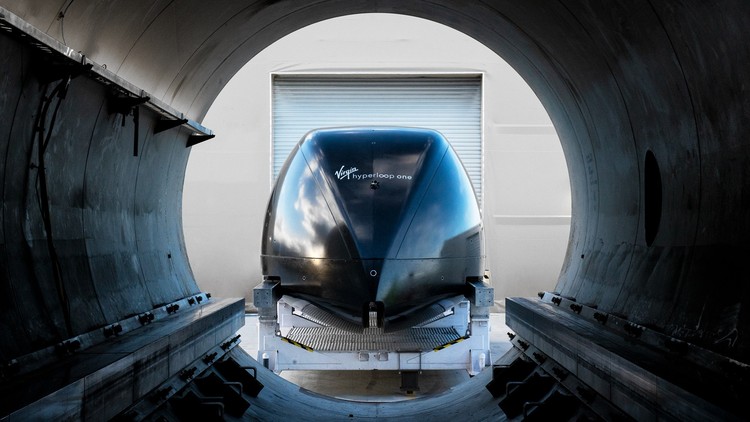
Transit Futures: New Innovations Moving Transport Forward - Featured Image
Courtesy of Virgin Hyperloop One

Between advances in autonomous technology and urban population growth, transit is being reimagined on the street and in the air. From public transit transforming to more user-centric mobility services, to rethinking regulatory and organizational status quos, advances in technology are expanding transit opportunities in cities around the world.

Transit Futures: New Innovations Moving Transport Forward - Image 1 of 4Transit Futures: New Innovations Moving Transport Forward - Image 2 of 4Transit Futures: New Innovations Moving Transport Forward - Image 3 of 4Transit Futures: New Innovations Moving Transport Forward - Image 4 of 4Transit Futures: New Innovations Moving Transport Forward - More Images+ 12

30 Workspaces for the World’s Biggest Tech Companies

For technology companies, image is everything. Whether it be the latest iPhone, the newest Slack interface, or the latest Uber app update, these multimillion-dollar giants strive daily to keep the user engaged, and to keep their image young, current, and cutting edge. Invariably, this need to be noticed transcends the digital screen, and manifests in the architecture of the offices where this innovation takes place.

Across the world, from Dublin to Tel Aviv to Tokyo, the workspaces of the world's largest tech companies are redefining how offices are designed, aided by leading architects such as Foster + Partners, Snøhetta, and Gehry Partners. While our recent article on solutions for flexible home offices reflects on strategic functionality and individual expression, the 30 workspaces below dedicate themselves to collaboration and inspiration through a play on scales, color, shapes, and unexpected fixtures.

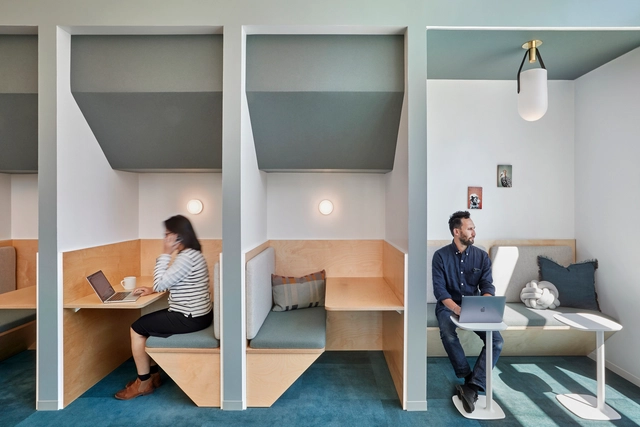
30 Workspaces for the World’s Biggest Tech Companies - Image 1 of 430 Workspaces for the World’s Biggest Tech Companies - Image 2 of 430 Workspaces for the World’s Biggest Tech Companies - Image 3 of 430 Workspaces for the World’s Biggest Tech Companies - Image 4 of 430 Workspaces for the World’s Biggest Tech Companies - More Images+ 26

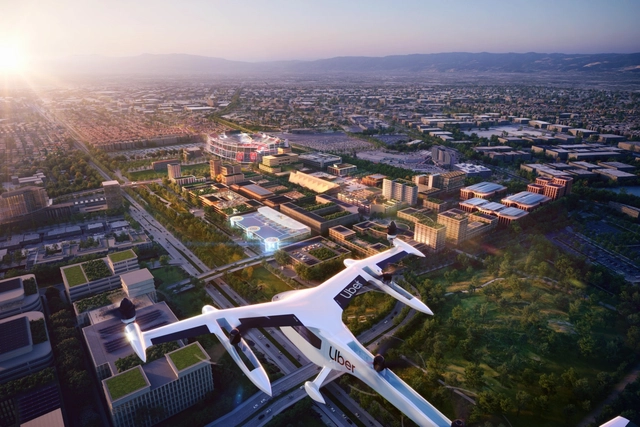
Foster + Partners Unveils Uber Skyport for Santa Clara

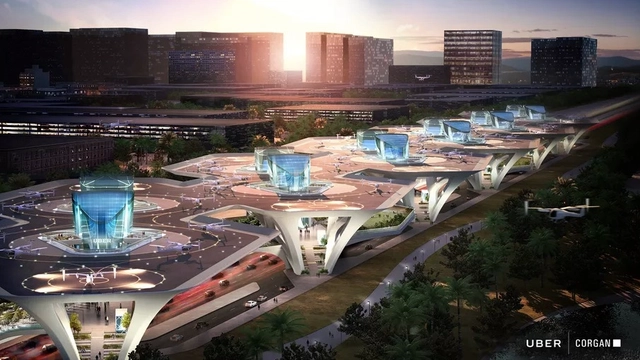
Uber Elevate and Related Companies have unveiled their Foster + Partners-designed vision for a future Skyport in Santa Clara. The 240-acre site illustrates the benefits aerial ridesharing could provide for the Bay Area and other cities in the future.

A Different Kind of Sharing Economy: How the REAL Foundation is Building Social Equity Into the Nuts and Bolts of Architecture

The Chicago Architecture Biennial is the largest platform for contemporary architecture in North America, and the blog invites designers and other contributors to express their perspectives in a range of formats. The 2017 exhibition, entitled Make New History, will be free and open to the public between September 16, 2017 and January 6, 2018.

A Different Kind of Sharing Economy: How the REAL Foundation is Building Social Equity Into the Nuts and Bolts of Architecture - Image 5 of 4
Courtesy of Real Foundation

Chicago Architecture Biennial (CAB): We want to start by noting that REAL foundation, which stands for "Real Estate Architecture Laboratory," is not a typical design practice. You design spaces, but you also make books, exhibitions, a magazine, and tools for advocacy. Why?

Jack Self (JS): The REAL foundation is an unusual model for an architectural firm. We're a normal architectural practice, but we are governed by a very strict set of conditions that allow us to pursue certain political and economic ideologies. We see the social role of the architect, as well as the structure of the architectural firm, as a subject for design as much as buildings.

A Different Kind of Sharing Economy: How the REAL Foundation is Building Social Equity Into the Nuts and Bolts of Architecture - Image 1 of 4A Different Kind of Sharing Economy: How the REAL Foundation is Building Social Equity Into the Nuts and Bolts of Architecture - Image 2 of 4A Different Kind of Sharing Economy: How the REAL Foundation is Building Social Equity Into the Nuts and Bolts of Architecture - Image 3 of 4A Different Kind of Sharing Economy: How the REAL Foundation is Building Social Equity Into the Nuts and Bolts of Architecture - Image 4 of 4A Different Kind of Sharing Economy: How the REAL Foundation is Building Social Equity Into the Nuts and Bolts of Architecture - More Images+ 1