Airbnb has undoubtedly disrupted the hospitality industry, inspiring an ecosystem of companies leveraging the sharing economy such as co-living startups. While these companies have achieved impressive financial success, they have been purported to produce problematic effects at the scale of the city. Airbnb, in particular, is alleged to have driven an increase in rental prices in cities already grappling with housing affordability challenges. Much like the case of Uber's impact on urban mobility, Airbnb's rapid growth has caused significant challenges for local governments, demanding comprehensive regulation and a re-evaluation of its functioning at the city scale.
New York City’s Local Law 18, also known as the Short-Term Rental Registration Law, came into effect on September 5, changing the way in which short-term apartment rentals operate in the city. The new local legislation dictated that from now on, short-term rental hosts in the city must register with the Office of Special Enforcement (OSE) to obtain a license, and rentals are only allowed if the host lives in the place and is present for the duration of the guest’s stay. The number of guests is also limited to just two, and the duration is limited to 30 days. The legislation is not an explicit ban on platforms such as Airbnb, but the strict regulations make it almost impossible for the service to continue its activity.
When Airbnb began nearly 15 years ago, it offered a new and innovative solution to book short-term stays without any hassle. By renting out a spare room or an entire apartment, it provided an alternative to traditional hotel models which were often overpriced and overbooked. Airbnb now faces many critics as the company quickly grew, offering hundreds of thousands of stays around the globe, but not without a handful of negative experiences. Now, planners and policymakers are beginning to see the effects of the abundance of Airbnb listings and how it impacts a growing housing crisis.
Airbnb has long been a reliable way to find a homestay. Since its inception in 2008, the site has hosted more than 7 million homes around the world where travelers can stay in a room, or rent an entire house out for themselves. Recently, many cities have been cracking down on short-term stays, citing safety issues, false listings, and rising property prices which push people out of their homes when housing becomes used just for Airbnb rentals. What are cities doing about these issues? What is Airbnb doing to help remediate them? And will Airbnb be viable for much longer?
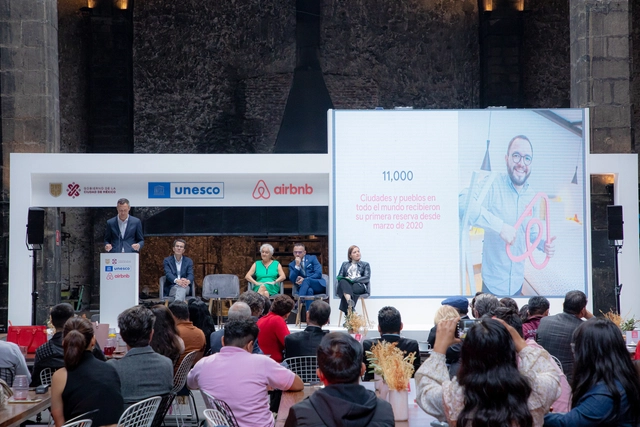
Airbnb se une con la Ciudad de México y con UNESCO para posicionar a la ciudad como capital del turismo creativo y los trabajadores remotos en América Latina. Image via Airbnb
The Government of Mexico City, UNESCO and Airbnb announced an alliance "to position the city as the capital of creative tourism and remote workers in Latin America". The announcement was made known through the Mexico City Government's social networks and Airbnb's news section. However, on August 9th, 2021, UNESCO unveiled the strategy with the intention of "contributing to the reactivation of tourism in a responsible and sustainable way in Mexico, and extending the benefits of cultural and creative tourism to more communities, Airbnb will promote, with the accompaniment of the United Nations Educational, Scientific and Cultural Organization ("UNESCO"), destinations and experiences outside the traditional tourist circuit."
The sharing economy, an economic system that involves individuals renting out or sharing their personal property including their homes and cars, has been severely impacted as the wave of COVID-19 ebbs and flows across the world. Popular companies like Uber, Airbnb, bike shares, and a variety of coworking spaces that we are so accustomed to being essential parts of our lives, have been making adjustments and creating new strategies to ensure that their customers feel safe and reimagine how they might adapt to an uncertain road ahead.
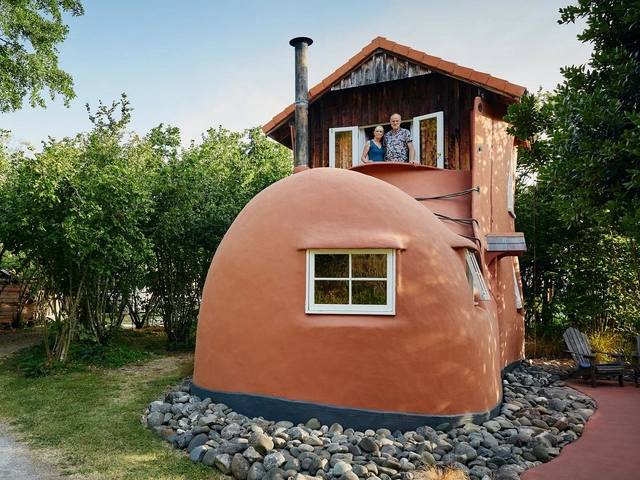
Airbnb has launched a $1 million design fund to finance 10 “unconventional and unusual” homes. Looking for the “wildest home ideas”, the competition-based program is called the Unique Airbnb Fund and will be judged by actor Billy Porter, MVRDV partner Fokke Moerel, and Airbnb Superhost Kristie Wolfe. Each of the finalists will receive a grant to make their eccentric Airbnb design concepts a reality.
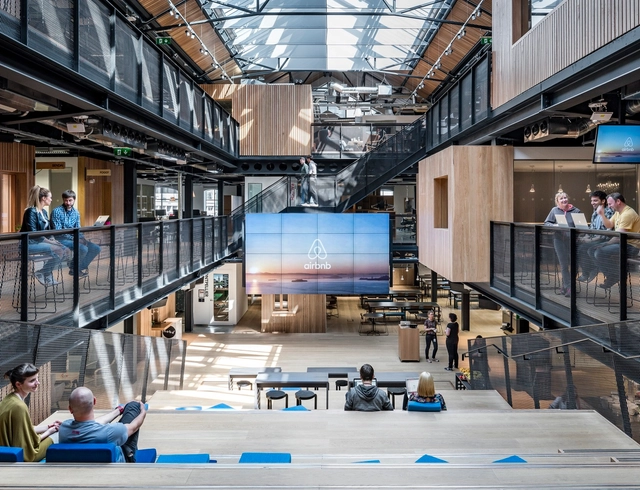
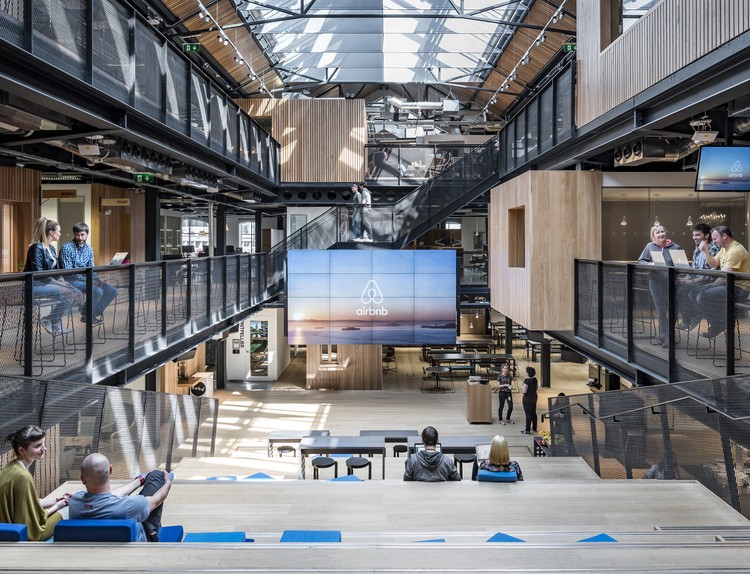
Airbnb is changing the way we experience buildings and cities. Founded in 2008, the digital platform utilizes technology to enable real-world experiences, and in turn, aims to create a world where you can feel at home anywhere. With its own in-house design teams like Samara and Airbnb Environments, the company has begun shaping the future of how we live and work.
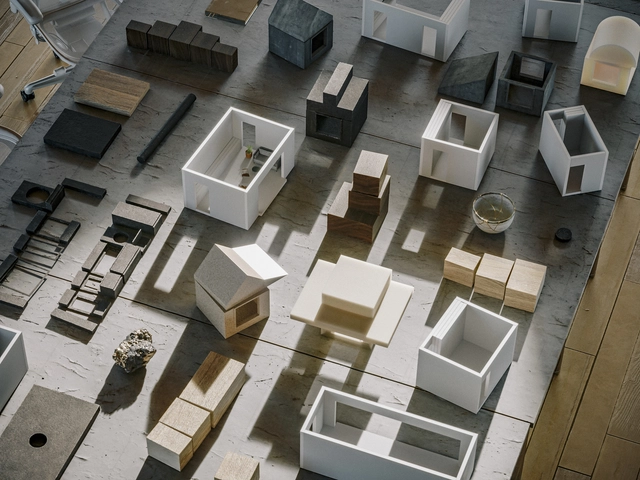
With an aim to become a company that also offers houses, not just housing, Airbnb is venturing in the creation of prototypes of homes. Through Samara, its future-oriented product design team, and the Backyard initiative, new ideas are tested, new ways of living and experiencing the sheltered space are explored.
Airbnb has partnered with the Musée du Louvre to offer a unique experience for one lucky winner to sleep underneath the museum’s iconic Pyramid for one night. On April 30th, the winner will take up residence within I.M Pei’s famous 1989 addition to the Parisian complex, part of an elaborate “night at the museum” experience.
https://www.archdaily.com/914335/airbnb-is-treating-one-lucky-guest-to-a-night-in-the-louvre-including-drinks-with-the-mona-lisaNiall Patrick Walsh
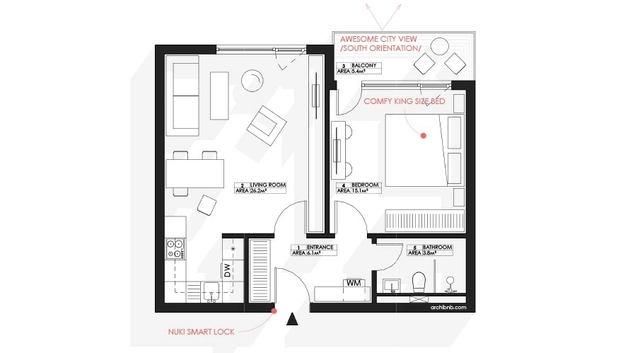
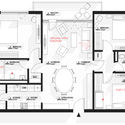
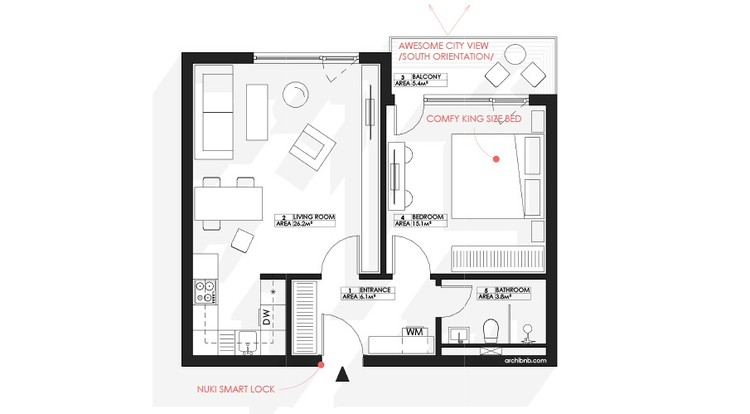
Drawing service Archibnb has begun creating architectural floor plans for Airbnb listings. Trading in rough sketches for professional plans, the team aims to make Airbnb listings more competitive by providing additional clarity on room privacy, layout and amenities. Hosts create a sketch and include any photos or information on the listing, and within three working days the final plan is delivered for $49.00 per property.
As 2018 draws to a close, accommodation website Airbnb has dived into their data to reveal the most creative cities and countries from the year. Based on the percentage of hosts who are in the creative industries, the list builds on a previous survey by Airbnb which found that one in 10 Airbnb hosts and one in three Experience hosts identify as members of the creative community.
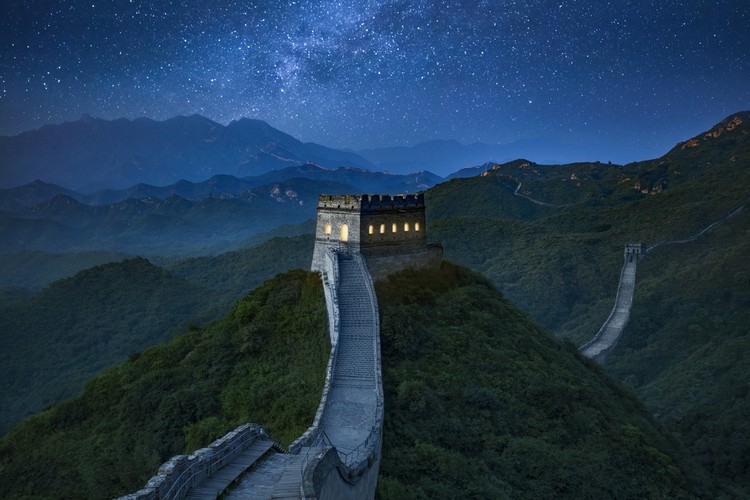
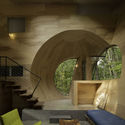
Home-sharing has become a phenomenon in the real estate and housing markets, with design playing a key factor in the success of a property, home, or room. The radical departure from the beige wallpaper and white linen hotel room has opened up a world of possibility for the adventurous traveler, from spending a night on the Great Wall of China to staying in an architectural masterpiece.
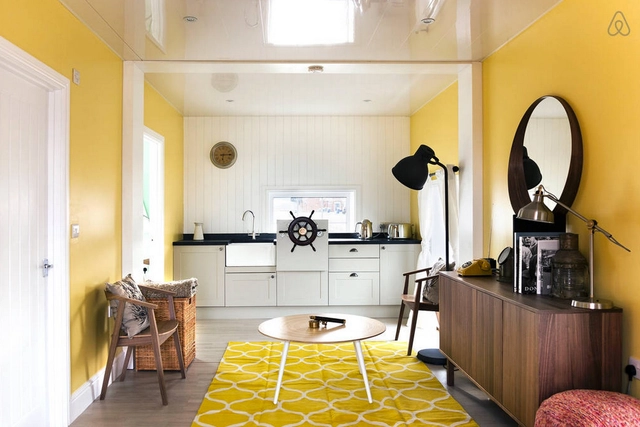
To help you design a successful Airbnb, we have provided 25 design tips for homeowners looking to turn their properties into profit. Remember, it's all about first impressions, and having that “curb appeal” will ultimately bring in people seeking one-of-a-kind experiences.
ArchDaily and Airbnb were both founded in 2008, but for two very different reasons. Since then, ArchDaily has amassed a vast database of tens of thousands of buildings, located in cities and countries all around the world. Meanwhile, Airbnb has revolutionized the way in which we explore these countries, and use these buildings, even if just for one night.
Airbnb is giving four lucky winners the honor of being among “the first people in thousands of years to spend the night on the Great Wall of China.” The competition, open until August 11th, offers the prize of staying in a custom-designed home situated on one of the seven wonders of the modern world.
The competition, run in collaboration with the Beijing Tourism Development Committee, is intended to “promote sustainable tourism to China by spotlighting wide-ranging efforts to preserve the Wall’s deep heritage and bring Chinese culture to life.” The four winners will have to adhere to strict House Rules, such as respecting their 1.38 billion neighbors, refraining from waking ancient guards with loud music, and promising not to disturb dragons.
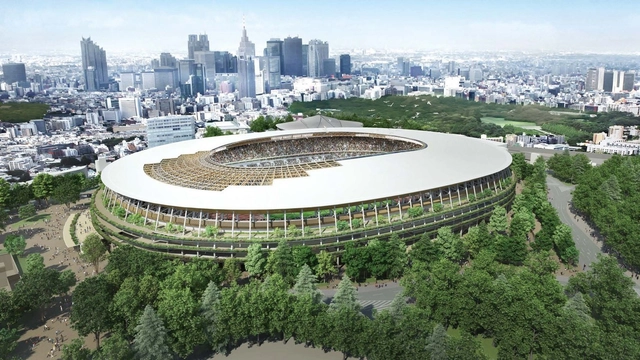
Five lucky architecture enthusiasts and Airbnb users have been offered the unique experience to accompany Kengo Kuma on a guided tour of the 2020 Olympic stadium in Tokyo. The renowned architect has collaborated with Airbnb to offer the exclusive experience, described as a “visit to Kengo’s under-construction Olympic stadium, along with a meet and greet at his studio and tea with the celebrated architect.”
The July 31st tour, sadly fully booked, offers an insightful example of architects collaborating with leaders of the “gig economy” to offer design experiences directly to the public.
https://www.archdaily.com/898376/kengo-kumas-airbnb-experience-to-include-tour-of-2020-tokyo-olympic-stadiumNiall Patrick Walsh


























.jpg?1533734642 "VillaLóla / ARKÍS architects. Image © ARKÍS architects")