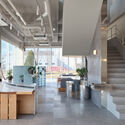
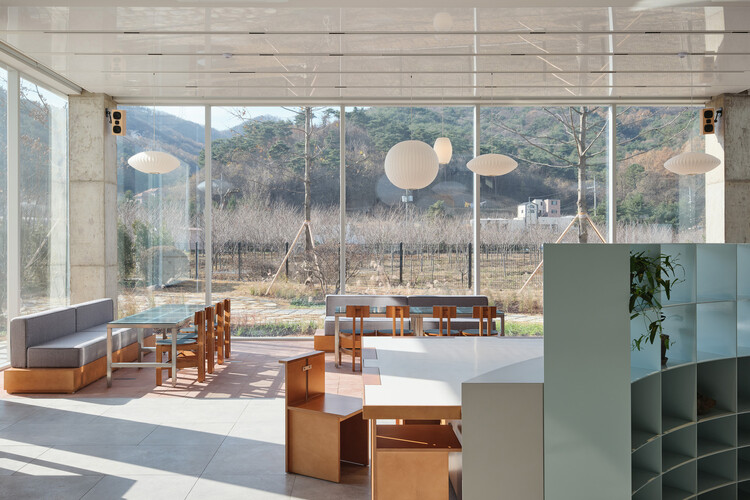
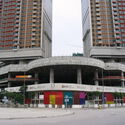
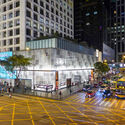
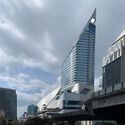
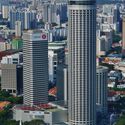
For decades, commercial space was primarily understood as the setting where a transaction took place. Today, faced with new forms of consumption and a distinct relationship between the physical and the digital, retail design is once again questioning what a space can offer beyond the product itself.
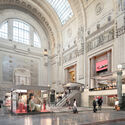
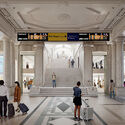
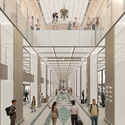
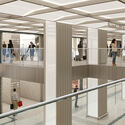
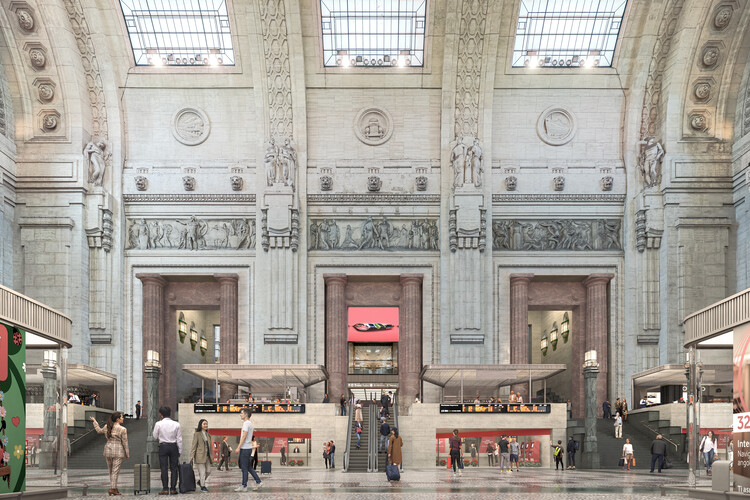
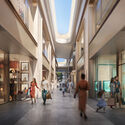
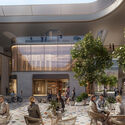
Milano Centrale is the main train station in northern Italy and the second-largest station in Italy behind Roma Termini. The building was officially opened on July 1, 1931, replacing the city's first central station, which opened in 1864. The construction was intended to showcase the power of then-Prime Minister Mussolini's fascist regime, with a notorious scale, massive arches, and an imposing facade. Following a private competition promoted by Grandi Stazioni Retail, Park, an Italian interdisciplinary collective, was selected to redesign the station's ground floor and mezzanine levels, transforming the historic city landmark into a contemporary urban platform.
"Coffee or tea?" is one of those phrases that follows you across contexts: asked on airplanes, after a meal, in hotel lounges, and in meeting rooms. It sounds like a small question—mere preference, a quick fork in the service script. Yet it also carries a quiet cultural inheritance. Tea arrives with the long history of ritual and domestic pacing, tied to older geographies of trade and everyday etiquette. Coffee arrives with a different lineage of circulation, later industrialized into the modern café and its public-facing rituals. In both cases, the drink is never only a drink; it is a practiced relationship to time and space.
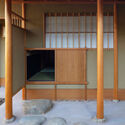
In contemporary East Asia, however, "coffee or tea" increasingly reads as something else: imperceptibly or subconsciously, it is becoming more of a choice about where you want to be. Each beverage now carries a spatial expectation. Coffee implies a room you can occupy—often a place to pause, work, meet, or cool down. Tea, despite being culturally pervasive, appears more diffusely across the city—sometimes as a dedicated destination, sometimes as a high-frequency kiosk, and very often as an embedded default within dining typologies. The result is that a question posed as taste has begun to operate as a subtle indicator of spatial preference: whether you are seeking duration or velocity, enclosure or flow, a third place or a quick node on the street.
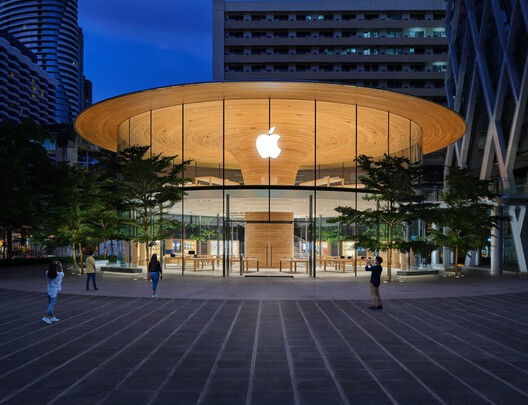
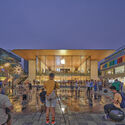
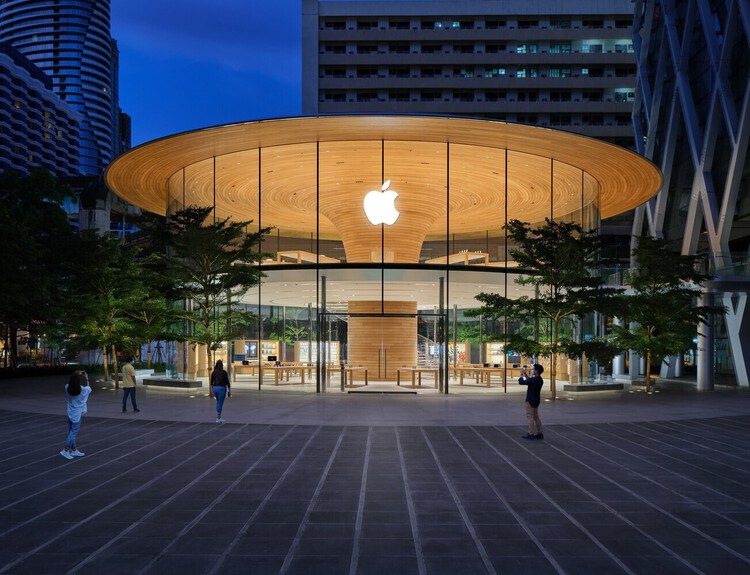
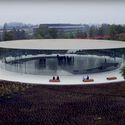
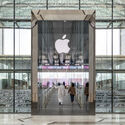
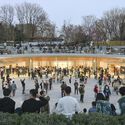
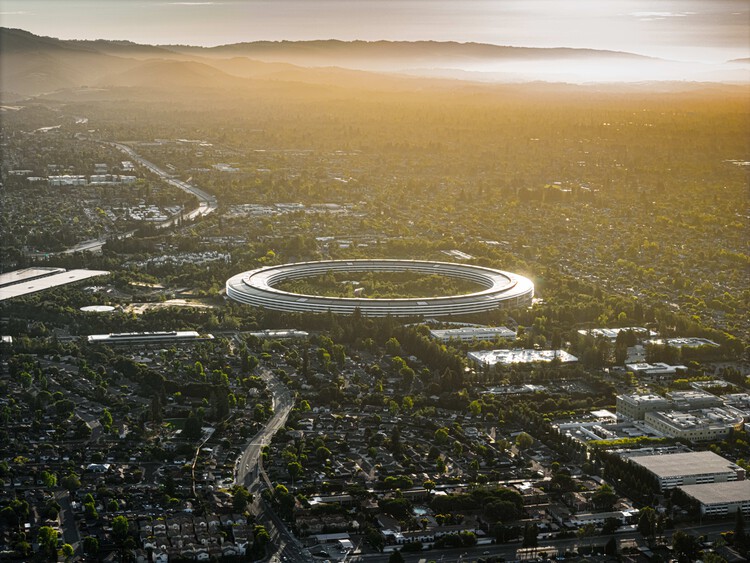
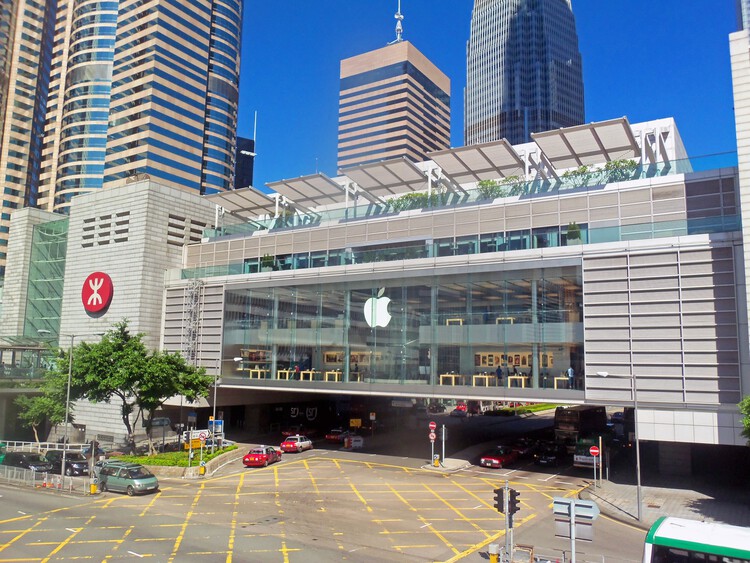
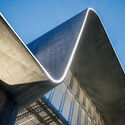
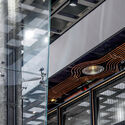
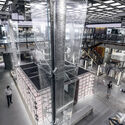
In 2026, Apple marked fifty years since its founding. Over the past two decades, Apple has developed a consistent architectural language that extends its brand into the built environment, transforming stores, workplaces, and public-facing spaces into active components of its identity. These environments guide movement, frame interaction, and condition the ways in which users encounter both products and the company itself.
From the handheld device to the urban interior, Apple has sought to maintain a high degree of control over form, material, and experience. Architecture becomes part of this system when the company begins to define how it is perceived and engaged with in physical space. Research on retail environments has shown how spatial layout, visibility, and circulation patterns can shape behavior and interaction, turning architecture into an interface between brand and user.
If elevated networks reveal a city that increasingly walks above the street, the podium–tower is the typology that often makes that condition feel inevitable. Across Southeast Asia, podium–tower projects have become one of the dominant languages of metropolitan growth: a system that concentrates housing, jobs, retail, and transit connections into highly legible and managed parcels. From an urban planning perspective, the model can be remarkably effective—absorbing congestion, formalizing circulation, and delivering density quickly. Yet as it spreads, the typology also raises a quieter question: what does it optimize for, and what does it erode—especially at the level of the street, where urban life is meant to be negotiated rather than curated?
At its simplest, the podium–tower is a hybrid structure consisting of a high-coverage, low-rise podium supporting one or more slender vertical towers. The podium typically carries the logistical and commercial weight of the development—retail, parking, loading, drop-offs, back-of-house services, and often amenity decks—while the tower stacks private programs above, whether residential, office, hotel, or mixed use. The promise is twofold: maximize urban density while maintaining a "human-scaled" street wall, and separate the messy logistics of city life from the quieter domain of living and work.
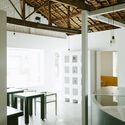
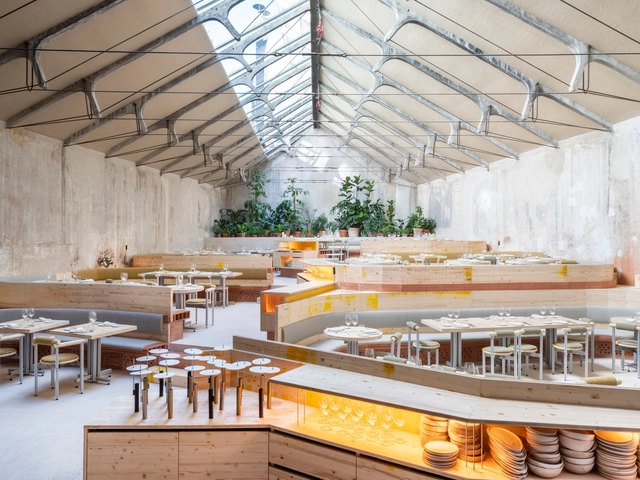
In Hong Kong, where interiors and small buildings are routinely caught between two extremes—high-gloss "luxury" finishes on one end, and budget-cautious industrial roughness on the other—a third attitude has emerged through the calibration of both: a uniquely precise, relevant, and materially honest execution that is not dependent on price point. This is calibrated rawness. Calibrated rawness describes an architecture that retains the directness of matter and materiality—concrete, metal, blockwork, exposed structure, visible services—while subjecting it to rigorous control.
The "raw" is not a costume, and the "refined" is not polished; it is a discipline of precise execution, producing spaces that feel balanced and considered, yet never "made up" or overworked. Studio 1:1 demonstrates this attitude consistently across its work—and its upcoming publication, Architecture under the Radar: Three Projects in Asia (with a foreword by Nader Tehrani), offers a timely frame through which to read this ethos as more than an aesthetic, but as a repeatable architectural method.
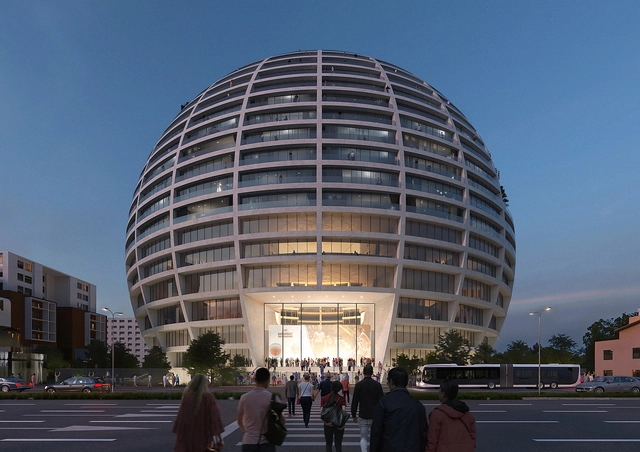
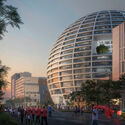
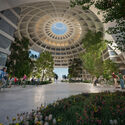
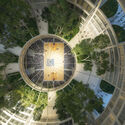
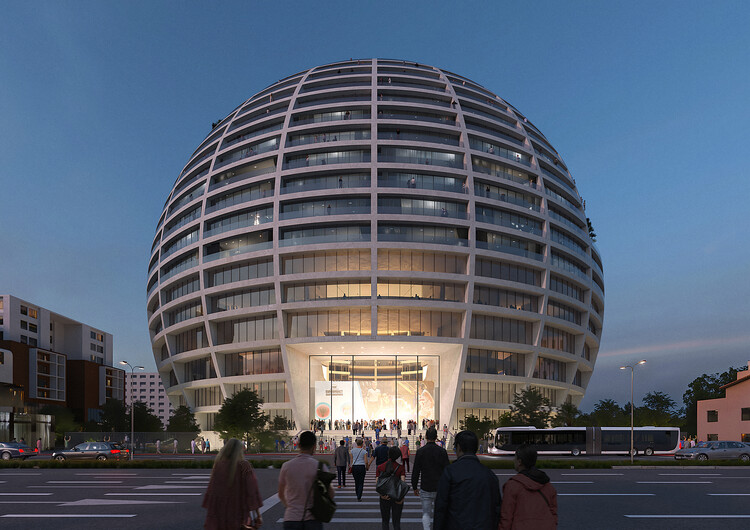
"The Grand Ballroom" Asllan Rusi sports palace project in Tirana, Albania by MVRDV. Image Courtesy of MVRDV
Tirana, the capital of Albania, is experiencing a rapid transformation driven by the long-term urban strategy outlined in the Tirana 2030 (TR030) Master Plan. Developed in 2017 by Stefano Boeri Architetti, UNLAB, and IND [Inter.National.Design] through a competition organized by the Ministry of Urban Development, the plan's objectives include increasing urban density, improving public infrastructure, and integrating green spaces and open areas into the urban fabric. It is in this dynamic setting that MVRDV has won the international competition for Tirana's new Asllan Rusi Sports Palace. Conceived as a mixed-use development, the project, named The Grand Ballroom, combines a 6,000-seat arena for basketball and volleyball with residential apartments, a hotel, and ground-level retail. With its spherical form exceeding 100 metres in diameter, the design adds a distinctive landmark to Tirana's growing collection of ambitious architectural projects.
Does architecture alone define how we inhabit a space? It's becoming increasingly clear that it does not. The objects within a space—particularly furniture and other design pieces—not only serve functional purposes but actively shape the spatial and human experience. As schools, homes, and offices evolve to accommodate new ways of working, living, and socializing, furniture accompanies these transitions, prompting conversations that extend beyond functionality and engage the corporeal dimension implied in its use.
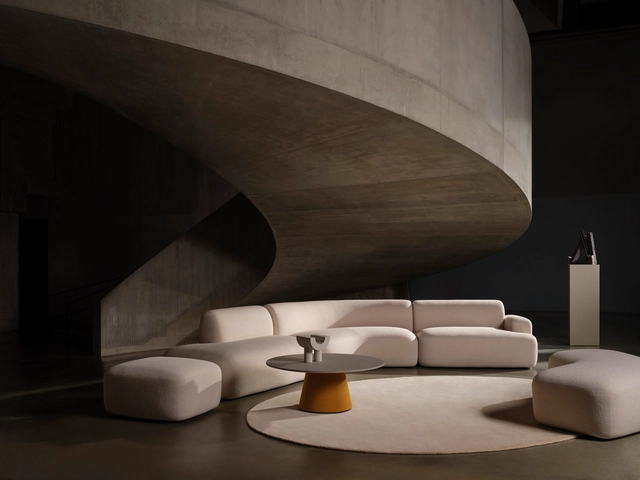
Several decades ago, British architects Alison and Peter Smithson were already exploring the relationship between the body, everyday experience, and space at an architectural scale. Since then, contemporary concepts of flexibility and comfort have expanded this framework to include other scales, such as furniture. These transformations have fostered the consolidation of modular seating systems whose flexibility and adaptability respond to diverse ways of living and relating to space. Emerging from this context are forward-thinking proposals, such as Beau's comprehensive range of seating and table units—an expansive modular seating system designed for multiple possibilities, with a significant emphasis on comfort and sensory appeal.
https://www.archdaily.com/1031877/an-expansive-modular-sofa-system-reimagining-comfort-beyond-sitting-onEnrique Tovar
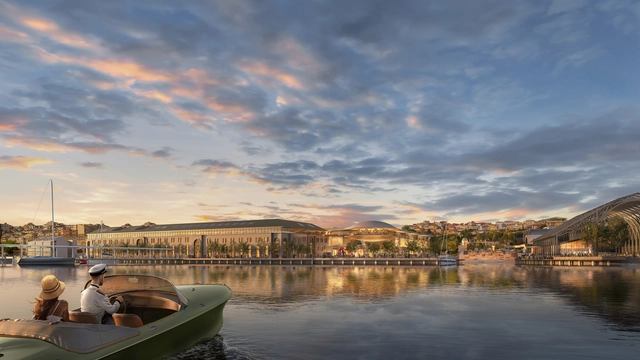
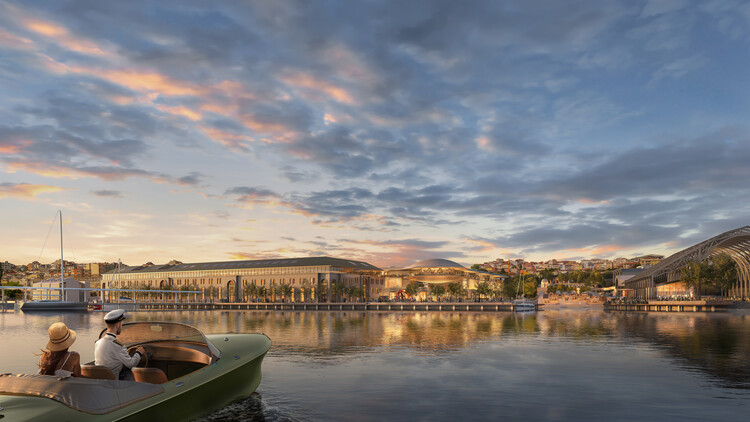
Foster + Partners has revealed designs for a retail plaza located on the northern bank of the Golden Horn in Istanbul, Türkiye. The project forms part of the larger Tersane master plan, which proposes to redevelop 1.6 kilometers of previously underutilized waterfront. The master plan integrates a mix of retail, residential, hospitality, cultural buildings, and landscaped public spaces, aiming to enhance access along the shoreline. The plaza sits within close proximity to several of Istanbul's historiclandmarks, drawing on the area's maritime and industrial heritage. The design's scale and material choices reflect this context, seeking to align with the site's historic layers while introducing a contemporary retail environment.
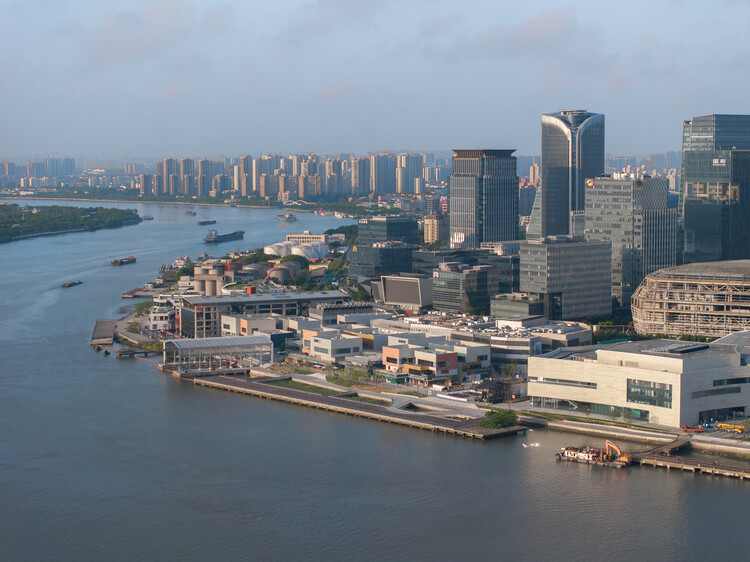
Amidst global economic adjustments and a domestic focus on high-quality development, Shanghai has implemented a strategic shift in its urban development approach—moving from 'incremental expansion' to 'connotative enhancement.' Guided by the concept of a "people-oriented city", Shanghai has elevated urban construction from mere physical space aggregation to a comprehensive endeavor aimed at optimizing functional quality, revitalizing spatial vitality, and boosting residential resilience through urban renewal initiatives. This transformation is framed not merely as a response to resource constraints but also as an intentional approach to urban development principles. Its core proposition lies in: under the policy framework of strictly controlling incremental land use, how to unleash development potential through the "reproduction" of existing spaces.
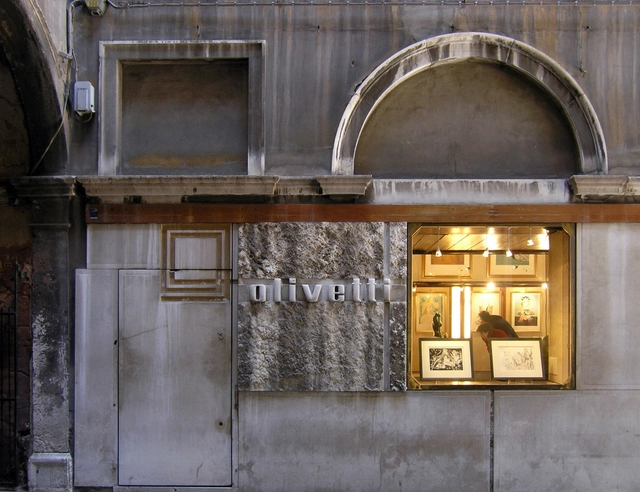
Tucked discreetly beneath the colonnade of Saint Mark's Square in Venice, Carlo Scarpa's Olivetti Showroom exerts a quiet yet unmistakable presence. Though often overshadowed by the grandeur of nearby landmarks—St. Mark's Basilica, the Clocktower, the Loggetta, and the Procuratie Vecchie—it attracts a particular kind of visitor: those who seek out one of Scarpa's architectural gems hidden in plain sight. Modest in scale but rich in detail, the showroom is meticulously maintained by FAI (Fondo Ambiente Italiano), the National Trust for Italy.
The contemporary bookstore is a paradoxical space. It is commercial, but rarely commercialized; public, but often privately owned; small in scale, but expansive in impact. As adjacent architectural typologies evolve under the pressures of digital consumption, economic precarity, and changing social habits, the bookstore has not dimensioned, but adapted to the twenty first century. It is not a site for private or institutional literary exchange, but a spatial hybrid that accommodates ritual, rest, performance, and socialization.
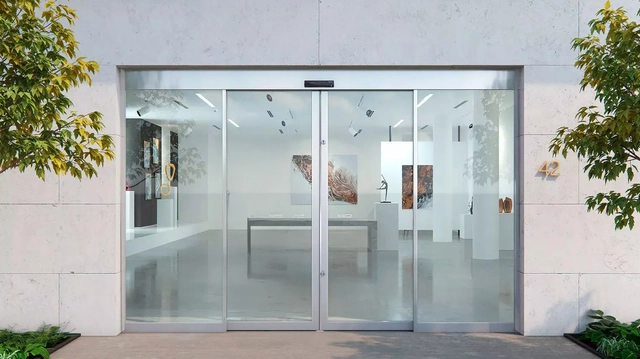
SL500 Sliding Door System. Image Courtesy of ASSA ABLOY
Throughout history, doors—and later automatic doors—have served a far greater purpose than merely marking an entrance or exit. They define thresholds, guide the flow of movement, and subtly shape the way people interact within a space. We can trace their evolution back to the 1st century, when Heron of Alexandria devised a steam-powered door—an early example of technology merging with architecture. Since then, contactless automatic door systems have incorporated technological advancements that enhance operation and redefine their role within buildings. Today, they are integrated across a range of building types and scales, acting as transitional elements that enhance comfort, energy efficiency, and the overall quality of indoor spaces.
https://www.archdaily.com/1029498/the-greener-future-of-automatic-door-systems-a-shift-in-design-and-performanceEnrique Tovar
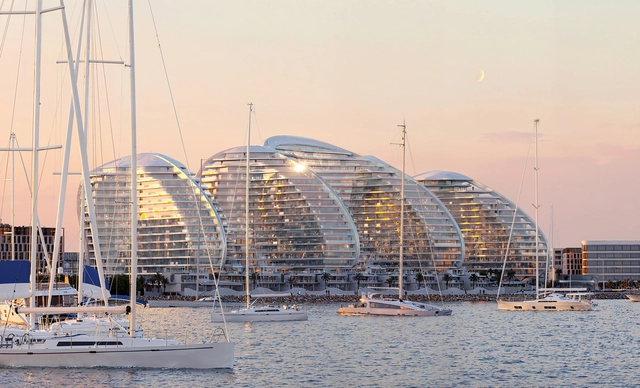
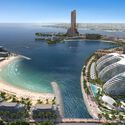
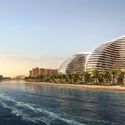
Oystra, Al Marjan, Render by MIR. Image Courtesy of ZHA
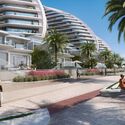
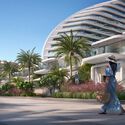
Oystra, designed by Zaha Hadid Architects, is a 128,000-square-metre seafront development located on Al Marjan Island in Ras Al Khaimah, United Arab Emirates, that comprises 950 residential units, a comprehensive range of shopping, dining, and leisure amenities. Ras Al Khaimah, one of the UAE's fastest-growing emirates, is projected to see a 55% increase in its population by 2030, driving the need for an additional 45,000 homes. The emirate's tourism sector is also experiencing significant growth, with the number of visitors expected to rise to 3.5 million annually by 2030, up from 100,000 in 2013.
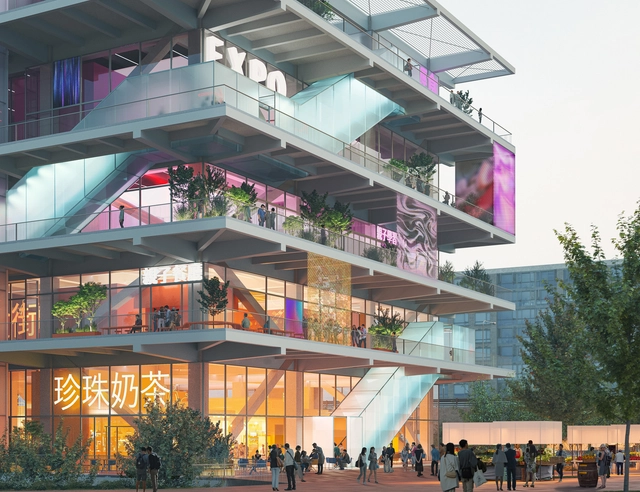
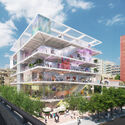
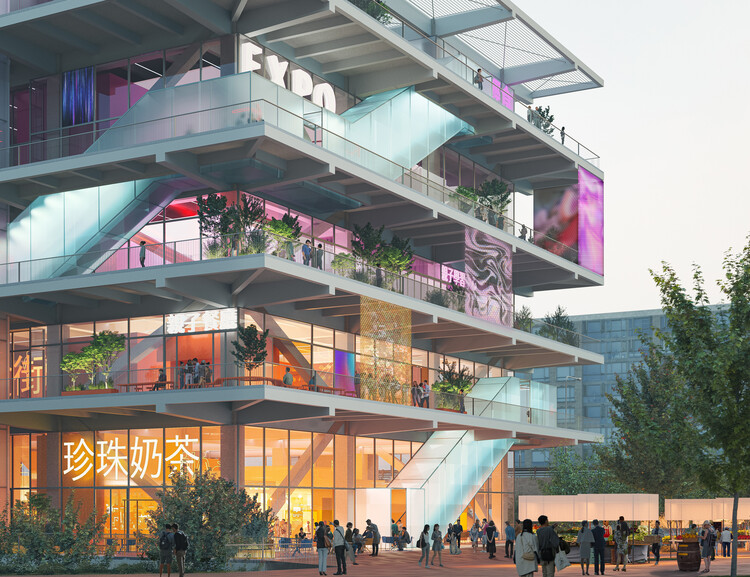
Dutch architecture firm MVRDV has won the competition to design a new multifunctional market and food hall in Zhubei, Taiwan. Developed in collaboration with local firm EKUO, the project, referred to as the "Market Cube" or "River Bank 1," aims to redefine the traditional market building through a vertically layered, highly adaptable structure. Positioned along the Touqian River at a prominent gateway between Zhubei and neighboring Hsinchu, the building is set to become a major civic destination.
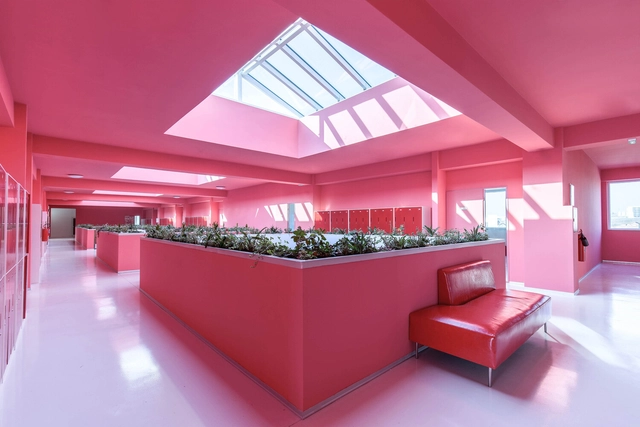
In recent years, pink has evolved beyond its traditional associations to become a sophisticated and versatile element in architecture and interior design. Defined by a broad spectrum of shades, pink encompasses both warm and cool tones, ranging from pure red tints (R) to blends with yellow (Y80R, Y90R) or blue (R10B, R20B, R30B), as classified by the Natural Color System (NCS). While difficult to define by a single shade, this color balances vibrancy and softness, making it adaptable across different materials and contexts. As pink continues to gain prominence in contemporary interiors, its role extends beyond being a mere color choice—it is a design strategy. The recent transition from the bold, playful pinks of the "Barbiecore" trend to softer, powdery hues seen in fashion and design in 2025 fashion collections, highlights the color's adaptability. Its presence in Pantone's 2025 color palettes, also reinforces its appeal across disciplines. When applied thoughtfully, pink can transform spaces, making them feel inviting, expansive, or timeless.
The post-pandemic world has undergone transformations in various aspects, including urban tourism and new modes of travel. With the rise of remote and freelance work, many people now have the freedom to move between cities without needing to establish a permanent residence. This has turned bars, restaurants, and cafés into more than just spaces for consumption: they are now temporary offices and, in many cases, settings for a variety of activities.
On the other hand, shops and retail spaces have evolved to offer more than just the sale of products or services. They have become part of a holistic consumer experience, fostering an emotional connection with users.