1. ArchDaily
  2. Retail Design

Retail Design: The Latest Architecture and News

Calibrated Rawness: Studio 1:1 and the Discipline of Making in Hong Kong and Beyond

Subscriber Access | 

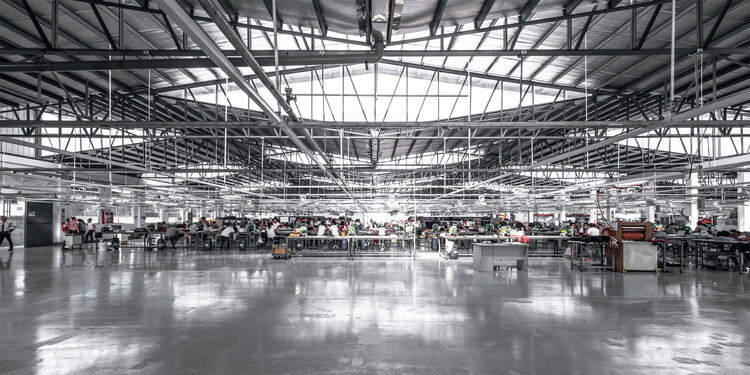
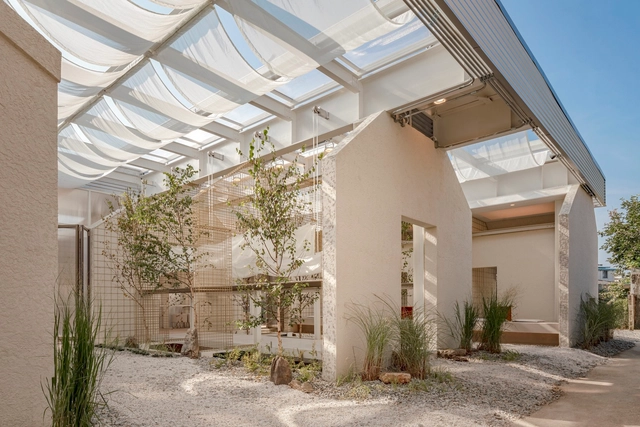
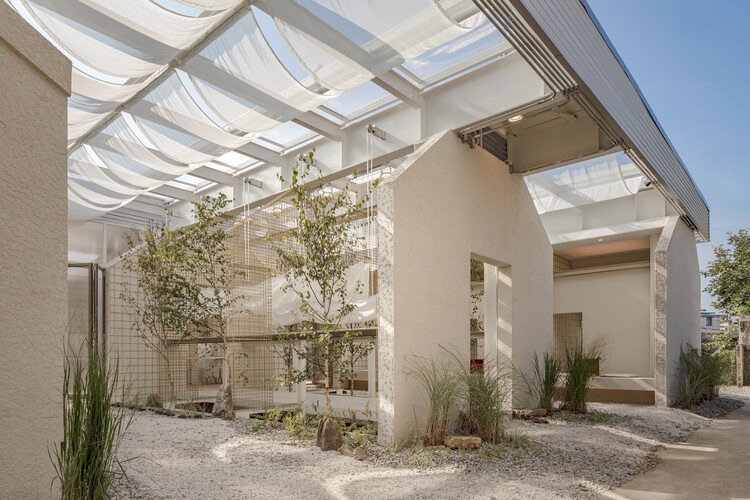
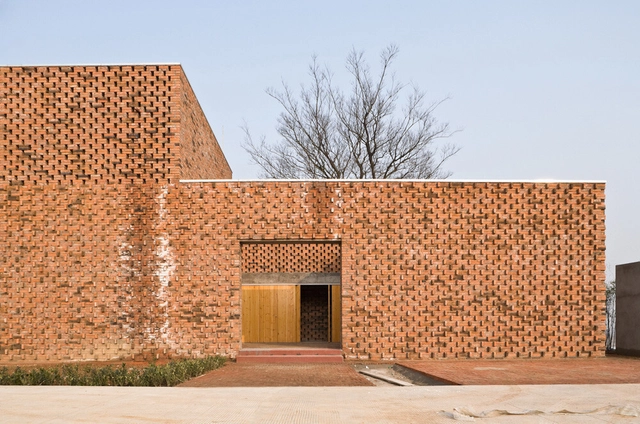
In Hong Kong, where interiors and small buildings are routinely caught between two extremes—high-gloss "luxury" finishes on one end, and budget-cautious industrial roughness on the other—a third attitude has emerged through the calibration of both: a uniquely precise, relevant, and materially honest execution that is not dependent on price point. This is calibrated rawness. Calibrated rawness describes an architecture that retains the directness of matter and materiality—concrete, metal, blockwork, exposed structure, visible services—while subjecting it to rigorous control.

The "raw" is not a costume, and the "refined" is not polished; it is a discipline of precise execution, producing spaces that feel balanced and considered, yet never "made up" or overworked. Studio 1:1 demonstrates this attitude consistently across its work—and its upcoming publication, Architecture under the Radar: Three Projects in Asia (with a foreword by Nader Tehrani), offers a timely frame through which to read this ethos as more than an aesthetic, but as a repeatable architectural method.

Calibrated Rawness: Studio 1:1 and the Discipline of Making in Hong Kong and Beyond - Image 1 of 4Calibrated Rawness: Studio 1:1 and the Discipline of Making in Hong Kong and Beyond - Image 2 of 4Calibrated Rawness: Studio 1:1 and the Discipline of Making in Hong Kong and Beyond - Image 3 of 4Calibrated Rawness: Studio 1:1 and the Discipline of Making in Hong Kong and Beyond - Image 4 of 4Calibrated Rawness: Studio 1:1 and the Discipline of Making in Hong Kong and Beyond - More Images+ 11

Shaping Desire: How Architects Redefine Commercial Spaces

Subscriber Access | 

In contemporary architecture, commercial spaces have become more than points of sale; they are stages where identity, image, and experience converge. Stores, showrooms, and branded interiors often operate as laboratories where architects experiment with form, material, and light, translating corporate narratives into spatial experiences. In this context, the architect emerges as a mediator of desire, shaping atmospheres that guide perception, evoke emotion, and subtly influence behavior. This role reveals a complex intersection between design and capitalism: the creation of spaces that sell not only products, but also aspirations, lifestyles, and cultural meaning. By transforming commerce into an architectural performance, these projects invite reflection on how the discipline negotiates its agency in a world where visibility and image have become as essential as function.

Shaping Desire: How Architects Redefine Commercial Spaces - Image 1 of 4Shaping Desire: How Architects Redefine Commercial Spaces - Image 2 of 4Shaping Desire: How Architects Redefine Commercial Spaces - Image 3 of 4Shaping Desire: How Architects Redefine Commercial Spaces - Image 4 of 4Shaping Desire: How Architects Redefine Commercial Spaces - More Images+ 55

Design Ethos of Subtraction and Addition: 10 Adaptive Reuse Projects for Commercial and Social Spaces in Asia

While adaptive reuse has been increasingly acknowledged as a vital architectural strategy worldwide, its discourse and implementation in Asia are still expanding—driven by growing ecological awareness and a shifting understanding of architectural knowledge. Rather than accelerating a developmentalist model centered on demolition and new construction, architects today are confronted with a different approach to the built environment: treating the existing structure as a resource—an archive of materials, spatial organizations, and informal histories.

Adaptive reuse is often associated with the preservation of historic buildings and culturally significant heritage. Yet the vast field of seemingly 'less-valued' structures—abandoned houses, standard yet old dwellings, non-conforming office buildings, and overlooked urban voids—has become ground for experimentation. These sites challenge architects and designers to reconsider prevailing standards of efficiency and market-driven development, and to imagine spatial and ecological practices that avoid the continual loss of embodied material and cultural knowledge inherent in constant rebuilding.

Design Ethos of Subtraction and Addition: 10 Adaptive Reuse Projects for Commercial and Social Spaces in Asia - SustainabilityDesign Ethos of Subtraction and Addition: 10 Adaptive Reuse Projects for Commercial and Social Spaces in Asia - SustainabilityDesign Ethos of Subtraction and Addition: 10 Adaptive Reuse Projects for Commercial and Social Spaces in Asia - SustainabilityDesign Ethos of Subtraction and Addition: 10 Adaptive Reuse Projects for Commercial and Social Spaces in Asia - SustainabilityDesign Ethos of Subtraction and Addition: 10 Adaptive Reuse Projects for Commercial and Social Spaces in Asia - More Images+ 29

Third Places in the United States: Commercialized or Community-Centered?

Subscriber Access | 

The modern world is disconnected. Online interactions dominate the daily lives of people across the world. This shift is not just a result of the rise of the internet, but also a stark reflection of the decline of public spaces, particularly third places. Third places, once essential for promoting community and social cohesion, have evolved drastically over the past few decades. In today's commercialized landscape, third places face plenty of demands from users and designers alike, calling for a need to reconsider their accessibility and purpose.

Third Places in the United States: Commercialized or Community-Centered? - Image 1 of 4Third Places in the United States: Commercialized or Community-Centered? - Image 2 of 4Third Places in the United States: Commercialized or Community-Centered? - Image 3 of 4Third Places in the United States: Commercialized or Community-Centered? - Image 4 of 4Third Places in the United States: Commercialized or Community-Centered? - More Images+ 3

Pink as a Design Tool: Atmosphere, Identity, and Experimentation in Interior Design

Subscriber Access | 

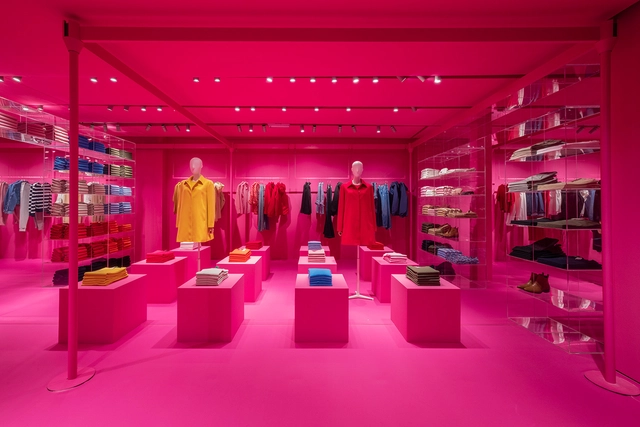
In recent years, pink has evolved beyond its traditional associations to become a sophisticated and versatile element in architecture and interior design. Defined by a broad spectrum of shades, pink encompasses both warm and cool tones, ranging from pure red tints (R) to blends with yellow (Y80R, Y90R) or blue (R10B, R20B, R30B), as classified by the Natural Color System (NCS). While difficult to define by a single shade, this color balances vibrancy and softness, making it adaptable across different materials and contexts. As pink continues to gain prominence in contemporary interiors, its role extends beyond being a mere color choice—it is a design strategy. The recent transition from the bold, playful pinks of the "Barbiecore" trend to softer, powdery hues seen in fashion and design in 2025 fashion collections, highlights the color's adaptability. Its presence in Pantone's 2025 color palettes, also reinforces its appeal across disciplines. When applied thoughtfully, pink can transform spaces, making them feel inviting, expansive, or timeless.

Pink as a Design Tool: Atmosphere, Identity, and Experimentation in Interior Design - Image 2 of 4Pink as a Design Tool: Atmosphere, Identity, and Experimentation in Interior Design - Image 4 of 4Pink as a Design Tool: Atmosphere, Identity, and Experimentation in Interior Design - Image 1 of 4Pink as a Design Tool: Atmosphere, Identity, and Experimentation in Interior Design - Image 5 of 4Pink as a Design Tool: Atmosphere, Identity, and Experimentation in Interior Design - More Images+ 7

Stainless Steel in Interior Design: Transforming Spaces with Industrial Elegance

Subscriber Access | 

As we close the chapter on 2024, a review of ArchDaily's extensive database projects highlights a few standout interior design trends that defined the year. Among these is the use of stainless steel, often paired with concrete and shades of grey, creating interiors with a refined, industrial elegance. This article delves into the increasing prominence of stainless steel as an interior element, exploring its applications, pairings, and growing appeal despite lingering perceptions of its cold, industrial nature.

Stainless Steel in Interior Design: Transforming Spaces with Industrial Elegance - Image 1 of 4Stainless Steel in Interior Design: Transforming Spaces with Industrial Elegance - Image 2 of 4Stainless Steel in Interior Design: Transforming Spaces with Industrial Elegance - Image 3 of 4Stainless Steel in Interior Design: Transforming Spaces with Industrial Elegance - Image 4 of 4Stainless Steel in Interior Design: Transforming Spaces with Industrial Elegance - More Images+ 16

Seamless Surfaces: Exploring the Benefits of Liquid-Applied Finishes with 12 Interior Design Projects

Subscriber Access | 

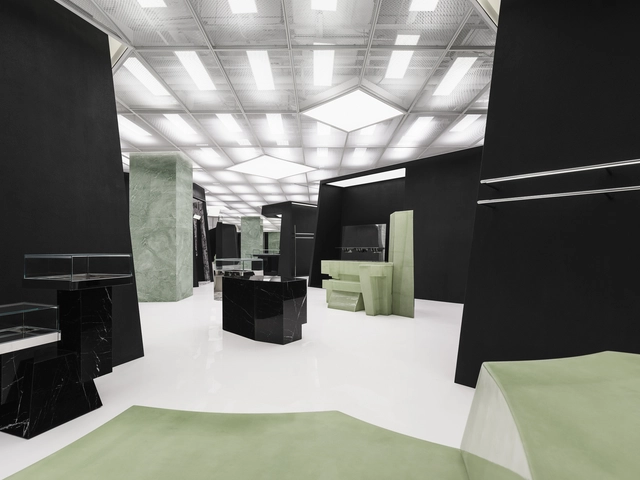
In recent years, continuous material finishes enveloping interior spaces have become increasingly prominent, particularly in branding-focused retail environments. A continuous interior refers to using what are typically liquid-applied materials that are cured to create seamless, uninterrupted surfaces, eliminating the appearance of joints and seams—at least during the initial application. A growing range of products now offer various color options, textures, and practical properties, making these finishes more versatile. Interestingly, the aesthetic effect of such interiors is uncanny to the rise of 3D rendering software, where the seamless, fluid look mirrors the smooth, idealized spaces typical of digital renderings. This effect also contributes to a sense of scalelessness, as the absence of visible seams or joints makes it harder to discern the actual size of a space, often giving the illusion that the interior is larger than it is.

Seamless Surfaces: Exploring the Benefits of Liquid-Applied Finishes with 12 Interior Design Projects - Featured ImageSeamless Surfaces: Exploring the Benefits of Liquid-Applied Finishes with 12 Interior Design Projects - Image 1 of 4Seamless Surfaces: Exploring the Benefits of Liquid-Applied Finishes with 12 Interior Design Projects - Image 2 of 4Seamless Surfaces: Exploring the Benefits of Liquid-Applied Finishes with 12 Interior Design Projects - Image 3 of 4Seamless Surfaces: Exploring the Benefits of Liquid-Applied Finishes with 12 Interior Design Projects - More Images+ 10

A Skyward Shift: Exploring the Social Impact of Elevated Public Spaces in Cities

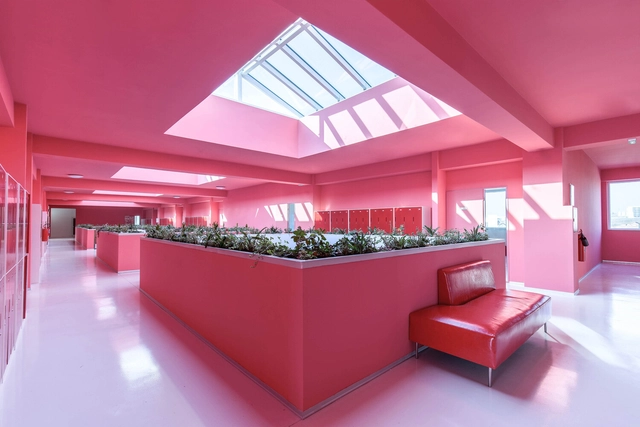
With escalating land values in urban centers, there has been a growing trend to float public spaces from ground level to elevated locations, such as rooftops or podiums between buildings. From a development perspective, maximizing floor area has become crucial as urban environments expand. Ground-level spaces are highly sought after for retail use due to their strategic location, which attracts foot traffic and potential customers and drives city development and economics.

This financial consideration, which often guides building activities and directions in urban centers, contradicts design principles advocated during the modernist era for the benefits of better outdoor space for the public, such as the concept of 'Freeing the Ground'. Architects like Le Corbusier championed this concept through projects like Villa Savoye and Unite d' Habitation. These modernist designs envisioned a future where buildings were elevated to restore open, accessible outdoor ground-level spaces for its users. However, for the reasons above, many contemporary projects instead seek to replicate the function of public grounds within the building's structure.
A Skyward Shift: Exploring the Social Impact of Elevated Public Spaces in Cities - Image 5 of 4A Skyward Shift: Exploring the Social Impact of Elevated Public Spaces in Cities - Image 1 of 4A Skyward Shift: Exploring the Social Impact of Elevated Public Spaces in Cities - Image 2 of 4A Skyward Shift: Exploring the Social Impact of Elevated Public Spaces in Cities - Image 3 of 4A Skyward Shift: Exploring the Social Impact of Elevated Public Spaces in Cities - More Images+ 10

A Decade of Redefining Experience Retail: 15 Apple Stores Designed by Foster + Partners in City Centers

Subscriber Access | 

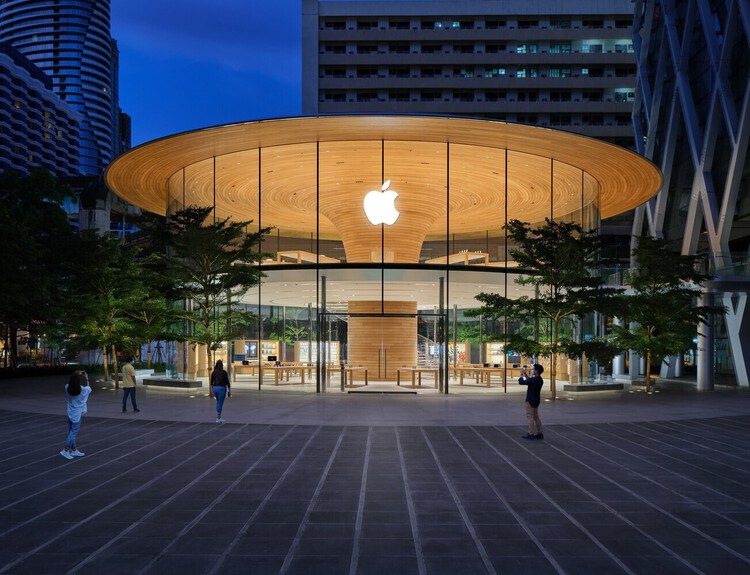
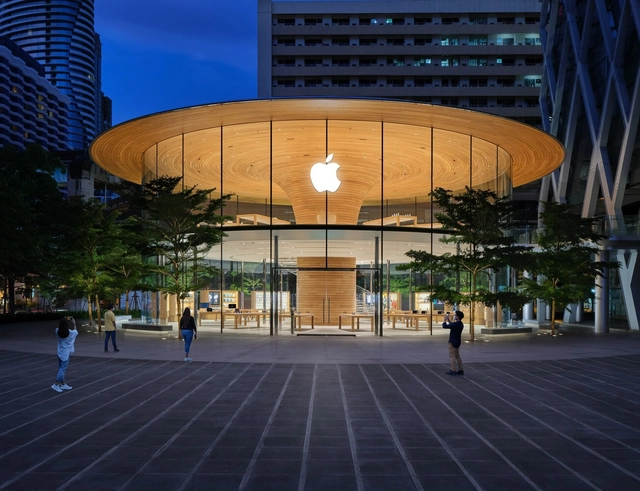
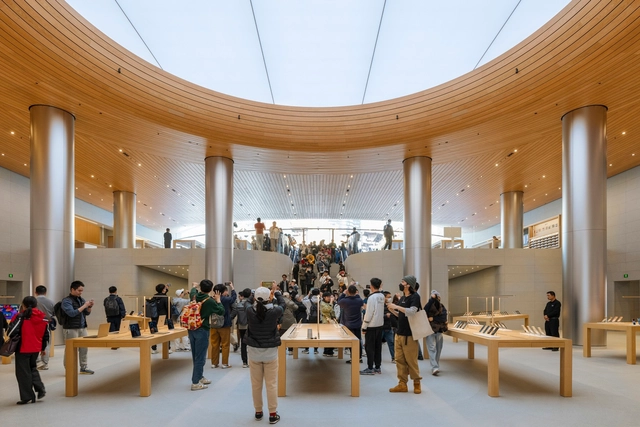
In 2001, Apple issued its Retail Store Manifesto, proclaiming its ambition to use retail to convince people that “Macintosh offers a much simpler, richer, and more human-centered computing experience” despite retail stores being unpopular among technology companies at the time. This vision has shaped Apple’s unique approach to retail, transforming its stores into environments beyond shopping. Since the inception of its first store, Apple has redefined the retail experience, emphasizing customer engagement and education and creating a community around its products. The stores “have become the embodiment of the Apple lifestyle.” This is done through products displayed on tables for easy access and mid-height furniture clusters in an open plan to foster interaction and visual orientation within the more prominent “Apple community.”

A Decade of Redefining Experience Retail: 15 Apple Stores Designed by Foster + Partners in City Centers - Image 1 of 4A Decade of Redefining Experience Retail: 15 Apple Stores Designed by Foster + Partners in City Centers - Image 2 of 4A Decade of Redefining Experience Retail: 15 Apple Stores Designed by Foster + Partners in City Centers - Image 3 of 4A Decade of Redefining Experience Retail: 15 Apple Stores Designed by Foster + Partners in City Centers - Image 4 of 4A Decade of Redefining Experience Retail: 15 Apple Stores Designed by Foster + Partners in City Centers - More Images+ 11

Zaha Hadid Architects' Development Reaches Roof Level in Hong Kong

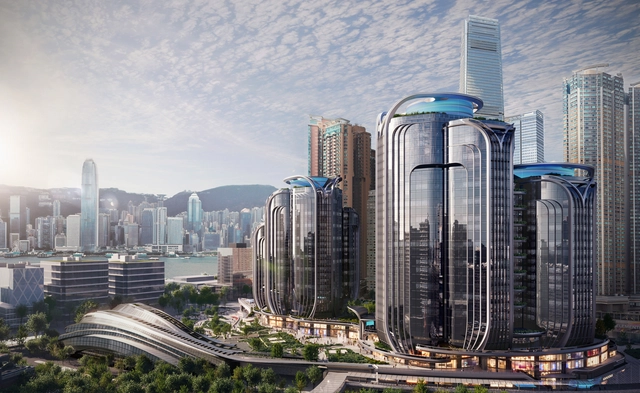
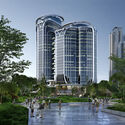
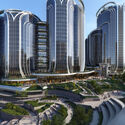
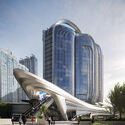
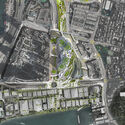
Construction has reached the roof level in Zaha Hadid Architect’s development above Hong Kong High-Speed Rail West Kowloon Terminus. Adjacent to the West Kowloon Cultural District, this development connects established and emerging neighborhoods with a network of public gardens and landscaped plazas. Designed by Zaha Hadid Architects (ZHA), it seeks to integrate seamlessly with the surrounding station and rooftop park, offering civic, office, and retail spaces.

Zaha Hadid Architects' Development Reaches Roof Level in Hong Kong - Image 1 of 4Zaha Hadid Architects' Development Reaches Roof Level in Hong Kong - Image 2 of 4Zaha Hadid Architects' Development Reaches Roof Level in Hong Kong - Image 3 of 4Zaha Hadid Architects' Development Reaches Roof Level in Hong Kong - Image 4 of 4Zaha Hadid Architects' Development Reaches Roof Level in Hong Kong - More Images+ 1

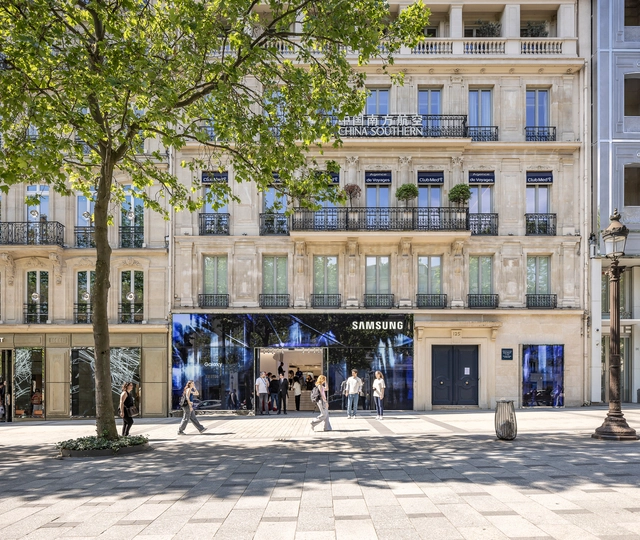
Explore Jean Nouvel's Pop-Up Store on the Champs Élysées in Paris, Through the Lens of Jad Sylla

Renowned French architect Jean Nouvel has unveiled his design for Samsung’s pop-up store on the iconic Avenue des Champs-Élysées in Paris, France. The store aims to represent the company’s role as a Worldwide Olympic Partner, offering visitors a space where they can engage with the newest mobile technologies and Olympic-related activities. The first images by architectural photographer Jad Sylla highlight Jean Nouvel’s design of the immersive retail space.

Explore Jean Nouvel's Pop-Up Store on the Champs Élysées in Paris, Through the Lens of Jad Sylla - Image 1 of 4Explore Jean Nouvel's Pop-Up Store on the Champs Élysées in Paris, Through the Lens of Jad Sylla - Image 2 of 4Explore Jean Nouvel's Pop-Up Store on the Champs Élysées in Paris, Through the Lens of Jad Sylla - Image 3 of 4Explore Jean Nouvel's Pop-Up Store on the Champs Élysées in Paris, Through the Lens of Jad Sylla - Image 4 of 4Explore Jean Nouvel's Pop-Up Store on the Champs Élysées in Paris, Through the Lens of Jad Sylla - More Images+ 6

How Retail Design Builds Brand Communities

Subscriber Access | 

To differentiate themselves in competitive markets, the world's favorite retailers are tapping into retail design to cultivate communities of brand enthusiasts. Since traditional marketing methods no longer engage customers, physical spaces offer an avenue for more immersive and personalized experiences that match their values and lifestyles. Evolving customer preferences have led to the creation of authentic retail experiences that serve now as areas of recreation and entertainment. Designing outlets that encourage engagement, exploration, and a sense of belonging enables brands to foster loyal followings.

How Retail Design Builds Brand Communities - Image 1 of 4How Retail Design Builds Brand Communities - Image 2 of 4How Retail Design Builds Brand Communities - Image 3 of 4How Retail Design Builds Brand Communities - Image 4 of 4How Retail Design Builds Brand Communities - More Images+ 3

Retail Design in the Metaverse: A New Venture for Architects

Subscriber Access | 

The evolution of retail design warrants a study of architectural practice in the digital realm. While physical commercial spaces have been the conventional center of shopping experiences, the emergent frontier of the metaverse—an interconnected network of virtual 3D environments—indicates an important shift in brand-consumer interactions. For architects, this liminal space presents a unique canvas, free from the material constraints that have traditionally molded design ideations. The metaverse is a new terrain where the architecture of imagination may be fully realized, inviting a reconceptualization of retail design possibilities.

Retail Design in the Metaverse: A New Venture for Architects - Image 1 of 4Retail Design in the Metaverse: A New Venture for Architects - Image 2 of 4Retail Design in the Metaverse: A New Venture for Architects - Image 3 of 4Retail Design in the Metaverse: A New Venture for Architects - Image 4 of 4Retail Design in the Metaverse: A New Venture for Architects - More Images+ 3

From Housing to Commerce: The Revitalization of Old Houses and Mansions

Subscriber Access | 

Throughout the city's history, buildings have changed their use and function, which is inevitable, as each era presents unique issues and requirements. Factors such as housing types, population density in specific areas, and the emergence of new businesses and services reshape the cityscape, often outpacing the adaptability of existing structures. Therefore, revitalizing or rehabilitating buildings is logical but also necessary to meet the demands of a changing landscape.

From Housing to Commerce: The Revitalization of Old Houses and Mansions - Image 1 of 4From Housing to Commerce: The Revitalization of Old Houses and Mansions - Image 2 of 4From Housing to Commerce: The Revitalization of Old Houses and Mansions - Image 3 of 4From Housing to Commerce: The Revitalization of Old Houses and Mansions - Image 4 of 4From Housing to Commerce: The Revitalization of Old Houses and Mansions - More Images+ 10

Subdued Maximalism: Exploring the Works of Studio Guilherme Torres

Subscriber Access | 

The unique language employed by each architect serves as the foundation for analyzing their work. Over time, this distinctive style becomes more evident, allowing for the identification of past influences and references. Simultaneously, it showcases a continuous evolution of this language, manifesting as a formal progression that aligns with the contemporary context. The projects by Studio Guilherme Torres serve as exemplary instances of this developmental journey, spanning from its inception to the present day.

Subdued Maximalism: Exploring the Works of Studio Guilherme Torres - Image 1 of 4Subdued Maximalism: Exploring the Works of Studio Guilherme Torres - Image 2 of 4Subdued Maximalism: Exploring the Works of Studio Guilherme Torres - Image 3 of 4Subdued Maximalism: Exploring the Works of Studio Guilherme Torres - Image 4 of 4Subdued Maximalism: Exploring the Works of Studio Guilherme Torres - More Images+ 9

Patterns and Motifs Made With Ceramic Blocks

Subscriber Access | 

A considerable part of architectural innovation involves the use of materials. Technical development and new formal languages utilize them to "announce" the "next" architectural era. Of course, materials are essential for construction and significant for the consolidation of languages. Glass, steel, concrete, or brick convey messages about buildings. However, like any language, the meaning of words can vary according to the prevailing social organization; there is a dispute over the meaning of certain expressions, or there is pressure for the abolition—or at least the dissociation—of certain senses associated with some words. It would not be any different in architecture.

Patterns and Motifs Made With Ceramic Blocks - Image 1 of 4Patterns and Motifs Made With Ceramic Blocks - Image 2 of 4Patterns and Motifs Made With Ceramic Blocks - Image 3 of 4Patterns and Motifs Made With Ceramic Blocks - Image 4 of 4Patterns and Motifs Made With Ceramic Blocks - More Images+ 11

The Paradox of Symmetry and Grace in the Repetition of Architectural Elements

The flow of architectural values throughout the centuries demonstrates the prevalence of some parameters over others in each historical period. In terms of composition, one of the most fundamental considerations revolves around issues of symmetry and balance. Indeed, a design does not necessarily have to be symmetrical to convey the notion of compositional balance. Its elements do not have to be repeated side by side for the whole to convey a sense of completeness, stability, and... paradoxically, symmetry. Many contemporary projects achieve a balanced compositional whole without repeating their elements side by side.

The Paradox of Symmetry and Grace in the Repetition of Architectural Elements - Image 1 of 4The Paradox of Symmetry and Grace in the Repetition of Architectural Elements - Image 2 of 4The Paradox of Symmetry and Grace in the Repetition of Architectural Elements - Image 3 of 4The Paradox of Symmetry and Grace in the Repetition of Architectural Elements - Image 4 of 4The Paradox of Symmetry and Grace in the Repetition of Architectural Elements - More Images+ 13

Dissolving Boundaries Between Art and Architecture: Exploring the Works of Diogo Aguiar Studio

Subscriber Access | 

There are numerous intersections between art and architecture, including aesthetic enjoyment, formal element composition, the relationship with the environment, and abstraction. The unique combinations of these aspects distinguish each architecture office or artist in their practice and language. Diogo Aguiar Studio is an architecture office that actively explores these intersections, pushing the boundaries that traditionally separate art from architecture.

Each project is built on the dynamic interaction between architecture and art, serving as its foundation and driving force. This approach yields work that addresses functional requirements and ventures into uncharted territories of spatial research. Notably, materials exploration and sensory aspects in both architectural and immersive artistic spaces stand out as a significant aspects of their endeavors.

Dissolving Boundaries Between Art and Architecture: Exploring the Works of Diogo Aguiar Studio - Image 1 of 4Dissolving Boundaries Between Art and Architecture: Exploring the Works of Diogo Aguiar Studio - Image 2 of 4Dissolving Boundaries Between Art and Architecture: Exploring the Works of Diogo Aguiar Studio - Image 3 of 4Dissolving Boundaries Between Art and Architecture: Exploring the Works of Diogo Aguiar Studio - Image 4 of 4Dissolving Boundaries Between Art and Architecture: Exploring the Works of Diogo Aguiar Studio - More Images+ 10