1. ArchDaily
  2. Experience Design

Experience Design: The Latest Architecture and News

Subscriber Access

Learning from Capitalism: How Postmodern Architecture Became the Language of American Business

Audio available

In 1972, Robert Venturi, Denise Scott Brown, and Steven Izenour published Learning from Las Vegas, challenging architects to reconsider the underappreciated, largely dismissed commercial landscape in the United States. Their storied distinction between the "duck," a building whose form communicates its meaning, and the "decorated shed," an ordinary structure whose identity is conveyed through signs and symbols, questioned a widely accepted modernist assumption that architectural expression should emerge from form and function. By examining billboards, neon lights, casinos, and the commercial strips of Las Vegas, the authors argued that architecture should study the visual languages of American consumer culture.

Learning from Capitalism: How Postmodern Architecture Became the Language of American Business - Image 1 of 4Learning from Capitalism: How Postmodern Architecture Became the Language of American Business - Image 2 of 4Learning from Capitalism: How Postmodern Architecture Became the Language of American Business - Image 4 of 4Learning from Capitalism: How Postmodern Architecture Became the Language of American Business - Image 3 of 4Learning from Capitalism: How Postmodern Architecture Became the Language of American Business - More Images+ 22

Subscriber Access

Spaces That Feel Back: How Buildings Respond to Human Behavior

Audio available

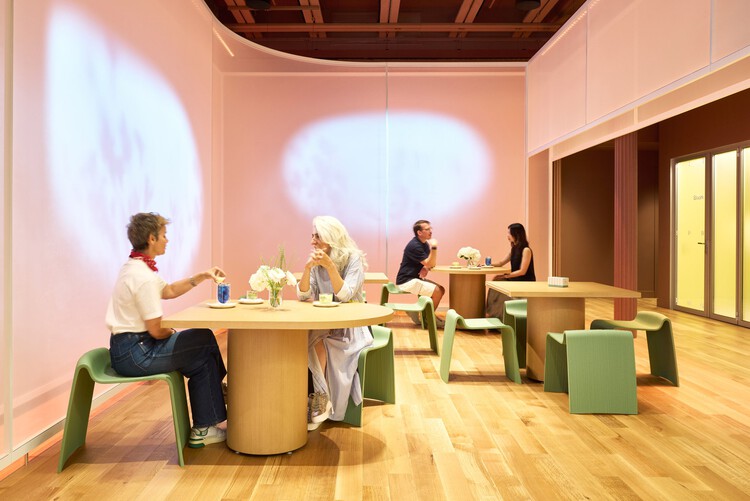
Buildings were always intended to solve a straightforward problem: shelter. Through form and material, they protected occupants from the weather and organized human activity. Modern architecture, along with evolving lifestyles, added new priorities — efficiency, density, structural innovation, and aesthetics. People now demand more from buildings. Occupants increasingly want environments that actively support how they live, work, and feel.

Wellness has become a central concern in modern times. Decades of research in environmental psychology and building science reveal that indoor conditions can profoundly affect human health and behavior. Lighting influences circadian rhythms and sleep patterns. Air quality impacts cognitive performance and respiratory health. Temperature and acoustics shape comfort and concentration.

Spaces That Feel Back: How Buildings Respond to Human Behavior - Image 1 of 4Spaces That Feel Back: How Buildings Respond to Human Behavior - Image 2 of 4Spaces That Feel Back: How Buildings Respond to Human Behavior - Image 3 of 4Spaces That Feel Back: How Buildings Respond to Human Behavior - Image 4 of 4Spaces That Feel Back: How Buildings Respond to Human Behavior - More Images+ 1