

This guide explains how to structure multi-image prompts in the RunDifussion platform. Explore RunDifussion's product catalog.
News
How to Prompt and Annotate Multiple Images with AI
| Sponsored Content
https://www.archdaily.comhttps://www.archdaily.com/catalog/us/products/38860/how-to-prompt-and-annotate-multiple-images-with-ai-rundiffusion
Heatherwick Studio Unveils Design for Daegyo Apartments Redevelopment in Seoul, South Korea

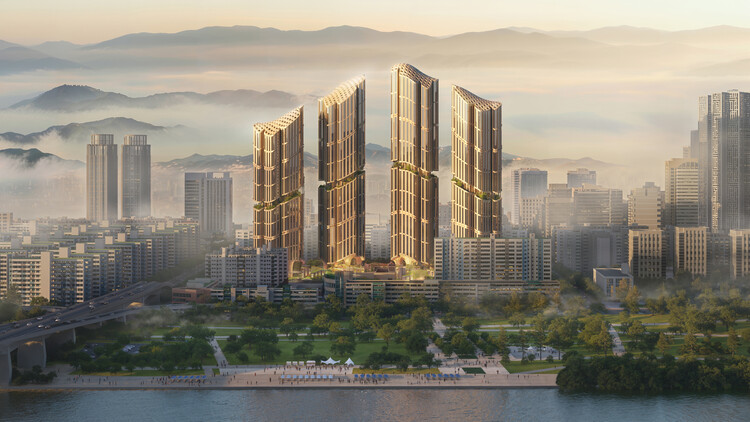
Heatherwick Studio has unveiled the first images of the design for the transformation of the Daegyo Apartments in Yeouido, Seoul. The project, the firm's first residential project in South Korea, was presented by Thomas Heatherwick to the Yeouido Daegyo Residents' Union at a meeting of their General Assembly on February 28, 2026. The development was first announced in mid-2025 as a community-led residential redevelopment, with the studio remaining involved throughout all phases of the project from concept to completion. The design is set to transform four residential buildings from 1975, aiming to establish a distinctive and appealing character, distinct from the average apartment building in Seoul.
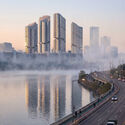
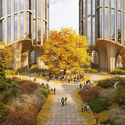
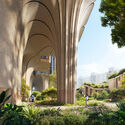
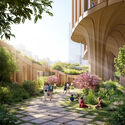
https://www.archdaily.com/1039364/heatherwick-studio-unveils-design-for-daegyo-apartments-redevelopment-in-seoul-south-koreaAntonia Piñeiro
Mapping Space Without Sight: Inside SEAlab’s Sensory Architecture

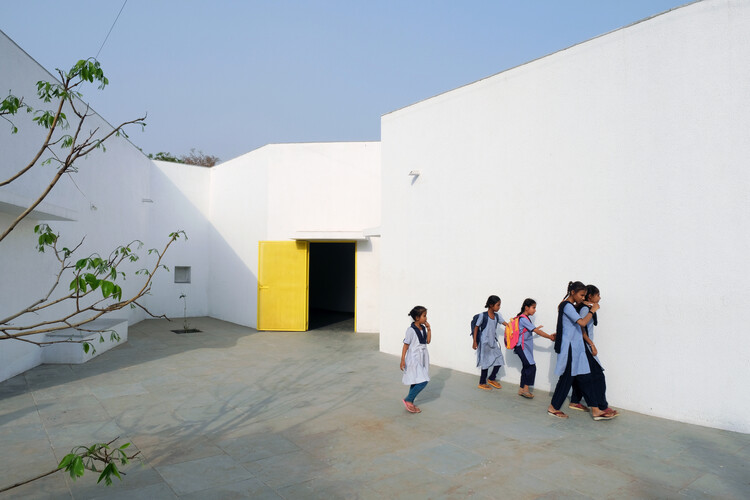
Founded in 2015 in Ahmedabad by Anand Sonecha, SEAlab is a practice shaped by a slow, contemplative engagement with place, proportion, and participation. Recognized as one of the winners of the ArchDaily 2025 Next Practices Awards, the studio builds with simple materials and local techniques, pursuing environments that are experienced as much as they are seen. This ethos became particularly tangible in Gandhinagar, where the School for Blind and Visually Impaired Children did not begin as a purpose-built institution. The school had been operating from an existing primary school building, with classrooms stacked above dormitories and twelve children sharing a single room. Space was limited, and so were growth opportunities. The new academic building was required to expand capacity, improve living conditions, and support greater student independence.

https://www.archdaily.com/1039285/mapping-space-without-sight-inside-sealabs-sensory-architectureAnanya Nayak
Compute Isn’t Weightless: AI Infrastructure and the Architecture of the City

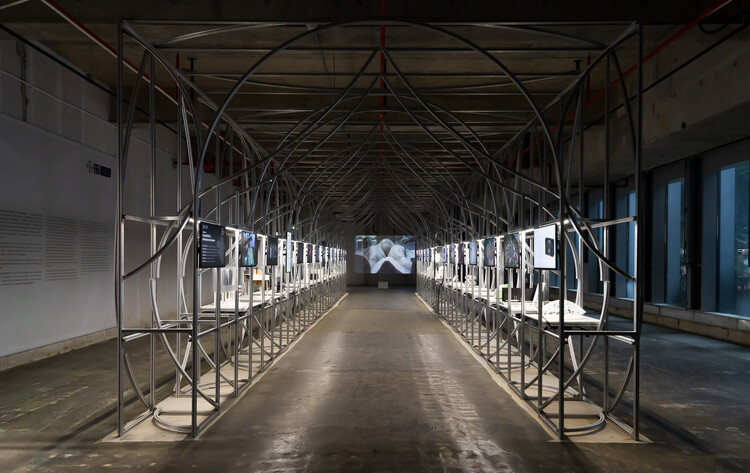
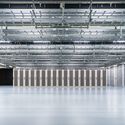
As artificial intelligence continues to disrupt sectors of the economy and reshape entire industries, institutions and individuals alike are bracing—and rapidly adapting—to the changes that machines seem to hold over our heads. Yet the more precise pressure is not simply AI altering the way people work and live, but the business models and investment logics of the companies developing these systems: the concentration of capital, the new requirements for compute, the race for compartmentalized talent, and the infrastructural footprint needed to sustain it. In the Greater Bay Area—anchored by Guangzhou, Shenzhen, and Hong Kong—this dynamic is especially pronounced. Government-led initiatives are actively accelerating the industry's growth, with policy and planning mechanisms beginning to translate an ostensibly intangible field into physical form: zoning updates, earmarked land, and the emergence of AI-oriented building types, from research laboratories to large-scale data centers.
https://www.archdaily.com/1039268/compute-isnt-weightless-ai-infrastructure-and-the-architecture-of-the-cityJonathan Yeung
Rotterdam’s Sustainability Landmark and Brisbane’s 2032 Olympic Stadium: This Week’s Review

Architecture this week reflects the intersections of legacy, authorship, and social responsibility, as practices navigate questions of identity, recognition, and public engagement. Legal rulings, major competition shortlists, and large-scale urban proposals illustrate how architecture continues to operate across cultural, institutional, and environmental arenas. From sustainability-driven landmarks and transformative waterfront developments to iconic commercial towers, projects demonstrate approaches to ecological strategies and public programming. At the same time, global observances such as World Hearing Day highlight how spatial design shapes inclusion and accessibility, reminding the profession that the built environment can influence participation, learning, and well-being for diverse communities.
https://www.archdaily.com/1039354/rotterdams-sustainability-landmark-and-brisbanes-2032-olympic-stadium-this-weeks-reviewReyyan Dogan
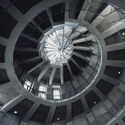
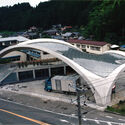
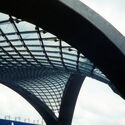
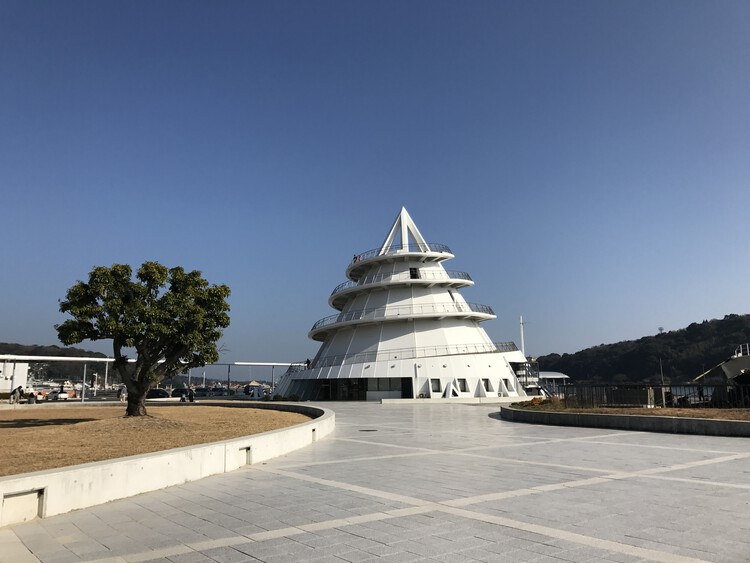
Kumamoto Exhibition Explores Shoei Yoh’s Pioneering Timber Structures and Computational Design

The Contemporary Art Museum of Kumamoto and the Shoei Yoh Archive at Kyushu University are honoring the late Japanese architect Shoei Yoh with an exhibition on view at the museum through March 9. The architect, who passed away on January 8, 2026, was born in Kumamoto in 1940 and, throughout his career, worked across product design, interiors, and architecture. He is recognized as a pioneer of contemporary timber construction and for his early contributions to computational design. The exhibition revisits his projects in Kumamoto through drawings and models from the Shoei Yoh Archive at Kyushu University.
https://www.archdaily.com/1039339/kumamoto-exhibition-explores-shoei-yohs-pioneering-timber-structures-and-computational-designAntonia Piñeiro
Rural Transportation Hubs: Infrastructure Design, Access, and Regional Mobility

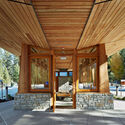
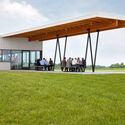
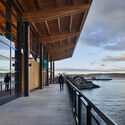
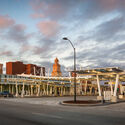
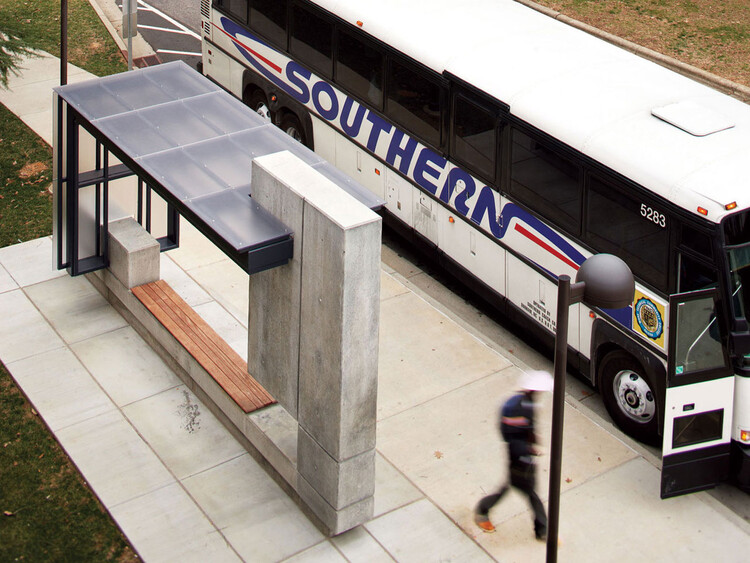
The future of transportation hubs in the United States will not be defined by iconic metropolitan airport terminals and expansive central train stations. Rural communities contain the majority of the nation's road miles, carry nearly half of all truck vehicle miles traveled, and originate two-thirds of rail freight. These realities position rural transportation hubs as vital regional access points and distribution centers that shape national mobility outside models of urban extensions.
Rural transportation hubs in the United States are essential civic and logistical anchors whose success cannot be measured against urban metrics. Instead of replicating transport hubs of dense urban typologies, designers are developing architectural models that reflect rural realities: dispersed populations, freight-dominant infrastructure, modest multimodality, safety challenges, and social access needs. In many rural regions, a modest airport terminal sustains economic viability, a rail transfer facility connects resource-based industries to national markets, and a regional bus depot provides access to employment, education, and essential services.
https://www.archdaily.com/1039225/rural-transportation-hubs-infrastructure-design-access-and-regional-mobilityOlivia Poston
BuildFest Introduces “Acts of Construction,” a Three-Year Exploration of Timber Installations
| Sponsored Content

The Bethel Woods Art and Architecture Festival announces BuildFest: Acts of Construction, a three-year initiative that activates the historic grounds of the 1969 Woodstock festival through large-scale timber installations and multimedia experiences. Each year is organized around a single theme, inviting designers to collaborate on an interdisciplinary series of "acts" that build on one another to create an interconnected set of installations, activations, and performances. Act One: Staging is currently accepting proposals for adaptive art infrastructure designed to "set the stage" for future activations. It will be followed by Act Two: Choreography in 2027 and Act Three: Performance in 2028.
https://www.archdaily.com/1039087/buildfest-introduces-acts-of-construction-a-three-year-exploration-of-timber-installationsRene Submissions
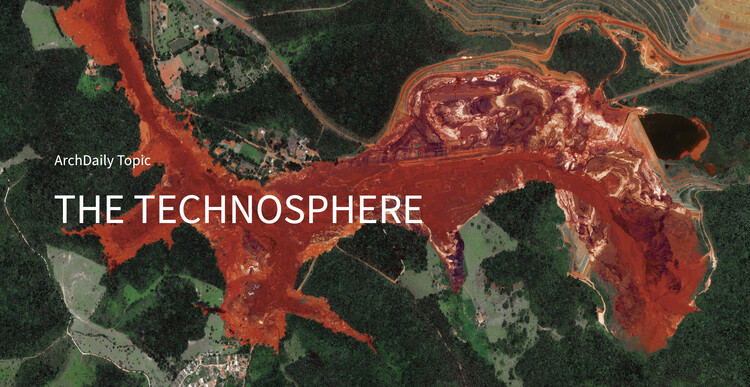
The Technosphere: ArchDaily’s March Editorial Focus

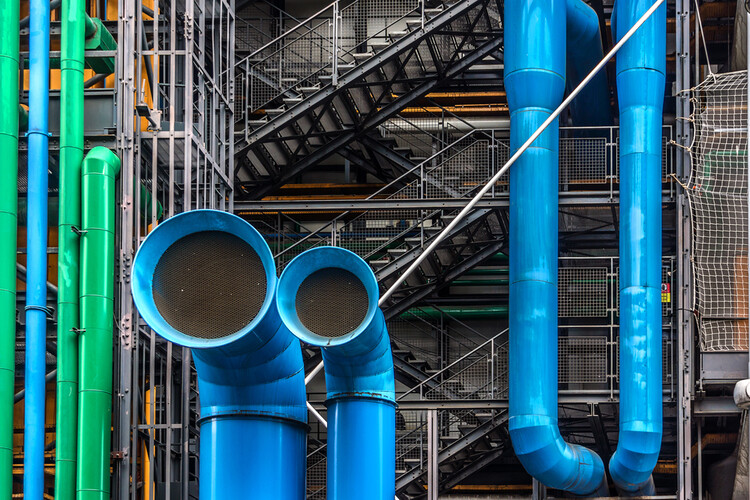
How heavy is a house? In his 1965 essay A Home Is Not a House, Reyner Banham observed that modern American dwellings were becoming structurally lighter while growing heavier in mechanical services, such as plumbing, wiring, heating, and cooling. The true weight of architecture, he argued, was no longer in walls and roofs, but in the energy-intensive systems that sustained comfort.
Decades later, the question was updated at the 7th Lisbon Architecture Triennale. Curators Ann-Sofi Rönnskog and John Palmesino asked: How heavy is a city? The scale shifted from the domestic interior to the territory. The technosphere, materialized in the estimated 30 trillion tons of human-made matter on Earth, reframes the discussion entirely. Cities, data centers, oil fields, logistics hubs, satellites, cables, and waste streams form a planetary system in which architecture is neither object nor backdrop, but participant.
https://www.archdaily.com/1039242/the-technosphere-archdailys-march-editorial-focusRomullo Baratto
Hariri Pontarini Architects and Snøhetta to Design New Ontario Science Centre in Toronto

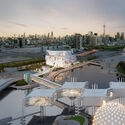
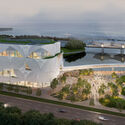
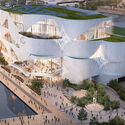
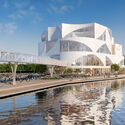
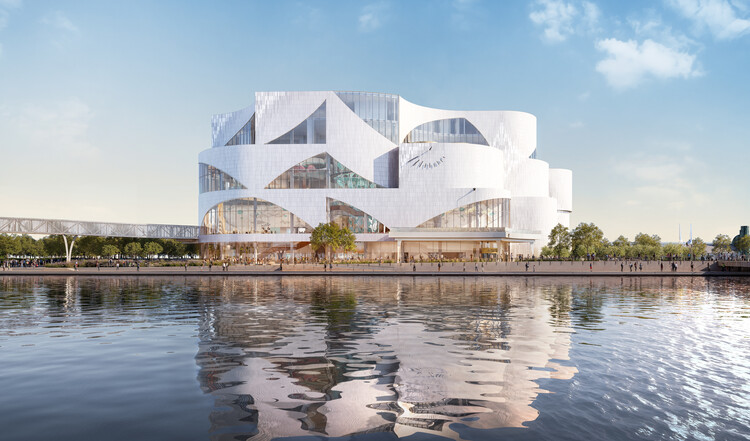
Hariri Pontarini Architects and Snøhetta have been selected to design the new Ontario Science Centre in Toronto. Announced in February 2026, the 400,000-square-foot facility will anchor the site's ongoing transformation through a 220,000-square-foot building defined by a series of scalloped, modular volumes. A central component of the proposal is the physical integration of the existing Pods and the historic Cinesphere via elevated connections and a continuous public promenade. Construction is expected to begin in Spring 2026, with completion anticipated in 2029 as part of a broader waterfront redevelopment strategy.
https://www.archdaily.com/1039304/hariri-pontarini-architects-and-snohetta-to-design-new-ontario-science-centre-in-torontoReyyan Dogan
MVRDV, Heatherwick Studio, and Mecanoo Among Five Shortlisted Teams for Shift Sustainability Landmark in Rotterdam

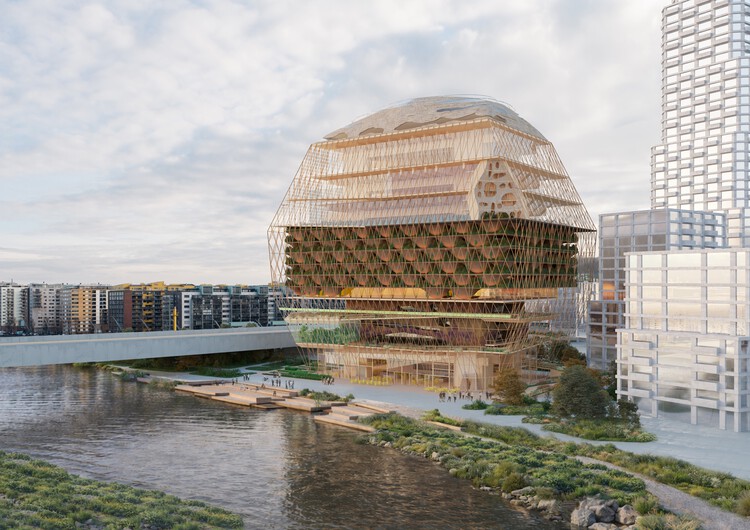
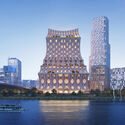
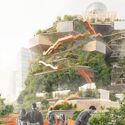
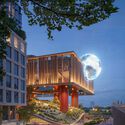
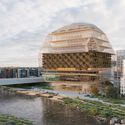
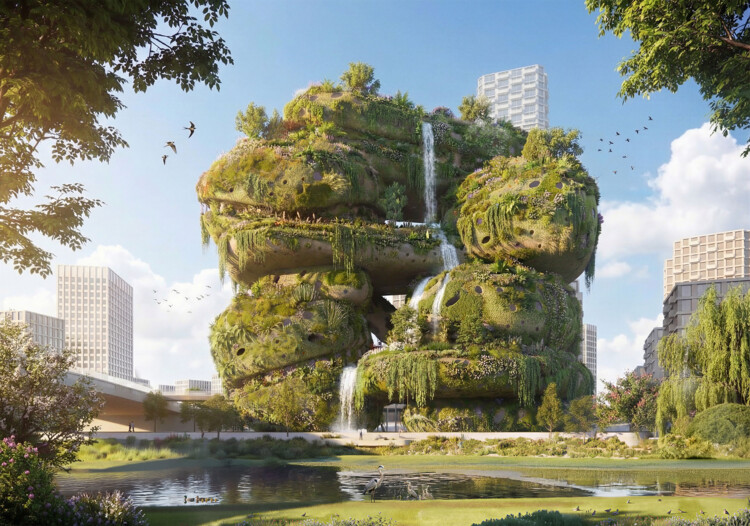
Shift, a company offering digital programs to reduce carbon emissions through individual behavior change, has announced the five finalist teams advancing to Stage Two of its international architecture competition. Launched in January 2025, the Shift International Architecture Competition called for proposals to design "the Shift Landmark": a 25,000 to 30,000 m² building in Waterkant, a new waterfront district in southern Rotterdam. The project includes a hotel, a conference and meeting center, and a sustainable food court. Its objective is to set a new standard for a purpose-driven destination that turns circular living into "something individuals, companies, and organisations can feel, experience, and act on." The five shortlisted design concepts reflect different visions of sustainability and climate action, developed by teams led by the European offices of MVRDV (Netherlands), Heatherwick Studio (United Kingdom), Office for Political Innovation (Spain), Mecanoo (Netherlands), and Ecosistema Urbano (Spain).
https://www.archdaily.com/1039284/mvrdv-heatherwick-studio-mecanoo-ecosistema-urbano-and-office-for-political-innovation-shortlisted-for-shift-sustainability-landmark-in-rotterdamAntonia Piñeiro
Drawn by Hand: Géométral's Site-Specific Architecture

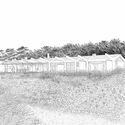
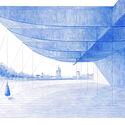
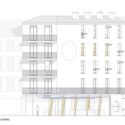
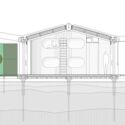
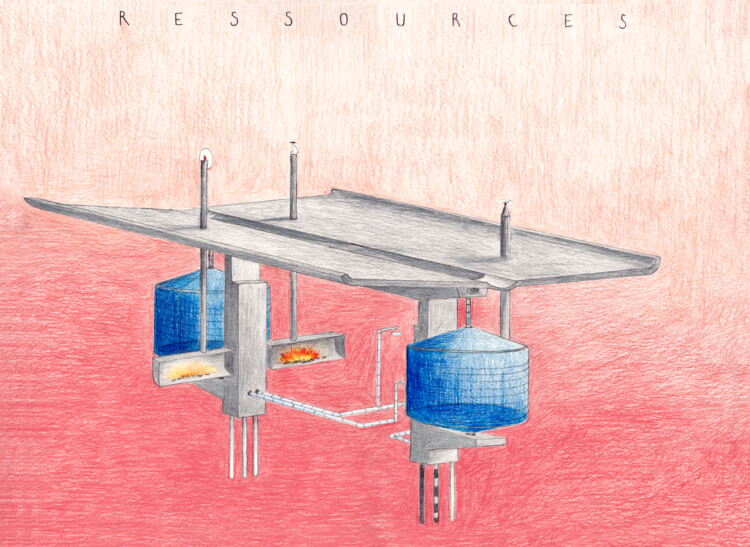
Founded in 2022 by Clément Masurier and based in Paris, France, Géométral is an architectural practice defined by design strategies that are linked to the landscape, which it treats as a primary determinant of form. The studio, one of the winners of the ArchDaily 2025 Next Practices Awards, approaches each project as a small universe that combines program, atmosphere, and spatial narratives. Rather than a single signature style, they focus on crafting moods and situations tailored to each context and user.
In its early stages, the studio lacked a built portfolio and responded by developing "fictional architectures" situated on real topographies. This exercise was not merely an aesthetic pursuit but a methodological anchor, as it allowed the firm to establish a rigorous process of site analysis and typological testing before receiving physical commissions. By treating imaginary projects with the same technical scrutiny as real ones, the studio developed a library of formal responses to environmental constraints that now dictate their built work.
https://www.archdaily.com/1038214/drawn-by-hand-geometrals-site-specific-architectureMoises Carrasco
Architecture as a Platform: What Makes a Building Evolve?

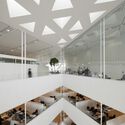
Not long ago, recent enough to feel current, architecture entered a moment in which buildings became legible as products. The framing offered discipline and a refreshed perspective to an industry that often deems novelty more precious than operational clarity. Nudging exercises of "form" towards repeatability, user experience, performance, and scalability prepared buildings to be a "product" that could now be evaluated. Architecture is more answerable to how well it works, how clearly it communicates its use, and how consistently it delivers its intended experience.
The discipline of product design refreshes the perspectives of architects designing for a changing future. Along with offering a new vocabulary and a rubric for design, the field brings in accountability: a product must perform reliably across time and context. It must hold together as a system of decisions rather than a collection of parts. Quality, therefore, is no longer measured solely by uniqueness, but by consistency and by the ability to produce a predictable experience for its occupants.
https://www.archdaily.com/1038868/architecture-as-a-platform-what-makes-a-building-evolveAnkitha Gattupalli
On World Hearing Day 2026: From Communities to Classrooms, Designing for Inclusion

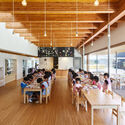
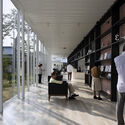
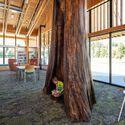
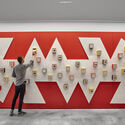
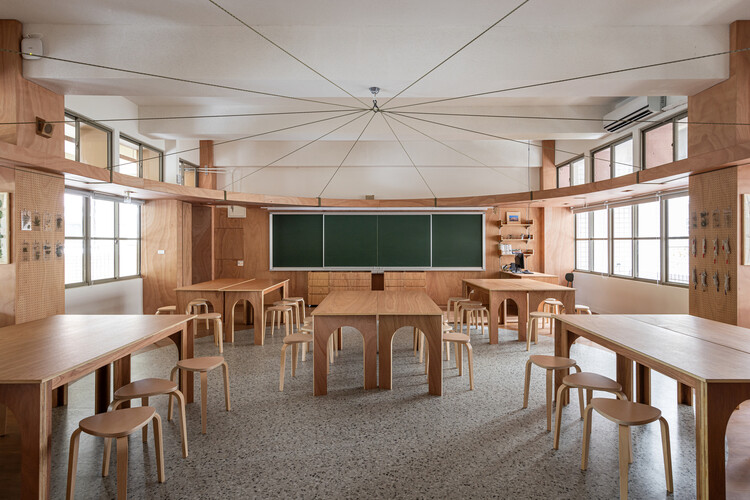
Every year on March 3, World Hearing Day highlights the importance of preventing hearing loss and ensuring equitable access to ear and hearing care worldwide. Led by the World Health Organization, the 2026 theme, "From communities to classrooms: hearing care for all children," emphasizes early identification, inclusive education, and supportive environments as fundamental components of children's development. As global estimates continue to indicate a rising number of children experiencing preventable or untreated hearing conditions, the conversation increasingly expands beyond healthcare systems and into the spaces where daily life unfolds.
https://www.archdaily.com/1039272/on-world-hearing-day-2026-from-communities-to-classrooms-designing-for-inclusionReyyan Dogan
Barbara Buser Recognized With the 2026 Jane Drew Prize for Her Work In Circular Construction

The AJ and The Architectural Review have named architect Barbara Buser as the winner of the 2026 Jane Drew Prize. The prize, named after English modernist architect and urban designer Jane Drew, is part of the W Awards and the W Programme, which recognise women's contributions to the architectural profession. Swiss-based architect Barbara Buser is known as an innovator in the field of recycling and reuse, and as an expert in circular construction, recognised for pioneering repurposing practices in Switzerland. The award, therefore, recognises not only her contribution to architecture itself, but above all her efforts to reduce the industry's environmental impact through socialisation initiatives. The recognition follows Anne Lacaton's award in 2025, as well as other prominent figures in the field, such as Kazuyo Sejima in 2023, Farshid Moussavi in 2022, and Yasmeen Lari in 2020.
https://www.archdaily.com/1039253/barbara-buser-recognized-with-the-2026-jane-drew-prize-for-her-work-in-circular-constructionAntonia Piñeiro
Ethiopian Modernism: Mid-Century Architecture of Africa's Capital

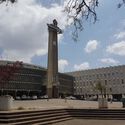
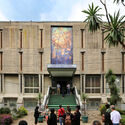
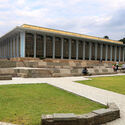
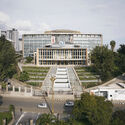
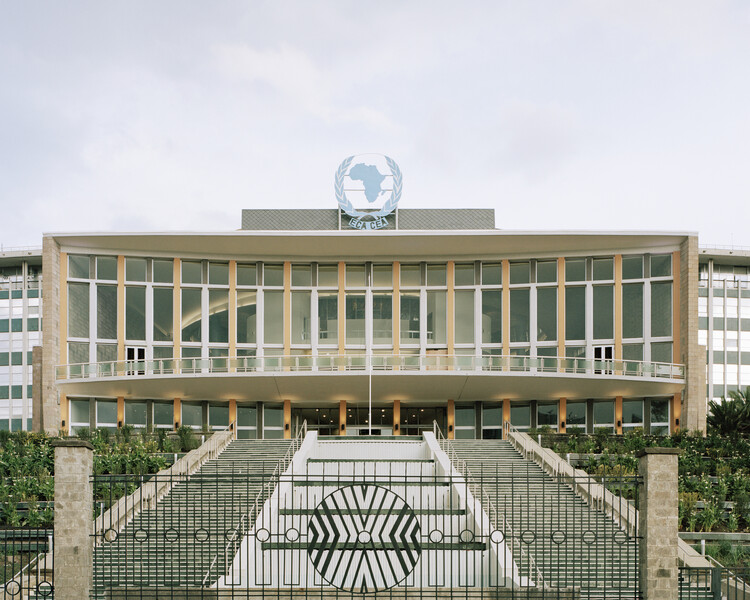
In January 2026, the World Monuments Fund/Knoll Modernism Prize was awarded to Australian firm Architectus for their conservation of the Africa Hall in Addis Ababa, Ethiopia. The award recognizes that Modernist buildings, once seen as a vanguard of architecture, are falling into disrepair and are underappreciated by the public. The situation in Africa is typical of this global sentiment, and this was the first time a building on the continent was graced with this award. The prize also spotlights Ethiopia's rich Modernist inventory, which marks its continental role in the mid and late twentieth century.
https://www.archdaily.com/1039211/ethiopian-modernism-mid-century-architecture-of-africas-capitalMohieldin Gamal
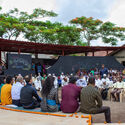
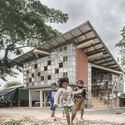
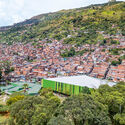
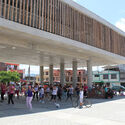
When the School Becomes the City: Community-Centered Projects in the Global South

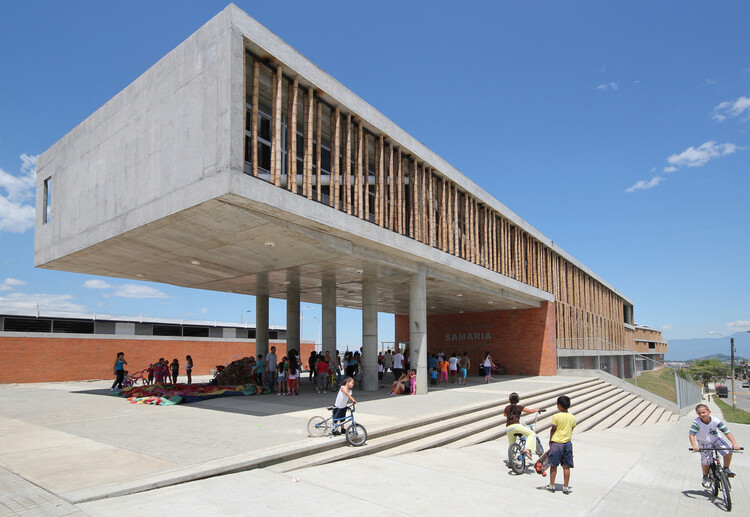
Education and culture have long been established as strategic pillars for promoting profound social transformation. In this context, the quality of physical infrastructure is not merely a functional concern, but a structural element in the implementation of consistent public policies — especially in territories marked by urban precarity, historical inequality, and institutional fragility. Within this framework, school architecture can assume a role that extends far beyond the classroom, becoming a catalyst for social transformation.
https://www.archdaily.com/1038975/when-the-school-becomes-the-city-community-centered-projects-in-the-global-southCamilla Ghisleni
Foster + Partners’ Two World Trade Center Revealed in New Renderings, Construction to Begin in 2026

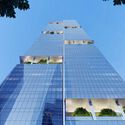
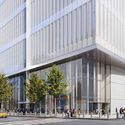
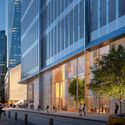
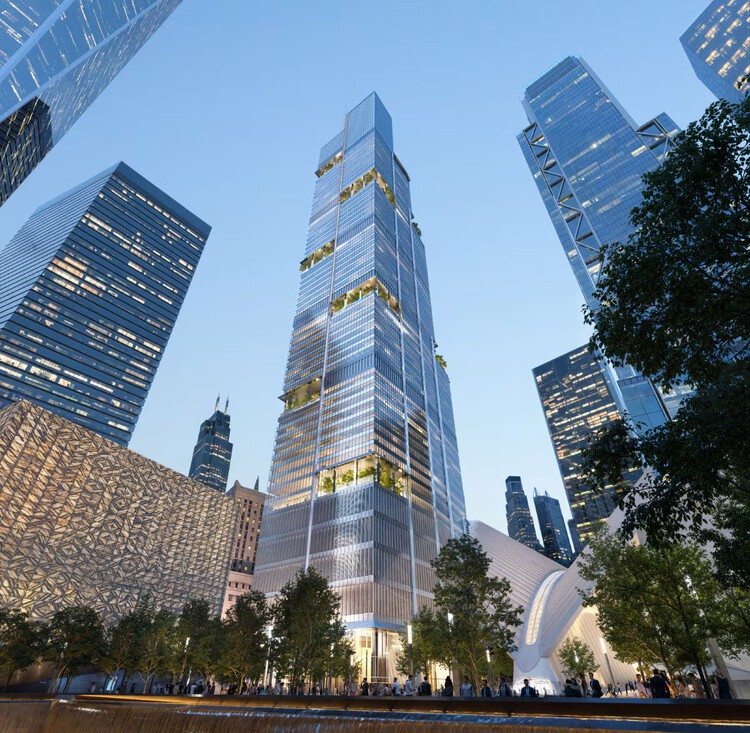
Updated renderings for Two World Trade Center, the final commercial tower planned for the World Trade Center campus in Lower Manhattan, have been unveiled by Foster + Partners in collaboration with developer Silverstein Properties. Rising 373 meters at 200 Greenwich Street, the 55-story skyscraper will occupy a central position within the site, directly across from Santiago Calatrava's Oculus transportation hub and adjacent to the Perelman Performing Arts Center, completing the commercial edge of the master plan. The tower is set to become the new global headquarters of American Express, which will serve as the building's sole owner and occupant. Completion is currently anticipated in 2031, with construction scheduled to begin in spring 2026.

https://www.archdaily.com/1039220/foster-plus-partners-two-world-trade-center-revealed-in-new-renderings-construction-to-begin-in-2026Reyyan Dogan
Renzo Piano Building Workshop and Brunet Saunier & Associés Secure Permit for Urban Forest Hospital in Greater Paris

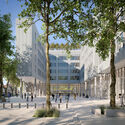
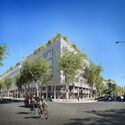
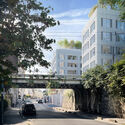
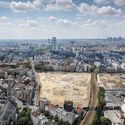
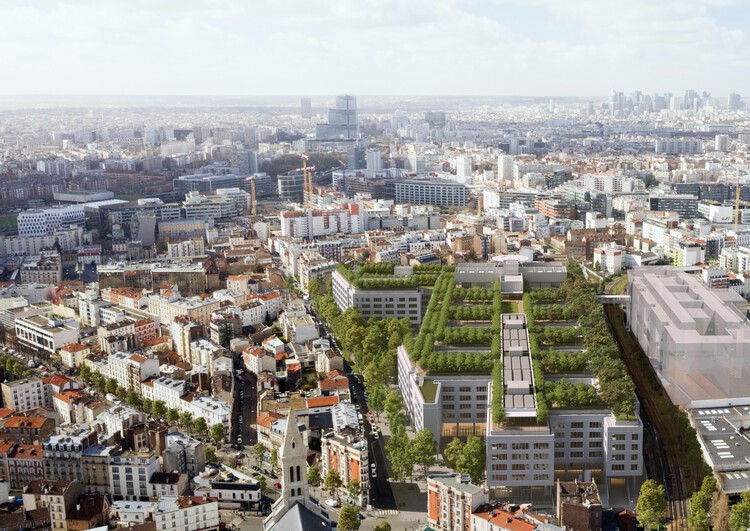
On February 20, Renzo Piano Building Workshop announced that the building permit for the Hôpital Universitaire Saint-Ouen Grand Paris Nord (HUSOGPN) has been officially granted. The project is a state initiative responding to rapid population growth, increasing demand for care, and evolving technical standards with a "next-generation" hospital in Saint-Ouen-sur-Seine, a commune in the northern suburbs of the French capital. The hospital will be located on the site of the former PSA factory, once an industrial engine of the region and now large and well-connected enough to host a program of rare scale: 986 beds and 288 day places, a workforce of over 5,500 professionals, and facilities equipped with contemporary technology for areas such as surgery and maternity. Envisioned as a "hospital-landscape," the building designed by RPBW in association with Brunet Saunier & Associés stands out for featuring a 1.3-hectare roof garden and an urban forest with over 1,000 trees.
https://www.archdaily.com/1039209/renzo-piano-building-workshop-and-brunet-saunier-and-associes-secure-permit-for-urban-forest-hospital-in-greater-parisAntonia Piñeiro
Intestines of a Building: Aziza Chaouni on Architecture’s Systems and Resources

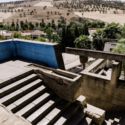
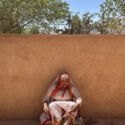
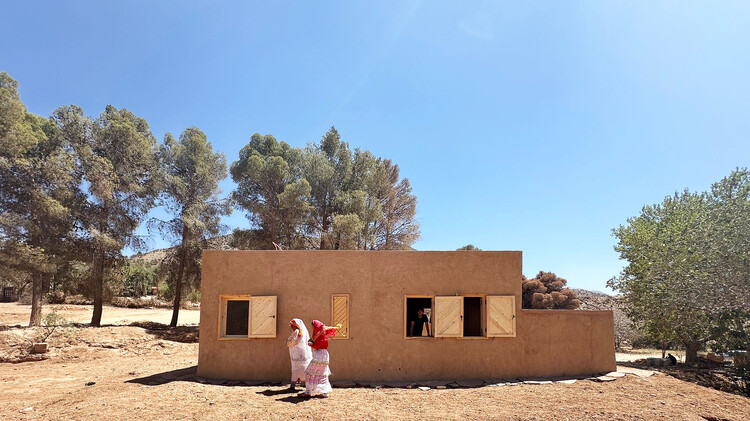
In an age so obsessed with skincare and appearances, few architects are truly interested in the intestines of our buildings. With a practice rooted in contextual awareness and technical pragmatism, sensitive to the needs of the people it serves and to resource limitations, Moroccan architect Aziza Chaouni focuses on the hidden systems that allow architecture to be. Over the past two decades, she has been working on projects across different geographies, particularly in the Saharan region, actively engaging with its communities and heritage.
Currently leading the South–North (SoNo) Lab for Sustainable Construction and Conservation at EPFL in Lausanne, Switzerland, Chaouni brings to the academic realm her architectural expertise in operating under pressing constraints, advocating for reciprocal collaboration between the Global South and the Global North. ArchDaily had the opportunity to speak with Aziza about her experience in Africa and how it can foster more sustainable ways of designing buildings for the future of our cities.


https://www.archdaily.com/1038912/intestines-of-a-building-aziza-chaouni-on-architectures-systems-and-resourcesRomullo Baratto
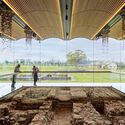
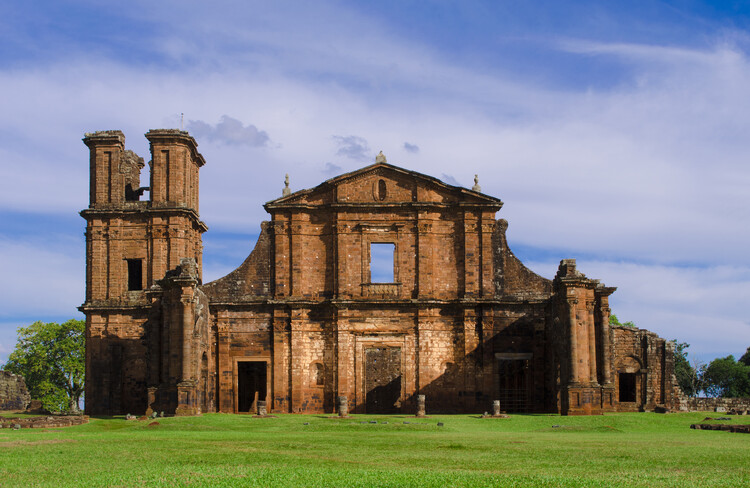
Who Decides What Is Worth Preserving? Power and Heritage in Latin America

When we enter a museum, walk through a historic center, or review a country’s list of protected heritage sites, we rarely think about the process behind those choices. Who decided, on behalf of all of us, that certain objects, places, and architectures deserved to be preserved and disseminated, while others were discarded?
In most cases, the power of decision lies with specialized professionals—historians, museologists, architects, geographers. But on what basis are these decisions made? Can the complexity of history be reduced to a checklist? Or, more fundamentally, which version of history underlies these choices?
https://www.archdaily.com/1038829/who-decides-what-is-worth-preserving-power-and-heritage-in-latin-americaCamilla Ghisleni
Explore the Longlist of the ArchDaily Student Project Awards

Eighteen years ago, two architecture students decided that they had a project worth pursuing. It wasn't a built structure, but a digital project that ended up revolutionizing the way people around the world consume architectural content. This was how ArchDaily was founded, and it still guides our work to this day. The future of architecture is continuously being shaped in classrooms, studios, and workshops around the world, and we want to continue supporting the students who are actively participating in this evolution. Recognizing the creativity and vision of students who are redefining architectural discourse around the world is what led us to create the Student Project Awards.
We are now pleased to present the longlisted projects for this first edition of the ArchDaily Student Project Awards. With hundreds of projects submitted from around the world, our in-house team of architects and editors carefully combed through every single entry, narrowing them down to 104 longlisted projects. The students who participated represent the diversity of the architectural landscape itself, with submissions from every continent, all levels of study, and in various scales and typologies.
https://www.archdaily.com/1039110/explore-the-longlist-of-the-archdaily-student-project-awardsDaniela Porto
The Centauric Heritage: Equine Scale and Mexican Monumental Architecture

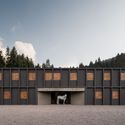
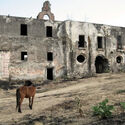
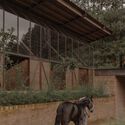
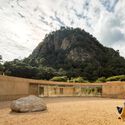
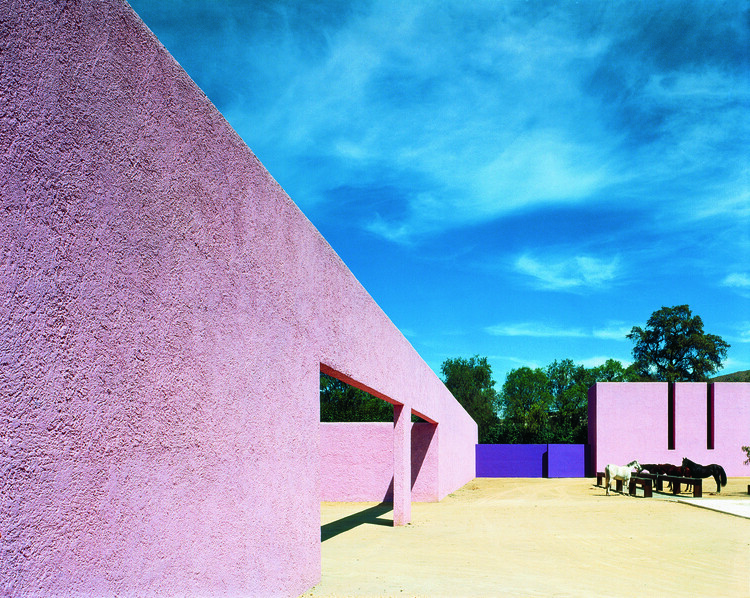
In the architectural history of the Mexican territory, the built environment has functioned not merely as a human stage, but as a biological infrastructure designed to organize proximity between species. The resulting spatial logic is not a solo performance, but a negotiated coexistence between human and animal bodies. To examine this heritage today is to shift the analytical focus away from stylistic authorship and toward a more fundamental phenomenon: the persistence of spatial practices that emerged to sustain shared forms of life.
Many of the architectural features now interpreted as cultural or aesthetic markers — oversized thresholds, expansive patios, and durable surfaces — can be understood instead as material traces of an interspecies contract. For centuries, horses, mules, and livestock were not external to architecture but essential inhabitants whose physical presence shaped scale, circulation, and material choices. Their bodies left measurable imprints in space, from the height of entrances that accommodated mounted riders to paving systems designed to withstand hooves, friction, and biological wear. Nowhere was this contract more visible than at the ground level of the colonial house.
https://www.archdaily.com/1038962/the-centauric-heritage-equine-scale-and-mexican-monumental-architectureValentina Díaz
SCAPE and BIG Unveil Final Plans for Manresa Wilds on Former Power Plant Site in Norwalk, US

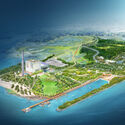
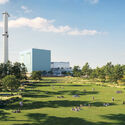
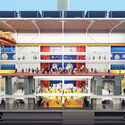
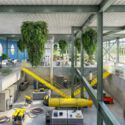
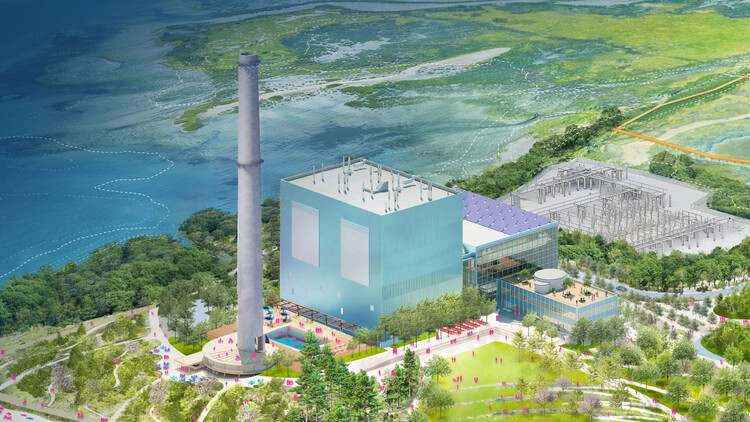
Manresa Island Corp. has unveiled the final vision for Manresa Wilds, a 125-acre waterfront park planned on a former power plant peninsula along Long Island Sound in Norwalk, United States. Developed in collaboration with landscape architecture firm SCAPE and architecture studio BIG, the proposal outlines the transformation of a polluted and long-inaccessible industrial shoreline into a publicly accessible coastal landscape. Following the receipt of a stewardship permit from Connecticut's Department of Energy and Environmental Protection in December 2025, the project will move forward in phases, beginning with the opening of the 28-acre Northern Forest in spring 2027. Subsequent phases, extending into the early 2030s, will deliver the majority of the restored landscape and the adaptive reuse of the 1960s-era power plant as a year-round civic and educational hub, opening nearly two miles of coastline that have been closed to the public for decades.
https://www.archdaily.com/1039175/scape-and-big-unveil-final-plans-for-manresa-wilds-on-former-power-plant-site-in-norwalk-usReyyan Dogan
Lacaton & Vassal and Emmanuelle Delage to Transform Administrative Center into Mixed-Use Housing and Offices in Vannes, France

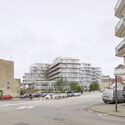
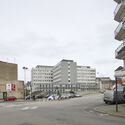
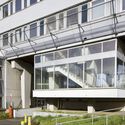
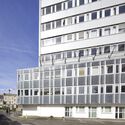
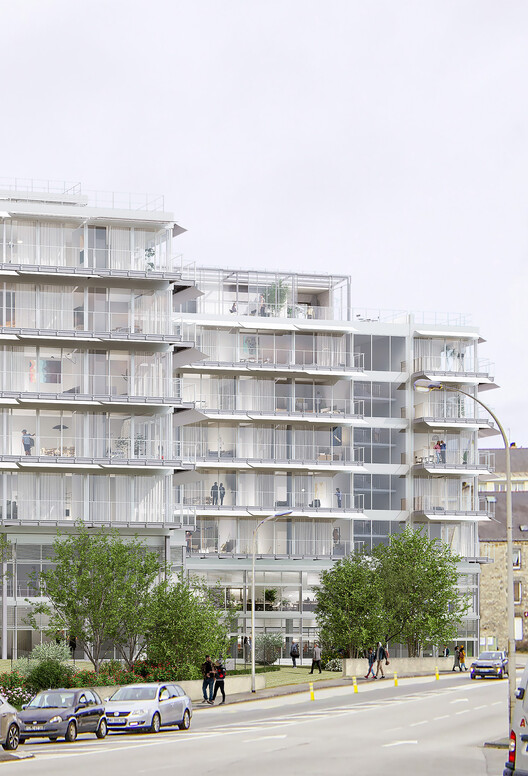
Lacaton & Vassal have announced the transformation of a former administrative center into a mixed-use residential and office building in Vannes, a medieval town in Brittany, northwest France. The project is part of a State policy to mobilize state-owned land for housing. In 2023, the French State launched a call for expressions of interest for a project on the former administrative complex, which housed several State services, in consultation with the City of Vannes. The winning proposal is a partnership between GReeStone Immobilier and Grand Ouest Immobilier, with an architectural team formed by the office of Anne Lacaton and Jean-Philippe Vassal, winners of the 2021 Pritzker Prize, in partnership with Emmanuelle Delage Architecte. According to the city government, the proposal was chosen with the aim of promoting resilience and limiting the carbon footprint by renovating rather than demolishing.
https://www.archdaily.com/1039144/lacaton-and-vassal-and-emmanuelle-delage-to-transform-administrative-center-into-mixed-use-housing-and-offices-in-vannes-franceAntonia Piñeiro