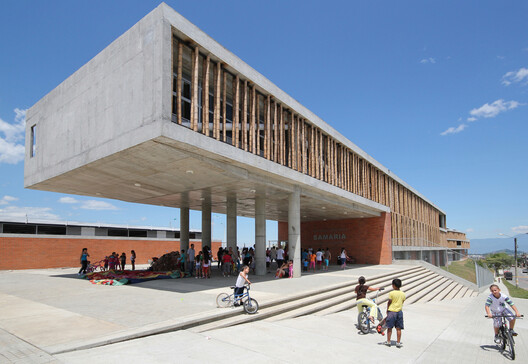
Education and culture have long stood as strategic pillars for driving profound social transformation. In this context, the quality of physical infrastructure is not merely a functional matter, but a structuring element for the implementation of consistent public policies—particularly in areas marked by urban precarity, historical inequality, and institutional fragility. Against this backdrop, school architecture can take on a role that goes far beyond the classroom, becoming a catalyst for social transformation.




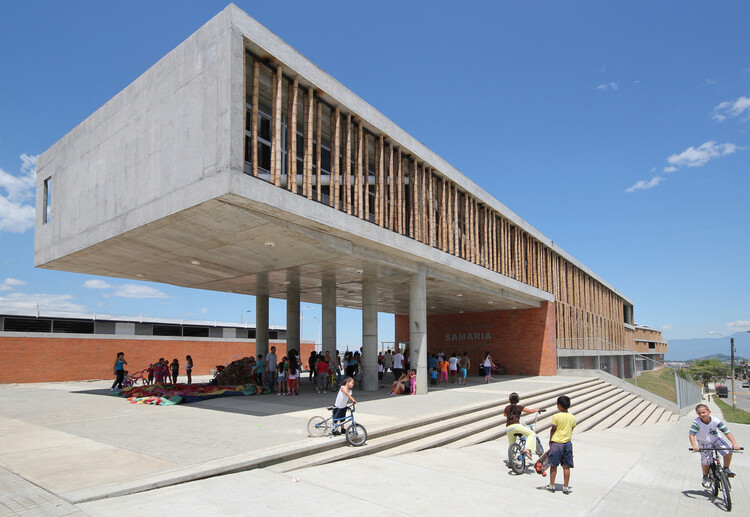
Over the last few decades, experiences across various contexts have shown that investing in education is also an investment in public space, belonging, and citizenship. When designed as open platforms integrated into the city, schools operate as multifunctional civic facilities capable of bringing together culture, sports, community gatherings, and learning within the same territory.


