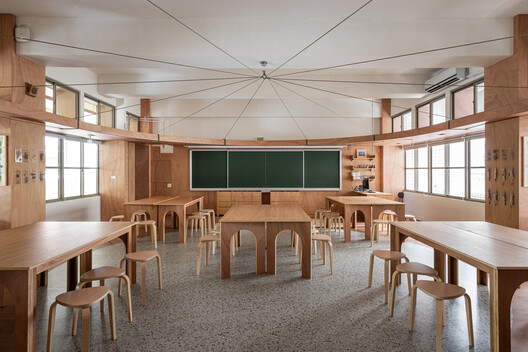
Every year on March 3, World Hearing Day highlights the importance of preventing hearing loss and ensuring equitable access to ear and hearing care worldwide. Led by the World Health Organization, the 2026 theme, "From communities to classrooms: hearing care for all children," emphasizes early identification, inclusive education, and supportive environments as fundamental components of children's development. As global estimates continue to indicate a rising number of children experiencing preventable or untreated hearing conditions, the conversation increasingly expands beyond healthcare systems and into the spaces where daily life unfolds.
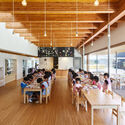
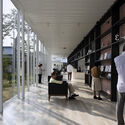
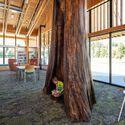

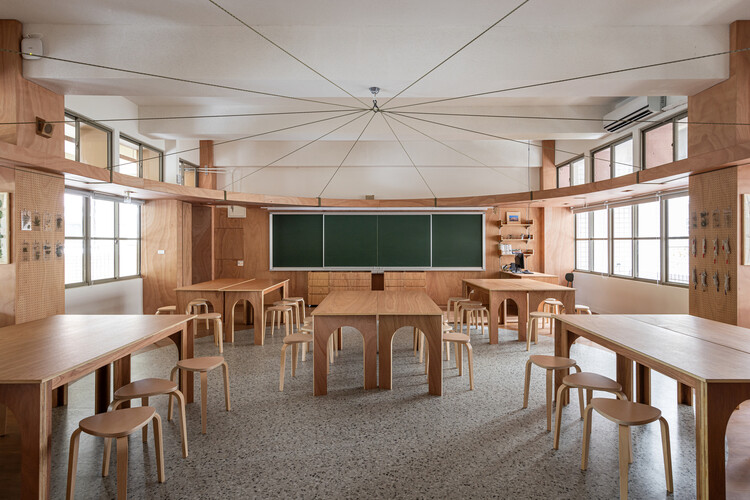
The design of classrooms, childcare facilities, community centers, and public spaces directly shapes how sound is perceived, how communication unfolds, and how inclusion is experienced. Acoustics, spatial configuration, lighting strategies, and material choices can either reinforce barriers to participation or foster environments that support diverse auditory experiences. For children in particular, whose cognitive, linguistic, and social development is closely tied to sensory input, the quality of the built environment becomes inseparable from questions of access and equity.
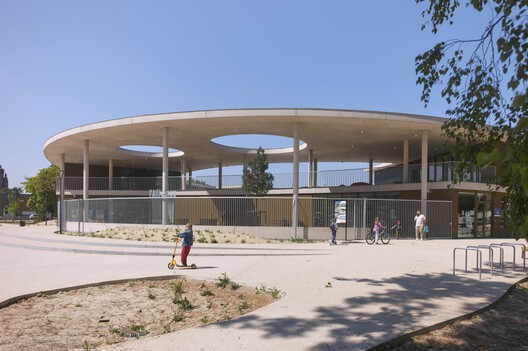
Discussions around hearing care frequently center on medical interventions and assistive technologies. Yet spatial strategies such as improved classroom acoustics, clear sightlines for visual communication, and thoughtfully designed gathering spaces demonstrate how architecture can operate as a complementary form of care. Insights from Deaf-centered design frameworks, alongside research on learning environments and sensory well-being, reveal how inclusive strategies benefit not only children with hearing loss but all users, illustrating the broader potential of accessibility-focused design. As World Hearing Day 2026 highlights the journey from communities to classrooms, it also invites reflection on how architecture can foster inclusion more generally, shaping environments that accommodate diverse abilities, enhance engagement, and support participation for everyone, regardless of physical, sensory, or cognitive differences.
Related Article
Architecture for Everyone: Reflecting on Accessibility on the International Day of Persons with DisabilitiesRead on to discover a selection of articles published on ArchDaily that explore accessibility, inclusive environments, and the evolving relationship between architecture and auditory well-being.
Architecture for People with Hearing Loss: 6 Design Tips
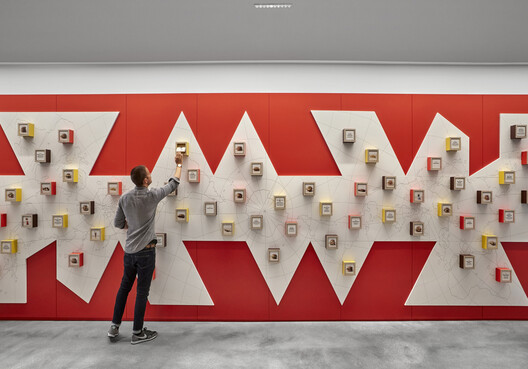
Architecture Tailored for the Deaf and Hard-of-Hearing Community: Gallaudet University's DeafSpace Principles
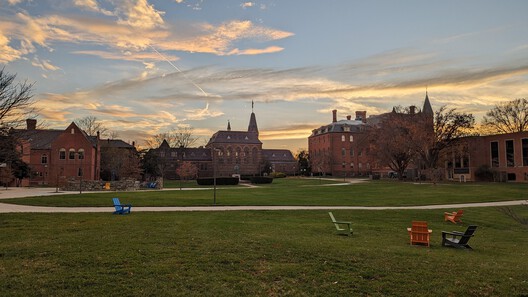
Poorly Designed Acoustics in Schools Affect Learning Efficiency and Well-being
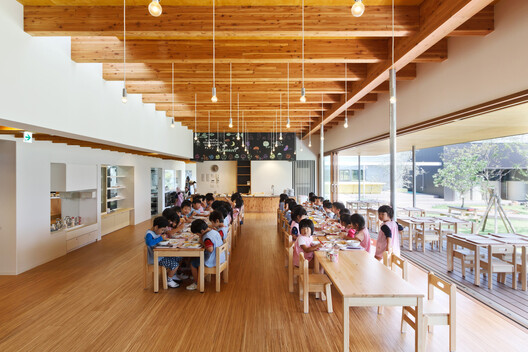
The Curb Cut Effect: How Accessible Architecture is Benefiting Everybody
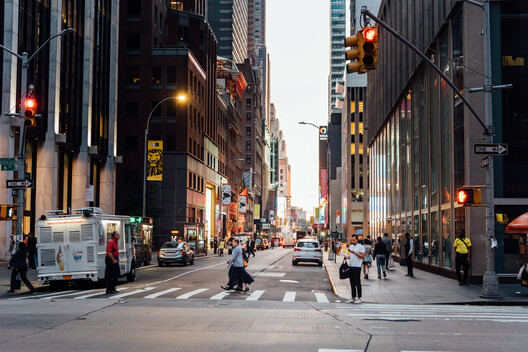
Basic Principles of Acoustics: Why Architects Shouldn't Leave It All To Consultants
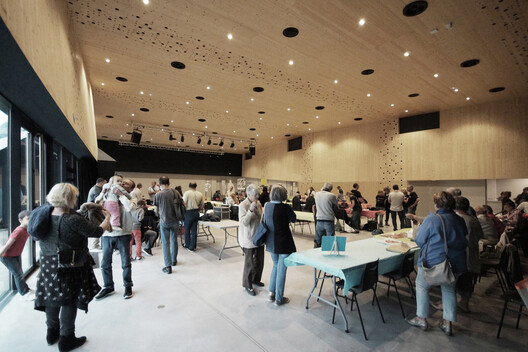
Architecture for Neurodiversity: Designing for Control, Choice, and the Senses
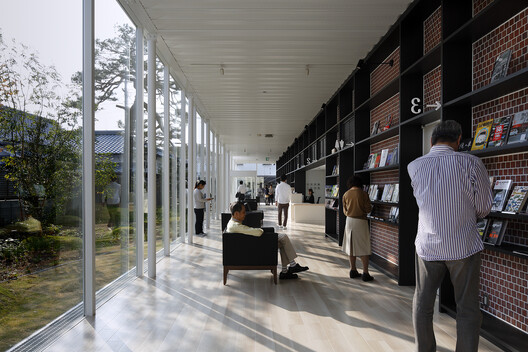
How Can Public Space Be Designed for the Neurodiverse Community?
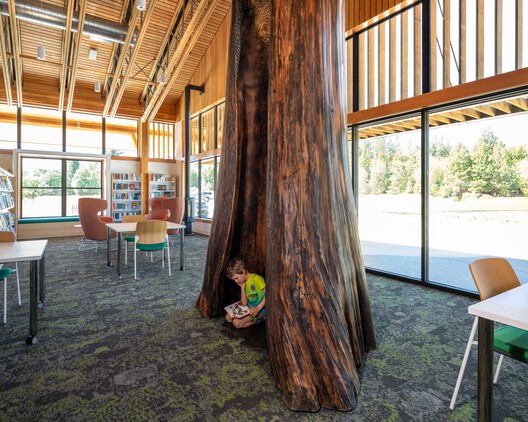
How Do the 7 Principles of Universal Design Help Us Create Better Architecture?
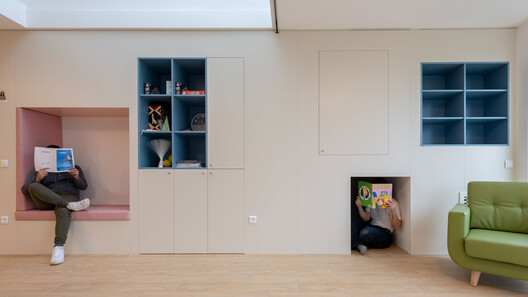
Explore ArchDaily's input into recent International Days: International Day of Education, International Migrants Day, Human Rights Day, and International Youth Day.