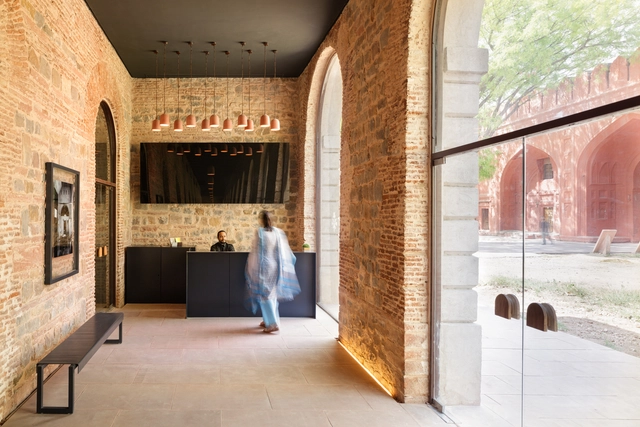
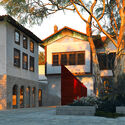
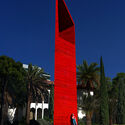
The Indian built environment constantly negotiates ancient traditions, diverse population, and globalized ambitions. When it comes to heritage preservation, these forces often converge to create a distinctive approach to conservation efforts in the country. Beyond the conventional models seen in many parts of the world, India's conservation projects intertwine historical practices, community engagement, and a reverence for the living essence of buildings.
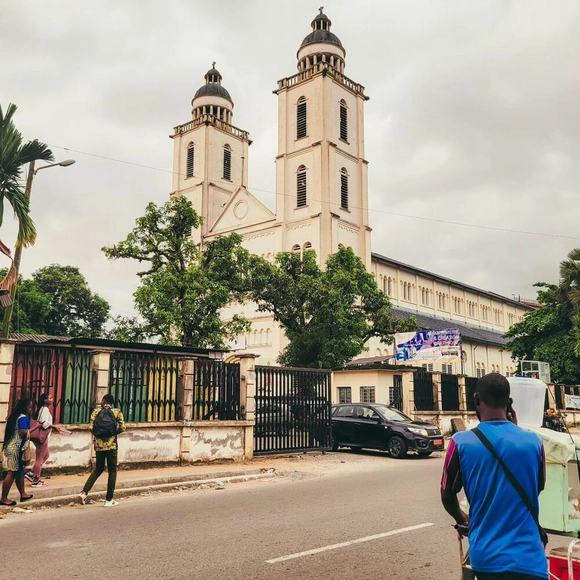
Cameroon boasts a rich architectural heritage of Catholic Christian worship buildings. These buildings encompass various styles, including contemporary designs, Terracotta brick explorations, and Gothic, and Byzantine architectural influences. Since the arrival of missionaries and colonial communities in 1890, numerous religious buildings have been constructed with the involvement of local communities. These buildings not only contributed to the development of the Christian faith but also served as venues for the exchange of architectural ideals between the local and foreign communities.
During this period, Cameroon explored the Gothic and Byzantine movements, which had reached their peak in Europe, to create these churches. They were interrogated through local building practices and now represent the historical heritage of the country's cathedrals.
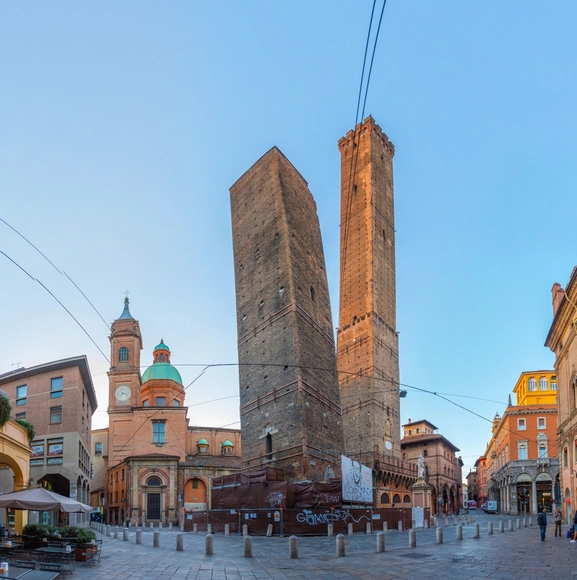
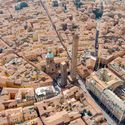
Bologna officials announced plans to secure and repair the leaning Garisenda Tower, a medieval structure in the center of the Italian city. Earlier last month, the area surrounding the tower was secured after raising fears of collapse, as monitoring has found shifts in the direction of the tilt. The 47-meter-tall tower leans at a four-degree angle, similar to its more famous counterpart, Leaning Tower of Pisa. The Garisenda Tower has been a defining feature of Bologna’s skyline along with its neighboring Asinelli Tower, which is around twice the height and also leans, though at a smaller angle, and is usually open for tourists to climb.
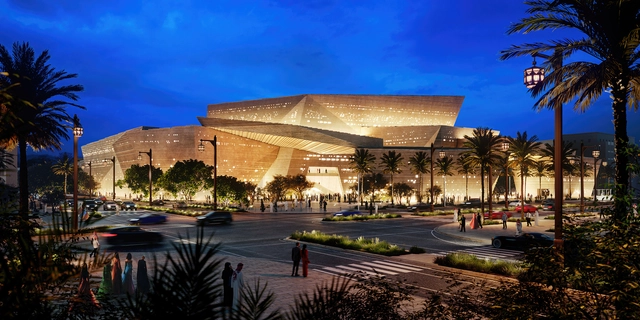
Snøhetta has revealed the design of a new opera house to be added to the historic area of Diriyah in Saudi Arabia. The proposal strives to blend the local cultural heritage and Najdi building traditions with the contemporary requirements of an international music and performing arts venue. Scheduled to open in 2028, the Royal Diriyah Opera House anchors a wider master plan to redevelop the Diriyah area on the outskirts of Riyadh, aiming to transform it into a cultural destination.
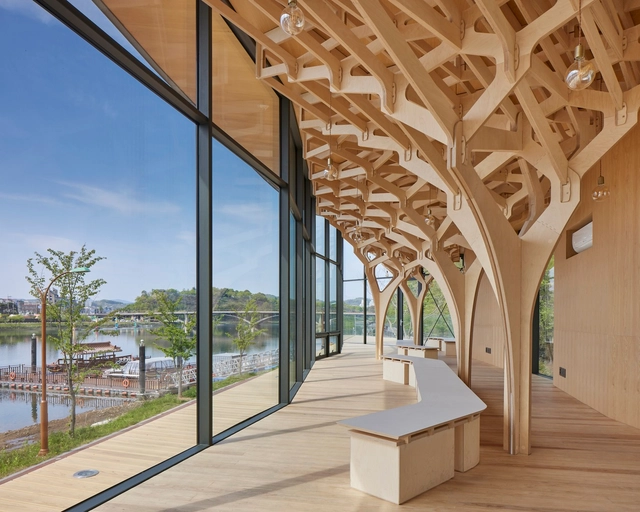
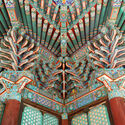
By imagining an alternative reality and rediscovering his cultural background, architect Jae Kyung Kim of JK-AR established his identity as an architect when creating his practice, selected as one of ArchDaily’s New Practices 2023. After studying and working in South Korea and the US, he’d noticed an absence of traditional Asian architecture, which had peaked his interest. He began to thoroughly look at a possibility where the traditional timber buildings of East Asia had still been relevant and continued to evolve.
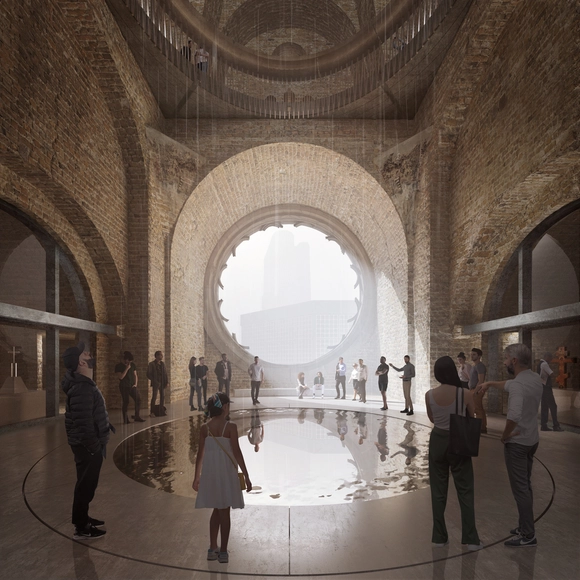
The design by heneghan peng architects, Dublin, with Ralph Appelbaum Associates, Berlin, was awarded 1st prize in the international competition for the replanning and expansion of the Old Tower of the Kaiser Wilhelm Memorial Church. The competition’s purpose was to redesign the original West Tower, which was partially destroyed during a bombing by the Allied Forces in 1943, and return it to the tourist circuit as a war memorial and exhibition space.
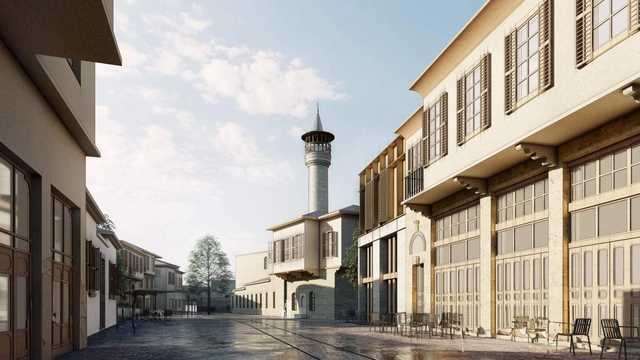
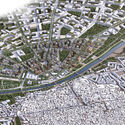
The Türkiye Design Council (TDC) has gathered 13 design practices, including Foster + Partners and Bjarke Ingels Group, to contribute to the revitalization of the historic province of Hatay, an area severely damaged by the 7.8 magnitude earthquake in February this year. Foster + Partners has been selected to lead the design and planning of the new master plan for the city of Antakya, known to antiquity as Antioch, while several other offices including Turkish practices DB Architects and KEYM (Urban Renewal Center) will work together to create a vision for the rebuilding of the city. The master plan is expected to be revealed in its entirety in 2024.
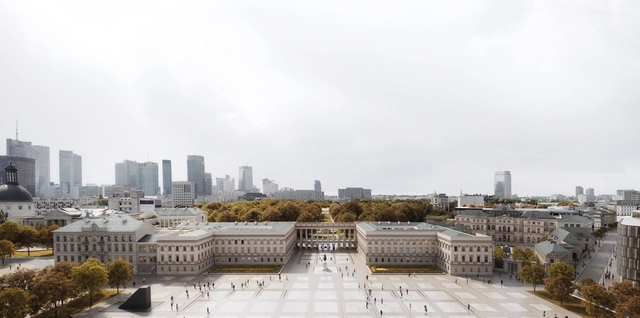
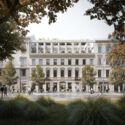
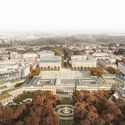
WXCA Architectural Design Studio has won the international competition for the reconstruction of the Saxon Palace, a heritage site located in the historical city center of Warsaw, Poland, that was significantly damaged during the Second World War. The competition, organized by the Polish Ministry of Culture and National Heritage in cooperation with the Association of Polish Architects, aimed to create a concept for the restoration of the monument, which is set to be rebuilt in its external Neoclassicist form of 1939.
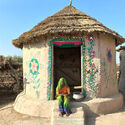
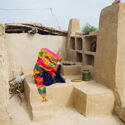
In this Louisiana Channel interview with Yasmeen Lari, the renowned Pakistani architect speaks about the role of architects and the needed perspective shifts of the industry in contemporary times. Awarded the RIBA Royal Gold Medal in 2023 for herhumanitarian efforts, Lari emphasizes the need to rethink the architecture industry to address social disparities and resource deficiencies. In the interview, the architect and designer reflects on her upbringing, architectural education, and her practice today.
Protest has always been a powerful tool for creating change, and public spaces provide a platform for social engagement in societies. As part of the International Day of Democracy, we examine Africa, its series of emerging protests in the past year, and how citizens in various countries question political justice, demand better living standards from their government, and interrogate their nation’s sovereignty. With demonstrations ranging from organized large-scale marches to smaller spontaneous outbursts, residents of these countries have explored public spaces in symbolic and significant ways to amplify their voices. These spaces include public squares with cultural and historical meaning, sites of political buildings, or makeshift protest areas such as roads and open areas. Through this, African cities show how people make these spaces their own and how the power of their conglomeration cannot be ignored in unwrapping the democratic essence of public spaces.
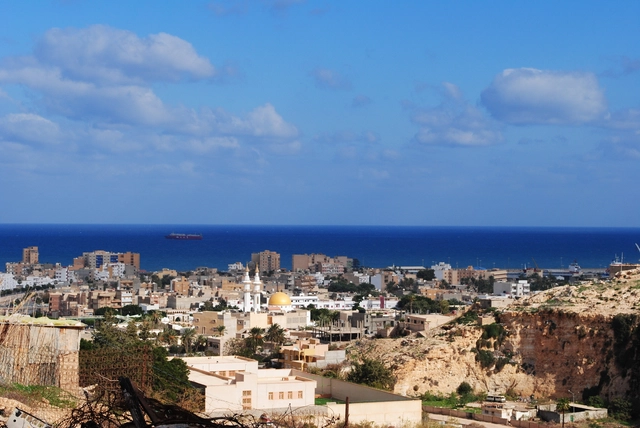
Within the span of a week, two natural disasters hit North African nations. On Monday, 11 September, just days after a major earthquake hit Morocco's High Atlas Mountains, Storm Daniel made landfall in Northwest Libya, leading to the collapse of two dams, which released torrents of mud and water into the country’s coastline, killing thousands and destroying large parts of the port city of Derna, as well as other cities and villages such as Benghazi, Bayda, and al-Marj. The scale of the disaster is still being assessed, with more than 10,000 residents still missing and thousands more displaced. Entire neighborhoods of Derna, a city traversed by the flooded Wadi Derna River, have been swept away.
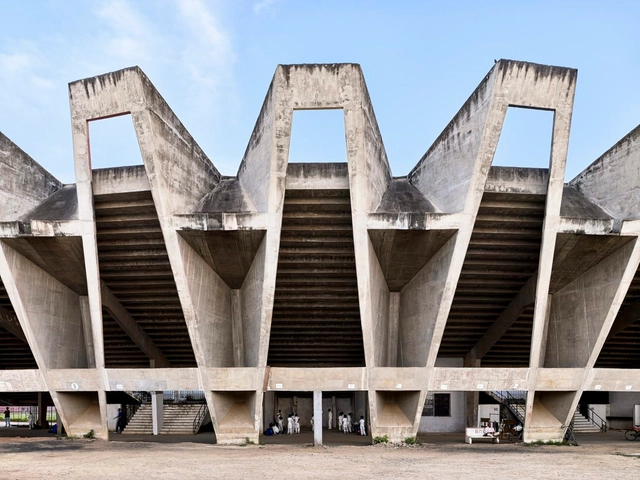
The structure was originally built to host international and domestic cricket matches. In the 1950s, the Cricket Club of Ahmedabad was granted 67,000 sqm of land to construct a Cricket Stadium. It was the country’s first “turf ground,” hosting the first cricket match in India. For the cricket community in the country, the SVP represents a venue that has nurtured and honed young cricketers from all over the state, and it has been graced by several of India's legendary players in both test and one-day cricket matches.
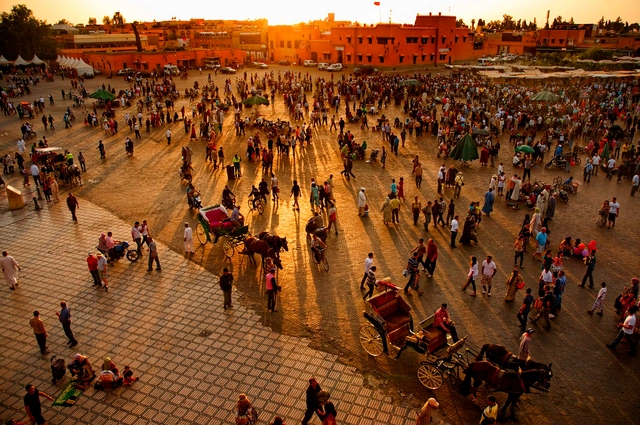
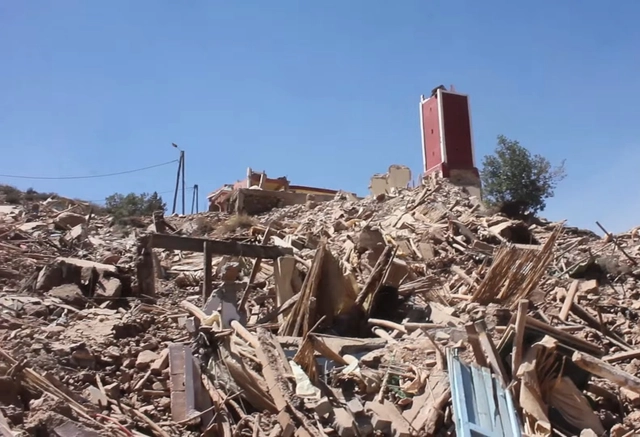
Friday, September 8th, a 6.8-magnitude earthquake hit Morocco’s High Atlas Mountain range. The epicenter was located just 72 kilometers southwest of Marrakech, the country’s fourth-largest city and a popular tourist destination. The quake is the strongest to hit the nation’s center in more than a century. Estimates put the number of victims at over 2,000 and more injured, but as several towns and villages remain inaccessible high in the mountains, the number is expected to increase. In addition to the human toll, several historical landmarks, including UNESCO World Heritage sites, have been affected, while eyewitnesses in the foothills of the mountains report that several remote towns have been completely destroyed, according to CNN.
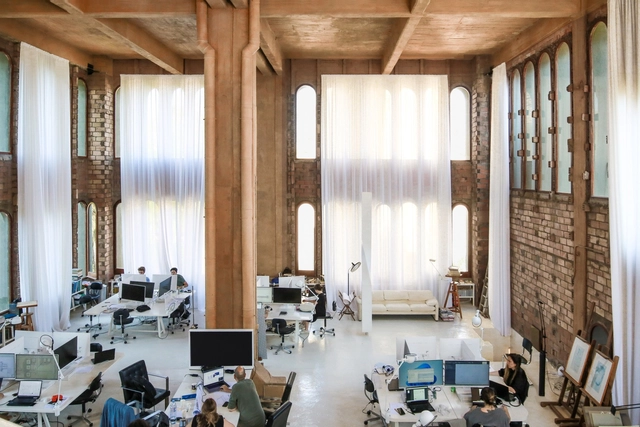
La Fábrica, an iconic project by Ricardo Bofill, stands as a testament to the transformative power of architecture. Located in the environs of Barcelona, this creation showcases the remarkable metamorphosis of an abandoned cement factory into a stunning architectural masterpiece.
https://www.archdaily.com/1004625/la-fabrica-by-ricardo-bofill-a-harmonious-blend-of-past-and-presentArchDaily Team
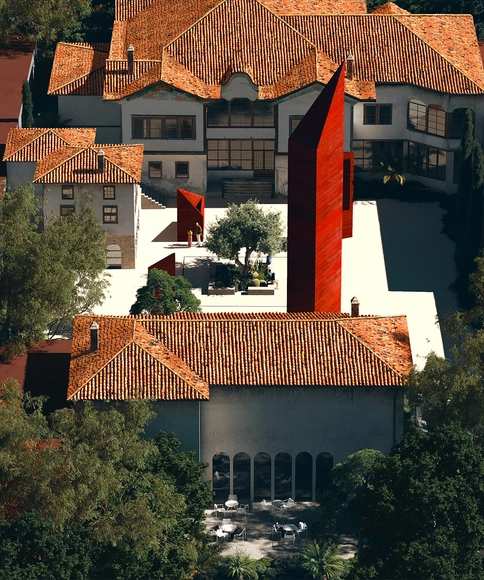
Switzerland-based office Oppenheim Architecture has been announced as the winner of a two-phase competition for the redesign and restoration of the Besa Museum in Tirana, Albania. The institution is dedicated to showcasing the Albanian code of honor represented through the name “Besa,” a concept that dictates welcoming any guests as one’s own. The museum is conceived as a continuation of the Jewish Museum on Vlora, diving deeper into the principle of Besa and its role in the help given to the Jews in Albania during the Holocaust.