
-
Architects: Archigrest, topoScape
- Area: 83000 m²
- Year: 2023
-
Manufacturers: Bega, Hydrostop, Remmers
-
Professionals: Konbud Krzysztof Guraj, Sorted sp. z o.o., Kaja Kusztra
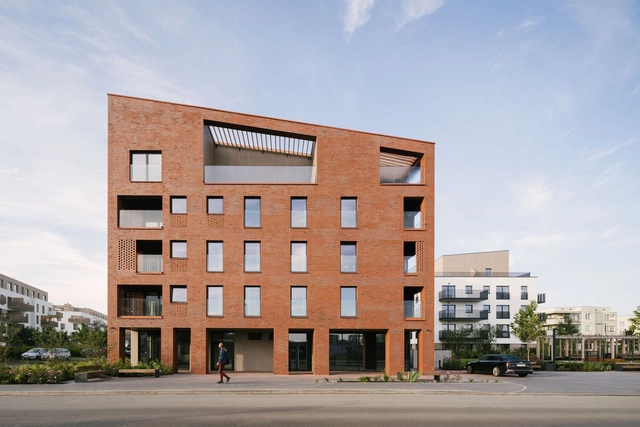
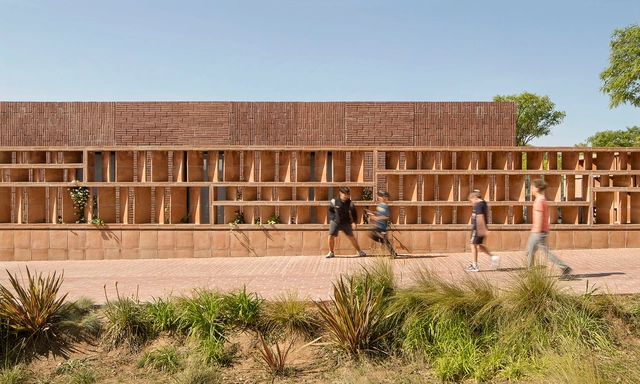
The Centre de Cultura Contemporània de Barcelona (CCCB) has announced the finalists for the European Prize for Urban Public Space 2024. Selected from a total of 297 projects corresponding to 35 European countries, the 2024 edition nominates 5 finalists in the General category, promoting quality public spaces throughout the European territory, and 5 in the Seafronts category, addressing coastal cities' climate vulnerabilities. The European Prize for Urban Public Space is an honorary biennial competition aiming to highlight best practices and innovations in the creation, transformation, and recovery of public spaces in European cities.
As the first edition to include a dedicated category for Seafronts, this year’s awards recognize the importance and particular challenges faced by coastal cities. This is aligned with the Cultural Regatta, a schedule of activities running parallel to the America's Cup sailing competition in Barcelona. For this edition, the International Jury was presided over by the urbanist architect, landscape, and industrial designer Beth Galí, and made up of Sonia Curnier, Fabrizio Gallanti, Žaklina Gligorijević, Beate Hølmebakk, Manon Mollard, Francesco Musco, and Lluís Ortega. The winners of the 12th European Prize for Urban Public Space will be announced during a ceremony at CCCB on October 29, 2024.
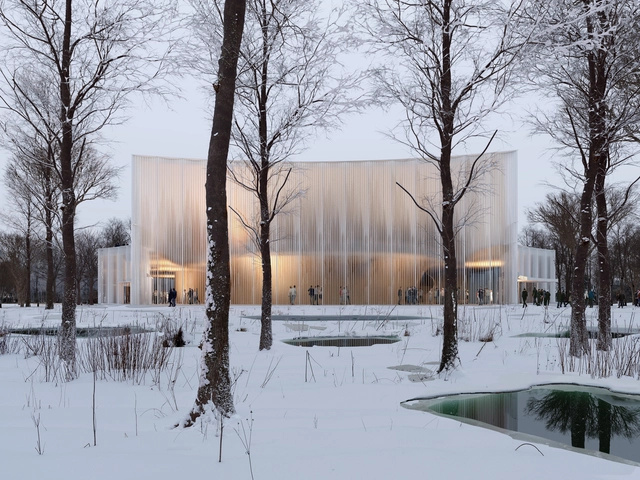
Concert halls, music, and performance venues stand as iconic symbols of cultural vitality within urban landscapes. Through these structures, which often become landmarks of the city, the residents are invited to take part and experience artistic expression, fostering a sense of community and connection. For architects, this program poses the intricate challenge of balancing form and function, creating spaces that enhance the acoustic experience, allow for the flow of audience and performers, and create visual spectacles in their own right.
Featuring both emerging and internationally recognized offices, this week’s curated selection showcases music and performance venues, from mixed arts and cultural centers to opera and ballet halls. Including proposals for international competitions such as David Chipperfield Architects or SHL and PAX architects’ designs for the Polish Royal Opera in Warsaw or Hariri Pontarini Architects’ design for an integrated center for the arts in Canada, the selection explores the program of music venues across scales and programs.
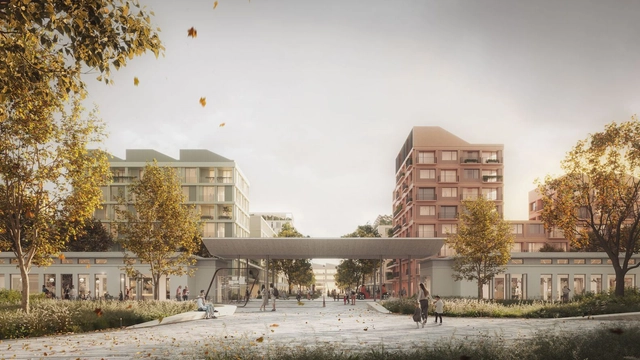
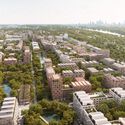
Last week, WXCA Architects unveiled the design for a new “green district of the future,” to be developed on a former FSO car factory site in Warsaw. Covering over 60 hectares, the project aims to accommodate more than 17,000 residents and provide employment for approximately 13,000 individuals by 2050. The Polish automotive FSO factory will be transformed, outlined in a master plan envisioning a multi-functional and environmentally conscious district.
This article was originally published on Common Edge.
As this bloody year draws to a close, at a moment when the message “Peace on Earth” seems altogether mute, one might well ask: What power does architecture have? How can it address violence against innocent people, whose lives have been turned upside down? How does architecture respond to staggering cruelty? What can it say? Can it raise consciousness?





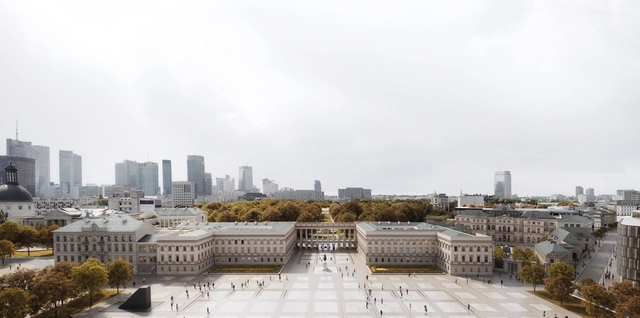
WXCA Architectural Design Studio has won the international competition for the reconstruction of the Saxon Palace, a heritage site located in the historical city center of Warsaw, Poland, that was significantly damaged during the Second World War. The competition, organized by the Polish Ministry of Culture and National Heritage in cooperation with the Association of Polish Architects, aimed to create a concept for the restoration of the monument, which is set to be rebuilt in its external Neoclassicist form of 1939.
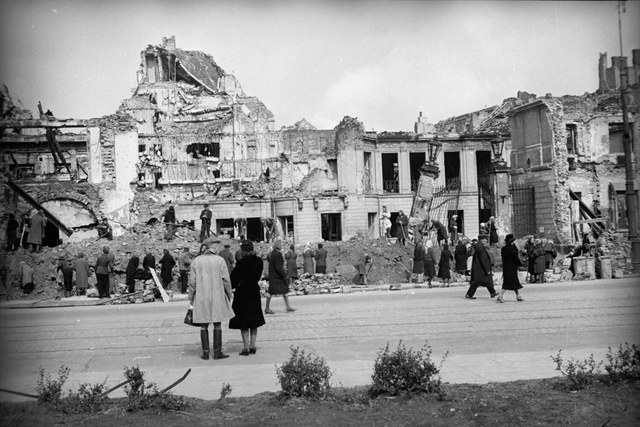
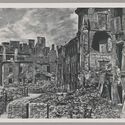
The exhibition “Warsaw 1945-1949: Rising from Rubble” took place this year at the Museum of Warsaw, exploring the postwar reconstruction and rebuilding process that took place after the war. After the Second World War, Warsaw’s entire urban fabric, architecture, and social and economic status had to be rebuilt from the ground up. Curated by Adam Przywara, the exhibition “offered a new perspective on the myth of the postwar reconstruction of the Polish capital city and one of the most interesting pages in its history.”
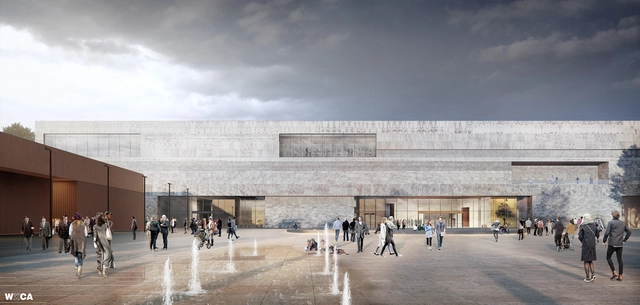
In the capital city of Poland, WXCA won a competition to design one of the largest museums completed in Europe today. The museum is now under construction at the Warsaw Citadel. The development is a combination of the Polish History Museum and the Polish Army Museum. Located on the site of a former fortification, the complex will become a culture hub rooted in remembrance.