1. ArchDaily
  2. Heritage

Heritage: The Latest Architecture and News

Lebanon's World Heritage Sites Endangered Amid Ongoing War

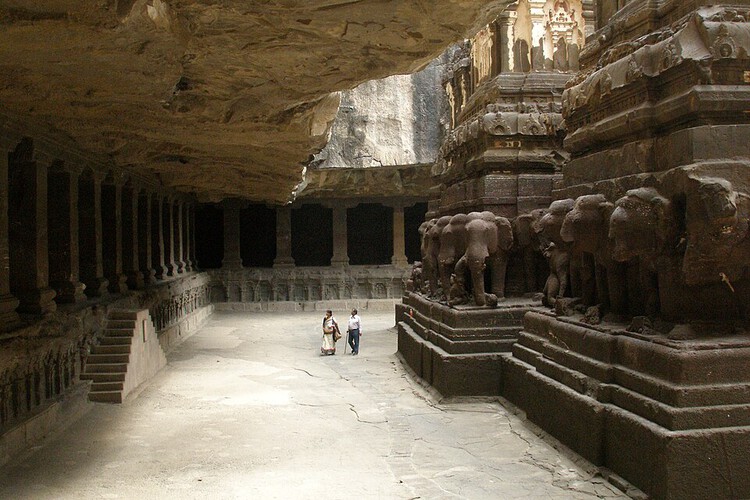
Following over two years of systematic destruction of life, habitat, and essential facilities in the Gaza Strip, a new front of war in Southwest Asia was announced on February 28th, 2026. Since then, US-Israeli military attacks have had a human and infrastructural impact on Lebanon, Syria, Iraq, and Jordan. In the months since, the attacks have only intensified, reaching the deepest ground advance into Lebanese territory in 26 years and leading to mass displacement in the southern part of the country. This latest stage of the conflict marks the sixth Israeli invasion of Lebanon since 1978, resuming a nearly 50-year history of Israeli military interventions in the country. While a ceasefire agreement was supposed to take effect on 27 November 2024 and expire on 2 March 2026, evidence of the destruction of towns and World Heritage Sites shows that it was never truly respected. UNESCO has consistently issued condemnations of "unlawful attacks against cultural property," the latest one responding to the "ongoing escalation of hostilities" on May 29th, 2026.

Lebanon's World Heritage Sites Endangered Amid Ongoing War - Image 1 of 4Lebanon's World Heritage Sites Endangered Amid Ongoing War - Image 2 of 4Lebanon's World Heritage Sites Endangered Amid Ongoing War - Image 3 of 4Lebanon's World Heritage Sites Endangered Amid Ongoing War - Image 4 of 4Lebanon's World Heritage Sites Endangered Amid Ongoing War - More Images+ 1

From Sacred to Public: 5 Disused Churches Reimagined as Cultural Spaces

Subscriber Access | 

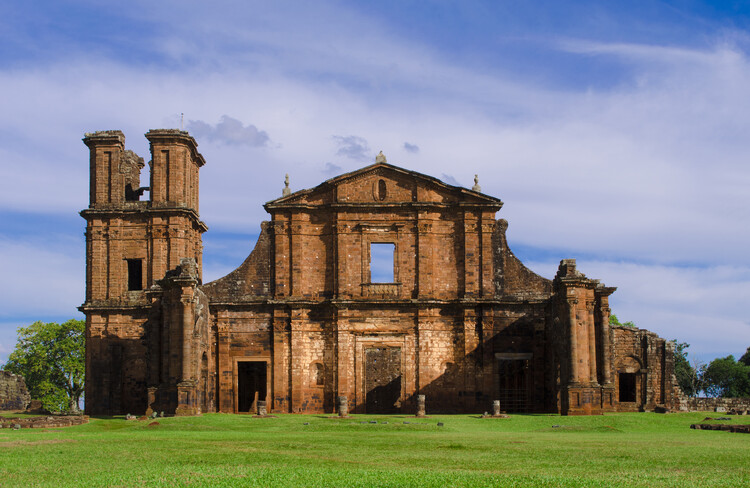
The conversion of disused religious temples through cultural programs constitutes one of the most compelling adaptive reuse strategies in contemporary urban planning. This functional compatibility seems to be rooted in the specific characteristics of churches: their central naves offer large-scale, clear floor plans and monumental cross-sections that easily accommodate the volumetric requirements of museums, theaters, or community hubs. Furthermore, the acoustic properties inherent to their vaulted ceilings, combined with intentional natural lighting filtered through stained glass windows or domes, create the spatial conditions for activities ranging from the performing arts to the exhibition of cultural artifacts. By assuming a public and cultural role, these buildings not only avoid demolition or physical abandonment but also preserve their status as urban and identity landmarks within the city fabric, revitalizing their immediate surroundings without altering their historical significance.

From Sacred to Public: 5 Disused Churches Reimagined as Cultural Spaces  - Imagen 1 de 4From Sacred to Public: 5 Disused Churches Reimagined as Cultural Spaces  - Imagen 2 de 4From Sacred to Public: 5 Disused Churches Reimagined as Cultural Spaces  - Imagen 3 de 4From Sacred to Public: 5 Disused Churches Reimagined as Cultural Spaces  - Imagen 4 de 4From Sacred to Public: 5 Disused Churches Reimagined as Cultural Spaces  - More Images+ 8

Material Culture and Heritage in Contemporary Cinema Architecture

Over the years, cinema architecture has continually reinvented itself. From cinematic experiences that engage multiple senses to material technologies that reinterpret the aesthetics of past eras, the concept of the movie theater has enabled the recovery, revitalization, and renewal of numerous obsolete, ruined, or even historically protected spaces. Just as the Majestic Cinema reflects an important community function in Zanzibar, Tanzania, many twentieth-century buildings have found in adaptive reuse an opportunity to restore and preserve cultures, memories, and traditions that remain meaningful to their communities.

Material Culture and Heritage in Contemporary Cinema Architecture - Image 1 of 4Material Culture and Heritage in Contemporary Cinema Architecture - Image 2 of 4Material Culture and Heritage in Contemporary Cinema Architecture - Image 3 of 4Material Culture and Heritage in Contemporary Cinema Architecture - Image 4 of 4Material Culture and Heritage in Contemporary Cinema Architecture - More Images+ 25

On Africa Day 2026: Revisiting Architecture’s Role in Identity and Collective Memory

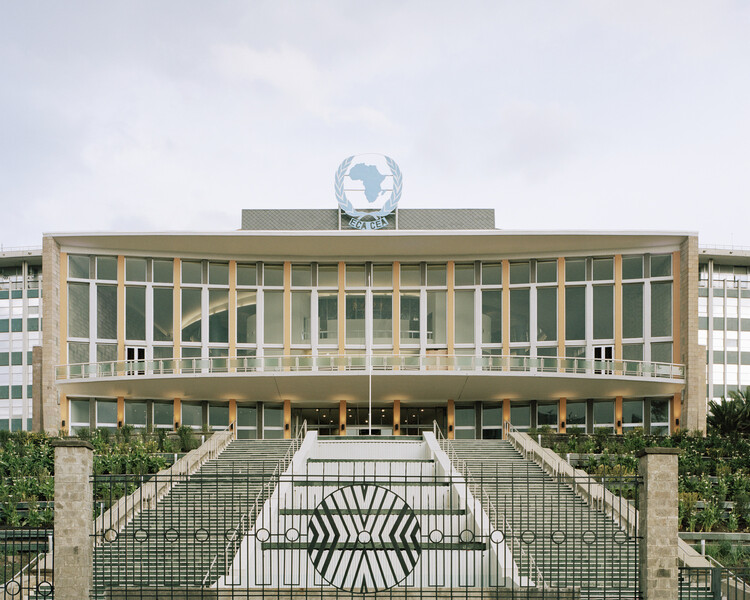
Observed annually on May 25, Africa Day commemorates the founding of the Organization of African Unity in 1963, now the African Union. Established during a period marked by independence movements across the continent, the day recognizes not only political solidarity but also the cultural, social, and intellectual histories that continue to shape African societies today. Within architecture and urbanism, these histories are reflected in evolving conversations around nation-building, heritage preservation, climate-responsive design, material innovation, and community-centered practice.

On Africa Day 2026: Revisiting Architecture’s Role in Identity and Collective Memory - Image 1 of 4On Africa Day 2026: Revisiting Architecture’s Role in Identity and Collective Memory - Image 2 of 4On Africa Day 2026: Revisiting Architecture’s Role in Identity and Collective Memory - Image 3 of 4On Africa Day 2026: Revisiting Architecture’s Role in Identity and Collective Memory - Image 4 of 4On Africa Day 2026: Revisiting Architecture’s Role in Identity and Collective Memory - More Images+ 6

Selldorf Architects, STUDIOS Architecture, and BASE Paysagiste Selected to Renovate the Louvre Museum

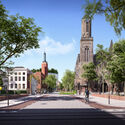
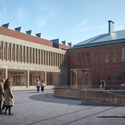
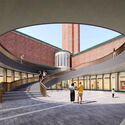
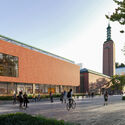
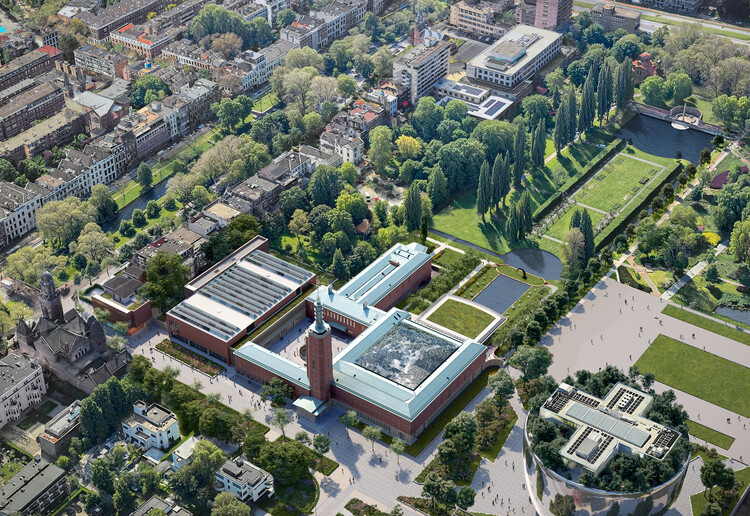
The French Minister of Culture announced on Monday, May 18, 2026, the winner of the "Louvre–Nouvelle Renaissance" competition. The team selected to transform the world-renowned Musée du Louvre is led by STUDIOS Architecture, New York-based Selldorf Architects, and landscape architecture firm BASE Paysagiste. The renovation initiative was announced in January 2025 as a major intervention for the historic complex following concerns expressed by the museum's director regarding its deteriorating condition. The first round of the competition took place in June, with a shortlist of five teams revealed in October. According to French authorities, the project has a dual objective: to repair and transform the building to preserve its collections while updating it to meet contemporary public expectations, including sustainability requirements that will pose significant challenges for the museum in the coming decades.

Selldorf Architects, STUDIOS Architecture, and BASE Paysagiste Selected to Renovate the Louvre Museum - Image 1 of 4Selldorf Architects, STUDIOS Architecture, and BASE Paysagiste Selected to Renovate the Louvre Museum - Image 2 of 4Selldorf Architects, STUDIOS Architecture, and BASE Paysagiste Selected to Renovate the Louvre Museum - Image 3 of 4Selldorf Architects, STUDIOS Architecture, and BASE Paysagiste Selected to Renovate the Louvre Museum - Image 4 of 4Selldorf Architects, STUDIOS Architecture, and BASE Paysagiste Selected to Renovate the Louvre Museum - More Images

Historic Entertainment Venues in Oxford, Valparaíso, and Osaka Reflect Growing Pressures on Cultural Infrastructure

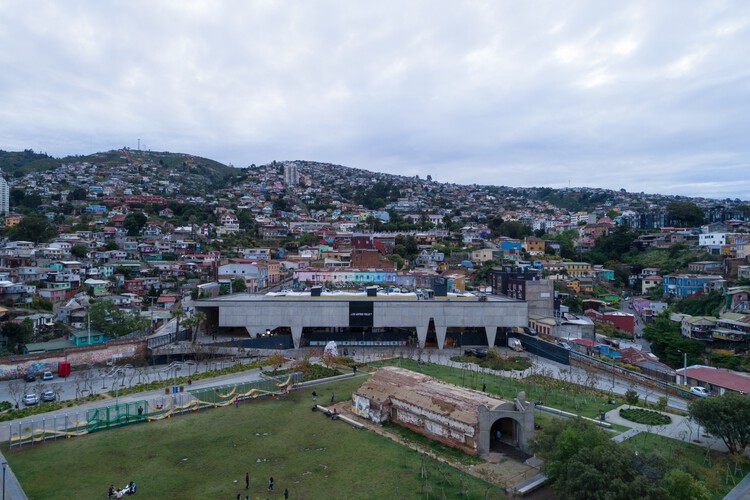
Between 2005 and 2021, French photographers Yves Marchand and Romain Meffre developed a long-term project titled Theaters. Recently exhibited at KYOTOGRAPHIE 2026, the work documents a phenomenon that continues to unfold gradually around the world: the decline of infrastructure originally designed for public entertainment in the early twentieth century. Theaters, cinemas, and performance venues that once accompanied the modernization of cities are increasingly being abandoned, repurposed, or "left suspended as hybrid ruins." This process is often associated with the growing individualization of cultural consumption, from the widespread adoption of television to the rise of the streaming industry, as well as the impact of the COVID-19 pandemic on cultural institutions. Below are three cases located in England, Chile, and Japan that illustrate different stages in this transformation, while also highlighting community-led efforts to preserve modern cultural heritage.

Historic Entertainment Venues in Oxford, Valparaíso, and Osaka Reflect Growing Pressures on Cultural Infrastructure - Image 1 of 4Historic Entertainment Venues in Oxford, Valparaíso, and Osaka Reflect Growing Pressures on Cultural Infrastructure - Image 2 of 4Historic Entertainment Venues in Oxford, Valparaíso, and Osaka Reflect Growing Pressures on Cultural Infrastructure - Image 3 of 4Historic Entertainment Venues in Oxford, Valparaíso, and Osaka Reflect Growing Pressures on Cultural Infrastructure - Image 4 of 4Historic Entertainment Venues in Oxford, Valparaíso, and Osaka Reflect Growing Pressures on Cultural Infrastructure - More Images+ 1

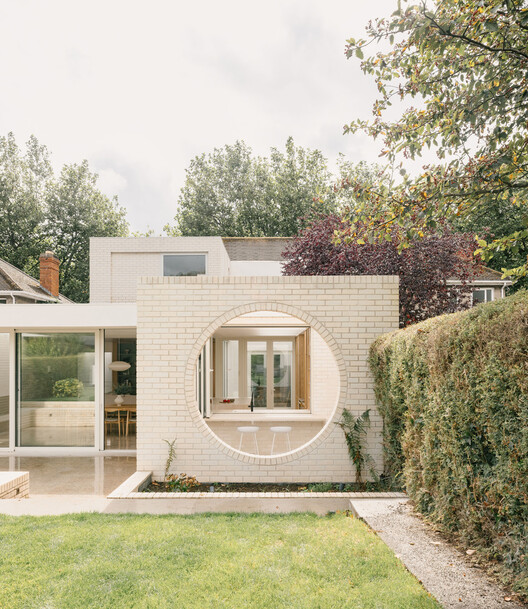
The Productive Clash: Heritage Interiors, Contemporary Projects, and the Value of Imperfection

Heritage, in interiors, is increasingly rarer to be only a matter of preservation alone. More often it arrives as friction: the encounter between what a building already is—its plan logic, its scars, its structural inconsistencies—and what contemporary life demands of it.

Some of the most convincing projects today are not those that "restore" an interior back to a single moment, nor those that erase the past under a seamless new skin. They are the ones that stage a relationship between old and new—allowing contrast to do more than tell a story, and letting the clash become a pragmatic tool for construction, budget, and speed.

The Productive Clash: Heritage Interiors, Contemporary Projects, and the Value of Imperfection - Image 1 of 4The Productive Clash: Heritage Interiors, Contemporary Projects, and the Value of Imperfection - Image 2 of 4The Productive Clash: Heritage Interiors, Contemporary Projects, and the Value of Imperfection - Image 3 of 4The Productive Clash: Heritage Interiors, Contemporary Projects, and the Value of Imperfection - Image 4 of 4The Productive Clash: Heritage Interiors, Contemporary Projects, and the Value of Imperfection - More Images+ 28

Antoni Gaudí’s Last Original Residence at Casa Batlló Opens Following Three-Year Restoration

Casa Batlló in Barcelona has unveiled the restored Third Floor of the building, opening the last original residence preserved from Antoni Gaudí's 1904-1906 transformation of the property to the public for the first time. Led by restoration architect Xavier Villanueva and developed over three years through an archaeological-style conservation process, the intervention recovers a largely intact domestic environment that had remained inhabited by descendants of the Batlló family for more than a century. Adapted into a series of private rooms for gatherings, cultural events, and experiences, the restored apartment combines heritage preservation with a contemporary interior design intervention by Paola Navone – OTTO Studio, establishing a new program for one of Barcelona's most recognized architectural landmarks.

Antoni Gaudí’s Last Original Residence at Casa Batlló Opens Following Three-Year Restoration - Image 1 of 4Antoni Gaudí’s Last Original Residence at Casa Batlló Opens Following Three-Year Restoration - Image 2 of 4Antoni Gaudí’s Last Original Residence at Casa Batlló Opens Following Three-Year Restoration - Image 3 of 4Antoni Gaudí’s Last Original Residence at Casa Batlló Opens Following Three-Year Restoration - Image 4 of 4Antoni Gaudí’s Last Original Residence at Casa Batlló Opens Following Three-Year Restoration - More Images+ 9

Saint-Denis’ Brutalist Îlot 8 Housing Complex by Renée Gailhoustet Faces Controversial Redevelopment Plan

Saint-Denis is a commune in the northern suburbs of Paris, France, known for the Gothic Basilica of Saint-Denis and the Stade de France. At one corner of Place Jean-Jaurès in its historic center, adjacent to the Basilica, stands the Îlot 8 housing complex, a Brutalist landmark designed by architect Renée Gailhoustet. Built between 1975 and 1986 to provide workers' housing in the city center, countering the trend of relegating social housing to peripheral areas, the project is now at the center of a controversial redevelopment plan. Often referred to as "residentialization" and restructuring, the proposal involves the demolition of significant parts of its original design. This reconversion is part of the French Nouveau Programme National de Renouvellement Urbain (NPNRU) and is justified by concerns over structural deficiencies, safety, and maintenance.

Saint-Denis’ Brutalist Îlot 8 Housing Complex by Renée Gailhoustet Faces Controversial Redevelopment Plan - Image 1 of 4Saint-Denis’ Brutalist Îlot 8 Housing Complex by Renée Gailhoustet Faces Controversial Redevelopment Plan - Image 2 of 4Saint-Denis’ Brutalist Îlot 8 Housing Complex by Renée Gailhoustet Faces Controversial Redevelopment Plan - Image 3 of 4Saint-Denis’ Brutalist Îlot 8 Housing Complex by Renée Gailhoustet Faces Controversial Redevelopment Plan - Image 4 of 4Saint-Denis’ Brutalist Îlot 8 Housing Complex by Renée Gailhoustet Faces Controversial Redevelopment Plan - More Images+ 3

STARTT Designs New Access to the Archaeological Areas Behind the Pantheon in Rome

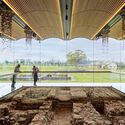
The Pantheon in Rome is globally known as a major tourist and architectural icon, a built testimony to both Greek culture and Roman technique, and a symbol of the Roman Empire. The monument was recently intervened upon by the Italian architecture studio STARTT (Studio of Architecture and Territorial Transformations). The project, titled Pantheon – Micro Architectures for Archaeology, was promoted by the Italian Ministry of Culture as part of a program of interventions initiated in 2019 to open public access to the archaeological areas of the Pantheon. STARTT's project represents the first phase of the program, focusing on opening a new entrance from the Pozzo del Diavolo, an area located behind the monument's Rotunda, allowing visitors to access parts of the building's archaeological fabric that were previously reserved for technical functions.

STARTT Designs New Access to the Archaeological Areas Behind the Pantheon in Rome - Imagen 1 de 4STARTT Designs New Access to the Archaeological Areas Behind the Pantheon in Rome - Imagen 2 de 4STARTT Designs New Access to the Archaeological Areas Behind the Pantheon in Rome - Imagen 3 de 4STARTT Designs New Access to the Archaeological Areas Behind the Pantheon in Rome - Imagen 4 de 4STARTT Designs New Access to the Archaeological Areas Behind the Pantheon in Rome - More Images+ 12

"Artisans of the Reiwa Era" Documentary Showcases Traditional Japanese Wood Construction and Craftsmanship

Rinshunkaku is a notable example of early Edo-period residential architecture. Originally built in the Wakayama Prefecture by the Kishu Tokugawa family, the villa was relocated to Sankeien, a traditional Japanese garden in the city of Yokohama, during the Taisho era (1912-1926). The garden was created in the early 20th century by businessman and art patron Sankei Hara and features a number of historic buildings relocated from Kyoto, Kamakura, and other areas of Japan. Rinshunkaku, one of the garden's gems, is a prime example of traditional Japanese architecture and wood construction. Its historical value motivated a large-scale restoration project in 2019, documented in the film Artisans of the Reiwa Era (Reiwa no Shokunin-tachi), filmed and edited by Katsumasa Tanaka and Hiroshi Fujiki. The documentary offers a close, detailed view of Japanese craftsmanship and wood expertise, highlighting rare traditional techniques and paying tribute to the artisans who preserve them.

"Artisans of the Reiwa Era" Documentary Showcases Traditional Japanese Wood Construction and Craftsmanship - Image 1 of 4"Artisans of the Reiwa Era" Documentary Showcases Traditional Japanese Wood Construction and Craftsmanship - Image 2 of 4"Artisans of the Reiwa Era" Documentary Showcases Traditional Japanese Wood Construction and Craftsmanship - Image 3 of 4"Artisans of the Reiwa Era" Documentary Showcases Traditional Japanese Wood Construction and Craftsmanship - Image 4 of 4Artisans of the Reiwa Era Documentary Showcases Traditional Japanese Wood Construction and Craftsmanship - More Images+ 7

The Embarcadero Freeway: Elevated Infrastructure and Urban Regeneration in San Francisco

Subscriber Access | 

In recent decades, cities across the world have seen an increase in the demolition of elevated concrete freeways. Taipei, Seoul, Portland, and Boston, for example, have all seen the rise and fall of these infrastructures to give way to parks and new urban regeneration ideas. In other cases, like Montreal in Canada, some people opposed the freeways even before they were built, effectively rerouting viaducts, preserving heritage, and freeing waterfront views. For San Francisco, in the United States, the story of the Embarcadero Freeway is one of those narratives that serves as a case study of the city's mid-century infrastructural ambition, people's reaction to the project, and its eventual reversal in favor of urban connectivity.

The Embarcadero Freeway: Elevated Infrastructure and Urban Regeneration in San Francisco - Image 1 of 4The Embarcadero Freeway: Elevated Infrastructure and Urban Regeneration in San Francisco - Image 2 of 4The Embarcadero Freeway: Elevated Infrastructure and Urban Regeneration in San Francisco - Image 3 of 4The Embarcadero Freeway: Elevated Infrastructure and Urban Regeneration in San Francisco - Image 4 of 4The Embarcadero Freeway: Elevated Infrastructure and Urban Regeneration in San Francisco - More Images+ 3

Frank Lloyd Wright’s Fallingwater Restoration and Salone del Mobile.Milano 2026: This Week’s Review

This week marked World Health Day, observed annually on April 7 by the World Health Organization. This year's edition issued the call to "Stand with science," inviting renewed engagement with scientific knowledge as a foundation for collective action across disciplines. In architecture and urban design, this imperative resonates through projects that translate research into spatial strategies: from the deployment of digital twins to inform urban planning and decision-making, to rewilding initiatives that integrate biodiversity as a tool to mitigate climate change, and materially informed practices that engage resource-conscious construction. Within this broader framework, recent works also foreground architecture's social agency at multiple scales, including a landscape-driven cancer support center in Kent that aligns wellbeing with environmental sensitivity, an urban installation in Brescia operating as a civic awareness device around life in prison and pathways to reintegration, and the transformation of a street in Mantua into a pedestrian-oriented, biodiversity-rich public space.

Frank Lloyd Wright’s Fallingwater Restoration and Salone del Mobile.Milano 2026: This Week’s Review - Image 1 of 4Frank Lloyd Wright’s Fallingwater Restoration and Salone del Mobile.Milano 2026: This Week’s Review - Image 2 of 4Frank Lloyd Wright’s Fallingwater Restoration and Salone del Mobile.Milano 2026: This Week’s Review - Image 3 of 4Frank Lloyd Wright’s Fallingwater Restoration and Salone del Mobile.Milano 2026: This Week’s Review - Image 4 of 4Frank Lloyd Wright’s Fallingwater Restoration and Salone del Mobile.Milano 2026: This Week’s Review - More Images+ 30

First Aid for Endangered Heritage: An Interview with Ambulance for Monuments

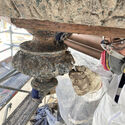
Ambulance for Monuments is a first-aid initiative dedicated to safeguarding Romania's endangered built heritage, operating in a race against time to prevent collapse and irreversible loss. The project responds to the growing vulnerability of historic structures, from Saxon fortified churches and manor houses to wooden churches and rural landmarks, many of which no longer benefit from the community networks that once sustained them. In a country deeply affected by emigration since 1990, where nearly half the population still lives in rural areas, entire villages have lost the people, skills, and everyday care that once kept these monuments standing.

Built around a mobile intervention unit, an "Ambulance" equipped with tools, scaffolding, and on-site equipment, the initiative delivers urgent stabilization works that buy time for endangered buildings. Rather than replacing full restoration, these strategic interventions preserve historic fabric, ensure structural safety, and keep long-term conservation and adaptive reuse possible. 

First Aid for Endangered Heritage: An Interview with Ambulance for Monuments - Image 1 of 4First Aid for Endangered Heritage: An Interview with Ambulance for Monuments - Image 2 of 4First Aid for Endangered Heritage: An Interview with Ambulance for Monuments - Image 3 of 4First Aid for Endangered Heritage: An Interview with Ambulance for Monuments - Image 4 of 4First Aid for Endangered Heritage: An Interview with Ambulance for Monuments - More Images+ 15

Deir ez-Zor: Raising Hope Through Heritage Documentation

The historic city of Deir ez-Zor in eastern Syria has had more than its fair share of calamity after the outbreak of the war in 2011. After seeing destruction caused by fierce battles between armed groups and the central government, as well as occupation by ISIL, the earthquake in February 2023 brought further damage. Behind the headlines, however, is an ancient city tracing its founding to the dawn of civilization on the banks of the Euphrates River, with living architecture from the Ottoman and French Mandate periods. A winner of the ArchDaily 2025 Next Practices Awards, the Deir ez-Zor Heritage Library aims to revitalize the city and support sensitive reconstruction by documenting and promoting its built heritage.

Deir ez-Zor: Raising Hope Through Heritage Documentation - Image 1 of 4Deir ez-Zor: Raising Hope Through Heritage Documentation - Image 2 of 4Deir ez-Zor: Raising Hope Through Heritage Documentation - Image 3 of 4Deir ez-Zor: Raising Hope Through Heritage Documentation - Image 4 of 4Deir ez-Zor: Raising Hope Through Heritage Documentation - More Images+ 9

The Earthen Towers of Shibam: A Vertical City in the Yemeni Desert

Subscriber Access | 

Symbols of technological development and urban density, tall buildings as we know them today emerged in the late nineteenth century, particularly in the United States, as a response to the rapid expansion of urban commerce and the need to grow cities without occupying additional land. The term skyscraper, for instance, was coined in the 1880s and originally referred to buildings with around 10 to 20 stories—an impressive height for the time.

However, the idea of building vertically is much older than the steel-and-glass skyscrapers of modern cities might suggest. Long before the Industrial Revolution, some societies were already experimenting with forms of vertical urbanization as a response to limited space, territorial defense, or environmental adaptation.

The Earthen Towers of Shibam: A Vertical City in the Yemeni Desert - Imagen 1 de 4The Earthen Towers of Shibam: A Vertical City in the Yemeni Desert - Imagen 2 de 4The Earthen Towers of Shibam: A Vertical City in the Yemeni Desert - Imagen 3 de 4The Earthen Towers of Shibam: A Vertical City in the Yemeni Desert - Imagen 4 de 4The Earthen Towers of Shibam: A Vertical City in the Yemeni Desert - More Images+ 7

Orms Appointed to Lead Redevelopment of London’s BT Tower into Hotel

BT Tower, one of London's most recognizable postwar landmarks, is set to be converted into a hotel. London-based architecture practice Orms has been appointed to lead the redevelopment following the acquisition of the Grade II–listed tower by the American hospitality company MCR Hotels in early 2024. The project was initially expected to be led by Heatherwick Studio, though the practice is no longer involved; Orms will now advance the scheme and is expected to present its initial proposals during a first round of public consultations scheduled for May. Construction cannot begin until the decommissioning and removal of telecommunications equipment by BT Group, a process currently expected to conclude around 2030.

Orms Appointed to Lead Redevelopment of London’s BT Tower into Hotel - Image 1 of 4Orms Appointed to Lead Redevelopment of London’s BT Tower into Hotel - Image 2 of 4Orms Appointed to Lead Redevelopment of London’s BT Tower into Hotel - Image 3 of 4Orms Appointed to Lead Redevelopment of London’s BT Tower into Hotel - Image 4 of 4Orms Appointed to Lead Redevelopment of London’s BT Tower into Hotel - More Images+ 1

Endangered Heritage in Southwest Asia and Global Transport Infrastructure Projects: This Week’s Review

This week has been marked by the deliberate, rampant, and unjust destruction of war in Southeast Asia. As one of the most damaging manifestations of human abuse of power, we have witnessed the destruction of places that hold memories and sustain culture, as well as the loss and irreparable harm to the human lives that lend them their identity. With the expectation of offering brighter and more constructive scenarios in the future, we present, in contrast to this reality, a scenario of progress in the gender gap that characterizes architecture and its paths forward, a group of landmark projects of public and community interest moving forward from Türkiye to Mexico, and three major multimodal transport infrastructure projects improving the way we circulate and inhabit public space in Europe and the United States.