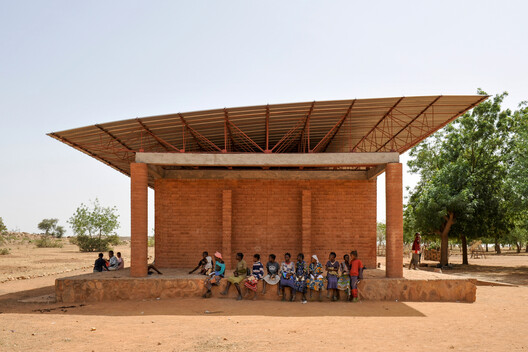
Observed annually on May 25, Africa Day commemorates the founding of the Organization of African Unity in 1963, now the African Union. Established during a period marked by independence movements across the continent, the day recognizes not only political solidarity but also the cultural, social, and intellectual histories that continue to shape African societies today. Within architecture and urbanism, these histories are reflected in evolving conversations around nation-building, heritage preservation, climate-responsive design, material innovation, and community-centered practice.
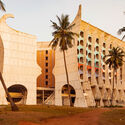
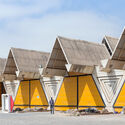
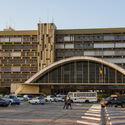
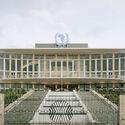
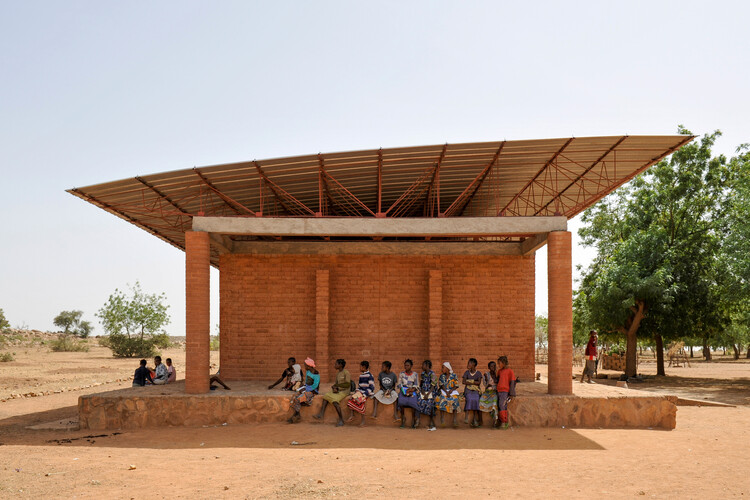
Across the African continent, architecture has long served as more than physical construction. From post-independence civic buildings and educational campuses to contemporary cultural institutions and experimental installations, the built environment has played an active role in expressing collective identity, negotiating modernity, and responding to local conditions. Recent architectural discourse has also increasingly challenged generalized narratives about "African architecture," instead foregrounding the diversity of regional experiences, material traditions, political histories, and spatial practices across different geographies.
Many recent projects, exhibitions, and research initiatives have revisited the legacy of modernism across Africa, particularly the architectural transformations that accompanied independence movements during the mid-20th century. At the same time, contemporary practitioners are engaging with indigenous building knowledge, earth construction, adaptive reuse, and resource-conscious approaches that respond to climate and social realities. Read on to discover a selection of articles published on ArchDaily that explore how these themes intersect across the continent, from post-independence modernist heritage to emerging practices grounded in local materials, community-led design, and evolving architectural futures.
Modernism, Independence, and Nation-Building
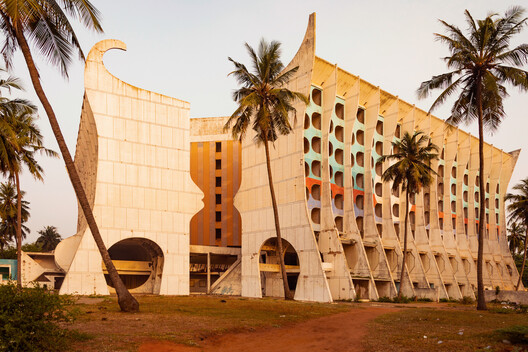
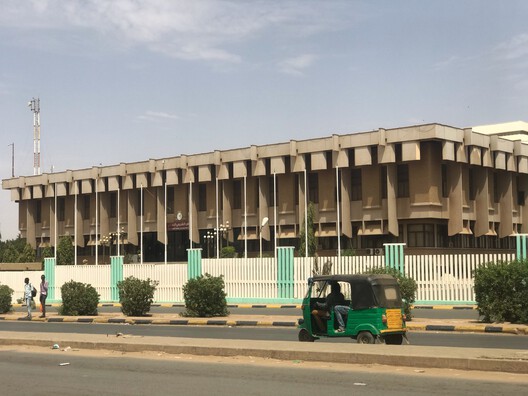
Throughout the mid-20th century, architecture became deeply intertwined with the political and cultural ambitions of newly independent African nations. Government buildings, hotels, universities, and civic institutions were designed not only as functional spaces but also as symbols of sovereignty, progress, and collective identity. While influenced by international modernist movements, many of these projects adapted modernist principles to local climates, construction methods, and social contexts, producing distinct regional interpretations of modern architecture.
Architecture as Nation-Building: Modernism and Independence in Africa
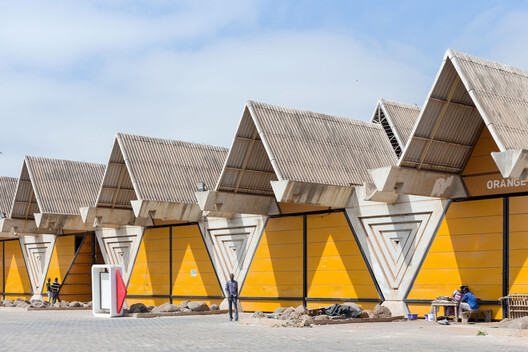
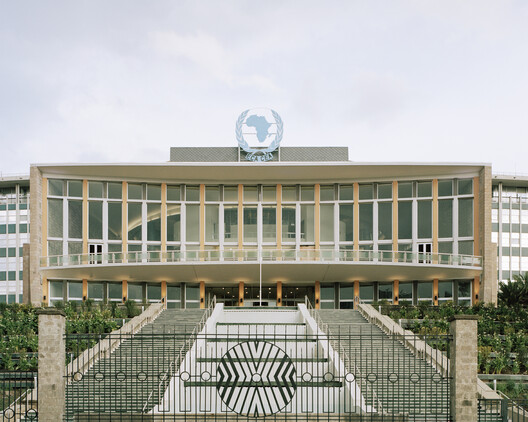
Ethiopian Modernism: Mid-Century Architecture of Africa's Capital
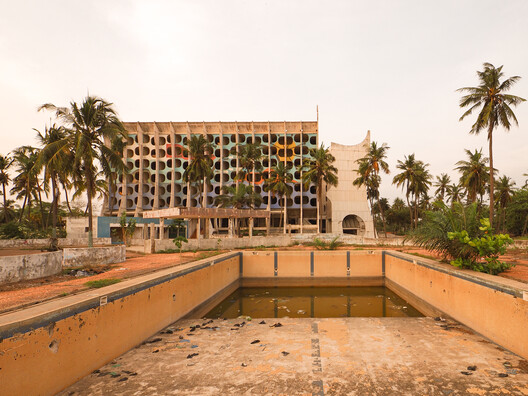
Hôtel de la Paix: An Alternative Approach to Modern Heritage in Togo
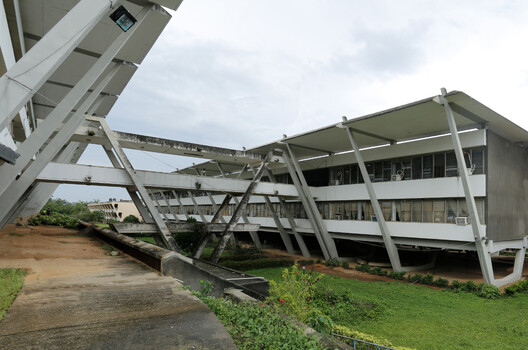
Modernism in Africa: Shedding Light on Nigeria's Rich Heritage of Education Buildings
Rediscovering Modernism in Africa: From Nostalgia to Optimism
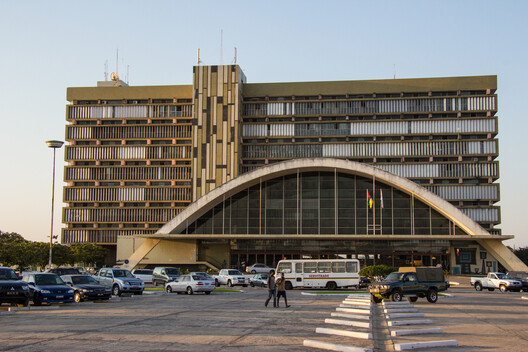
Constructed Democracy: How African Countries Embraced Modernism with their National Assemblies
Material Knowledge, Climate, and Resource Awareness
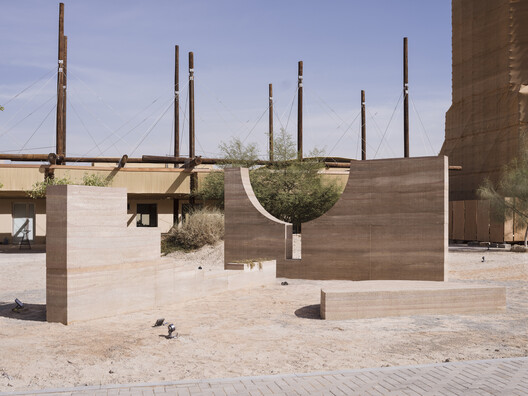
Alongside renewed attention to modern heritage, contemporary architectural discourse across Africa has increasingly focused on local materials, indigenous construction techniques, and environmentally responsive design approaches. In many regions, earth construction and low-carbon building practices are being reconsidered not as symbols of scarcity or rurality, but as sophisticated forms of material intelligence rooted in generations of accumulated knowledge. These conversations also intersect with broader concerns surrounding resource extraction, infrastructure, maintenance, and ecological resilience. Architects and researchers are examining how buildings operate as systems connected to water, energy, labor, and local economies, while simultaneously exploring construction methods that prioritize accessibility, adaptability, and community participation.
Elevating Earth: Reviving and Advancing an Indigenous Building Material
Intestines of a Building: Aziza Chaouni on Architecture's Systems and Resources
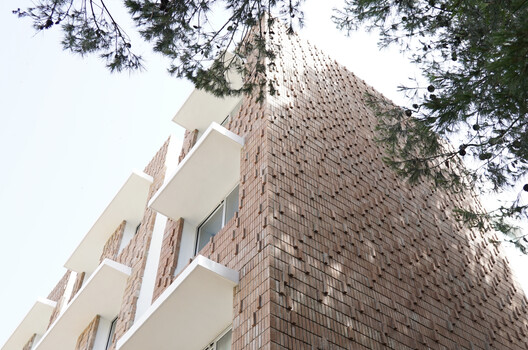
Architecture that Empowers Communities: The Stories Behind Francis Kéré's Projects
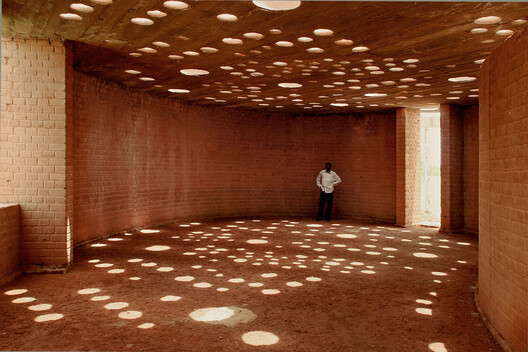
Recent projects and initiatives across the continent point toward increasingly visible, African-led architectural futures. Kéré Architecture has recently designed a healthcare center in Burundi and completed the first purpose-built Goethe-Institut on the African continent in Dakar, reinforcing cultural exchange and community-based construction practices. Meanwhile, the inaugural Pan-African Biennale, set to launch in Nairobi in September 2026 under the curatorship of Omar Degan, aims to create a continent-wide platform for architectural dialogue, highlighting locally rooted practices, materials, and narratives from across all 54 African nations.
Discover more on ArchDaily's series called "Rediscovering Modernism in Africa" and explore ArchDaily's previous articles on International Days in 2026: World Health Day, International Women's Day, World Hearing Day, World Day of Social Justice, World Wetlands Day, International Day for Clean Energy, and the International Day of Education.