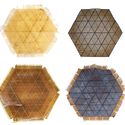
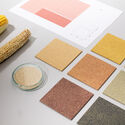
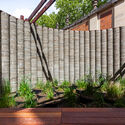
Architects are trained to choose materials, compare their properties, and decide how they should be used. Some practices are taking on a different task: developing the material itself.
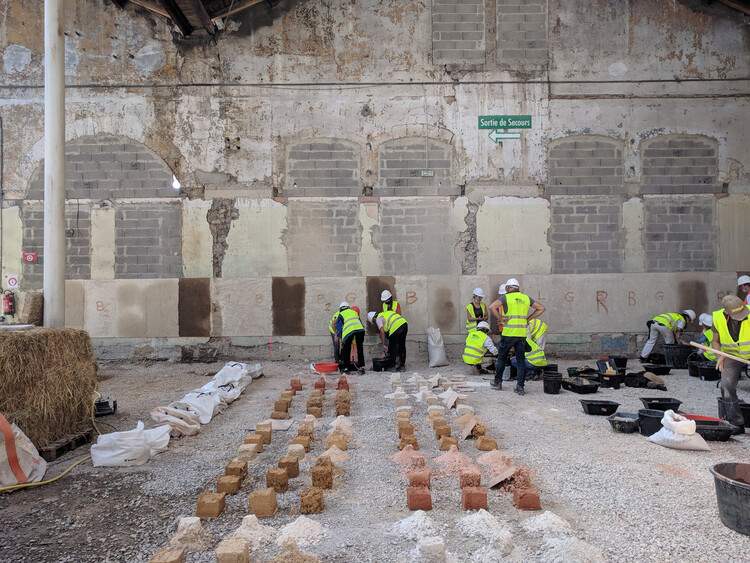
For Material Cultures, BC architects, and Studio Ossidiana, this can begin with hemp grown for construction, earth excavated from building sites, or mixtures of concrete, pigment, stone, and shells. Their work connects material research with processing, fabrication, and construction.
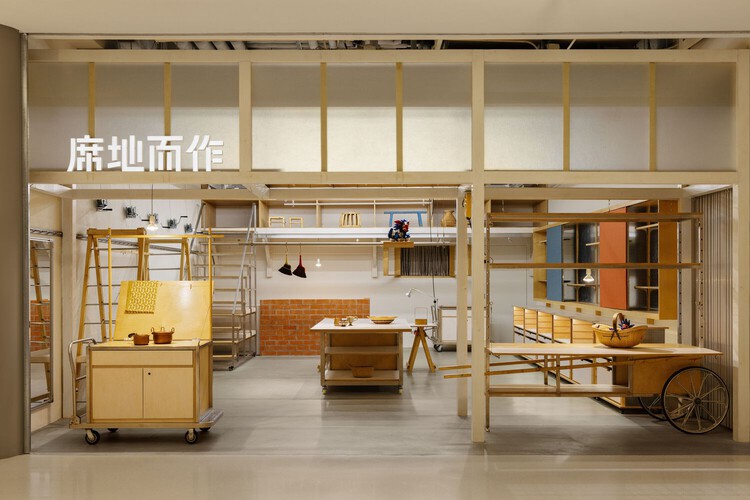
Craftsmanship carries the traces of those who shaped it, revealing how materials respond to different techniques and even offering clues about the tools used to create them. Within the architectural experience, however, craftsmanship can be expressed not only through materials and structures but also through space itself. Seeking to deepen and learn from the connections between design and execution, amass studio has explored the translation of informal, everyday construction methods into spatial systems across several of its projects. By integrating mechanisms, materials, structures, and furniture, the studio creates new spatial narratives in which the dialogue between the handcrafted and the industrial becomes mutually reinforcing. Beyond craftsmanship itself, then, why not make visible the processes that bring it into being?
Fired clay has been used in construction for over 9,000 years, evolving from vernacular craft into one of the most widely applied materials in the built environment. Its durability, water resistance, thermal performance, and adaptability have made it a staple for facades, sanitaryware, flooring, architectural surfaces, and structural systems. Today, new manufacturing technologies are extending these possibilities as architects and manufacturers confront the environmental implications of material extraction and production.
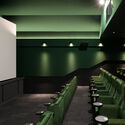
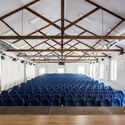
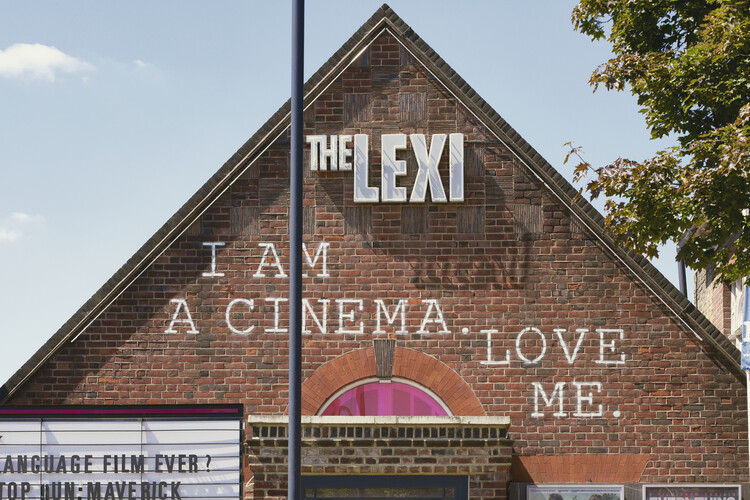
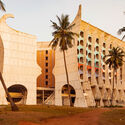
Over the years, cinema architecture has continually reinvented itself. From cinematic experiences that engage multiple senses to material technologies that reinterpret the aesthetics of past eras, the concept of the movie theater has enabled the recovery, revitalization, and renewal of numerous obsolete, ruined, or even historically protected spaces. Just as the Majestic Cinema reflects an important community function in Zanzibar, Tanzania, many twentieth-century buildings have found in adaptive reuse an opportunity to restore and preserve cultures, memories, and traditions that remain meaningful to their communities.
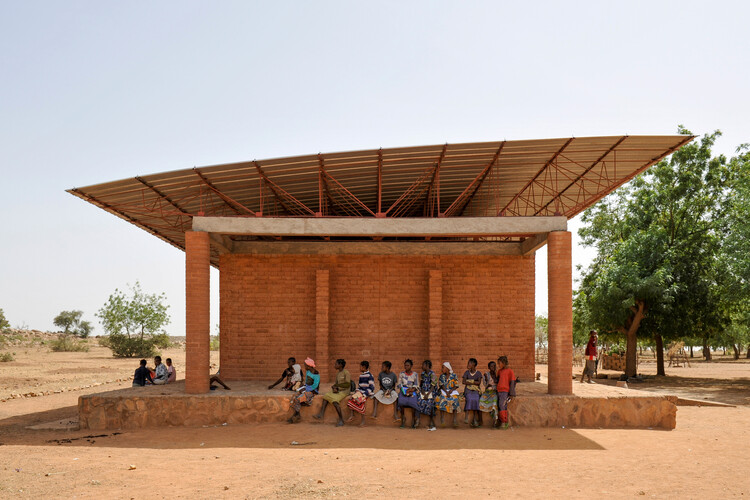
Observed annually on May 25, Africa Day commemorates the founding of the Organization of African Unity in 1963, now the African Union. Established during a period marked by independence movements across the continent, the day recognizes not only political solidarity but also the cultural, social, and intellectual histories that continue to shape African societies today. Within architecture and urbanism, these histories are reflected in evolving conversations around nation-building, heritagepreservation, climate-responsive design, material innovation, and community-centered practice.
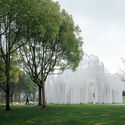
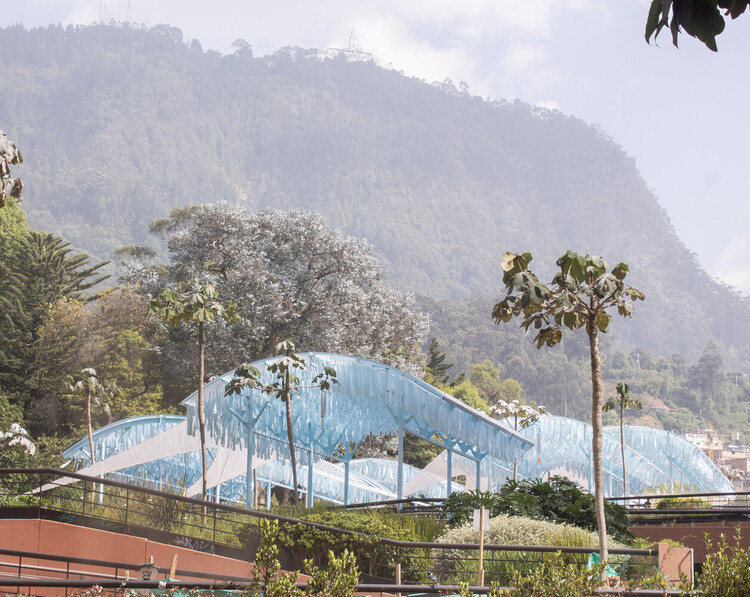
What do lightweight materials bring to public space with an ethical, ecological, and non-extractive design principle? Various textile textures offer a point of entry, being closer to the body than heavy conventional structural materials. Through its flexibility and responsiveness, it enables a form of soft enclosure rather than a fixed boundary in architectural space. Responding to minimal environmental stimuli, the fabric brings continuous movements into space. When layered or assembled, it produces gradations of density, depth, and enclosure, while recent innovative fabrication technologies extend the possibilities of its form and structural durability.
Semi-transparent materials further mediate the conditions of visual permeability and bodily experience of the space. By transmitting and filtering light, they blur clear separations between interior and exterior, solid and void, creating thresholds that are neither fully open nor fully enclosed, but constantly in negotiation. Reinterpreting structure in urban space through lightweight, translucency, and softness opens up alternative modes of spatial perception and bodily engagement.
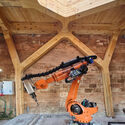
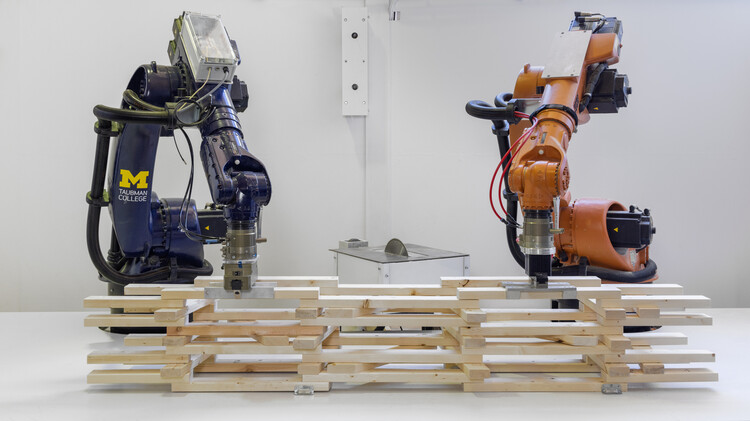
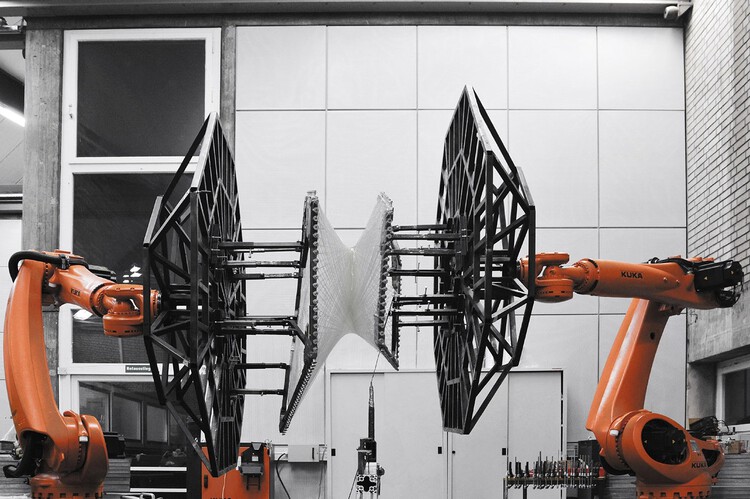
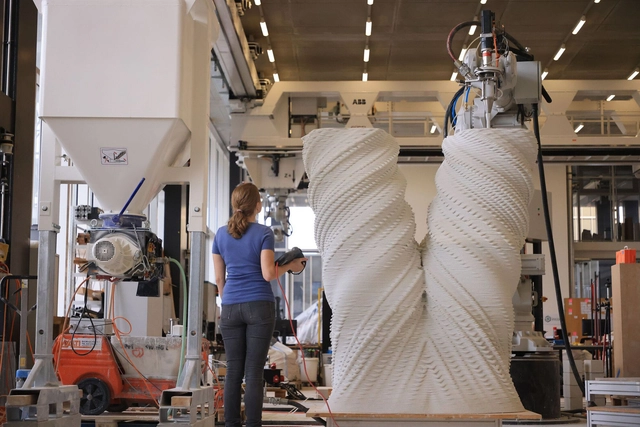
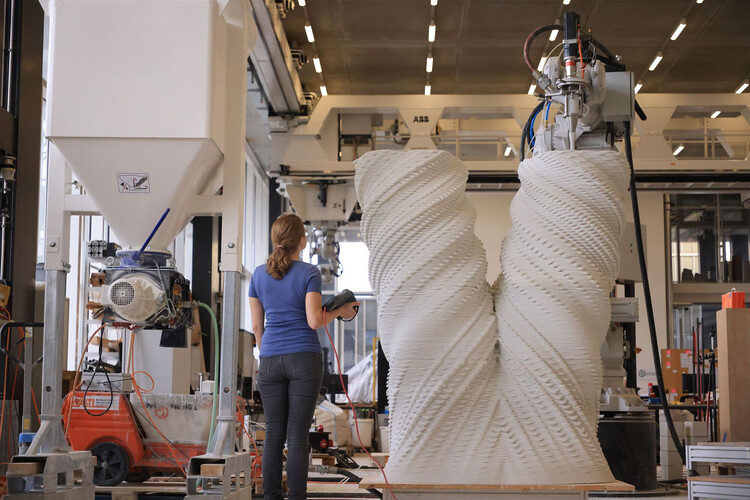
By exploring the art of robotics in construction, advances in architectural technologies are increasingly shaping multiple aspects of human life. From robotic arms and drones to robots that move across large surfaces and even 3D printing robots, their use in construction is accelerating research and the development of new working methods, as well as structural and material experimentation. In collaboration with multiple disciplines and spanning various facets of architecture, the role of robots in the contemporary landscape demonstrates a potential that extends beyond merely automating processes or reducing construction times and costs. This raises the question: Are we building architecture to serve technology, or technology to serve architecture?
Azm / Samu by Hassan Qureshi. Image Courtesy of Riyadh Art
For centuries, sculpture has been associated with the materialization of religious values, the celebration of heroic achievements, or the consolidation of political power. Today, it also operates as a critical instrument and an urban mediator. Many contemporary works interrogate the present, challenge scale, engage with movement and circulation, and reshape perceptions of public space. Sculpture is no longer conceived as an isolated object, but as part of broader processes of urban transformation.
Riyadh, the capital of Saudi Arabia, exemplifies a city undergoing intense expansion and restructuring. Particularly under the Vision 2030 agenda, it has invested in upgrading public spaces, diversifying its cultural landscape, and consolidating an urban identity that brings together tradition, infrastructure, and global projection. Within this context, cultural production plays a structuring role, contributing to the redefinition of everyday urban experience and expanding the city's symbolic references.
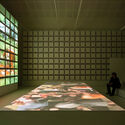
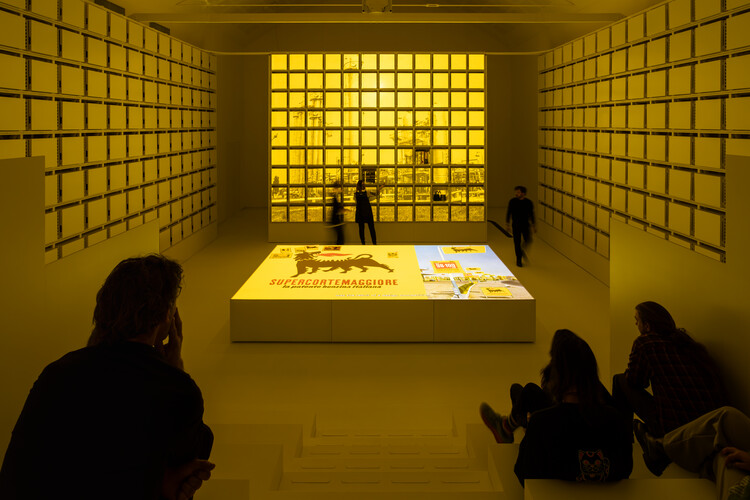
A new museum dedicated to the science of carbon fiber opened in Fiorenzuola d'Arda, Italy, on December 17, 2025. The project dates back to 2021 and was designed by CRA–Carlo Ratti Associati in collaboration with the late Italian architect Italo Rota. Commissioned by MAE, a manufacturer of equipment for carbon fiber production, the project transforms one of the world's largest archives on carbon fiber into a dynamic museum, uniting research with archival preservation and turning the archive into a space for interactive exploration. The project is described by its designers as a "living museum," a place to read, inquire, and connect ideas.
Which materials have taken center stage in the architectural discourse of 2025? Which projects have rediscovered new construction practices and methods through material innovation? While the future of building materials still appears uncertain, year after year, experimentation and research continue to reveal diverse practices, initiatives, and efforts dedicated to understanding their value and responsibility within the built environment. From agricultural waste that reduces carbon footprints to recycled plastics given new life, and living materials that engage with emerging technologies while reconnecting with nature, 2025 has highlighted and strengthened the role of architects as mediators between materials, disciplines, knowledge, and interests from diverse origins.
Across recent years, architectural discourse has been shaped by the emergence of new voices, rediscovered territories, and a growing commitment to shared forms of knowledge. These concerns remain fully present in 2025 as ongoing debates that continue to gain density and nuance. Questions of who produces architecture, from which contexts, and under what conditions remain central, increasingly informed by practices that operate collectively, across disciplines, and beyond singular authorship.
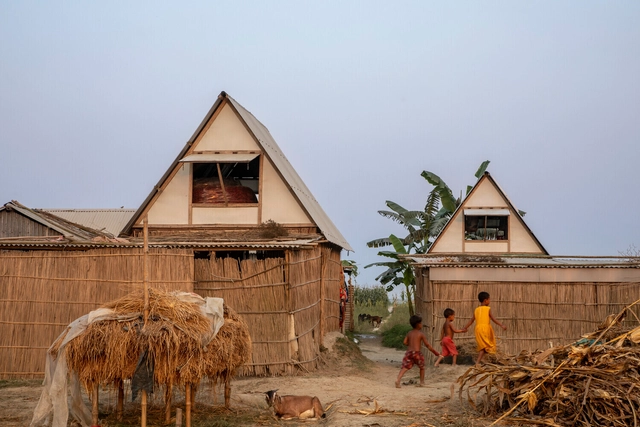
This continuity is reflected in how architecture is understood less as a finished object and more as an ongoing process embedded in social, cultural, and environmental systems. Discussions around agency, participation, and knowledge production persist, alongside sustained attention to rural, peripheral, and historically marginalized contexts. Rather than privileging a single scale or geography, architecture is approached as a practice that moves between territories, acknowledging the unequal conditions that shape how spaces are designed, built, maintained, and inhabited.
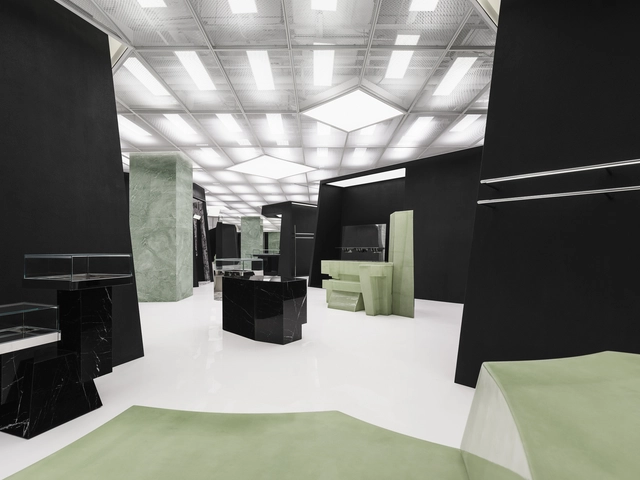
In contemporary architecture, commercial spaces have become more than points of sale; they are stages where identity, image, and experience converge. Stores, showrooms, and branded interiors often operate as laboratories where architects experiment with form, material, and light, translating corporate narratives into spatial experiences. In this context, the architect emerges as a mediator of desire, shaping atmospheres that guide perception, evoke emotion, and subtly influence behavior. This role reveals a complex intersection between design and capitalism: the creation of spaces that sell not only products, but also aspirations, lifestyles, and cultural meaning. By transforming commerce into an architectural performance, these projects invite reflection on how the discipline negotiates its agency in a world where visibility and image have become as essential as function.
What is architecture? For some, its traditional role is to bring together imagination, technical knowledge, and problem-solving, allowing architects to design and construct while balancing ideas with the means to realize them. From the stone and wood of early buildings to the steel and concrete of the 20th century, each era demanded not only an understanding of form but also of the properties and potential of the materials in use. This grasp of materials has always been a core part of the creative process, though its scope was limited by the know-how and technologies available.
Over time, that balance has begun to shift. Architects have moved from merely using materials to actively designing them, applying scientific principles and experimenting with biological, chemical, and computational processes. This evolution has expanded the possibilities of architecture, intersecting nature, technology, and art, while pushing the role of the architect into a more experimental, science-driven dimension, where the manipulation and creation of materials becomes central to the creative act rather than merely a means to achieve forms or structures.
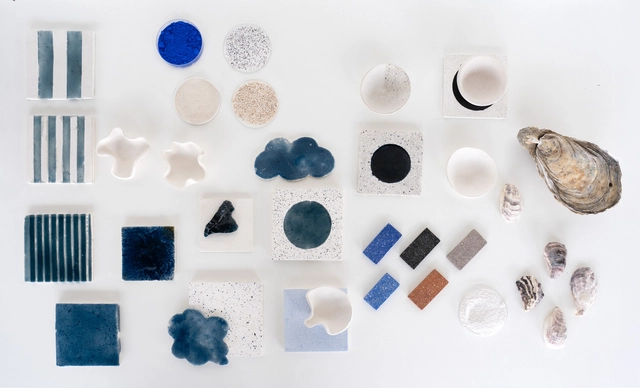
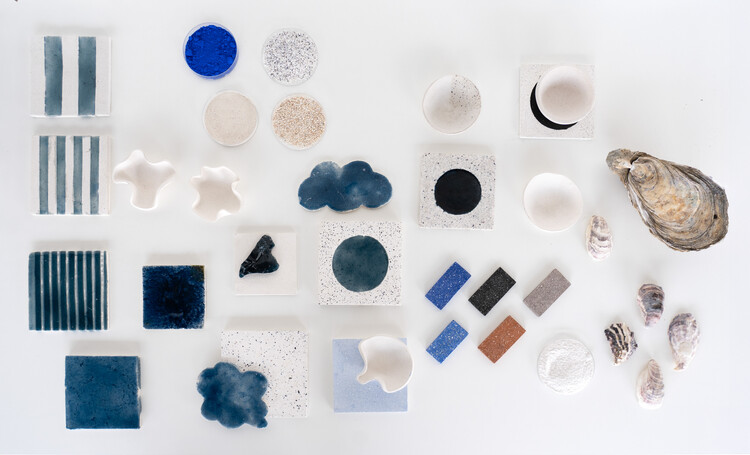
All materials come from somewhere, embedded in a chain of extraction, supply, production, and disposal that, depending on its scale, leaves more or less significant marks on the environment. In architecture, we usually approach this trajectory through the lens of materials' circularity, considering how they can re-enter production cycles rather than become waste. Yet, broadening our view to unexpected places reveals parallel systems where by-products from one industry become resources for another. This approach has found fertile ground in organic waste transformed into biomaterials, with one of the most recent examples being the work of Fahrenheit Works. Through their installation, "From the Tagus to the Tile", they repurpose oyster shells initially discarded by food systems to create a reinterpretation of Lisbon's iconic tiles.
Buildings are physical, static, and permanent. To imagine them otherwise often requires some creative thinking. The industry has operated with this strong association between structures and permanence, unknowingly constraining perspectives on building life cycles. Innovations in building materials have opened up avenues for cirular design that challenge the long-held notion that buildings must endure indefinitely. Emerging approaches promote architecture that ebbs and flows with nature.