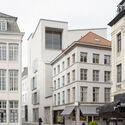
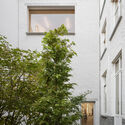
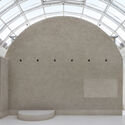
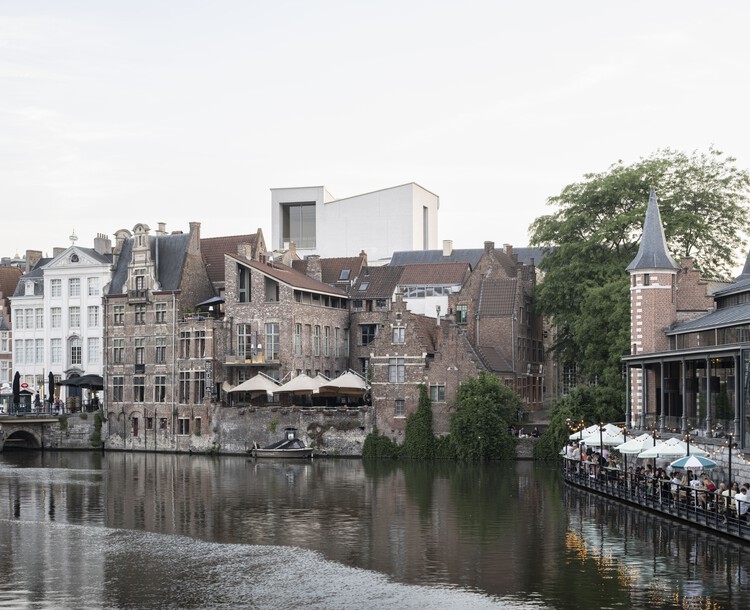
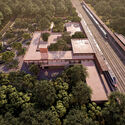
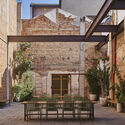
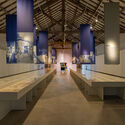
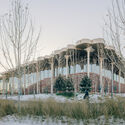
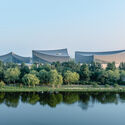
In November 2019, London-based Carmody Groarke and Ghent firm TRANS architectuur | stedenbouw, now known as ATAMA, won the Baumeister international competition to design an extension for Design Museum Gent, Belgium's largest design museum, located in Ghent's historic center. At the time, the museum comprised three buildings: the eighteenth-century Hotel de Coninck, the Leten House, with a sixteenth-century core, and a 1992 wing. After four years of renovation and expansion, the museum reopened on October 3, 2026, within the UNESCO World Heritage city center. The project combines the restoration of these historic buildings with a new wing designed by Carmody Groarke and ATAMA, alongside the restoration work led by RE-ST architectenvennootschap. The museum's collection spans design objects from the fourteenth century to the present, and the renewed building adds spaces for lectures, workshops, exhibitions and events, framing design as something visitors can use and engage with directly rather than only view.
Architecture across Latin America this month reflects an ongoing conversation around inhabitation, cultural heritage, and the ways architecture can connect contemporary life with existing places and knowledge. From the Buenos Aires International Architecture Biennial and initiatives addressing traditional building practices and archaeological heritage to new cultural infrastructure and housing projects in Argentina, Ecuador, and Peru, recent developments highlight different approaches to working with local contexts. Across the region, questions of memory, community, landscape, and material practice continue to shape both architectural projects and broader discussions around how cities and territories are inhabited.
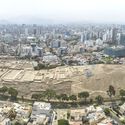
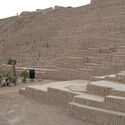
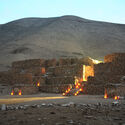
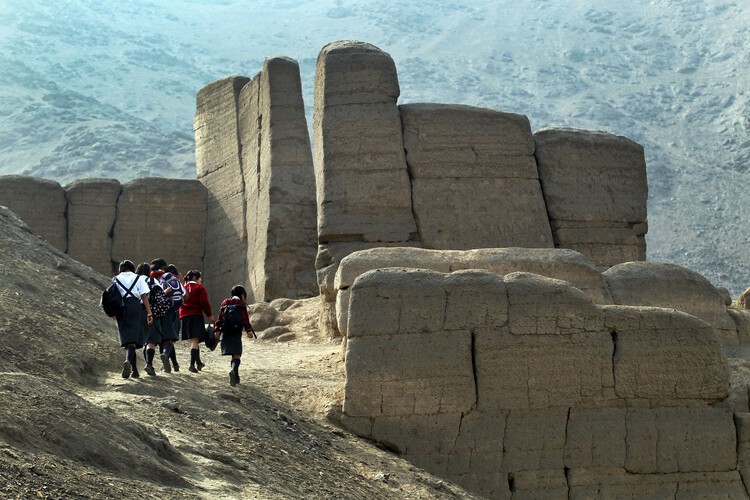
A campaign led by Red Lima Milenaria is seeking UNESCO recognition for pre-colonial sites in the Peruvian capital. Today, more than 600 archaeological sites remain in Lima, a metropolis of 11 million people. The citizens' campaign seeks to improve conservation conditions and public awareness of the sites that resisted European colonization by promoting the nomination of a selection of structures for inscription on UNESCO's World Heritage List. The public campaign was recently launched to gather citizen support and establish partnerships with organizations working in heritage and related fields, in order to prepare the framework for a formal nomination to be submitted by the Peruvian state. The initiative coincides with reconstruction movements in the continent responding to socioeconomic inequality and structural historical injustices, raising questions about the very definition of heritage.
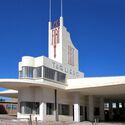
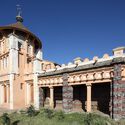
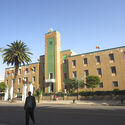
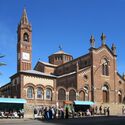
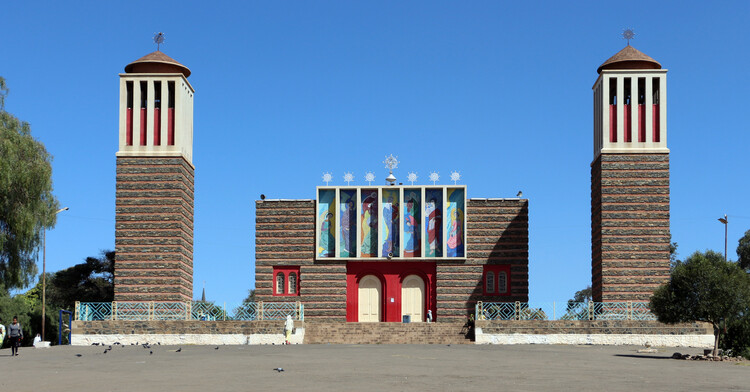
Asmara, the capital of Eritrea, sits at over 2,300 meters above sea level on a plateau at the edge of the Great Rift Valley escarpment. Although situated in a country not known for large visitor numbers, the city has gained fame for its unique architecture. In July 2017, it became a UNESCO World Heritage Site, inscribed as "Asmara: A Modernist African City," the first modernist urban site anywhere to be listed in its entirety, and Africa's first explicitly modernist World Heritage Site. Its heritage value came about as a result of a complex convergence of two aspects of Eritrea's history: an intense period of colonial construction as Italy pursued its imperial ambitions in Africa, and a long period of relative isolation that insulated the city from redevelopment.
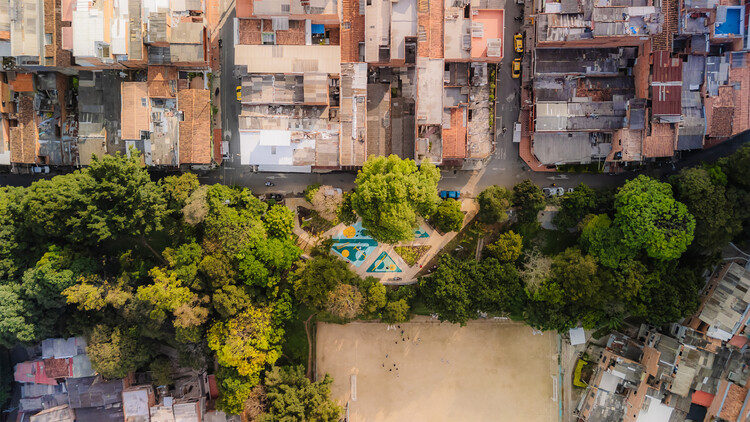
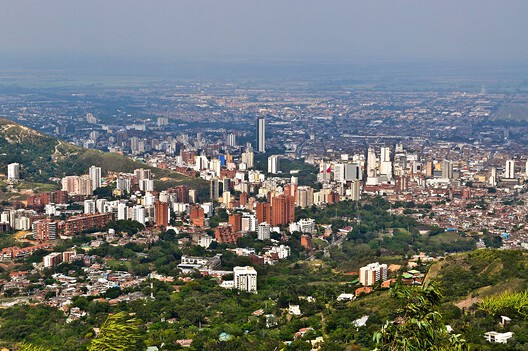
Architecture across Latin America this month reflects an ongoing negotiation between environmental challenges, cultural heritage, and changing approaches to public and professional life. From Colombia's earthquake and its impact on historic architecture to new cultural projects in Argentina and environmentally responsive design in Ecuador and Medellín, recent developments highlight how architecture continues to respond to both regional conditions and broader global challenges. Questions of heritage and infrastructure also remained prominent, as UNESCO raised concerns over the impacts of the Tren Maya on Mexico's Calakmul World Heritage site, while new initiatives in Chile and Costa Rica explored ecological design and sustainable practice. The month's stories point to a regional architectural landscape shaped by resilience, adaptation, and the relationship between built environments and their wider social and natural contexts.
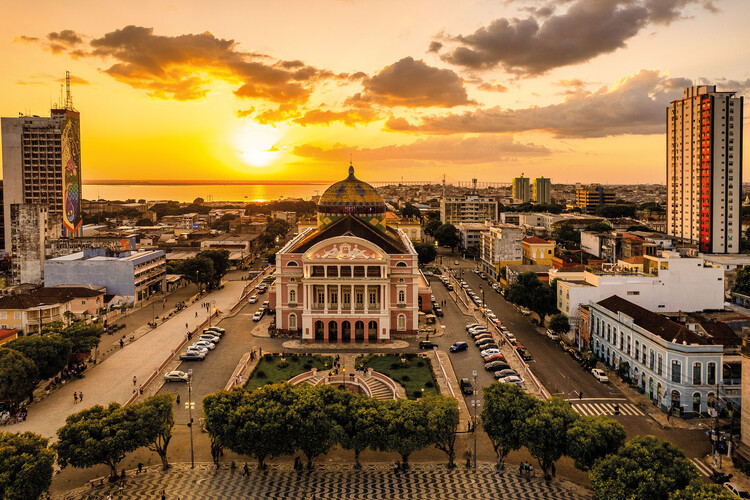
Architecture in Brazil this month highlights the country's diverse approaches to cultural production, heritage, and the transformation of its built environment. From the curatorial formation of the 15th São Paulo International Architecture Biennial to the recognition of Amazonia Theaters on the UNESCO World Heritage List, recent developments bring questions of representation, preservation, and cultural identity into focus. New projects in Rio de Janeiro, São Paulo, and Rondônia meanwhile explore adaptive reuse, relationships between architecture and landscape, and new approaches to materiality and sustainability. Alongside these developments, ongoing discussions surrounding Fordlândia and the archive of Lucio Costa revisit how Brazil's architectural heritage is preserved, interpreted, and understood today.
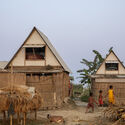
Every year on August 9, and since 1994, UNESCO has commemorated the International Day of the World's Indigenous Peoples. The United Nations has not yet adopted an official definition for the term 'Indigenous peoples,' but considers, for social recognition, self-identified non-dominant groups of society, with distinct language, culture, and beliefs, organized in separate social, economic, and political systems. From a territorial perspective, the UN understands the term through historical continuity with pre-colonial or pre-settler societies, and the group's strong links to territories and surrounding natural resources. The persistence in maintaining and reproducing ancestral environments and systems is also recognized as an element of identity, encompassing other designations such as first peoples/nations, aboriginals, or ethnic groups. Following the occasion's aim to raise awareness, in this article we present contemporary reflections, regional cases, and interviews about ancestral constructive knowledge and how it can build the future.
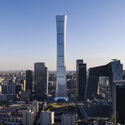
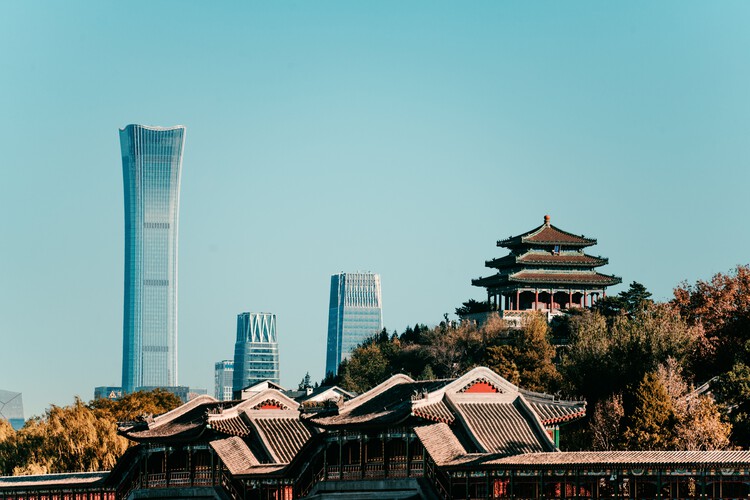
UNESCO-UIA World Capital of Architecture is a title created jointly by UNESCO and the International Union of Architects (UIA). On 5 August 2026, Beijing was named World Capital of Architecture for 2029, a title awarded every three years to a city that hosts a year of architecture-focused programming timed to coincide with the UIA World Congress of Architects. The designation was made upon the recommendation of the Joint Committee for the World Capital of Architecture, chaired by architect Dominique Perrault. It follows the recent conclusion of the UIA World Congress of Architects 2026 in Barcelona, current World Capital of Architecture, and builds on the experience of Rio de Janeiro and Copenhagen.
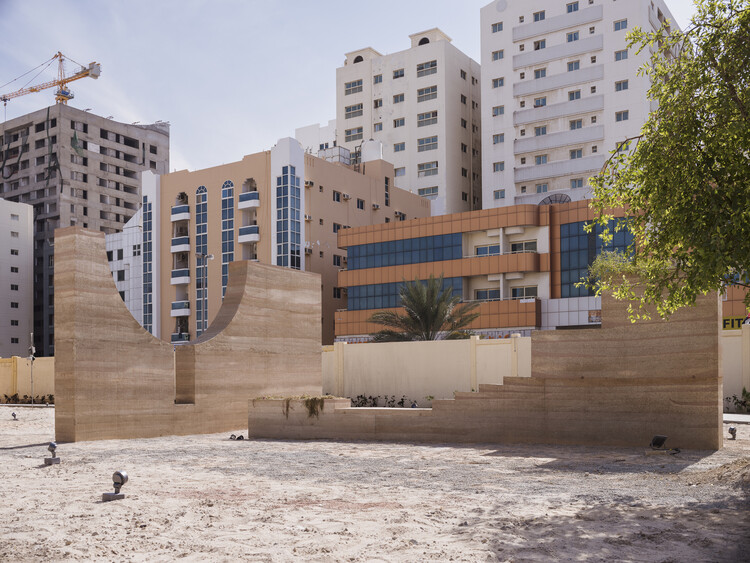
This week was marked by recognition and major announcements for the cultural industry. Amid international reports of both deliberate and natural destruction, UNESCO added 25 new sites of Outstanding Universal Value to its World Heritage List, protecting a diverse range of places that includes funerary landscapes and landmark works of modern architecture. Beyond heritage, contemporary architectural practice also received renewed recognition through Alejandro Aravena and Smiljan Radić, while new developments were announced for cultural projects across the United Arab Emirates, Ecuador, China, India, and the United States. Recent updates include the restoration of a landmark cinema in Los Angeles, a new museum dedicated to innovation and entrepreneurship in Bengaluru, and the topping out of a 39-story hybrid timber tower in Sydney.
The UNESCO World Heritage Committee has announced 25 new inscriptions to the World Heritage List during its 48th session, expanding the international register with sites that reflect a wide range of architectural, cultural, and natural heritage. The 2026 additions include 19 cultural properties, five natural sites, and one mixed property, alongside approvals for two significant boundary modifications and one revision to the criteria of an existing inscription. Spanning every inhabited continent, the newly recognized places range from archaeological landscapes and historic urban centers to modernist architecture and industrial heritage, underscoring the diversity of the built environment and the evolving scope of heritage conservation.
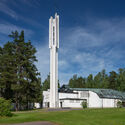
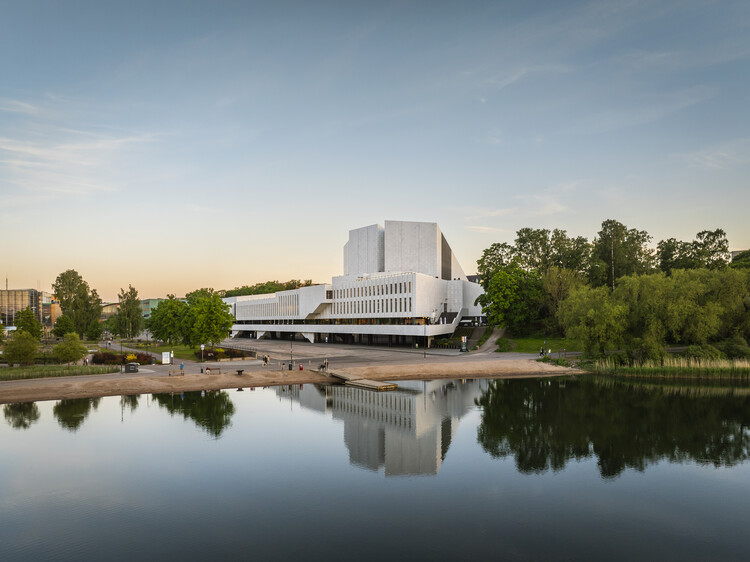
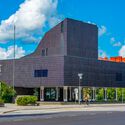
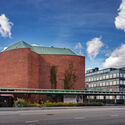
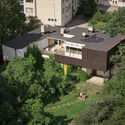
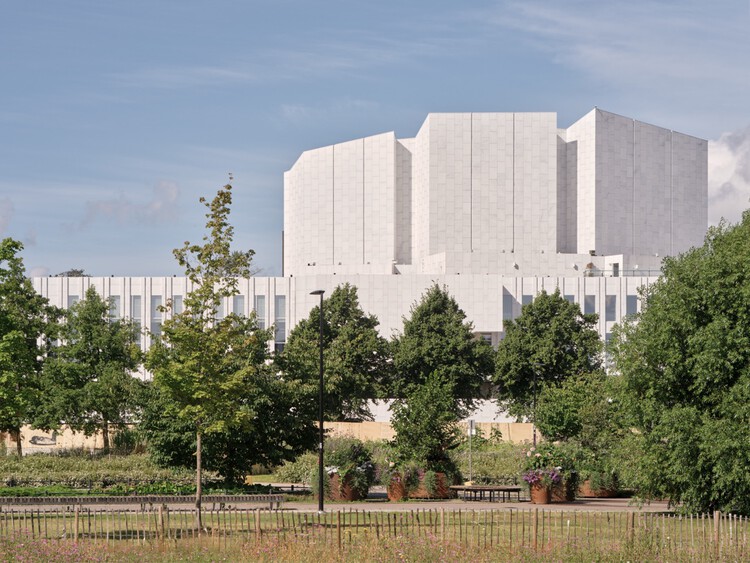
The UNESCO World Heritage Committee has inscribed Aalto Works, a collection of thirteen buildings and architectural ensembles across Finland designed by Aino Marsio-Aalto, Elissa Aalto, and Alvar Aalto, on the UNESCOWorld Heritage List. The designation recognizes the international significance of a body of work that helped redefine modern architecture through a human-centered approach, emphasizing the relationship between buildings, everyday life, nature, and social well-being. Spanning projects completed between the late 1920s and the 1980s, the series represents Finland's contribution to the Modern Movement while acknowledging the collaborative practice of the Aaltos and their studio.
On UNESCO's International Day of Light, celebrated annually on May 16, the Daylight Award announced its 2026 laureates. Established to support research into the scientific understanding of daylight and its significance for health, well-being, ecosystems, and architectural design, the award recognizes achievements in two categories: Daylight in Architecture and Daylight Research. This year, Japanese architects Momoyo Kaijima and Yoshiharu Tsukamoto of Atelier Bow-Wow were honored for demonstrating how daylight can shape shared spaces and everyday life, while marine biologists Brittany N. Zepernick, Steven W. Wilhelm, and R. Michael McKay of the United States and Canada were recognized for their research on aquatic microorganisms and their implications for planetary health and biodiversity.
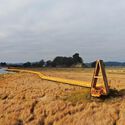
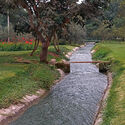
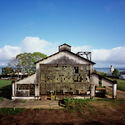
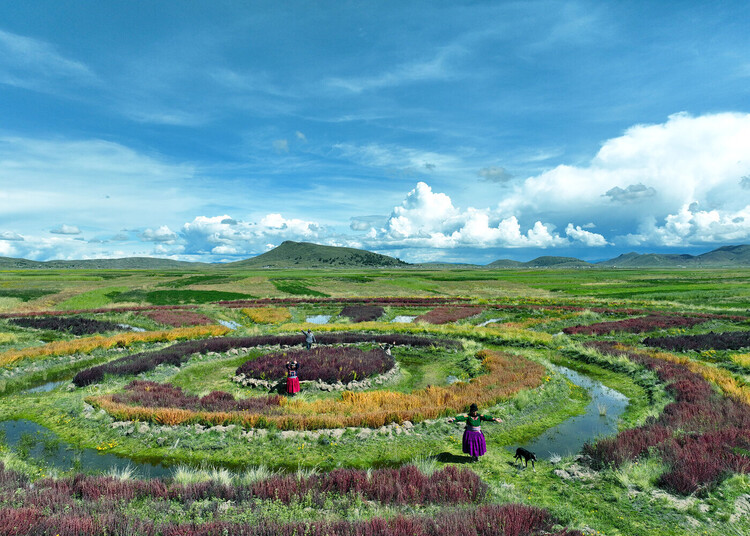
Waru Waru agricultural field. Image via World Monuments Fund
The United Nations' International Mother Earth Day, observed annually on April 22, aims to "promote harmony with nature and the Earth." In light of the urgency posed by climate change, it seeks to raise awareness of the challenges of preserving all forms of life supported by the planet. It is a call to the global community to safeguard biodiversity while striving to balance economic, social, and ecological systems. Crimes against biodiversity include large-scale practices such as deforestation, land-use change, intensified agriculture, livestock production, and illegal wildlife trade, all considered by the UN to be accelerating factors in the destruction of the planet.
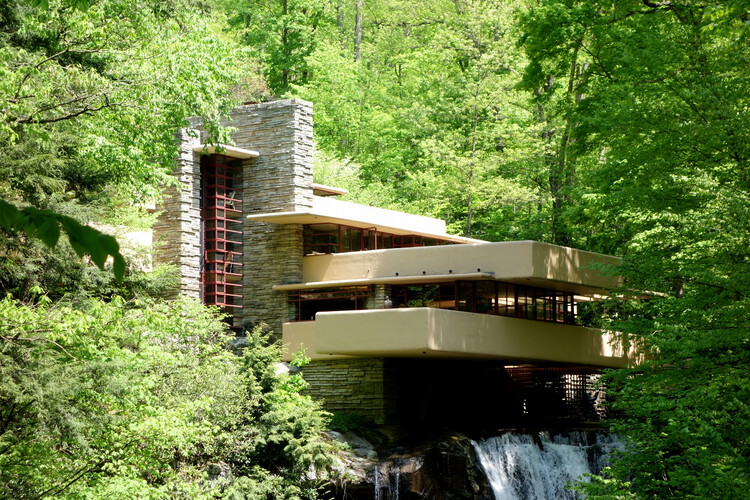
Fallingwater, the iconic residence designed by Frank Lloyd Wright, has reopened to the public following the completion of a three-year preservation project. The reopening coincides with the building's 90th anniversary and the start of its 63rd tour season, marking a key moment in the ongoing conservation of one of the most widely recognized works of modern architecture. The intervention, led by the Western Pennsylvania Conservancy, focused on addressing structural and environmental challenges while maintaining the integrity of Wright's original design.
Symbols of technological development and urban density, tall buildings as we know them today emerged in the late 19th century, primarily in the United States, in response to rapid growth in urban commerce and the need to expand cities without consuming more land. The term skyscraper, for instance, was coined in the 1880s and originally referred to buildings of about 10 to 20 stories—an impressive height at the time.
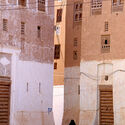
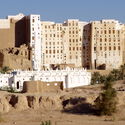
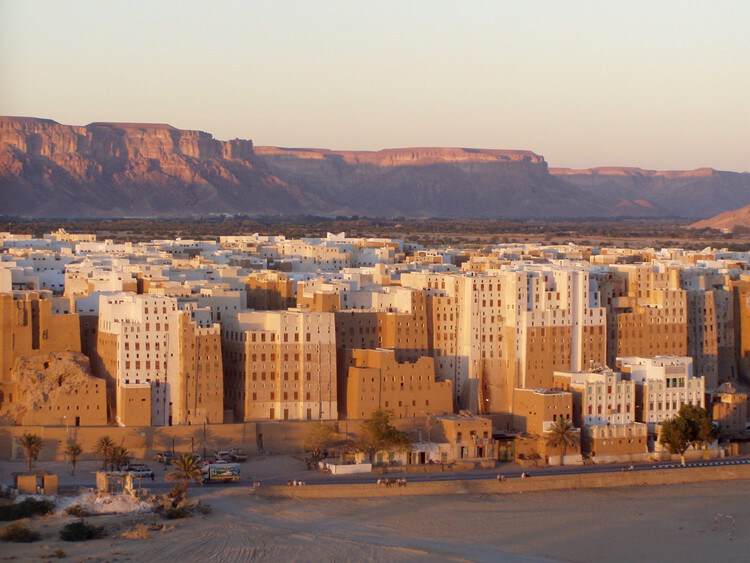
However, the idea of building vertically is far older than steel-and-glass skyscrapers suggest. Long before the Industrial Revolution, several societies were already experimenting with vertical urbanization as a solution to spatial constraints, territorial defense, or environmental adaptation.
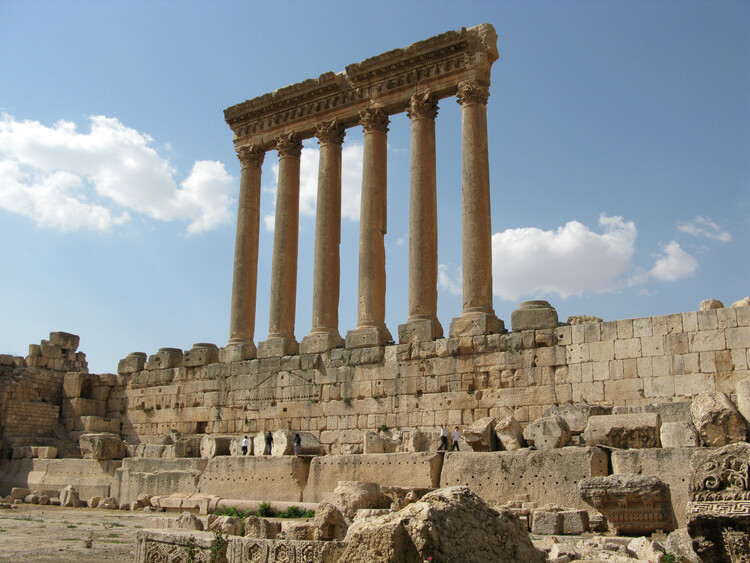
On February 28th, 2026, the news of the loss of human lives, the operational pattern of military strikes, damage to infrastructure, communication disruptions, and international responses following US-Israeli military attacks on Iranconfirmed to the world that there was a new focus of war in Southwest Asian territory. This military conflict has also had a human and infrastructural impact on Lebanon, Syria, Iraq, and Jordan, with active combat zones in their territories, and the Gulf States, where damage particularly affected US military bases and energy infrastructure. This adds a new site of armed conflict in the area, following over two years of systematic destruction of life, habitat, and essential facilities in the Gaza Strip, reaching a near total of 81% destroyed structures by the end of 2025. These territories are currently involved in the deliberate destruction of their normality, including essential, everyday, and cultural infrastructure of global value. Although information is currently scattered and partial, it is possible to assess some of the damage to cultural heritage caused by this new outbreak of armed conflict.