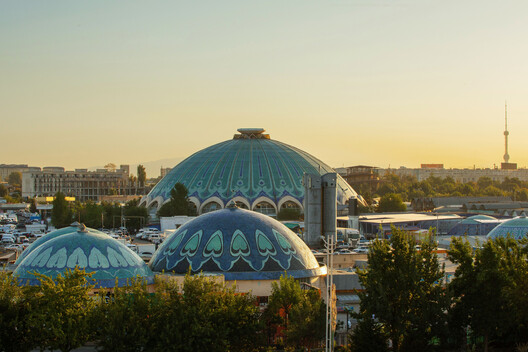
The UNESCO World Heritage Committee has announced 25 new inscriptions to the World Heritage List during its 48th session, expanding the international register with sites that reflect a wide range of architectural, cultural, and natural heritage. The 2026 additions include 19 cultural properties, five natural sites, and one mixed property, alongside approvals for two significant boundary modifications and one revision to the criteria of an existing inscription. Spanning every inhabited continent, the newly recognized places range from archaeological landscapes and historic urban centers to modernist architecture and industrial heritage, underscoring the diversity of the built environment and the evolving scope of heritage conservation.



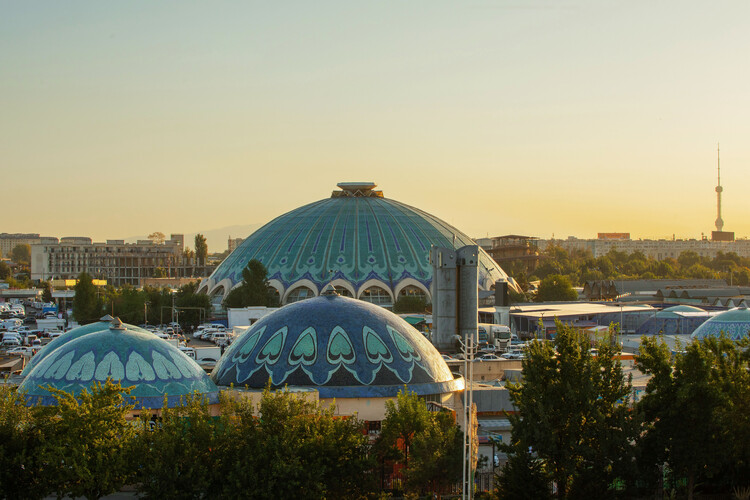
Among these new inscriptions are several sites of particular architectural significance, including Finland's Aalto Works, a serial nomination celebrating the human-centered legacy of Alvar Aalto and his collaborators; Uzbekistan's Tashkent Modernist Architecture, recognizing the city's distinctive post-earthquake reconstruction and late Soviet modernism; Poland's Gdynia Modernist City Centre; and Brazil's Amazonia Theaters, which highlights two landmark opera houses built during the Amazon rubber boom. The list also includes religious complexes, fortified landscapes, historic towns, and archaeological sites that collectively illustrate centuries of cultural exchange, technological innovation, and urban development, reaffirming UNESCO's role in safeguarding places of universal value.
Read on to discover the 19 new inscribed cultural properties.
Related Article
UNESCO Inscribes 13 Aalto Works on the World Heritage ListAalto Works, Finland
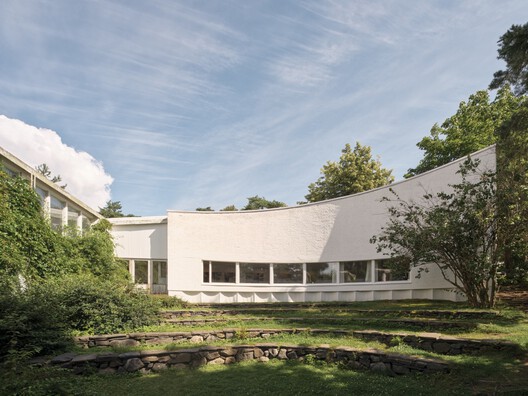
The inscription of Aalto Works recognizes a serial collection of thirteen buildings and architectural ensembles across Finland designed between the late 1920s and the 1980s by Alvar Aalto, Aino Marsio-Aalto, Elissa Aalto, and the Aalto studio. The designation acknowledges Finland's contribution to the Modern Movement through a body of work that reinterpreted modern architecture with a human-centered approach, emphasizing the relationship between architecture, nature, everyday life, and social well-being. Among the thirteen sites are internationally recognized works including Paimio Sanatorium, Villa Mairea, Säynätsalo Town Hall, Seinäjoki Civic Centre, and five buildings in Helsinki, including Finlandia Hall, the Aalto House, and Studio Aalto. By joining the UNESCO World Heritage List, the collection is recognized alongside other landmark twentieth-century architectural ensembles, highlighting the international influence of the Aaltos' collaborative practice and their enduring contribution to modern architecture.
Tashkent Modernist Architecture, Uzbekistan
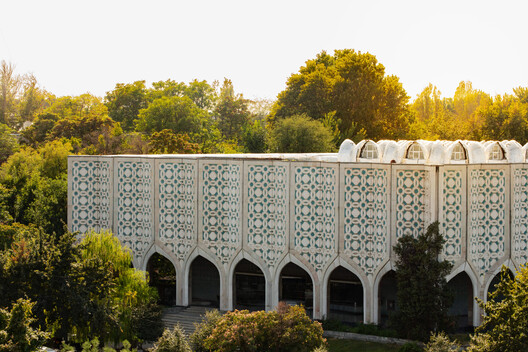
The inscription of Tashkent Modernist Architecture: Modernity and Tradition in Central Asia recognizes ten buildings and urban ensembles constructed between the 1960s and early 1990s during the reconstruction of the Uzbek capital following the devastating 1966 earthquake. The serial property illustrates a regional interpretation of late Soviet modernism, combining industrialized construction techniques and seismic engineering with responses to local climate, materials, and cultural traditions. Museums, hotels, residential complexes, exhibition halls, and public institutions collectively demonstrate how standardized modernist principles were adapted to the environmental and social conditions of Central Asia. The inscription highlights Tashkent's contribution to twentieth-century architectural discourse while acknowledging the city's post-disaster transformation into one of the most significant modernist urban ensembles in the region.
Amazonia Theaters, Brazil
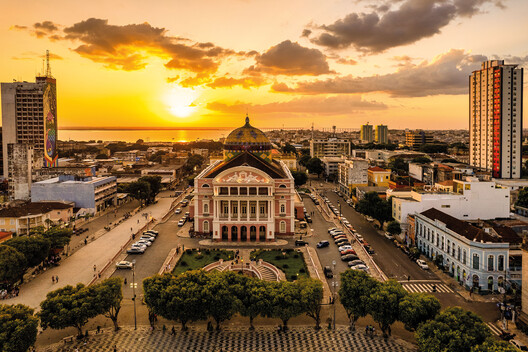
The inscription of Amazonia Theaters brings together two of Brazil's most celebrated nineteenth-century cultural landmarks: Theatro da Paz and Praça da República in Belém, alongside Teatro Amazonas and Largo de São Sebastião in Manaus. Constructed during the economic prosperity generated by the Amazon rubber boom between the late nineteenth and early twentieth centuries, the ensembles reflect the ambitions of two rapidly expanding cities seeking to establish themselves as cosmopolitan centers connected to international trade. Inspired by European architectural traditions while incorporating decorative references to the Amazon, the theaters became symbols of civic identity, political aspiration, and urban modernization. Their recognition highlights the architectural quality of the buildings themselves and the relationship between monumental public architecture, urban planning, and economic transformation.
Jingdezhen Handicraft Porcelain Industry Sites, China
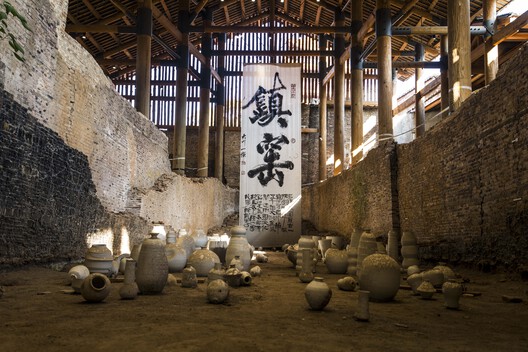
The Jingdezhen Handicraft Porcelain Industry Sites document nearly one thousand years of ceramic production in what became one of the world's most influential centers of porcelain manufacturing. Comprising five component sites, the serial property illustrates every stage of the production process, from the extraction and transportation of raw materials to kiln technologies, workshops, commercial districts, and systems of organization that supported large-scale manufacturing. As the location of both imperial and civilian kilns, Jingdezhen played a central role in technological innovation, artistic development, and international trade, with its porcelain becoming a globally recognized symbol of Chinese craftsmanship.
Gdynia Modernist City Centre, Poland
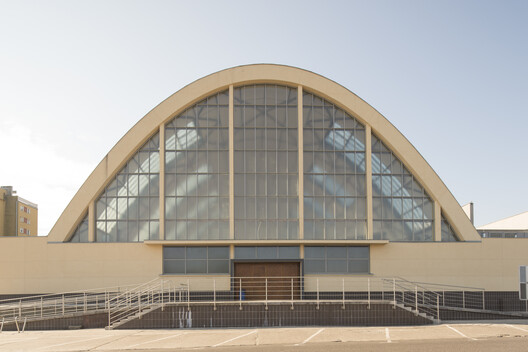
The inscription of the Gdynia Modernist City Centre recognizes one of Europe's most coherent examples of interwar modernist urban development. Planned and constructed during the rapid transformation of Gdynia from a small fishing settlement into the principal seaport of the Second Polish Republic, the district reflects the large-scale implementation of modern planning principles and architectural experimentation between the First and Second World Wars. The property encompasses the city's principal streets, residential quarters, public buildings, and villas. UNESCO's recognition highlights the city's contribution to twentieth-century modern architecture while acknowledging the role of urban planning in shaping Poland's economic ambitions and national identity during the interwar period.
The System of Italian-Style Condominio Theatres of the 18th and 19th Centuries in Central Italy, Italy
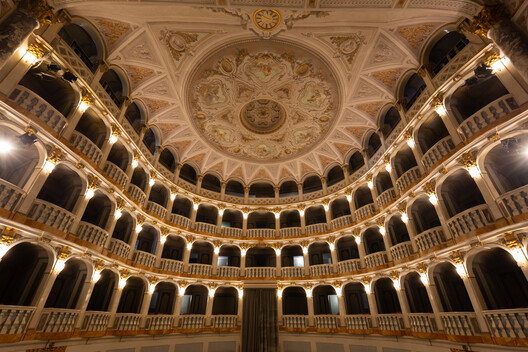
The inscription of The System of Italian-style Condominio Theatres of the 18th and 19th Centuries in Central Italy recognizes ten theaters across Emilia-Romagna, Marche, and Umbria that represent a model of cultural infrastructure development. Built between the mid-eighteenth and late nineteenth centuries, these theaters were based on the condominio system, in which municipalities and private citizens collectively financed and managed performance spaces. Their architectural organization follows the Italian theater tradition, featuring tiered boxes, carefully designed auditoriums, foyers, and stage machinery adapted for theatrical performances. The inscription highlights how this ownership model contributed to the expansion of cultural access and the development of a widespread network of performing arts venues across central Italy.
Beaches of the D-Day Landings, Normandy, 1944, France
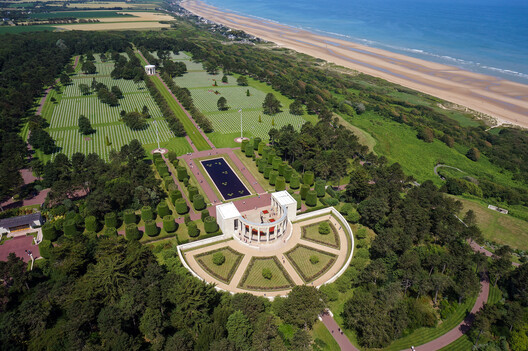
The Beaches of the D-Day Landings, Normandy, 1944, have been inscribed as a cultural landscape associated with one of the most significant military events of the twentieth century. Extending along approximately 80 kilometers of the Normandy coastline, the serial property includes Utah, Omaha, Gold, Juno, and Sword Beaches, as well as Pointe du Hoc, preserving landscapes, structures, and remains connected to the Allied landings of June 6, 1944. The sites include elements of the German Atlantic Wall, military installations, battlefield traces, and commemorative spaces that document both the events of Operation Overlord and their lasting historical significance.
Royal Capetian Fortresses of Languedoc, France
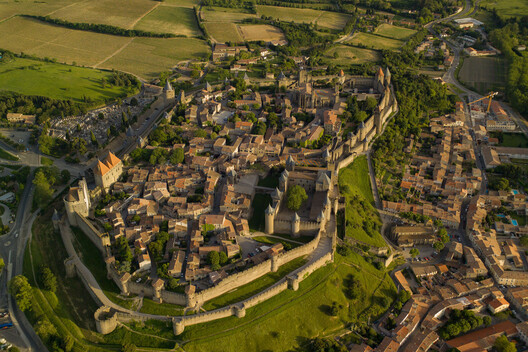
The inscription of the Royal Capetian Fortresses of Languedoc recognizes a network of eight fortified sites that illustrate the consolidation of royal power in southern France during the thirteenth and fourteenth centuries. Including the fortified city of Carcassonne and the castles of Aguilar, Lastours, Montségur, Peyrepertuse, Puilaurens, Quéribus, and Termes, the serial property represents a defensive system established following the Albigensian Crusade. Their walls, towers, and strategic locations reflect the expansion of Capetian authority and the transformation of former feudal territories into a more centralized state structure.
Mount Amel Castles, Lebanon
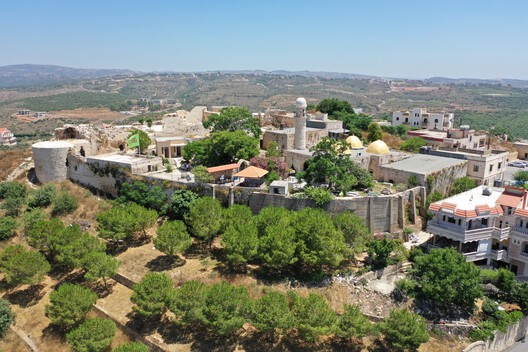
The Mount Amel Castles comprise five fortified sites located across the historic region of Jabal Amel in southern Lebanon, illustrating nearly a millennium of military architecture and territorial organization. Positioned on strategic hilltops and ridges overlooking important routes, the castles formed part of a defensive and administrative network that evolved through periods of occupation, including Crusader, Ayyubid, Mamluk, Ottoman, and local rule. Their towers, walls, gateways, and residential areas demonstrate changing approaches to fortification, construction techniques, and landscape management across different political contexts. The inscription highlights the role of these structures as both military installations and centers of regional administration, reflecting exchanges between European and Near Eastern architectural traditions.
The Roças of São Tomé and Príncipe: Colonial Agricultural System and Forced Migration, São Tomé and Príncipe
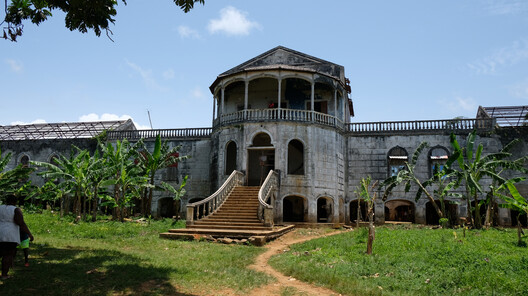
The inscription of The Roças of São Tomé and Príncipe: Colonial Agricultural System and Forced Migration recognizes six former plantation complexes that document the spatial organization of Portuguese colonial agricultural production on the islands of São Tomé and Príncipe. Developed primarily for coffee and cocoa cultivation from the late nineteenth century through the mid-twentieth century, the roças combined agricultural landscapes with processing facilities, worker housing, administrative buildings, and social infrastructure arranged within highly structured settlements. The inscription acknowledges both the technological and spatial organization of these plantation landscapes and their complex historical legacy, providing insight into the relationship between architecture, agriculture, migration, and colonial power structures.
Wat Phra Mahathat Woramahawihan, Nakhon Si Thammarat, Thailand
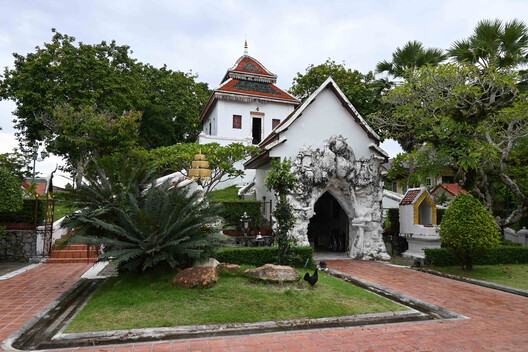
The inscription of Wat Phra Mahathat Woramahawihan, Nakhon Si Thammarat recognizes one of Southeast Asia's most important Buddhist religious complexes, with a history extending back more than 1,500 years. Located along historic maritime trade routes between the Indian and Pacific Oceans, the monastery developed through continuous exchanges between different cultural and religious traditions, including influences from India, Sri Lanka, Java, Myanmar, and the Mon communities of southern Myanmar. Its architectural forms, rituals, and artistic expressions reflect this layered history, while the site continues to function as an active center of Buddhist practice and pilgrimage. The complex is particularly associated with the Great Reliquary and long-standing traditions such as the annual cloth-wrapping ceremony.
Village of Sidi Bou Saïd, Tunisia
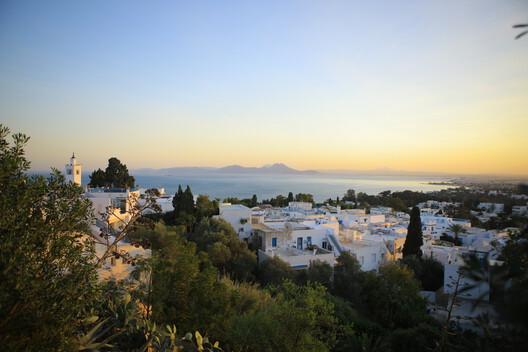
The inscription of the Village of Sidi Bou Saïd recognizes a historic settlement located on a Mediterranean promontory near Tunis, where architecture, landscape, and spiritual traditions have developed in close relationship over centuries. Established around the tomb of the Sufi saint Sidi Bou Saïd, the village evolved into a distinctive cultural landscape characterized by its integration with the surrounding cliffs, its compact urban fabric, and its recognizable white-and-blue architectural palette. UNESCO's recognition highlights the village as an example of how architecture can embody cultural identity and environmental adaptation, while preserving the connections between spiritual heritage, urban form, and Mediterranean landscapes.
Rock Mosques and Associated Sacred Sites of Mangystau, Kazakhstan
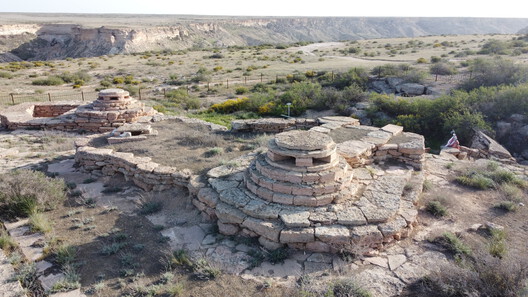
The inscription of the Rock Mosques and Associated Sacred Sites of Mangystau recognizes a group of underground religious complexes carved into the rocky landscapes of western Kazakhstan between the twelfth and eighteenth centuries. The serial property includes five sacred sites associated with prominent Sufi figures, together with extensive cemeteries, pilgrimage routes, water sources, and other elements that contribute to their spiritual landscape. Rather than monumental architecture above ground, the complexes demonstrate how religious spaces were integrated into natural formations, responding to the environmental conditions of the Mangystau Peninsula while supporting centuries of pilgrimage and devotional practice. The inscription highlights the continuity of sacred traditions in the region and the architectural adaptation of Islamic religious spaces to a nomadic cultural context.
Sebastia, Palestine
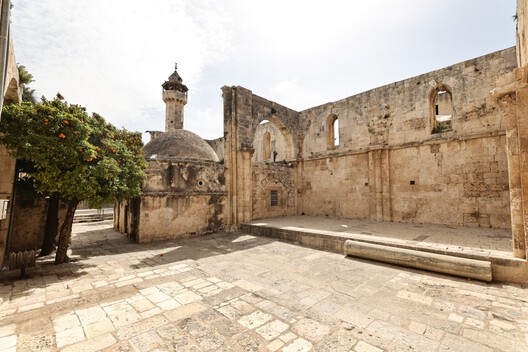
The inscription of Sebastia recognizes a historic settlement with archaeological remains spanning several millennia of cultural and political transformation. Located in the central highlands of the West Bank, the site preserves evidence of successive civilizations that shaped its urban form, architectural heritage, and regional significance. Throughout its history, Sebastia served as an important administrative, religious, and economic center, resulting in a complex archaeological landscape that includes remains of public buildings, religious structures, urban infrastructure, and defensive elements. The layered character of the site reflects the continuous adaptation of settlements in the eastern Mediterranean, where different societies contributed to its architectural and cultural identity.
Ancient Capitals of Asuka and Fujiwara, Japan
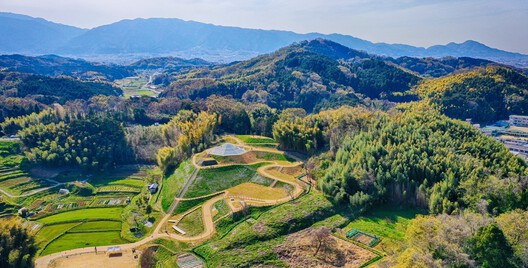
The inscription of the Ancient Capitals of Asuka and Fujiwara recognizes nineteen archaeological components that preserve evidence of Japan's earliest centralized state formation between the sixth and eighth centuries. Located in the southern part of the Nara Basin, the property includes the remains of imperial palaces, government facilities, Buddhist temples, and monumental burial sites associated with the Asuka Capital (588-694 CE) and Fujiwara Capital (694-710 CE). These sites illustrate the introduction of Chinese-inspired administrative systems, urban planning principles, and Buddhist architectural traditions that shaped the development of early Japanese society. Their inscription highlights the role of these archaeological landscapes in understanding the origins of Japanese urban development and their influence on later capitals, including Nara and Kyoto.
The Medinas of the Historic Sultanates of the Comoros, Comoros
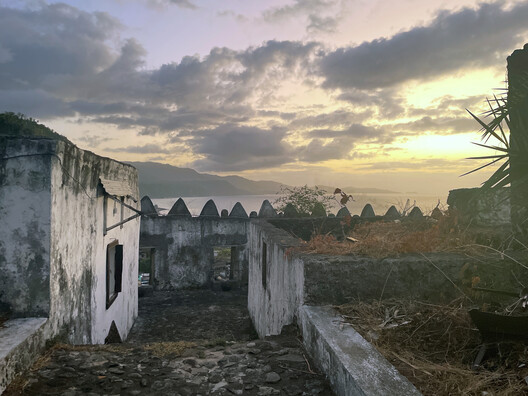
The inscription of The Medinas of the Historic Sultanates of the Comoros recognizes six historic towns that developed as urban centers within the island sultanates of the Comoros archipelago from at least the eleventh century onward. Emerging through connections with Indian Ocean trade networks, these settlements reflect centuries of interaction between African, Arab, Persian, and broader maritime cultures. Their urban layouts and architectural expressions developed around social systems, religious traditions, and environmental conditions specific to the islands, combining Islamic influences with local customs and construction practices.
Ancient Buddhist Site of Sarnath, India
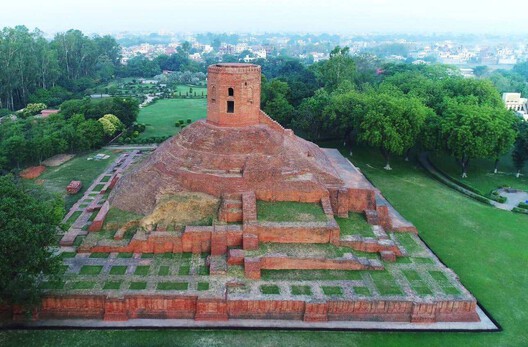
The Ancient Buddhist Site of Sarnath has been inscribed in recognition of its religious, archaeological, and architectural significance as the place where the Buddha is traditionally believed to have delivered the first sermon after enlightenment. Located near Varanasi, the site developed over centuries into one of Buddhism's most important pilgrimage destinations, supported by periods of royal, monastic, and community patronage. Its archaeological remains include stupas, monasteries, temples, and other structures that document the evolution of Buddhist architecture and religious practices from antiquity through the medieval period. Preserved today within two archaeological zones, Sarnath reflects the development of a major Buddhist institutional center and its role in the transmission of religious ideas across Asia.
The Cemetery Complexes of the Xiongnu Nobility, Mongolia
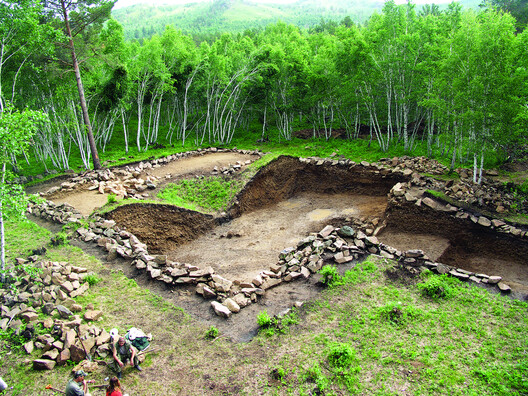
The Cemetery Complexes of the Xiongnu Nobility recognize eight funerary landscapes associated with the Xiongnu Empire, one of the most influential nomadic confederations of ancient Eurasia. Dating from the third century BCE to the second century CE, the sites preserve monumental burial structures, satellite graves, ceremonial arrangements, and archaeological remains that provide insight into the social organization, beliefs, and technological capabilities of Xiongnu society. The large-scale tombs demonstrate planning and engineering practices, while the artifacts discovered within them offer evidence of the empire's cultural connections and way of life. Located along historical networks connecting Central Asia and China, these cemetery complexes contribute to a broader understanding of nomadic civilizations and their role in shaping exchanges across the Eurasian Steppe.
Alamūt Castle and Related Fortifications, Iran
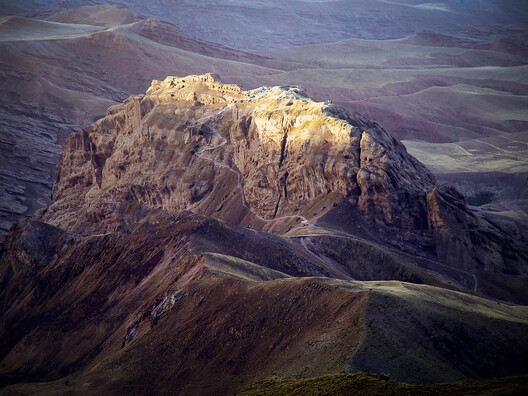
The inscription of Alamūt Castle and Related Fortifications recognizes a network of seven fortified sites located within the rugged landscape of Iran's Alborz Mountains, including the renowned Alamūt Castle and six associated fortifications. From the late eleventh century onward, Alamūt served as the political, military, and intellectual center of the Nezāri Ismaʿili community, functioning not only as a defensive stronghold but also as a place of scholarship and cultural exchange. Adapted to mountainous terrain, the fortifications demonstrate strategies of construction, territorial organization, and resource management. The sites illustrate the resilience and influence of the Nezāri Ismaʿili state until the fall of Alamūt in 1256, while providing insight into medieval architecture, landscape adaptation, and the relationship between built environments and political structures in the Islamic world.