1. ArchDaily
  2. Heritage Conservation

Heritage Conservation: The Latest Architecture and News

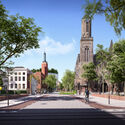
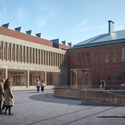
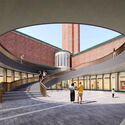
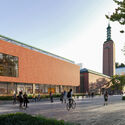
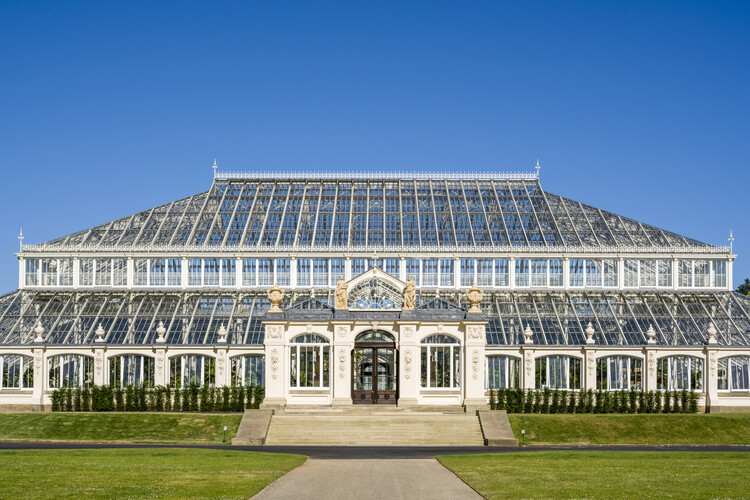
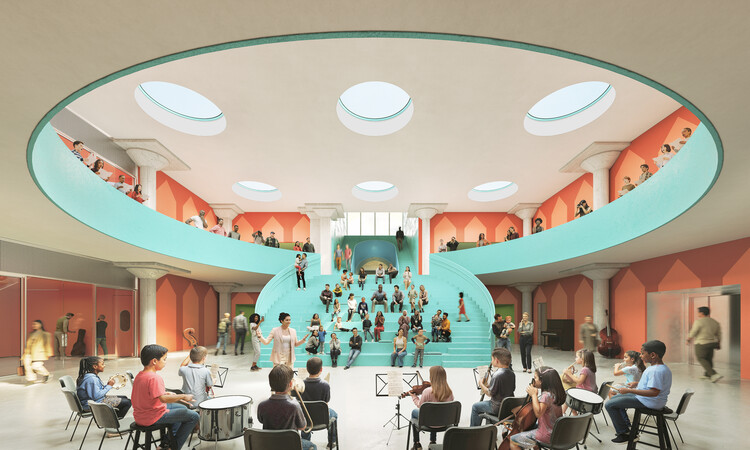
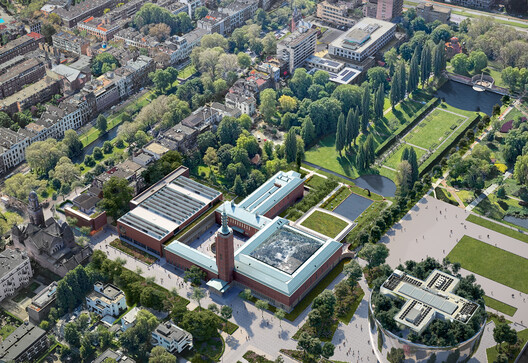
First Look at the Serpentine Pavilion and Getty Center Modernization Plans Revealed: This Week’s Review

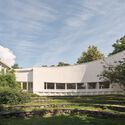
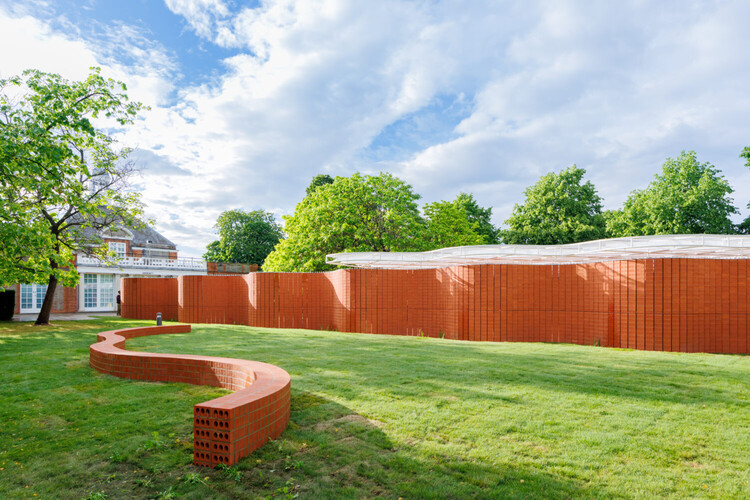
This week, architecture's cultural dimension took center stage through a series of new platforms, institutional developments, and public-facing projects that expand how the discipline is discussed, preserved, and experienced. From the announcement of participants for the inaugural Pan-African Biennale in Nairobi and the unveiling of Concéntrico Festival's urban interventions across Logroño, to the opening of La Biennale di Venezia's new archival headquarters at the Arsenale, architecture emerged as a vehicle for research, exchange, and collective reflection. Alongside these initiatives, projects such as the expansion of Crystal Bridges Museum in Arkansas and the opening of the 2026 Serpentine Pavilion demonstrate how cultural institutions continue to invest in new spaces for gathering and engagement. This week's selection spans Kenya, Spain, Albania, Saudi Arabia, Italy, Lebanon, the United Kingdom, and the United States, reflecting the diverse contexts in which cultural institutions, public events, and architectural initiatives continue to evolve.

First Look at the Serpentine Pavilion and Getty Center Modernization Plans Revealed: This Week’s Review - Image 1 of 4First Look at the Serpentine Pavilion and Getty Center Modernization Plans Revealed: This Week’s Review - Image 2 of 4First Look at the Serpentine Pavilion and Getty Center Modernization Plans Revealed: This Week’s Review - Image 3 of 4First Look at the Serpentine Pavilion and Getty Center Modernization Plans Revealed: This Week’s Review - Image 4 of 4First Look at the Serpentine Pavilion and Getty Center Modernization Plans Revealed: This Week’s Review - More Images+ 10

From Sacred to Public: 5 Disused Churches Reimagined as Cultural Spaces

Subscriber Access | 

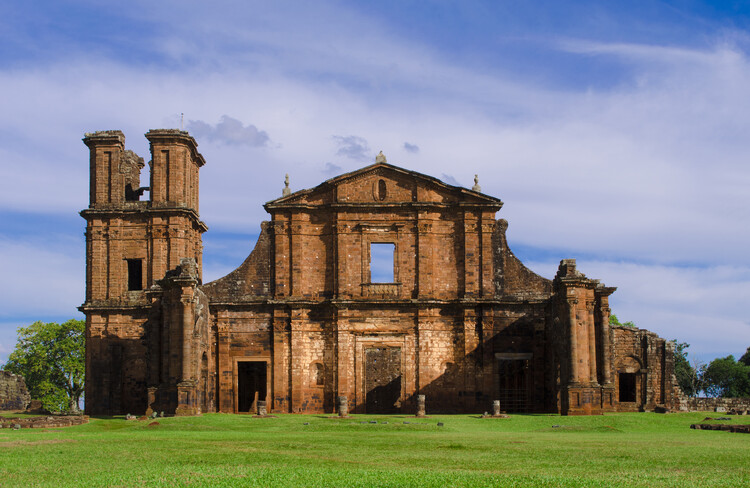
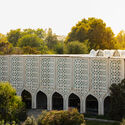
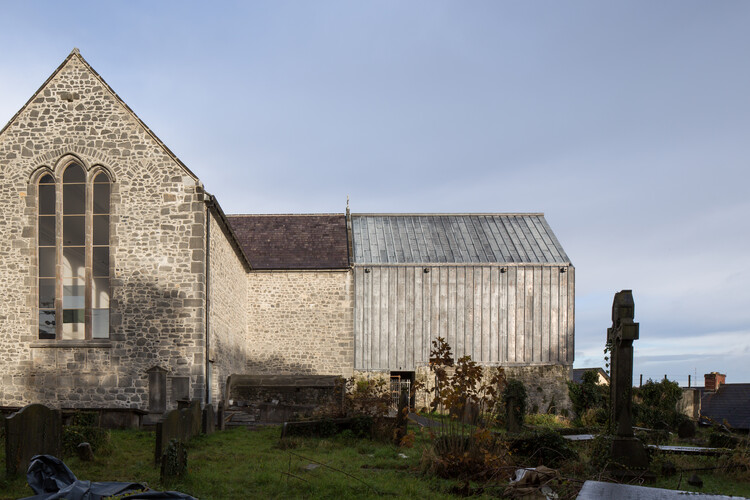
The conversion of disused religious temples through cultural programs constitutes one of the most compelling adaptive reuse strategies in contemporary urban planning. This functional compatibility seems to be rooted in the specific characteristics of churches: their central naves offer large-scale, clear floor plans and monumental cross-sections that easily accommodate the volumetric requirements of museums, theaters, or community hubs. Furthermore, the acoustic properties inherent to their vaulted ceilings, combined with intentional natural lighting filtered through stained glass windows or domes, create the spatial conditions for activities ranging from the performing arts to the exhibition of cultural artifacts. By assuming a public and cultural role, these buildings not only avoid demolition or physical abandonment but also preserve their status as urban and identity landmarks within the city fabric, revitalizing their immediate surroundings without altering their historical significance.

From Sacred to Public: 5 Disused Churches Reimagined as Cultural Spaces  - Image 1 of 4From Sacred to Public: 5 Disused Churches Reimagined as Cultural Spaces  - Image 2 of 4From Sacred to Public: 5 Disused Churches Reimagined as Cultural Spaces  - Image 3 of 4From Sacred to Public: 5 Disused Churches Reimagined as Cultural Spaces  - Image 4 of 4From Sacred to Public: 5 Disused Churches Reimagined as Cultural Spaces  - More Images+ 8

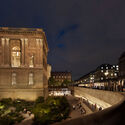
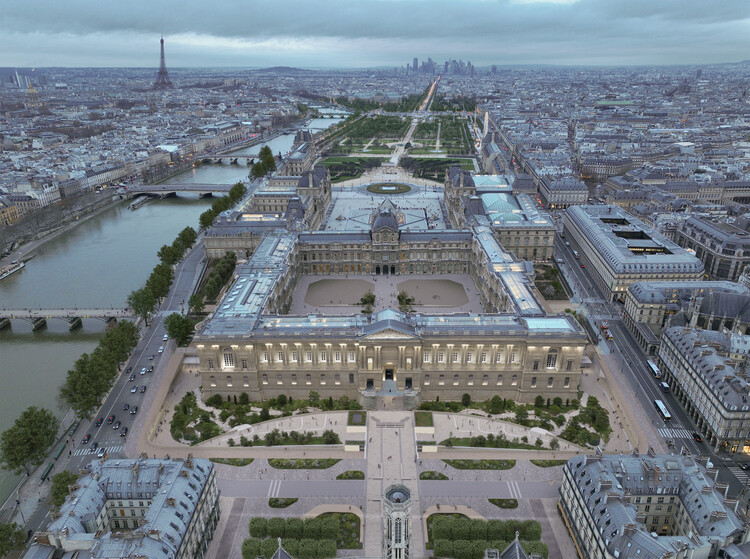
Selldorf Architects, STUDIOS Architecture, and BASE Paysagiste Selected to Renovate the Louvre Museum

The French Minister of Culture announced on Monday, May 18, 2026, the winner of the "Louvre–Nouvelle Renaissance" competition. The team selected to transform the world-renowned Musée du Louvre is led by STUDIOS Architecture, New York-based Selldorf Architects, and landscape architecture firm BASE Paysagiste. The renovation initiative was announced in January 2025 as a major intervention for the historic complex following concerns expressed by the museum's director regarding its deteriorating condition. The first round of the competition took place in June, with a shortlist of five teams revealed in October. According to French authorities, the project has a dual objective: to repair and transform the building to preserve its collections while updating it to meet contemporary public expectations, including sustainability requirements that will pose significant challenges for the museum in the coming decades.

Selldorf Architects, STUDIOS Architecture, and BASE Paysagiste Selected to Renovate the Louvre Museum - Image 1 of 4Selldorf Architects, STUDIOS Architecture, and BASE Paysagiste Selected to Renovate the Louvre Museum - Image 2 of 4Selldorf Architects, STUDIOS Architecture, and BASE Paysagiste Selected to Renovate the Louvre Museum - Image 3 of 4Selldorf Architects, STUDIOS Architecture, and BASE Paysagiste Selected to Renovate the Louvre Museum - Image 4 of 4Selldorf Architects, STUDIOS Architecture, and BASE Paysagiste Selected to Renovate the Louvre Museum - More Images

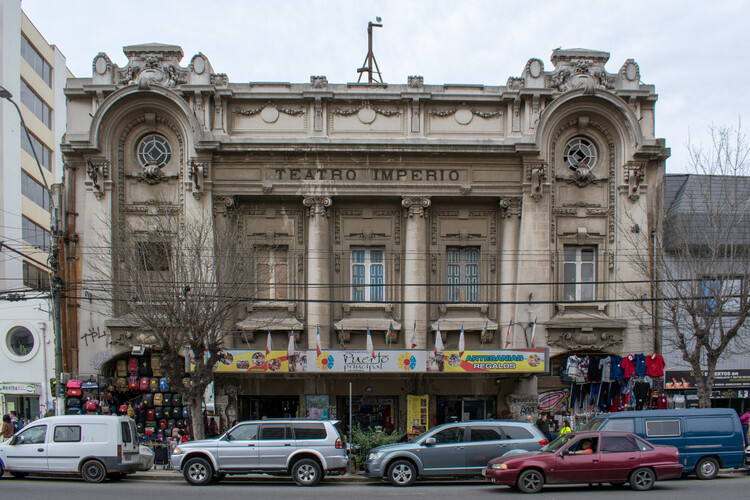
Historic Entertainment Venues in Oxford, Valparaíso, and Osaka Reflect Growing Pressures on Cultural Infrastructure

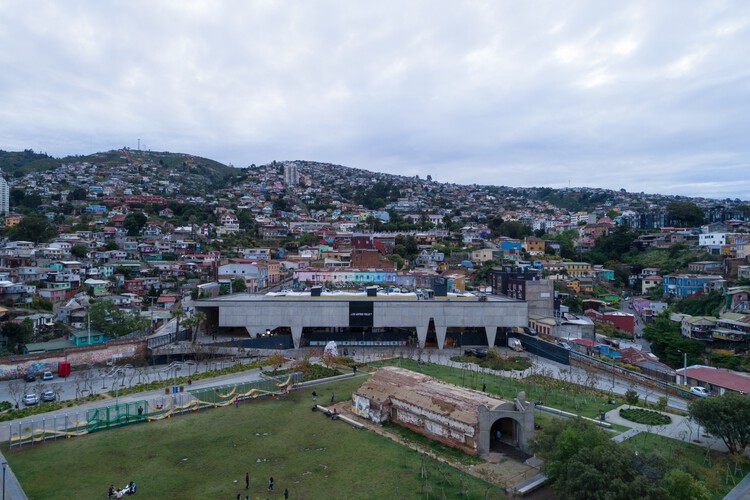
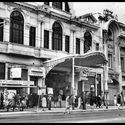
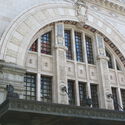
Between 2005 and 2021, French photographers Yves Marchand and Romain Meffre developed a long-term project titled Theaters. Recently exhibited at KYOTOGRAPHIE 2026, the work documents a phenomenon that continues to unfold gradually around the world: the decline of infrastructure originally designed for public entertainment in the early twentieth century. Theaters, cinemas, and performance venues that once accompanied the modernization of cities are increasingly being abandoned, repurposed, or "left suspended as hybrid ruins." This process is often associated with the growing individualization of cultural consumption, from the widespread adoption of television to the rise of the streaming industry, as well as the impact of the COVID-19 pandemic on cultural institutions. Below are three cases located in England, Chile, and Japan that illustrate different stages in this transformation, while also highlighting community-led efforts to preserve modern cultural heritage.

Historic Entertainment Venues in Oxford, Valparaíso, and Osaka Reflect Growing Pressures on Cultural Infrastructure - Image 1 of 4Historic Entertainment Venues in Oxford, Valparaíso, and Osaka Reflect Growing Pressures on Cultural Infrastructure - Image 2 of 4Historic Entertainment Venues in Oxford, Valparaíso, and Osaka Reflect Growing Pressures on Cultural Infrastructure - Image 3 of 4Historic Entertainment Venues in Oxford, Valparaíso, and Osaka Reflect Growing Pressures on Cultural Infrastructure - Image 4 of 4Historic Entertainment Venues in Oxford, Valparaíso, and Osaka Reflect Growing Pressures on Cultural Infrastructure - More Images+ 1

Saint-Denis’ Brutalist Îlot 8 Housing Complex by Renée Gailhoustet Faces Controversial Redevelopment Plan

Saint-Denis is a commune in the northern suburbs of Paris, France, known for the Gothic Basilica of Saint-Denis and the Stade de France. At one corner of Place Jean-Jaurès in its historic center, adjacent to the Basilica, stands the Îlot 8 housing complex, a Brutalist landmark designed by architect Renée Gailhoustet. Built between 1975 and 1986 to provide workers' housing in the city center, countering the trend of relegating social housing to peripheral areas, the project is now at the center of a controversial redevelopment plan. Often referred to as "residentialization" and restructuring, the proposal involves the demolition of significant parts of its original design. This reconversion is part of the French Nouveau Programme National de Renouvellement Urbain (NPNRU) and is justified by concerns over structural deficiencies, safety, and maintenance.

Saint-Denis’ Brutalist Îlot 8 Housing Complex by Renée Gailhoustet Faces Controversial Redevelopment Plan - Image 1 of 4Saint-Denis’ Brutalist Îlot 8 Housing Complex by Renée Gailhoustet Faces Controversial Redevelopment Plan - Image 2 of 4Saint-Denis’ Brutalist Îlot 8 Housing Complex by Renée Gailhoustet Faces Controversial Redevelopment Plan - Image 3 of 4Saint-Denis’ Brutalist Îlot 8 Housing Complex by Renée Gailhoustet Faces Controversial Redevelopment Plan - Image 4 of 4Saint-Denis’ Brutalist Îlot 8 Housing Complex by Renée Gailhoustet Faces Controversial Redevelopment Plan - More Images+ 3

First Aid for Endangered Heritage: An Interview with Ambulance for Monuments

Ambulance for Monuments is a first-aid initiative dedicated to safeguarding Romania's endangered built heritage, operating in a race against time to prevent collapse and irreversible loss. The project responds to the growing vulnerability of historic structures, from Saxon fortified churches and manor houses to wooden churches and rural landmarks, many of which no longer benefit from the community networks that once sustained them. In a country deeply affected by emigration since 1990, where nearly half the population still lives in rural areas, entire villages have lost the people, skills, and everyday care that once kept these monuments standing.

Built around a mobile intervention unit, an "Ambulance" equipped with tools, scaffolding, and on-site equipment, the initiative delivers urgent stabilization works that buy time for endangered buildings. Rather than replacing full restoration, these strategic interventions preserve historic fabric, ensure structural safety, and keep long-term conservation and adaptive reuse possible. 

First Aid for Endangered Heritage: An Interview with Ambulance for Monuments - Image 1 of 4First Aid for Endangered Heritage: An Interview with Ambulance for Monuments - Image 2 of 4First Aid for Endangered Heritage: An Interview with Ambulance for Monuments - Image 3 of 4First Aid for Endangered Heritage: An Interview with Ambulance for Monuments - Image 4 of 4First Aid for Endangered Heritage: An Interview with Ambulance for Monuments - More Images+ 15

The Earthen Towers of Shibam: A Vertical City in the Yemeni Desert

Subscriber Access | 

Symbols of technological development and urban density, tall buildings as we know them today emerged in the late nineteenth century, particularly in the United States, as a response to the rapid expansion of urban commerce and the need to grow cities without occupying additional land. The term skyscraper, for instance, was coined in the 1880s and originally referred to buildings with around 10 to 20 stories—an impressive height for the time.
However, the idea of building vertically is much older than the steel-and-glass skyscrapers of modern cities might suggest. Long before the Industrial Revolution, some societies were already experimenting with forms of vertical urbanization as a response to limited space, territorial defense, or environmental adaptation.

The Earthen Towers of Shibam: A Vertical City in the Yemeni Desert - Image 1 of 4The Earthen Towers of Shibam: A Vertical City in the Yemeni Desert - Image 2 of 4The Earthen Towers of Shibam: A Vertical City in the Yemeni Desert - Image 3 of 4The Earthen Towers of Shibam: A Vertical City in the Yemeni Desert - Image 4 of 4The Earthen Towers of Shibam: A Vertical City in the Yemeni Desert - More Images+ 7

Ethiopian Modernism: Mid-Century Architecture of Africa's Capital

Subscriber Access | 

In January 2026, the World Monuments Fund/Knoll Modernism Prize was awarded to Australian firm Architectus for their conservation of the Africa Hall in Addis Ababa, Ethiopia. The award recognizes that Modernist buildings, once seen as a vanguard of architecture, are falling into disrepair and are underappreciated by the public. The situation in Africa is typical of this global sentiment, and this was the first time a building on the continent was graced with this award. The prize also spotlights Ethiopia's rich Modernist inventory, which marks its continental role in the mid and late twentieth century.
Ethiopian Modernism: Mid-Century Architecture of Africa's Capital - Image 1 of 4Ethiopian Modernism: Mid-Century Architecture of Africa's Capital - Image 2 of 4Ethiopian Modernism: Mid-Century Architecture of Africa's Capital - Image 3 of 4Ethiopian Modernism: Mid-Century Architecture of Africa's Capital - Image 4 of 4Ethiopian Modernism: Mid-Century Architecture of Africa's Capital - More Images+ 13

Who Decides What Is Worth Preserving? Power and Heritage in Latin America

When we enter a museum, walk through a historic center, or review a country’s list of protected heritage sites, we rarely think about the process behind those choices. Who decided, on behalf of all of us, that certain objects, places, and architectures deserved to be preserved and disseminated, while others were discarded?

In most cases, the power of decision lies with specialized professionals—historians, museologists, architects, geographers. But on what basis are these decisions made? Can the complexity of history be reduced to a checklist? Or, more fundamentally, which version of history underlies these choices?

Who Decides What Is Worth Preserving? Power and Heritage in Latin America - Image 1 of 4Who Decides What Is Worth Preserving? Power and Heritage in Latin America - Image 2 of 4Who Decides What Is Worth Preserving? Power and Heritage in Latin America - Image 3 of 4Who Decides What Is Worth Preserving? Power and Heritage in Latin America - Image 4 of 4Who Decides What Is Worth Preserving? Power and Heritage in Latin America - More Images+ 13

Hospitality as Heritage Catalyst: 5 Adaptive Reuse Strategies Across Diverse Latitudes

Subscriber Access | 

Hospitality-driven programs, specifically coffee shops and social hubs, are partly defined by their role as "third places": social anchors that bridge the gap between private and public life. Unlike residential or commercial office programs that require rigid partitioning for privacy and utility, they rely on expansive, open-plan environments. This allows for an architectural strategy of minimal intervention, allowing the structural envelope to remain intact. By avoiding the subdivision of space, architects maintain uninterrupted sightlines to original masonry, timber frames, or decorative ceilings, ensuring the building's historical narrative remains the protagonist. Simultaneously, the commercial activity provides the necessary maintenance and public engagement to ensure the site's continued existence.

Hospitality as Heritage Catalyst: 5 Adaptive Reuse Strategies Across Diverse Latitudes - Image 1 of 4Hospitality as Heritage Catalyst: 5 Adaptive Reuse Strategies Across Diverse Latitudes - Image 2 of 4Hospitality as Heritage Catalyst: 5 Adaptive Reuse Strategies Across Diverse Latitudes - Image 3 of 4Hospitality as Heritage Catalyst: 5 Adaptive Reuse Strategies Across Diverse Latitudes - Image 4 of 4Hospitality as Heritage Catalyst: 5 Adaptive Reuse Strategies Across Diverse Latitudes - More Images+ 1

Between Materials and Memory: Three Madrid Architecture Practices on Heritage Rehabilitation

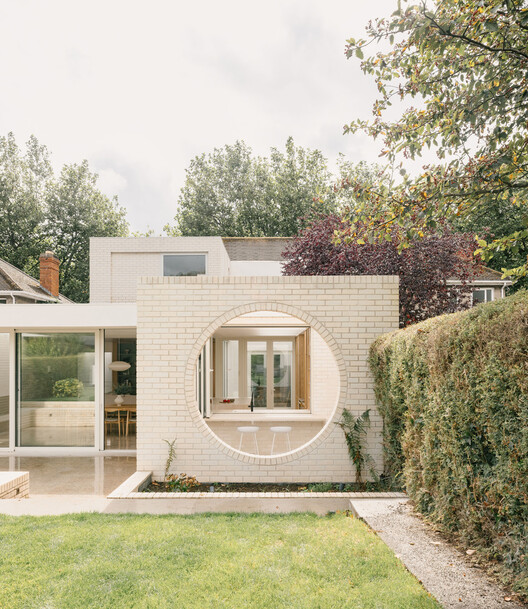
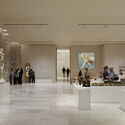
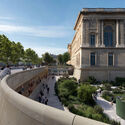
The role of heritage rehabilitation in the contemporary architectural landscape is shaped by a wide range of research, beliefs, memories, and efforts aimed at redefining and strengthening our built environment. When undertaking a transformation, renovation, or preservation project, architects can employ diverse strategies and tools to encourage a meaningful coexistence between what already exists and what is newly introduced. Together with three Madrid-based architecture practices—SOLAR, Pachón-Paredes, and BA-RRO—we set out to engage in conversation and explore their creative processes and ideals, recognizing the complexity and value of historic buildings as repositories of materials, structures, and construction techniques from other eras.
Between Materials and Memory: Three Madrid Architecture Practices on Heritage Rehabilitation - Image 1 of 4Between Materials and Memory: Three Madrid Architecture Practices on Heritage Rehabilitation - Image 2 of 4Between Materials and Memory: Three Madrid Architecture Practices on Heritage Rehabilitation - Image 3 of 4Between Materials and Memory: Three Madrid Architecture Practices on Heritage Rehabilitation - Image 4 of 4Between Materials and Memory: Three Madrid Architecture Practices on Heritage Rehabilitation - More Images+ 22

London’s Southbank Centre Receives National Heritage Protection After 35-Year Campaign

The Southbank Centre is a cultural complex in London built between 1963 and 1968 and widely regarded as a representative example of British Brutalism. Today, the site hosts a wide range of events, including visual arts, theatre, dance, classical and contemporary music, literature, poetry, and debate. The building was designed by a team from the Architects' Department of the London County Council, led by architect Norman Engleback. It became a controversial example of modern architecture following its opening in October 1967, when engineers voted Queen Elizabeth Hall "the supreme ugly" in a poll of new buildings, and the Daily Mail referred to it as "Britain's ugliest building." Fifty-nine years later, on February 10, 2026, the complex was granted Grade II listed status by the UK government's Department for Culture, Media and Sport (DCMS), following a 35-year campaign advocating for its protection as modern architectural heritage.

London’s Southbank Centre Receives National Heritage Protection After 35-Year Campaign - Image 1 of 4London’s Southbank Centre Receives National Heritage Protection After 35-Year Campaign - Image 2 of 4London’s Southbank Centre Receives National Heritage Protection After 35-Year Campaign - Image 3 of 4London’s Southbank Centre Receives National Heritage Protection After 35-Year Campaign - Image 4 of 4London’s Southbank Centre Receives National Heritage Protection After 35-Year Campaign - More Images+ 3

When Do Buildings Begin to Matter? Rethinking Heritage in Local Time

A building still being adjusted, repaired, and debated is declared World Heritage. Another, equally influential, must survive five centuries before anyone considers protecting it. This is not an anomaly in the heritage system; it is the system. Across the world, architecture does not age at the same pace because time itself is not neutral. It is cultural, political, and deeply uneven. What we call "heritage" is not simply old architecture; it is architecture that has reached the right moment in a particular place.

When Do Buildings Begin to Matter? Rethinking Heritage in Local Time - Image 1 of 4When Do Buildings Begin to Matter? Rethinking Heritage in Local Time - Image 2 of 4When Do Buildings Begin to Matter? Rethinking Heritage in Local Time - Image 3 of 4When Do Buildings Begin to Matter? Rethinking Heritage in Local Time - Image 4 of 4When Do Buildings Begin to Matter? Rethinking Heritage in Local Time - More Images+ 6

World Monuments Fund Backs 21 Locally Led Heritage Projects Addressing Climate Risks and Indigenous Knowledge Loss

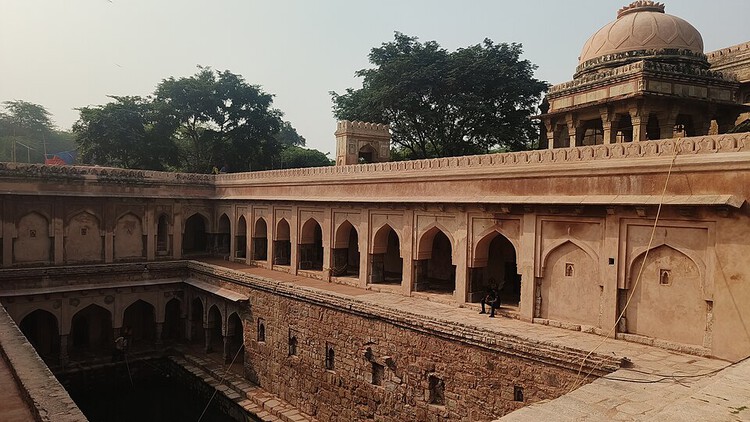
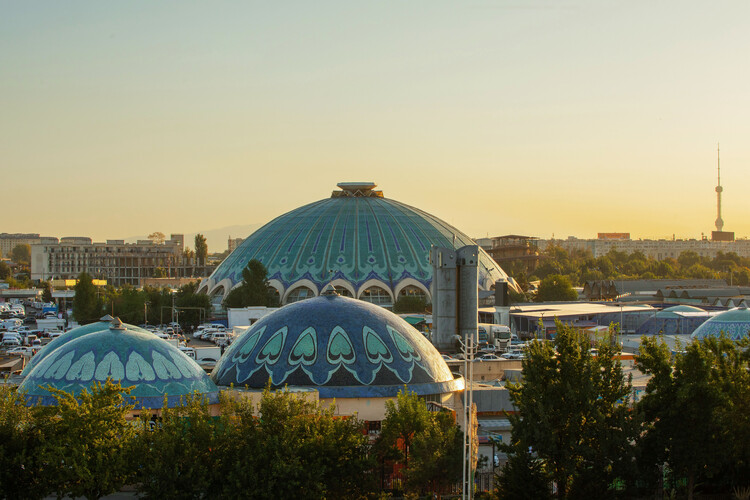
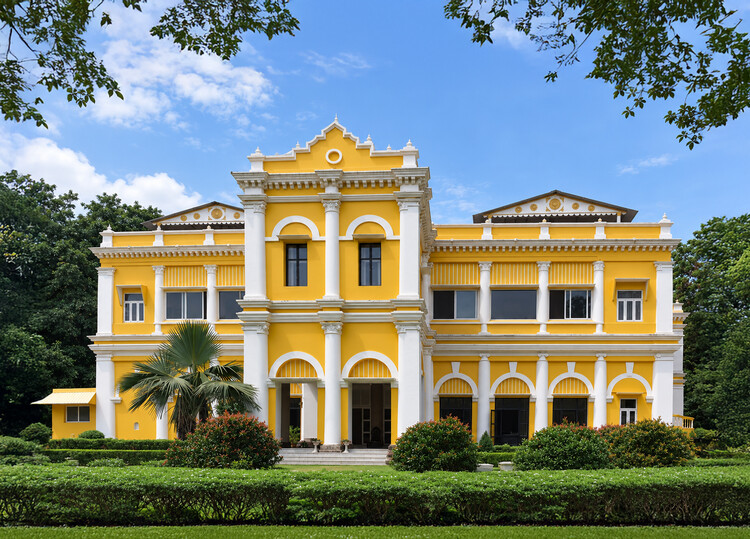
World Monuments Fund (WMF) is an independent organization dedicated to safeguarding treasured places around the world that enrich lives and foster mutual understanding across cultures and communities. On February 10, WMF announced a $7 million commitment to support 21 heritage preservation projects launching in 2026. These investments advance work at sites included on the 2025 World Monuments Watch, WMF's nomination-based advocacy program, while also supporting new phases of conservation, planning, and training at additional heritage sites across five continents. The selected sites reflect a wide chronological and geographic range, from ancient cultural landscapes to modern architectural landmarks. The projects highlight the diversity of global heritage, spanning Mughal gardens and Ottoman religious complexes to modernist cinemas, industrial mining landscapes, Indigenous cultural routes, and sacred shrines, and point to the long-term cultural knowledge embedded in its preservation.

World Monuments Fund Backs 21 Locally Led Heritage Projects Addressing Climate Risks and Indigenous Knowledge Loss - Image 1 of 4World Monuments Fund Backs 21 Locally Led Heritage Projects Addressing Climate Risks and Indigenous Knowledge Loss - Image 2 of 4World Monuments Fund Backs 21 Locally Led Heritage Projects Addressing Climate Risks and Indigenous Knowledge Loss - Image 3 of 4World Monuments Fund Backs 21 Locally Led Heritage Projects Addressing Climate Risks and Indigenous Knowledge Loss - Image 4 of 4World Monuments Fund Backs 21 Locally Led Heritage Projects Addressing Climate Risks and Indigenous Knowledge Loss - More Images+ 69

Material Mediation and Architectural Heritage

Preserving historic buildings requires simultaneously addressing technical, environmental, and regulatory demands while maintaining the material, cultural, and symbolic continuity of what already exists. As the understanding consolidates that the most sustainable building is the one that is already standing, and that preservation also involves construction knowledge, material traditions, and the social fabrics from which they emerged, these same buildings are increasingly confronted with more rigorous contemporary parameters. Energy efficiency, safety, carbon emission reduction, and regulatory compliance have become unavoidable references, placing architecture before a central tension: how to update what already exists without breaking the continuity that sustains its heritage value.

Heritage After Failure: What We Will Keep From Today’s Architectural Mistakes

Architectural heritage is often described as what survives time. Yet survival does not explain why certain buildings are preserved while others disappear. Many works now protected as cultural heritage were once criticized, contested, or openly rejected; they were accused of being socially misguided, materially flawed, or symbolically excessive. Over time, however, these same shortcomings have become central to their meaning as heritage emerges as a slow and unstable process of interpretation.

Contemporary architecture operates under intense scrutiny, pressured by environmental responsibility, social equity, economic volatility, and accelerated technological change. Buildings are expected to perform ethically, efficiently, and symbolically, often simultaneously. As a result, architectural failure is no longer an exception but an increasingly common condition. Projects age faster, materials reveal limitations sooner, and urban strategies quickly fall out of sync with shifting political, social, and environmental realities.

Heritage After Failure: What We Will Keep From Today’s Architectural Mistakes - Image 1 of 4Heritage After Failure: What We Will Keep From Today’s Architectural Mistakes - Image 2 of 4Heritage After Failure: What We Will Keep From Today’s Architectural Mistakes - Image 3 of 4Heritage After Failure: What We Will Keep From Today’s Architectural Mistakes - Image 4 of 4Heritage After Failure: What We Will Keep From Today’s Architectural Mistakes - More Images+ 28

Archaeological Excavations in Fano, Italy, Reveal Basilica Described by Vitruvius

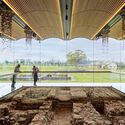
Archaeological excavations in Fano, Italy, have revealed the basilica described by Vitruvius in De Architectura, a finding of major architectural significance, as it represents the only structure that can be attributed with certainty to the Roman architect. Identified during redevelopment works in Piazza Andrea Costa, the discovery provides rare physical evidence of Vitruvian theory translated into built form and offers new insights into Roman architectural design, proportions, and construction practices. The announcement was made during a press conference at the Montanari Media Library, attended by representatives of local, regional, and national institutions, including Italy's Minister of Culture Alessandro Giuli.

Archaeological Excavations in Fano, Italy, Reveal Basilica Described by Vitruvius - Image 1 of 4Archaeological Excavations in Fano, Italy, Reveal Basilica Described by Vitruvius - Image 2 of 4Archaeological Excavations in Fano, Italy, Reveal Basilica Described by Vitruvius - Image 3 of 4Archaeological Excavations in Fano, Italy, Reveal Basilica Described by Vitruvius - Image 4 of 4Archaeological Excavations in Fano, Italy, Reveal Basilica Described by Vitruvius - More Images+ 1

United Nations’ Africa Hall Restoration in Ethiopia Receives 2026 World Monuments Fund/Knoll Modernism Prize

World Monuments Fund (WMF) is an independent organization dedicated to safeguarding significant places that enrich people's lives and foster mutual understanding across cultures and communities. Since 2008, the World Monuments Fund/Knoll Modernism Prize has been a biennial award recognizing outstanding achievements in the conservation of buildings emblematic of the modernist architectural movement. The prize honors individuals and organizations that revitalize modern built heritage through innovative and sensitive architectural interventions.

On January 22, 2026, WMF and Knoll announced the Australia-based architecture firm Architectus as the recipient of the 2026 World Monuments Fund/Knoll Modernism Prize for its conservation of the United Nations' Historic Africa Hall in Addis Ababa, Ethiopia. The jury recognized the project for reestablishing a significant work of African modernism as an active venue for diplomacy and cultural exchange. In addition to the main prize, the jury also awarded Paul Rudolph's Umbrella House in Sarasota, Florida, United States, with the Stewardship Award for Modernist Homes.

United Nations’ Africa Hall Restoration in Ethiopia Receives 2026 World Monuments Fund/Knoll Modernism Prize - Image 1 of 4United Nations’ Africa Hall Restoration in Ethiopia Receives 2026 World Monuments Fund/Knoll Modernism Prize - Image 2 of 4United Nations’ Africa Hall Restoration in Ethiopia Receives 2026 World Monuments Fund/Knoll Modernism Prize - Image 3 of 4United Nations’ Africa Hall Restoration in Ethiopia Receives 2026 World Monuments Fund/Knoll Modernism Prize - Image 4 of 4United Nations’ Africa Hall Restoration in Ethiopia Receives 2026 World Monuments Fund/Knoll Modernism Prize - More Images+ 13