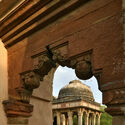
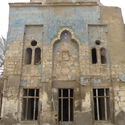
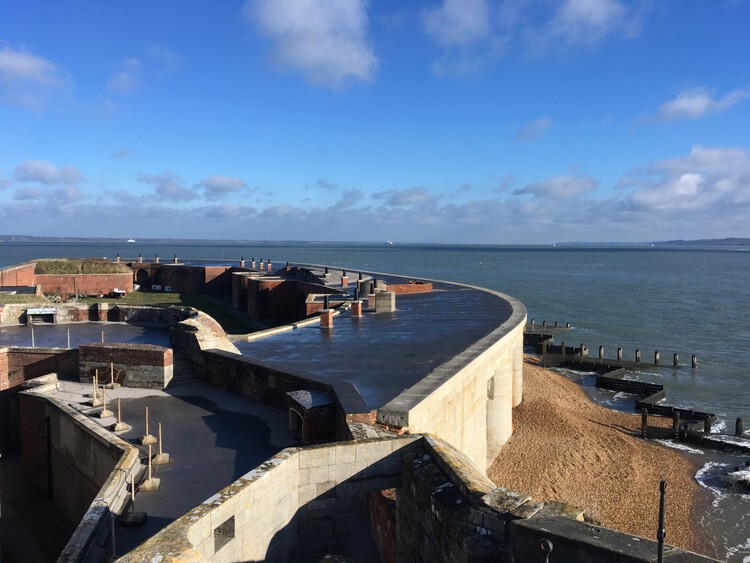
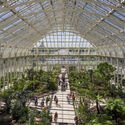
Hurst Castle in Hampshire, England. A fortress built by Henry VIII that suffered partial collapse in 2021. Image via World Monuments Fund
The World Monuments Fund (WMF), an independent nonprofit organization dedicated to the preservation of historic architecture and cultural heritage since 1965, receives nominations through the World Monuments Watch, a flagship advocacy and conservation program. Every two years, the Watch selects 25 sites from the nominations received from individuals and community-based organizations worldwide. Nominations for the 2027 World Monuments Watch closed on March 20, 2026, with a total of 372 public nominations from 84 countries and territories. Before announcing the selected sites in early 2027, the WMF offers an analysis of the nominations. Global data shows three main causes of heritage endangerment worldwide: government austerity, intensifying climate impact, and lack of access to specialized skills and expertise. At a time when political priorities tend to stray from history, the call is to recognize heritage sites as an area of shared opportunity rather than a burden.
On October 11, 2026, Donald Insall Associates announced the passing of its founder, Sir Donald Insall. Describing him as "a man of great tact, charm and humour," the practice recognized his contribution to the structures, institutions, and tools of heritage preservation in England, as well as his practical knowledge and application of the craft of restoration. An architect, conservationist, planning consultant, author, and teacher, he led one of Britain's leading conservation practices for four decades after founding it in 1958. His practice undertook the renovation of William Morris's Kelmscott Manor in Oxfordshire and Robert Adam's Kedleston Hall in Derbyshire, the conservation of Chester's historic center, and the restoration of Windsor Castle following the 1992 fire, among other British landmarks.
What makes a building worth preserving? Age is the most common answer, but not always the best one. A building from the 1950s or 70s may carry as much historical significance as a medieval cathedral; it simply demands a different framework, one that weighs political context, cultural meaning, and architectural innovation over the mere passage of time. This is especially true for modernist architecture across the so-called Global South, where the movement took on unique forms of expression.
It is precisely this conversation that ArchDaily and World Monuments Fund are now opening together. WMF brings on-the-ground conservation expertise across the world, and ArchDaily brings the editorial capacity to contextualize that work and connect it to a global audience. The goal is to do both at once: preserve places and tell their stories, shaping how modernist heritage is understood far beyond the field of preservation itself.
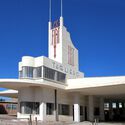
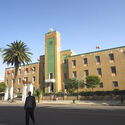
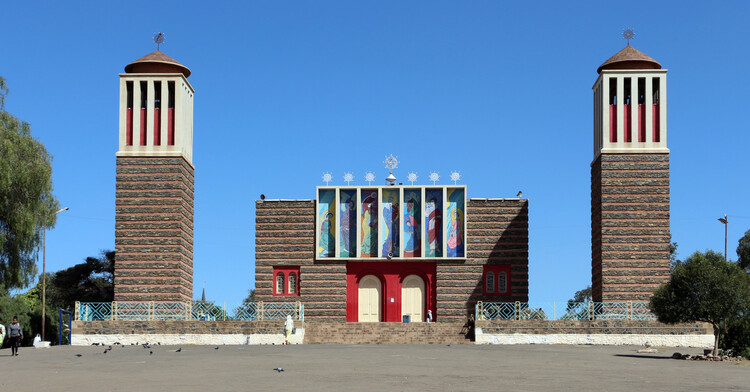
Asmara, the capital of Eritrea, sits at over 2,300 meters above sea level on a plateau at the edge of the Great Rift Valley escarpment. Although situated in a country not known for large visitor numbers, the city has gained fame for its unique architecture. In July 2017, it became a UNESCO World Heritage Site, inscribed as "Asmara: A Modernist African City," the first modernist urban site anywhere to be listed in its entirety, and Africa's first explicitly modernist World Heritage Site. Its heritage value came about as a result of a complex convergence of two aspects of Eritrea's history: an intense period of colonial construction as Italy pursued its imperial ambitions in Africa, and a long period of relative isolation that insulated the city from redevelopment.
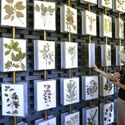
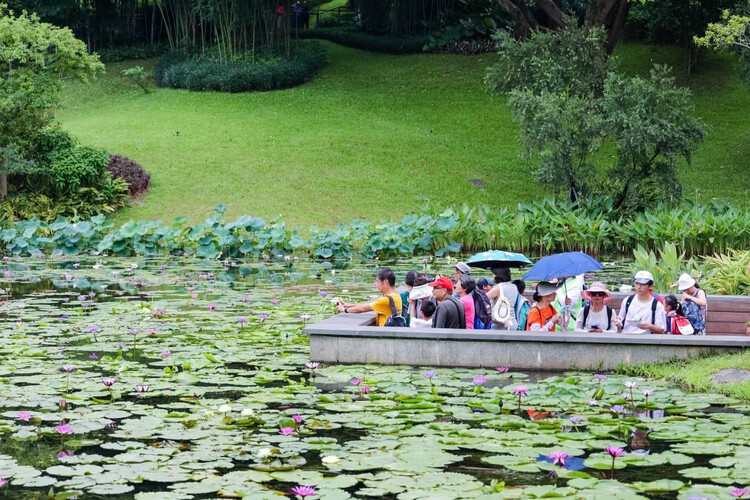
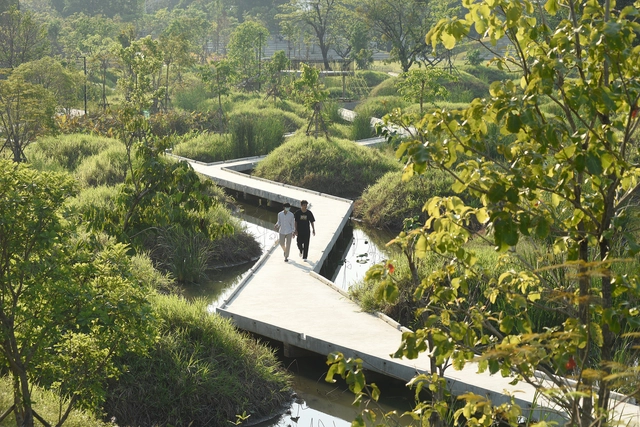
Guangzhou Yunxi Botanical Garden / AECOM + Architectural Design & Research Institute of SCUT + Guangzhou Landscape Architectural Design & Research Institute. Image Courtesy of Yunxi Botanical Garden
While human life depends heavily on plants for the medicines, building materials, and fuel they provide, they also play a vital role in many ecological processes. From climate regulation through carbon dioxide absorption to soil fertility and the purification of air and water, plant diversity offers opportunities to address some of the most pressing challenges of this century, including food security, energy availability, climate change, and habitat degradation. In this context, botanical gardens act as living refuges that foster innovation, adaptation, and human resilience. But what can architectural practice learn from botany and its methods?
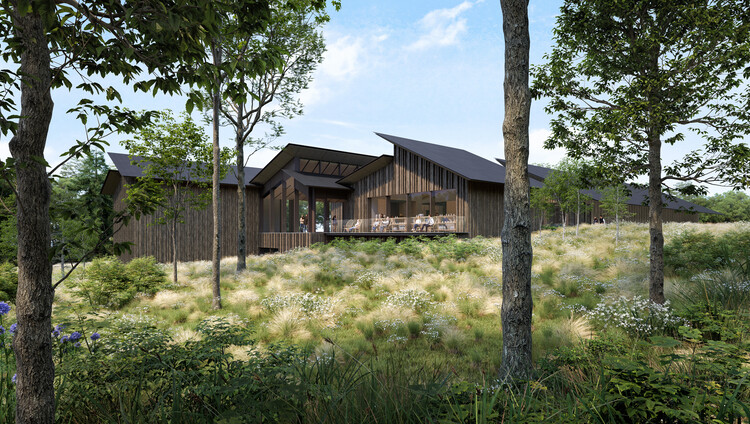
Courtesy of Kengo Kuma & Associates and Field Operations
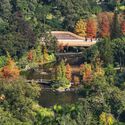
The Brandywine Conservancy & Museum of Art, located near Philadelphia, is dedicated to promoting the natural and cultural connections between the region's landscape, historic sites, and artists. The Conservancy protects land and waterways throughout the Brandywine Valley and other priority conservation areas, while the Museum houses a collection of American art, with particular strengths in landscape and still life painting, portraiture, and illustration. On May 6, 2026, the institution announced a project to transform its 15-acre campus, including the renovation of the historic museum building, a new museum building by Kengo Kuma & Associates, and conservation and landscape interventions by Field Operations that will create a publicly accessible 325-acre reserve with ten miles of trails.
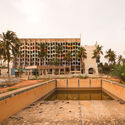
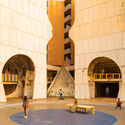
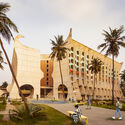
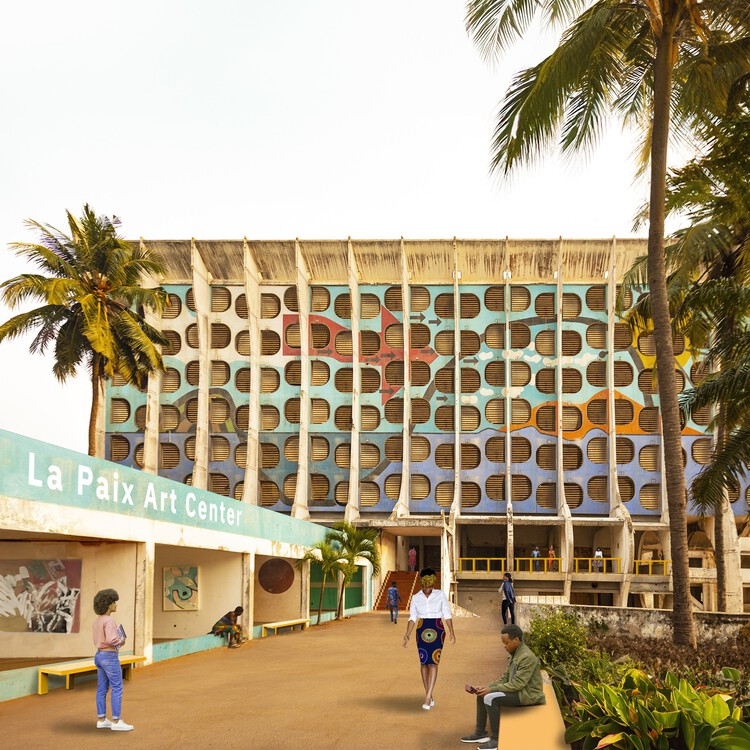
In late 2024, an event was held in the grounds of the recently refurbished colonial-era Palais de Lomé in the capital of Togo. Students from the architecture university of Lomé were attending the first Lomé Architecture Encounters (RAL #1), curated by the transdisciplinary Studio NEiDA, and which involved lectures, film screenings, workshops, and building visits. A parallel exhibition displayed the country's most significant architecture through history. The purpose of the event was to explore the architectural heritage of Togo, and it would be the start of a journey that crosses borders, asking questions about the conservation of modern heritage. Unlike colonial buildings like the Palais de Lomé itself, which are more appreciated and readily restored, neglected modern buildings like the Hôtel de la Paix require creative, bottom-up approaches to return them to their former vitality.
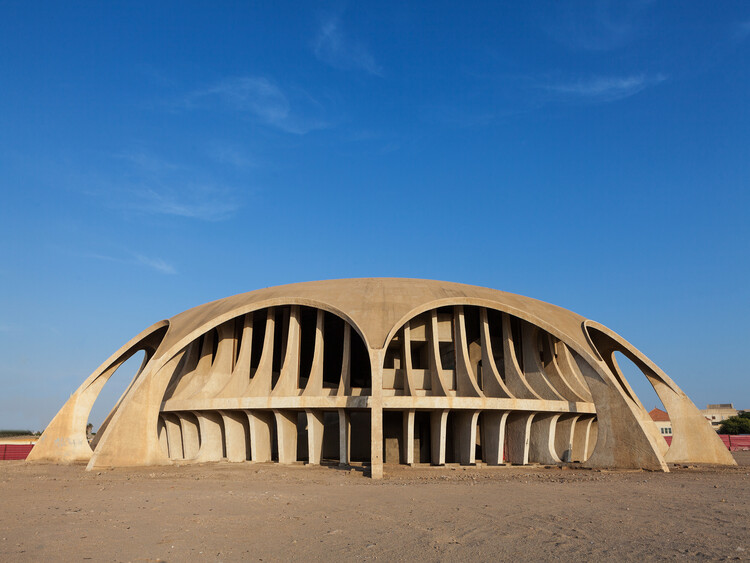
World Monuments Fund (WMF) is an independent organization dedicated to safeguarding treasured places around the world that enrich lives and foster mutual understanding across cultures and communities. On February 10, WMF announced a $7 million commitment to support 21 heritage preservation projects launching in 2026. These investments advance work at sites included on the 2025 World Monuments Watch, WMF's nomination-based advocacy program, while also supporting new phases of conservation, planning, and training at additional heritage sites across five continents. The selected sites reflect a wide chronological and geographic range, from ancient cultural landscapes to modern architectural landmarks. The projects highlight the diversity of global heritage, spanning Mughal gardens and Ottoman religious complexes to modernist cinemas, industrial mining landscapes, Indigenous cultural routes, and sacred shrines, and point to the long-term cultural knowledge embedded in its preservation.
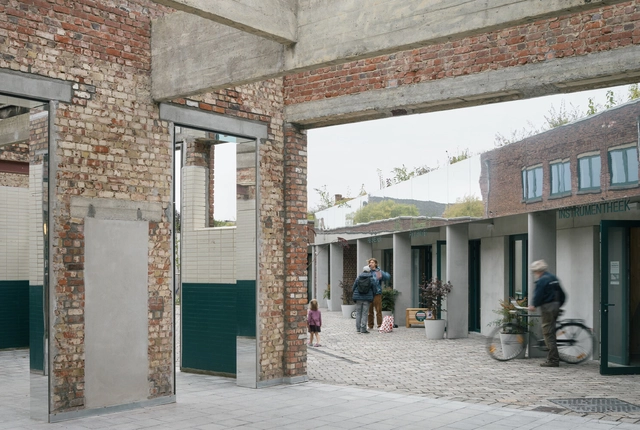
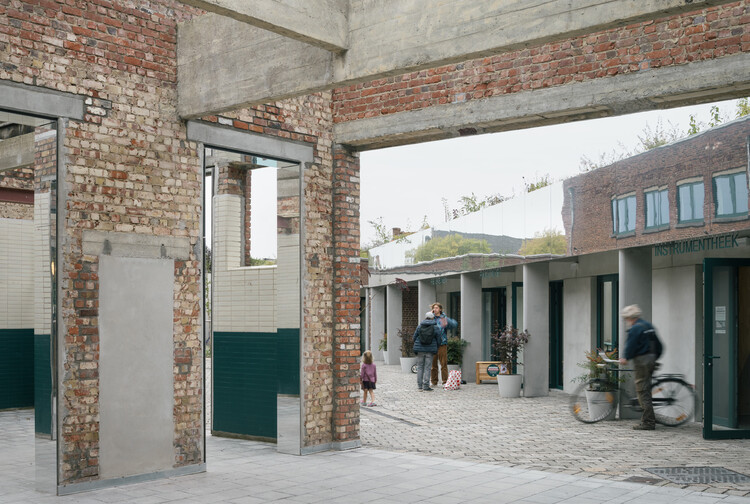
The European AHI Award recognizes architectural heritage interventions across Europe, highlighting their role as a forward-looking model for 21st-century architecture with tangible social, environmental, and economic benefits. In its seventh edition, the award honored six projects, four first prizes and two special mentions, during a ceremony held in early June at the Paranimf Ceremonial Hall of the Escola Industrial in Barcelona. A total of 238 projects from architecture studios in 24 European countries were submitted. The selected winners are located in Antwerp, Kortrijk, Olot, Ancient Corinth, and Milan.
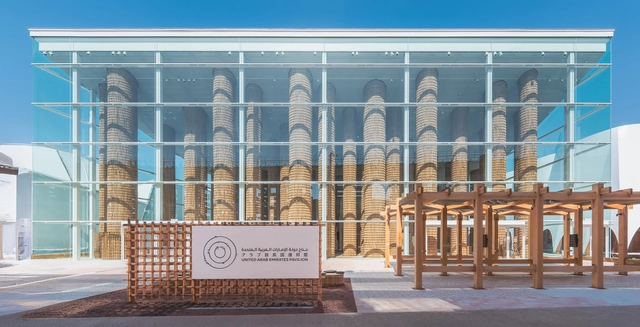
UAE Pavilion at the Expo Osaka 2025. Image Courtesy of UAE Expo Office
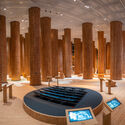
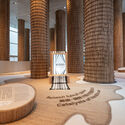
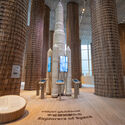
The UAEPavilion at Expo 2025 Osaka, titled "Earth to Ether," presents an immersive, multisensory experience that narrates the story of the United Arab Emirates, from its cultural heritage and core values to its forward-looking innovations. Inspired by the symbolic date palm, the pavilion reimagines areesh, a traditional form of Emirati vernacular architecture, by combining agricultural byproducts from date palms with refined Japanese woodworking techniques. Opened in April 2025, under the theme "Designing Future Society for Our Lives," the pavilion is located in the "Empowering Lives" zone. Designed to work under the broader theme, the UAE Pavilion offers diverse programming and interactive exhibits and serves as a collaborative platform for co-creating solutions that "drive collective progress."
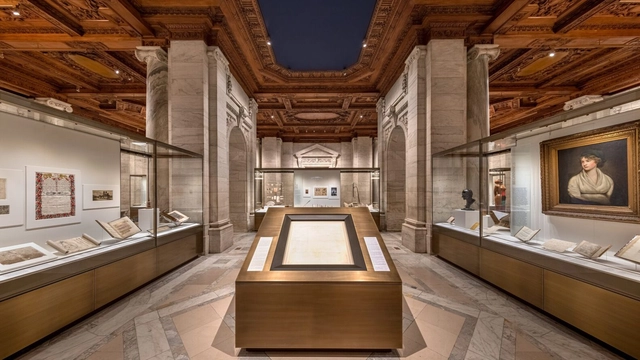
Before the emergence of AI, the internet, and TV— books and manuscripts were the primary vessels of knowledge. These artifacts, now echoing voices from the past, have played a fundamental role in shaping our shared legacy. A pivotal moment in this evolution came in the 15th century with Gutenberg's invention of the printing press, which revolutionized access to information and laid the groundwork for the democratization of knowledge. As a result of their historical and cultural significance, many early manuscripts and incunabula (books printed during the earliest period of typography) have been preserved in libraries and often remained in the shadows.
Worldwide, libraries have started unveiling these collections to the public, driven by a growing openness to showcase their 'treasures'. This allows a broader audience to appreciate the richness of these historical materials. While this effort fosters a deeper understanding of cultural heritage, it also introduces several challenges. One of the most critical is preservation, which must be carefully balanced with functional considerations. Key decisions include selecting and designing display case solutions, such as those from Goppion, that harmonize with the interior design and layout while providing effective protection.
https://www.archdaily.com/1021983/from-vault-to-exhibition-the-role-of-display-cases-in-the-worlds-librariesEnrique Tovar
In an age where humanity's detrimental impact on the environment has become increasingly evident, the concept of rewilding is emerging as a powerful approach to conservation and ecological restoration. In line with growing attention on landscape architecture in recent years, the idea of removing human intervention from our natural surroundings in order to restore a stable equilibrium seems to offer a low-effort, ethereal way to right fundamental climate wrongs. But is a lack of meddling in nature really all there is to rewilding, and how does this relate to architecture and design? We look at key concepts, applications, and examples to find out.
Landscape architecture is having a moment. The latest proof: last week, the US Department of Homeland Security decided to accredit the field with its prestigious STEM designation. As part of the science, technology, engineering, and mathematics (STEM) educational disciplines that fall under this category, landscape architecture students can now spend an additional 24 months seeking employment and training post-graduation in the United States after an initial period of a year granted to all graduates. The title also promises more prestige, higher entry salaries, and additional career flexibility. Torey Carter-Conneen, CEO of the American Society of Landscape Architects (ASLA), calls the development a significant advancement for 'landscape architecture education and practice, and that is great for America and the global community.'
The news corresponds to a growing emphasis on landscape architecture as a pivotal practice around the globe in recent years – one that is closely connected to notions of public health, environmental design, biophilia, sustainability, and re-wilding. It also underlines the intimate relationship between technology and the discipline. Landscape proposals increasingly rely on advanced science and technology to predict how ecological interventions might alter an existing terrain and determine what measures will yield the highest benefit for both humans and nature. The contemporary ideal of wild meadows and biodiverse forests may exist free from external influence, but the path to get there requires assistance.
Architecture is a continually evolving form of human expression influenced by cultural and contextual factors. While many of the problems we face today aren't directly linked to architecture, it has the ability to provide or facilitate solutions to these challenges. This has been evident throughout history, as societal issues have played a significant role in shaping our built environments. For instance, during the Victorian era, the infamous "Great Stink" led to the modernization of London's drainage system and urban layout. Similarly, the 2008 recession gave rise to the sharing economy and coworking spaces. Nowadays, the climate crisis is transforming the way we conceive architecture, seeking to reduce the carbon footprint of buildings and cities to achieve the Paris Agreement objectives. Given this backdrop, what challenges should we expect in the future?
https://www.archdaily.com/1000810/energetic-retrofitting-a-solution-for-environmental-obsolescence-in-architectureEnrique Tovar
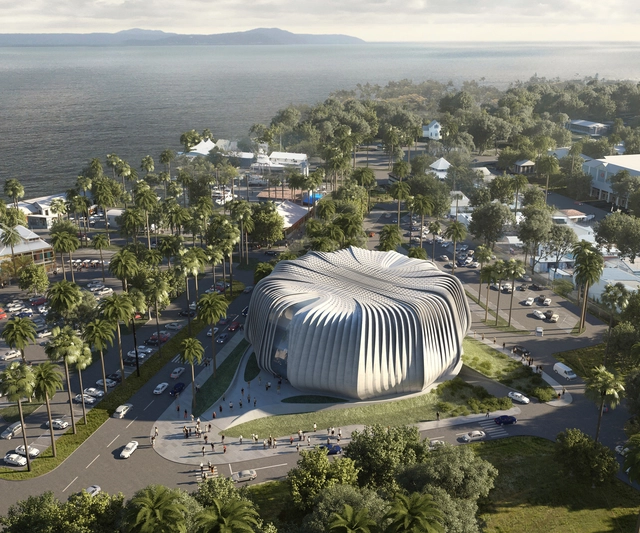
Courtesy of Contreras Earl Architecture / SAN architectural illustration
Contreras Earl Architecture has revealed its design for the world-first coral ark. Located at the gateway to the Great Barrier Reef in Port Douglas, North Queensland, Australia, the conservation facility “aims to secure the long-term future and biodiversity of corals worldwide which are under severe threat due to climate change”.