1. ArchDaily
  2. plants

plants: The Latest Architecture and News

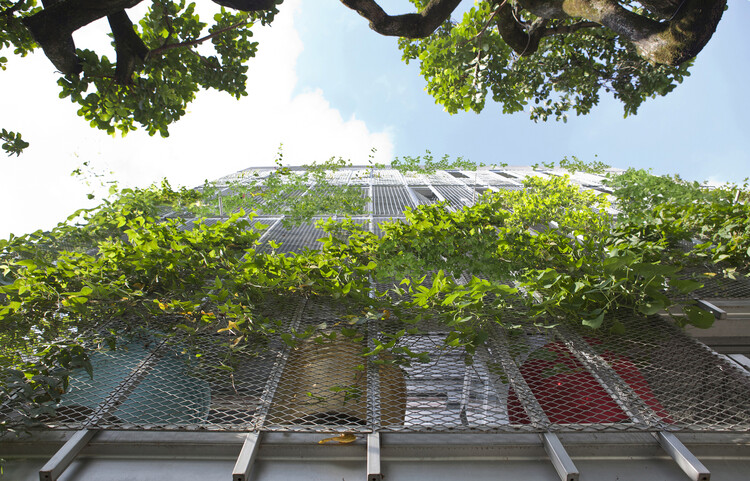
When Façades Become Habitats: Architecture Making Room for Other Species

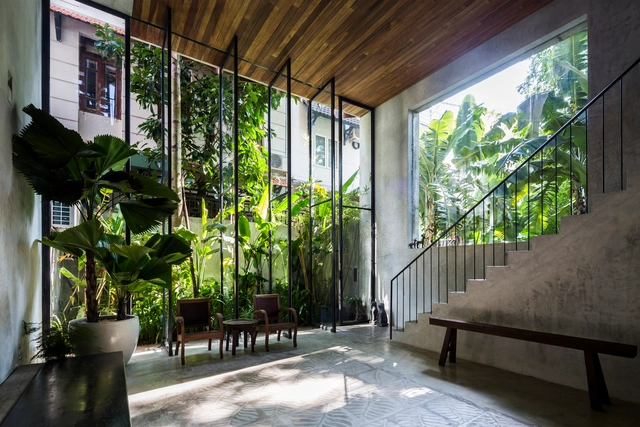
When we think of façades, we rarely think of them as habitats. We see them as the elements that separate interior from exterior, regulate temperature, reduce noise, and protect buildings from external conditions. They give architecture its visual language, but they are also expected to keep the outside world at a distance. In doing so, façades have often been understood as barriers: surfaces that define where human comfort begins and where the environment is meant to remain outside.

But the outside of a building is never empty. For centuries, architecture has unintentionally created opportunities for other forms of life. Birds nested beneath roof tiles, insects occupied cracks in masonry walls, and mosses or plants took root along ledges, gutters, and rough stone surfaces. These conditions were rarely designed with other species in mind, but they created small opportunities for life to inhabit them.

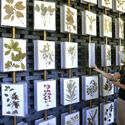
When Façades Become Habitats: Architecture Making Room for Other Species - Image 1 of 4When Façades Become Habitats: Architecture Making Room for Other Species - Image 2 of 4When Façades Become Habitats: Architecture Making Room for Other Species - Image 3 of 4When Façades Become Habitats: Architecture Making Room for Other Species - Image 4 of 4When Façades Become Habitats: Architecture Making Room for Other Species - More Images+ 21

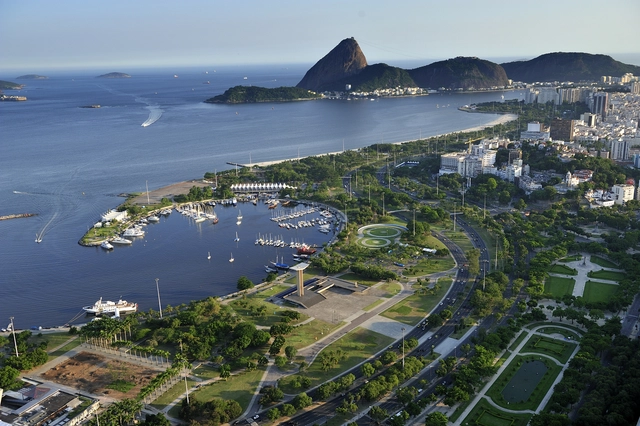
Lessons from Roberto Burle Marx: Designing Resilient and Evolving Urban Landscapes

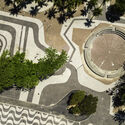
Roberto Burle Marx is often celebrated as a pioneering figure in landscape architecture, particularly for his innovative approach to integrating nature within urban environments. His work, characterized by a deep respect for native flora and a commitment to ecological balance, offers valuable lessons for contemporary landscape architects. At a time when climate change and biodiversity loss are pressing global concerns, revisiting Burle Marx's principles provides insight into creating urban spaces that are not only functional and aesthetically pleasing but also resilient and sustainable.

From the 1930s to the 1990s, Burle Marx's work anticipated many of today's concerns about sustainability and urban well-being. Long before terms like "sustainable design" or "green infrastructure" became commonplace, Burle Marx was already advocating for the use of native plants, recognizing their role in creating self-sustaining ecosystems that required minimal intervention. His projects often transformed neglected urban areas into vibrant, ecologically balanced spaces that not only improved the environment but also enhanced the quality of life for city dwellers.

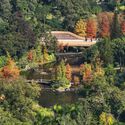
Lessons from Roberto Burle Marx: Designing Resilient and Evolving Urban Landscapes - Image 26 of 4Lessons from Roberto Burle Marx: Designing Resilient and Evolving Urban Landscapes - Image 1 of 4Lessons from Roberto Burle Marx: Designing Resilient and Evolving Urban Landscapes - Image 3 of 4Lessons from Roberto Burle Marx: Designing Resilient and Evolving Urban Landscapes - Image 7 of 4Lessons from Roberto Burle Marx: Designing Resilient and Evolving Urban Landscapes - More Images+ 23

How Cannabis Legalization Has Changed Cities in the United States

The topic of cannabis can be rather taboo in some instances, as countries around the world have differing views on the legalization of marijuana products based on their cultural and religious beliefs. In the United States specifically, it’s been a long contended issue that each state has, for now, been left to decide on how they want to handle. Each year, more and more states (now totaling 18 and the District of Columbia out of 50), have legalized the recreational sale and use of a limited amount of cannabis, but it remains illegal on a federal level.

Cannabis tax revenue generated more than two billion dollars across legalized states in the last year alone and is expected to grow to nearly 12 billion dollars by 2030, exceeding tax revenues collected from the sale of alcohol, according to bond strategists at Barclays. For the states that do tax the sale of cannabis products, there have already been significant benefits that have helped further develop cities and smaller towns, making the streets safer, and increased funding for new municipal projects, local businesses, subsidies for low-income renters, improvements to public school systems, water and sewer line upgrades, and other significant infrastructure projects.

How to Build a DIY Vertical Garden

Subscriber Access | 

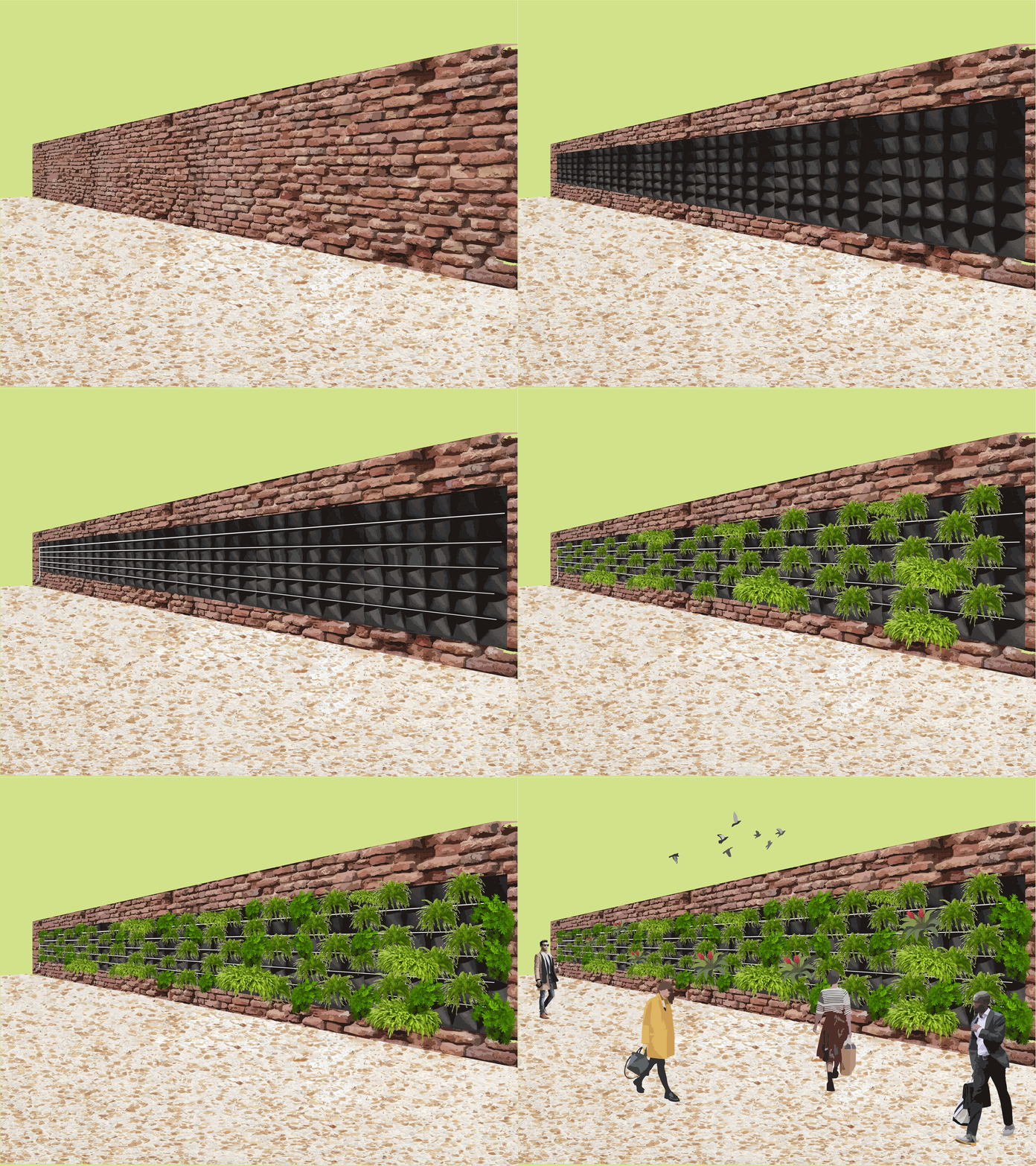
About thirty years ago, French landscape architect Patrick Blanc became a pioneer in the implementation of vertical gardens in Paris, and later in other cities around the world. Through the creation of vertical structures capable nourishing plant species, these systems allow species to grow on the facades of buildings, considerably reducing a structure's internal temperature and allowing the expansion of green areas to new (vertical) territories within the city.

Blanc's creation was part of a series of developments in understanding what nature adds to the city, recognizing the value of green spaces and their contribution to social, environmental and urban policies. 

These "Artificial Trees" Can Filter as Much Pollution From the Air as 275 Natural Trees

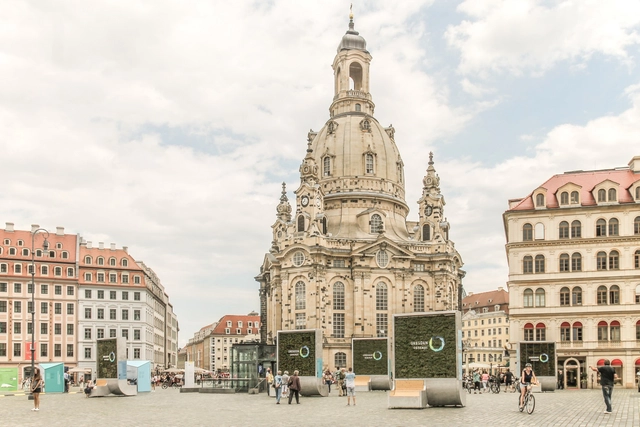
Developed in Germany, the CityTree is a mobile structure that incorporates mosses and urban furniture to create a possible solution to the polluted air of urban centers.

Rectangular, trunkless and flat, this "tree" basically consists of a large vertical panel, a wall of mosses which, according to its creators, has the capacity to absorb the same amount of nitrogen dioxide and microscopic particles from the air as 275 natural trees.

Buildings Sprout Living Walls by Green Over Grey

Subscriber Access | 
Buildings Sprout Living Walls by Green Over Grey - Image 4 of 4
Courtesy of Green Over Grey

White Rock, a small surburb outside of Vancouver, Canada can now boast to having the largest green wall in North America thanks to Green Over Grey, Vancouver, Canada-based company that design and install green walls (also known as living walls). The once bare 3000 square foot wall is now a lush garden of a wide variety of plant life. It is located on the facade of the Semiahmoo Public Library and RCMP Facility.