1. ArchDaily
  2. architectural heritage

architectural heritage: The Latest Architecture and News

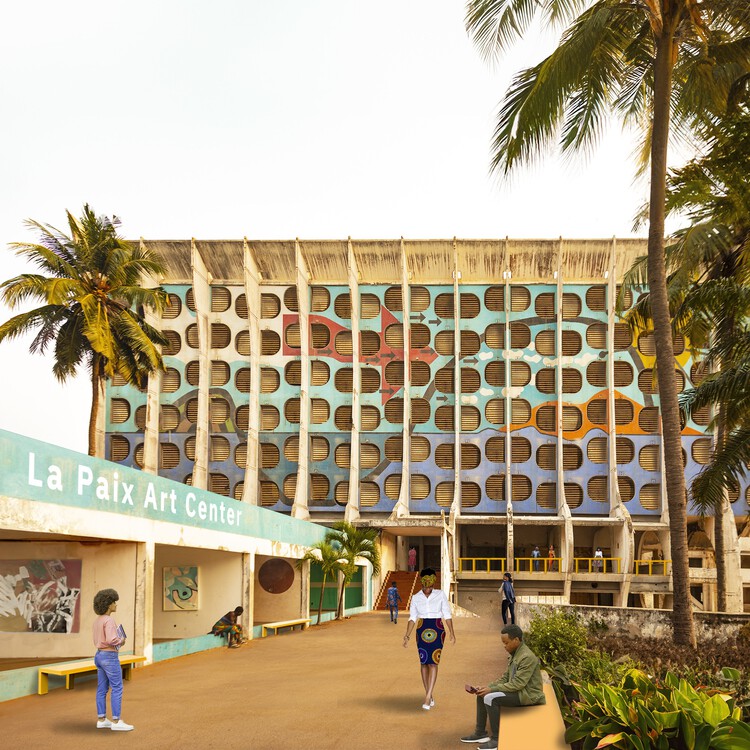
Hôtel de la Paix: An Alternative Approach to Modern Heritage in Togo

Subscriber Access | 

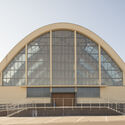
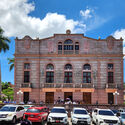
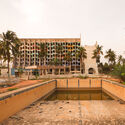
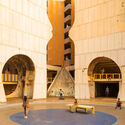
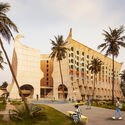
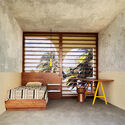
In late 2024, an event was held in the grounds of the recently refurbished colonial-era Palais de Lomé in the capital of Togo. Students from the architecture university of Lomé were attending the first Lomé Architecture Encounters (RAL #1), curated by the transdisciplinary Studio NEiDA, and which involved lectures, film screenings, workshops, and building visits. A parallel exhibition displayed the country's most significant architecture through history. The purpose of the event was to explore the architectural heritage of Togo, and it would be the start of a journey that crosses borders, asking questions about the conservation of modern heritage. Unlike colonial buildings like the Palais de Lomé itself, which are more appreciated and readily restored, neglected modern buildings like the Hôtel de la Paix require creative, bottom-up approaches to return them to their former vitality.

Hôtel de la Paix: An Alternative Approach to Modern Heritage in Togo - Image 1 of 4Hôtel de la Paix: An Alternative Approach to Modern Heritage in Togo - Image 2 of 4Hôtel de la Paix: An Alternative Approach to Modern Heritage in Togo - Image 3 of 4Hôtel de la Paix: An Alternative Approach to Modern Heritage in Togo - Image 4 of 4Hôtel de la Paix: An Alternative Approach to Modern Heritage in Togo - More Images+ 15

Van Wassenhove Residence: Living the Radical Continuity of Juliaan Lampens

Subscriber Access | 

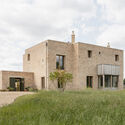
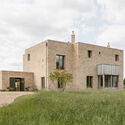
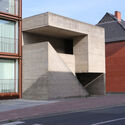
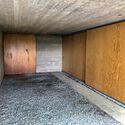
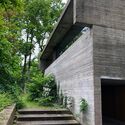
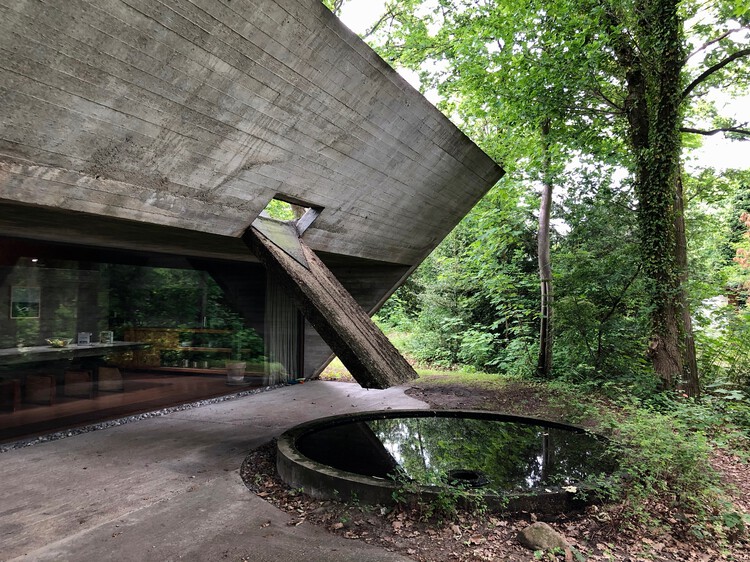
Architectural history often advances through iconic gestures or technological breakthroughs, yet some works remain influential precisely because they resist spectacle. Built between 1972 and 1974 in Sint-Martens-Latem, Belgium, the Van Wassenhove Residence stands as one of those quiet but decisive projects. Conceived as a single, continuous concrete volume set within a wooded landscape, the house challenges conventional ideas of domestic comfort, privacy, and spatial hierarchy. Its presence is direct and uncompromising, yet it avoids monumentality, positioning itself instead as a lived structure shaped by everyday rituals and long-term inhabitation.
The house was designed by Juliaan Lampens, a figure who operated largely outside the dominant architectural narratives of his time. Working mostly in Flanders and often on private commissions, Lampens developed a body of work centered on radical spatial reduction, material honesty, and an almost ethical approach to construction. The Van Wassenhove Residence is frequently described as his most complete work, not because it introduces new ideas, but because it consolidates many of the principles that run consistently through his career.
Van Wassenhove Residence: Living the Radical Continuity of Juliaan Lampens - Image 6 of 4Van Wassenhove Residence: Living the Radical Continuity of Juliaan Lampens - Image 1 of 4Van Wassenhove Residence: Living the Radical Continuity of Juliaan Lampens - Image 3 of 4Van Wassenhove Residence: Living the Radical Continuity of Juliaan Lampens - Image 2 of 4Van Wassenhove Residence: Living the Radical Continuity of Juliaan Lampens - More Images+ 2

First Aid for Endangered Heritage: An Interview with Ambulance for Monuments

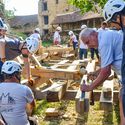
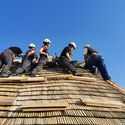
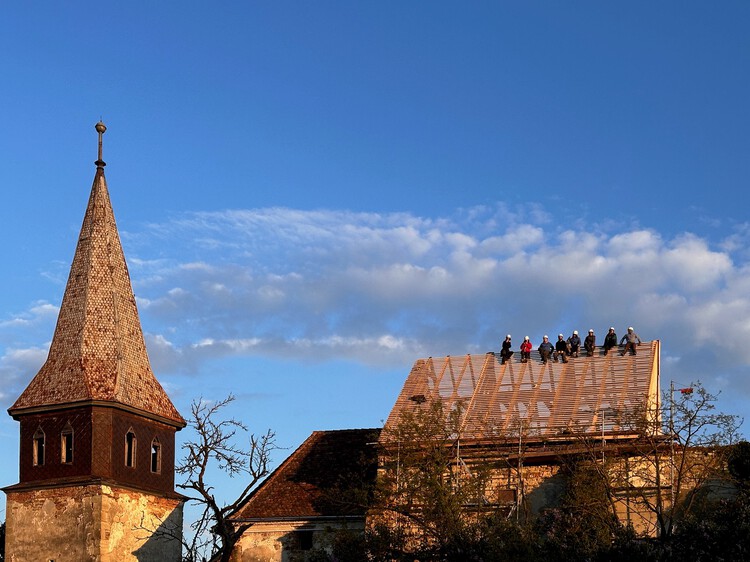
Ambulance for Monuments is a first-aid initiative dedicated to safeguarding Romania's endangered built heritage, operating in a race against time to prevent collapse and irreversible loss. The project responds to the growing vulnerability of historic structures, from Saxon fortified churches and manor houses to wooden churches and rural landmarks, many of which no longer benefit from the community networks that once sustained them. In a country deeply affected by emigration since 1990, where nearly half the population still lives in rural areas, entire villages have lost the people, skills, and everyday care that once kept these monuments standing.
Built around a mobile intervention unit, an "Ambulance" equipped with tools, scaffolding, and on-site equipment, the initiative delivers urgent stabilization works that buy time for endangered buildings. Rather than replacing full restoration, these strategic interventions preserve historic fabric, ensure structural safety, and keep long-term conservation and adaptive reuse possible. 

First Aid for Endangered Heritage: An Interview with Ambulance for Monuments - Image 1 of 4First Aid for Endangered Heritage: An Interview with Ambulance for Monuments - Image 2 of 4First Aid for Endangered Heritage: An Interview with Ambulance for Monuments - Image 3 of 4First Aid for Endangered Heritage: An Interview with Ambulance for Monuments - Image 4 of 4First Aid for Endangered Heritage: An Interview with Ambulance for Monuments - More Images+ 15

Intestines of a Building: Aziza Chaouni on Architecture’s Systems and Resources

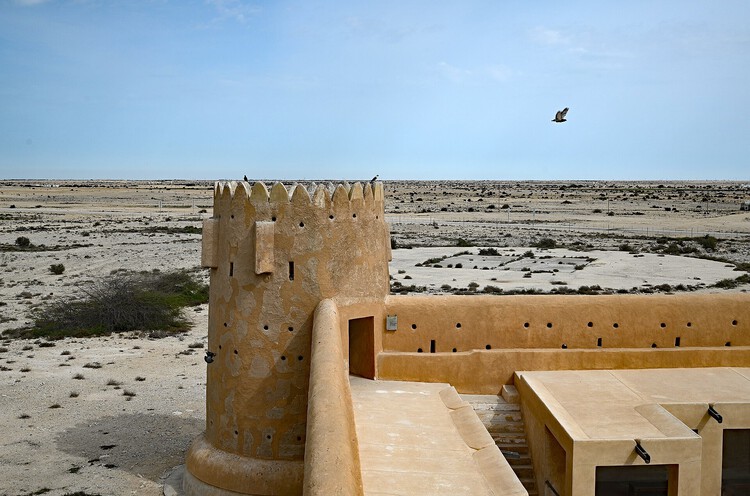
In an age so obsessed with skincare and appearances, few architects are truly interested in the intestines of our buildings. With a practice rooted in contextual awareness and technical pragmatism, sensitive to the needs of the people it serves and to resource limitations, Moroccan architect Aziza Chaouni focuses on the hidden systems that allow architecture to be. Over the past two decades, she has been working on projects across different geographies, particularly in the Saharan region, actively engaging with its communities and heritage.

Currently leading the South–North (SoNo) Lab for Sustainable Construction and Conservation at EPFL in Lausanne, Switzerland, Chaouni brings to the academic realm her architectural expertise in operating under pressing constraints, advocating for reciprocal collaboration between the Global South and the Global North. ArchDaily had the opportunity to speak with Aziza about her experience in Africa and how it can foster more sustainable ways of designing buildings for the future of our cities.

Intestines of a Building: Aziza Chaouni on Architecture’s Systems and Resources - Image 1 of 4Intestines of a Building: Aziza Chaouni on Architecture’s Systems and Resources - Image 2 of 4Intestines of a Building: Aziza Chaouni on Architecture’s Systems and Resources - Image 3 of 4Intestines of a Building: Aziza Chaouni on Architecture’s Systems and Resources - Image 4 of 4Intestines of a Building: Aziza Chaouni on Architecture’s Systems and Resources - More Images+ 25

The Centauric Heritage: Equine Scale and Mexican Monumental Architecture

In the architectural history of the Mexican territory, the built environment has functioned not merely as a human stage, but as a biological infrastructure designed to organize proximity between species. The resulting spatial logic is not a solo performance, but a negotiated coexistence between human and animal bodies. To examine this heritage today is to shift the analytical focus away from stylistic authorship and toward a more fundamental phenomenon: the persistence of spatial practices that emerged to sustain shared forms of life.

Many of the architectural features now interpreted as cultural or aesthetic markers — oversized thresholds, expansive patios, and durable surfaces — can be understood instead as material traces of an interspecies contract. For centuries, horses, mules, and livestock were not external to architecture but essential inhabitants whose physical presence shaped scale, circulation, and material choices. Their bodies left measurable imprints in space, from the height of entrances that accommodated mounted riders to paving systems designed to withstand hooves, friction, and biological wear. Nowhere was this contract more visible than at the ground level of the colonial house.

The Centauric Heritage: Equine Scale and Mexican Monumental Architecture - Image 1 of 4The Centauric Heritage: Equine Scale and Mexican Monumental Architecture - Image 2 of 4The Centauric Heritage: Equine Scale and Mexican Monumental Architecture - Image 3 of 4The Centauric Heritage: Equine Scale and Mexican Monumental Architecture - Image 4 of 4The Centauric Heritage: Equine Scale and Mexican Monumental Architecture - More Images+ 9