1. ArchDaily
  2. Sustainable Development Goals

Sustainable Development Goals: The Latest Architecture and News

World Urban Forum 13 Concludes in Baku with Focus on Housing, Resilience, and Urban Inclusion

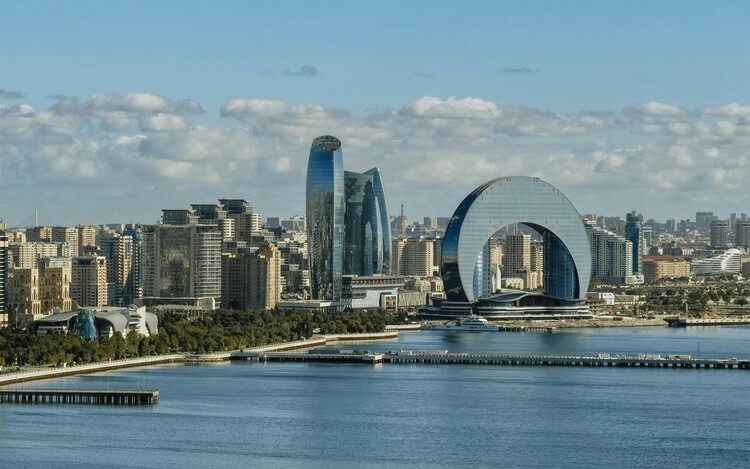
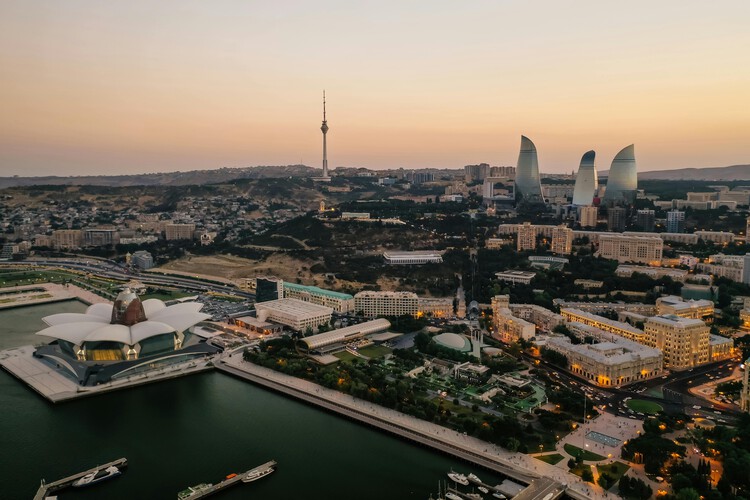
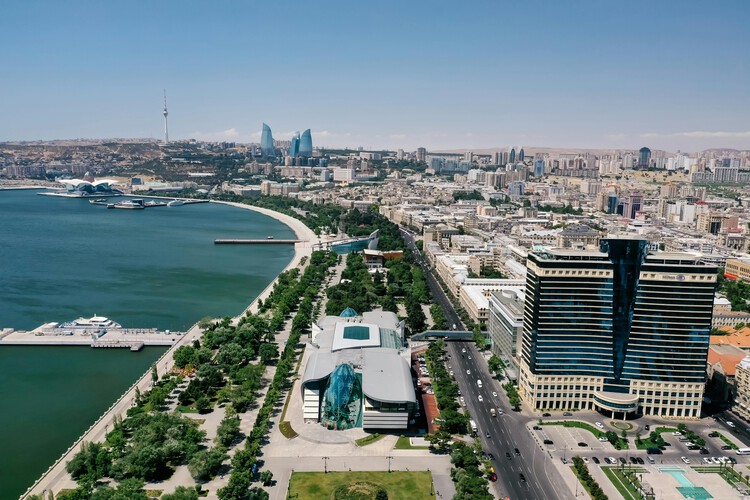
The thirteenth session of the World Urban Forum (WUF13) concludes today, May 22, in Baku, Azerbaijan, after six days of discussions, exhibitions, and international exchanges centered on the theme "Housing the World: Safe and Resilient Cities and Communities." Co-organized by UN-Habitat and the Government of Azerbaijan, the forum marked the first time the event was held in the Caucasus region, bringing together policymakers, architects, urban planners, academics, and civil society representatives from around the world.

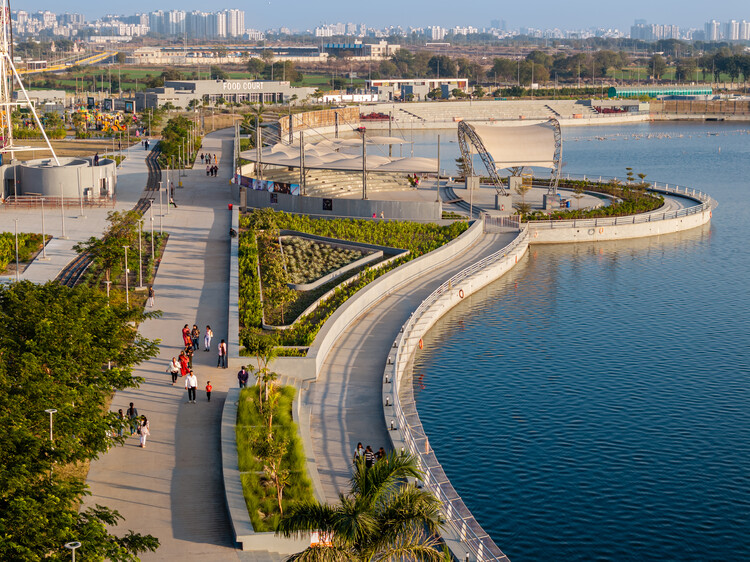
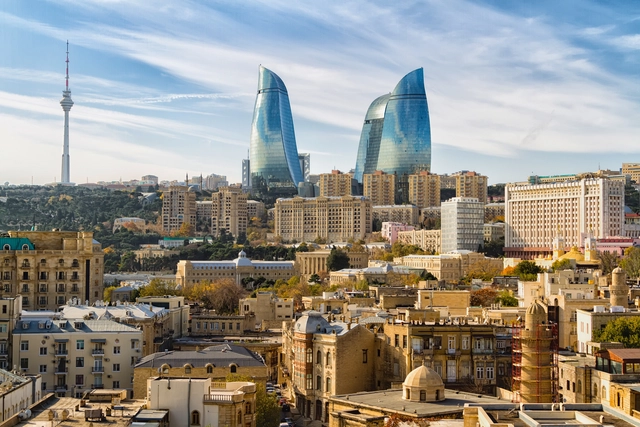
World Urban Forum 13 Concludes in Baku with Focus on Housing, Resilience, and Urban Inclusion - Image 1 of 4World Urban Forum 13 Concludes in Baku with Focus on Housing, Resilience, and Urban Inclusion - Image 2 of 4World Urban Forum 13 Concludes in Baku with Focus on Housing, Resilience, and Urban Inclusion - Image 3 of 4World Urban Forum 13 Concludes in Baku with Focus on Housing, Resilience, and Urban Inclusion - Image 4 of 4World Urban Forum 13 Concludes in Baku with Focus on Housing, Resilience, and Urban Inclusion - More Images+ 2

The 2026 Edition of the UIA 2030 Award Honors Built Projects Advancing the UN Sustainable Development Goals

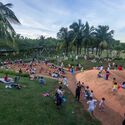
During a ceremony held at the World Urban Forum (WUF) in Baku, Azerbaijan, on May 20, 2026, the International Union of Architects (UIA) and UN-Habitat announced the winners of the third cycle of the UIA 2030 Award. The biennial award recognizes built projects that make meaningful contributions to achieving the United Nations Sustainable Development Goals (SDGs). Architects were invited to submit architecture, landscape, and urban design projects addressing pressing environmental, social, and economic challenges across six categories: sustainable water management, the promotion of safe working environments, adequate and affordable housing, efficient and inclusive planning, access to green and public space, and climate resilience.

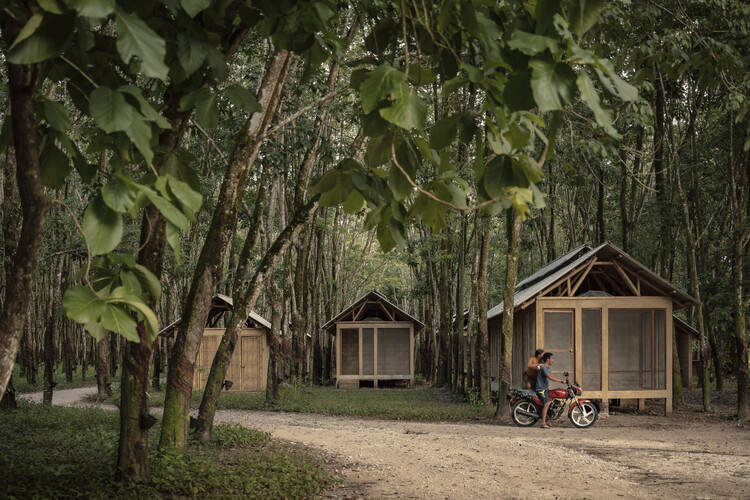
The third cycle launched in July 2025, and regional finalists from the UIA's five global regions were announced in January. In the final stage, the jury selected winning, highly commended, and commended projects in each category, recognizing works in China, Bangladesh, India, Thailand, Mexico, Peru, Colombia, Spain, Kenya, Morocco, and the United States.

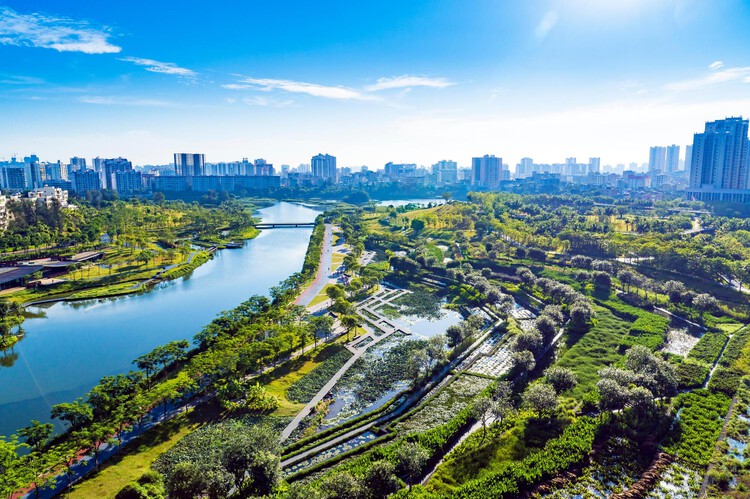
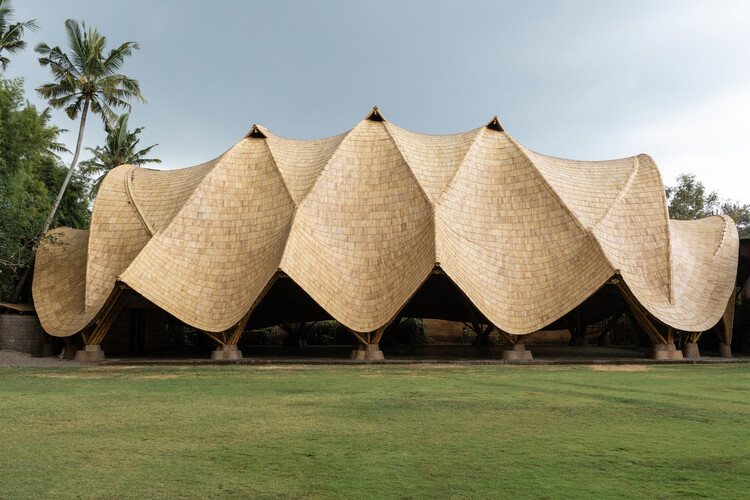
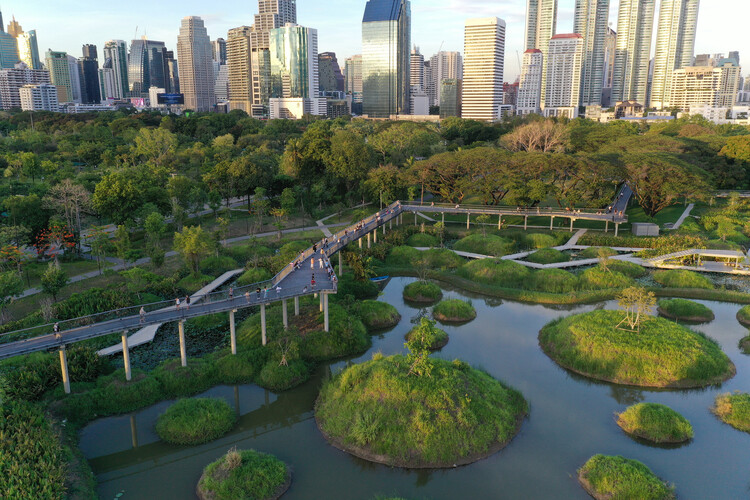
The 2026 Edition of the UIA 2030 Award Honors Built Projects Advancing the UN Sustainable Development Goals - Image 1 of 4The 2026 Edition of the UIA 2030 Award Honors Built Projects Advancing the UN Sustainable Development Goals - Image 2 of 4The 2026 Edition of the UIA 2030 Award Honors Built Projects Advancing the UN Sustainable Development Goals - Image 3 of 4The 2026 Edition of the UIA 2030 Award Honors Built Projects Advancing the UN Sustainable Development Goals - Image 4 of 4The 2026 Edition of the UIA 2030 Award Honors Built Projects Advancing the UN Sustainable Development Goals - More Images+ 119

One Week Until WUF13 Begins in Baku: Exploring Safe and Resilient Cities Under the Theme “Housing the World”

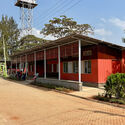
Co-organized by UN-Habitat and the Government of Azerbaijan, the thirteenth session of the World Urban Forum 13 will take place in Baku from May 17 to 22, 2026, under the theme "Housing the World: Safe and Resilient Cities and Communities." Convened every two years by UN-Habitat, the World Urban Forum is considered one of the leading international conferences dedicated to urbanization and the future of cities. Bringing together architects, planners, policymakers, researchers, local governments, and civil society organizations, the forum serves as a platform for discussing the challenges shaping contemporary urban environments and the strategies needed to address them.

One Week Until WUF13 Begins in Baku: Exploring Safe and Resilient Cities Under the Theme “Housing the World” - Image 1 of 4One Week Until WUF13 Begins in Baku: Exploring Safe and Resilient Cities Under the Theme “Housing the World” - Image 2 of 4One Week Until WUF13 Begins in Baku: Exploring Safe and Resilient Cities Under the Theme “Housing the World” - Image 3 of 4One Week Until WUF13 Begins in Baku: Exploring Safe and Resilient Cities Under the Theme “Housing the World” - Image 4 of 4One Week Until WUF13 Begins in Baku: Exploring Safe and Resilient Cities Under the Theme “Housing the World” - More Images+ 1

World Day of Social Justice 2026: Labor Rights, Spatial Equity, and Resource Governance

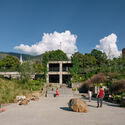
Today, 20 February, the United Nations marks World Day of Social Justice under the theme "Renewed Commitment to Social Development and Social Justice." This year's observance takes place in the aftermath of the Second World Summit for Social Development in Doha and the adoption of the Doha Political Declaration, renewing the commitments first articulated in the 1995 Copenhagen Declaration: poverty eradication, full and productive employment, decent work for all, and social inclusion as interdependent pillars of development. At a moment defined by widening inequalities and accelerating environmental and technological transitions, the 2026 commemoration calls for translating political affirmation into measurable, cross-sectoral implementation.

World Day of Social Justice 2026: Labor Rights, Spatial Equity, and Resource Governance - Image 1 of 4World Day of Social Justice 2026: Labor Rights, Spatial Equity, and Resource Governance - Image 2 of 4World Day of Social Justice 2026: Labor Rights, Spatial Equity, and Resource Governance - Image 3 of 4World Day of Social Justice 2026: Labor Rights, Spatial Equity, and Resource Governance - Image 4 of 4World Day of Social Justice 2026: Labor Rights, Spatial Equity, and Resource Governance - More Images+ 13

What Informality and Incrementality Reveal About Sustainable Urbanism in India

Subscriber Access | 

The magic of Indian architecture lies in an invisible order amidst visceral chaos. When an uncertain future knocks on the doors of local practitioners, one might begin to look within the four walls they occupy to discover an opportunity for reinterpretation.

Mumbai, Delhi, Bengaluru, and other major metropolises are described as needing massive housing solutions for millions. The instinctive answer is predictable — masterplans, dense towers, and standardized units smeared over haphazard developments. The lexicon misses a deeper truth about how the people already live, work, and build in India. The shorthand used in policy and planning — slum, informal settlement, unauthorized colony — implies a temporary state to be corrected. A designer's eye views these places as layered urban histories, formed through necessity.

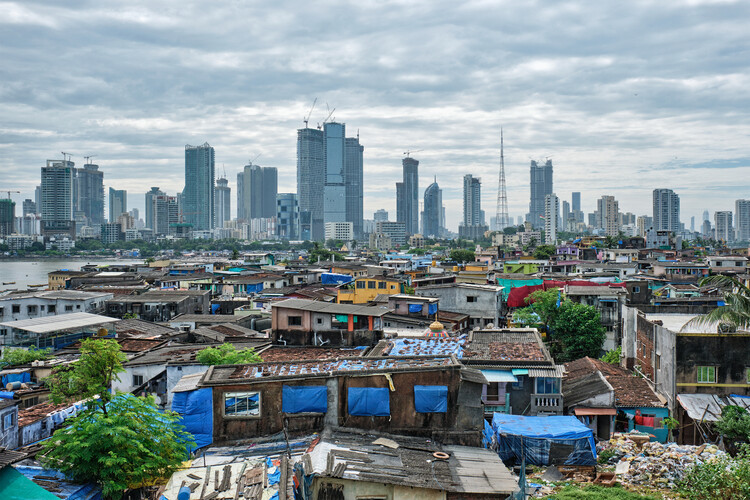
What Informality and Incrementality Reveal About Sustainable Urbanism in India - Image 1 of 4What Informality and Incrementality Reveal About Sustainable Urbanism in India - Image 2 of 4What Informality and Incrementality Reveal About Sustainable Urbanism in India - Image 3 of 4What Informality and Incrementality Reveal About Sustainable Urbanism in India - Image 4 of 4What Informality and Incrementality Reveal About Sustainable Urbanism in India - More Images+ 1

UIA 2030 Award Announces Regional Finalists of Its Third Cycle Across Five Global Regions

The International Union of Architects (UIA), in partnership with UN-Habitat, has released the Stage 1 results of the third cycle of the UIA 2030 Award, identifying the projects selected as Regional Finalists. The shortlisted entries were drawn from submissions across the UIA's five global regions and will advance to the second stage of evaluation. Established in alignment with the UN 2030 Agenda for Sustainable Development, the award framework positions the built environment within broader discussions on sustainable urban development and global policy objectives.

UIA 2030 Award Announces Regional Finalists of Its Third Cycle Across Five Global Regions - Image 1 of 4UIA 2030 Award Announces Regional Finalists of Its Third Cycle Across Five Global Regions - Image 2 of 4UIA 2030 Award Announces Regional Finalists of Its Third Cycle Across Five Global Regions - Image 3 of 4UIA 2030 Award Announces Regional Finalists of Its Third Cycle Across Five Global Regions - Image 4 of 4UIA 2030 Award Announces Regional Finalists of Its Third Cycle Across Five Global Regions - More Images+ 42

Azerbaijan Declares 2026 the "Year of Urban Planning and Architecture" as Baku Prepares to Host WUF13

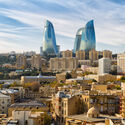
President Ilham Aliyev has signed an order declaring 2026 the "Year of Urban Planning and Architecture" in the Republic of Azerbaijan. The decision establishes a national framework focused on urban planning policy, architectural culture, and sustainable development, aligning with Azerbaijan's preparations to host the 13th World Urban Forum (WUF13) in Baku in May 2026. According to the order, the designation aims to preserve Azerbaijan's centuries-old traditions while integrating contemporary approaches that respond to current social, environmental, and spatial challenges. The President's Administration will now prepare and submit a comprehensive action plan for the year within one month.
Azerbaijan Declares 2026 the "Year of Urban Planning and Architecture" as Baku Prepares to Host WUF13 - Image 1 of 4Azerbaijan Declares 2026 the "Year of Urban Planning and Architecture" as Baku Prepares to Host WUF13 - Image 2 of 4Azerbaijan Declares 2026 the "Year of Urban Planning and Architecture" as Baku Prepares to Host WUF13 - Image 3 of 4Azerbaijan Declares 2026 the "Year of Urban Planning and Architecture" as Baku Prepares to Host WUF13 - Image 4 of 4Azerbaijan Declares 2026 the Year of Urban Planning and Architecture as Baku Prepares to Host WUF13 - More Images

UIA 2030 Award Launches Its Third Cycle Highlighting Sustainable Development Goals

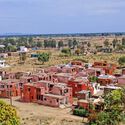
The International Union of Architects (UIA), in collaboration with UN-Habitat, has announced the launch of the third cycle of the UIA 2030 Award. Introduced in 2021, the biennial international prize highlights the role of architecture in advancing the UN 2030 Agenda for Sustainable Development, with a particular emphasis on SDG11: Sustainable Cities and Communities and the New Urban Agenda. Organized by the UIA's UN 17 SDGs Commission, the award recognizes built projects that combine architecture with measurable contributions to the Sustainable Development Goals (SDGs). Structured to coincide with the schedule of the World Urban Forum (WUF), the award will run through five cycles.
UIA 2030 Award Launches Its Third Cycle Highlighting Sustainable Development Goals - Image 1 of 4UIA 2030 Award Launches Its Third Cycle Highlighting Sustainable Development Goals - Image 2 of 4UIA 2030 Award Launches Its Third Cycle Highlighting Sustainable Development Goals - Image 3 of 4UIA 2030 Award Launches Its Third Cycle Highlighting Sustainable Development Goals - Image 4 of 4UIA 2030 Award Launches Its Third Cycle Highlighting Sustainable Development Goals - More Images+ 1

Earth Day 2025: Our Agency in Rethinking Sustainability Across Cities, Scales, and Sectors

Subscriber Access | 

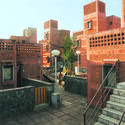
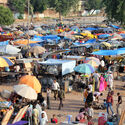
On Earth Day 2025, observed annually on April 22, we are once again reminded of the urgent environmental and sustainability challenges that face our planet—challenges that continue to evolve alongside global economic, political, and cultural shifts. The building and construction industry remains one of the most critical sectors in the effort to manage and reduce global carbon emissions. This year, these issues are being addressed through increasingly diverse lenses, calling for more holistic and integrated approaches. It's vital that we view sustainability not as a one-size-fits-all solution, but as a multi-scalar effort—one that spans from large-scale urban development and strategic planning, to the advancement of sustainable materials, and even to temporary, thought-provoking interventions like exhibitions and installations. In doing so, we reaffirm our commitment to reducing our collective carbon footprint, while shaping a built environment that promotes human well-being and planetary health.
Earth Day 2025: Our Agency in Rethinking Sustainability Across Cities, Scales, and Sectors - Image 1 of 4Earth Day 2025: Our Agency in Rethinking Sustainability Across Cities, Scales, and Sectors - Image 2 of 4Earth Day 2025: Our Agency in Rethinking Sustainability Across Cities, Scales, and Sectors - Image 3 of 4Earth Day 2025: Our Agency in Rethinking Sustainability Across Cities, Scales, and Sectors - Image 4 of 4Earth Day 2025: Our Agency in Rethinking Sustainability Across Cities, Scales, and Sectors - More Images+ 23

Trahan Architects Completes the USA Pavilion at Expo 2025 Osaka

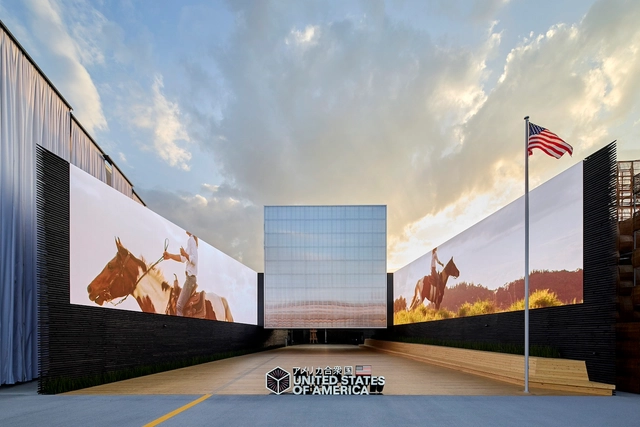
Trahan Architects has just completed the USA Pavilion for Expo 2025 Osaka-Kansai in Japan. As the public opening date, April 13, approaches, the USA Pavilion is finalizing preparations to host visitors. During the six-month expo, the proposal aims to showcase American architecture, innovation, culture, and industry. The display will be focused on celebrating contemporary American achievements in various fields, featuring exhibitions focused on sustainability, space exploration, education, and entrepreneurship.

Trahan Architects Completes the USA Pavilion at Expo 2025 Osaka - Image 8 of 4Trahan Architects Completes the USA Pavilion at Expo 2025 Osaka - Image 7 of 4Trahan Architects Completes the USA Pavilion at Expo 2025 Osaka - Image 5 of 4Trahan Architects Completes the USA Pavilion at Expo 2025 Osaka - Image 6 of 4Trahan Architects Completes the USA Pavilion at Expo 2025 Osaka - More Images+ 11

The Price of Growth: Urban Sprawl and Sustainability in South Asian Cities

Subscriber Access | 

With millions of residents flocking to metropolitans each year, South Asia is witnessing staggering levels of urban development. Growth brings economic prosperity and ecological strain as concrete jungles replace natural habitats. The region, home to countries such as India, Pakistan, Bangladesh, Sri Lanka, Bhutan, the Maldives, and Nepal, is faced with addressing contextual challenges when it comes to balancing urbanization with environmental sustainability. These negotiations are fairly nuanced, with a need to understand the economic, social, and political scenarios systematically in each country.

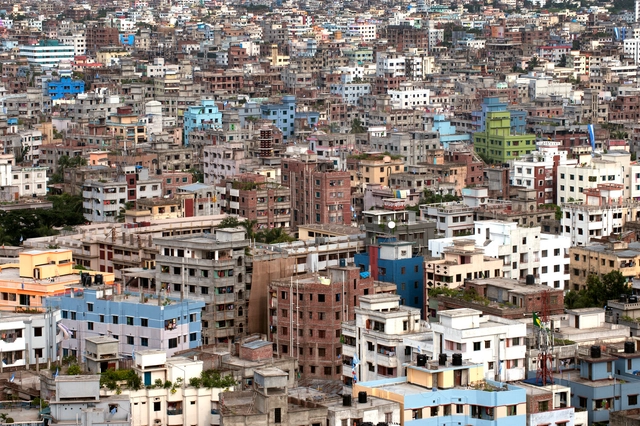
The Price of Growth: Urban Sprawl and Sustainability in South Asian Cities - Image 1 of 4The Price of Growth: Urban Sprawl and Sustainability in South Asian Cities - Image 2 of 4The Price of Growth: Urban Sprawl and Sustainability in South Asian Cities - Image 3 of 4The Price of Growth: Urban Sprawl and Sustainability in South Asian Cities - Image 4 of 4The Price of Growth: Urban Sprawl and Sustainability in South Asian Cities - More Images+ 2

COP29 Launches in Baku, Azerbaijan, to Address Climate Finance and Resilience

The 29th Conference of the Parties to the UN Framework Convention on Climate Change (COP29) takes place between the 11th and 22nd of November in Baku, Azerbaijan. The event proposes a global gathering of business leaders, governments, and civil society with the aim of taking effective measures to limit global warming to 1.5°C above pre-industrial levels. As the construction industry is responsible for approximately 37% of global emissions, the conference is of particular interest to architects, urban planners, and researchers in this field.

COP29 Launches in Baku, Azerbaijan, to Address Climate Finance and Resilience - Image 1 of 4COP29 Launches in Baku, Azerbaijan, to Address Climate Finance and Resilience - Image 2 of 4COP29 Launches in Baku, Azerbaijan, to Address Climate Finance and Resilience - Image 3 of 4COP29 Launches in Baku, Azerbaijan, to Address Climate Finance and Resilience - Image 4 of 4COP29 Launches in Baku, Azerbaijan, to Address Climate Finance and Resilience - More Images

UIA Announces Winners of the Second Cycle of the 2030 Award for Sustainable Architecture

The International Union of Architects (UIA), in partnership with UN-Habitat, has just announced the winners of the second cycle of the UIA 2030 Award. This prestigious award recognizes architectural achievements that advance the UN's 2030 Agenda for Sustainable Development and the New Urban Agenda. Honoring projects that embody sustainable design principles, the UIA 2030 Award celebrates contributions to Sustainable Development Goal 11: "Make cities and human settlements inclusive, safe, resilient, and sustainable."

After receiving 100 submissions from 33 countries, regional finalists were selected in the first stage, representing the five UIA regions: Western Europe, Central and Eastern Europe and the Middle East, the Americas, Asia and Oceania, and Africa. These finalists moved on to Stage 2, where they submitted three-minute videos showcasing their projects in action and detailing their alignment with the SDGs. The winners in the six categories have been awarded during the World Urban Forum (WUF12), taking place in Cairo, Egypt, from November 4-8, 2024. This biennial competition highlights how architects around the world are advancing sustainable, inclusive urban solutions to address global challenges and shape resilient communities for the future.

UIA Announces Winners of the Second Cycle of the 2030 Award for Sustainable Architecture - Image 1 of 4UIA Announces Winners of the Second Cycle of the 2030 Award for Sustainable Architecture - Image 2 of 4UIA Announces Winners of the Second Cycle of the 2030 Award for Sustainable Architecture - Image 3 of 4UIA Announces Winners of the Second Cycle of the 2030 Award for Sustainable Architecture - Image 4 of 4UIA Announces Winners of the Second Cycle of the 2030 Award for Sustainable Architecture - More Images+ 8

What Can African Cities Learn from South America?

Subscriber Access | 

Recent news headlines from the African continent show a variety of urgent issues affecting urban centers: severe flooding threatens Kenya's capital, Nairobi; the light rail system in Addis Ababa, Ethiopia, is faltering after a successful start. Meanwhile, in Egypt's capital, Cairo, new infrastructure and housing expenditures proved too steep and necessitated a government bailout. African cities face a plethora of problems but they also hold the potential to improve countless lives. As South America shares stark similarities in its history with that of Africa, it could provide both a point of reference and a positive example for tackling these concerns at an urban level.

Architecture for Sustainable Development Goals: UIA 2030 Award Announces Finalists of its Second Cycle

The UIA, in collaboration with UN-Habitat, has revealed the finalists for the first stage of the second edition of the UIA 2030 Award. Celebrating architecture that contributes to the 2030 Agenda for Sustainable Development and the New Urban Agenda, this biennial award honors built projects that demonstrate design quality and alignment with the UN Sustainable Development Goals (SDGs).

The regional finalists will now proceed to Stage 2, where they will submit a three-minute video demonstrating their projects in action and explaining in detail how they align with the relevant SDGs and meet the eligibility criteria. During stage 1, the finalists were evaluated regionally, representing the five UIA regions: Western Europe, Central and Eastern Europe and the Middle East, the Americas, Asia and Oceania, and Africa. Winners in each of the six will be awarded a medal. The awards ceremony will be taking place in Cairo, Egypt, at the twelfth session of the World Urban Forum from November 4-8, 2024.

Architecture for Sustainable Development Goals: UIA 2030 Award Announces Finalists of its Second Cycle - Image 1 of 4Architecture for Sustainable Development Goals: UIA 2030 Award Announces Finalists of its Second Cycle - Image 2 of 4Architecture for Sustainable Development Goals: UIA 2030 Award Announces Finalists of its Second Cycle - Image 3 of 4Architecture for Sustainable Development Goals: UIA 2030 Award Announces Finalists of its Second Cycle - Image 4 of 4Architecture for Sustainable Development Goals: UIA 2030 Award Announces Finalists of its Second Cycle - More Images+ 48

Rebuilding with 3D Printing: For Everyday.Life Designs Community-Focused Homes for ICON's Initiative99 Competition

United Kingdom-based office For Everyday.Life (FEL) is one of the three selected winners for the Open Category of ICON’s Initiative 99, an open competition aiming to promote affordable home designs that can be built for under $99,000 employing ICON’s 3D printing technologies. FEL’s project, titled “Housing Salinas,” focuses on community living while applying principles of long-term sustainability, and social and environmental responsibility.

2023 Cities in Focus: Lessons in Environmental Resilience

In the rapidly evolving landscape of the 21st century, cities have emerged as models of innovation in terms of sustainable development goals. Cities creatively address pressing urban challenges, including density, transportation, housing, and resilience. They hold the potential to pioneer a comprehensive climate agenda, serving as laboratories for sustainable initiatives, cross-sectoral innovations and community-oriented strategies. Cities act as catalysts for revolutions, implementing impactful solutions that can be applied worldwide.

2023 Cities in Focus: Lessons in Environmental Resilience  - Image 1 of 42023 Cities in Focus: Lessons in Environmental Resilience  - Image 2 of 42023 Cities in Focus: Lessons in Environmental Resilience  - Image 3 of 42023 Cities in Focus: Lessons in Environmental Resilience  - Image 4 of 42023 Cities in Focus: Lessons in Environmental Resilience  - More Images+ 5

An Architect’s Guide to Copenhagen: Anders Lendager and the Essence of the Sustainable City

Copenhagen was founded in the 12th century and has undergone numerous transformations to establish itself as an urban benchmark of the 21st century. Its dynamic urban environment stands as an exemplar of architecture's importance and crucial role in shaping a sustainable future for cities. Confronting global challenges like mobility, urban development, and eco-friendly construction, the city is an inspiring model. This is why in 2023, the Danish city was named the World Architecture Capital by UNESCO-IUA, positioning Copenhagen as a platform for discussions on climate, sustainable solutions, and livability.

In this context, Danish architects such as Anders Lendager have been asked about their perception and interaction with their favorite places in the city, providing valuable insight into what makes Copenhagen unique. Lendager, the CEO and founder of Lendager Group, has been the designer behind eco-village projects, the Danish Pavilion in Milan, and a skyscraper built from recycled materials. Collectively, these projects showcase the capacity to translate the core principles of sustainable cities into tangible components, prioritizing human well-being and fostering circular economy models.