1. ArchDaily
  2. Baku

Baku: The Latest Architecture and News

World Urban Forum 13 Concludes in Baku with Focus on Housing, Resilience, and Urban Inclusion

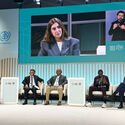
The thirteenth session of the World Urban Forum (WUF13) concludes today, May 22, in Baku, Azerbaijan, after six days of discussions, exhibitions, and international exchanges centered on the theme "Housing the World: Safe and Resilient Cities and Communities." Co-organized by UN-Habitat and the Government of Azerbaijan, the forum marked the first time the event was held in the Caucasus region, bringing together policymakers, architects, urban planners, academics, and civil society representatives from around the world.

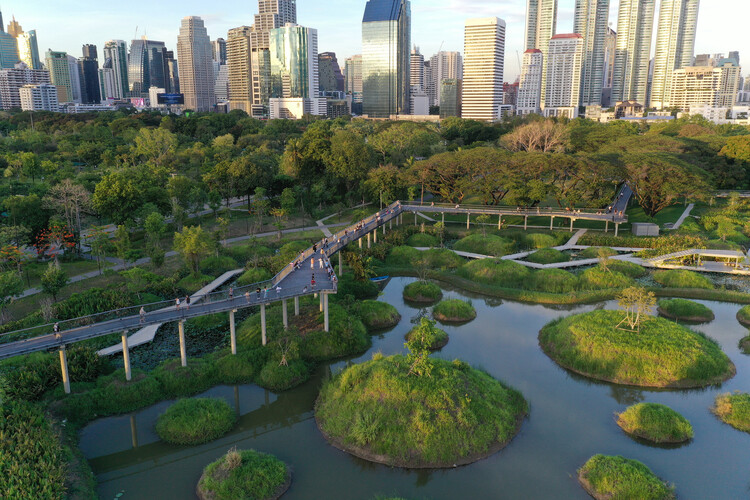
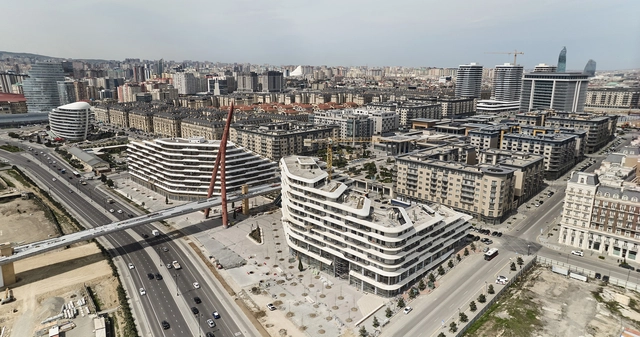
World Urban Forum 13 Concludes in Baku with Focus on Housing, Resilience, and Urban Inclusion - Image 1 of 4World Urban Forum 13 Concludes in Baku with Focus on Housing, Resilience, and Urban Inclusion - Image 2 of 4World Urban Forum 13 Concludes in Baku with Focus on Housing, Resilience, and Urban Inclusion - Image 3 of 4World Urban Forum 13 Concludes in Baku with Focus on Housing, Resilience, and Urban Inclusion - Image 4 of 4World Urban Forum 13 Concludes in Baku with Focus on Housing, Resilience, and Urban Inclusion - More Images+ 2

The 2026 Edition of the UIA 2030 Award Honors Built Projects Advancing the UN Sustainable Development Goals

During a ceremony held at the World Urban Forum (WUF) in Baku, Azerbaijan, on May 20, 2026, the International Union of Architects (UIA) and UN-Habitat announced the winners of the third cycle of the UIA 2030 Award. The biennial award recognizes built projects that make meaningful contributions to achieving the United Nations Sustainable Development Goals (SDGs). Architects were invited to submit architecture, landscape, and urban design projects addressing pressing environmental, social, and economic challenges across six categories: sustainable water management, the promotion of safe working environments, adequate and affordable housing, efficient and inclusive planning, access to green and public space, and climate resilience.

The third cycle launched in July 2025, and regional finalists from the UIA's five global regions were announced in January. In the final stage, the jury selected winning, highly commended, and commended projects in each category, recognizing works in China, Bangladesh, India, Thailand, Mexico, Peru, Colombia, Spain, Kenya, Morocco, and the United States.

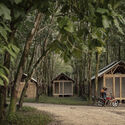
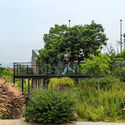
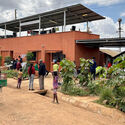
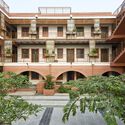
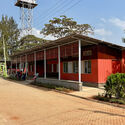
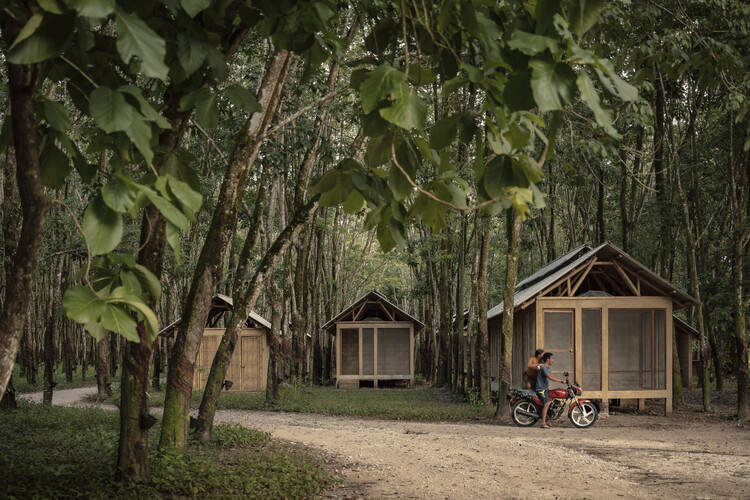
The 2026 Edition of the UIA 2030 Award Honors Built Projects Advancing the UN Sustainable Development Goals - Image 1 of 4The 2026 Edition of the UIA 2030 Award Honors Built Projects Advancing the UN Sustainable Development Goals - Image 2 of 4The 2026 Edition of the UIA 2030 Award Honors Built Projects Advancing the UN Sustainable Development Goals - Image 3 of 4The 2026 Edition of the UIA 2030 Award Honors Built Projects Advancing the UN Sustainable Development Goals - Image 4 of 4The 2026 Edition of the UIA 2030 Award Honors Built Projects Advancing the UN Sustainable Development Goals - More Images+ 119

WUF13 in Baku and Stefano Boeri’s Ambrosian Monastery in Milan: This Week’s Review

As global urban challenges intensify alongside growing environmental, social, and cultural pressures, this week's news reflects how institutions, exhibitions, and restoration projects are highlighting the relationship between the built environment and collective experience. From international forums addressing housing insecurity and urban resilience to cultural events examining memory, identity, and spatial perception, positioning architecture as both a framework for policy and a medium for critical reflection. At the same time, major restoration and redevelopment initiatives highlight a renewed focus on preserving historical continuity while adapting heritage sites and cultural institutions to contemporary forms of use, accessibility, and public engagement.

WUF13 in Baku and Stefano Boeri’s Ambrosian Monastery in Milan: This Week’s Review - Image 1 of 4WUF13 in Baku and Stefano Boeri’s Ambrosian Monastery in Milan: This Week’s Review - Image 2 of 4WUF13 in Baku and Stefano Boeri’s Ambrosian Monastery in Milan: This Week’s Review - Image 3 of 4WUF13 in Baku and Stefano Boeri’s Ambrosian Monastery in Milan: This Week’s Review - Image 4 of 4WUF13 in Baku and Stefano Boeri’s Ambrosian Monastery in Milan: This Week’s Review - More Images+ 5

One Week Until WUF13 Begins in Baku: Exploring Safe and Resilient Cities Under the Theme “Housing the World”

Co-organized by UN-Habitat and the Government of Azerbaijan, the thirteenth session of the World Urban Forum 13 will take place in Baku from May 17 to 22, 2026, under the theme "Housing the World: Safe and Resilient Cities and Communities." Convened every two years by UN-Habitat, the World Urban Forum is considered one of the leading international conferences dedicated to urbanization and the future of cities. Bringing together architects, planners, policymakers, researchers, local governments, and civil society organizations, the forum serves as a platform for discussing the challenges shaping contemporary urban environments and the strategies needed to address them.

One Week Until WUF13 Begins in Baku: Exploring Safe and Resilient Cities Under the Theme “Housing the World” - Image 1 of 4One Week Until WUF13 Begins in Baku: Exploring Safe and Resilient Cities Under the Theme “Housing the World” - Image 2 of 4One Week Until WUF13 Begins in Baku: Exploring Safe and Resilient Cities Under the Theme “Housing the World” - Image 3 of 4One Week Until WUF13 Begins in Baku: Exploring Safe and Resilient Cities Under the Theme “Housing the World” - Image 4 of 4One Week Until WUF13 Begins in Baku: Exploring Safe and Resilient Cities Under the Theme “Housing the World” - More Images+ 1

Baku Architecture City Guide: 15 Projects Reframing Azerbaijan’s Capital

Subscriber Access | 

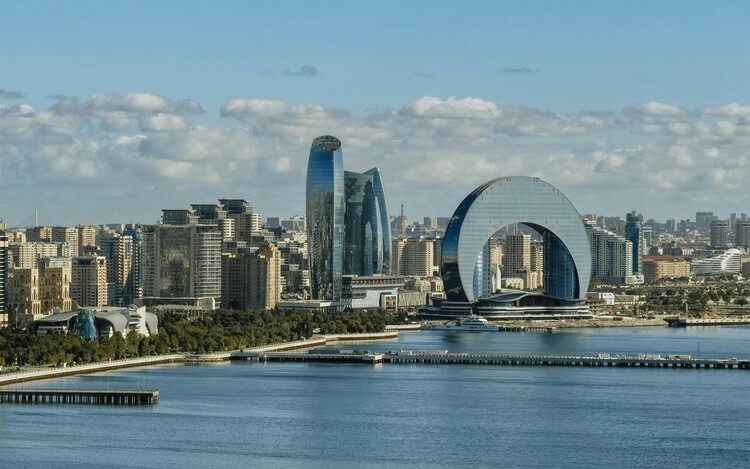
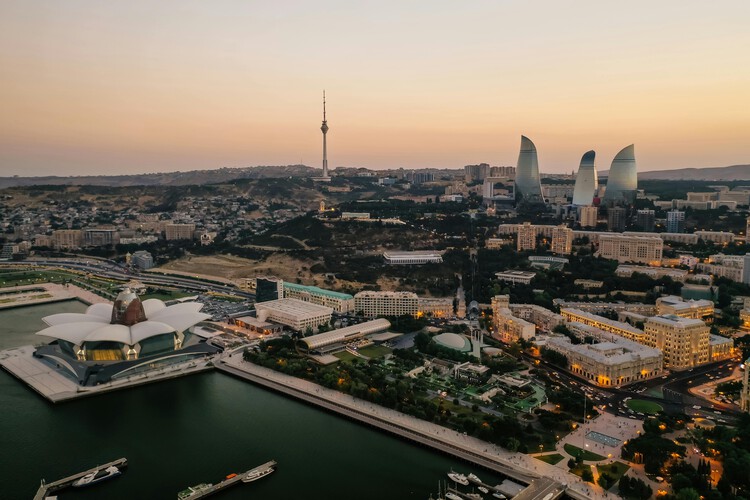
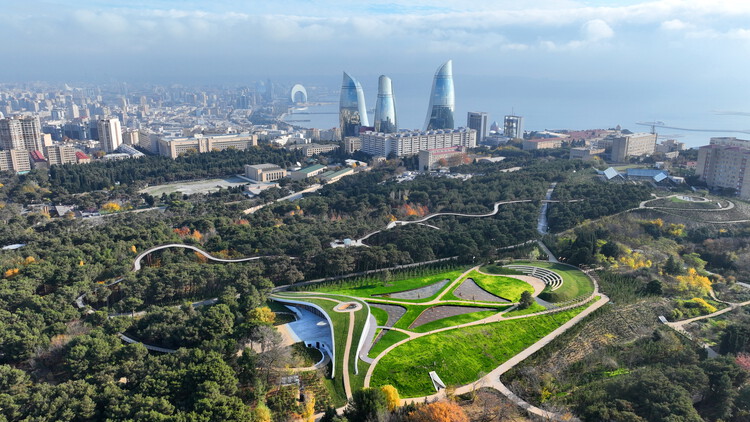
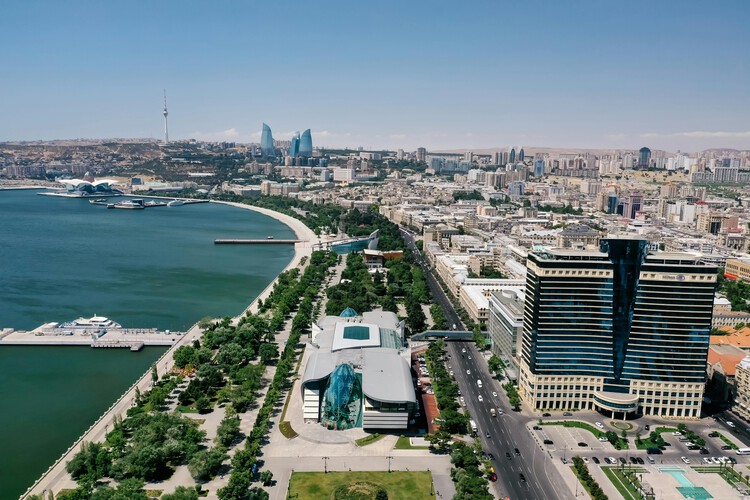
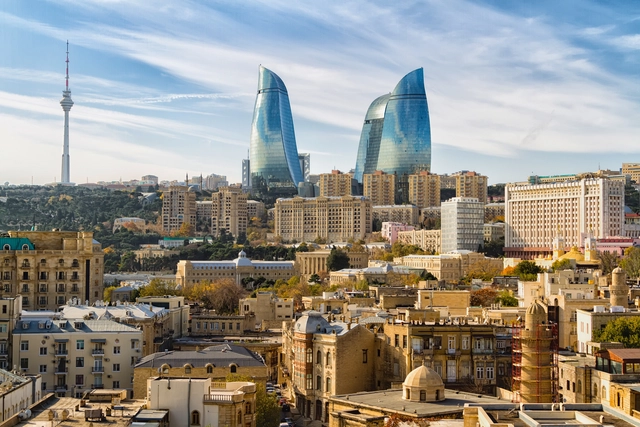
Some cities grow through continuity, others construct themselves through moments of acceleration. Baku, in Azerbaijan, seems to operate somewhere in between. Its historic core, the Icherisheher, still holds a spatial logic that resists expansion: dense, enclosed, defined by proximity and repetition. But just beyond its walls, the city begins to shift. Scale increases, distances expand, and the relationship between buildings becomes less about continuity and more about visibility.

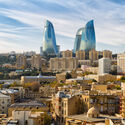
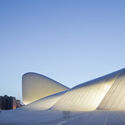
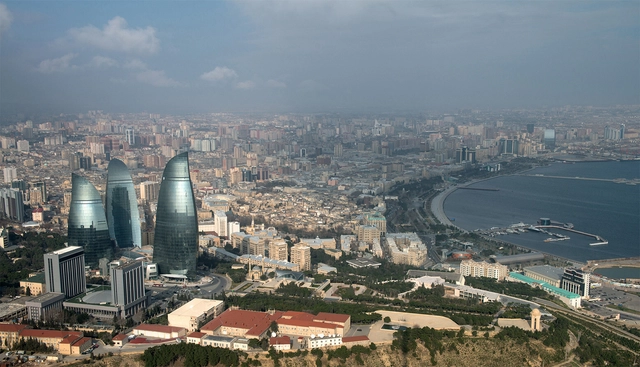
Over the past two decades, Baku has been the site of a deliberate effort to construct an image of itself. Oil wealth provided the means, but architecture became one of its primary tools. Projects such as the Heydar Aliyev Center by Zaha Hadid Architects or the Flame Towers are symbols of this transformation, their forms designed to circulate as much through media as through the city itself. They are precise, controlled, and highly resolved objects. But they also introduce a different urban logic, one that privileges singularity over continuity and positions architecture as an agent of representation.

Baku Architecture City Guide: 15 Projects Reframing Azerbaijan’s Capital - Image 1 of 4Baku Architecture City Guide: 15 Projects Reframing Azerbaijan’s Capital - Image 2 of 4Baku Architecture City Guide: 15 Projects Reframing Azerbaijan’s Capital - Image 3 of 4Baku Architecture City Guide: 15 Projects Reframing Azerbaijan’s Capital - Image 4 of 4Baku Architecture City Guide: 15 Projects Reframing Azerbaijan’s Capital - More Images+ 12

Unearthing the Ground: Architecture and the Politics of Oil

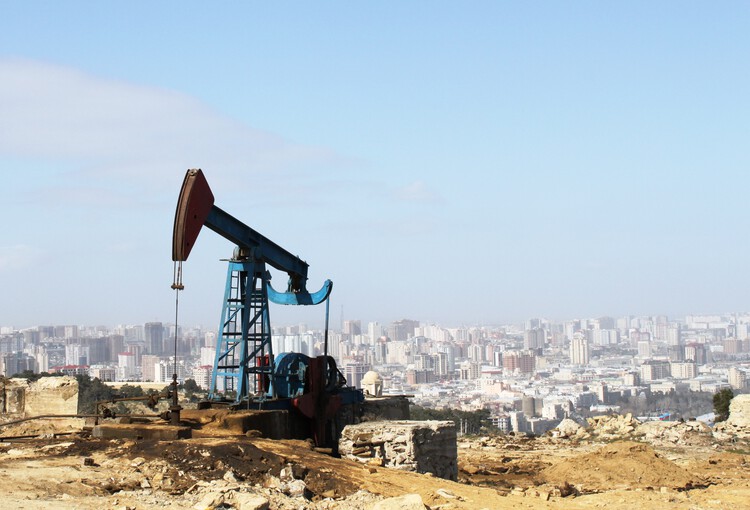
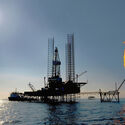
Beneath the ground lies a material that has quietly shaped the architecture of the modern world. Petroleum is rarely discussed within architectural discourse, yet the extraction, circulation, and consumption of oil have profoundly reorganized the spatial logic of territories. Pipelines, refineries, drilling platforms, ports, highways, and petrochemical complexes form a vast infrastructural landscape that sustains contemporary life, composing a dispersed architecture of energy.

Throughout the twentieth and twenty-first centuries, oil became the material foundation of industrial society. It fueled transportation, powered factories, and supported the growth of cities whose spatial organisation depended on continuous energy flows. Yet the infrastructures that enable these flows rarely become objects of architectural inquiry. Attention remains largely directed toward form, typology, or urban density, while the material systems that sustain these environments tend to remain displaced within the discipline.
Unearthing the Ground: Architecture and the Politics of Oil - Image 1 of 4Unearthing the Ground: Architecture and the Politics of Oil - Image 2 of 4Unearthing the Ground: Architecture and the Politics of Oil - Image 3 of 4Unearthing the Ground: Architecture and the Politics of Oil - Image 4 of 4Unearthing the Ground: Architecture and the Politics of Oil - More Images+ 15

7 Unbuilt Masterplans Reimagining Urban Futures Through Ecology and Collective Space

Subscriber Access | 

Urban masterplans remain an exploratory ground for unbuilt speculation, offering insight into how cities might recalibrate mobility, ecology, and collective life in response to accelerating environmental and social pressures. In this Unbuilt edition, submitted by the ArchDaily community, the selected projects bring together a range of large-scale proposals that examine urban centers, waterfront districts, infrastructural corridors, and cultural landscapes as spatial frameworks for reconnection and resilience. Rather than treating the masterplan as a rigid blueprint, these projects approach urbanism as an adaptive system shaped by climate, topography, infrastructure, and public space.

Across varied geographies, from Northern European town centers and Mediterranean coastal districts to Central Asian polycentric hubs and Gulf megacities, the proposals explore diverse architectural and urban strategies. They range from park-led civic transformations built over highway tunnels to elevated pedestrian networks above active transport systems, mixed-use blocks structured by historic planning logics, marina developments integrating environmental stewardship, and research-driven models for equitable landscape urbanization.

7 Unbuilt Masterplans Reimagining Urban Futures Through Ecology and Collective Space - Image 22 of 47 Unbuilt Masterplans Reimagining Urban Futures Through Ecology and Collective Space - Image 24 of 47 Unbuilt Masterplans Reimagining Urban Futures Through Ecology and Collective Space - Image 28 of 47 Unbuilt Masterplans Reimagining Urban Futures Through Ecology and Collective Space - Image 12 of 47 Unbuilt Masterplans Reimagining Urban Futures Through Ecology and Collective Space - More Images+ 37

UIA 2030 Award Announces Regional Finalists of Its Third Cycle Across Five Global Regions

The International Union of Architects (UIA), in partnership with UN-Habitat, has released the Stage 1 results of the third cycle of the UIA 2030 Award, identifying the projects selected as Regional Finalists. The shortlisted entries were drawn from submissions across the UIA's five global regions and will advance to the second stage of evaluation. Established in alignment with the UN 2030 Agenda for Sustainable Development, the award framework positions the built environment within broader discussions on sustainable urban development and global policy objectives.

UIA 2030 Award Announces Regional Finalists of Its Third Cycle Across Five Global Regions - Image 1 of 4UIA 2030 Award Announces Regional Finalists of Its Third Cycle Across Five Global Regions - Image 2 of 4UIA 2030 Award Announces Regional Finalists of Its Third Cycle Across Five Global Regions - Image 3 of 4UIA 2030 Award Announces Regional Finalists of Its Third Cycle Across Five Global Regions - Image 4 of 4UIA 2030 Award Announces Regional Finalists of Its Third Cycle Across Five Global Regions - More Images+ 42

Azerbaijan Declares 2026 the "Year of Urban Planning and Architecture" as Baku Prepares to Host WUF13

President Ilham Aliyev has signed an order declaring 2026 the "Year of Urban Planning and Architecture" in the Republic of Azerbaijan. The decision establishes a national framework focused on urban planning policy, architectural culture, and sustainable development, aligning with Azerbaijan's preparations to host the 13th World Urban Forum (WUF13) in Baku in May 2026. According to the order, the designation aims to preserve Azerbaijan's centuries-old traditions while integrating contemporary approaches that respond to current social, environmental, and spatial challenges. The President's Administration will now prepare and submit a comprehensive action plan for the year within one month.

Azerbaijan Declares 2026 the "Year of Urban Planning and Architecture" as Baku Prepares to Host WUF13 - Image 1 of 4Azerbaijan Declares 2026 the "Year of Urban Planning and Architecture" as Baku Prepares to Host WUF13 - Image 2 of 4Azerbaijan Declares 2026 the "Year of Urban Planning and Architecture" as Baku Prepares to Host WUF13 - Image 3 of 4Azerbaijan Declares 2026 the "Year of Urban Planning and Architecture" as Baku Prepares to Host WUF13 - Image 4 of 4Azerbaijan Declares 2026 the Year of Urban Planning and Architecture as Baku Prepares to Host WUF13 - More Images

The Architecture Agenda: Inside the Key Events of 2026

Architecture and design enter 2026 in a moment of renewed experimentation, urgent environmental reflection, and an expanded global dialogue on the built environment. As cities confront the pressures of climate adaptation, demographic shifts, and technological transformation, this year's international calendar offers a lens into how the discipline is responding, creatively, critically, and collectively. From long-standing biennials to newly established platforms, the events of 2026 spotlight architecture's evolving role as both a record of our changing world and a driver of more equitable, sustainable futures.

The Architecture Agenda: Inside the Key Events of 2026 - Image 1 of 4The Architecture Agenda: Inside the Key Events of 2026 - Image 2 of 4The Architecture Agenda: Inside the Key Events of 2026 - Image 3 of 4The Architecture Agenda: Inside the Key Events of 2026 - Image 4 of 4The Architecture Agenda: Inside the Key Events of 2026 - More Images+ 9

UIA 2030 Award Launches Its Third Cycle Highlighting Sustainable Development Goals

The International Union of Architects (UIA), in collaboration with UN-Habitat, has announced the launch of the third cycle of the UIA 2030 Award. Introduced in 2021, the biennial international prize highlights the role of architecture in advancing the UN 2030 Agenda for Sustainable Development, with a particular emphasis on SDG11: Sustainable Cities and Communities and the New Urban Agenda. Organized by the UIA's UN 17 SDGs Commission, the award recognizes built projects that combine architecture with measurable contributions to the Sustainable Development Goals (SDGs). Structured to coincide with the schedule of the World Urban Forum (WUF), the award will run through five cycles.

UIA 2030 Award Launches Its Third Cycle Highlighting Sustainable Development Goals - Image 1 of 4UIA 2030 Award Launches Its Third Cycle Highlighting Sustainable Development Goals - Image 2 of 4UIA 2030 Award Launches Its Third Cycle Highlighting Sustainable Development Goals - Image 3 of 4UIA 2030 Award Launches Its Third Cycle Highlighting Sustainable Development Goals - Image 4 of 4UIA 2030 Award Launches Its Third Cycle Highlighting Sustainable Development Goals - More Images+ 1

The Azerbaijan Pavilion Explores Regeneration, Innovation, and Preservation at Its First Venice Architecture Biennale

The Azerbaijan national pavilion, participating in the Venice Architecture Biennale for the first time, presents Equilibrium. Patterns of Azerbaijan. Curated by Nigar Gardashkhanova, the exhibition aligns with the overarching theme of this year's Biennale Intelligens. Natural. Artificial. Collective. Focusing on innovative design responses to the climate crisis, the pavilion emphasizes the principles of Regenerate. Innovate. Preserve. Featuring projects commissioned by Rashad Aslanov, the exhibition showcases contributions from the Azerbaijan Development Company (ADEC), Simmetrico Architettura, and Adalat Mammadov. Organized by the Heydar Aliyev Foundation and the Ministry of Culture of the Republic of Azerbaijan, with support from the Embassy of Azerbaijan in Italy, the exhibition will run from May 10 to November 23, 2025, at Castello 2127/A, near the Arsenale.

The Azerbaijan Pavilion Explores Regeneration, Innovation, and Preservation at Its First Venice Architecture Biennale - Image 1 of 4The Azerbaijan Pavilion Explores Regeneration, Innovation, and Preservation at Its First Venice Architecture Biennale - Image 2 of 4The Azerbaijan Pavilion Explores Regeneration, Innovation, and Preservation at Its First Venice Architecture Biennale - Image 3 of 4The Azerbaijan Pavilion Explores Regeneration, Innovation, and Preservation at Its First Venice Architecture Biennale - Image 4 of 4The Azerbaijan Pavilion Explores Regeneration, Innovation, and Preservation at Its First Venice Architecture Biennale - More Images+ 19

COP29 Highlights: Key Takeaways for Cities and the Built Environment

The 29th United Nations Climate Change Conference (COP29) took place in Baku, Azerbaijan, from November 10 to November 24, 2024, amid a backdrop of escalating climate challenges. For cities, the epicenters of population growth, economic activity, and climate vulnerability, the outcomes of COP29 are particularly significant. As urban areas contribute over 70% of global carbon emissions and housing more than half of the world's population, their consideration is pivotal in shaping global responses to the current crisis. In fact, cities are on the frontlines of the crisis, facing record-breaking heatwaves, catastrophic floods, and increasing economic losses from extreme weather events. In 2024 alone, urban areas worldwide experienced devastating climate impacts: flooding displaced millions in Africa, droughts crippled urban economies in South America, and storms caused widespread destruction in North America and Europe. The outcomes of COP29 directly affect urban planning, architecture, and sustainability efforts. From commitments to climate finance and carbon markets to renewable energy and resilience-building, the summit's decisions provide a roadmap for transforming cities into hubs of climate innovation and adaptation. Below are the key takeaways from COP29 for the built environment and urban spaces.

COP29 Launches in Baku, Azerbaijan, to Address Climate Finance and Resilience

The 29th Conference of the Parties to the UN Framework Convention on Climate Change (COP29) takes place between the 11th and 22nd of November in Baku, Azerbaijan. The event proposes a global gathering of business leaders, governments, and civil society with the aim of taking effective measures to limit global warming to 1.5°C above pre-industrial levels. As the construction industry is responsible for approximately 37% of global emissions, the conference is of particular interest to architects, urban planners, and researchers in this field.

COP29 Launches in Baku, Azerbaijan, to Address Climate Finance and Resilience - Image 1 of 4COP29 Launches in Baku, Azerbaijan, to Address Climate Finance and Resilience - Image 2 of 4COP29 Launches in Baku, Azerbaijan, to Address Climate Finance and Resilience - Image 3 of 4COP29 Launches in Baku, Azerbaijan, to Address Climate Finance and Resilience - Image 4 of 4COP29 Launches in Baku, Azerbaijan, to Address Climate Finance and Resilience - More Images

Architecture in Focus: 16 Global Events between September and December 2024

Subscriber Access | 

As the architectural landscape continues to evolve in response to pressing global challenges, events such as biennales, design weeks, and fairs play an instrumental role in shaping the profession's future. These gatherings facilitate the exchange of innovative ideas, the exploration of sustainable practices, and the fostering of collaboration among architects, designers, and urban planners. They serve not only as platforms for showcasing cutting-edge designs but also as forums for critical dialogue about the built environment's impact on society and the planet.

Happening worldwide from September to December 2024, a variety of significant events hope to engage the architectural community. The World Urban Forum in Cairo focuses on local sustainable actions, while Dubai Design Week showcases innovative design in the Middle East. The World Architecture Festival in Singapore features live project presentations, and the Architecture & Design Film Festival in New York offers compelling narratives critical to contemporary discourse.

Architecture in Focus: 16 Global Events between September and December 2024 - Image 1 of 4Architecture in Focus: 16 Global Events between September and December 2024 - Image 2 of 4Architecture in Focus: 16 Global Events between September and December 2024 - Image 3 of 4Architecture in Focus: 16 Global Events between September and December 2024 - Image 4 of 4Architecture in Focus: 16 Global Events between September and December 2024 - More Images+ 14

Chiza Architecture Bureau Designs a Multi-Function Hall for Baku in Azerbaijan

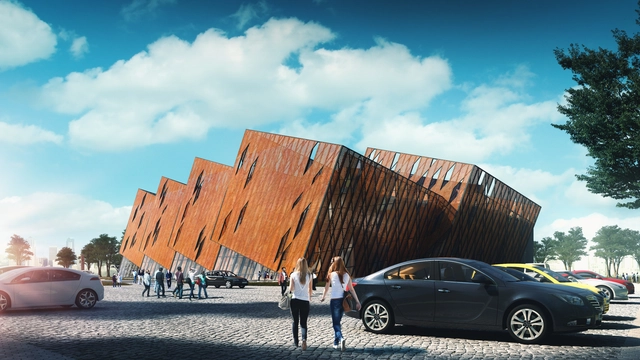
Chiza Architecture Bureau founded by Chingiz Agharzayev and Zaki Jabiyev, in Azerbaijan has developed a conceptual proposal for a multifunctional building in Baku, located in close proximity to the Heydar Aliyev Center and Baku Congress Hall.

Chiza Architecture Bureau Designs a Multi-Function Hall for Baku in Azerbaijan - Image 1 of 4Chiza Architecture Bureau Designs a Multi-Function Hall for Baku in Azerbaijan - Image 2 of 4Chiza Architecture Bureau Designs a Multi-Function Hall for Baku in Azerbaijan - Image 3 of 4Chiza Architecture Bureau Designs a Multi-Function Hall for Baku in Azerbaijan - Image 4 of 4Chiza Architecture Bureau Designs a Multi-Function Hall for Baku in Azerbaijan - More Images+ 5

5 Zaha Hadid Buildings Seen From Above

Subscriber Access | 

This week marks the first anniversary of the death of Zaha Hadid, the most successful and influential female architect in the architectural discipline. Born in Baghdad (Iraq) in 1950, Hadid became the first woman to receive the Pritzker Prize in 2004, and twelve years later received the gold medal from the Royal Institute of British Architects (RIBA).
Hadid's untimely death left a fascinating and inspiring legacy. Meanwhile her firm, Zaha Hadid Architects, continues to work on nearly a hundred projects worldwide. To remember her legacy, Spanish company Deimos Imaging has shared a series of photographs focusing on Hadid's work in five countries.
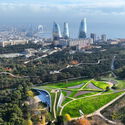
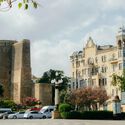
The images were captured by the Deimos-2 satellite, which was launched in 2014 and designed for very high-resolution Earth observation applications, providing multispectral images of just 75 centimeters per pixel. Hadid's incredible works take on a new dimension when you contemplate their proportions from the sky—or rather, from a satellite.
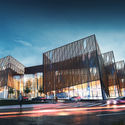
5 Zaha Hadid Buildings Seen From Above - Image 1 of 45 Zaha Hadid Buildings Seen From Above - Image 2 of 45 Zaha Hadid Buildings Seen From Above - Image 4 of 45 Zaha Hadid Buildings Seen From Above - Image 5 of 45 Zaha Hadid Buildings Seen From Above - More Images+ 21

New Power Station / Erginoğlu & Çalışlar Architects

New Power Station  / Erginoğlu & Çalışlar Architects - Restoration, Facade, ColumnNew Power Station  / Erginoğlu & Çalışlar Architects - Restoration, FacadeNew Power Station  / Erginoğlu & Çalışlar Architects - Restoration, Facade, ArchNew Power Station  / Erginoğlu & Çalışlar Architects - Restoration, FacadeNew Power Station  / Erginoğlu & Çalışlar Architects - More Images+ 36