1. ArchDaily
  2. United Nations

United Nations: The Latest Architecture and News

World Urban Forum 13 Concludes in Baku with Focus on Housing, Resilience, and Urban Inclusion

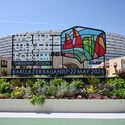
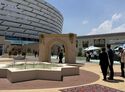
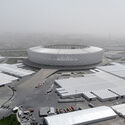
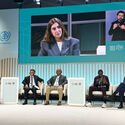
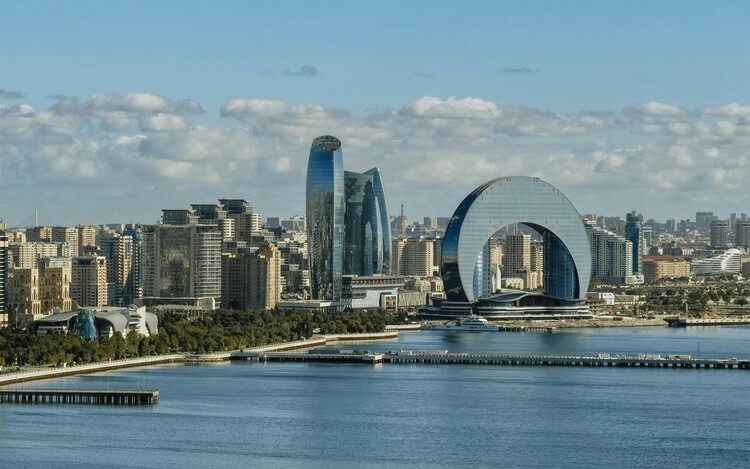
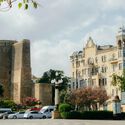
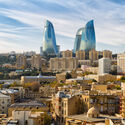
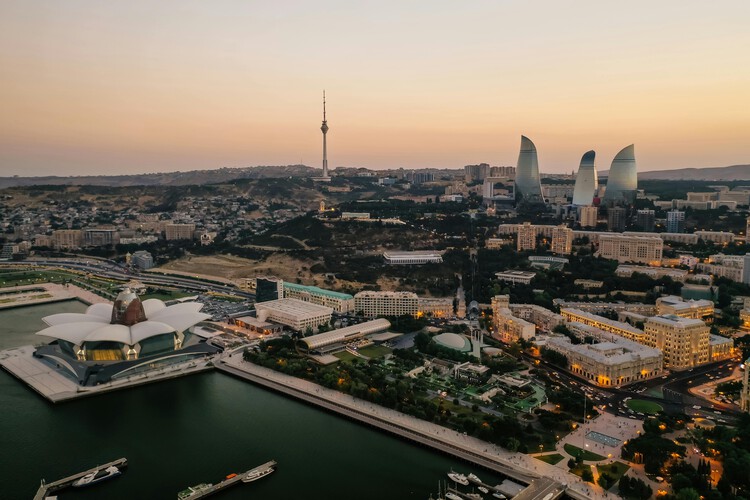
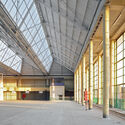
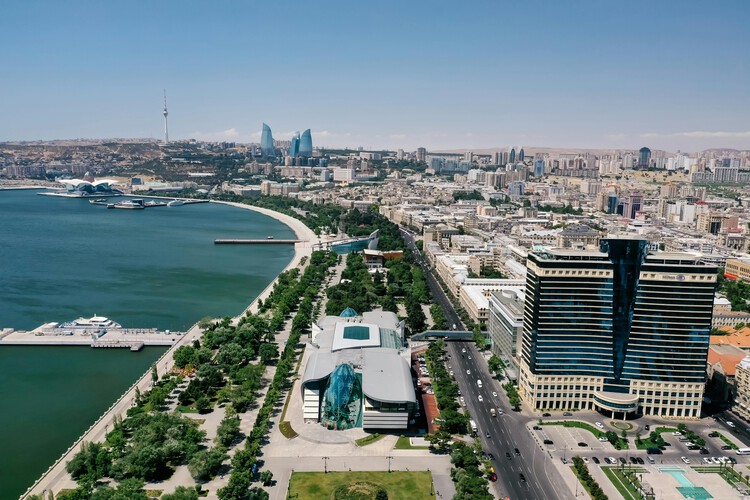
The thirteenth session of the World Urban Forum (WUF13) concludes today, May 22, in Baku, Azerbaijan, after six days of discussions, exhibitions, and international exchanges centered on the theme "Housing the World: Safe and Resilient Cities and Communities." Co-organized by UN-Habitat and the Government of Azerbaijan, the forum marked the first time the event was held in the Caucasus region, bringing together policymakers, architects, urban planners, academics, and civil society representatives from around the world.

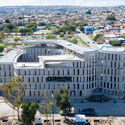
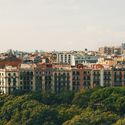
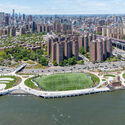
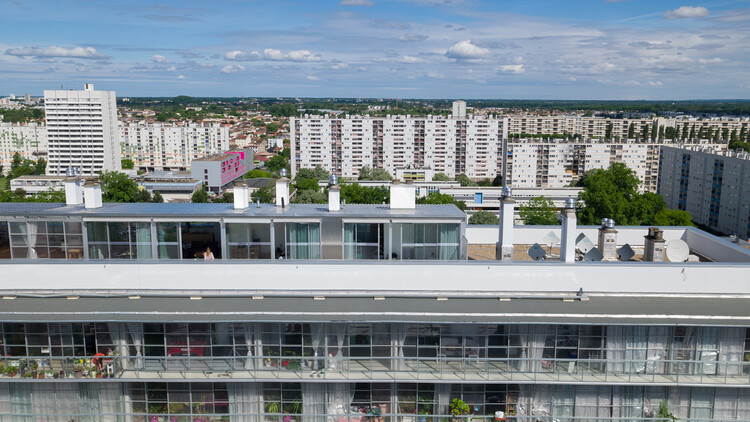
World Urban Forum 13 Concludes in Baku with Focus on Housing, Resilience, and Urban Inclusion - Image 1 of 4World Urban Forum 13 Concludes in Baku with Focus on Housing, Resilience, and Urban Inclusion - Image 2 of 4World Urban Forum 13 Concludes in Baku with Focus on Housing, Resilience, and Urban Inclusion - Image 3 of 4World Urban Forum 13 Concludes in Baku with Focus on Housing, Resilience, and Urban Inclusion - Image 4 of 4World Urban Forum 13 Concludes in Baku with Focus on Housing, Resilience, and Urban Inclusion - More Images+ 2

The 2026 Edition of the UIA 2030 Award Honors Built Projects Advancing the UN Sustainable Development Goals

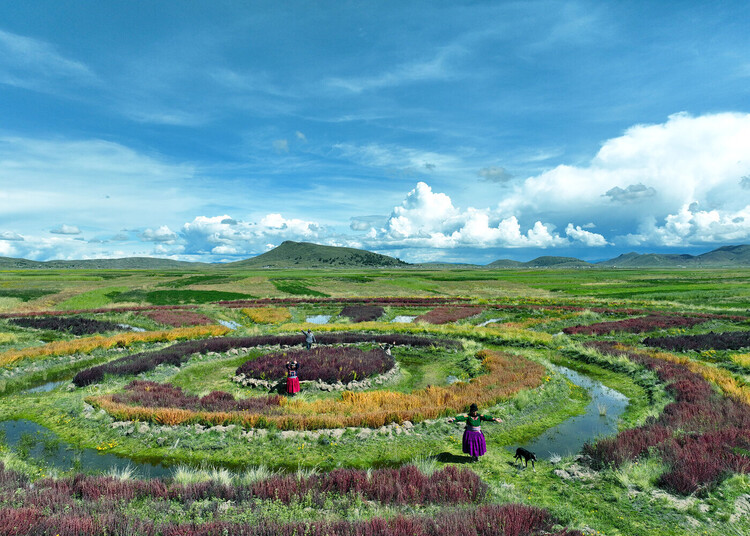
During a ceremony held at the World Urban Forum (WUF) in Baku, Azerbaijan, on May 20, 2026, the International Union of Architects (UIA) and UN-Habitat announced the winners of the third cycle of the UIA 2030 Award. The biennial award recognizes built projects that make meaningful contributions to achieving the United Nations Sustainable Development Goals (SDGs). Architects were invited to submit architecture, landscape, and urban design projects addressing pressing environmental, social, and economic challenges across six categories: sustainable water management, the promotion of safe working environments, adequate and affordable housing, efficient and inclusive planning, access to green and public space, and climate resilience.

The third cycle launched in July 2025, and regional finalists from the UIA's five global regions were announced in January. In the final stage, the jury selected winning, highly commended, and commended projects in each category, recognizing works in China, Bangladesh, India, Thailand, Mexico, Peru, Colombia, Spain, Kenya, Morocco, and the United States.

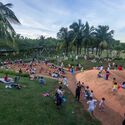
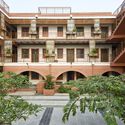
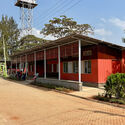
The 2026 Edition of the UIA 2030 Award Honors Built Projects Advancing the UN Sustainable Development Goals - Image 1 of 4The 2026 Edition of the UIA 2030 Award Honors Built Projects Advancing the UN Sustainable Development Goals - Image 2 of 4The 2026 Edition of the UIA 2030 Award Honors Built Projects Advancing the UN Sustainable Development Goals - Image 3 of 4The 2026 Edition of the UIA 2030 Award Honors Built Projects Advancing the UN Sustainable Development Goals - Image 4 of 4The 2026 Edition of the UIA 2030 Award Honors Built Projects Advancing the UN Sustainable Development Goals - More Images+ 119

One Week Until WUF13 Begins in Baku: Exploring Safe and Resilient Cities Under the Theme “Housing the World”

Co-organized by UN-Habitat and the Government of Azerbaijan, the thirteenth session of the World Urban Forum 13 will take place in Baku from May 17 to 22, 2026, under the theme "Housing the World: Safe and Resilient Cities and Communities." Convened every two years by UN-Habitat, the World Urban Forum is considered one of the leading international conferences dedicated to urbanization and the future of cities. Bringing together architects, planners, policymakers, researchers, local governments, and civil society organizations, the forum serves as a platform for discussing the challenges shaping contemporary urban environments and the strategies needed to address them.

One Week Until WUF13 Begins in Baku: Exploring Safe and Resilient Cities Under the Theme “Housing the World” - Image 1 of 4One Week Until WUF13 Begins in Baku: Exploring Safe and Resilient Cities Under the Theme “Housing the World” - Image 2 of 4One Week Until WUF13 Begins in Baku: Exploring Safe and Resilient Cities Under the Theme “Housing the World” - Image 3 of 4One Week Until WUF13 Begins in Baku: Exploring Safe and Resilient Cities Under the Theme “Housing the World” - Image 4 of 4One Week Until WUF13 Begins in Baku: Exploring Safe and Resilient Cities Under the Theme “Housing the World” - More Images+ 1

A New Centre Pompidou in Seoul and the UN House of No Waste (HØW) Competition Winners: This Week’s Review

Observed annually on April 22, International Mother Earth Day frames this week's architectural discourse through an urgent call to rethink the relationship between the built environment and natural systems, foregrounding themes such as urban rewilding, the restoration of aquatic ecosystems, and the integration of ancestral knowledge into contemporary design practices. On another note, the opening of Salone del Mobile.Milano 2026 and Milan Design Week 2026 seek to reinforce the global relevance of design as a platform for exchange and experimentation, activating the city of Milan through a network of exhibitions and installations that engage both industry and public audiences. Among the announcements of award-winning architectural projects this week, the United Nations' House of No Waste (HØW) Competition highlights emerging architectural responses to climate and resource challenges. The awarded projects demonstrate scalable strategies for reducing material waste and embodied carbon while promoting adaptable, socially responsive, and resource-conscious public infrastructure.

A New Centre Pompidou in Seoul and the UN House of No Waste (HØW) Competition Winners: This Week’s Review - Image 1 of 4A New Centre Pompidou in Seoul and the UN House of No Waste (HØW) Competition Winners: This Week’s Review - Image 2 of 4A New Centre Pompidou in Seoul and the UN House of No Waste (HØW) Competition Winners: This Week’s Review - Image 3 of 4A New Centre Pompidou in Seoul and the UN House of No Waste (HØW) Competition Winners: This Week’s Review - Image 4 of 4A New Centre Pompidou in Seoul and the UN House of No Waste (HØW) Competition Winners: This Week’s Review - More Images+ 36

On International Mother Earth Day: Urban Rewilding, Aquatic Ecosystems, and Ancestral Practices for Biodiversity

The United Nations' International Mother Earth Day, observed annually on April 22, aims to "promote harmony with nature and the Earth." In light of the urgency posed by climate change, it seeks to raise awareness of the challenges of preserving all forms of life supported by the planet. It is a call to the global community to safeguard biodiversity while striving to balance economic, social, and ecological systems. Crimes against biodiversity include large-scale practices such as deforestation, land-use change, intensified agriculture, livestock production, and illegal wildlife trade, all considered by the UN to be accelerating factors in the destruction of the planet.

On International Mother Earth Day: Urban Rewilding, Aquatic Ecosystems, and Ancestral Practices for Biodiversity - Image 1 of 4On International Mother Earth Day: Urban Rewilding, Aquatic Ecosystems, and Ancestral Practices for Biodiversity - Image 2 of 4On International Mother Earth Day: Urban Rewilding, Aquatic Ecosystems, and Ancestral Practices for Biodiversity - Image 3 of 4On International Mother Earth Day: Urban Rewilding, Aquatic Ecosystems, and Ancestral Practices for Biodiversity - Image 4 of 4On International Mother Earth Day: Urban Rewilding, Aquatic Ecosystems, and Ancestral Practices for Biodiversity - More Images+ 6

United Nations’ Africa Hall Restoration in Ethiopia Receives 2026 World Monuments Fund/Knoll Modernism Prize

World Monuments Fund (WMF) is an independent organization dedicated to safeguarding significant places that enrich people's lives and foster mutual understanding across cultures and communities. Since 2008, the World Monuments Fund/Knoll Modernism Prize has been a biennial award recognizing outstanding achievements in the conservation of buildings emblematic of the modernist architectural movement. The prize honors individuals and organizations that revitalize modern built heritage through innovative and sensitive architectural interventions.

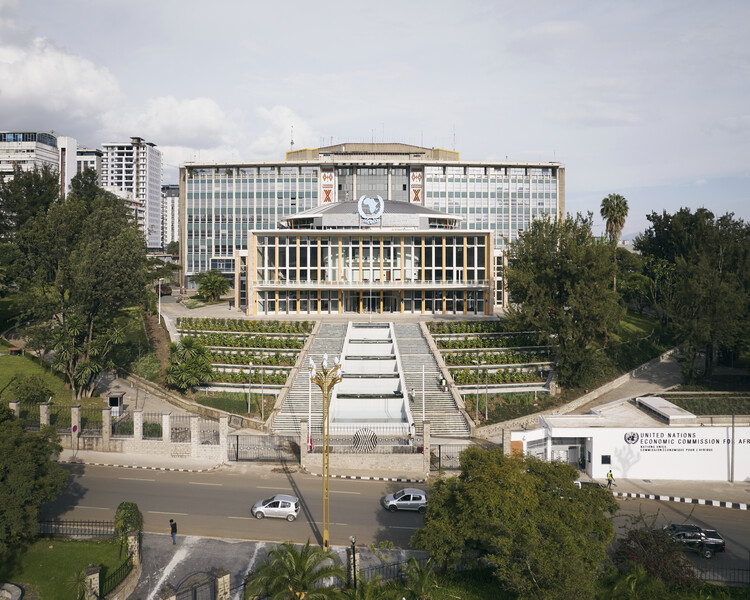
On January 22, 2026, WMF and Knoll announced the Australia-based architecture firm Architectus as the recipient of the 2026 World Monuments Fund/Knoll Modernism Prize for its conservation of the United Nations' Historic Africa Hall in Addis Ababa, Ethiopia. The jury recognized the project for reestablishing a significant work of African modernism as an active venue for diplomacy and cultural exchange. In addition to the main prize, the jury also awarded Paul Rudolph's Umbrella House in Sarasota, Florida, United States, with the Stewardship Award for Modernist Homes.

United Nations’ Africa Hall Restoration in Ethiopia Receives 2026 World Monuments Fund/Knoll Modernism Prize - Image 1 of 4United Nations’ Africa Hall Restoration in Ethiopia Receives 2026 World Monuments Fund/Knoll Modernism Prize - Image 2 of 4United Nations’ Africa Hall Restoration in Ethiopia Receives 2026 World Monuments Fund/Knoll Modernism Prize - Image 3 of 4United Nations’ Africa Hall Restoration in Ethiopia Receives 2026 World Monuments Fund/Knoll Modernism Prize - Image 4 of 4United Nations’ Africa Hall Restoration in Ethiopia Receives 2026 World Monuments Fund/Knoll Modernism Prize - More Images+ 13

Azerbaijan Declares 2026 the "Year of Urban Planning and Architecture" as Baku Prepares to Host WUF13

President Ilham Aliyev has signed an order declaring 2026 the "Year of Urban Planning and Architecture" in the Republic of Azerbaijan. The decision establishes a national framework focused on urban planning policy, architectural culture, and sustainable development, aligning with Azerbaijan's preparations to host the 13th World Urban Forum (WUF13) in Baku in May 2026. According to the order, the designation aims to preserve Azerbaijan's centuries-old traditions while integrating contemporary approaches that respond to current social, environmental, and spatial challenges. The President's Administration will now prepare and submit a comprehensive action plan for the year within one month.

Azerbaijan Declares 2026 the "Year of Urban Planning and Architecture" as Baku Prepares to Host WUF13 - Image 1 of 4Azerbaijan Declares 2026 the "Year of Urban Planning and Architecture" as Baku Prepares to Host WUF13 - Image 2 of 4Azerbaijan Declares 2026 the "Year of Urban Planning and Architecture" as Baku Prepares to Host WUF13 - Image 3 of 4Azerbaijan Declares 2026 the "Year of Urban Planning and Architecture" as Baku Prepares to Host WUF13 - Image 4 of 4Azerbaijan Declares 2026 the Year of Urban Planning and Architecture as Baku Prepares to Host WUF13 - More Images

On International Migrants Day: A Look at Architectural Responses to Displacement

December 18 marks the United Nations' International Migrants Day, which aims to highlight the need for safer, fairer, and more inclusive migration systems. Proclaimed on December 4, 2000, the day seeks to recognize the multiple dimensions of migration beyond its economic and humanitarian aspects. According to the UN, mounting evidence indicates that international migration is beneficial for both countries of origin and destination. In this sense, International Migrants Day offers an opportunity to spotlight the value of the possibility to migrate and the contributions of millions of migrants worldwide to the cities and cultures in which they are integrated.
Aligned with this perspective, the UN's 2025 theme, "My Great Story: Cultures and Development," emphasizes how human mobility drives growth, enriches societies, and helps communities connect, adapt, and support one another. At the same time, International Migrants Day also acknowledges the increasingly complex environment in which migration occurs. Conflicts, climate-related disasters, and economic pressures continue to force millions of people from their homes in search of safety or opportunity. From both perspectives, it is essential to recognize the role of architecture in building integrated, multicultural communities and in responding to the conditions that lead people to migrate from their territories in the first place.
On International Migrants Day: A Look at Architectural Responses to Displacement - Image 1 of 4On International Migrants Day: A Look at Architectural Responses to Displacement - Image 2 of 4On International Migrants Day: A Look at Architectural Responses to Displacement - Image 3 of 4On International Migrants Day: A Look at Architectural Responses to Displacement - Image 4 of 4On International Migrants Day: A Look at Architectural Responses to Displacement - More Images+ 6

On Human Rights Day: Perspectives on Architecture, Equity, Housing Access, and Safety Worldwide

Human Rights Day is observed annually on 10 December worldwide. It commemorates the anniversary of the Universal Declaration of Human Rights in 1948. Drafted by representatives with diverse legal and cultural backgrounds from all regions, the Declaration was proclaimed as a common standard of achievement for all peoples and all nations. For the first time, the document set out fundamental human rights to be universally protected and inalienable, entitling every human being to them regardless of race, colour, religion, sex, language, political or other opinion, national or social origin, property, birth, or any other status. Today, the Declaration serves as a global blueprint for international, national, and local laws and policies. Available in 577 languages, it is the most translated document in the world. The United Nations has set the theme for this year's observance as "Human Rights, Our Everyday Essentials," aiming to "reaffirm the values of human rights and show that they remain a winning proposition for humanity."

On Human Rights Day: Perspectives on Architecture, Equity, Housing Access, and Safety Worldwide - Image 1 of 4On Human Rights Day: Perspectives on Architecture, Equity, Housing Access, and Safety Worldwide - Image 2 of 4On Human Rights Day: Perspectives on Architecture, Equity, Housing Access, and Safety Worldwide - Image 3 of 4On Human Rights Day: Perspectives on Architecture, Equity, Housing Access, and Safety Worldwide - Image 4 of 4On Human Rights Day: Perspectives on Architecture, Equity, Housing Access, and Safety Worldwide - More Images+ 12

New National Museum in Abu Dhabi and The Nomadic Library: This Week’s Review

As cultural institutions advanced major preservation projects and new demographic data reframed understandings of urban growth, this week's architectural discussions centred on how cities and museums adapt to evolving social, environmental, and infrastructural conditions. Efforts to safeguard modern heritage, developments in long-term urban planning, and reflections on architectural legacy intersect with global observances such as the International Day of Persons with Disabilities, highlighting the ongoing need for more inclusive and accessible environments within the built landscape.

New National Museum in Abu Dhabi and The Nomadic Library: This Week’s Review - Image 1 of 4New National Museum in Abu Dhabi and The Nomadic Library: This Week’s Review - Image 2 of 4New National Museum in Abu Dhabi and The Nomadic Library: This Week’s Review - Image 3 of 4New National Museum in Abu Dhabi and The Nomadic Library: This Week’s Review - Image 4 of 4New National Museum in Abu Dhabi and The Nomadic Library: This Week’s Review - More Images+ 4

Jakarta Becomes the World’s Most Populous City, According to New UN Data

Jakarta has become the world's most populous city, according to the World Urbanization Prospects 2025 released by the United Nations Department of Economic and Social Affairs (UN DESA). Using an updated and harmonized method for defining urban areas, the report estimates Jakarta's population at nearly 42 million, placing it ahead of Dhaka, which is about 40 million, and Tokyo, 33 million. The revised ranking illustrates how updated measurement criteria and continued demographic growth are reshaping understandings of urban scale in Asia and globally.

Jakarta Becomes the World’s Most Populous City, According to New UN Data - Image 1 of 4Jakarta Becomes the World’s Most Populous City, According to New UN Data - Image 2 of 4Jakarta Becomes the World’s Most Populous City, According to New UN Data - Image 3 of 4Jakarta Becomes the World’s Most Populous City, According to New UN Data - Image 4 of 4Jakarta Becomes the World’s Most Populous City, According to New UN Data - More Images

Playgrounds as Political Spaces: Negotiating Risk, Space, and Childhood

Playgrounds are spatial instruments through which society projects its expectations on childhood, testing the boundaries between control and autonomy, exposure and protection. They regulate how children relate to space, to others, and their bodies — encoding, often invisibly, social norms, fears, and aspirations. In this sense, playgrounds are not peripheral spaces of leisure; they are political constructs shaped by specific ideologies about what childhood is and how it should unfold. Since 1989, the right to play has been formally recognised in the United Nations Convention on the Rights of the Child, affirming that play is a fundamental part of human development. To design a playground is not only to draw lines on a plan or to install equipment in a park; it is to define the conditions under which play is permitted, imagined, or constrained.

Playgrounds as Political Spaces: Negotiating Risk, Space, and Childhood - Image 1 of 4Playgrounds as Political Spaces: Negotiating Risk, Space, and Childhood - Image 2 of 4Playgrounds as Political Spaces: Negotiating Risk, Space, and Childhood - Image 3 of 4Playgrounds as Political Spaces: Negotiating Risk, Space, and Childhood - Image 4 of 4Playgrounds as Political Spaces: Negotiating Risk, Space, and Childhood - More Images+ 21

Nigerian Architect Blossom Eromosele Designs Refugee Shelter Inspired by Traditional African Huts

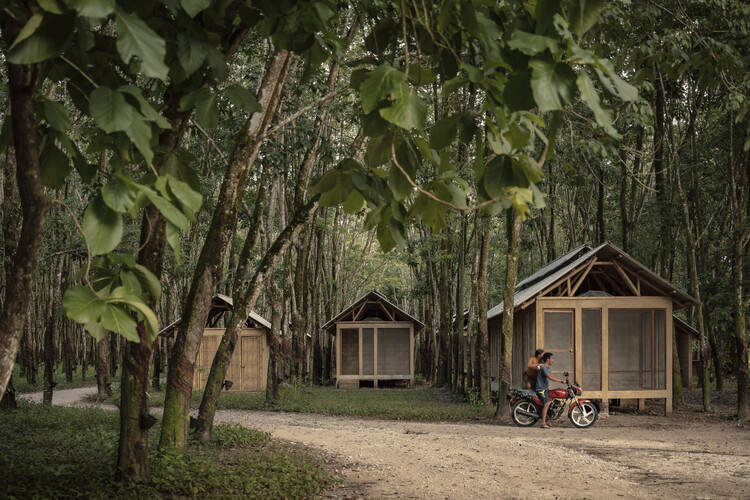
Nigerian-born architect Blossom Eromosele has developed AllSpace, a modular housing design inspired by traditional African architecture. The design was created as part of the Swarovski Foundation's fourth edition of the Creatives for Our Future global mentorship and grant program, developed in collaboration with the United Nations Office for Partnerships. Among the six selected projects, AllSpace seeks to respond to the current Nigerian refugee crisis with a low-cost, solar-powered housing solution for camps.

Nigerian Architect Blossom Eromosele Designs Refugee Shelter Inspired by Traditional African Huts - Featured ImageNigerian Architect Blossom Eromosele Designs Refugee Shelter Inspired by Traditional African Huts - Image 1 of 4Nigerian Architect Blossom Eromosele Designs Refugee Shelter Inspired by Traditional African Huts - Image 2 of 4Nigerian Architect Blossom Eromosele Designs Refugee Shelter Inspired by Traditional African Huts - Image 3 of 4Nigerian Architect Blossom Eromosele Designs Refugee Shelter Inspired by Traditional African Huts - More Images

Interfaith Spaces: Architectural Responses to Religious Diversity

In an increasingly diverse world, the emergence of multi-faith spaces represents a significant shift in architectural design, reflecting the evolving religious landscape of contemporary society. These spaces, which began to be formally established in the 1950s in public buildings like airports and hospitals, serve as microcosms of social transformation and peaceful coexistence. They allow various traditions to harmoniously share environments, embodying principles of inclusivity, flexibility, and adaptability.

As communities grow more multicultural and increasingly diverse, these spaces serve as physical manifestations of religious inclusion, encouraging the acceptance of religious and ethnic minorities within multicultural landscapes. Their proliferation reflects a growing need for inclusive environments that cater to diverse spiritual needs while promoting interfaith understanding. However, designing and implementing these spaces presents complex challenges, often sparking debates about representation, neutrality, and the very nature of sacred space. These discussions underscore the delicate balance architects must strike in creating spaces that are both universally welcoming and spiritually meaningful.

Interfaith Spaces: Architectural Responses to Religious Diversity - Image 2 of 4Interfaith Spaces: Architectural Responses to Religious Diversity - Image 7 of 4Interfaith Spaces: Architectural Responses to Religious Diversity - Image 25 of 4Interfaith Spaces: Architectural Responses to Religious Diversity - Image 8 of 4Interfaith Spaces: Architectural Responses to Religious Diversity - More Images+ 24

Rediscovering Modernism in Africa: From Nostalgia to Optimism

The mid-twentieth century marked a transformative period for Africa as 29 countries achieved independence between 1956 and 1964, signaling the dawn of the nation-state across the continent. This era resonated with a spirit of liberation and progress, paralleling the global movements of that time, such as the establishment of international organizations like the United Nations (1945) and the Organization of African Unity (1963). Within this context, Modernist architecture emerged as a powerful symbol of national identity, ambition, and the collective aspiration for a brighter future. As newly independent nations sought to define themselves apart from their colonial pasts, the adoption of Modern Movement principles facilitated the construction of key infrastructures, such as convention centers, parliament buildings, and hotels, as well as the development of architectural education, as native-trained architects begun to either replace or cooperate with foreign-born professionals.

This article inaugurates a new series titled Rediscovering Modernism in Africa, aiming to explore the architectural legacy of the Modern Movement in Africa, highlighting its role in nation-building and the evolution of architectural education, while shedding light on the architects and movements that shaped this transformative era.

Rediscovering Modernism in Africa: From Nostalgia to Optimism - Image 1 of 4Rediscovering Modernism in Africa: From Nostalgia to Optimism - Image 2 of 4Rediscovering Modernism in Africa: From Nostalgia to Optimism - Image 3 of 4Rediscovering Modernism in Africa: From Nostalgia to Optimism - Image 4 of 4Rediscovering Modernism in Africa: From Nostalgia to Optimism - More Images+ 13

COP29 Highlights: Key Takeaways for Cities and the Built Environment

The 29th United Nations Climate Change Conference (COP29) took place in Baku, Azerbaijan, from November 10 to November 24, 2024, amid a backdrop of escalating climate challenges. For cities, the epicenters of population growth, economic activity, and climate vulnerability, the outcomes of COP29 are particularly significant. As urban areas contribute over 70% of global carbon emissions and housing more than half of the world's population, their consideration is pivotal in shaping global responses to the current crisis. In fact, cities are on the frontlines of the crisis, facing record-breaking heatwaves, catastrophic floods, and increasing economic losses from extreme weather events. In 2024 alone, urban areas worldwide experienced devastating climate impacts: flooding displaced millions in Africa, droughts crippled urban economies in South America, and storms caused widespread destruction in North America and Europe. The outcomes of COP29 directly affect urban planning, architecture, and sustainability efforts. From commitments to climate finance and carbon markets to renewable energy and resilience-building, the summit's decisions provide a roadmap for transforming cities into hubs of climate innovation and adaptation. Below are the key takeaways from COP29 for the built environment and urban spaces.

UIA Announces Winners of the Second Cycle of the 2030 Award for Sustainable Architecture

The International Union of Architects (UIA), in partnership with UN-Habitat, has just announced the winners of the second cycle of the UIA 2030 Award. This prestigious award recognizes architectural achievements that advance the UN's 2030 Agenda for Sustainable Development and the New Urban Agenda. Honoring projects that embody sustainable design principles, the UIA 2030 Award celebrates contributions to Sustainable Development Goal 11: "Make cities and human settlements inclusive, safe, resilient, and sustainable."

After receiving 100 submissions from 33 countries, regional finalists were selected in the first stage, representing the five UIA regions: Western Europe, Central and Eastern Europe and the Middle East, the Americas, Asia and Oceania, and Africa. These finalists moved on to Stage 2, where they submitted three-minute videos showcasing their projects in action and detailing their alignment with the SDGs. The winners in the six categories have been awarded during the World Urban Forum (WUF12), taking place in Cairo, Egypt, from November 4-8, 2024. This biennial competition highlights how architects around the world are advancing sustainable, inclusive urban solutions to address global challenges and shape resilient communities for the future.

UIA Announces Winners of the Second Cycle of the 2030 Award for Sustainable Architecture - Image 1 of 4UIA Announces Winners of the Second Cycle of the 2030 Award for Sustainable Architecture - Image 2 of 4UIA Announces Winners of the Second Cycle of the 2030 Award for Sustainable Architecture - Image 3 of 4UIA Announces Winners of the Second Cycle of the 2030 Award for Sustainable Architecture - Image 4 of 4UIA Announces Winners of the Second Cycle of the 2030 Award for Sustainable Architecture - More Images+ 8

Architecture for Sustainable Development Goals: UIA 2030 Award Announces Finalists of its Second Cycle

The UIA, in collaboration with UN-Habitat, has revealed the finalists for the first stage of the second edition of the UIA 2030 Award. Celebrating architecture that contributes to the 2030 Agenda for Sustainable Development and the New Urban Agenda, this biennial award honors built projects that demonstrate design quality and alignment with the UN Sustainable Development Goals (SDGs).

The regional finalists will now proceed to Stage 2, where they will submit a three-minute video demonstrating their projects in action and explaining in detail how they align with the relevant SDGs and meet the eligibility criteria. During stage 1, the finalists were evaluated regionally, representing the five UIA regions: Western Europe, Central and Eastern Europe and the Middle East, the Americas, Asia and Oceania, and Africa. Winners in each of the six will be awarded a medal. The awards ceremony will be taking place in Cairo, Egypt, at the twelfth session of the World Urban Forum from November 4-8, 2024.

Architecture for Sustainable Development Goals: UIA 2030 Award Announces Finalists of its Second Cycle - Image 1 of 4Architecture for Sustainable Development Goals: UIA 2030 Award Announces Finalists of its Second Cycle - Image 2 of 4Architecture for Sustainable Development Goals: UIA 2030 Award Announces Finalists of its Second Cycle - Image 3 of 4Architecture for Sustainable Development Goals: UIA 2030 Award Announces Finalists of its Second Cycle - Image 4 of 4Architecture for Sustainable Development Goals: UIA 2030 Award Announces Finalists of its Second Cycle - More Images+ 48