Co-organized by UN-Habitat and the Government of Azerbaijan, the thirteenth session of the World Urban Forum 13 will take place in Baku from May 17 to 22, 2026, under the theme "Housing the World: Safe and Resilient Cities and Communities." Convened every two years by UN-Habitat, the World Urban Forum is considered one of the leading international conferences dedicated to urbanization and the future of cities. Bringing together architects, planners, policymakers, researchers, local governments, and civil society organizations, the forum serves as a platform for discussing the challenges shaping contemporary urban environments and the strategies needed to address them.
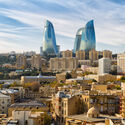
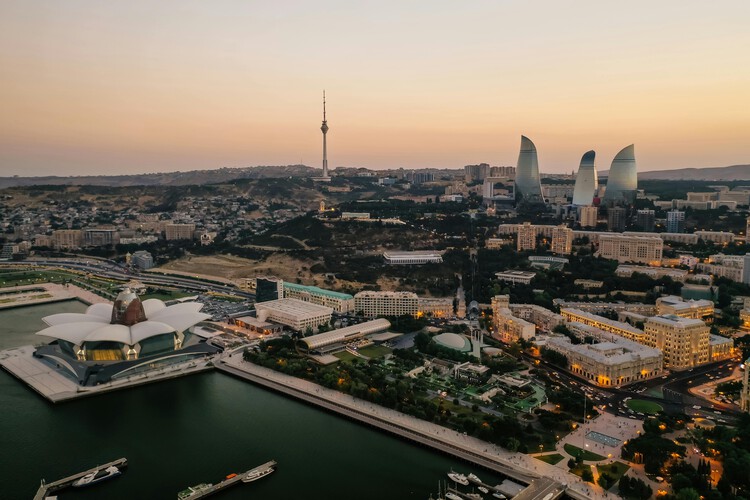
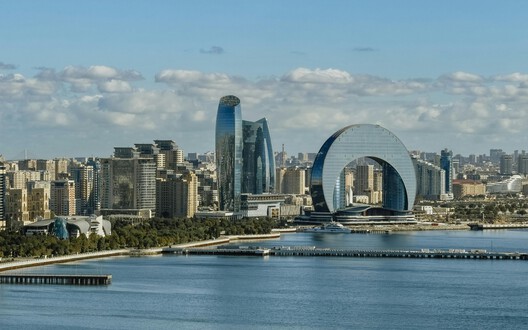
Hosted for the first time in the Caucasus region, WUF13 will focus on the growing global housing crisis and the role of housing in advancing inclusive, resilient, and sustainable urban development. According to data shared by the organizers, nearly 3 billion people worldwide currently experience some form of housing inadequacy, while more than 1.1 billion people live in informal settlements or slums, and over 300 million face homelessness. Against this backdrop, the forum aims to position housing not only as a social necessity but also as a framework through which cities can address climate adaptation, inequality, infrastructure, governance, and long-term urban resilience.
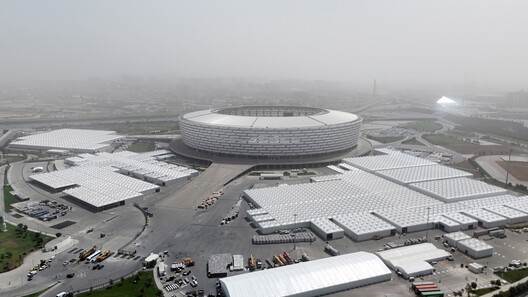
Taking place at the midpoint of the implementation of the New Urban Agenda, WUF13 is expected to contribute to the 2026 report of the United Nations Secretary-General on the agenda's progress. The event is projected to host 30,000 expected participants, with nearly 25,000 already registered from 178 countries at the Baku Olympic Stadium, reinforcing its role as a global platform for urban discourse and collaboration. This year's edition will include dialogues, assemblies, ministerial meetings, exhibitions, networking events, and partner-led sessions, alongside an Urban Expo dedicated to showcasing urban innovations, design strategies, and research initiatives responding to contemporary city-making challenges.
Central to the forum are the six WUF13 Dialogues, which will examine housing through interconnected social, environmental, and economic dimensions. Topics include "The Global Housing Crisis: What is the Plan?", "Transforming Informal Settlements and Slums," "Housing at the Centre of Crisis Recovery and Reconstruction," "The Climate-Housing Nexus," "The Social and Economic Power of Housing," and "A New Deal for Housing Finance." Through these discussions, participants will explore how housing policies can support broader urban systems by integrating land and tenure security, climate resilience, inclusive governance, and locally driven planning approaches into future development frameworks.
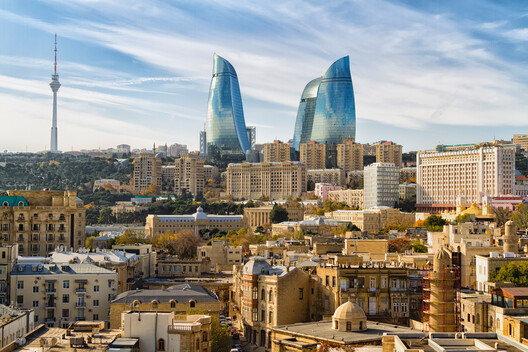
The broader program will also feature a series of Special Sessions addressing themes such as global housing coalitions, inclusive urban resilience, blue economies, sustainable tourism, healthy homes, circular economies, affordable housing investment, and climate adaptation. Other sessions will focus on cultural heritage and inclusive urban regeneration, examining how storytelling, public engagement, and preservation strategies can contribute to more equitable urban futures. These discussions aim to expand the forum's focus beyond housing alone, connecting architecture and urban development to questions of public health, environmental responsibility, economic systems, and social inclusion.
This year's edition will also introduce new formats intended to bridge policy discussions with applied urban practices and educational initiatives. The newly launched Practices Hub will showcase tested urban solutions, innovations, and case studies from cities and institutions around the world, while the WUF Academy will host learning sessions organized by universities, training institutes, and partner organizations. In parallel, the Urban Expo and Media Hub will provide spaces for exhibitions, live broadcasts, and research presentations, reflecting the forum's emphasis on knowledge exchange and interdisciplinary collaboration.
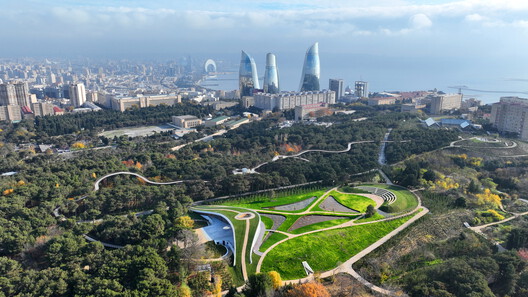
Alongside the main program, the International Union of Architects and UN-Habitat will announce the recipients of the third cycle of the UIA 2030 Award during WUF13 in Baku. Established in 2021, the biennial award recognizes built projects that contribute to the United Nations Sustainable Development Goals, with a particular focus on SDG11 and the New Urban Agenda. Earlier this year, the UIA and UN-Habitat released the Stage 1 results of the award cycle, revealing the Regional Finalists selected from submissions across the UIA's five global regions to advance to the second stage of evaluation. The 2026 edition will highlight projects addressing themes such as affordable housing, participatory planning, public space accessibility, climate resilience, water management, and socially responsive urban design, positioning architecture within broader discussions on sustainable urban development and global policy objectives.
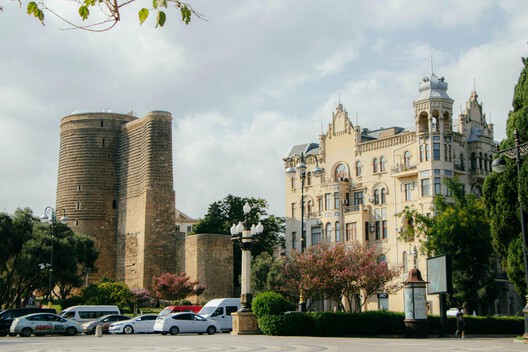
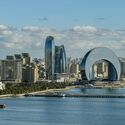
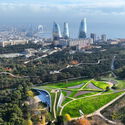
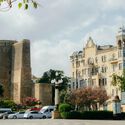
Coinciding with WUF13 in Baku, President Ilham Aliyev has declared 2026 the "Year of Urban Planning and Architecture" in Azerbaijan. The initiative highlights the country's ongoing focus on urban development, architectural culture, and sustainable planning strategies across both the capital and regional cities. In a city where the dense, enclosed logic of the historic core of Icherisheher contrasts with the more recent expansion of large-scale developments beyond its walls, the declaration also echoes Baku's layered urban condition, shaped by both continuity and moments of rapid change.