1. ArchDaily
  2. Tashkent

Tashkent: The Latest Architecture and News

Cultural Centers Beyond the Building: 6 Unbuilt Projects Integrating Landscape

Subscriber Access | 

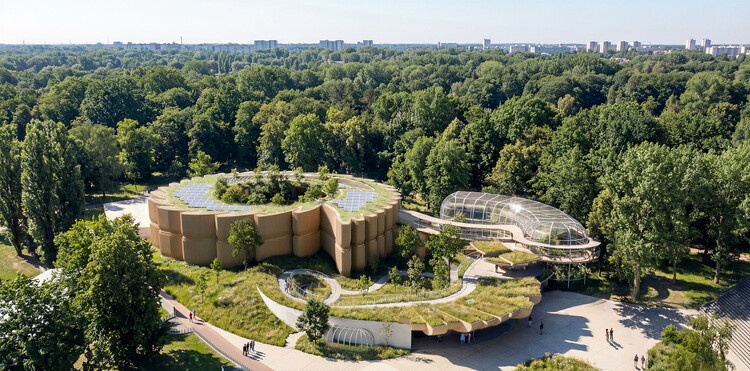
Cultural centers continue to serve as a productive ground for unbuilt architectural exploration, reflecting how architects are rethinking the role of public institutions in relation to landscape, experience, and program hybridity. In this Unbuilt edition, submitted by the ArchDaily community, the selected projects bring together a range of proposals that expand the definition of the cultural center beyond a singular building. These works position architecture as a spatial framework that mediates between research, exhibition, retreat, and public life, often embedded within or distributed across natural and urban contexts.

Across varied geographies, from northern Norway and Oslo to Łódź, Vienna, Marrakech, and New Tashkent, the projects demonstrate diverse responses to cultural infrastructure. They include landscape-integrated complexes shaped by topography and climate, bridges that combine gallery and public circulation, zoological pavilions structured as immersive sequences, adaptive reuse of military buildings into performance spaces, courtyard-based environments rooted in local traditions, and climate-responsive institutions informed by environmental analysis. Together, these proposals explore how cultural programs can be organized through movement, spatial layering, and relationships between interior and exterior conditions.

Cultural Centers Beyond the Building: 6 Unbuilt Projects Integrating Landscape - Image 13 of 4Cultural Centers Beyond the Building: 6 Unbuilt Projects Integrating Landscape - Image 10 of 4Cultural Centers Beyond the Building: 6 Unbuilt Projects Integrating Landscape - Image 7 of 4Cultural Centers Beyond the Building: 6 Unbuilt Projects Integrating Landscape - Image 26 of 4Cultural Centers Beyond the Building: 6 Unbuilt Projects Integrating Landscape - More Images+ 31

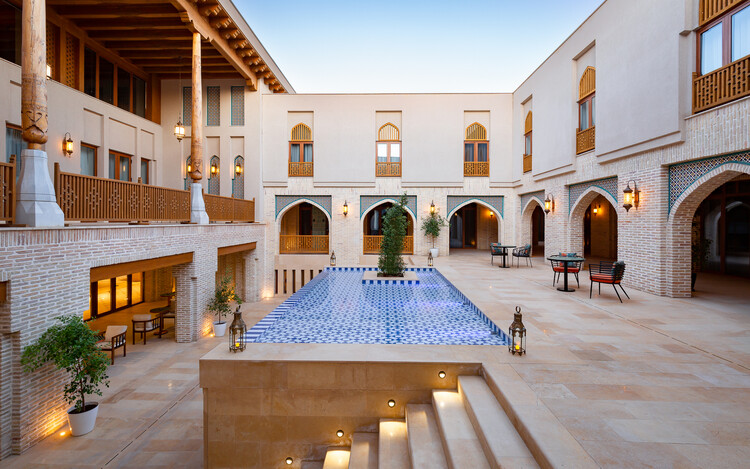
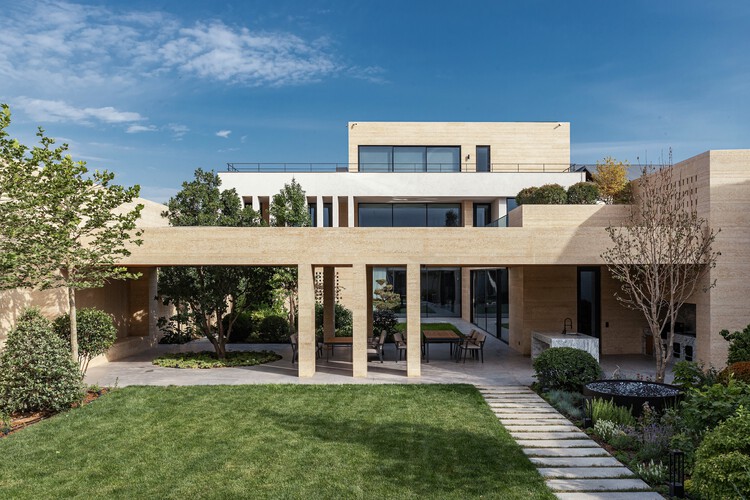
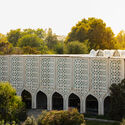
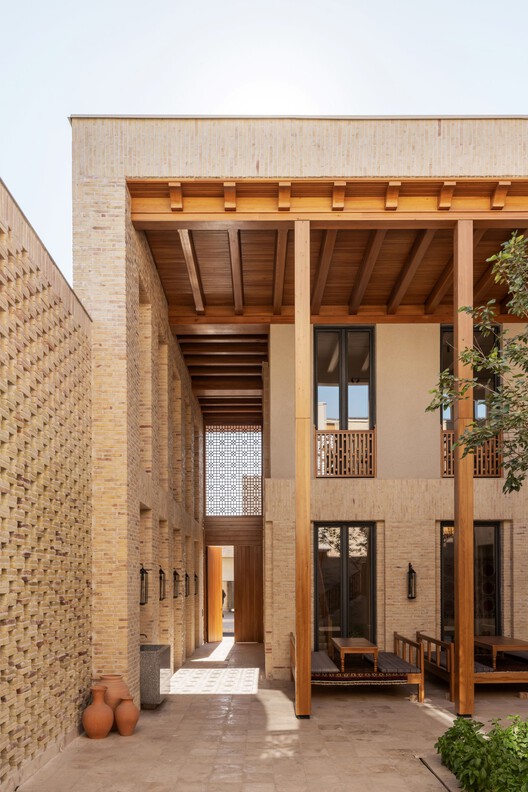
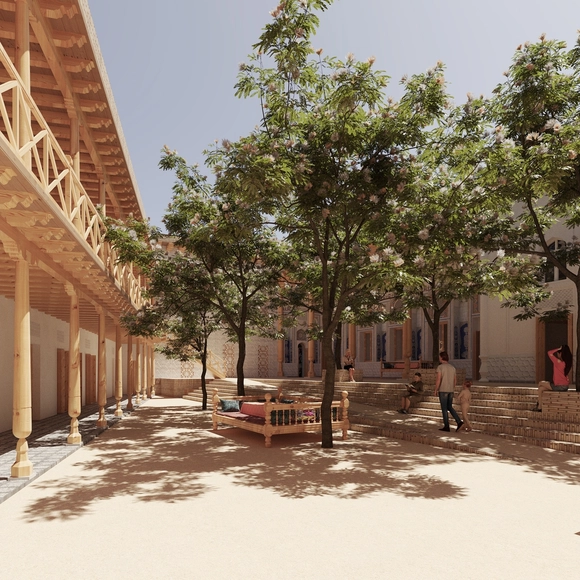
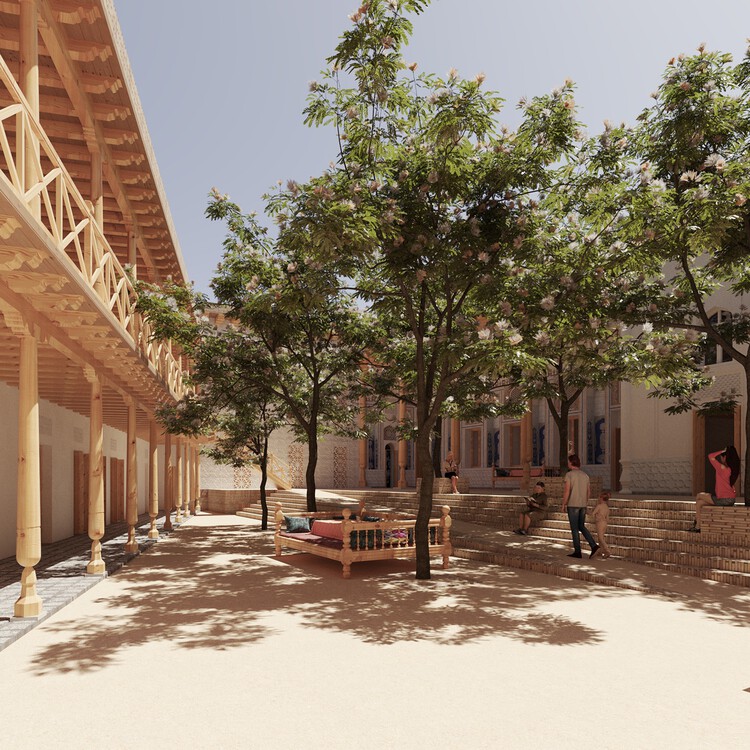
SUZANI by Madina Kasimbaeva Museum / ARC Architects

SUZANI by Madina Kasimbaeva Museum / ARC Architects - GallerySUZANI by Madina Kasimbaeva Museum / ARC Architects - Interior Photography, Gallery, BedroomSUZANI by Madina Kasimbaeva Museum / ARC Architects - Exterior Photography, GallerySUZANI by Madina Kasimbaeva Museum / ARC Architects - Exterior Photography, GallerySUZANI by Madina Kasimbaeva Museum / ARC Architects - More Images+ 49

  • Architects: ARC Architects
  • Area Area of this architecture project Area:  1200
  • Year Completion year of this architecture project Year:  2025
  • Professionals: aledo

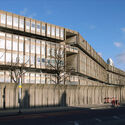
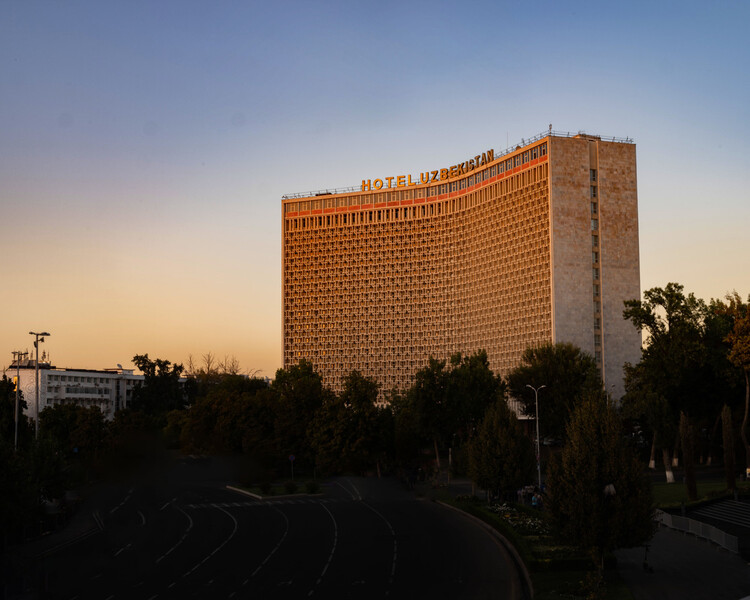
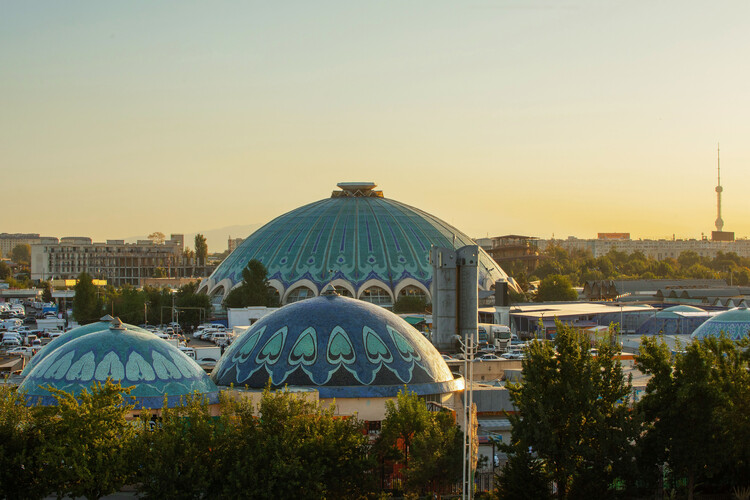
Tashkent Architecture City Guide: Ten Buildings of Soviet Hybrid Modernism

Situated along the historic Silk Road in Central Asia, Tashkent is a city with a long history spanning thousands of years. Its historic architecture is known for its courtyards, domes, and blue ceramics, typical of its Timurid heritage. The capital of Uzbekistan today, it was absorbed into the Russian Empire in the 19th century, before becoming a Soviet republic. While part of the Soviet Union, the city became an example of modernization, celebrating socialist achievements in Asia. A devastating earthquake in 1966 accelerated this modernization as the city was reconstructed, leading to many of the modernist monuments for which Tashkent is known today.

Tashkent Architecture City Guide: Ten Buildings of Soviet Hybrid Modernism - Image 1 of 4Tashkent Architecture City Guide: Ten Buildings of Soviet Hybrid Modernism - Image 2 of 4Tashkent Architecture City Guide: Ten Buildings of Soviet Hybrid Modernism - Image 3 of 4Tashkent Architecture City Guide: Ten Buildings of Soviet Hybrid Modernism - Image 4 of 4Tashkent Architecture City Guide: Ten Buildings of Soviet Hybrid Modernism - More Images+ 12

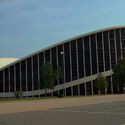
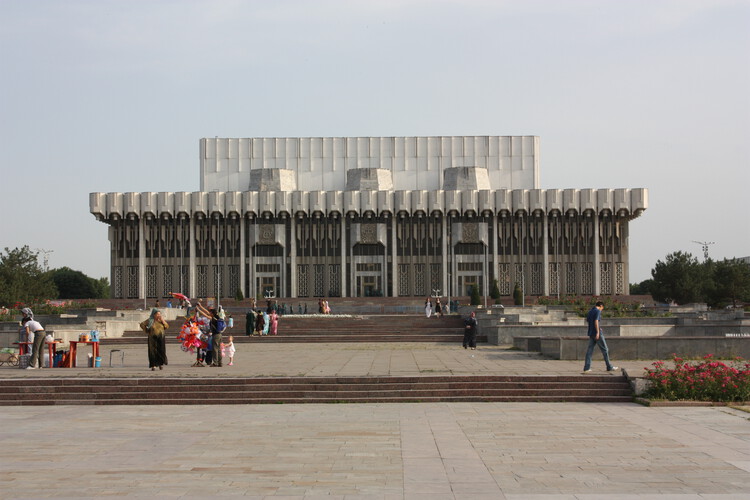
The Aesthetics of Power: Soviet Modernism Meets Uzbek Tradition in Tashkent’s Palace of Peoples’ Friendship

Subscriber Access | 

Tashkent, the capital of Uzbekistan and one of the oldest cities in Central Asia, has long been shaped by a hybrid culture. Located at a strategic point along the Silk Road, the city developed an architectural tradition defined by inner courtyards, domes, decorative ceramics, and Islamic geometric patterns. The annexation by the Russian Empire in the 19th century introduced administrative buildings, orthogonal squares, and straight avenues, creating a dual urban fabric — between the “old” Eastern city and the “new” European one — in which contrasts and overlaps became the norm.

During the Soviet period, when Tashkent became the capital of the Uzbek Soviet Socialist Republic and received intense migration from across the union, the city was transformed into a modernist showcase. The coexistence between Islamic heritage and the ideology of socialist progress found a new inflection point with the 1966 earthquake, whose destruction triggered a large-scale reconstruction effort involving architects from across the USSR. Massive housing complexes, cultural institutions, and monumental buildings emerged, reinterpreting local motifs through ideological and technological language. It was in this context that the Palace of Peoples’ Friendship took shape.

The Aesthetics of Power: Soviet Modernism Meets Uzbek Tradition in Tashkent’s Palace of Peoples’ Friendship - Image 1 of 4The Aesthetics of Power: Soviet Modernism Meets Uzbek Tradition in Tashkent’s Palace of Peoples’ Friendship - Image 2 of 4The Aesthetics of Power: Soviet Modernism Meets Uzbek Tradition in Tashkent’s Palace of Peoples’ Friendship - Image 3 of 4The Aesthetics of Power: Soviet Modernism Meets Uzbek Tradition in Tashkent’s Palace of Peoples’ Friendship - Image 4 of 4The Aesthetics of Power: Soviet Modernism Meets Uzbek Tradition in Tashkent’s Palace of Peoples’ Friendship - More Images+ 3

Lina Ghotmeh on Memory, Museums, and the Archaeology of the Future

Subscriber Access | 

Known today for her poetic yet rigorous approach to architecture, Lina Ghotmeh has become one of the most compelling voices in contemporary design. Her work spans continents, from the British Museum's Western Range redesign in London to AlUla's Contemporary Art Museum, and includes landmark commissions such as the Serpentine Pavilion in London, Stone Garden in Beirut, the Bahrain Pavilion at the 2025 Expo Osaka, and the Estonian National Museum in Tartu, Estonia which she won the competition to design at just 25. Through a palimpsest of projects, Ghotmeh has established a distinctive architectural language that bridges memory and contemporary life. Wherever she builds, her process captures a constant dialogue between people, place, past and future.

Lina Ghotmeh on Memory, Museums, and the Archaeology of the Future - Imagen 1 de 4Lina Ghotmeh on Memory, Museums, and the Archaeology of the Future - Imagen 2 de 4Lina Ghotmeh on Memory, Museums, and the Archaeology of the Future - Imagen 3 de 4Lina Ghotmeh on Memory, Museums, and the Archaeology of the Future - Imagen 4 de 4Lina Ghotmeh on Memory, Museums, and the Archaeology of the Future - More Images+ 7

Bridging Past and Future: Uzbekistan’s Expanding Cultural Landscape

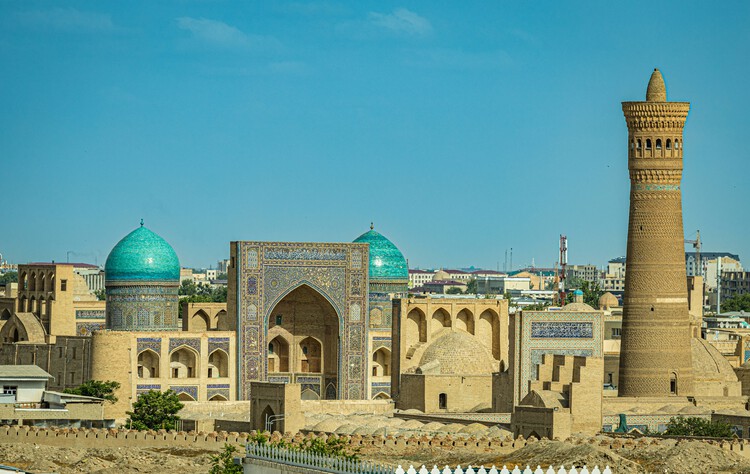
Uzbekistan's architectural and artistic heritage reflects a layered history shaped by centuries of cultural exchange along the Silk Road. From the monumental ensembles of Samarkand and Bukhara to the scientific and educational institutions of the Timurid era, architecture has long been a vessel of identity and knowledge across the region. In the twentieth century, Tashkent emerged as a new urban laboratory, where modernist ideals met local craft traditions and environmental pragmatism. The city's reconstruction following the 1966 earthquake became a defining moment, fusing Soviet urbanism with regional aesthetics to produce a distinctly Central Asian expression of modernity, one that translated cultural continuity into concrete, glass, and light.

Bridging Past and Future: Uzbekistan’s Expanding Cultural Landscape - Image 1 of 4Bridging Past and Future: Uzbekistan’s Expanding Cultural Landscape - Image 2 of 4Bridging Past and Future: Uzbekistan’s Expanding Cultural Landscape - Image 3 of 4Bridging Past and Future: Uzbekistan’s Expanding Cultural Landscape - Image 4 of 4Bridging Past and Future: Uzbekistan’s Expanding Cultural Landscape - More Images+ 4

Studio KO Transforms Industrial Landmark into Tashkent’s Centre for Contemporary Arts

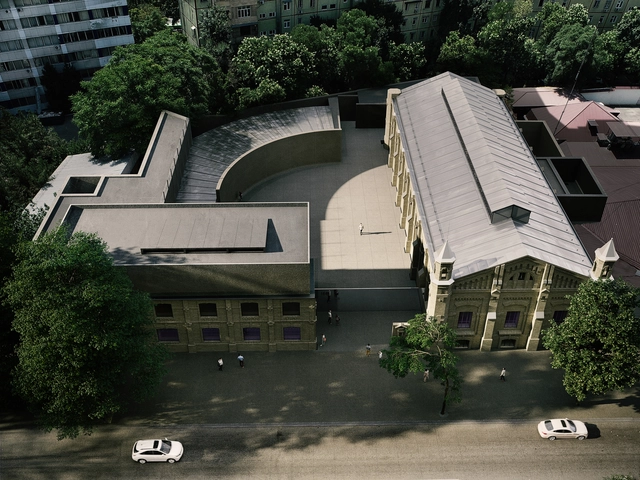
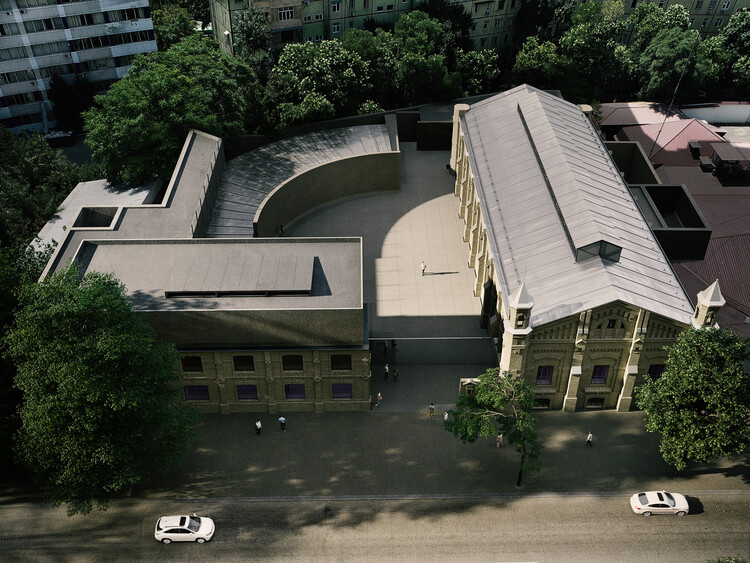
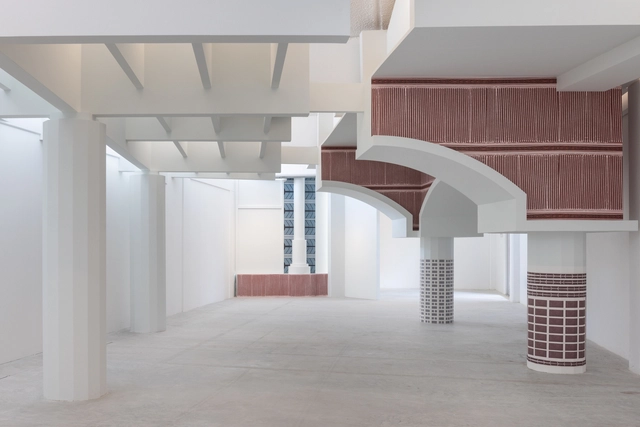
The Uzbekistan Art and Culture Development Foundation (ACDF) has announced the transformation of a 1912 industrial building in Tashkent into the Centre for Contemporary Arts (CCA), set to become the first permanent institution dedicated to contemporary art and research in Central Asia. Designed by the French architecture practice Studio KO, led by Karl Fournier and Olivier Marty, the project integrates preservation of the city's industrial heritage with a new cultural identity for the historic site. The building, originally designed by Wilhelm Heizelmann, known for the Treasury Chamber, was constructed as a diesel station and depot for Tashkent's first tram line. After decades of serving the city's electricity network, the structure was transferred to the Foundation in 2019 as part of Uzbekistan's long-term cultural development strategy. Under the leadership of Gayane Umerova, the project now represents a major step in shaping a contemporary cultural infrastructure for the region.

Studio KO Transforms Industrial Landmark into Tashkent’s Centre for Contemporary Arts - Image 1 of 4Studio KO Transforms Industrial Landmark into Tashkent’s Centre for Contemporary Arts - Image 2 of 4Studio KO Transforms Industrial Landmark into Tashkent’s Centre for Contemporary Arts - Image 3 of 4Studio KO Transforms Industrial Landmark into Tashkent’s Centre for Contemporary Arts - Image 4 of 4Studio KO Transforms Industrial Landmark into Tashkent’s Centre for Contemporary Arts - More Images+ 11

Tadao Ando’s National Museum of Uzbekistan Breaks Ground in Tashkent

The Uzbekistan Art and Culture Development Foundation (ACDF) has announced the groundbreaking of the National Museum of Uzbekistan, designed by Japanese architect Tadao Ando. Marking Ando's first major project in Central Asia, the museum is envisioned as both an architectural and cultural landmark in Tashkent. Planned to open in March 2028, the building reflects Ando's minimalist architectural language, integrating references to Uzbekistan's heritage with his characteristic use of geometry, natural light, and spatial clarity.

Tadao Ando’s National Museum of Uzbekistan Breaks Ground in Tashkent - Image 1 of 4Tadao Ando’s National Museum of Uzbekistan Breaks Ground in Tashkent - Image 2 of 4Tadao Ando’s National Museum of Uzbekistan Breaks Ground in Tashkent - Image 3 of 4Tadao Ando’s National Museum of Uzbekistan Breaks Ground in Tashkent - Image 4 of 4Tadao Ando’s National Museum of Uzbekistan Breaks Ground in Tashkent - More Images+ 12

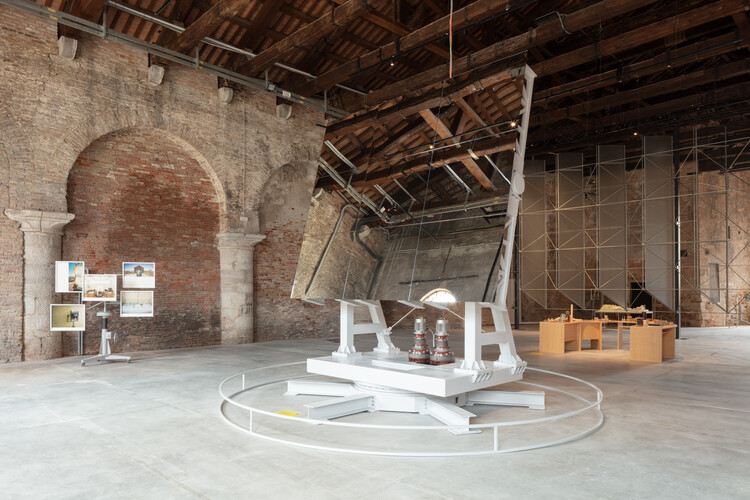
Uzbekistan’s 2025 Venice Biennale Pavilion Explores Soviet-Era Solar Furnace and Modernist Legacy

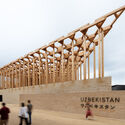
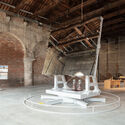
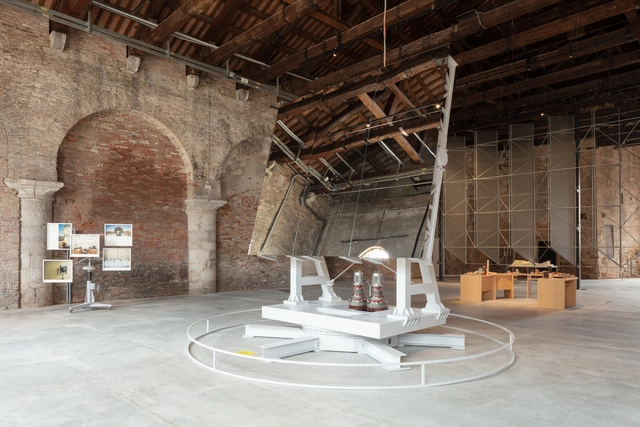
Uzbekistan's National Pavilion at the 19th International Architecture Exhibition- La Biennale di Venezia in 2025 presents "A Matter of Radiance." Curated by the architecture studio GRACE, led by Ekaterina Golovatyuk and Giacomo Cantoni, the exhibition explores Uzbekistan's modernist architectural legacy in response to the Biennale's overarching theme, "Intelligens. Natural. Artificial. Collective."

Uzbekistan’s 2025 Venice Biennale Pavilion Explores Soviet-Era Solar Furnace and Modernist Legacy - Image 1 of 4Uzbekistan’s 2025 Venice Biennale Pavilion Explores Soviet-Era Solar Furnace and Modernist Legacy - Image 2 of 4Uzbekistan’s 2025 Venice Biennale Pavilion Explores Soviet-Era Solar Furnace and Modernist Legacy - Image 3 of 4Uzbekistan’s 2025 Venice Biennale Pavilion Explores Soviet-Era Solar Furnace and Modernist Legacy - Image 4 of 4Uzbekistan’s 2025 Venice Biennale Pavilion Explores Soviet-Era Solar Furnace and Modernist Legacy - More Images+ 17

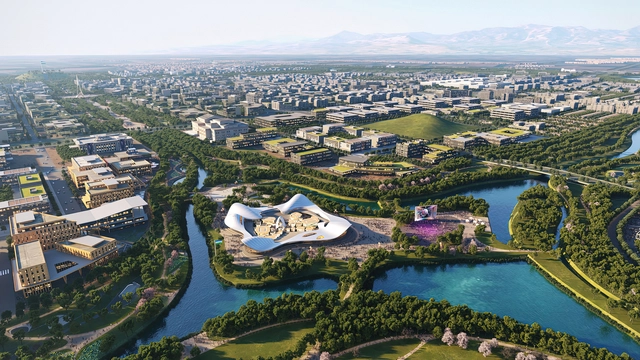
Cross Works Unveils Masterplan for New Tashkent Expansion in Uzbekistan

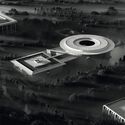
Cross Works just unveiled the plans for New Tashkent, a large-scale expansion of Uzbekistan's capital, Tashkent. The project covers 25,000 hectares to the east of the existing city, located between the Chirchiq and Karasu Rivers. Designed to accommodate an estimated 2.5 million people in the coming decades, the development aims to address population growth in a sustainable manner. The initiative follows an international design competition held in early 2023, which was won by London-based design and technology firm Cross Works. Following their selection, the firm has taken the lead on masterplanning, digital twin development, and coordination of a multidisciplinary team.

Cross Works Unveils Masterplan for New Tashkent Expansion in Uzbekistan - Image 1 of 4Cross Works Unveils Masterplan for New Tashkent Expansion in Uzbekistan - Image 2 of 4Cross Works Unveils Masterplan for New Tashkent Expansion in Uzbekistan - Image 3 of 4Cross Works Unveils Masterplan for New Tashkent Expansion in Uzbekistan - Image 4 of 4Cross Works Unveils Masterplan for New Tashkent Expansion in Uzbekistan - More Images+ 11

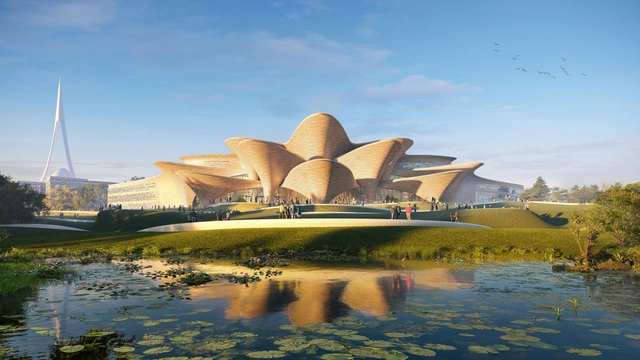
Zaha Hadid Architects Reveals Design for New Scientific Research Centre in Tashkent, Uzbekistan

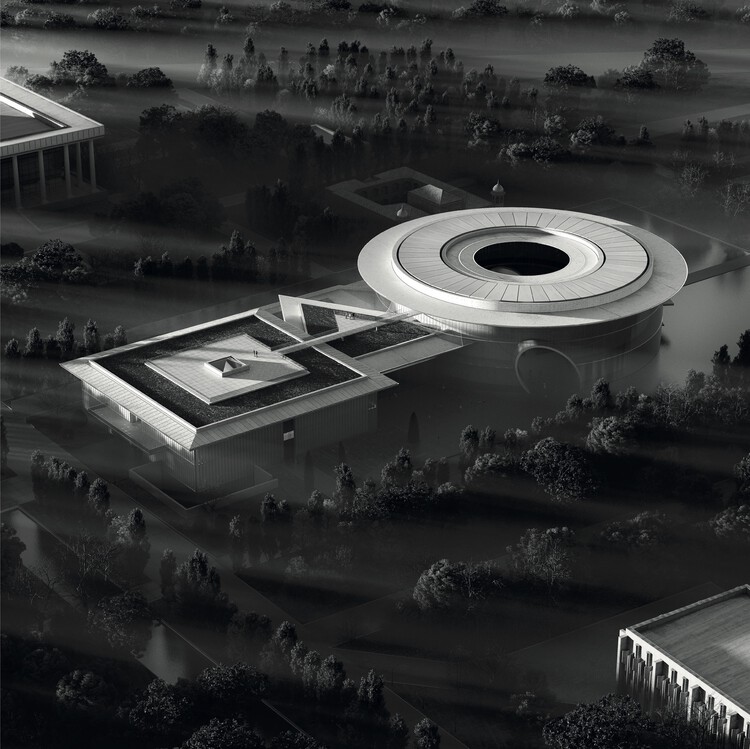
Zaha Hadid Architects (ZHA) has been announced as the architect of the Alisher Navoi International Scientific Research Centre, an expansive cultural and educational facility taking shape in New Tashkent, Uzbekistan. The center is set to incorporate the Navoi State Museum of Literature, along with a 400-seat auditorium and an International Research Center and residential school dedicated to training 200 students in the Uzbek language, literature, and music.

Zaha Hadid Architects Reveals Design for New Scientific Research Centre in Tashkent, Uzbekistan - Image 1 of 4Zaha Hadid Architects Reveals Design for New Scientific Research Centre in Tashkent, Uzbekistan - Image 2 of 4Zaha Hadid Architects Reveals Design for New Scientific Research Centre in Tashkent, Uzbekistan - Image 3 of 4Zaha Hadid Architects Reveals Design for New Scientific Research Centre in Tashkent, Uzbekistan - Image 4 of 4Zaha Hadid Architects Reveals Design for New Scientific Research Centre in Tashkent, Uzbekistan - More Images+ 8

Highlights from the Sharjah Triennial: 10 Installations Exploring the Beauty of Impermanence

Subscriber Access | 

Running from November 11, 2023 until March 10, 2024, The Sharjah Architecture Triennial celebrates innovations in the built environment, particularly in the global south. The main goal of the display is to draw attention to sustainable, accessible, and equitable futures while highlighting the value of alternative responses to resource constraints. As the event draws to a close, ArchDaily explores 10 architectural installations that respond to the overarching theme through various mediums.

Curated by Tosin Oshinowo under the theme “The beauty of Impermanence: An Architecture of Adaptability,” the triennial has contributions from 29 architects and studios across 25 countries. From 51-1 Arquitectos transforming an unapproachable place into a dynamic play space featuring popular board games from various regions to Al Borde redefining a space with a custom-designed shading structure made with natural materials, the Sharjah Architecture Triennial presents a diverse array of architectural interventions. WaiWai's showcase spotlights three instances of modern architecture in Tashkent, Uzbekistan, highlighting their significant evolution. DAAR's "Concrete Tent" combines elements of a mobile tent and concrete house, exploring the concept of "permanent temporariness.” These installations offer innovative perspectives on adaptability, sustainability, and cultural significance within the architectural landscape.

 Highlights from the Sharjah Triennial: 10 Installations Exploring the Beauty of Impermanence  - Image 1 of 4 Highlights from the Sharjah Triennial: 10 Installations Exploring the Beauty of Impermanence  - Image 2 of 4 Highlights from the Sharjah Triennial: 10 Installations Exploring the Beauty of Impermanence  - Image 3 of 4 Highlights from the Sharjah Triennial: 10 Installations Exploring the Beauty of Impermanence  - Image 4 of 4 Highlights from the Sharjah Triennial: 10 Installations Exploring the Beauty of Impermanence  - More Images+ 7

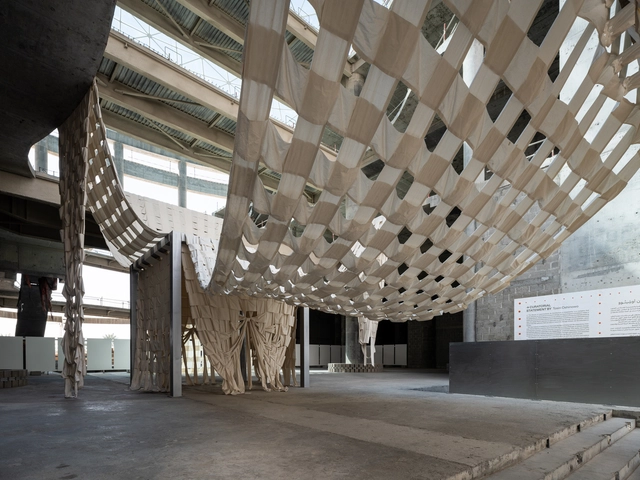
Waiwai Presents "Tashkhent: Appropriating Modernism" at Sharjah Triennial 2023

The Uzbekistan Art and Culture Development Foundation and Wael Al Awar have jointly unveiled “Tashkent: Appropriating Modernism” at the Sharjah Architecture Triennial. The showcase spotlights three essential instances of modern architecture in Tashkent, Uzbekistan. Crafted by Wael Al Awar, founder and principal architect of waiwai, the initiative presents the three case studies and their significant evolution.

Waiwai Presents "Tashkhent: Appropriating Modernism" at Sharjah Triennial 2023 - Image 1 of 4Waiwai Presents "Tashkhent: Appropriating Modernism" at Sharjah Triennial 2023 - Image 2 of 4Waiwai Presents "Tashkhent: Appropriating Modernism" at Sharjah Triennial 2023 - Image 3 of 4Waiwai Presents "Tashkhent: Appropriating Modernism" at Sharjah Triennial 2023 - Image 4 of 4Waiwai Presents Tashkhent: Appropriating Modernism at Sharjah Triennial 2023 - More Images+ 4

The Beauty of Impermanence: Exploring Adaptive Architecture from the Global South at the 2023 Sharjah Architecture Triennial

Subscriber Access | 

Inaugurated on November 11, 2023, and running until March 10, 2024, the Sharjah Architecture Triennial serves as a metaphor drawing attention to the design and technological innovations within the built environment, particularly in the global south. The exhibition features contributions from 29 architects and studios spanning 25 countries. Building upon Venice's global platform for experimentation at the 18th International Architecture Exhibition, the 2023 Triennial embarks on a similar journey, creating space for voices and discussions often overlooked in global exhibitions and unveiling elements that have long existed but remained unseen. With a keen awareness of the global south, but also of the global north, and an understanding of the polarities between them, as articulated by curator Tosin Oshinowo, this second edition of the exhibition focuses on "The Beauty of Impermanence: An Architecture of Adaptability."

Celebrating everything that exists, especially in the global south where places thrive amidst scarcity, the triennial adopts an optimistic approach, drawing lessons from current situations and revealing the value and sophistication of alternative responses that have emerged due to resource constraints. “We're able to celebrate them. We're able to learn from them”, adds the curator. The triennial aims to comprehend a more sustainable, accessible, and equitable future—a collective effort to address the challenges of climate change, explore the built environment, and embrace under-celebrated regional traditions. Highlighting solutions that have endured the course of time and others responding to contemporary difficulties, "The Beauty of Impermanence" emphasizes the necessity of nuanced hybridity essential for our urbanized world.

The Beauty of Impermanence: Exploring Adaptive Architecture from the Global South at the 2023 Sharjah Architecture Triennial - Image 1 of 4The Beauty of Impermanence: Exploring Adaptive Architecture from the Global South at the 2023 Sharjah Architecture Triennial - Image 2 of 4The Beauty of Impermanence: Exploring Adaptive Architecture from the Global South at the 2023 Sharjah Architecture Triennial - Image 3 of 4The Beauty of Impermanence: Exploring Adaptive Architecture from the Global South at the 2023 Sharjah Architecture Triennial - Image 4 of 4The Beauty of Impermanence: Exploring Adaptive Architecture from the Global South at the 2023 Sharjah Architecture Triennial - More Images+ 14

GAD Presents New Tashkent City Masterplan Focused on Accessibility and Collaboration

Global Architecture Development (GAD) has presented the New Tashkent City master plan, shortlisted in the Master planning category at the World Architecture Festival (WAF) 2023. This comprehensive vision hopes to propel Tashkent, Uzbekistan, into a new development phase through their design strategies. The New Tashkent City master plan attempts to carefully examine critical aspects of traditional city planning, setting up lasting development goals for the design. In fact, it includes efforts to strengthen infrastructure, support economic growth, improve community involvement, and enhance environmental services. Overall, the design hopes to raise the city’s overall livability.

GAD Presents New Tashkent City Masterplan Focused on Accessibility and Collaboration - Image 1 of 4GAD Presents New Tashkent City Masterplan Focused on Accessibility and Collaboration - Image 2 of 4GAD Presents New Tashkent City Masterplan Focused on Accessibility and Collaboration - Image 3 of 4GAD Presents New Tashkent City Masterplan Focused on Accessibility and Collaboration - Image 4 of 4GAD Presents New Tashkent City Masterplan Focused on Accessibility and Collaboration - More Images+ 10

Tashkent Modernism XX/XXI: A Research and Preservation Project for Uzbekistan's Architectural Heritage

Subscriber Access | 

Tashkent, the capital city of Uzbekistan, stands as one of the most populous cities in Central Asia. Situated in the northeastern part of the country, near the border with Kazakhstan, Tashkent has been profoundly shaped and influenced by diverse cultures throughout its history. The most significant transformation of its urban landscape occurred during the Soviet era when the city was rebuilt as a model Soviet city, following the 1966 earthquake that caused substantial damage. During this reconstruction, architects from various regions of the Soviet Union collaborated with local experts, resulting in a unique form of architectural modernism that harmoniously integrated elements of Islamic architecture, indigenous creativity, and cutting-edge engineering achievements of that era. At that time, Tashkent held the esteemed status of a prominent international city in the East.

In an effort to preserve the modernist architecture and heritage in the Uzbek capital, while raising awareness of its importance, the Uzbekistan Art and Culture Development Foundation (ACDF) has announced its inaugural conference, "Where in the World Is Tashkent", scheduled to take place on October 18-19, 2023, as part of the Tashkent Modernism XX/XXI research and preservation project. The project was initiated and commissioned by ACDF and coordinated by Grace, a Milan-based architecture studio.

Tashkent Modernism XX/XXI: A Research and Preservation Project for Uzbekistan's Architectural Heritage - Image 2 of 4Tashkent Modernism XX/XXI: A Research and Preservation Project for Uzbekistan's Architectural Heritage - Image 6 of 4Tashkent Modernism XX/XXI: A Research and Preservation Project for Uzbekistan's Architectural Heritage - Image 10 of 4Tashkent Modernism XX/XXI: A Research and Preservation Project for Uzbekistan's Architectural Heritage - Image 4 of 4Tashkent Modernism XX/XXI: A Research and Preservation Project for Uzbekistan's Architectural Heritage - More Images+ 10

A Floating Neighborhood in Florida and a Reimagined Industrial Heritage Site in India: 8 Unbuilt Urban Projects Submitted by the ArchDaily Community

Subscriber Access | 

Master plans, or large-scale urban planning projects, are one of the main tools for shaping and structuring land use and development to ensure that the built environment is coherent and functional. The interventions vary in scope and approach. While some projects are extending the buildable area by creating floating neighborhoods off the coast of Florida, others are reusing the existing spaces and heritage to reimagine the future of their communities.

This week's curated selection of Best Unbuilt Architecture highlights large-scale urban design projects submitted by the ArchDaily community Offices such as Aedas, LDA Design, Proctor & Matthews Architects, WTA Architecture + Design Studio are showcasing designs that create or reimagine entire neighborhoods, whether on land or on water, in cities all over the world, from Ukraine to Malawi, India or the Philippines.

A Floating Neighborhood in Florida and a Reimagined Industrial Heritage Site in India: 8 Unbuilt Urban Projects Submitted by the ArchDaily Community - Image 14 of 4A Floating Neighborhood in Florida and a Reimagined Industrial Heritage Site in India: 8 Unbuilt Urban Projects Submitted by the ArchDaily Community - Image 16 of 4A Floating Neighborhood in Florida and a Reimagined Industrial Heritage Site in India: 8 Unbuilt Urban Projects Submitted by the ArchDaily Community - Image 9 of 4A Floating Neighborhood in Florida and a Reimagined Industrial Heritage Site in India: 8 Unbuilt Urban Projects Submitted by the ArchDaily Community - Image 32 of 4A Floating Neighborhood in Florida and a Reimagined Industrial Heritage Site in India: 8 Unbuilt Urban Projects Submitted by the ArchDaily Community - More Images+ 62

Studio KO Selected as Curator of the Uzbekistan National Pavilion at the 2023 Venice Biennale

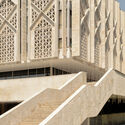
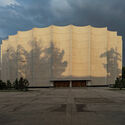
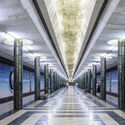
Studio KO as the curator of the Uzbekistan National Pavilion at the 18th Venice Architecture Biennale. Uzbekistan’s response to this year’s overarching theme, Laboratory of the Future, is an exhibition titled “Unbuild Together.” It aims to bring into focus the country’s rich architectural heritage as a potential tool and inspiration for developing a more sustainable future. The curatorial team will include Karl Fournier, Olivier Marty, Jean-Baptiste Carisé, and Sophia Bengebara.
Studio KO Selected as Curator of the Uzbekistan National Pavilion at the 2023 Venice Biennale - Image 1 of 4Studio KO Selected as Curator of the Uzbekistan National Pavilion at the 2023 Venice Biennale - Image 2 of 4Studio KO Selected as Curator of the Uzbekistan National Pavilion at the 2023 Venice Biennale - Image 3 of 4Studio KO Selected as Curator of the Uzbekistan National Pavilion at the 2023 Venice Biennale - Image 4 of 4Studio KO Selected as Curator of the Uzbekistan National Pavilion at the 2023 Venice Biennale - More Images+ 16