1. ArchDaily
  2. Vienna

Vienna: The Latest Architecture and News

Cultural Centers Beyond the Building: 6 Unbuilt Projects Integrating Landscape

Subscriber Access | 

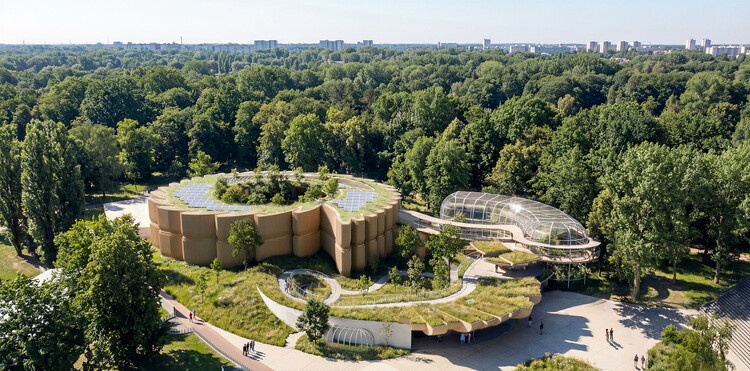
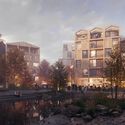
Cultural centers continue to serve as a productive ground for unbuilt architectural exploration, reflecting how architects are rethinking the role of public institutions in relation to landscape, experience, and program hybridity. In this Unbuilt edition, submitted by the ArchDaily community, the selected projects bring together a range of proposals that expand the definition of the cultural center beyond a singular building. These works position architecture as a spatial framework that mediates between research, exhibition, retreat, and public life, often embedded within or distributed across natural and urban contexts.

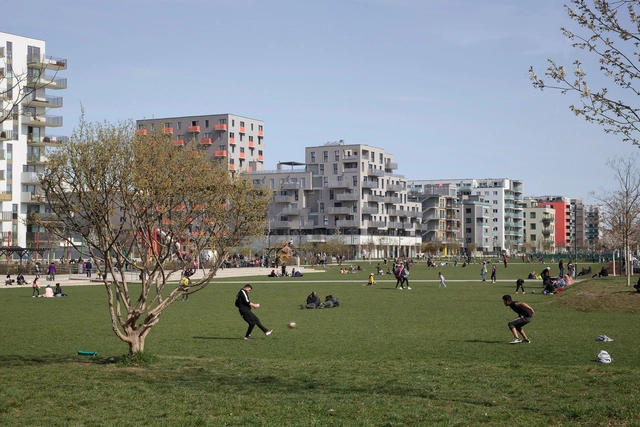
Across varied geographies, from northern Norway and Oslo to Łódź, Vienna, Marrakech, and New Tashkent, the projects demonstrate diverse responses to cultural infrastructure. They include landscape-integrated complexes shaped by topography and climate, bridges that combine gallery and public circulation, zoological pavilions structured as immersive sequences, adaptive reuse of military buildings into performance spaces, courtyard-based environments rooted in local traditions, and climate-responsive institutions informed by environmental analysis. Together, these proposals explore how cultural programs can be organized through movement, spatial layering, and relationships between interior and exterior conditions.

Cultural Centers Beyond the Building: 6 Unbuilt Projects Integrating Landscape - Image 13 of 4Cultural Centers Beyond the Building: 6 Unbuilt Projects Integrating Landscape - Image 10 of 4Cultural Centers Beyond the Building: 6 Unbuilt Projects Integrating Landscape - Image 7 of 4Cultural Centers Beyond the Building: 6 Unbuilt Projects Integrating Landscape - Image 26 of 4Cultural Centers Beyond the Building: 6 Unbuilt Projects Integrating Landscape - More Images+ 31

Wohnpark Alterlaa: Vienna’s Monumental Vision for Everyday Life

Subscriber Access | 

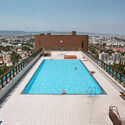
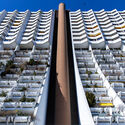
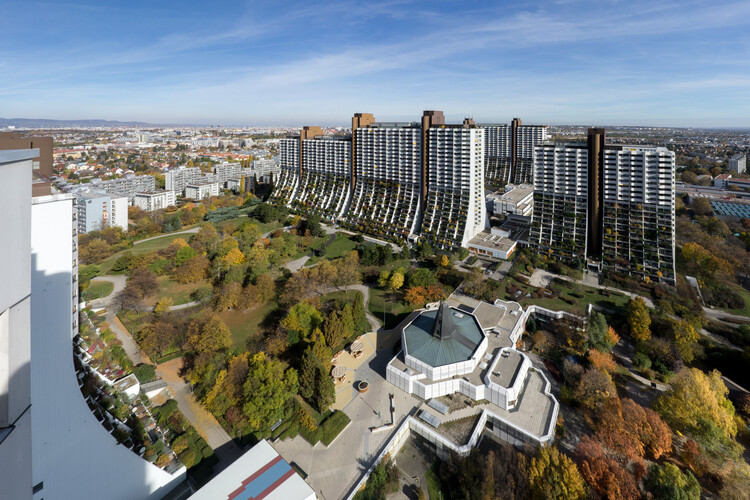
On the southern edge of Vienna, a cluster of monumental terraces rises above the cityscape, their stepped balconies cascading with greenery and their rooftops crowned with swimming pools. This is the Wohnpark Alterlaa, one of the most ambitious social housing projects in postwar Europe. Designed by Austrian architect Harry Glück and built between 1973 and 1985, the complex was founded on a provocative principle: municipal housing should not only provide affordable shelter but also offer the pleasures and amenities usually reserved for the wealthy.

With more than 3,000 apartments housing nearly 9,000 residents, Alterlaa was conceived as a city within the city. Alongside its residential towers, it incorporates shops, schools, medical services, and cultural facilities, ensuring that daily life can unfold entirely within its boundaries. The project reflects a moment of optimism in Vienna's urban policy, when housing was understood as infrastructure for collective well-being rather than as a commodity.

Wohnpark Alterlaa: Vienna’s Monumental Vision for Everyday Life - Image 1 of 4Wohnpark Alterlaa: Vienna’s Monumental Vision for Everyday Life - Image 2 of 4Wohnpark Alterlaa: Vienna’s Monumental Vision for Everyday Life - Image 3 of 4Wohnpark Alterlaa: Vienna’s Monumental Vision for Everyday Life - Image 4 of 4Wohnpark Alterlaa: Vienna’s Monumental Vision for Everyday Life - More Images+ 28

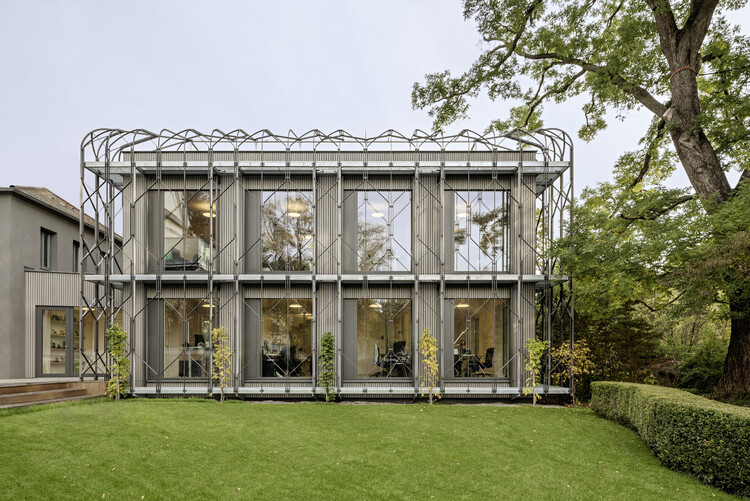
Terra Mater Factual Studios / Berger Parkkinen + Architects

Terra Mater Factual Studios / Berger Parkkinen + Architects - Office BuildingsTerra Mater Factual Studios / Berger Parkkinen + Architects - Exterior Photography, Office Buildings, Balcony, Handrail, StairsTerra Mater Factual Studios / Berger Parkkinen + Architects - Interior Photography, Office BuildingsTerra Mater Factual Studios / Berger Parkkinen + Architects - Office BuildingsTerra Mater Factual Studios / Berger Parkkinen + Architects - More Images+ 19

Helmut Swiczinsky, Co-Founder of the Coop Himmelb(L)AU, Passes Away at 81

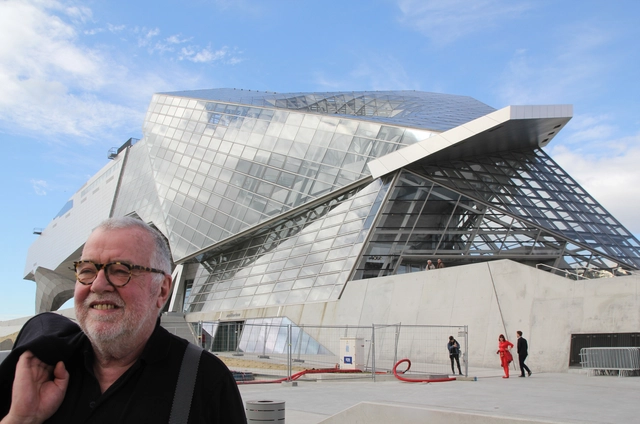
Helmut Swiczinsky, co-founder of the Viennese architecture collective Coop Himmelb(l)au and a key figure in experimental and deconstructivist architecture, passed away on July 29, 2025, at the age of 81. Born in 1944 in Poznań, Poland, he studied architecture at the Vienna University of Technology and the Architectural Association in London.

In 1968, Swiczinsky co-founded Coop Himmelb(l)au alongside Wolf D. Prix and Michael Holzer. The studio quickly gained international recognition for its radical design approach, defined by fragmented geometries, exposed structural systems, and spatial complexity. After Holzer's departure in 1971, Swiczinsky and Prix continued to lead the practice through the 1980s and 1990s, establishing it as one of the most prominent voices of the deconstructivist movement.

Helmut Swiczinsky, Co-Founder of the Coop Himmelb(L)AU, Passes Away at 81 - Image 1 of 4Helmut Swiczinsky, Co-Founder of the Coop Himmelb(L)AU, Passes Away at 81 - Image 2 of 4Helmut Swiczinsky, Co-Founder of the Coop Himmelb(L)AU, Passes Away at 81 - Image 3 of 4Helmut Swiczinsky, Co-Founder of the Coop Himmelb(L)AU, Passes Away at 81 - Image 4 of 4Helmut Swiczinsky, Co-Founder of the Coop Himmelb(L)AU, Passes Away at 81 - More Images

World’s Most Liveable Cities in 2025: Discover the Cities With the Top Quality of Life

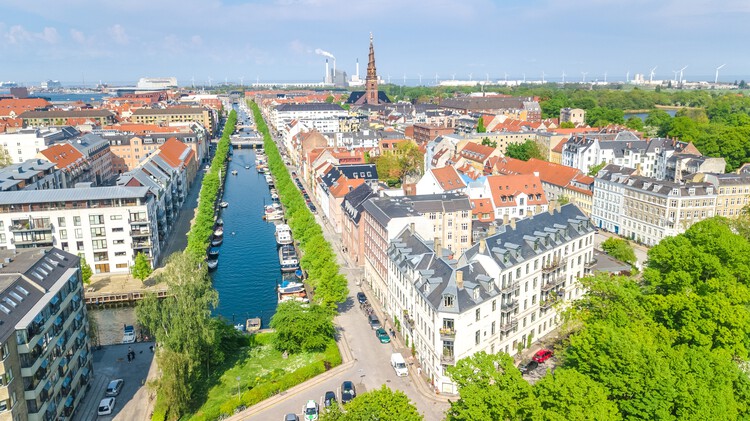
The Economist Intelligence Unit (EIU) has released its Global Liveability Index for 2025, assessing 173 cities worldwide across five categories: stability, healthcare, culture and environment, education, and infrastructure. This year, Copenhagen has taken the top position, ending Vienna's three-year run as the world's most liveable city. The Danish capital earned high scores in stability, education, and infrastructure, narrowly surpassing Vienna, which saw a decline in its stability rating following recent security incidents. The average global liveability score for 2025 remains steady at 76.1 out of 100, unchanged from 2024. While year-on-year improvements were recorded in healthcare, education, and infrastructure, these were offset by a continued decline in stability, driven by rising geopolitical tensions, civil unrest, and increased security threats in several regions.

World’s Most Liveable Cities in 2025: Discover the Cities With the Top Quality of Life - Image 1 of 4World’s Most Liveable Cities in 2025: Discover the Cities With the Top Quality of Life - Image 2 of 4World’s Most Liveable Cities in 2025: Discover the Cities With the Top Quality of Life - Image 3 of 4World’s Most Liveable Cities in 2025: Discover the Cities With the Top Quality of Life - Image 4 of 4World’s Most Liveable Cities in 2025: Discover the Cities With the Top Quality of Life - More Images+ 7

Quartiershaus am Stadtbalkon / feld72

Quartiershaus am Stadtbalkon / feld72 - Exterior Photography, Buildings, BalconyQuartiershaus am Stadtbalkon / feld72 - Interior Photography, Buildings, Kitchen, Stairs, ChairQuartiershaus am Stadtbalkon / feld72 - Interior Photography, Buildings, Kitchen, Lighting, Chair, CountertopQuartiershaus am Stadtbalkon / feld72 - Interior Photography, Buildings, BalconyQuartiershaus am Stadtbalkon / feld72 - More Images+ 6

Renovation of 1960s Apartment / Studio Jakob Sellaoui

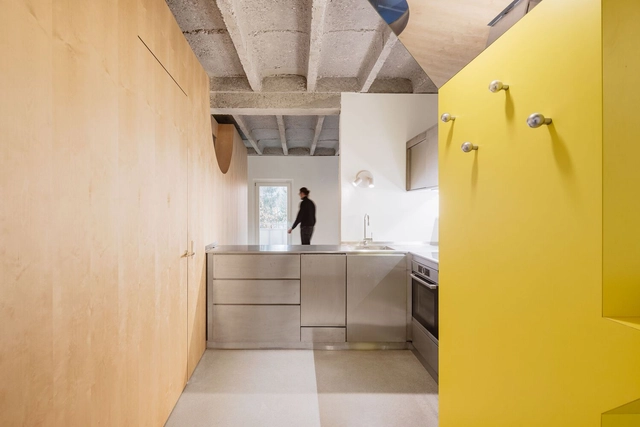
Renovation of  1960s Apartment / Studio Jakob Sellaoui - Apartment InteriorsRenovation of  1960s Apartment / Studio Jakob Sellaoui - Apartment InteriorsRenovation of  1960s Apartment / Studio Jakob Sellaoui - Apartment InteriorsRenovation of  1960s Apartment / Studio Jakob Sellaoui - Apartment InteriorsRenovation of  1960s Apartment / Studio Jakob Sellaoui - More Images+ 21

BWM Architects Explores Musical Heritage For Austria Pavilion at Expo Osaka 2025

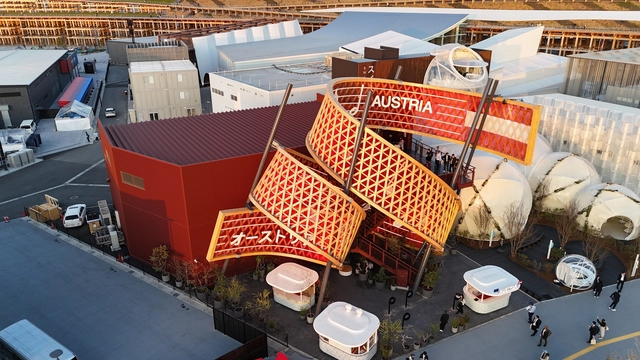
BWM Designers & Architects has just completed the design for the Austrian Pavilion at Expo Osaka 2025. Titled "Austria. Composing the Future," the pavilion reimagines the expo's theme, "Designing Future Society for Our Lives," through a music lens, suggesting a future that is not only designed but also composed. In collaboration with facts and fiction, the pavilion and exhibition embark on a journey through Austria's musical heritage and witness its transition into the future. The 900 square meters pavilion is located between the pavilions of Switzerland and Ukraine in the section "Empowering Lives."

BWM Architects Explores Musical Heritage For Austria Pavilion at Expo Osaka 2025 - Image 1 of 4BWM Architects Explores Musical Heritage For Austria Pavilion at Expo Osaka 2025 - Image 2 of 4BWM Architects Explores Musical Heritage For Austria Pavilion at Expo Osaka 2025 - Image 3 of 4BWM Architects Explores Musical Heritage For Austria Pavilion at Expo Osaka 2025 - Image 4 of 4BWM Architects Explores Musical Heritage For Austria Pavilion at Expo Osaka 2025 - More Images+ 7

Urban Green Island / OpenFields

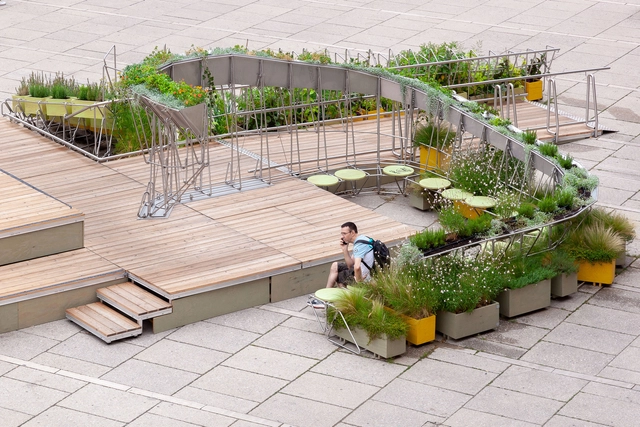
Urban Green Island / OpenFields - Exterior Photography, Installations & Structures, StairsUrban Green Island / OpenFields - Installations & StructuresUrban Green Island / OpenFields - Exterior Photography, Installations & Structures, BenchUrban Green Island / OpenFields - Installations & StructuresUrban Green Island / OpenFields - More Images+ 15

The Austrian Pavilion at the 2025 Venice Architecture Biennale to Focus on Migration and Affordable Housing

What defines good housing and a good living environment? What political framework is needed to create them? How can we design socially equitable, affordable housing? And what strategies lead to the best results? These are the questions guiding Lorenzo Romito, Sabine Pollak, and Michael Obrist's proposal for the Austrian Pavilion at the Venice Architecture Biennale 2025. The building, designed by Josef Hoffmann and inaugurated in 1934, will become an interactive space with the opening of the "Agency for Better Living", an exhibition dedicated to exploring the new political dimension of the fundamental right to housing. The proposal takes as its starting point a comparison of social housing models in Vienna and Rome, creating a space for sharing ideas on better living for all.

The Austrian Pavilion at the 2025 Venice Architecture Biennale to Focus on Migration and Affordable Housing - Image 1 of 4The Austrian Pavilion at the 2025 Venice Architecture Biennale to Focus on Migration and Affordable Housing - Image 2 of 4The Austrian Pavilion at the 2025 Venice Architecture Biennale to Focus on Migration and Affordable Housing - Image 3 of 4The Austrian Pavilion at the 2025 Venice Architecture Biennale to Focus on Migration and Affordable Housing - Image 4 of 4The Austrian Pavilion at the 2025 Venice Architecture Biennale to Focus on Migration and Affordable Housing - More Images

The Most Liveable Cities in the World in 2024: Discover Top Quality of Life Locations Globally

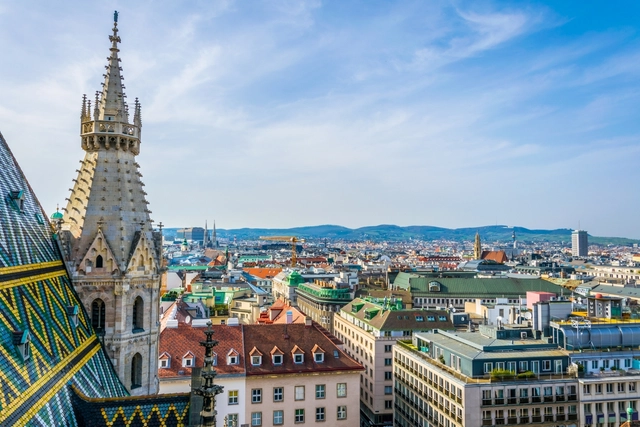
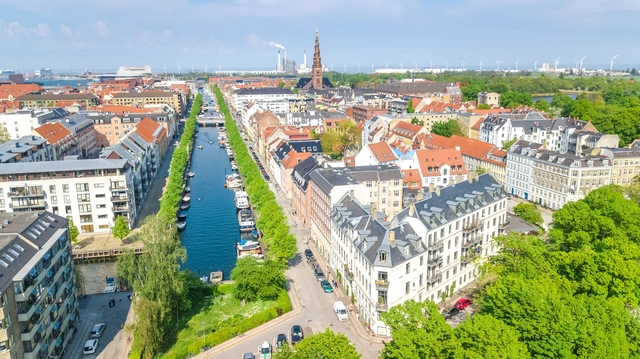
The pursuit of an ideal city has long been a topic of debate among architects and urban planners. In addition to aesthetic identity and cultural heritage, the quality of life in every city represents perhaps the most important marker in this pursuit. This year, the Economist Intelligence Unit (EIU), a sister company of The Economist, has released its Global Liveability Index 2024, highlighting the cities that excel in this ongoing quest. For the third consecutive year, Vienna ranked as the most liveable city in the world. European cities Copenhagen, Zurich, and Geneva also rank high, attributed to their smaller populations, which contribute to lower crime rates and less congestion. In comparison with the 2023 ranking, the numbers for North American and Australian cities have been dragged down by the ongoing housing crisis.

The assessment ranks 173 cities from around the world. Each city is scored based on 30 qualitative and quantitative factors evaluating 5 categories: stability, healthcare, culture and environment, education, and infrastructure. The scores are based on external data points, in-house analysts, and in-city contributors. The category of stability has registered the biggest decline, as protests and armed conflicts increased in incidence. At the bottom of the cist, the city of Damascus, Syria, continues to be ranked as the least liveable city in the survey, followed by Tripoli, Libya, reflecting severe instability.
The Most Liveable Cities in the World in 2024: Discover Top Quality of Life Locations Globally  - Image 1 of 4The Most Liveable Cities in the World in 2024: Discover Top Quality of Life Locations Globally  - Image 2 of 4The Most Liveable Cities in the World in 2024: Discover Top Quality of Life Locations Globally  - Image 3 of 4The Most Liveable Cities in the World in 2024: Discover Top Quality of Life Locations Globally  - Image 4 of 4The Most Liveable Cities in the World in 2024: Discover Top Quality of Life Locations Globally  - More Images+ 8

Hotel Welt Wien / Baukooperative

Hotel Welt Wien / Baukooperative - Exterior Photography, Hotels, FacadeHotel Welt Wien / Baukooperative - Interior Photography, Hotels, DoorHotel Welt Wien / Baukooperative - Hotels, Bedroom, BedHotel Welt Wien / Baukooperative - Interior Photography, Hotels, FacadeHotel Welt Wien / Baukooperative - More Images+ 24

Vienna, Austria
  • Architects: Baukooperative
  • Area Area of this architecture project Area:  2575
  • Year Completion year of this architecture project Year:  2022
  • Manufacturers Brands with products used in this architecture project
    Manufacturers:  Ferm Living, Gierer Terrazzo, MARAZZI, Object Carpet
  • Professionals: Stilles

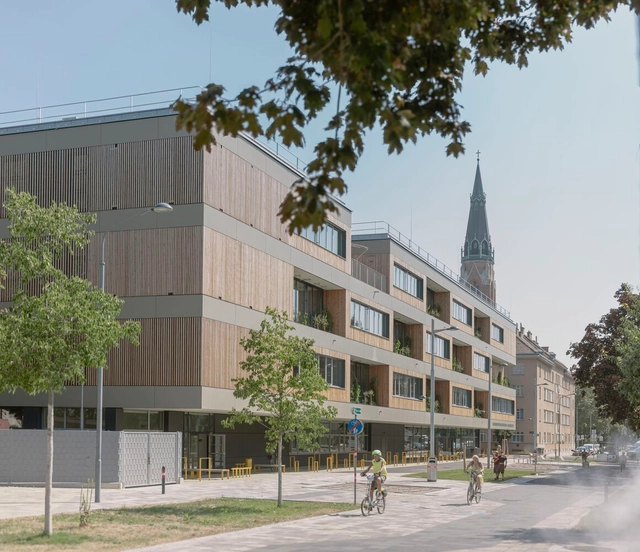
Willi Resetarits Educational Facility / Kronaus Mitterer Architekten ZT GmbH

Willi Resetarits Educational Facility / Kronaus Mitterer Architekten ZT GmbH - Exterior Photography, Educational Architecture, FacadeWilli Resetarits Educational Facility / Kronaus Mitterer Architekten ZT GmbH - Exterior Photography, Educational Architecture, FacadeWilli Resetarits Educational Facility / Kronaus Mitterer Architekten ZT GmbH - Educational ArchitectureWilli Resetarits Educational Facility / Kronaus Mitterer Architekten ZT GmbH - Exterior Photography, Educational Architecture, Facade, DoorWilli Resetarits Educational Facility / Kronaus Mitterer Architekten ZT GmbH - More Images+ 20

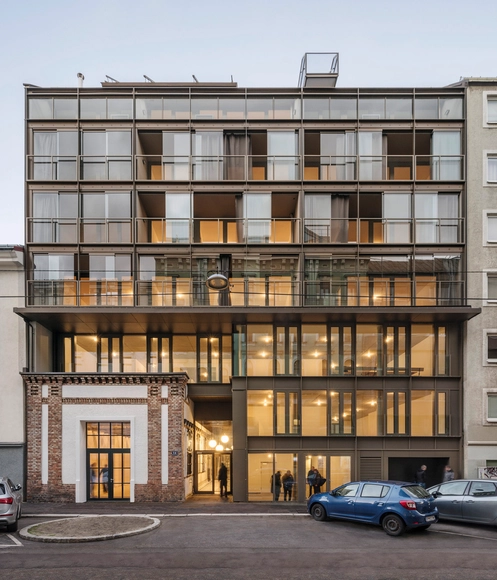
Straußengasse 14 / feld72

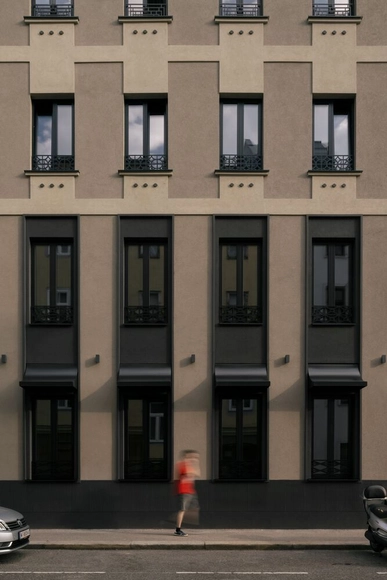
Straußengasse 14  / feld72 - Exterior Photography, Apartments, FacadeStraußengasse 14  / feld72 - Interior Photography, Apartments, Facade, DoorStraußengasse 14  / feld72 - Interior Photography, Apartments, Beam, FacadeStraußengasse 14  / feld72 - Interior Photography, Apartments, Door, FacadeStraußengasse 14  / feld72 - More Images+ 5

  • Architects: feld72
  • Area Area of this architecture project Area:  2349
  • Year Completion year of this architecture project Year:  2022

World Tourism Day 2024: 30 Architecture City Guides to Celebrate Urban Fabrics from Around the World

Tourism, as an urban and architectural phenomenon, has grown to encompass more than just sightseeing; it engages visitors with the social, cultural, and economic narratives that cities tell through their built environments. In celebration of World Tourism Day 2024, this collection of city guides highlights the role of architecture in shaping the urban tourism experience. Today, cities around the world stand as testaments to human ingenuity, historical preservation, and modern innovation. In fact, each city's versatile architecture offers a window into a city's identity, drawing millions of visitors each year who seek to understand how these spaces shape everyday life and collective memory.

In 2024, many cities have seized the world's collective imagination, each with its unique narrative waiting to be uncovered. Whether one finds themselves meandering through London, admiring Paris, or immersing in the cultural treasures of Sharjah, the story is always there to be unraveled. From Amsterdam's canals to Cairo's rich historical layers, Barcelona's avant-garde architecture, the liveliness of Santiago to the ancient marvels of Rome, and the diverse Istanbul to the bustling Bangkok – each city serves as a testament to the enduring spirit of human civilization.

World Tourism Day 2024: 30 Architecture City Guides to Celebrate Urban Fabrics from Around the World - Image 1 of 4World Tourism Day 2024: 30 Architecture City Guides to Celebrate Urban Fabrics from Around the World - Image 2 of 4World Tourism Day 2024: 30 Architecture City Guides to Celebrate Urban Fabrics from Around the World - Image 3 of 4World Tourism Day 2024: 30 Architecture City Guides to Celebrate Urban Fabrics from Around the World - Image 4 of 4World Tourism Day 2024: 30 Architecture City Guides to Celebrate Urban Fabrics from Around the World - More Images+ 27

Architecture in Focus: 16 Global Events between September and December 2024

Subscriber Access | 

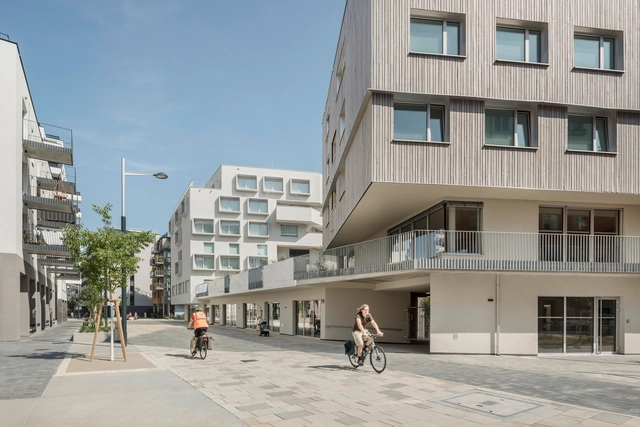
As the architectural landscape continues to evolve in response to pressing global challenges, events such as biennales, design weeks, and fairs play an instrumental role in shaping the profession's future. These gatherings facilitate the exchange of innovative ideas, the exploration of sustainable practices, and the fostering of collaboration among architects, designers, and urban planners. They serve not only as platforms for showcasing cutting-edge designs but also as forums for critical dialogue about the built environment's impact on society and the planet.

Happening worldwide from September to December 2024, a variety of significant events hope to engage the architectural community. The World Urban Forum in Cairo focuses on local sustainable actions, while Dubai Design Week showcases innovative design in the Middle East. The World Architecture Festival in Singapore features live project presentations, and the Architecture & Design Film Festival in New York offers compelling narratives critical to contemporary discourse.
Architecture in Focus: 16 Global Events between September and December 2024 - Image 1 of 4Architecture in Focus: 16 Global Events between September and December 2024 - Image 2 of 4Architecture in Focus: 16 Global Events between September and December 2024 - Image 3 of 4Architecture in Focus: 16 Global Events between September and December 2024 - Image 4 of 4Architecture in Focus: 16 Global Events between September and December 2024 - More Images+ 14

Contemporary Architecture and the Modern City

This article was originally published on Common Edge.

"O beautiful, for spacious skies, for amber waves of grain, has there ever been another place on earth where so many people of wealth and power have paid for and put up with so much architecture they detested as within thy blessed borders today?"

Tom Wolfe wrote this in his 1981 book From Bauhaus to Our House. The conflict between modern and traditional design has barely abated since, as is evident in this recent article. In the U.S., modern buildings are often met with community aversion, for familiar reasons: their perceived coldness and lack of contextual sensitivity, the impact on local character, and the loss of historical continuity. But on another level, the critique against modern design finds even more purchase on the larger scale: the city. Modern U.S. cities reek of traffic congestion and pollution, social inequality and gentrification, a loss of community and cultural spaces, and a lack of usable open space.

Contemporary Architecture and the Modern City - Image 1 of 4Contemporary Architecture and the Modern City - Image 2 of 4Contemporary Architecture and the Modern City - Image 3 of 4Contemporary Architecture and the Modern City - Image 4 of 4Contemporary Architecture and the Modern City - More Images

Nordbahnhof Residential High-Rise / Franz&Sue

Nordbahnhof Residential High-Rise / Franz&Sue - Exterior Photography, Residential, Facade, CityscapeNordbahnhof Residential High-Rise / Franz&Sue - Exterior Photography, Residential, FacadeNordbahnhof Residential High-Rise / Franz&Sue - Interior Photography, Residential, Facade, LightingNordbahnhof Residential High-Rise / Franz&Sue - Exterior Photography, ResidentialNordbahnhof Residential High-Rise / Franz&Sue - More Images+ 11

  • Architects: Franz&Sue
  • Area Area of this architecture project Area:  23603
  • Year Completion year of this architecture project Year:  2024
  • Manufacturers Brands with products used in this architecture project
    Manufacturers:  Dr. Roland Mischek ZT GmbH, Felbermayer Fenster GmbH, ICC, Jeld-Wen, MARAZZI, +2