1. ArchDaily
  2. Santiago

Santiago: The Latest Architecture and News

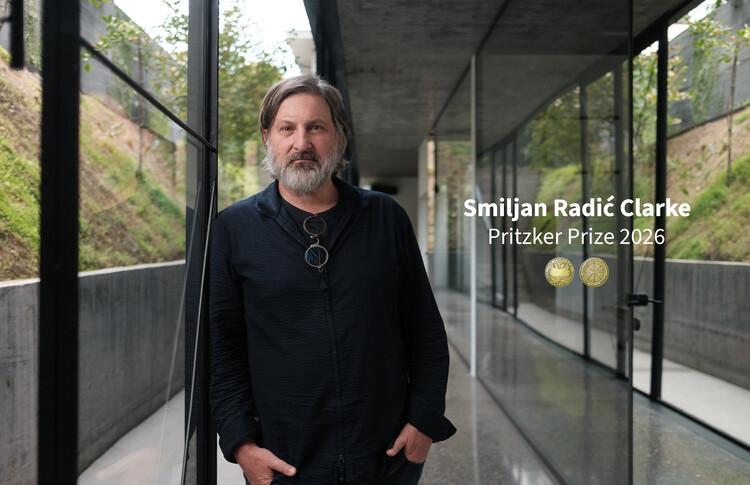
Who Is Smiljan Radić Clarke? 10 Things to Know About the 2026 Pritzker Architecture Laureate

Smiljan Radić Clarke, the 2026 Pritzker Prize winner, is a contemporary Chilean architect known for his experimental approach to design, with a practice that balances the elemental with the intimate, the monumental with the fragile. Over the course of more than three decades, Radić has developed an architecture that resists repetition and conventional stylistic categorization, favoring instead deeply site-specific, materially attuned, and culturally reflective interventions.
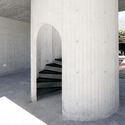
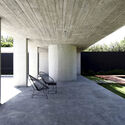
His work negotiates between permanence and impermanence, memory and imagination, creating buildings that are as much about human experience and emotion as they are about structure and form. Across residences, cultural institutions, and temporary installations, Radić's architecture foregrounds the interplay between context, materials, and the subtle gestures that shape how spaces are inhabited and perceived.

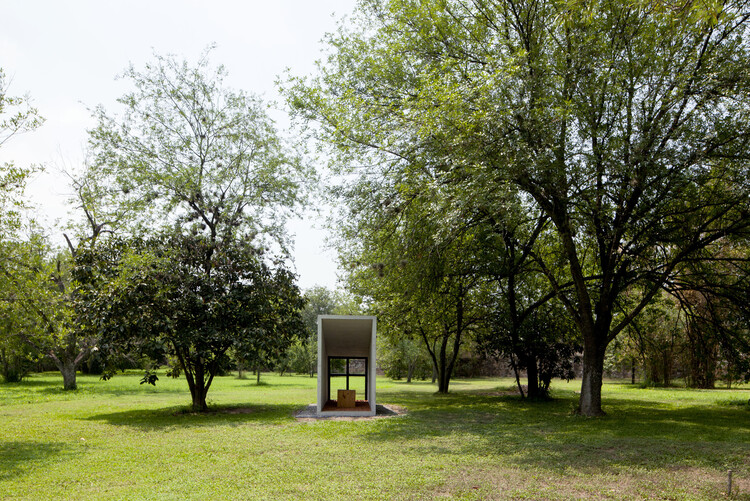
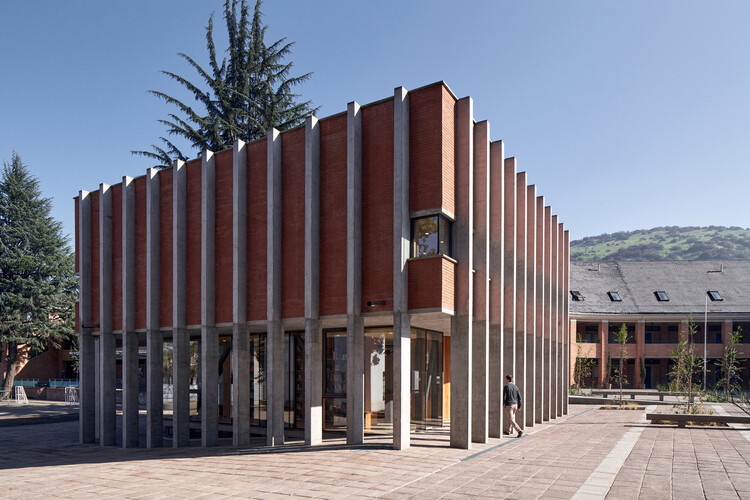
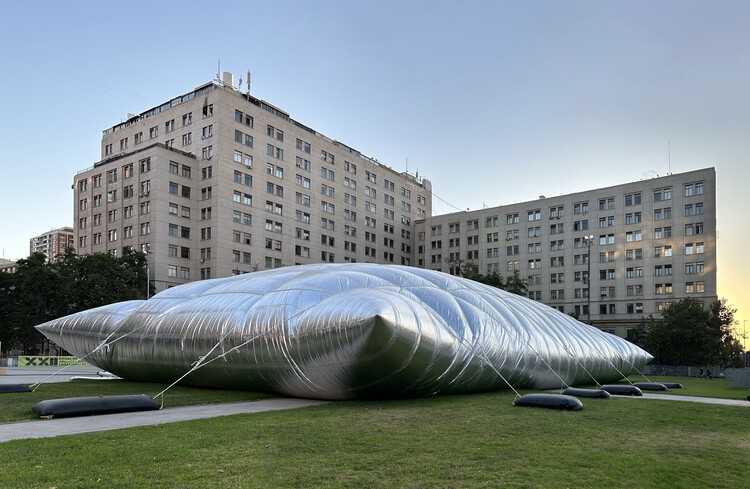
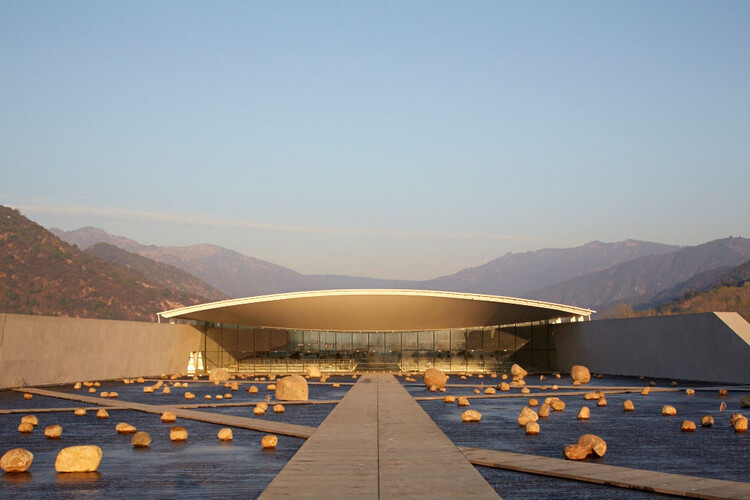
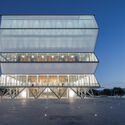
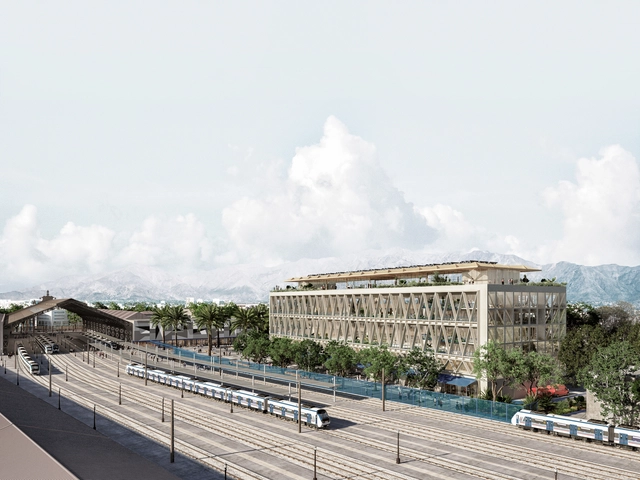
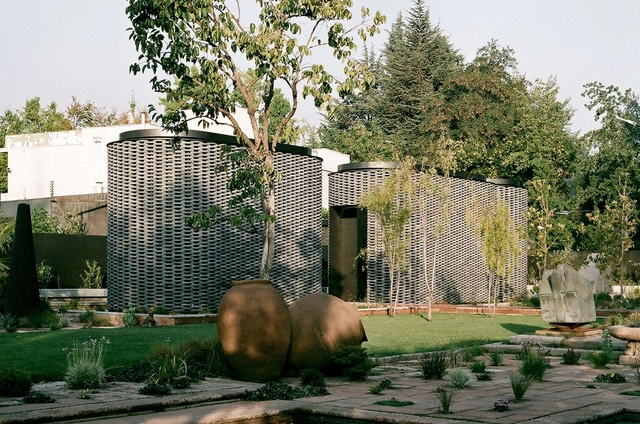
Who Is Smiljan Radić Clarke? 10 Things to Know About the 2026 Pritzker Architecture Laureate - Image 1 of 4Who Is Smiljan Radić Clarke? 10 Things to Know About the 2026 Pritzker Architecture Laureate - Image 2 of 4Who Is Smiljan Radić Clarke? 10 Things to Know About the 2026 Pritzker Architecture Laureate - Image 3 of 4Who Is Smiljan Radić Clarke? 10 Things to Know About the 2026 Pritzker Architecture Laureate - Image 4 of 4Who Is Smiljan Radić Clarke? 10 Things to Know About the 2026 Pritzker Architecture Laureate - More Images+ 11

Smiljan Radić Clarke: Get to Know the 2026 Pritzker Winner's Work

The 2026 Pritzker Price Award has been awarded this year to the Chilean architect of Croatian descent, Smiljan Radić Clarke. Born in Santiago, Chile, in 1965, his practice evokes a geography of extremes, shaped by the tectonic tension between the staggering weight of the Andes and the seismic instability of the territory. After graduating from the Pontifical Catholic University of Chile and pursuing further studies in aesthetics in Venice, Smiljan Radić Clarke established his base in Santiago. From there, he has developed one of the most singular visions in contemporary architecture. His work privileges the intensity of the moment through a fragile architecture. Within it, the building operates as a temporary and tactile refuge that places the spectator in a state of aesthetic uncertainty, oscillating between ancestral ruin and avant-garde artefact.

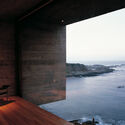
Smiljan Radić Clarke: Get to Know the 2026 Pritzker Winner's Work - Image 1 of 4Smiljan Radić Clarke: Get to Know the 2026 Pritzker Winner's Work - Image 2 of 4Smiljan Radić Clarke: Get to Know the 2026 Pritzker Winner's Work - Image 3 of 4Smiljan Radić Clarke: Get to Know the 2026 Pritzker Winner's Work - Image 4 of 4Smiljan Radić Clarke: Get to Know the 2026 Pritzker Winner's Work - More Images+ 59

Smiljan Radić Clarke Receives the 2026 Pritzker Prize, The Artist of Unspoken Architecture

Chilean architect Smiljan Radić Clarke has been announced as the laureate of the 2026 Pritzker Architecture Prize, regarded as one of the highest honors in the field of architecture. The award recognizes Radić for a body of work that explores architecture through material experimentation, spatial perception, and a careful engagement with landscape and context. Born in Santiago, Chile, where he continues to live and work, Radić leads the practice Smiljan Radić Clarke, established in 1995. As the second Chilean to receive the prize, after Alejandro Aravena in 2016, he joins a distinguished list of previous laureates, including Liu Jiakun in 2025, Riken Yamamoto in 2024, David Chipperfield in 2023, and Diébédo Francis Kéré in 2022.

Radić's architecture operates within a territory where the phenomenological experience of space precedes explanation. His buildings often appear quiet, elemental, and resistant to easy verbal interpretation, encouraging visitors to experience them through movement, atmosphere, and perception rather than through formal expression. 

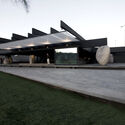
Smiljan Radić Clarke Receives the 2026 Pritzker Prize, The Artist of Unspoken Architecture - Image 32 of 4Smiljan Radić Clarke Receives the 2026 Pritzker Prize, The Artist of Unspoken Architecture - Image 3 of 4Smiljan Radić Clarke Receives the 2026 Pritzker Prize, The Artist of Unspoken Architecture - Image 33 of 4Smiljan Radić Clarke Receives the 2026 Pritzker Prize, The Artist of Unspoken Architecture - Image 5 of 4Smiljan Radić Clarke Receives the 2026 Pritzker Prize, The Artist of Unspoken Architecture - More Images+ 32

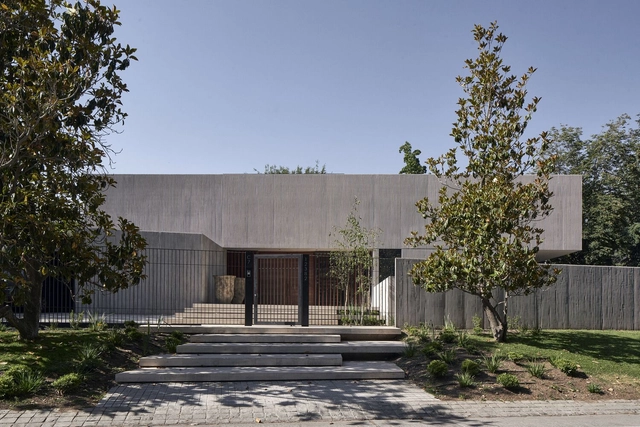
House in Santiago / S-AR

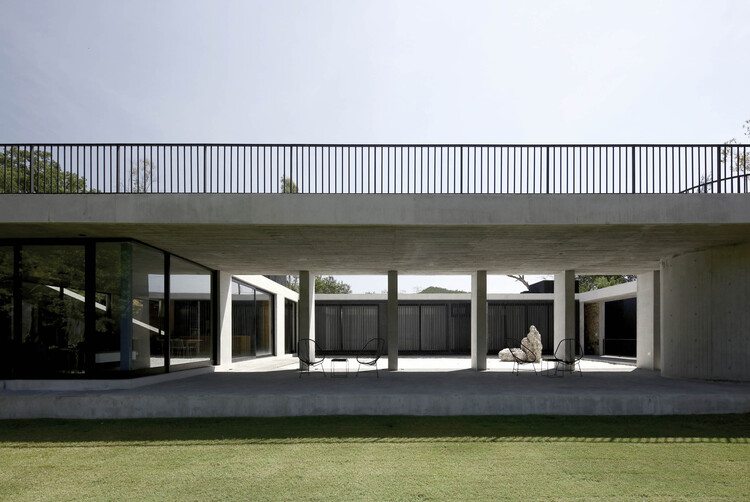
House in Santiago / S-AR - HousesHouse in Santiago / S-AR - Interior Photography, Houses, ColumnHouse in Santiago / S-AR - HousesHouse in Santiago / S-AR - HousesHouse in Santiago / S-AR - More Images+ 17

Santiago, Mexico
  • Architects: S-AR
  • Area Area of this architecture project Area:  470
  • Year Completion year of this architecture project Year:  2021

Designing Above-Ground Cemeteries: Challenges and Solutions

Subscriber Access | 

For centuries, burial practices across various cultures have connected honoring the deceased to the earth, with cemeteries firmly grounded in the soil as a symbol of eternal peace. Yet, as discussed in one of our articles, No More Room for the Living or the Dead: Exploring the Future for Burials in Asia, land shortages in densely developed urban areas present significant challenges to traditional burial practices, especially as societies like Japan face an aging population. Given these spatial constraints, how can above-ground cemeteries and columbariums be designed to provide a dignified, tranquil resting place while respecting cultural values?

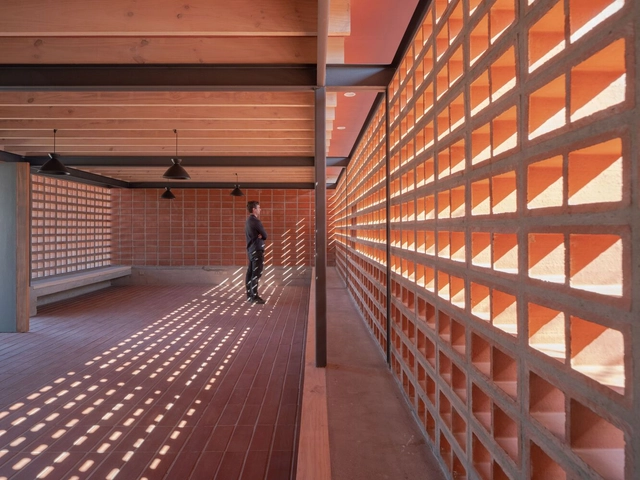
Designing Above-Ground Cemeteries: Challenges and Solutions - Image 1 of 4Designing Above-Ground Cemeteries: Challenges and Solutions - Image 2 of 4Designing Above-Ground Cemeteries: Challenges and Solutions - Image 3 of 4Designing Above-Ground Cemeteries: Challenges and Solutions - Image 4 of 4Designing Above-Ground Cemeteries: Challenges and Solutions - More Images+ 17

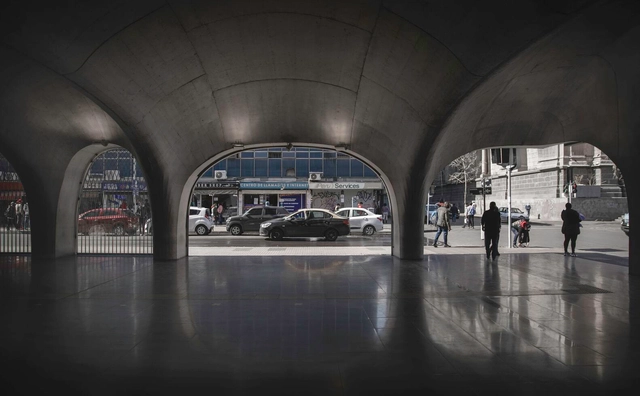
Plaza de Armas Metro Station Building / Beals Lyon Arquitectos

Plaza de Armas Metro Station Building / Beals Lyon Arquitectos - Exterior Photography, OfficesPlaza de Armas Metro Station Building / Beals Lyon Arquitectos - Interior Photography, OfficesPlaza de Armas Metro Station Building / Beals Lyon Arquitectos - Interior Photography, OfficesPlaza de Armas Metro Station Building / Beals Lyon Arquitectos - Interior Photography, OfficesPlaza de Armas Metro Station Building / Beals Lyon Arquitectos - More Images+ 27

  • Area Area of this architecture project Area:  4115
  • Year Completion year of this architecture project Year:  2020
  • Manufacturers Brands with products used in this architecture project
    Manufacturers:  Nuprotec

DSP Apartments / Studio Cáceres Lazo

DSP Apartments / Studio Cáceres Lazo - Exterior Photography, Apartments, Facade, CityscapeDSP Apartments / Studio Cáceres Lazo - Exterior Photography, Apartments, Garden, Facade, Stairs, HandrailDSP Apartments / Studio Cáceres Lazo - Interior Photography, Apartments, Facade, Arch, HandrailDSP Apartments / Studio Cáceres Lazo - Interior Photography, Apartments, Kitchen, Facade, SinkDSP Apartments / Studio Cáceres Lazo - More Images+ 38

Santiago, Chile
  • Area Area of this architecture project Area:  385
  • Year Completion year of this architecture project Year:  2022

Container Building / Hsu-Rudolphy Architects

Container Building / Hsu-Rudolphy Architects - Exterior Photography, Residential, FacadeContainer Building / Hsu-Rudolphy Architects - Interior Photography, Residential, Stairs, Facade, Handrail, BeamContainer Building / Hsu-Rudolphy Architects - Interior Photography, Residential, Facade, HandrailContainer Building / Hsu-Rudolphy Architects - Exterior Photography, Residential, FacadeContainer Building / Hsu-Rudolphy Architects - More Images+ 20

Santiago, Chile

Architecture Classics: The Benedictine Monastery Chapel / Gabriel Guarda, Martin Correa

Subscriber Access | 
Architecture Classics: The Benedictine Monastery Chapel / Gabriel Guarda, Martin Correa - Featured Image
Capilla del Monasterio Benedictino / Gabriel Guarda, Martín Correa. 2022. Image © Fabian Dejtiar

The Benedictine monastery chapel of Santa María de las Condes, visible from different points in the eastern part of Santiago, Chile, is a white volume, located halfway up the slopes of Los Piques hill.

Casona Compañía Restoration / Oficina Bravo

Casona Compañía Restoration / Oficina Bravo - Interior Photography, Cowork Interiors, Facade, Arch, ColumnCasona Compañía Restoration / Oficina Bravo - Cowork InteriorsCasona Compañía Restoration / Oficina Bravo - Cowork InteriorsCasona Compañía Restoration / Oficina Bravo - Exterior Photography, Cowork Interiors, Facade, StairsCasona Compañía Restoration / Oficina Bravo - More Images+ 15

  • Architects: Oficina Bravo
  • Area Area of this architecture project Area:  6458 ft²
  • Year Completion year of this architecture project Year:  2021
  • Manufacturers Brands with products used in this architecture project
    Manufacturers:  Invisible Objetos, Villalba

Chile’s Pavilion at the Venice Biennial 2021 Arrives at Santiago’s Museum of Contemporary Art

Chile’s Pavilion at the Venice Biennial 2021 Arrives at Santiago’s Museum of Contemporary Art - Image 1 of 4
© Nicolás Valencia

Testimonial Spaces, the theme of Chile's pavilion at the recent Venice Biennial 2021, opened to the public on the 18th of January at Santiago's Museum of Contemporary Art.

Curated by architects Emilio Marín and Rodrigo Sepúlveda, Testimonial Spaces brings together 525 paintings based on testimonies and everyday stories from the José María Caro neighbourhood in Santiago, in line with "How will we live together?", the theme of the biennial curated by Lebanese architect Hashim Sarkis.

Universidad de Chile Soccer Club / PLAN Arquitectos

Subscriber Access | 
Universidad de Chile Soccer Club / PLAN Arquitectos - Image 10 of 4
© Pablo Blanco Barros

Architects: PLAN Arquitectos Location: La Cisterna, Santiago, Chile Design Team: Rodrigo Cáceres Moena, Alejandro Vargas Peyreblanque, Álvaro González Bastías Site Area: 91,212 sqm Constructed Area: 4,306 sqm Project Year: 2009 Year of Construction: 2010 Photography: Pablo Blanco Barros

Universidad de Chile Soccer Club / PLAN Arquitectos - Image 12 of 4Universidad de Chile Soccer Club / PLAN Arquitectos - Image 14 of 4Universidad de Chile Soccer Club / PLAN Arquitectos - Image 2 of 4Universidad de Chile Soccer Club / PLAN Arquitectos - Image 9 of 4Universidad de Chile Soccer Club / PLAN Arquitectos - More Images+ 12