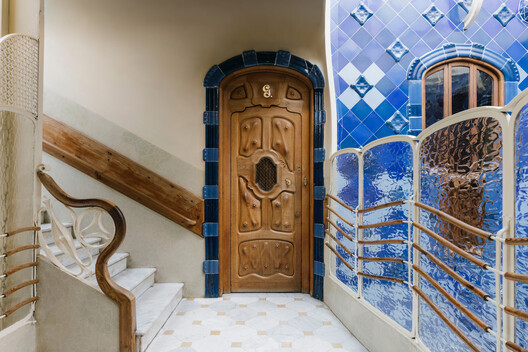
Casa Batlló in Barcelona has unveiled the restored Third Floor of the building, opening the last original residence preserved from Antoni Gaudí's 1904-1906 transformation of the property to the public for the first time. Led by restoration architect Xavier Villanueva and developed over three years through an archaeological-style conservation process, the intervention recovers a largely intact domestic environment that had remained inhabited by descendants of the Batlló family for more than a century. Adapted into a series of private rooms for gatherings, cultural events, and experiences, the restored apartment combines heritage preservation with a contemporary interior design intervention by Paola Navone – OTTO Studio, establishing a new program for one of Barcelona's most recognized architectural landmarks.
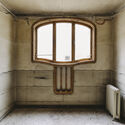
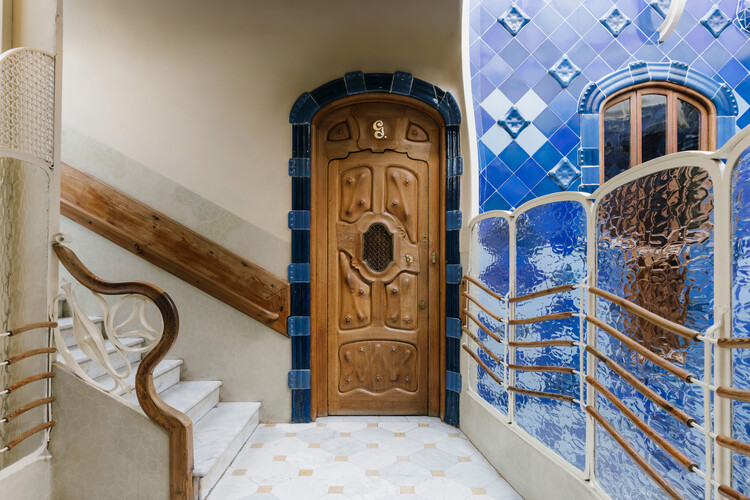
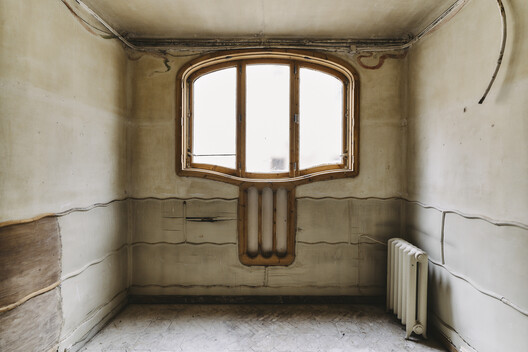
Located along Passeig de Gràcia, Casa Batlló is widely regarded as one of Gaudí's most emblematic works and has been listed as a UNESCO World Heritage Site since 2005. While other areas of the building underwent significant modifications throughout the twentieth century, the Third Floor remained well preserved, retaining original architectural and decorative elements conceived as part of the Batlló family residence. The reopening of the apartment offers renewed insight into Gaudí's domestic architecture, foregrounding his approach to spatial continuity, custom craftsmanship, and material experimentation within an inhabited residential setting.
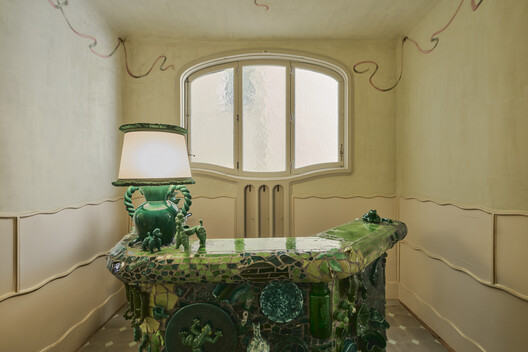
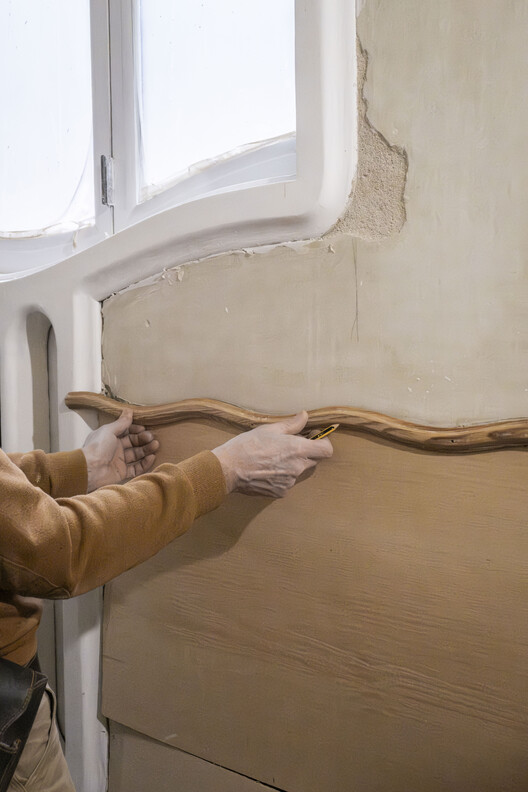
The restoration process focused on removing layers of later interventions in order to reveal the original 1906 structure concealed beneath. According to the project team, the work followed an archaeological methodology centered on uncovering and preserving existing material evidence rather than reconstructing lost features through reinterpretation. Original woodwork, flooring systems, stuccoes, and ceiling geometries were either restored or reproduced using artisanal techniques consistent with the building's historic construction methods.
Related Article
UIA 2026 Barcelona Announces Full Program, Detailing Formats, Exhibitions, and City-Wide ItinerariesSeveral discoveries made during the intervention contribute to a broader understanding of Gaudí's design approach and attention to detail. Floral stuccoes hidden beneath later finishes, original undulating ceilings, and recycled doors adapted by the architect were uncovered during the restoration process, reinforcing the architect's interest in integrating ornament, structure, and reuse within the domestic interior. The project also led to the recovery of a previously undocumented handle design, adding to the catalog of Gaudí's custom-designed architectural elements and highlighting the extent to which furniture, hardware, and decorative components formed part of a unified spatial language.
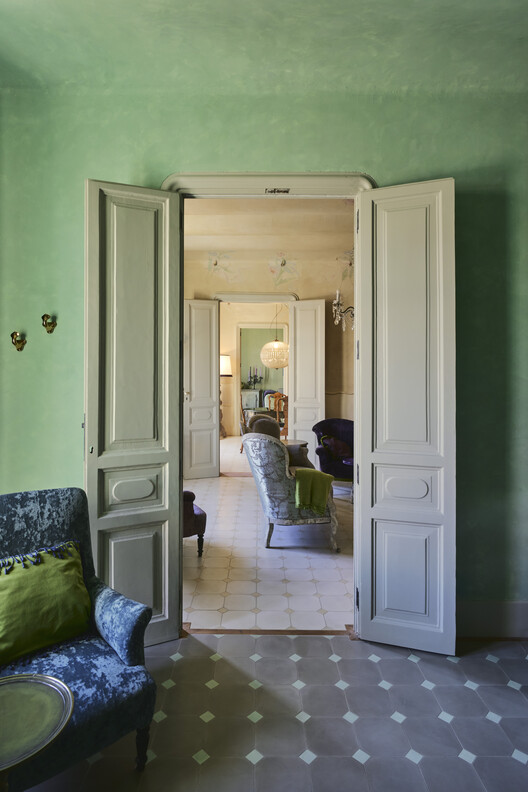
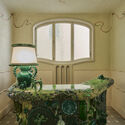
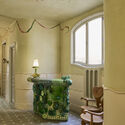
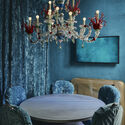
Inserted within this restored historical framework, the contemporary interior design intervention by Paola Navone – OTTO Studio approaches the apartment as a lived domestic environment rather than a museum reconstruction. Developed without altering essential heritage elements, the proposal introduces furniture, textiles, objects, and artisanal pieces intended to coexist with the original architecture through contrasts in materiality, color, and texture. Rather than establishing a separate visual identity, the intervention seeks to reactivate the residential character of the space while adapting it to contemporary forms of occupation.
This combination of restoration and adaptive reuse reflects a broader tendency among cultural institutions to reactivate heritage spaces through contemporary public programs while preserving their historical integrity. Recent interventions such as the reopening of Frank Lloyd Wright's Fallingwater following a three-year preservation project, STARTT's architectural upgrades to the Pantheon in Rome, and Stefano Boeri Interiors' restoration of the Colosseum's southern ambulatory demonstrate a growing focus on balancing conservation with new forms of accessibility and occupation.