Mobility Justice: Urban Equity in an Era of Innovation

16:55

Subscriber Access

Every city contains two transportation systems. One is the visible network of roads, rail lines, sidewalks, and bus routes mapped in planning documents. The other is the invisible geography of privilege and exclusion embedded within it: the neighborhoods that received highways instead of parks, the communities whose bus routes were cut, the sidewalks that abruptly end at the edge of a district. For many years, built-environment professionals have treated infrastructure as a technical challenge. Mobility justice insists it is, fundamentally, a political one.


Mobility Justice: Urban Equity in an Era of Innovation - Image 2 of 30Mobility Justice: Urban Equity in an Era of Innovation - Image 3 of 30Mobility Justice: Urban Equity in an Era of Innovation - Image 4 of 30Mobility Justice: Urban Equity in an Era of Innovation - Image 5 of 30Mobility Justice: Urban Equity in an Era of Innovation - More Images+ 25

Content Loader

Image gallery

See allShow less
About this author
Cite: Olivia Poston. "Mobility Justice: Urban Equity in an Era of Innovation" 12 Mar 2026. ArchDaily. Accessed . <https://www.archdaily.com/1039450/mobility-justice-urban-equity-in-an-era-of-innovation> ISSN 0719-8884
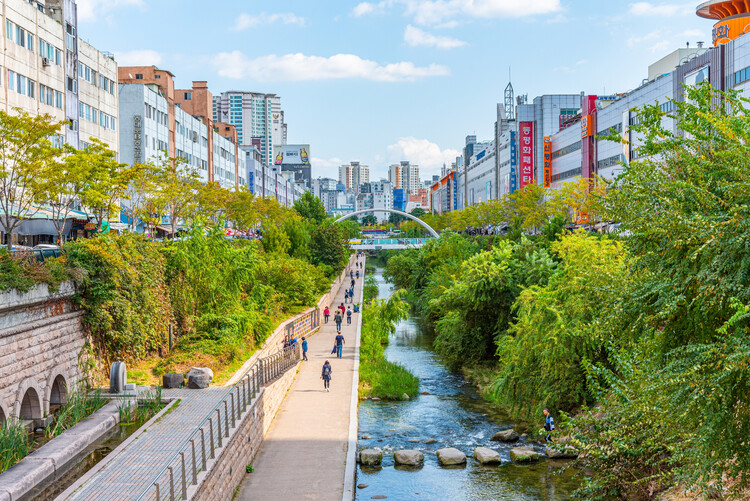
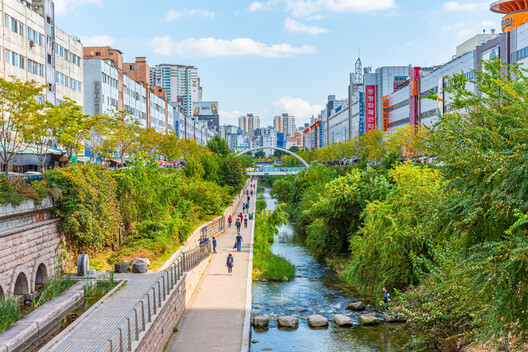
Cheonggyecheon stream in Seoul, Korea. Image © trabantos via Shutterstock

出行正义:创新时代的城市公平

You've started following your first account!

Did you know?

You'll now receive updates based on what you follow! Personalize your stream and start following your favorite authors, offices and users.