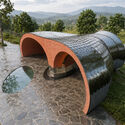
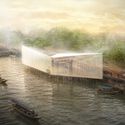
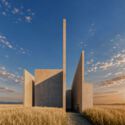
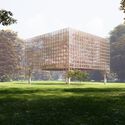
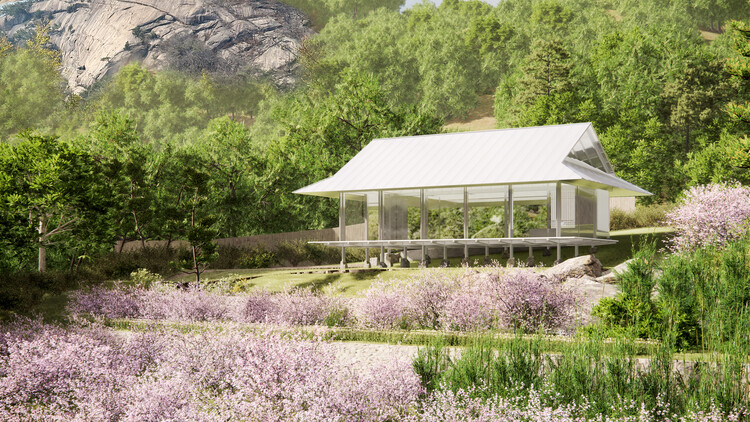
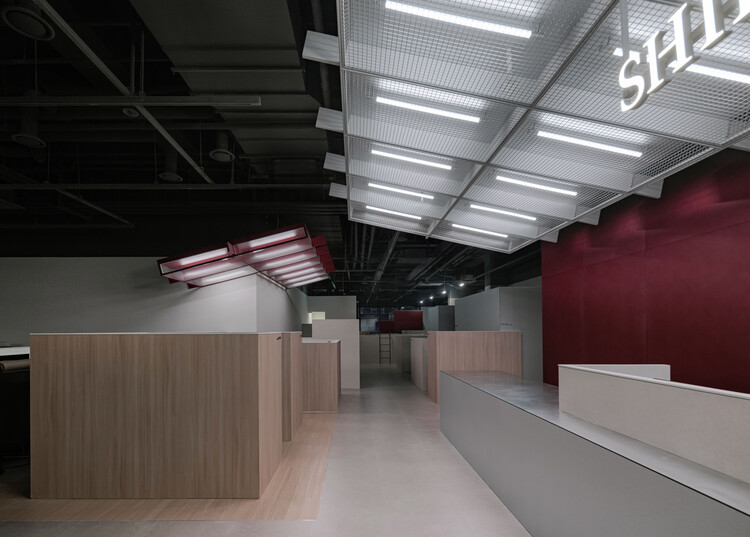
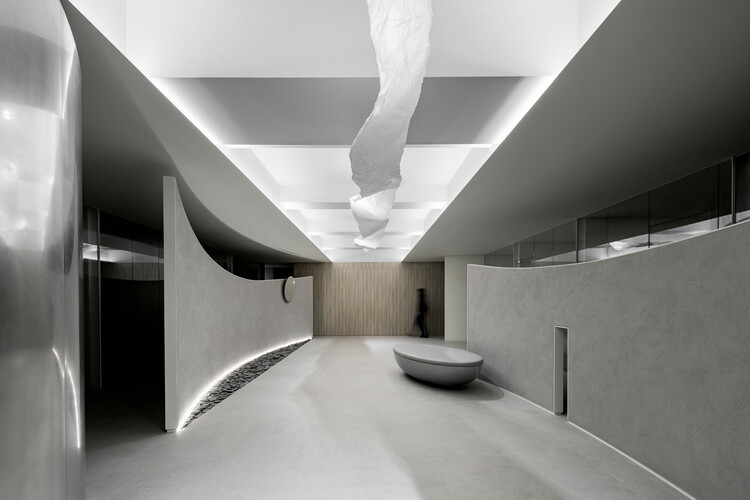
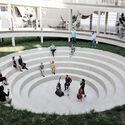
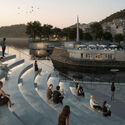
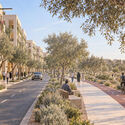
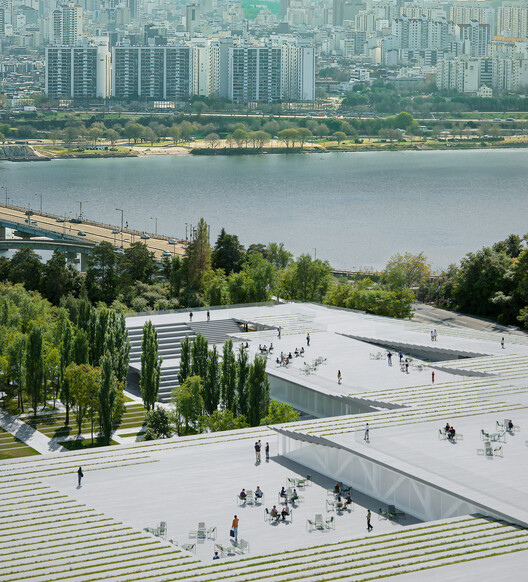
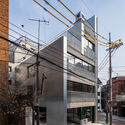
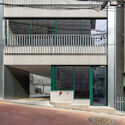
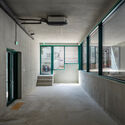
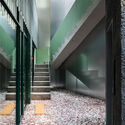
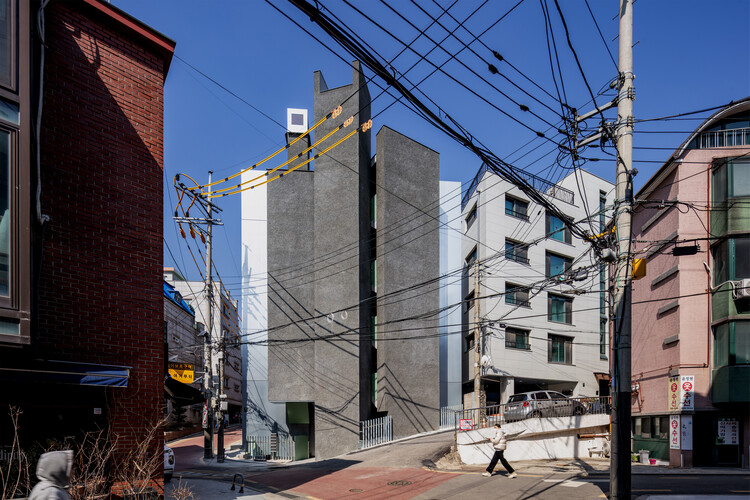
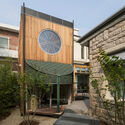
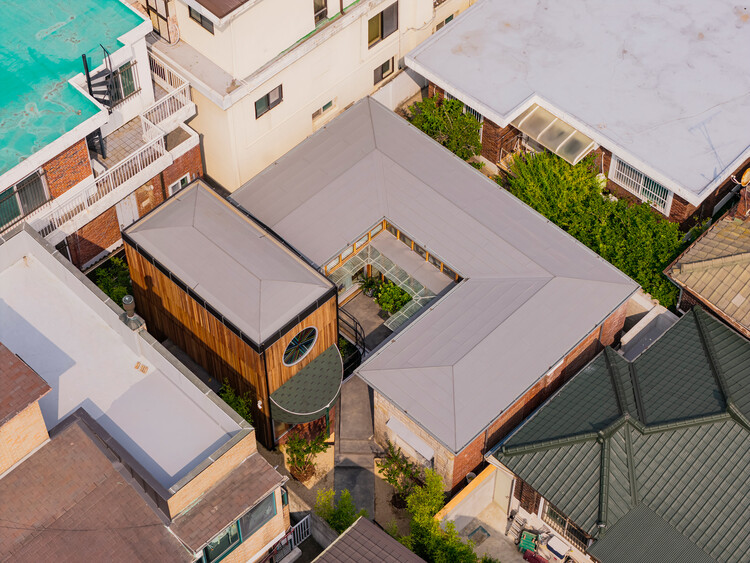
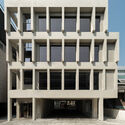
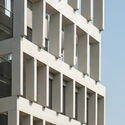
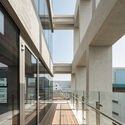
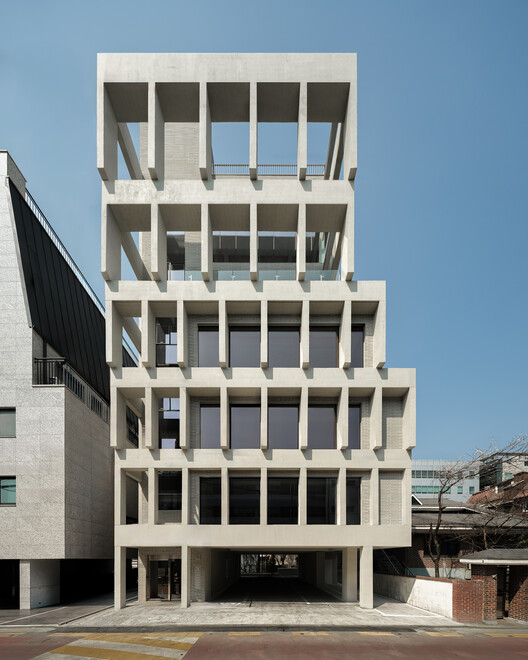
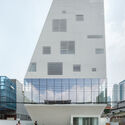
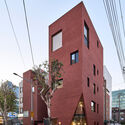
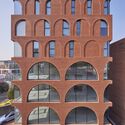
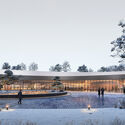
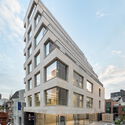
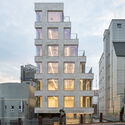
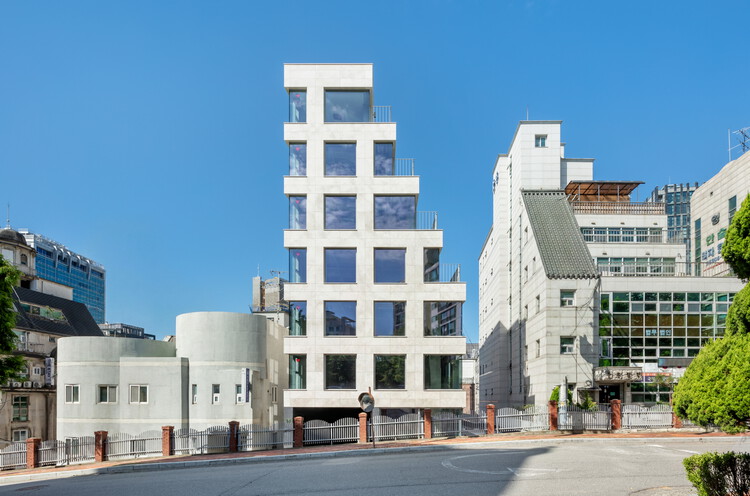
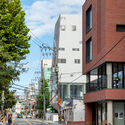
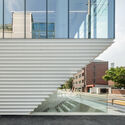
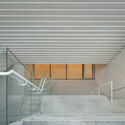
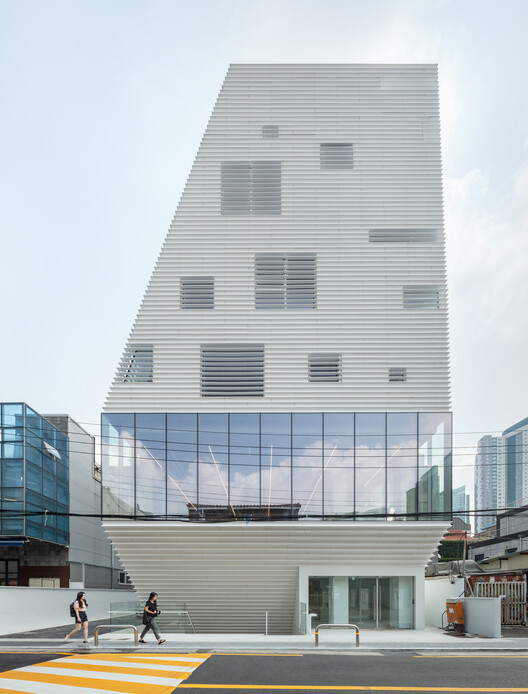
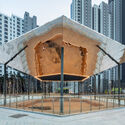
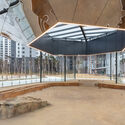
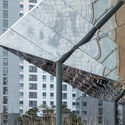
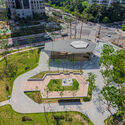
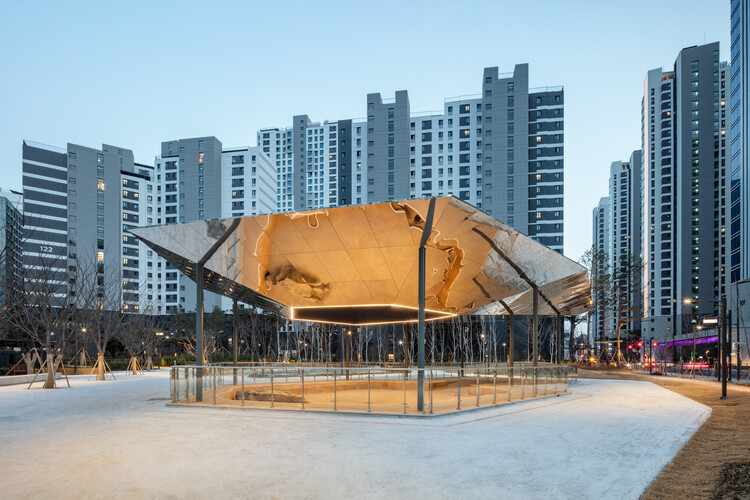
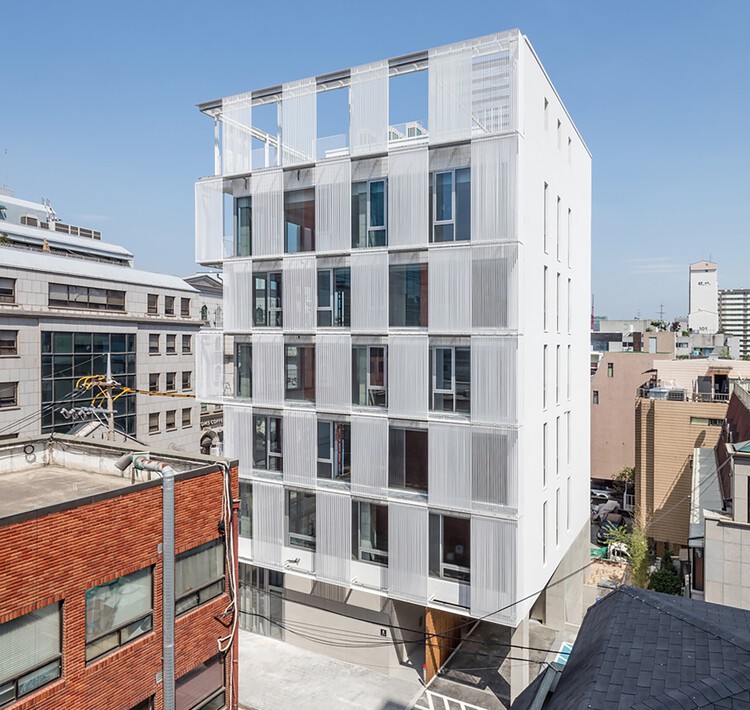
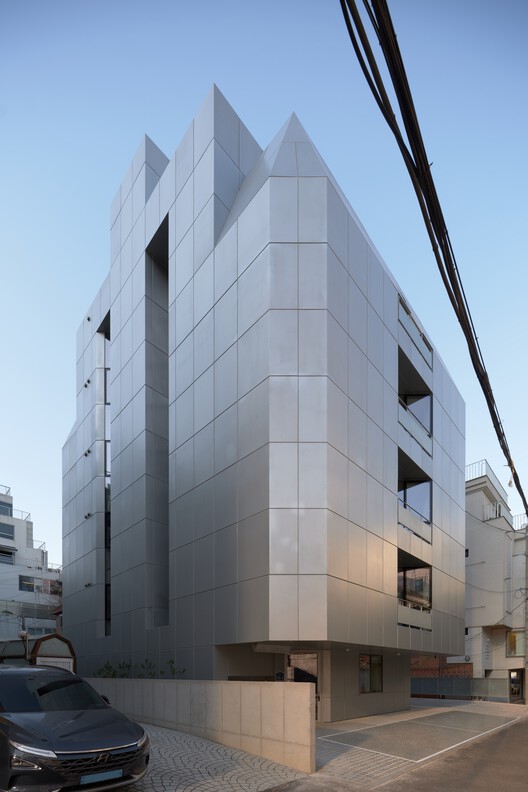
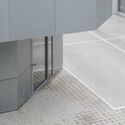
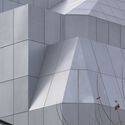
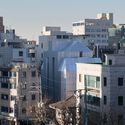
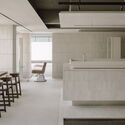
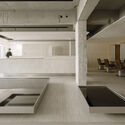
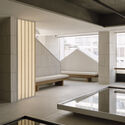
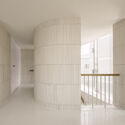
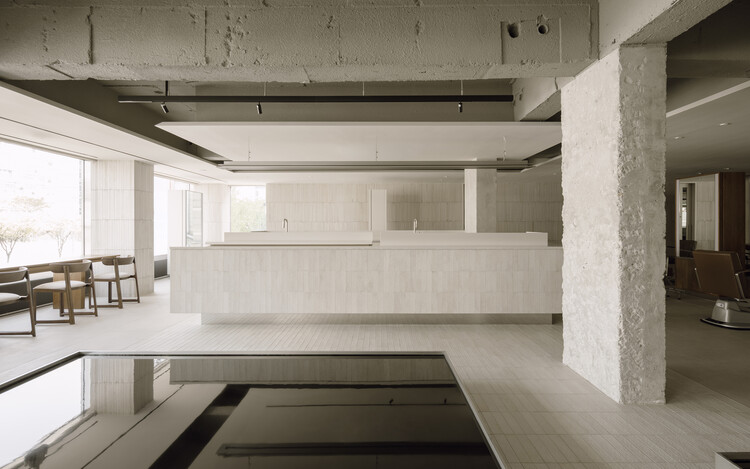
Dowonjeong modular pavilion project in Jongno-gu, Seoul, South Korea. Image Courtesy of Studio SMA
In architecture, the word "pavilion" can describe an endless variety of structures. It might be defined as a principle and a typology, a freestanding structure, a temporary intervention, a gathering place in the city, or a space for experimentation. This last quality is what unites the six unbuilt projects featured here, all designed and submitted by ArchDaily readers. Here, the definition lies in their sculptural qualities and formal exploration, while their permanence and location vary according to each structure's purpose. The proposals also demonstrate another quality inherent to the pavilion: the intention to symbolically represent a stance. Their exploration of form and material thus also reflects a search for a sense of boundary, wonder, or a shared future.
Some urban experiences are etched into our memory through a shift in pace. The postmodern city has often been described as an experience lived at the rhythm of motorized mobility, in contrast to the stroll, the promenade, or even the processions that preceded it. In a fast-paced urban culture, walkability is championed in urban planning not only as a factor of safety and social cohesion, but also as a path to a more sensory way of life. This selection of unbuilt projects submitted by ArchDaily readers showcases design examples that prioritize the experience of the environment through a pedestrian pace. Beyond respecting walking as a mobility choice, these conceptual proposals link the act of walking with contemplation of one's surroundings, respect for what already exists, and connection with other people.
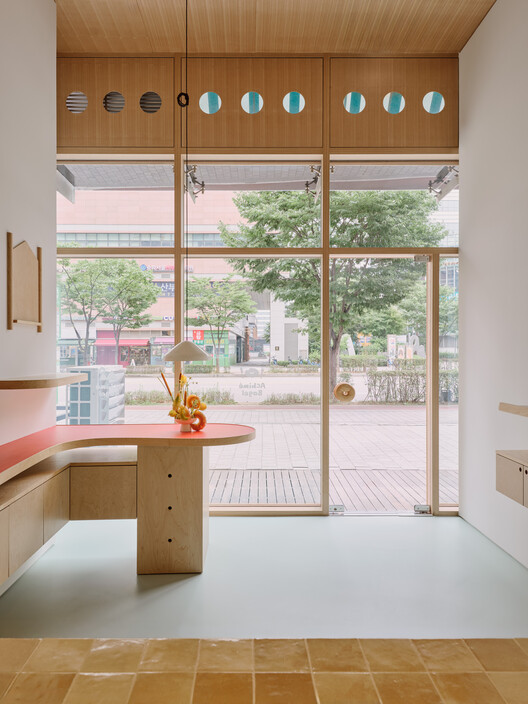
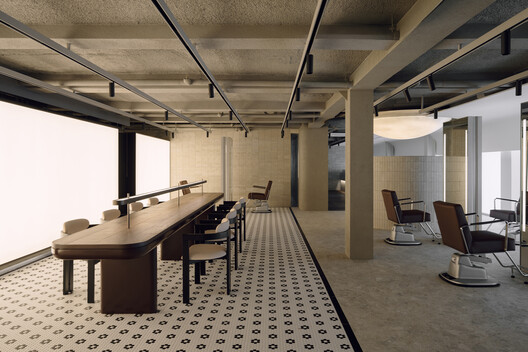
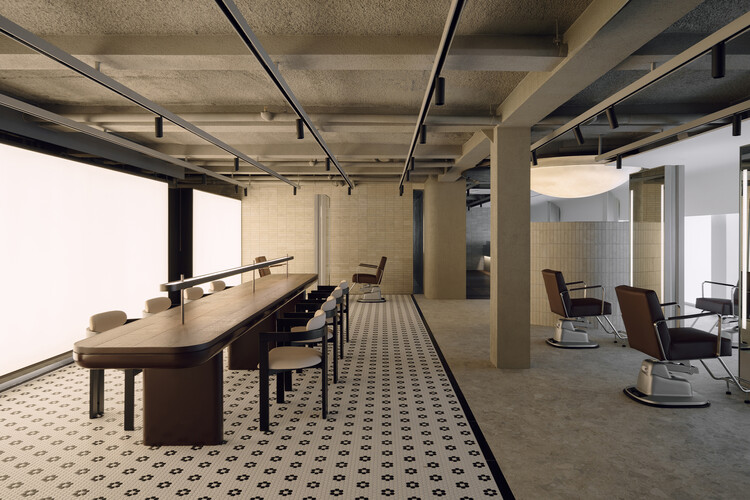
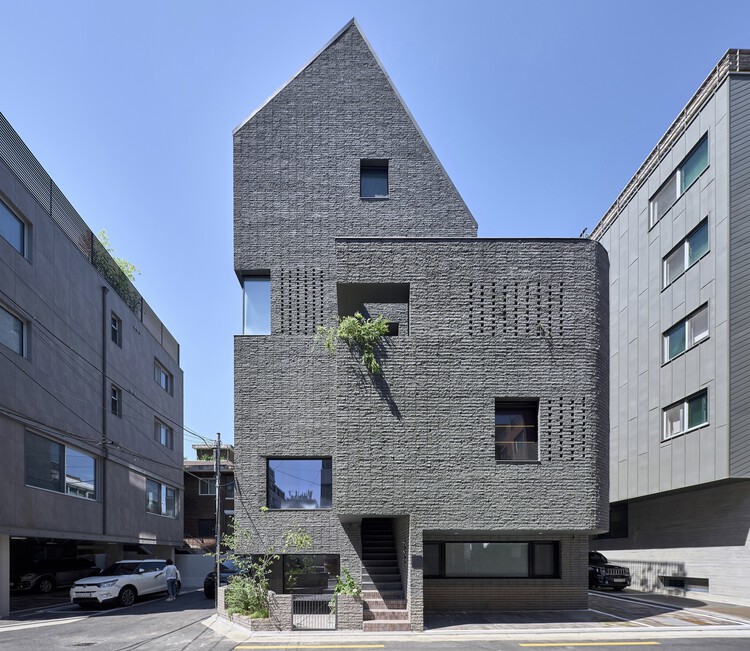
With over 80% of its population living in urban centers and a national density exceeding 500 people per square kilometer — soaring to over 15,000 in Seoul — South Korea faces intense competition for usable land. In response, contemporary Korean architecture offers compelling examples of mixed-use interventions that negotiate tight urban lots to blend public engagement with high-efficiency utility. By vertically stacking distinct programs, integrating public art centers, corporate headquarters, and commercial hubs alongside residential and other functions, these multi-layered developments transform spatial constraints into dynamic urban interfaces.
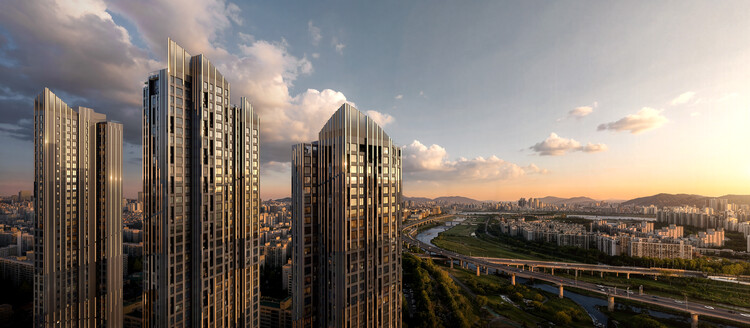
Studio Libeskind, in collaboration with HJ Design Partners and Seoul-based SAMOO Architects & Engineers, has designed a new high-density residential development in Seoul, South Korea. The Daechi Ssangyong 1 Redevelopment Project replaces an existing five-building, 630-unit complex in Daechi-dong, Gangnam-gu, with six new residential towers up to 49 storeys tall and nearly 1,000 housing units. The project is being developed for the Daechi Ssangyong 1 Redevelopment Union by Samsung C&T, with construction expected to begin in 2027 and be completed in 2030.