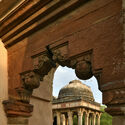
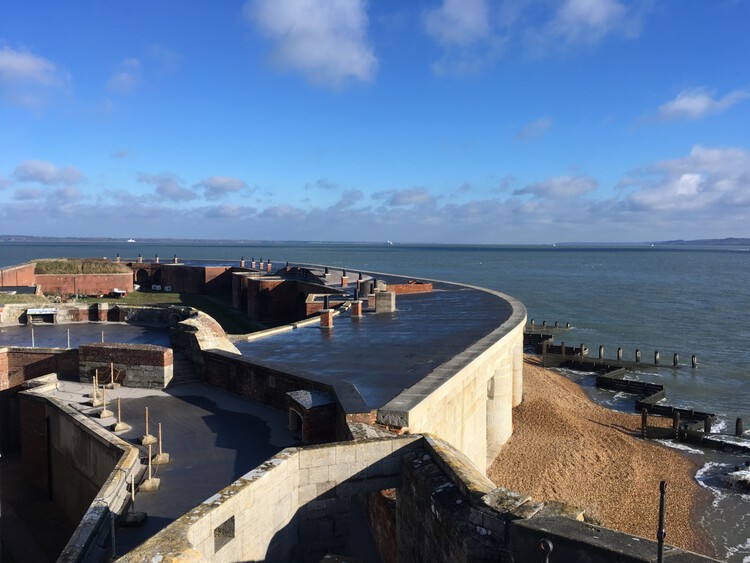
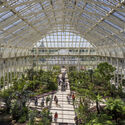
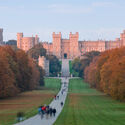
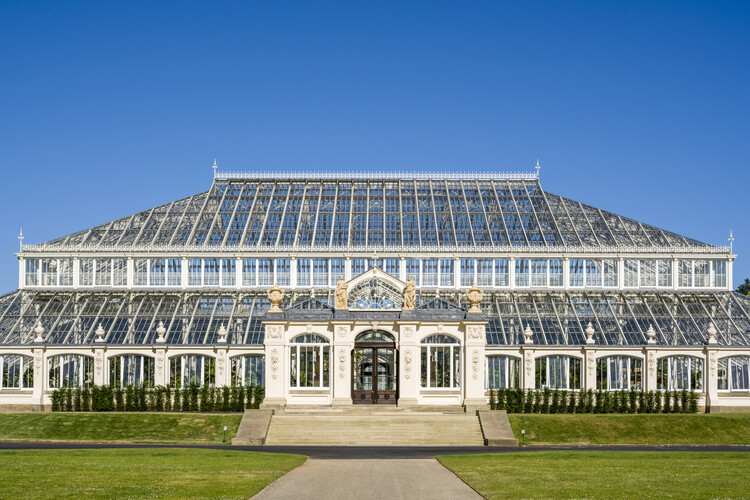
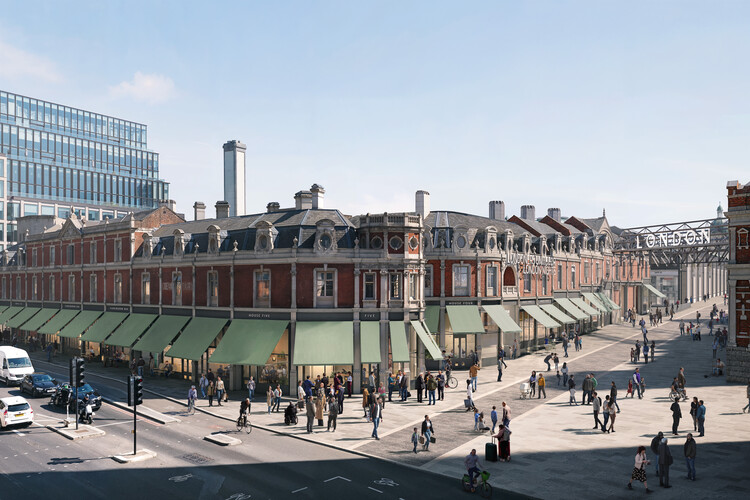
Hurst Castle in Hampshire, England. A fortress built by Henry VIII that suffered partial collapse in 2021. Image via World Monuments Fund
The World Monuments Fund (WMF), an independent nonprofit organization dedicated to the preservation of historic architecture and cultural heritage since 1965, receives nominations through the World Monuments Watch, a flagship advocacy and conservation program. Every two years, the Watch selects 25 sites from the nominations received from individuals and community-based organizations worldwide. Nominations for the 2027 World Monuments Watch closed on March 20, 2026, with a total of 372 public nominations from 84 countries and territories. Before announcing the selected sites in early 2027, the WMF offers an analysis of the nominations. Global data shows three main causes of heritage endangerment worldwide: government austerity, intensifying climate impact, and lack of access to specialized skills and expertise. At a time when political priorities tend to stray from history, the call is to recognize heritage sites as an area of shared opportunity rather than a burden.
On October 11, 2026, Donald Insall Associates announced the passing of its founder, Sir Donald Insall. Describing him as "a man of great tact, charm and humour," the practice recognized his contribution to the structures, institutions, and tools of heritage preservation in England, as well as his practical knowledge and application of the craft of restoration. An architect, conservationist, planning consultant, author, and teacher, he led one of Britain's leading conservation practices for four decades after founding it in 1958. His practice undertook the renovation of William Morris's Kelmscott Manor in Oxfordshire and Robert Adam's Kedleston Hall in Derbyshire, the conservation of Chester's historic center, and the restoration of Windsor Castle following the 1992 fire, among other British landmarks.
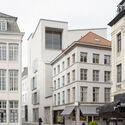
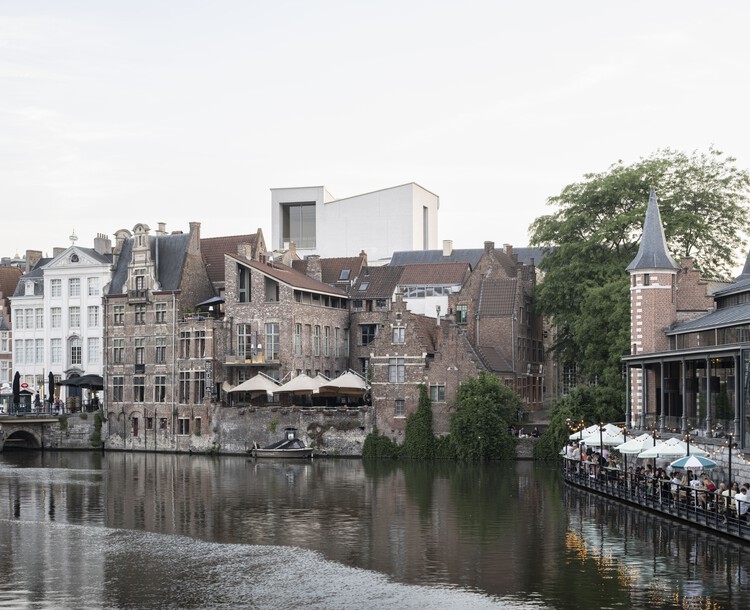
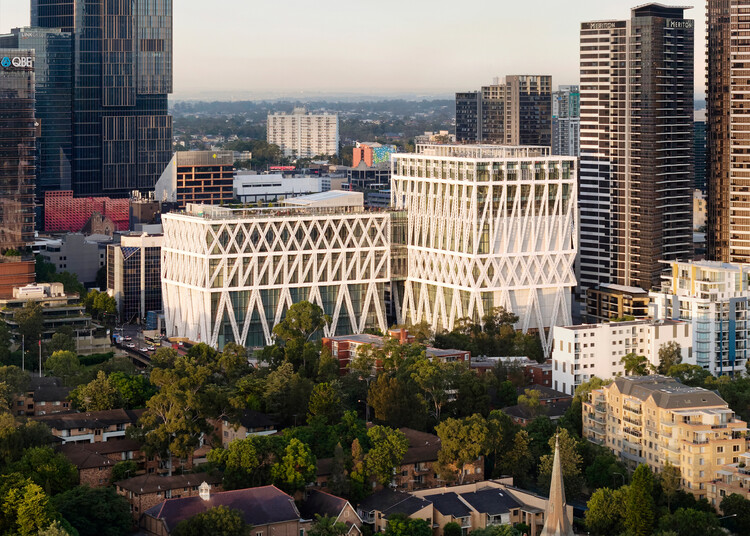
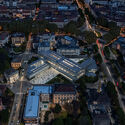
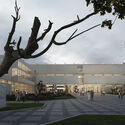
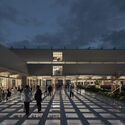
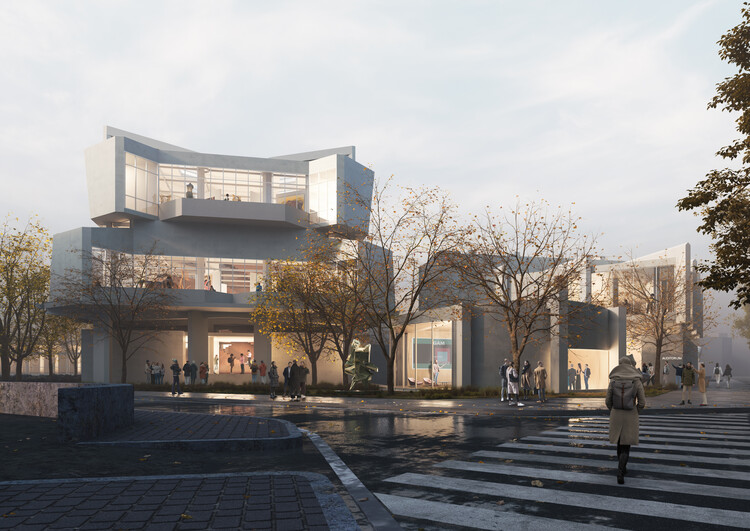
In November 2019, London-based Carmody Groarke and Ghent firm TRANS architectuur | stedenbouw, now known as ATAMA, won the Baumeister international competition to design an extension for Design Museum Gent, Belgium's largest design museum, located in Ghent's historic center. At the time, the museum comprised three buildings: the eighteenth-century Hotel de Coninck, the Leten House, with a sixteenth-century core, and a 1992 wing. After four years of renovation and expansion, the museum reopened on October 3, 2026, within the UNESCO World Heritage city center. The project combines the restoration of these historic buildings with a new wing designed by Carmody Groarke and ATAMA, alongside the restoration work led by RE-ST architectenvennootschap. The museum's collection spans design objects from the fourteenth century to the present, and the renewed building adds spaces for lectures, workshops, exhibitions and events, framing design as something visitors can use and engage with directly rather than only view.
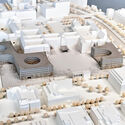
This week's news focused on how architecture engages with what already exists and communicates beyond the building itself. Several stories explored restoration and reuse, from the renewal of a historic university hall to the preservation of an artist's exhibition spaces and the incorporation of reclaimed materials into new construction. Elsewhere, architecture continued to serve as both subject and setting for exhibition, with new museum and cultural venue announcements examining architecture's broader social, technological, and ecological contexts. On the radar, three projects to watch: in Berlin, sauerbruch hutton has won the competition to extend the Federal Ministry of Defense's headquarters at the Bendlerblock; in Santa Barbara, SOM and Mithun have unveiled designs for a major new student housing complex at UC Santa Barbara; and, addressing a different kind of construction altogether, Paulo Tavares' practice Autonoma has launched Documental, an open-source platform that lets journalists, researchers, and civil organizations turn data, images, and satellite imagery into geolocated digital stories in defense of human and environmental rights.
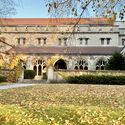
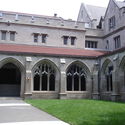
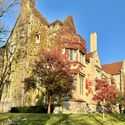
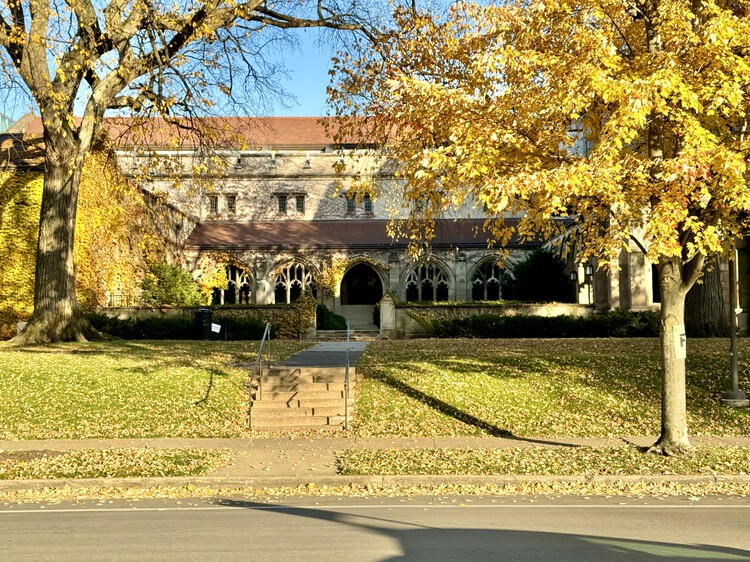
Steven Holl Architects has been selected to lead the renewal of Ida Noyes Hall at the University of Chicago in Illinois. The project will upgrade the 111-year-old building's infrastructure, improve accessibility, and introduce new spaces for programs, events, and informal gathering while preserving its historic character. Designed by Shepley, Rutan & Coolidge and completed in 1916, Ida Noyes Hall was originally conceived as a women's clubhouse and has since evolved into a broader campus gathering space. JLK Architects will serve as the historic preservation architect, with Workshop Architects leading student-life programming and operations planning.
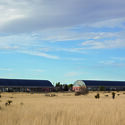
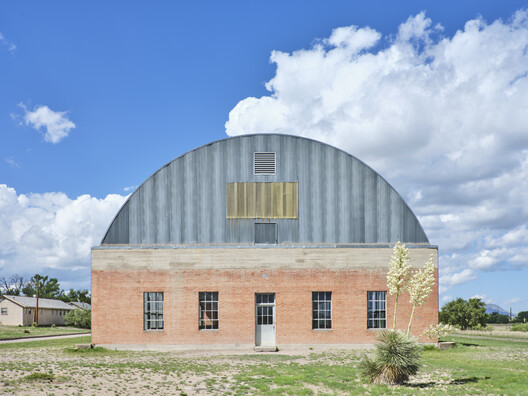
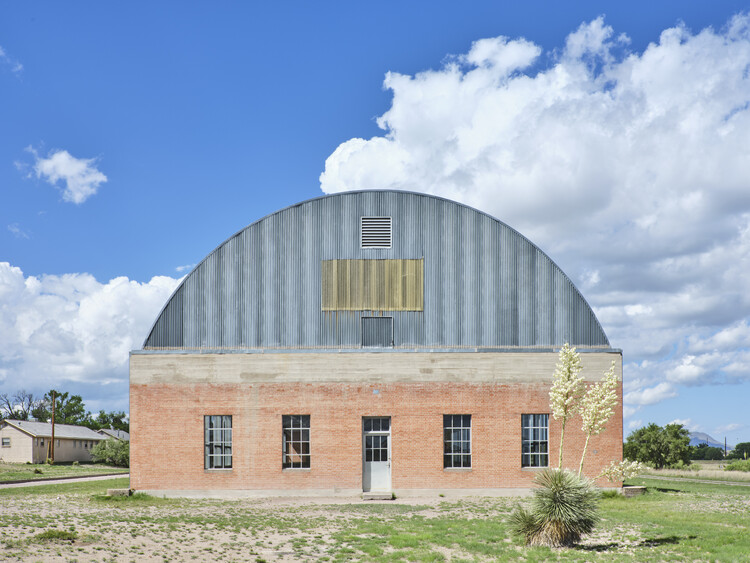
The Chinati Foundation has announced plans to restore the Artillery Sheds in Marfa, Texas, the former military buildings adapted by artist Donald Judd to house his 100 untitled works in mill aluminum, created between 1982 and 1986. Led by architect Troy Schaum of Schaum Architects, the multi-year preservation project is being developed with the Getty Conservation Institute and will address the historic buildings' envelope, accessibility, environmental performance, and landscape while preserving Judd's site-specific installation. The project follows the Artillery Sheds' inclusion in the National Register of Historic Places in 2025 as part of the expanded Donald Judd Historic District.
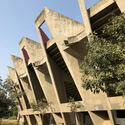
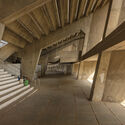
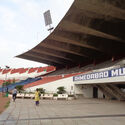
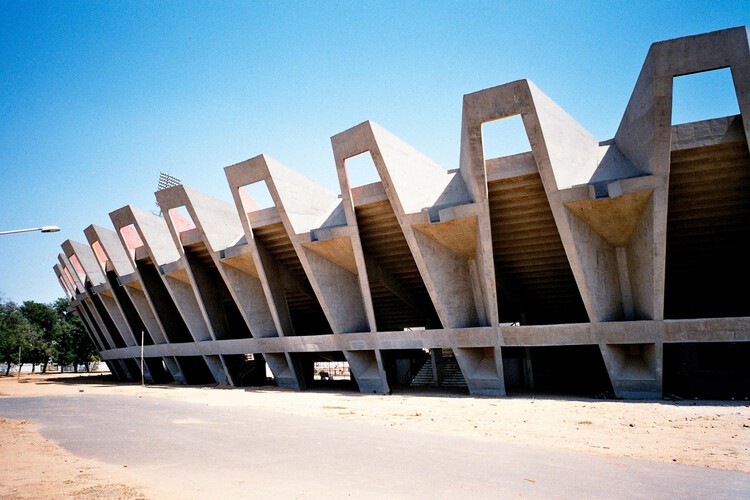
In the heart of Ahmedabad's Navrangpura district in India sits the Sardar Vallabhbhai Patel Stadium. More than just a cricket ground, the stadium stands as one of India's earliest experiments in modernist public architecture. Built in the decades following the country's independence, the structure has not only become an engineering landmark, but also a major public space within Ahmedabad's urban fabric. Despite the building's architectural and historical significance, as well as its deep involvement in daily community life, it has suffered significant physical degradation as a result of decades of poor maintenance and lack of funding. That fragility is precisely why it has drawn international attention. In 2020, the World Monuments Fund (WMF) placed the Sardar Vallabhbhai Patel Stadium on its World Monuments Watch, a global list highlighting cultural heritage sites facing urgent preservation challenges.
Turin's Civic Gallery of Modern and Contemporary Art. Image Courtesy of MVRDV
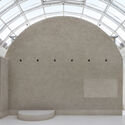
MVRDV and Balance Architettura have unveiled their proposal for the renovation of the Civic Gallery of Modern and Contemporary Art (GAM) in Turin, Italy, following their selection through a public competition in December 2025. The project seeks to restore the spatial qualities of the museum's 1959 building while introducing new exhibition strategies, publicly accessible storage, and flexible display systems designed to accommodate evolving curatorial needs. Conceived as both an architectural restoration and an institutional transformation, the proposal aims to reconnect the museum with the surrounding city while adapting it to contemporary approaches to exhibition-making and public engagement. The project is supported by Fondazione Torino Musei and funded by Fondazione Compagnia di San Paolo, and the construction is expected to begin during the second half of 2027.
Ambrosian Monastery, Milan. Image Courtesy of Stefano Boeri Architetti
As global urban challenges intensify alongside growing environmental, social, and cultural pressures, this week's news reflects how institutions, exhibitions, and restoration projects are highlighting the relationship between the built environment and collective experience. From international forums addressing housing insecurity and urban resilience to cultural events examining memory, identity, and spatial perception, positioning architecture as both a framework for policy and a medium for critical reflection. At the same time, major restoration and redevelopment initiatives highlight a renewed focus on preserving historical continuity while adapting heritage sites and cultural institutions to contemporary forms of use, accessibility, and public engagement.
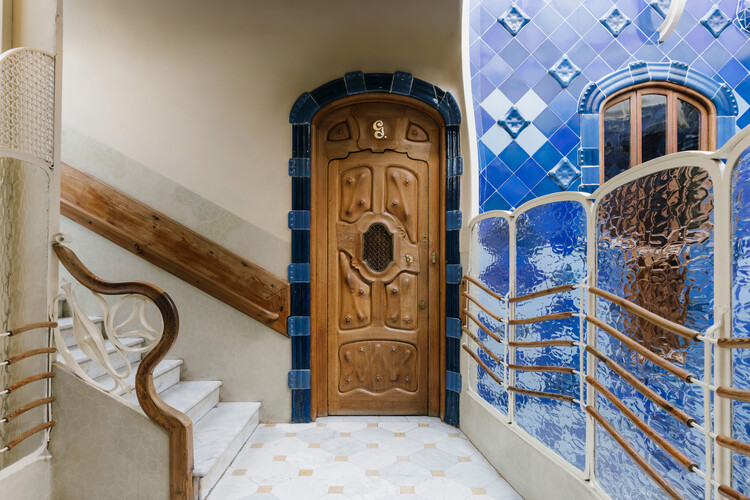
Casa Batlló in Barcelona has unveiled the restored Third Floor of the building, opening the last original residence preserved from Antoni Gaudí's 1904-1906 transformation of the property to the public for the first time. Led by restoration architect Xavier Villanueva and developed over three years through an archaeological-style conservation process, the intervention recovers a largely intact domestic environment that had remained inhabited by descendants of the Batlló family for more than a century. Adapted into a series of private rooms for gatherings, cultural events, and experiences, the restored apartment combines heritage preservation with a contemporary interior design intervention by Paola Navone – OTTO Studio, establishing a new program for one of Barcelona's most recognized architectural landmarks.
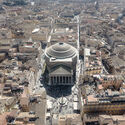
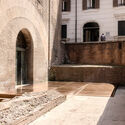
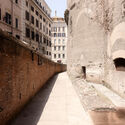
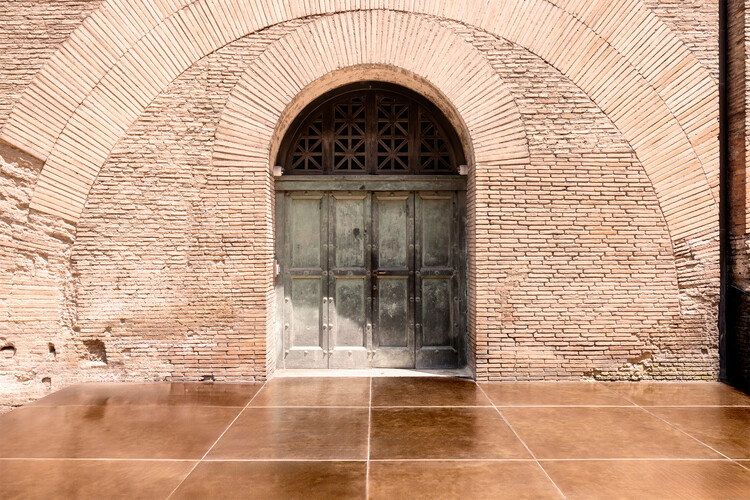
The Pantheon in Rome is globally known as a major tourist and architectural icon, a built testimony to both Greek culture and Roman technique, and a symbol of the Roman Empire. The monument was recently intervened upon by the Italian architecture studio STARTT (Studio of Architecture and Territorial Transformations). The project, titled Pantheon – Micro Architectures for Archaeology, was promoted by the Italian Ministry of Culture as part of a program of interventions initiated in 2019 to open public access to the archaeological areas of the Pantheon. STARTT's project represents the first phase of the program, focusing on opening a new entrance from the Pozzo del Diavolo, an area located behind the monument's Rotunda, allowing visitors to access parts of the building's archaeological fabric that were previously reserved for technical functions.
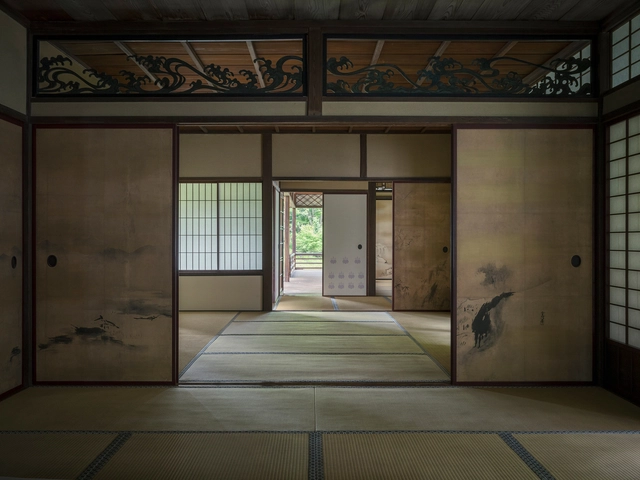
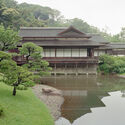
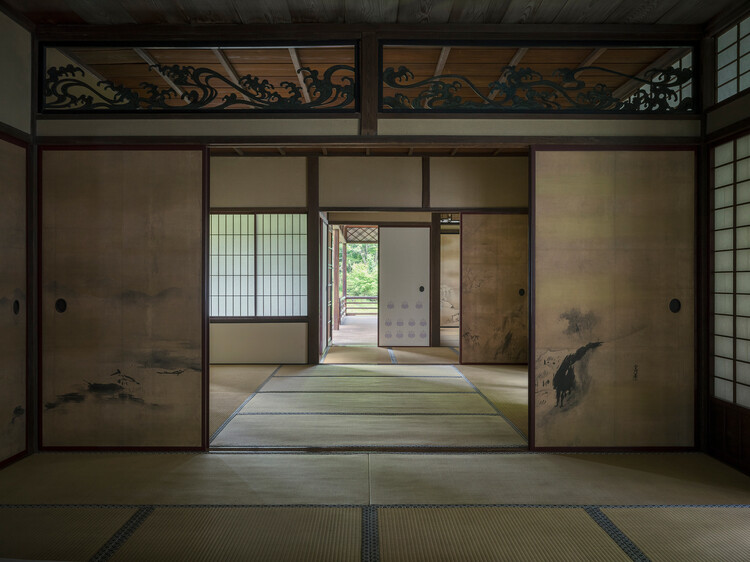
Rinshunkaku is a notable example of early Edo-period residential architecture. Originally built in the Wakayama Prefecture by the Kishu Tokugawa family, the villa was relocated to Sankeien, a traditional Japanese garden in the city of Yokohama, during the Taisho era (1912-1926). The garden was created in the early 20th century by businessman and art patron Sankei Hara and features a number of historic buildings relocated from Kyoto, Kamakura, and other areas of Japan. Rinshunkaku, one of the garden's gems, is a prime example of traditional Japanese architecture and wood construction. Its historical value motivated a large-scale restoration project in 2019, documented in the film Artisans of the Reiwa Era (Reiwa no Shokunin-tachi), filmed and edited by Katsumasa Tanaka and Hiroshi Fujiki. The documentary offers a close, detailed view of Japanese craftsmanship and wood expertise, highlighting rare traditional techniques and paying tribute to the artisans who preserve them.
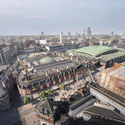
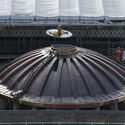
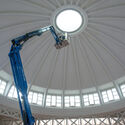
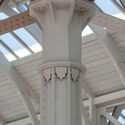
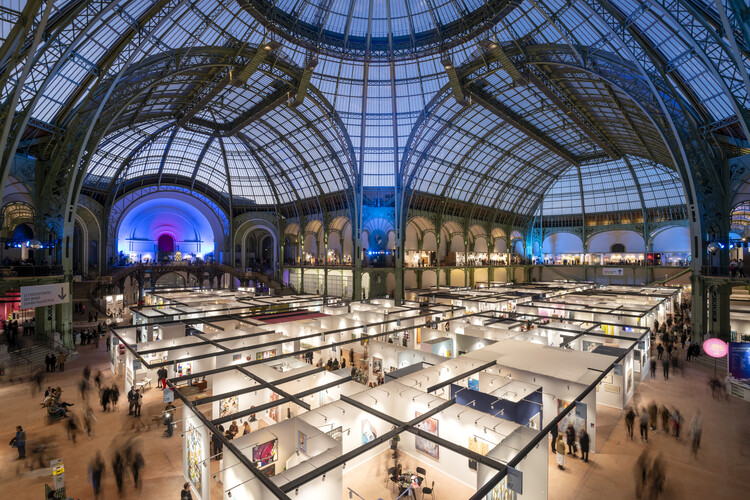
Art Paris will return to the Grand Palais from 9-12 April 2026, marking the 28th edition of the fair at the recently renovated landmark. Reopened following its most extensive restoration in over a century, the 77,000-square-meter building, transformed under the direction of Chatillon Architectes, now accommodates large-scale cultural events across its nave and balcony spaces. Bringing together approximately 165 galleries from around twenty countries, the fair is structured around two curatorial themes, language and reparation, presented within an updated spatial framework defined by improved circulation and expanded exhibition areas.
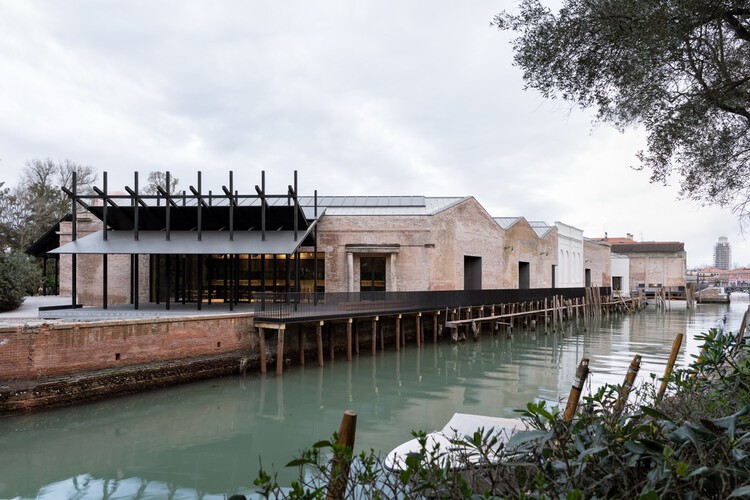
La Biennale di Venezia has unveiled the renovated Central Pavilion at the Giardini, completing a comprehensive intervention delivered between December 2024 and March 2026 as part of a broader national program to enhance cultural infrastructure. Funded by the Italian Ministry of Culture under the National Recovery and Resilience Plan (PNRR) and its complementary investment program (PNC), the project contributes to the development of a permanent hub for cultural production and exchange in Venice. The works form part of a wider initiative involving multiple sites associated with the Biennale, including the Giardini, the Arsenale, and other locations across the city, developed in coordination with local authorities and heritage institutions.
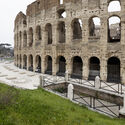
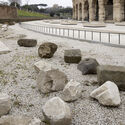
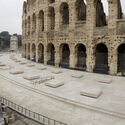
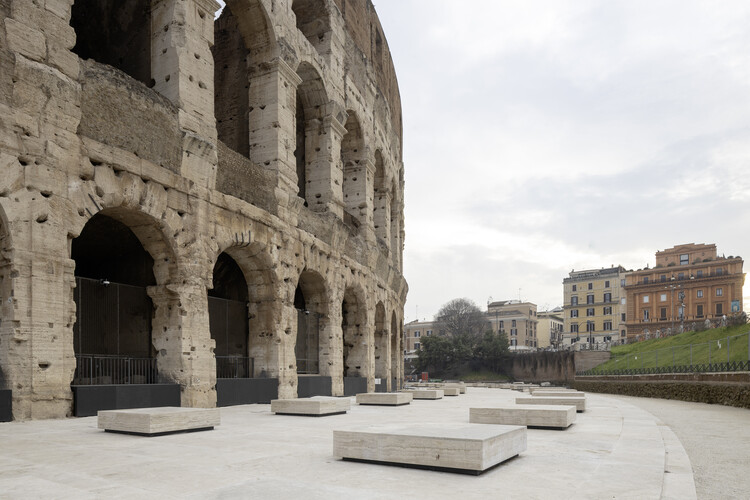
The southern ambulatory of the Colosseum in Rome has been restored through an intervention led by Stefano Boeri Interiors, a multidisciplinary studio founded by architects Stefano Boeri and Giorgio Donà, for the Parco Archeologico del Colosseo, focusing on the reconstruction of the crepidine and the repaving of missing sections to reinstate the monument's original ground levels and improve the legibility of its southern perimeter. The project builds on an archaeological investigation campaign that informed both the geometric definition of the intervention and its material articulation.
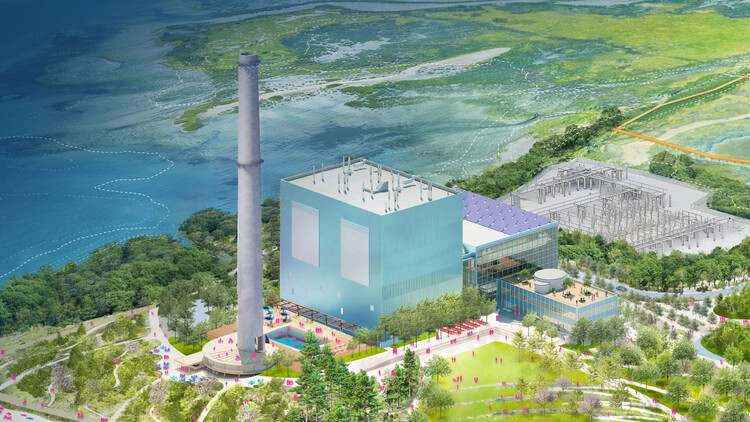
Manresa Wilds Zoomed Aerial. Image Courtesy of BIG
ManresaIsland Corp. has unveiled the final vision for Manresa Wilds, a 125-acre waterfront park planned on a former power plant peninsula along Long Island Sound in Norwalk, United States. Developed in collaboration with landscape architecture firm SCAPE and architecture studioBIG, the proposal outlines the transformation of a polluted and long-inaccessible industrial shoreline into a publicly accessible coastal landscape. Following the receipt of a stewardship permit from Connecticut's Department of Energy and Environmental Protection in December 2025, the project will move forward in phases, beginning with the opening of the 28-acre Northern Forest in spring 2027. Subsequent phases, extending into the early 2030s, will deliver the majority of the restored landscape and the adaptive reuse of the 1960s-era power plant as a year-round civic and educational hub, opening nearly two miles of coastline that have been closed to the public for decades.